
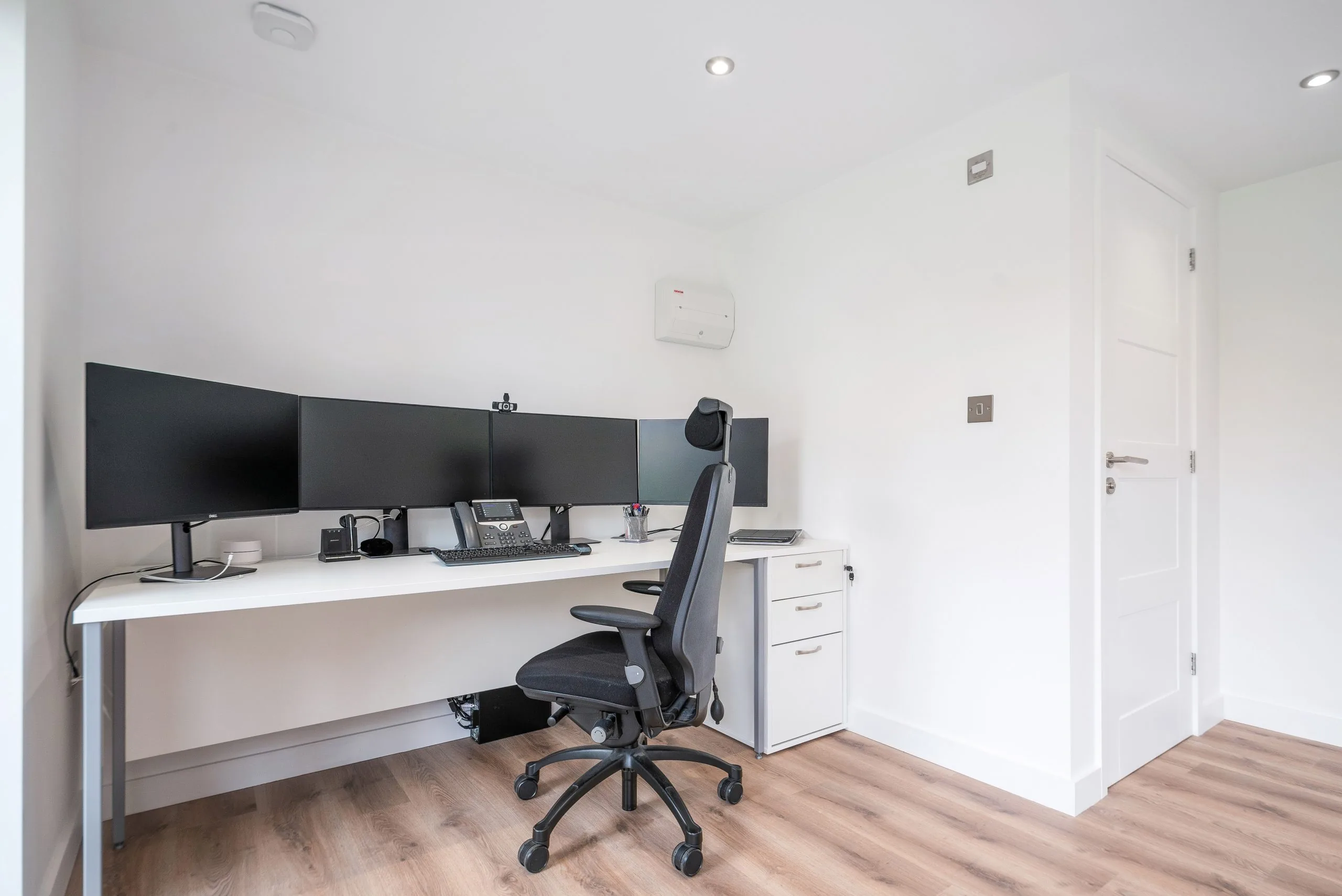
Creative Studio Retreat
A refined creative garden studio showing how a bespoke building can provide a calm, high-quality space for focused work, making, shooting and developing ideas away from the main house.
View project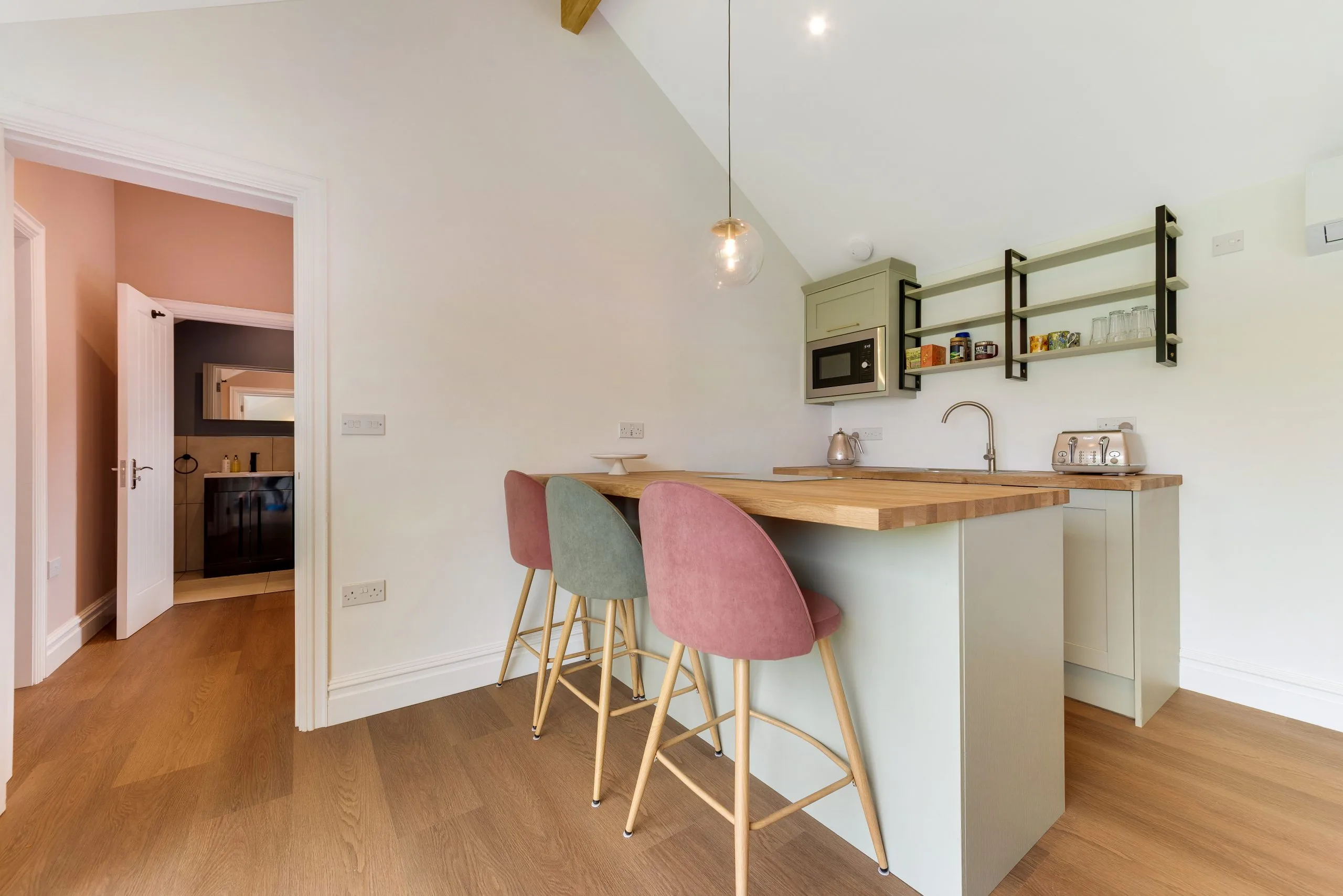
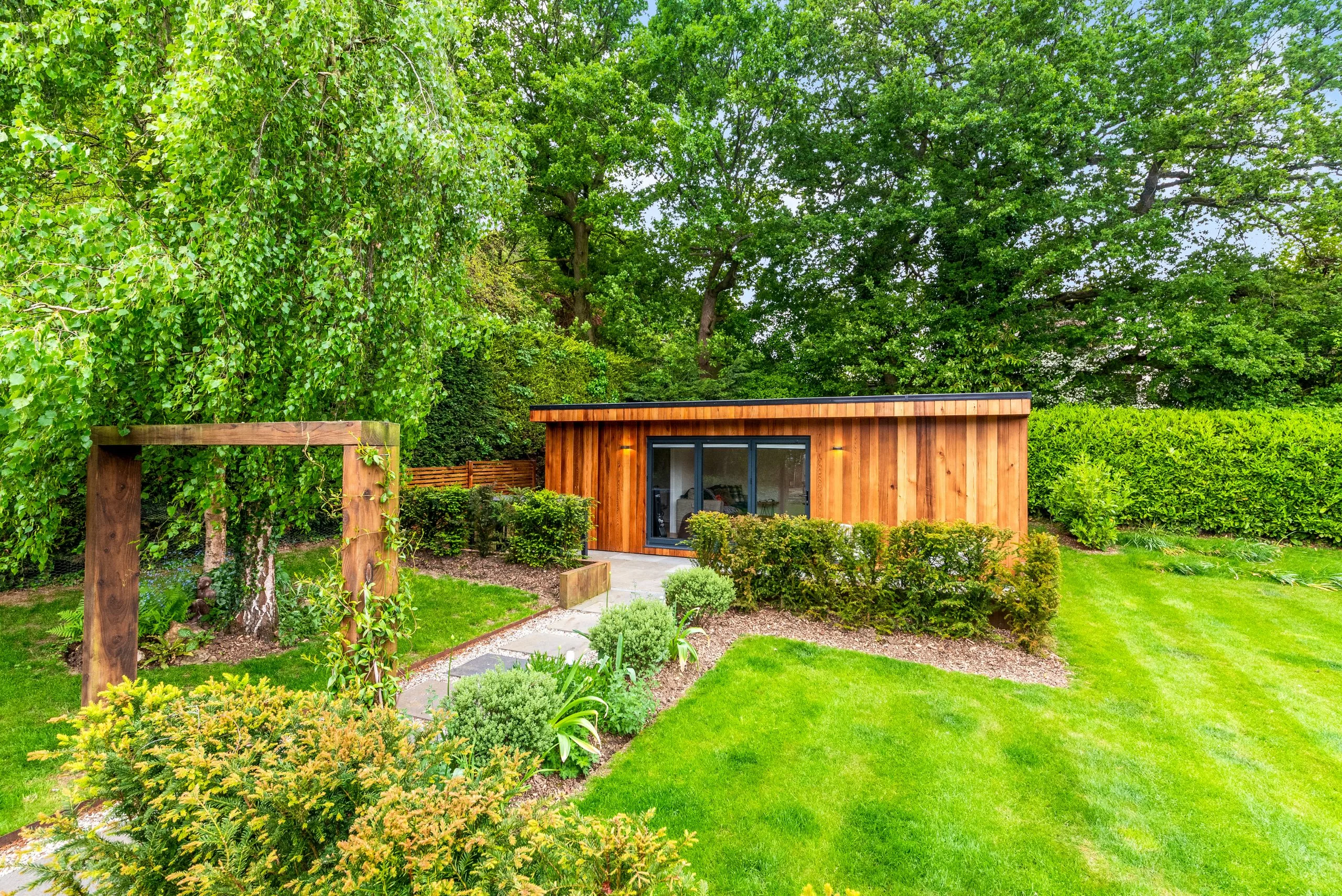
A food content studio has to do more than look good on camera.
It needs to support the unglamorous parts of production too: ingredient storage, washing up between takes, reliable power for lighting, somewhere for props, controlled acoustics, comfortable year-round working conditions and a kitchen layout that still makes sense when a tripod, laptop, stylist and client are all sharing the same room.
That is why a bespoke garden room can be such a strong solution for recipe developers, food photographers, video creators, brand teams, chefs, nutritionists and home-based food businesses. Instead of rearranging your main kitchen every time you shoot, you can create a dedicated, beautifully finished content space in the garden: private, practical, quiet and tailored around the way you actually produce content.
For more inspiration on the broader ways a premium garden building can be used, see our main guide to garden room ideas.
Food content is unusually demanding because it combines several workspaces in one. A normal room might cope with a desk and camera. A food studio needs preparation zones, cooking facilities, styling areas, durable surfaces, controlled light, camera space, heating, ventilation, plenty of sockets and an interior that photographs beautifully from multiple angles.
A Hawksbeck garden room can be designed around those requirements from the beginning, rather than adapting a spare room or domestic kitchen that was never intended for production. The result can be a calm, premium studio where every detail has a purpose: the position of the island, the height of the worktop, the direction of the natural light, the background behind the recipe presenter, the hidden storage for props and the location of the sink after a messy shoot.
When your filming kitchen is separate from your everyday kitchen, you do not need to clear away family life before every shoot. Props can stay organised. Backdrops can be stored safely. Lighting can be set up more efficiently. Ingredients can be delivered and prepped without taking over the house. For creators producing regular reels, YouTube videos, online courses, campaigns or client content, that time saving quickly becomes one of the biggest benefits.
If clients, photographers, videographers, assistants or collaborators visit your studio, the space immediately communicates professionalism. A premium garden building with considered glazing, a beautiful kitchen run, high-quality materials and a comfortable seating area can feel far more polished than an improvised home setup. It can become part of your brand identity as much as your recipes, photography and styling.
The best food content studios are not simply small kitchens placed at the end of the garden. They are production environments. Before thinking about finishes, it is worth mapping out how your content is made from start to finish.
Many food creators benefit from one beautifully designed “hero” kitchen wall that appears behind them on camera. This might include open shelving, timber cabinetry, a tiled splashback, integrated appliances, display jars, a range-style cooking area or a pared-back contemporary run with minimal visual clutter.
Because Hawksbeck buildings are bespoke, the architecture and kitchen design can be planned together. Glazing, wall space and cabinetry can be balanced so the room looks intentional from every key camera angle, rather than forcing you to crop out awkward corners, sockets or storage.
A generous island can be the heart of a food content studio. It offers a practical prep surface, a natural presenting position and space for overhead shots. For video, it can allow the presenter to face the camera while chopping, mixing, plating or styling. For photography, it creates a flexible surface for flat lays, ingredient arrangements and styled scenes.
Useful island details include:
Beautiful content often produces a lot of washing up. A second zone for cleaning, dishwashing, bins and hidden prep can keep the main filming area looking calm. Depending on the size of the garden room, this might be a full utility-style run, a compact sink and dishwasher area, or a behind-camera storage wall.
If you regularly film multiple recipes in one session, separating the “camera-ready” zone from the “working” zone can make the whole day feel smoother.
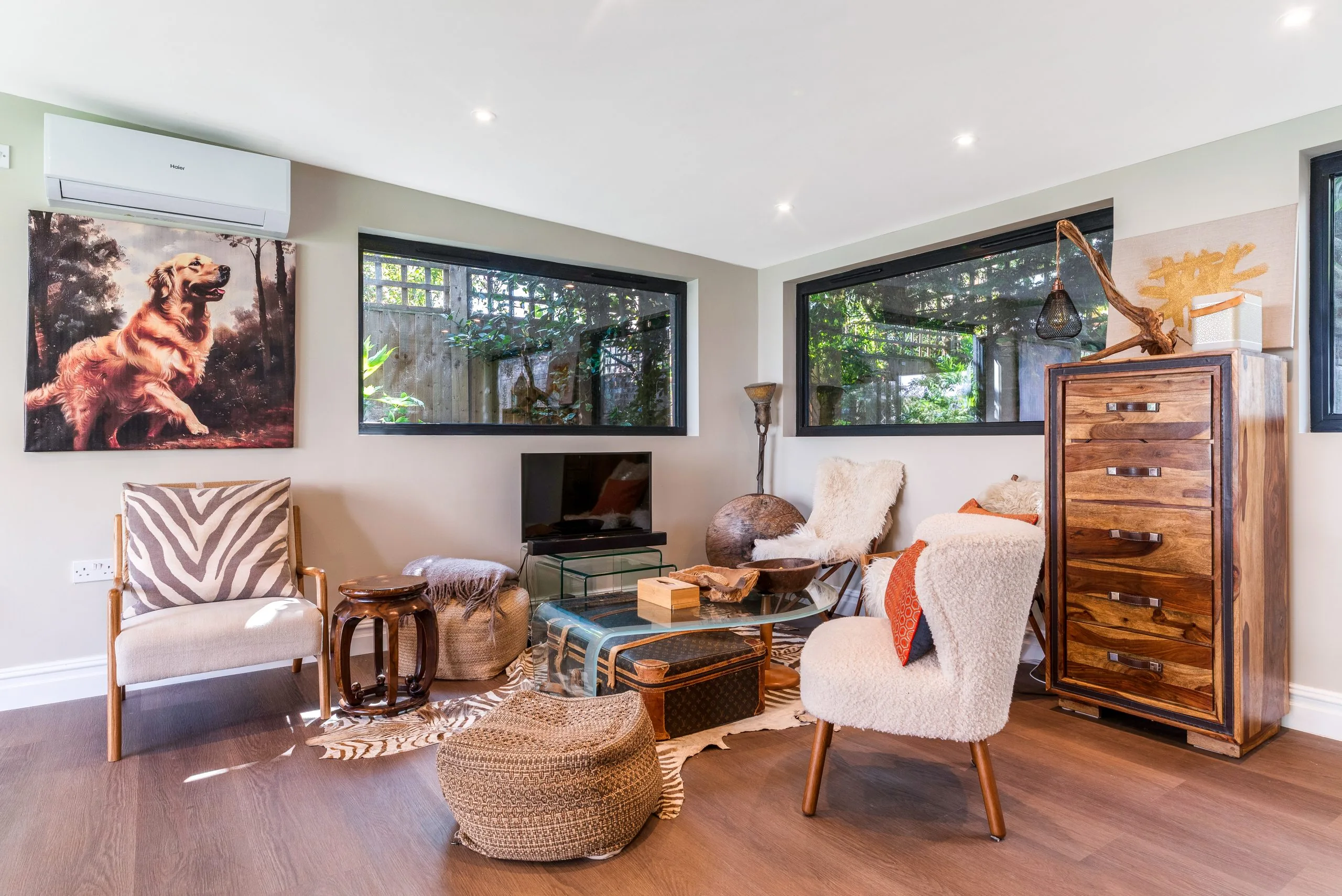
Food photography is particularly sensitive to lighting. Tomatoes need to look fresh, pastry needs texture, sauces need depth and steam needs careful control. A garden room gives you the opportunity to shape both natural and artificial light from the outset.
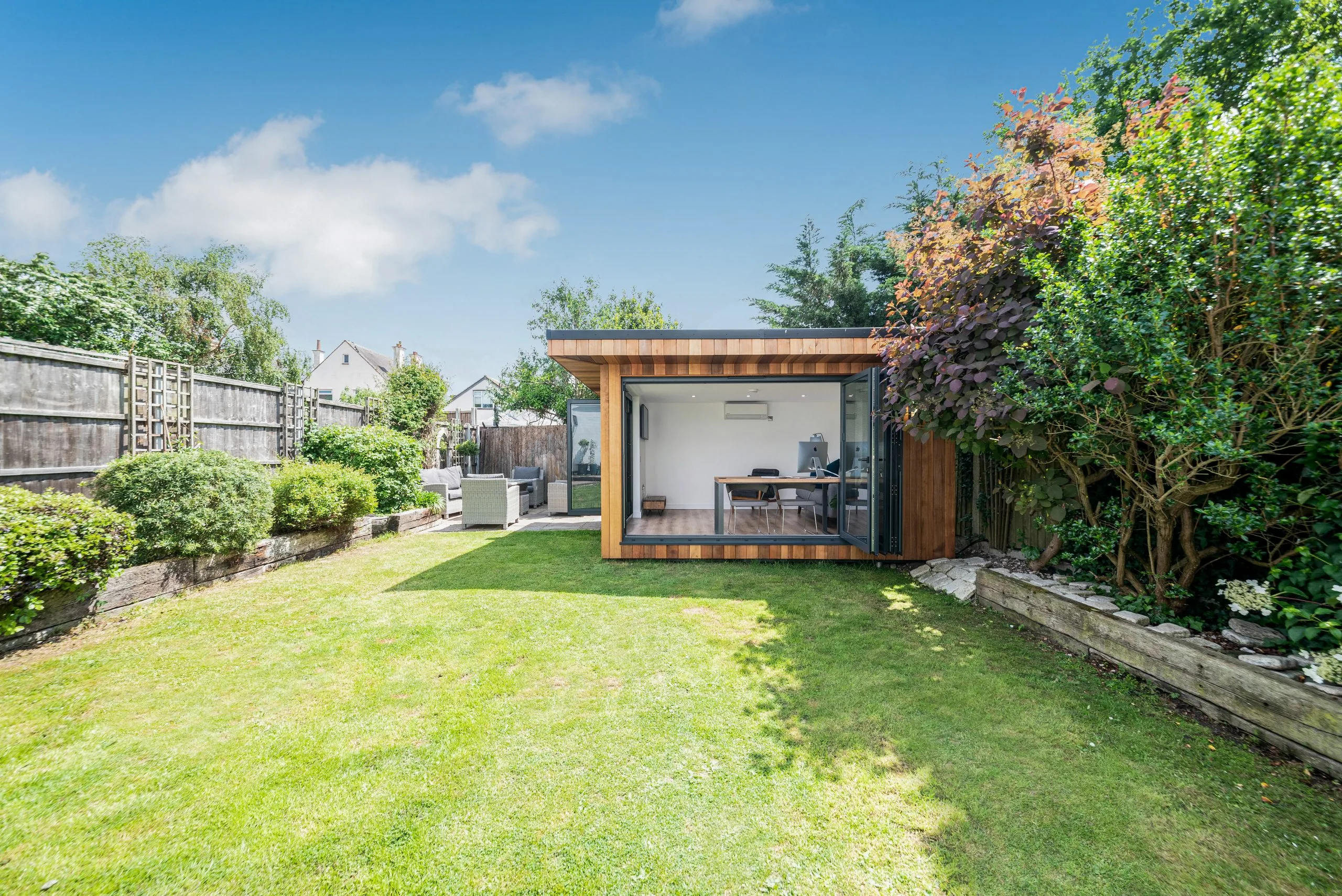
Large glazing can create a beautiful studio feel, but more glass is not always better for food content. The direction, height and control of light matter. North-facing light can be soft and consistent. East-facing light can be excellent for morning shoots. South and west-facing elevations may need more control through blinds, overhangs, planting or internal positioning to avoid harsh glare at certain times of day.
During the design stage, it is worth thinking about:
Even if you love natural light, artificial lighting is usually essential for reliable content production. Short winter days, gloomy mornings and brand deadlines make consistency important. Your garden room can be designed with socket positions and electrical capacity in mind, so you are not relying on extension leads across the floor.
Consider allowing for:
The right specification depends on the type of work you produce. A baker, a recipe developer, a drinks stylist, a nutritionist and a brand videographer will all have different priorities. A bespoke build allows the studio to be shaped around your content rather than forcing you into a standard layout.
If your content studio will be used for preparing food for sale, catering, classes or commercial production, there may be additional hygiene, ventilation, waste, drainage or regulatory considerations. A studio used primarily for filming and recipe development is different from a commercial kitchen, so it is sensible to be clear about how the space will be used from the beginning.
A food content studio should support the camera as much as the cook. Small decisions in the design stage can make filming feel far less awkward later.
A common mistake is designing a kitchen that looks good in person but gives the camera nowhere to go. Video often needs more distance than expected, especially if you want waist-up presenting shots, wide recipe demonstrations or space for a second person on camera. A garden room can be planned with shooting depth in mind, including clear zones for tripods, lighting stands and movement behind the camera.
Overhead recipe shots are popular for social media, online courses and process-led videos. If this is part of your content style, consider how you will mount or position your camera. Some creators prefer a mobile C-stand. Others may want a more permanent rigging point, depending on the structure, ceiling finish and equipment weight. Planning this early helps avoid a cluttered setup later.
Food videos often include spoken introductions, voiceover capture, chopping sounds, sizzling pans and atmospheric audio. A well-insulated garden room can feel quieter and more controlled than a typical domestic kitchen, particularly when separated from household noise. Soft furnishings, acoustic panels, curtains, rugs or upholstered seating can also help reduce echo without making the room feel like a recording booth.
Although every food content studio has its own technical requirements, this video shows how a bespoke garden building can be adapted for different lifestyles, working patterns and creative uses.
Your garden studio can become a recognisable part of your visual identity. For some creators, that means a soft countryside kitchen with warm timber, limewashed tones and open shelves. For others, it might be a minimalist contemporary space with clean lines, dark cabinetry and a premium architectural feel. The key is to design an interior that supports your content rather than competes with it.
Some materials look beautiful in person but behave badly on camera.
Glossy worktops can bounce light. Highly patterned surfaces can distract from the food. Very white spaces may need careful exposure control. Very dark interiors can look dramatic but may require stronger lighting.
Good options often include:
A versatile studio should offer more than one look. You might use the kitchen wall for recipe demos, the island for overheads, a window seat for lifestyle shots, a shelving wall for product photography and a small dining table for finished dishes. With clever planning, a single garden room can provide multiple content sets without feeling crowded.
Food content involves an extraordinary amount of kit. Plates, bowls, linens, boards, glassware, cutlery, pans, baking tins, props, ingredients, brand packaging, cleaning products, camera accessories and styling tools all need somewhere to go. Without proper storage, even the most beautiful studio can become difficult to use.
Useful storage ideas include:
The most successful studios usually combine visible styling storage with practical hidden storage. That way, the room feels inspiring on camera but remains efficient during a busy production day.
Recipe development and video production can mean long hours. You may start with prep in the morning, film through the afternoon, clean up, edit selects, package leftovers and then reset for the next day. A garden studio must be comfortable enough to use properly in every season.
Hawksbeck garden rooms are designed as premium, year-round spaces. Insulation, glazing, heating and the overall build quality are especially important for a food studio, where temperature can affect comfort, ingredients, equipment and productivity. If you are working with chocolate, pastry, chilled products or fresh produce, the internal environment matters even more.
Many garden rooms can be built under permitted development, but this depends on the size, height, position, land, intended use and property circumstances. A food content studio can also involve additional practical services such as plumbing, drainage, upgraded electrics and ventilation, so it is important to discuss the full intended use early.
Key considerations include:
Hawksbeck can help you think through these details as part of the design conversation, ensuring the final building is not only beautiful, but genuinely suitable for its purpose.
The right size depends on the level of production. A compact studio for social media recipe content may need far less space than a brand-facing kitchen used for filming, photography and client sessions. However, because food production needs circulation and storage, it is usually worth allowing more room than a standard home office.
A smaller studio might include a kitchen wall, sink, prep counter, storage, a small movable island and a controlled filming angle. This can work well for solo creators, nutrition professionals, recipe testers or influencers who produce short-form content and do not need a large crew.
A mid-size building can include a more generous kitchen, central island, multiple camera positions, equipment storage and space for a photographer or assistant. This is often a strong option for creators who work with brands, shoot regular video and need the room to feel polished on camera.
A larger garden building can feel closer to a professional production kitchen. It might include zones for cooking, plating, washing up, storage, client seating, product staging and editing. This can suit established creators, food educators, cookbook authors, chefs, agencies or businesses producing content regularly.
Pricing depends heavily on the size of the building, specification, ground conditions, access, glazing, finishes and the level of kitchen installation required. A simple garden room and a fully equipped content kitchen are very different projects, so any guide price should be treated as an estimate rather than a fixed quotation.
As a broad guide, a premium bespoke Hawksbeck garden room suitable for a creative studio will typically sit above a basic garden office because of the additional services, design detail and internal specification. A more compact, high-quality studio may fall somewhere from the mid tens of thousands, while a larger food content studio with kitchen units, plumbing, appliances, upgraded electrics, extensive glazing, premium finishes and production-focused detailing may move into the £50,000 to £100,000+ range.
Projects can cost less or more than this depending on your choices. For example, a space designed mainly for photography with a simple prep sink and styling area will usually differ significantly from a studio with full cooking facilities, dishwasher, bespoke cabinetry, premium worktops, extraction and extensive storage. The best approach is to discuss your intended use, wish list and approximate budget so the design can be shaped sensibly from the outset.
Share both, along with the camera angles you rely on, and the studio can be shaped around how you actually shoot.
This studio style suits creators who film recipe videos, online courses, brand collaborations and presenter-led content. The design might include a refined kitchen wall, a large island, controlled glazing, concealed storage, integrated ovens and a simple palette that keeps attention on the food. It is polished, flexible and highly brand-friendly.
For stills photographers, stylists and cookbook creators, the space might be softer and more layered. Think textured walls, timber shelving, natural stone tones, a movable table, linen curtains and several surfaces for different moods. Natural light control becomes especially important here.
This version focuses on function: generous refrigeration, excellent storage, strong ventilation, durable worktops, accurate appliances and a layout that supports testing multiple variations. It can still be beautiful, but the priority is workflow and repeatability.
For established creators and agencies, the garden room may need to host clients during shoot days. A seating area, coffee station, presentation screen, neat storage and a premium exterior approach can transform the building into a professional creative destination rather than just a filming kitchen.
If you are planning a food content studio, a clear brief will help the design process enormously. You do not need to have every answer at the beginning, but it is useful to think about the way you work.
Once these points are understood, the garden room can be designed as a proper working studio rather than a generic building with a kitchen added later.
One of the most appealing parts of a garden food content studio is separation. The work stays close to home, but it no longer takes over the house. Your main kitchen can remain a place to live, while your garden building becomes the setting for creative work, client projects, recipe development and brand growth.
With Hawksbeck, the building can be tailored to the level of finish and functionality you need. Whether you want a refined kitchen backdrop for regular social content or a highly specified brand studio with appliances, plumbing, storage and multiple shoot zones, a bespoke approach gives you the freedom to create a space that feels entirely your own.
A garden room for food content should feel effortless on camera and practical behind the scenes. That balance is difficult to achieve with an off-the-shelf building, but it is exactly where a bespoke Hawksbeck garden room can excel. From layout and glazing to services, finishes, comfort and storage, the studio can be created around your recipes, your workflow and your brand.
If you are ready to explore what a luxury garden food studio could look like at your home, speak to Hawksbeck about your ideas, your space and the way you want to create.
Each of these projects shows the kind of zoning, light and finish that a garden food studio could build on.
A refined creative garden studio showing how a bespoke building can provide a calm, high-quality space for focused work, making, shooting and developing ideas away from the main house.
View project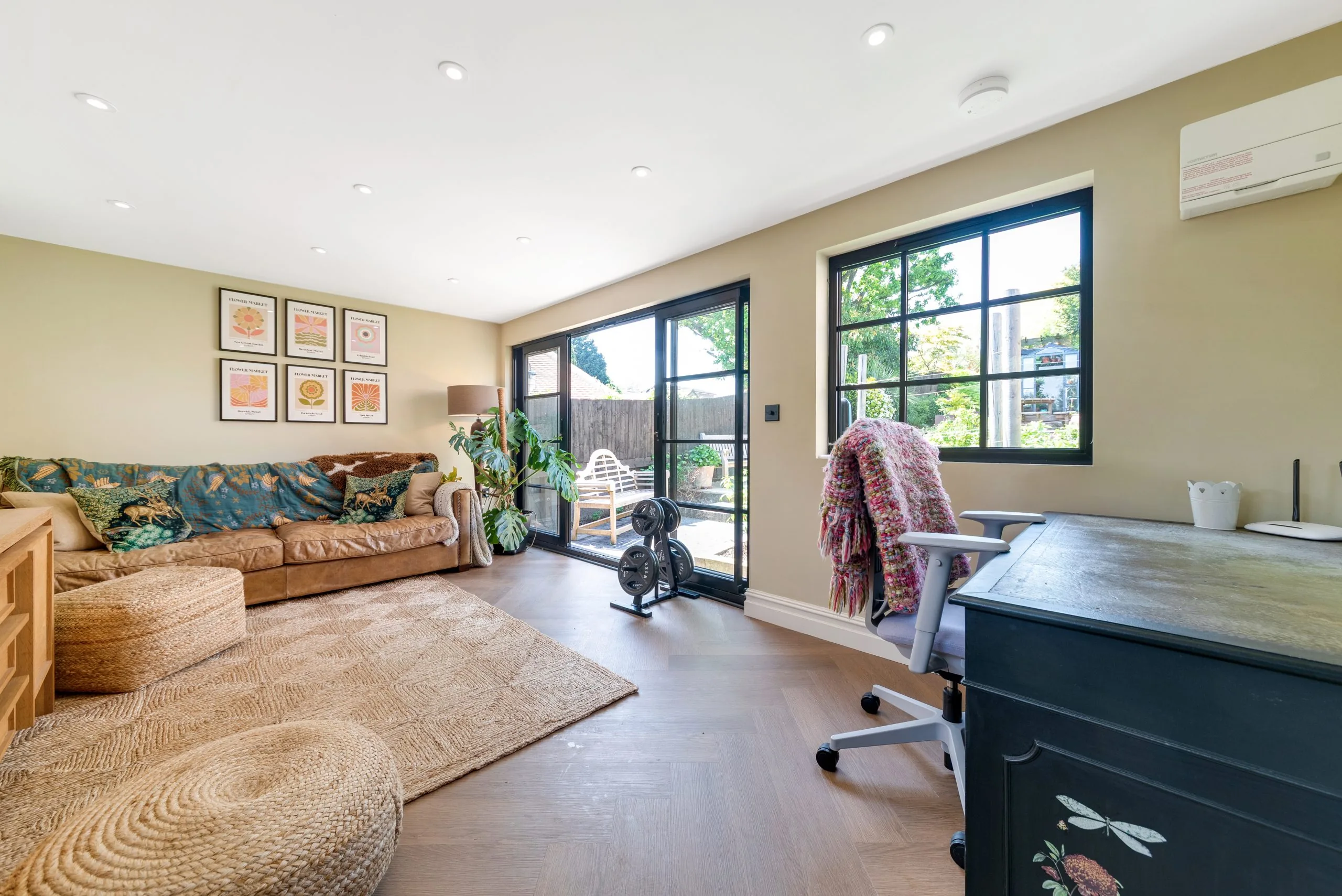
This project highlights the value of zoning within a bespoke garden building, with space planned for different activities while maintaining a premium, cohesive finish throughout.
View project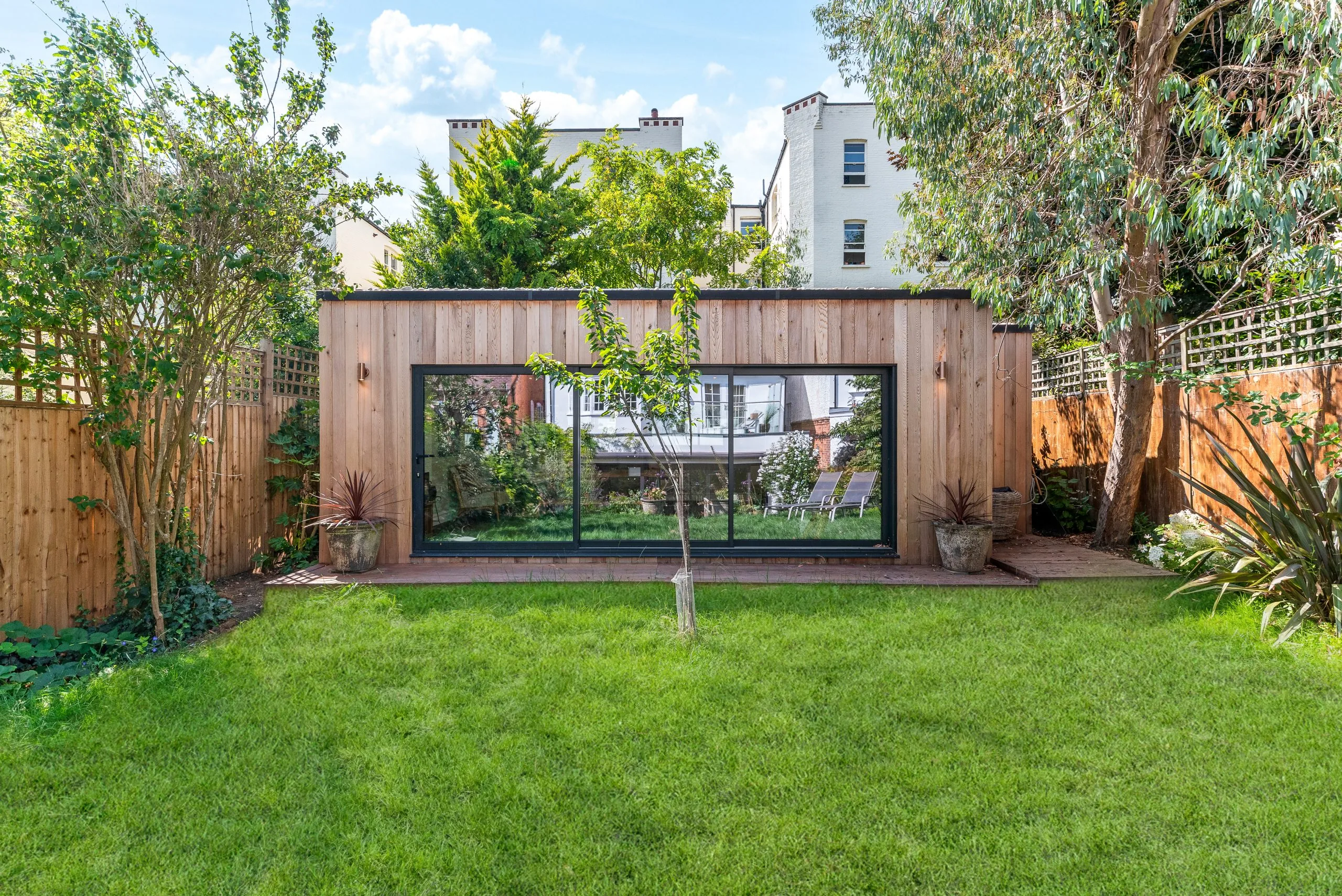
A versatile garden room retreat demonstrating how a luxury bespoke space can be adapted for more than one purpose, ideal inspiration for creators who need a studio to work hard every day.
View project