
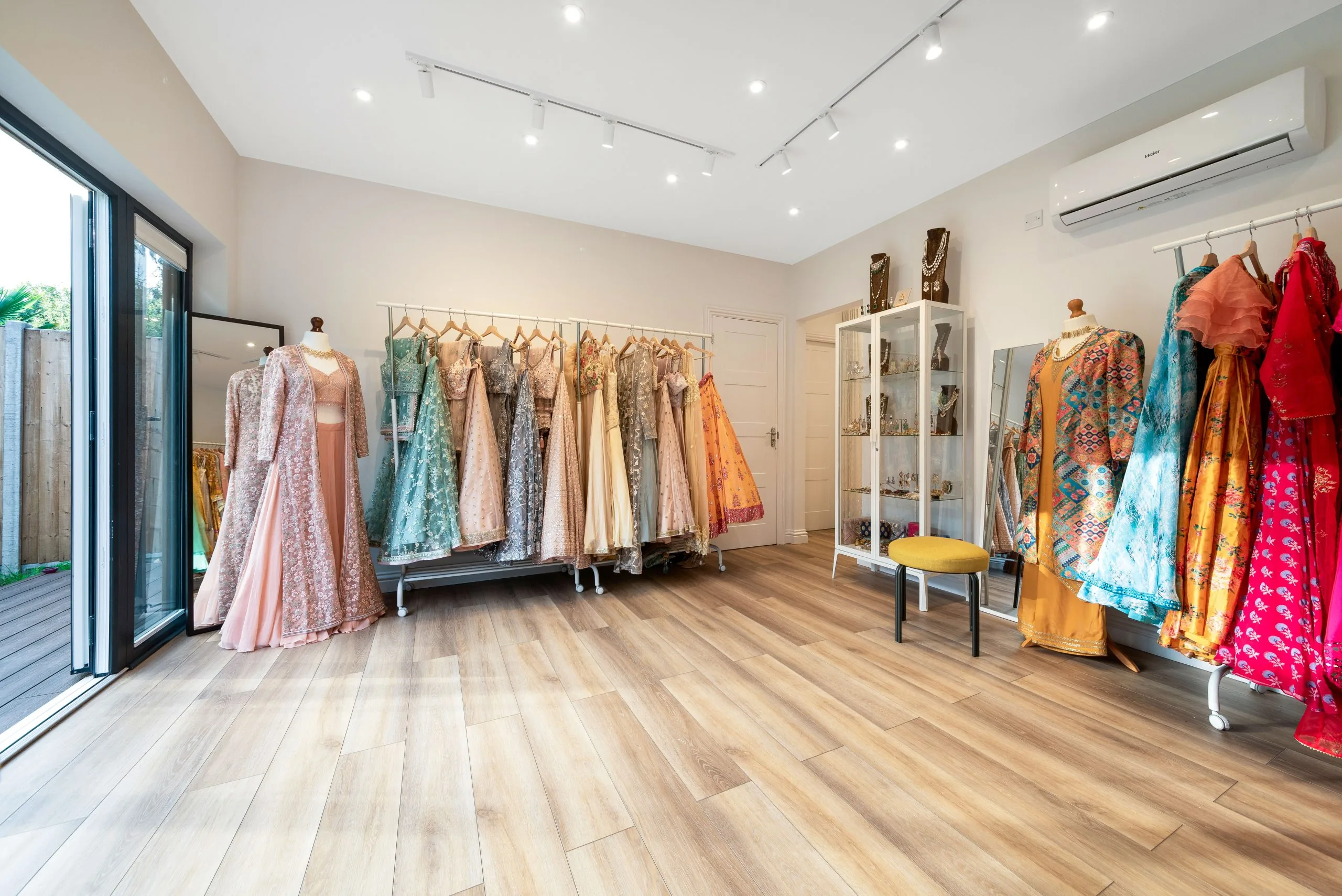
Bespoke Garden Room Workshop
A dedicated workshop project showing how a bespoke garden building can provide a practical, comfortable and beautifully finished space for hands-on work at home.
View project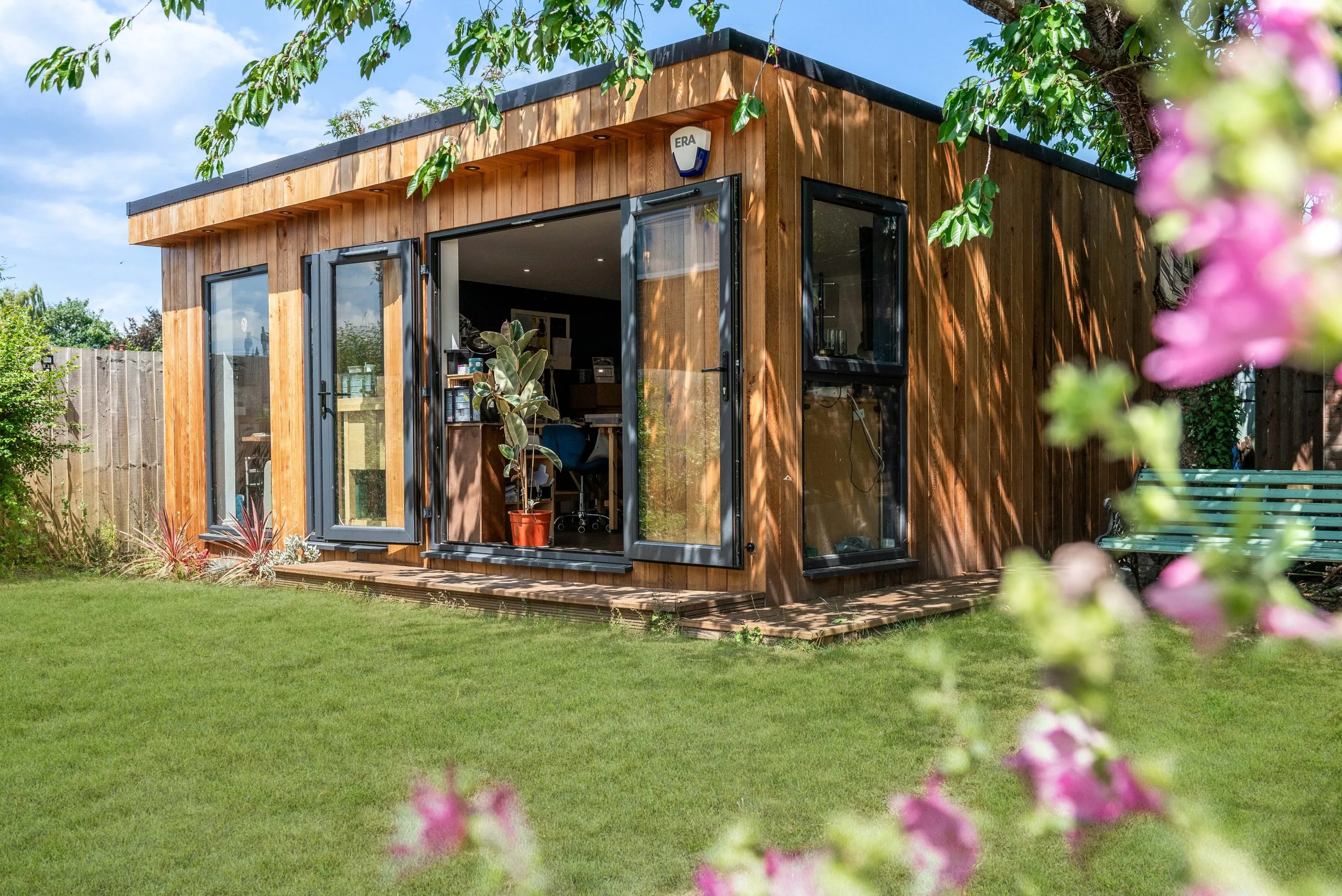
A ride-on mower, cordless tool system, hedge cutters, pressure washer, seed spreader, ladders and hand tools can represent a serious investment. Yet in many homes, that investment ends up scattered across a damp shed, garage corners, temporary racks and outdoor boxes.
A bespoke garden machinery store and workshop solves the problem properly: dry, secure storage for valuable equipment, a comfortable place to maintain it, and a building designed around the way you actually look after your grounds.
For larger gardens, country homes, estate-style properties and keen gardeners with premium equipment, this is not simply “a shed with shelves”. It is a purpose-planned garden building with the right access, flooring, insulation, electrics, ventilation, security and internal layout to make machinery care easier all year round. Hawksbeck designs and builds luxury bespoke garden rooms and garden buildings, which means your machinery store can be as practical as a professional workshop while still looking beautifully finished from the outside.
Standard sheds are usually built around one assumption: you need somewhere to put things. A high-quality garden machinery store has to do far more than that. It needs to protect expensive kit, allow safe movement of heavy equipment, stay usable in winter, handle dirt and moisture, and provide a space where blades, batteries, tools and parts can be maintained without commandeering the garage.
A well-designed machinery store and workshop can help you:
Because Hawksbeck garden buildings are bespoke, the layout can be created around your machinery, your garden access and your daily routine. If you want a compact storage-focused building with a maintenance bench, that can be planned. If you need a larger dual-zone structure with a secure machinery bay, insulated workshop and clean storage area, that can be designed too.
Four working zonesThe strongest designs usually begin with zoning. Machinery storage works best when the building is not treated as one open box, but as a series of practical areas with different jobs to do.
This is the area for larger equipment: ride-on mowers, pedestrian mowers, compact tractors, trailers, wheelbarrows, strimmers, pressure washers and bulky seasonal tools. It needs clear floor space, robust access and enough turning room to avoid squeezing machinery in at awkward angles.
For ride-on equipment, double doors or a wider entrance can make a huge difference. A low-threshold access detail should also be considered so machinery can be moved in and out smoothly. Depending on the garden, you may want the doors positioned to face a path, driveway, hardstanding area or discreet service route rather than the main lawn.
A dedicated workbench transforms the building from a store into a workshop. This is where you can sharpen tools, clean filters, check batteries, repair irrigation parts, service hand tools or assemble garden furniture. Good workshop design includes adequate lighting, accessible sockets, drawer storage and a durable bench surface that can cope with real work.
Many homeowners underestimate how valuable it is to have the bench placed near natural light. A window above or beside the work area can make detailed maintenance easier, while well-planned task lighting ensures the space remains usable on dark winter afternoons.
Modern garden maintenance is increasingly battery powered. Premium cordless mowers, strimmers, hedge cutters, chainsaws, blowers and robotic mowers all need safe, organised charging. Rather than having batteries and chargers spread across the house, a bespoke garden workshop can include a dedicated charging shelf or cabinet with multiple sockets, cable management and suitable ventilation.
For higher-value equipment, it is worth thinking about lockable internal storage for batteries and chargers. These items are often expensive, easy to remove and better kept in a dry, controlled environment.
The floor is valuable. The more that can be safely moved onto walls, racks and overhead storage, the easier the room becomes to use. Long-handled tools, ladders, hoses, extension leads, helmets, PPE, sprayers and smaller hand tools can all be organised vertically.
A bespoke interior allows storage to be planned before the building is made, rather than improvised afterwards. That might include reinforced wall sections for heavy racks, built-in cupboards, pegboard-style tool walls, shelving for consumables or a tall cupboard for chemicals and treatments.
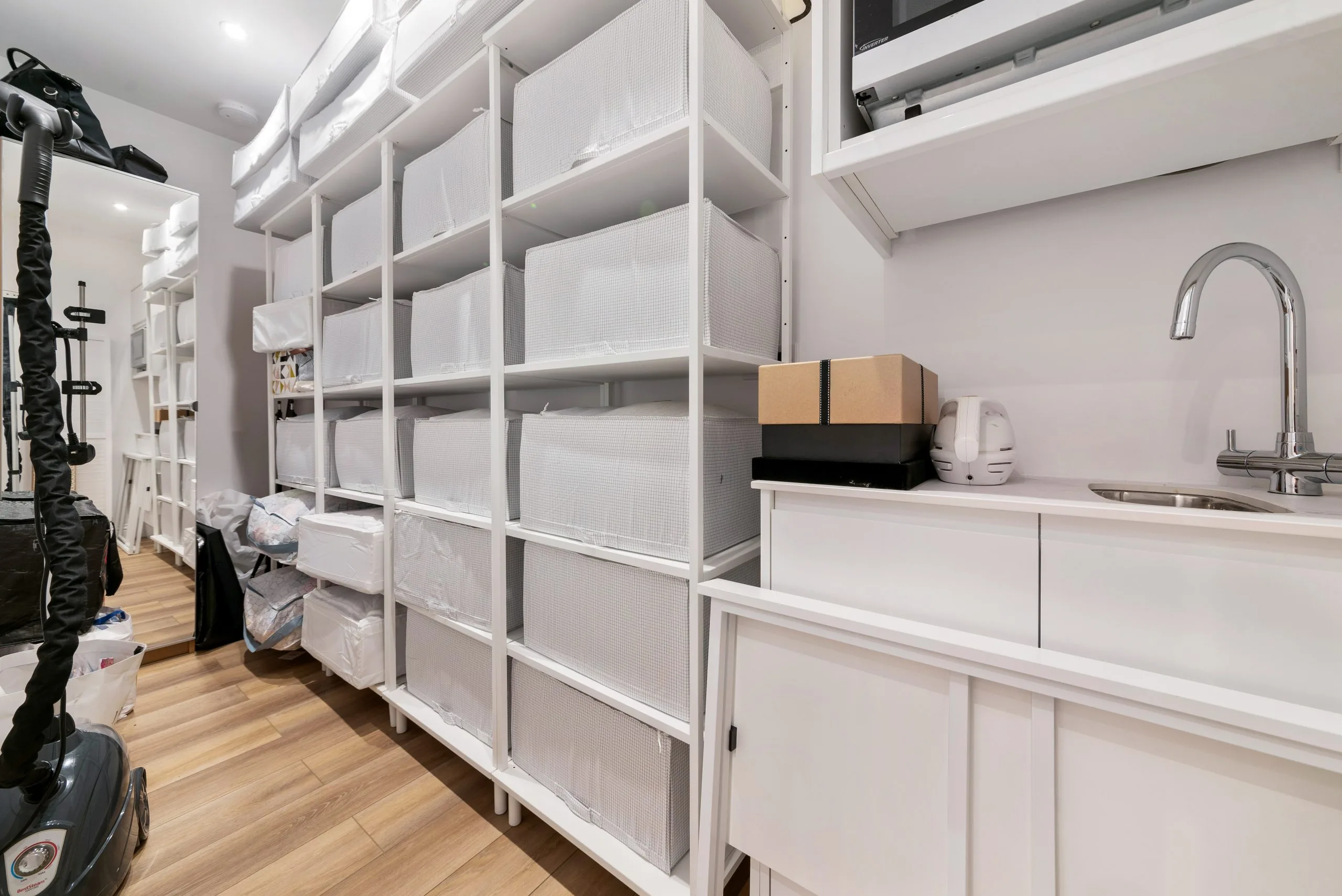
A machinery store has different requirements from a home office, gym or leisure room. It still needs the same attention to quality and finish, but the specification should be shaped around durability, access and security.
The floor needs to be suitable for weight, movement and mess. Garden machinery brings in mud, moisture, grass clippings, fuel cans, oils and sharp-edged tools. A delicate domestic-style floor is rarely the right choice for the machinery bay.
Useful flooring considerations include:
Door width should be based on the equipment you own now and the machinery you may buy in the future. If you currently have a pedestrian mower but may upgrade to a ride-on mower, it is sensible to plan for that early. Retrofitting wider access later is far less efficient than designing it correctly from the beginning.
Think about the outside approach too. A wide set of doors is only useful if the route to them is practical. The path, turning circle, slope, gate width and nearby planting all affect day-to-day usability.
Insulation is one of the biggest differences between a premium garden machinery workshop and a basic store. Even if you are not using the building as a living space, an insulated structure helps create a more stable internal environment for tools, materials and batteries. It also makes maintenance far more pleasant in colder months.
If the building will be used regularly for repair work, sharpening, potting, seed preparation or hobby projects, heating may be worth considering. A comfortable workshop is more likely to be used properly, and it can become a genuinely enjoyable part of the garden rather than a purely functional outbuilding.
Garden machinery is often put away slightly damp, even when you are careful. Ventilation helps reduce condensation and stale air, particularly if the space is used to store grass-covered equipment, boots, waterproofs, fertilisers or cleaning products.
The ventilation approach should match the specification of the building. In some designs, opening windows may be enough. In others, particularly where there are fuels, oils or strong-smelling products, more deliberate airflow planning may be sensible.
Garden machinery can be expensive and attractive to thieves. A premium storage building should be planned with security in mind, especially if it houses ride-on mowers, professional-grade cordless tools or specialist landscaping equipment.
Security details may include careful door specification, lock choices, limited visibility of stored equipment, alarm integration, lighting, discreet placement and internal lockable cupboards. The aim is not to make the building look defensive, but to create a smart, secure space that protects what is inside.
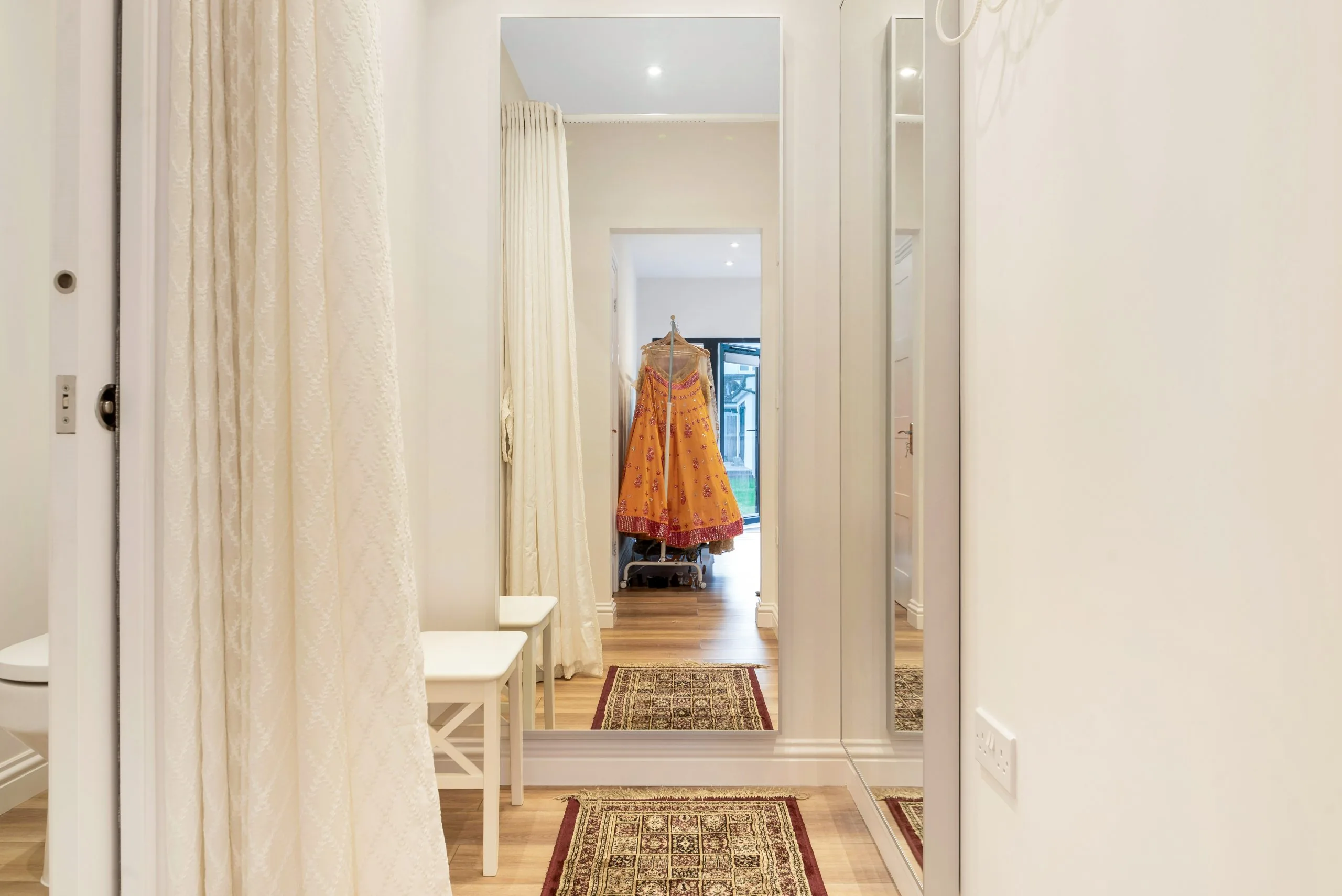
The right size depends on the machinery, the amount of storage you want and whether the workshop will be used for regular maintenance. As a practical guide, it helps to list your equipment in three groups: large floor-standing items, wall-hung tools and bench-based maintenance items.
| Use | Typical requirement | Design notes |
|---|---|---|
| Compact premium tool store | Hand tools, mower, ladders, battery charging and shelves | Best for homeowners who want organised, dry storage without a large workshop area. |
| Machinery store with workbench | Mowers, strimmers, hedge cutters, pressure washer, workbench and wall storage | A strong all-round option for keen gardeners and larger family gardens. |
| Ride-on mower store and workshop | Ride-on mower, wide access, reinforced layout, charging, maintenance bench and storage zones | Requires careful door positioning, circulation space and a robust internal specification. |
| Estate-style garden maintenance building | Multiple machines, tools, parts, fuels, PPE, potting area and separate clean storage | Often works best as a larger bespoke garden building with internal divisions. |
If you are exploring this project as part of a wider plan for your home, our main garden room ideas guide offers further inspiration for how a bespoke building can be adapted for different lifestyles and requirements.
Tell us what has to fit through the doors and how you maintain it, and the layout can be drawn around your equipment rather than squeezed around it.
Worth a watch if your machinery store might also need to make room for a potting bench, a hobby corner or a quiet desk.
The difference between a good machinery store and an excellent one is usually in the details. Small specification decisions can make the building easier to use every week.
A fitted workbench gives you a reliable place for repairs, sharpening and small assembly tasks. Pairing it with a tool wall keeps frequently used items visible and accessible. This is particularly useful for secateurs, spanners, blade tools, gloves, safety glasses, measuring tools and mower accessories.
Not everything should be on display. Lockable cupboards are useful for batteries, chargers, expensive hand tools, chemicals, treatments and products that should be kept away from children or visitors. In larger buildings, a separate secure cupboard or small internal store can be very effective.
A charging shelf with well-positioned sockets can prevent clutter and improve safety. If you use several cordless garden tools, this can become one of the most useful parts of the room. Labels, cable trays and dedicated charger positions help keep everything orderly.
Some clients like to include an adjacent outside tap, boot rack or cleaning area near the entrance so mud can be dealt with before equipment is stored. Even a simple external wash-down point can help keep the interior in better condition.
Windows can make a workshop much more enjoyable, but they need to be considered carefully when valuable machinery is stored inside. High-level glazing, obscured glass, careful orientation or a layout that keeps valuable items away from direct view can all help balance light and privacy.
A machinery workshop may be used most heavily during autumn and winter, whether for leaf equipment, winter storage or pre-season maintenance. Good lighting is essential. Consider general lighting for the whole room, task lighting above the bench and exterior lighting near the entrance.
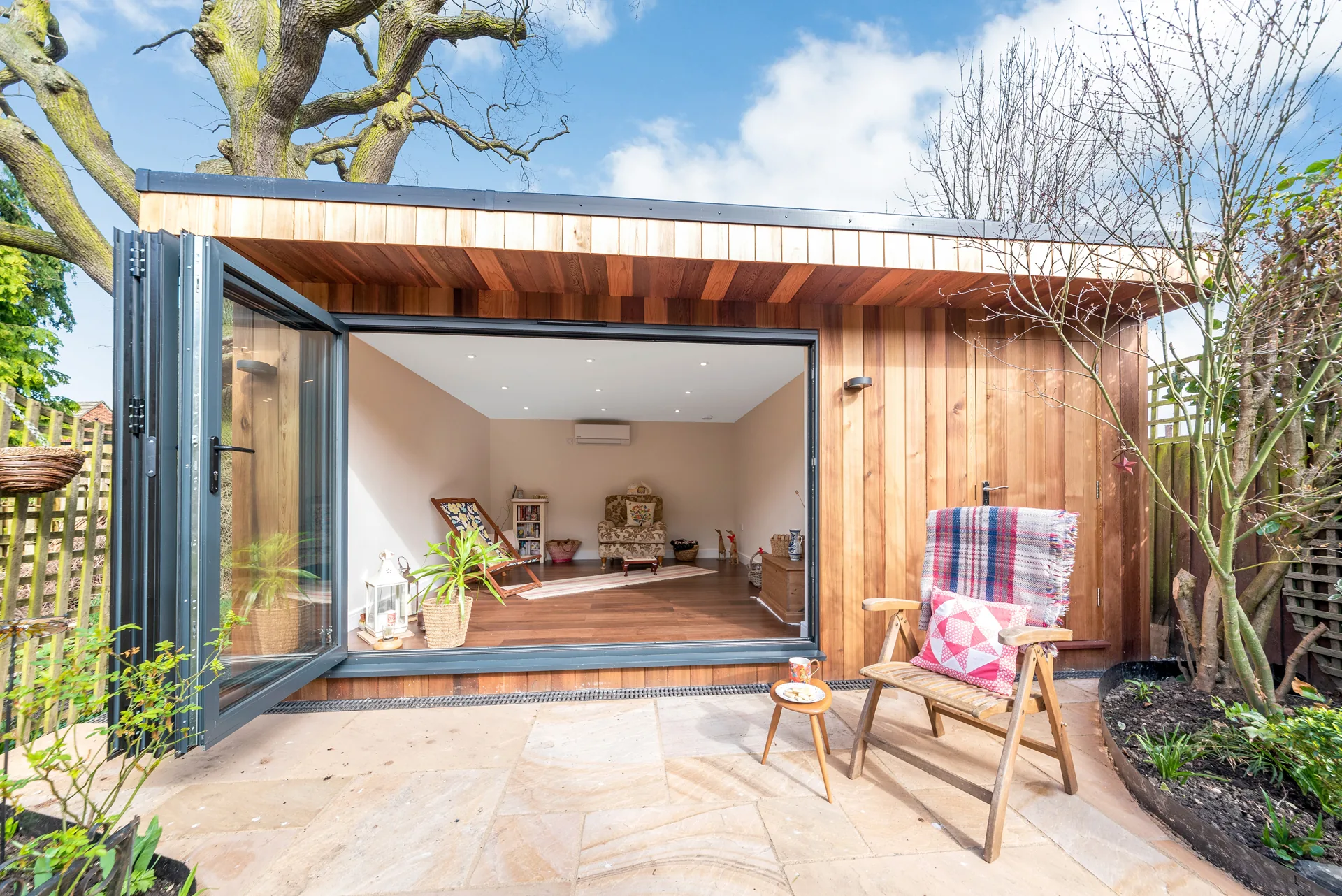
One of the advantages of a bespoke Hawksbeck building is that it does not have to serve only one purpose. Many homeowners want a practical storage area but also want the building to contribute something more to the property.
Common combinations include:
The important point is separation. Dirty machinery, oils, fuels and garden debris should not spill into cleaner spaces. This can be handled through internal partitions, separate external doors, storage cupboards, durable floor finishes and a layout that gives each use its own clear identity.
Location affects how often the building is used and how well it performs. The best position is rarely chosen on appearance alone. It should make sense for access, security, landscaping and the practical movement of machinery.
If the mower, tools and equipment are used mainly at the far end of the garden, placing the store close to that area may save time. For larger plots, this can be more efficient than keeping machinery near the house and repeatedly moving it across lawns or gravel.
Machinery is easier to move over firm, level surfaces. A considered path or hardstanding area outside the entrance can prevent churned-up grass and make access more convenient in wet weather.
There is a balance between visual discretion and security. A building tucked completely out of sight may be more vulnerable, while one that dominates the garden may not be desirable. Hawksbeck buildings are designed to look elegant and permanent, so they can sit comfortably within the wider landscaping rather than appearing like an afterthought.
If the workshop bench will be used often, think about daylight. If the building has glazed doors or windows, consider views, privacy and solar gain.
A premium garden building should feel good to use, not merely functional.
Many garden buildings can be built under permitted development rights, but this depends on factors such as height, location, proximity to boundaries, intended use and the property itself. Listed homes, conservation areas and certain designated land can have additional restrictions.
A machinery store and workshop is usually a practical ancillary garden building, but it is still worth checking the details early. Size, roof form and positioning can all affect whether permission is needed. Hawksbeck can discuss the intended use and help you understand the design considerations that may influence the route forward.
BudgetingPricing depends on size, specification, access requirements, glazing, doors, internal finish, electrical design, foundations, storage features and whether the building is purely practical or part workshop, part luxury garden room. Because Hawksbeck creates bespoke premium buildings, the final cost is always shaped around the brief rather than forced into a standard package.
As a broad guide, a compact, high-quality insulated garden machinery store with premium construction will typically sit from the low-to-mid £20,000s upwards. A more substantial machinery store with a proper workshop area, upgraded access, electrics, internal storage and a higher level of finish may commonly fall in the region of £35,000 to £60,000+. Larger multi-zone buildings for ride-on mowers, estate equipment, hobby use and integrated storage can exceed this depending on scale and specification.
The most helpful way to approach budget is to decide what the building must do from day one and what it should allow for in the future. For example, paying attention to door width, power provision, internal reinforcement and layout at the design stage can protect you from compromises later.
Before speaking to a designer, it is useful to walk around your current storage areas and make a realistic list of what needs to move into the new building. Include the items that are awkward, dirty or currently homeless, not just the obvious machinery.
These answers help shape a building that feels effortless to use. The goal is not simply to create more storage, but to remove daily irritations: tangled cables, damp tools, blocked garage corners, mowers that are difficult to access and maintenance jobs that never have a proper place to happen.
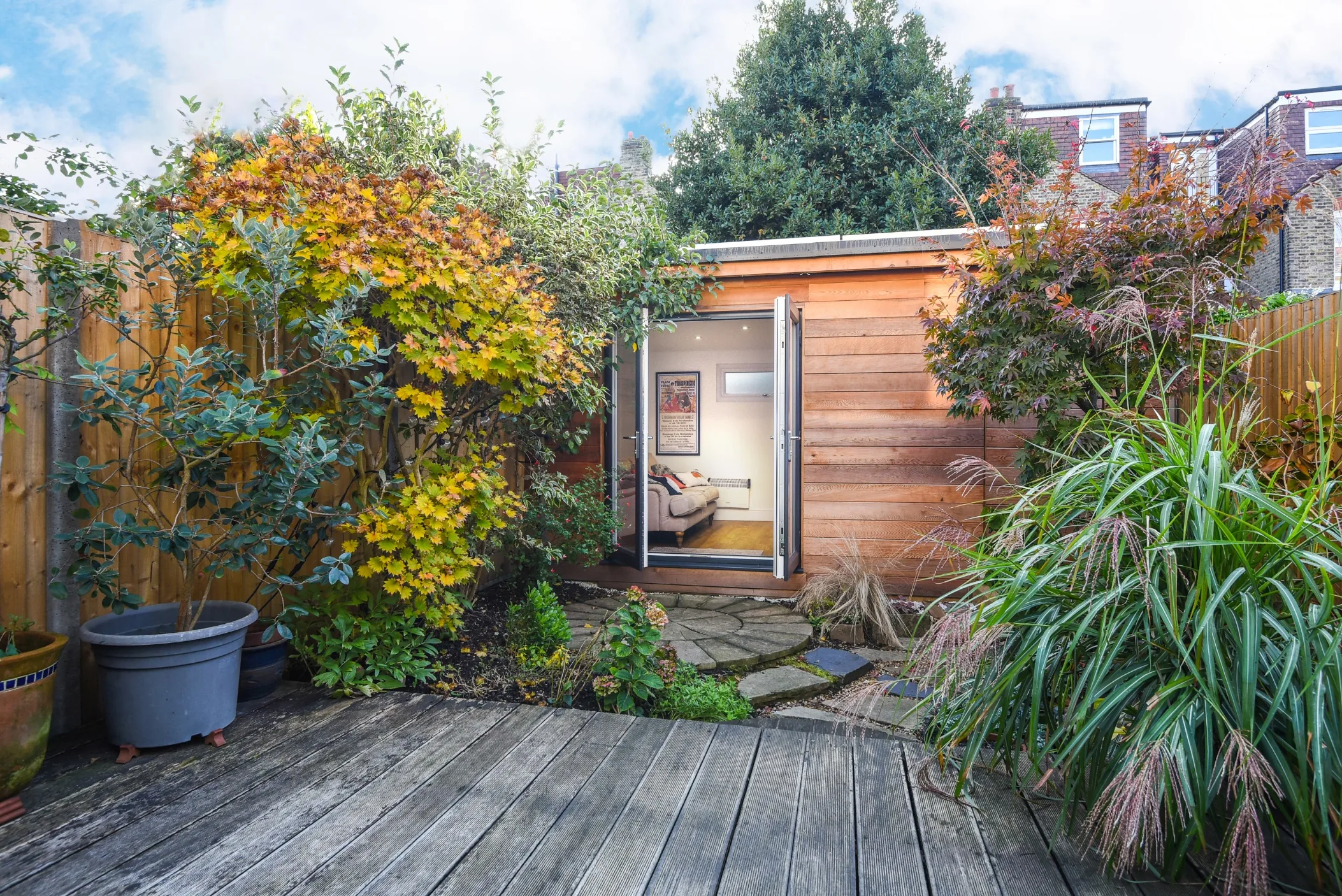
A machinery store should be tough, but it does not have to look industrial. With Hawksbeck, the exterior can be designed to complement the house, garden and surrounding landscape. Cladding, glazing, roof style, proportions and door placement can all be refined so the building feels like an intentional part of the property.
This matters because a premium garden building is visible every day. Whether it sits beside a driveway, near a kitchen garden, at the edge of a lawn or within a larger landscaped scheme, it should enhance the space as well as serve a practical purpose.
Many garden buildings can go ahead under permitted development, and a machinery store is usually treated as a practical ancillary building. Height, size, roof form, position near boundaries and listed or conservation status can all change that, so it is worth checking early.
Size them for the largest machine you own now or expect to buy, and pair them with a low threshold. The route to the doors matters too: path, gate width, slope and turning space all affect how easily the mower comes and goes.
Yes, provided the zones are properly separated. Internal partitions, separate external doors, durable floors and enclosed storage keep oils, fuels and garden debris out of the cleaner space.
If your garden equipment has outgrown a shed, garage or temporary storage arrangement, a bespoke building can make day-to-day maintenance simpler, cleaner and more secure. Hawksbeck can design a premium garden machinery store and workshop around the equipment you own, the way you use your garden and the level of finish expected from a luxury bespoke garden building.
Whether you need a compact storage-focused design, a proper maintenance workshop, a secure ride-on mower store or a larger multi-use garden building, the best starting point is a conversation about the brief, the site and the practical details that matter most.
Three Hawksbeck workshops and storage buildings, each planned around the work that happens inside rather than the boxes it holds.
A dedicated workshop project showing how a bespoke garden building can provide a practical, comfortable and beautifully finished space for hands-on work at home.
View project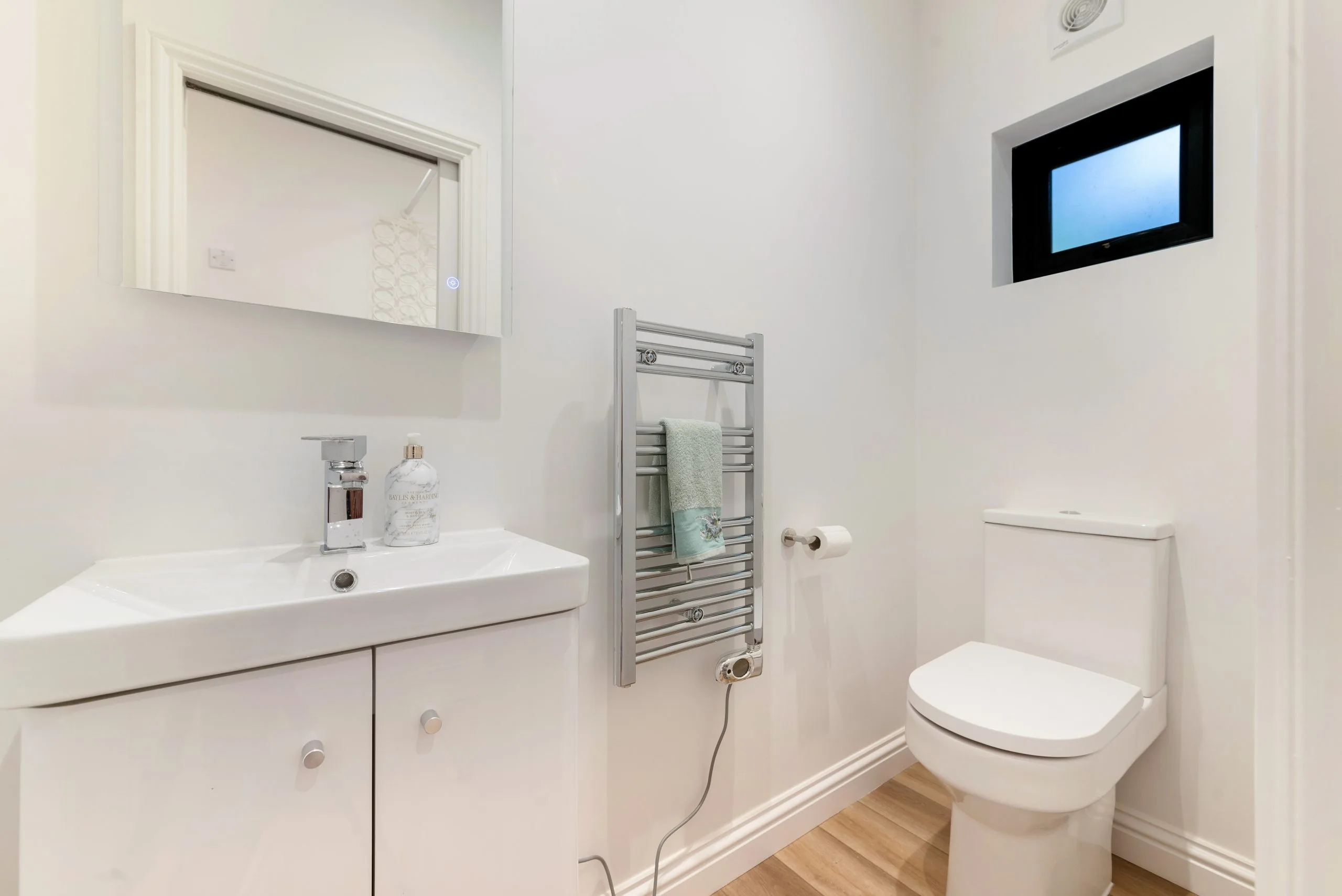
This project highlights the value of a carefully planned workshop environment, with comfort, light and detailing tailored to specialist work rather than generic storage.
View project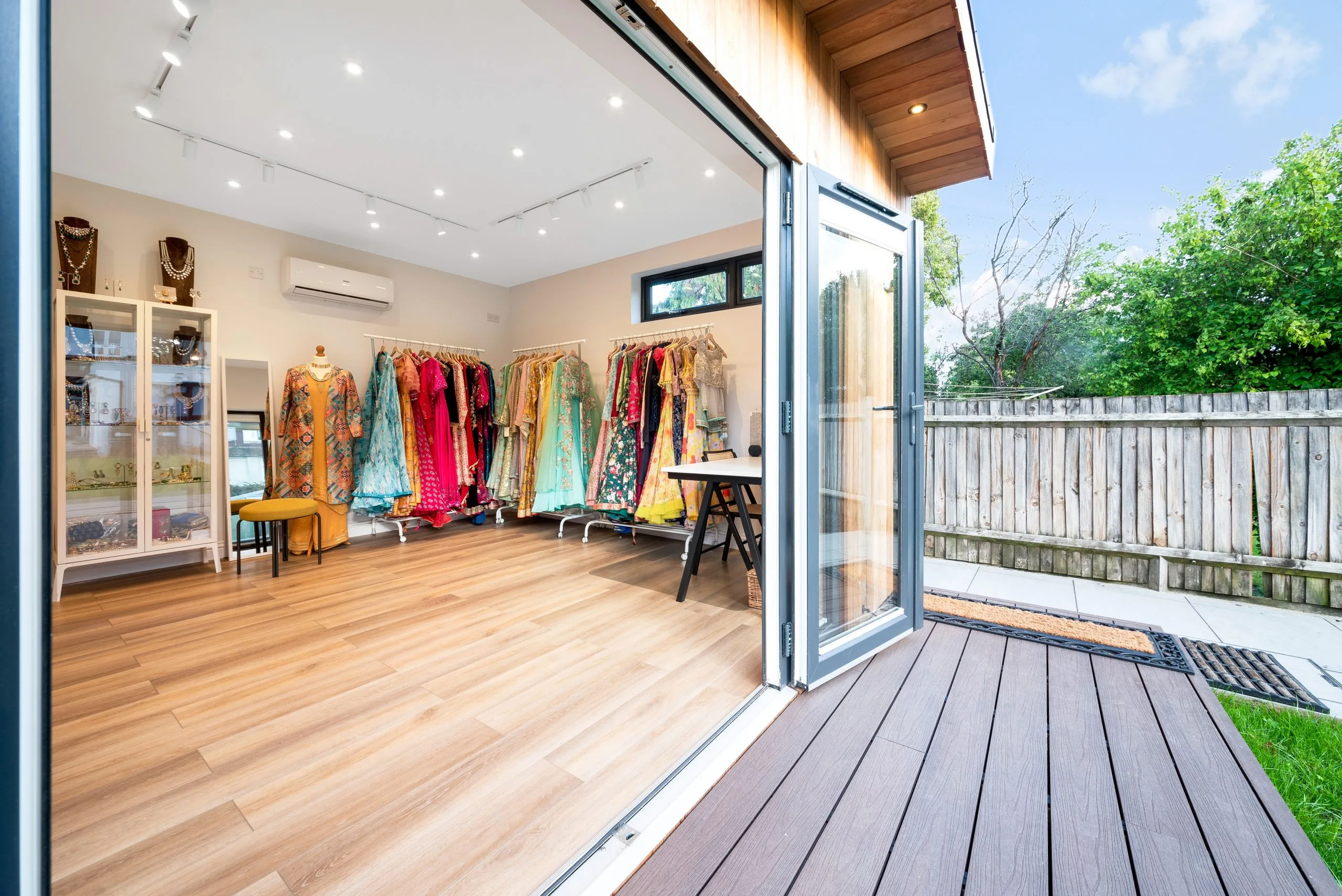
A useful example of combining practical storage with an enjoyable garden room, ideal inspiration for homeowners who want machinery space without sacrificing comfort or design quality.
View project