
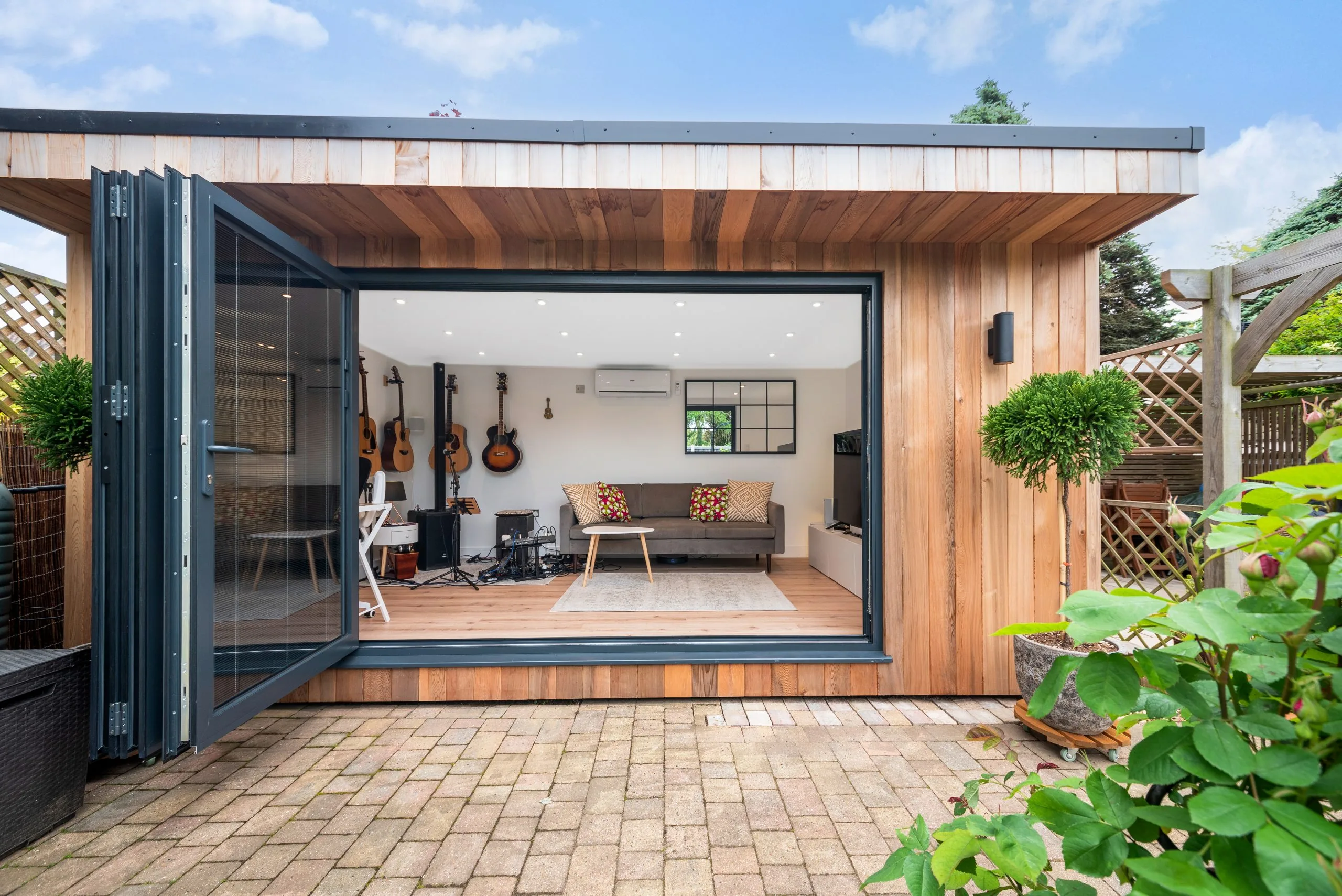
Garden Games Room & Recording Studio
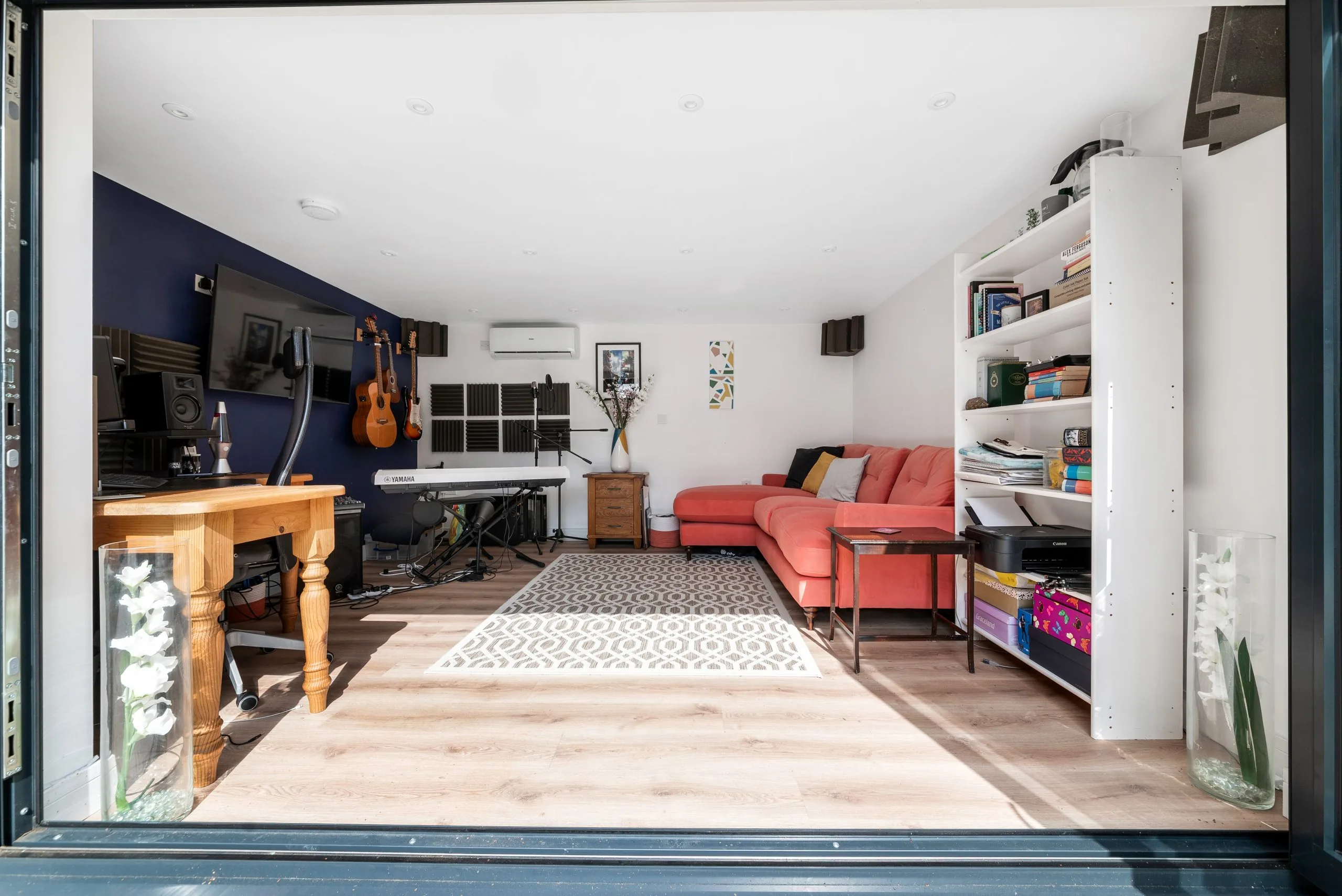
A bespoke garden building in Northwood, London, showing how a premium multi-use space can include dedicated recording functionality while still feeling stylish, comfortable and highly practical.
View project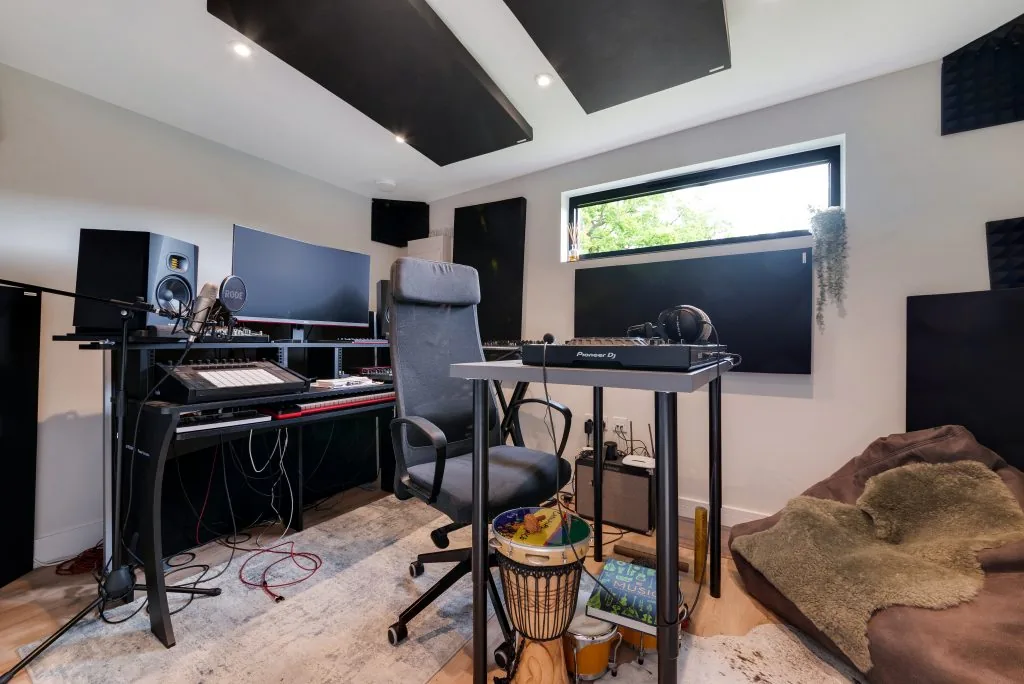
A voiceover studio succeeds or fails in the small details: the faint hum you did not notice until you pressed record, the flutter echo between two hard surfaces, the laptop fan that suddenly sounds enormous, or the delivery driver reversing three doors down just as you reach the perfect take.
A bespoke garden room gives you the opportunity to design the recording environment properly from the outset, rather than trying to force a spare bedroom, loft or cupboard to do a job it was never built for.
For voiceover artists, audiobook narrators, podcasters, course creators, producers and spoken-word professionals, a garden voiceover booth can become a dedicated, quiet, comfortable and highly controlled space just a few steps from home. With Hawksbeck, the advantage is that the building is not an off-the-shelf shell that you then have to “fix” acoustically afterwards. It can be planned around the way you record, the equipment you use, the level of noise isolation you need and the finish you want around you each day.
A voiceover space has different priorities from a music studio. You are usually not trying to contain a drum kit or amplified band; instead, you need a clean, intimate, natural spoken sound with as little outside interference as possible. That changes the design conversation. The room must be quiet, but it also needs to be comfortable for long sessions, visually calm for performance, and technically practical for microphones, monitors, editing and file delivery.
A purpose-built garden studio can separate your recording work from the noise patterns of the house. Washing machines, children, pets, central heating pipework, footsteps, doorbells and household movement are often the biggest problems for home-based voice talent. Moving the booth into the garden gives you distance, control and a professional “switch on” environment without renting commercial studio space.
It can also be designed to feel like a genuine production room rather than a cramped vocal box. For audiobooks, narration and e-learning work, that matters. You may be performing for hours at a time, so posture, fresh air, lighting, desk height, screen position and the feel of the room all affect the quality and consistency of your voice.
Many garden rooms are planned by measuring where the desk and sofa will go. A voiceover booth needs a more considered approach. The microphone position should influence the layout, the amount of glazing, the internal surfaces, the location of doors, the ventilation strategy and the way services are routed into the building.
For a spoken-word studio, we would typically discuss:
The result is a garden building that supports the work rather than simply housing it. That distinction is crucial. A beautiful room that produces boxy, reflective audio is not a successful voiceover studio. Equally, a perfectly dead booth that feels claustrophobic and overheats after 30 minutes will not encourage your best performances.
Two jobs, one roomOne of the most common misunderstandings with voiceover rooms is the difference between stopping sound entering the space and improving the sound inside the space. They are related, but they are not the same thing.
Sound isolation is about reducing external noise reaching the microphone. This might include traffic, aircraft, rain impact, people in the garden, neighbours, heating units or general household noise. For a garden voiceover studio, isolation is influenced by the building envelope, glazing, doors, floor construction, roof build-up, seals, penetrations and any ventilation routes.
The more demanding the recording work, the more important it becomes to consider mass, airtightness and separation. Small gaps can undermine an otherwise well-designed room. A poorly sealed door, an untreated air vent or a lightweight window can become the weak link that your microphone hears immediately.
Acoustic treatment is about controlling reflections inside the studio. Spoken-word recordings usually need clarity, warmth and consistency. Too many hard surfaces can create flutter echo and room tone; too much thin foam can make the room dull without fixing lower-mid problems. A considered acoustic treatment plan may include broadband absorption, bass management, ceiling treatment, soft finishes, angled surfaces or carefully placed diffusion depending on the size and shape of the room.
Because Hawksbeck garden rooms are bespoke, the acoustic thinking can be part of the early design conversation rather than an afterthought. That gives you a much better starting point for professional recording.
The best size depends on whether you want a pure voice booth, a combined record-and-edit studio, or a more generous creative room that also works for meetings, podcasting or production. Bigger is not always better acoustically, but very small rooms can quickly feel uncomfortable and may create pronounced low-mid build-up around the voice.
As a useful guide:
| Studio type | Typical use | Design considerations |
|---|---|---|
| Compact voiceover booth | Short-form VO, auditions, remote sessions, quick pickups | Efficient acoustic control, silent ventilation, simple workstation, minimal glazing |
| Narration and audiobook room | Long-form reading, editing, proofing and file delivery | Comfortable chair, script/tablet position, fresh air, lighting, storage and relaxed acoustics |
| Voiceover and podcast studio | Solo VO plus interviews, video recording or content creation | Flexible microphone positions, camera-friendly backdrop, controlled lighting and extra power/data |
| Premium production garden studio | Recording, editing, client playback, creative work and occasional multi-use | Zoned layout, higher specification finish, acoustic upgrades, discreet storage and luxury interior detailing |
A garden room for professional spoken-word work should allow enough space for the performer, script, microphone, computer, interface and acoustic treatment without feeling cramped. If you record audiobooks or long narration sessions, it is often worth creating a slightly larger, calmer room where you can move naturally and maintain consistent energy across several hours.
Voiceover booths are often shown as dark, windowless boxes, but a garden studio does not have to feel like that. Natural light can make the room far more enjoyable to use, particularly if it is also your editing space, writing room or production office. The key is deciding where glazing helps and where it may compromise acoustic performance or microphone placement.
For some clients, a smaller, carefully positioned window provides the best balance: daylight without excessive reflective glass near the microphone. Others prefer larger glazing in a separate work zone, with the recording position set away from the most reflective surfaces. Doors can also be specified with acoustic performance in mind, and entrance positioning can help reduce direct noise paths into the booth.
This is where bespoke design becomes valuable. You do not have to choose between a beautiful garden building and a usable recording environment. The room can be planned so the premium finish, views and natural light support the way you work.
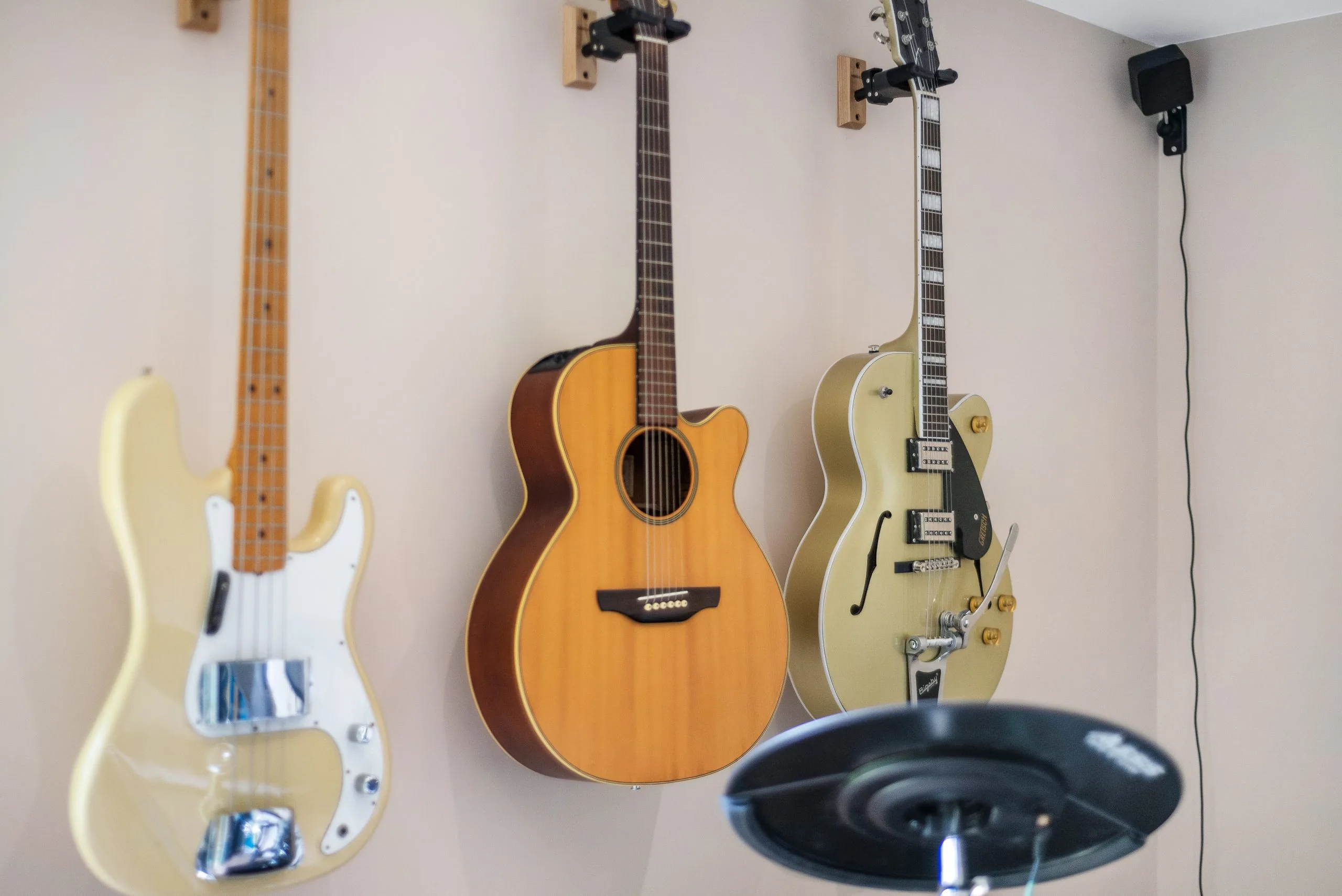
A high-quality voiceover booth is not just a quiet box. It needs to support performance, editing, storage, workflow and the practical realities of professional audio production. Depending on your brief, useful features may include:
If your garden room also needs to work as a podcast studio, editing suite, writing retreat or occasional client space, those uses can be integrated without losing sight of the primary recording purpose. You can explore wider inspiration in our main garden room ideas guide, but for voiceover work the most important decision is to prioritise quietness, comfort and workflow from day one.
There are several ways to configure a garden voiceover building. The right option depends on your recording habits and whether you prefer a separate booth or a single comfortable studio space.
This layout creates a compact recording area and a separate desk zone for editing, admin, emails and file delivery. It can work well if you want the booth to remain acoustically consistent while keeping screens, hard drives and computer noise away from the microphone. The challenge is ensuring the booth does not become too small, hot or visually oppressive.
A single treated room can be excellent for narration and spoken-word work. The microphone, desk, screen and acoustic treatment all sit within one well-planned space. This often feels more relaxed and is ideal for solo voiceover artists who want to record, listen back, edit and export without moving rooms.
If you record interviews, video podcasts or directed sessions, a larger studio may include a small seating area, second microphone position or camera-friendly background. The acoustics need careful planning so the room remains controlled while still looking refined and spacious.
Some clients want a room that functions as a voiceover studio during the day and a calm garden office, reading room or creative retreat at other times. That can work beautifully, provided the acoustic treatment is integrated elegantly and the furniture layout does not compromise the recording position.
The same bespoke build sits behind a compact pickup booth and a full narration studio alike.
Voiceover performance is physical. Breathing, posture, hydration, confidence and concentration all affect the recording. If the room is too hot, too dry, too dark, too cramped or too clinical, you will hear it in the performance. A bespoke garden room allows the studio to be designed as a place where you can work calmly for long periods.
For audiobooks in particular, comfort is not a luxury; it is a production requirement.
You may need to keep a consistent tone across chapters recorded over several days or weeks. A stable environment helps you return to the same microphone position, the same room sound and the same working rhythm.
Potential comfort upgrades include quiet climate control, soft but accurate lighting, high-quality flooring, durable wall finishes, concealed cable routes, built-in shelving, blackout options for video work and carefully positioned windows for natural light without glare. A premium finish also makes the room feel like a professional studio rather than an adapted outbuilding.
Garden studios have particular acoustic challenges. Rain on the roof, wind around the building, birdsong, lawnmowers, traffic and neighbouring gardens can all affect spoken-word recording. The level of treatment required depends heavily on your location and the type of work you do.
If you mainly record short social content or internal business narration, standard high-quality construction with sensible acoustic upgrades may be enough. If you produce paid commercial voiceover, broadcast work or audiobooks where retakes are costly, it is worth investing more in isolation, seals, glazing and ventilation design.
During the design stage, it helps to map the noise around your garden. Is the road noise constant or occasional? Do aircraft pass overhead at predictable times? Are neighbours close to the boundary? Is there a garage, workshop or heat pump nearby? The answers influence where the building sits, which direction the entrance faces, how the studio is orientated and which parts of the envelope should receive the most attention.
Modern voiceover studios are often connected spaces. Directed sessions using Source-Connect, Cleanfeed, Zoom, Teams or other remote tools need reliable internet and a room that feels professional on both audio and video. For many clients, the garden studio becomes a complete production hub.
Useful technology considerations include:
It is much easier to plan these elements during the build than to retrofit them later. Even if your current setup is simple, allowing for future equipment can protect the investment and make the studio more adaptable over time.
Pricing depends on the size of the building, specification, site access, foundations, services, glazing, interior finish and the level of acoustic performance required. A voiceover studio is usually more specialist than a standard garden office because quiet ventilation, enhanced construction details, acoustic treatment, upgraded doors or glazing, and studio-specific electrics can all affect the final figure.
As a broad guide, smaller premium garden rooms in our range may begin from the lower tens of thousands, while a well-specified bespoke voiceover room will often sit higher once acoustic and technical requirements are included. Many professional voiceover, narration or podcast studio projects are likely to fall somewhere from around £35,000 to £70,000+, with larger luxury buildings, advanced acoustic specifications or multi-room production layouts potentially exceeding this.
That is a guide rather than a fixed price. A compact booth for regular voiceover pickups will not cost the same as a larger luxury garden studio with a separate edit suite, extensive glazing, bespoke joinery, enhanced acoustic isolation and premium interior finishes. The best approach is to discuss how you need the room to perform, then shape the specification around your priorities and budget.
The answer sets how much isolation, ventilation and floor area the booth needs, and with them the budget.
The most valuable part of a bespoke build is not simply choosing the size or exterior finish. It is the ability to make hundreds of small decisions that improve how the studio works in real life. For a voiceover room, that might mean reducing reflective glass near the mic, allowing space behind the narrator for absorption, creating a quiet service route, setting the door away from the recording position, or designing storage that keeps the room tidy without making it feel cluttered.
A luxury garden voiceover studio should feel refined, but it should also be practical. You should be able to walk in, switch on, record clean audio and concentrate on the script rather than the environment. That requires a building that has been designed around spoken-word production from the beginning.
Possible bespoke details include:
Glazing can make a studio feel beautiful, but large untreated reflective surfaces close to the microphone can create problems. The answer is not always “no windows”; it is intelligent placement, suitable specification and acoustic planning.
A sealed room may be quiet, but it will quickly become uncomfortable if fresh air and temperature are not considered. Opening a window mid-session defeats the purpose of a controlled recording space, so quiet ventilation and climate control should be discussed early.
Very compact booths can sound boxy and feel tiring, especially for long-form narration. The design should allow enough volume, comfort and treatment depth for the type of work you do.
Fans, hard drives and power supplies can be surprisingly audible on sensitive microphones. Equipment position, cable routing and workstation design should all be part of the plan.
Acoustic panels can help, but they work best when the room proportions, finishes and recording position have already been considered. A bespoke build gives you the chance to integrate acoustic thinking into the design.
Many garden rooms can be built under permitted development, depending on size, height, position and use. However, every property is different, and certain homes, gardens and locations may have additional restrictions. If the building is close to a boundary, in a conservation area, forward of the principal elevation, unusually tall, or intended for a use that changes the character of the property, further checks may be required.
For a voiceover studio used as part of home working, the planning position is often straightforward, but it should still be reviewed properly. Noise impact is usually lower than for a rehearsal room or amplified music studio, but if clients visit regularly or the building changes how the property is used, that may need consideration.
A bespoke garden recording room is particularly useful for:
For many people, the biggest benefit is consistency. When the room is always ready, you can record when your voice is fresh, respond quickly to clients and avoid rebuilding a temporary setup every time you get a brief.
A garden voiceover booth should look as considered from the outside as it sounds on the inside. It becomes part of your home and landscape, so the exterior design, materials, proportions and positioning matter. Hawksbeck garden rooms are designed as premium buildings, not temporary cabins, which means your studio can add genuine lifestyle value as well as professional capability.
The finished space might be discreet and compact, tucked into a quiet corner of the garden, or it might be a striking contemporary studio with a generous editing zone and luxury finish. Either way, the aim is the same: a room that lets you record confidently, work comfortably and enjoy being in the space every day.
If you are comparing portable booths, converting a spare room or considering a dedicated garden studio, the most useful next step is to define what “quiet enough” means for your work. A quick audition booth has different requirements from a professional audiobook room, and a podcast studio has different needs again.
Hawksbeck can help you explore the right size, layout, specification and finish for a bespoke garden voiceover studio that suits your recordings, your garden and your budget. Whether you need a compact narration space or a luxury production room, the building can be designed around the way you actually work.
Tell us about the noise around your garden, your longest sessions and how you like to record, and we will start shaping a booth around all three.
Yes, if it is designed around the microphone from the start. Sound isolation keeps outside noise out, acoustic treatment controls reflections inside, and quiet ventilation keeps the room comfortable without opening a window mid-session.
It depends on the work. A compact booth suits auditions and pickups, while audiobook narration usually benefits from a slightly larger, calmer room, because very small booths can sound boxy and feel tiring over long sessions.
Many professional voiceover, narration or podcast studio projects fall somewhere from around £35,000 to £70,000+, with larger buildings, advanced acoustic specifications or multi-room layouts potentially exceeding this.
Many garden rooms can be built under permitted development, and for a voiceover studio used for home working the position is often straightforward. It still needs reviewing, particularly near boundaries, in conservation areas or if clients will visit regularly.
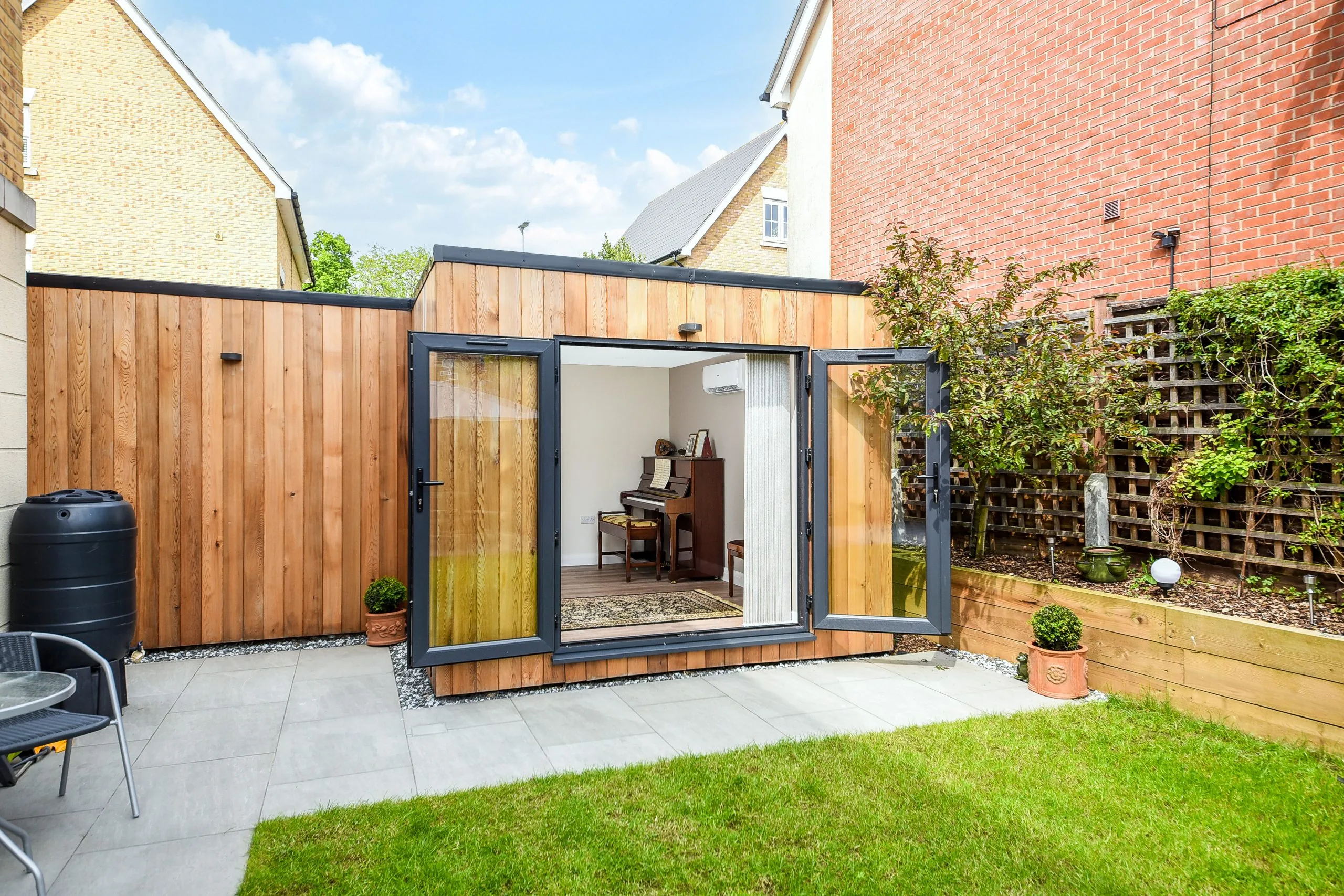
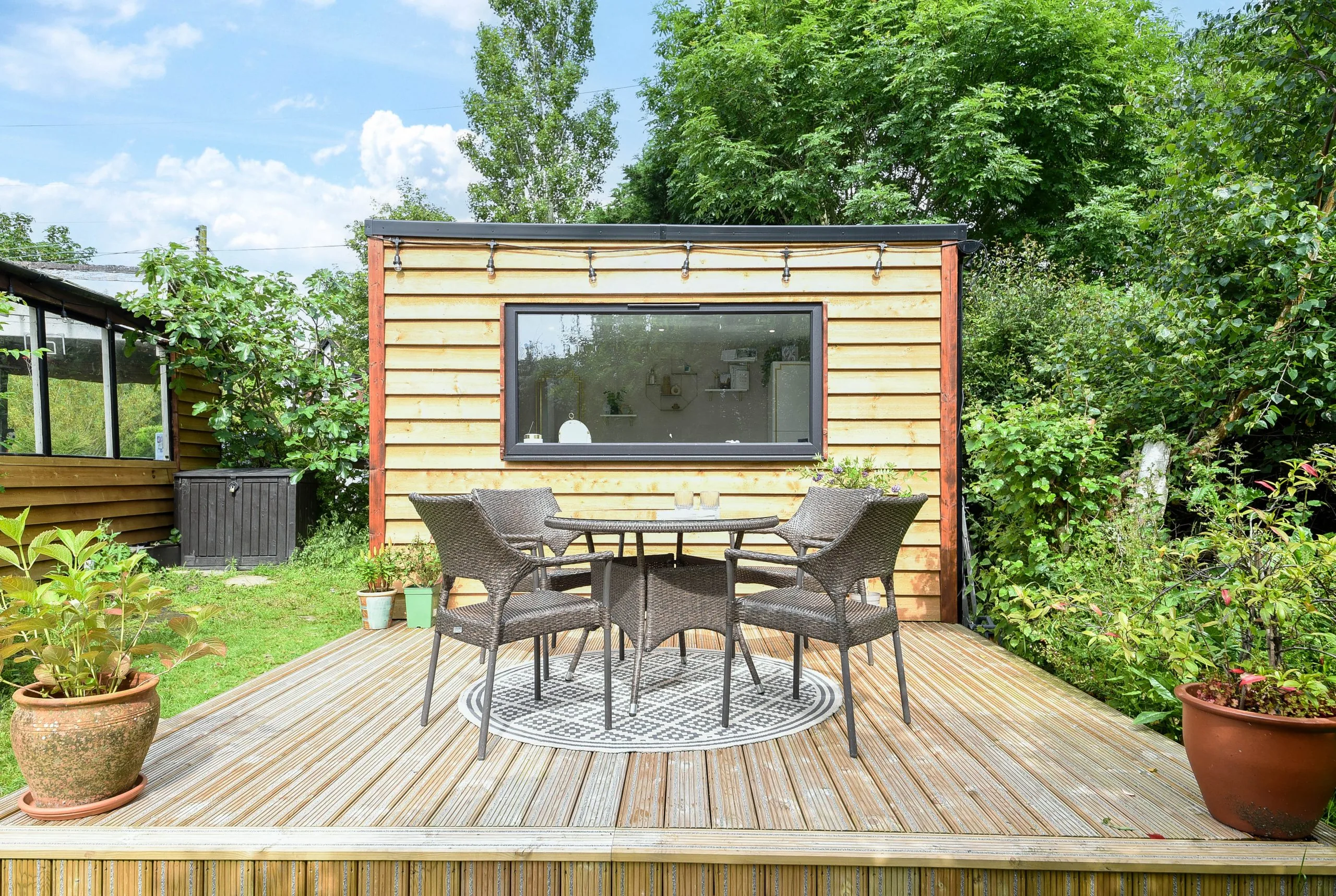
These garden buildings were each planned for recording or music, and show the finish and studio detailing a voiceover booth can build on.
A bespoke garden building in Northwood, London, showing how a premium multi-use space can include dedicated recording functionality while still feeling stylish, comfortable and highly practical.
View project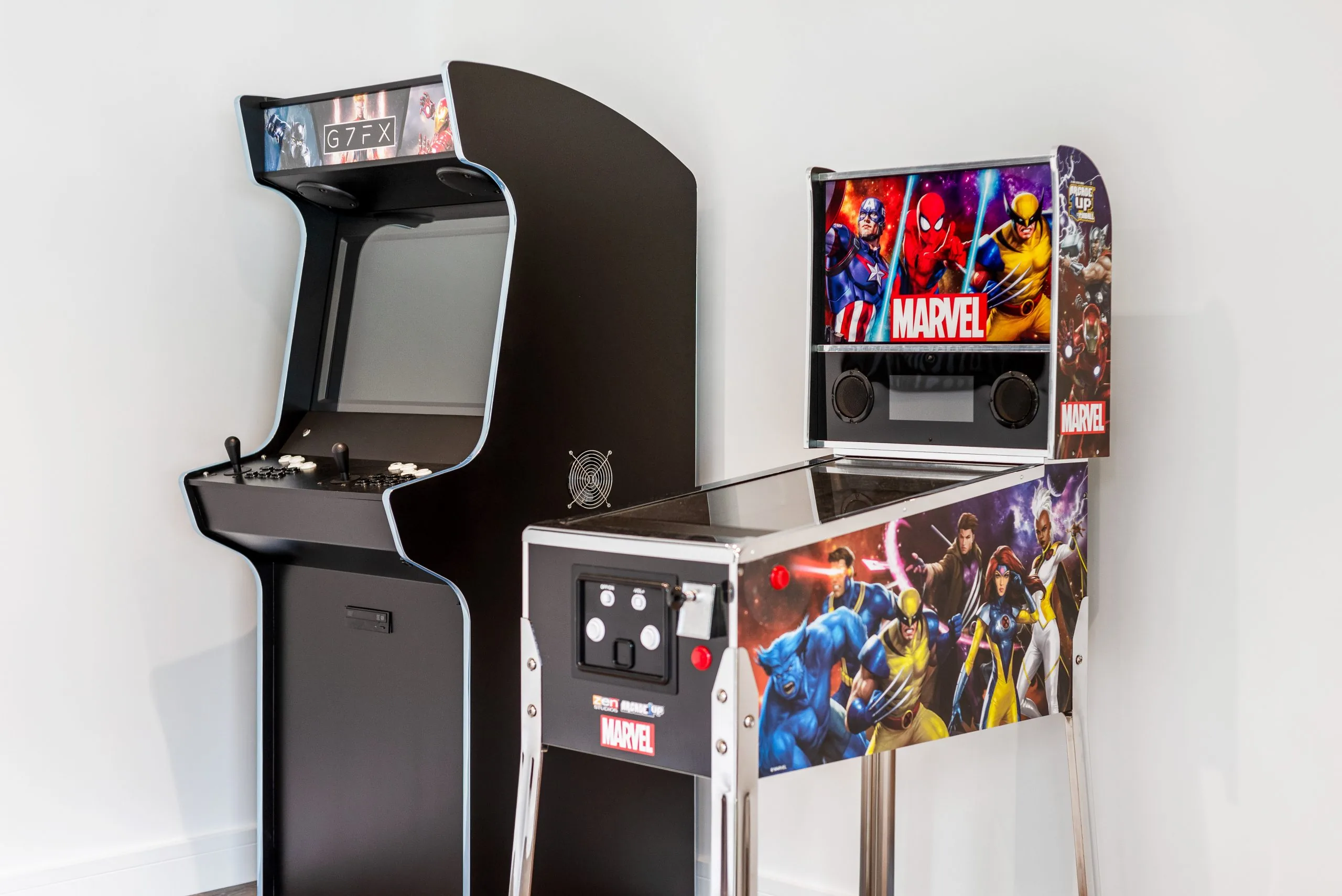
This Colchester project demonstrates the level of craftsmanship and design detail possible when a garden room is created for serious creative use, with a refined finish and specialist studio purpose.
View project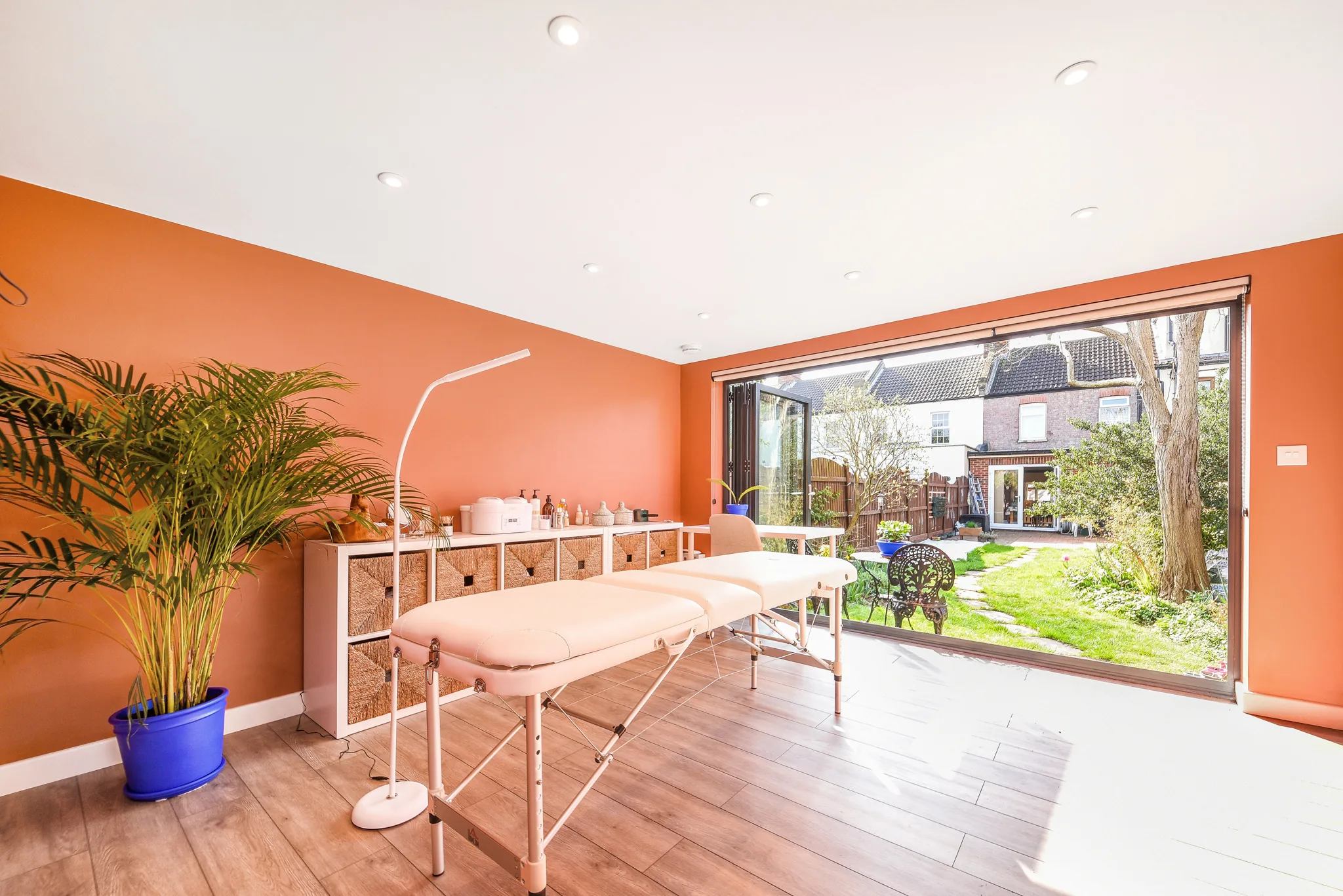
A dedicated Essex garden studio project highlighting how a bespoke garden building can support recording, creativity and year-round use with a high-quality, purpose-led design.
View project