
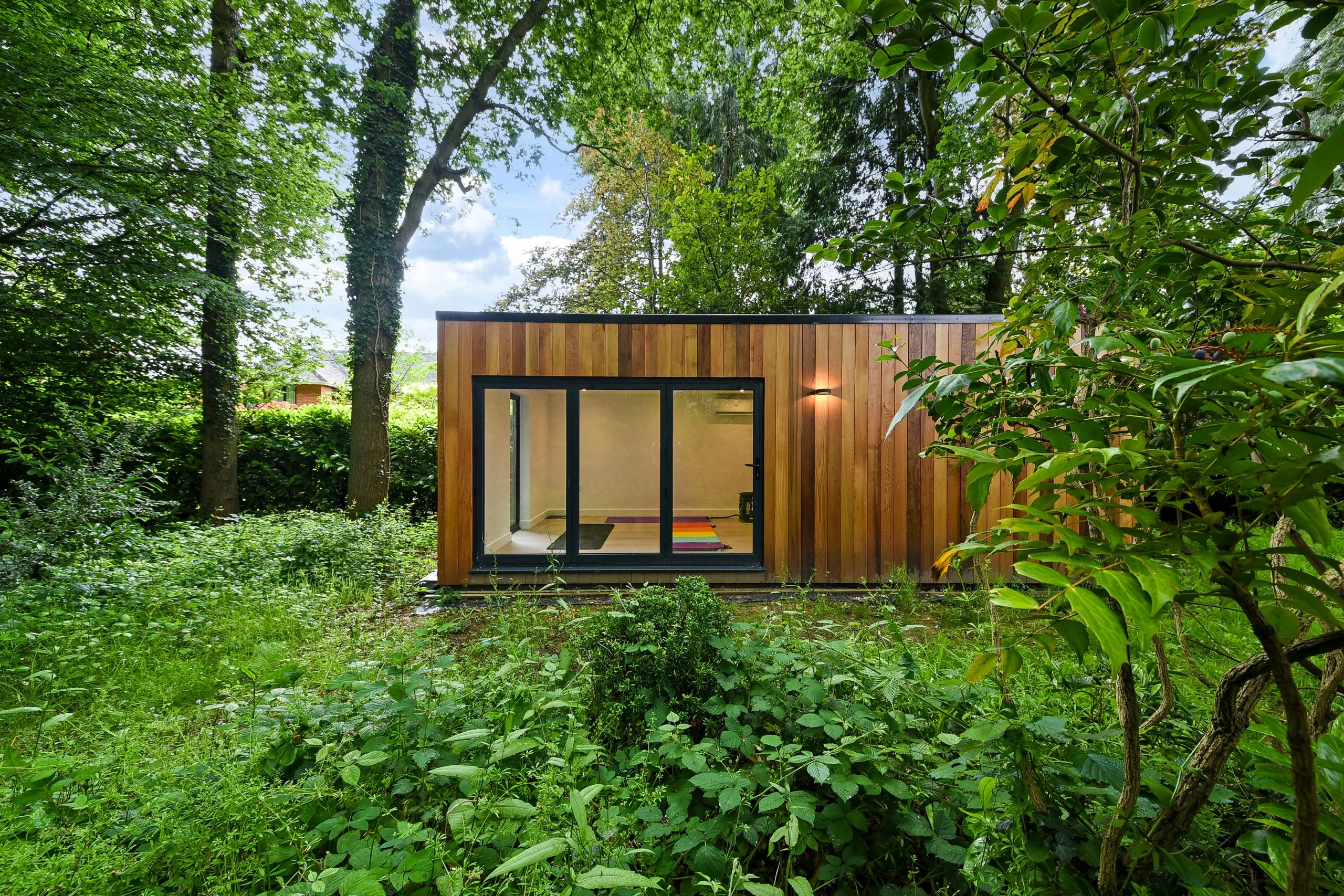
Yoga Studio Garden Room, Shenfield
A dedicated garden yoga studio designed to provide a calm, private and practical space for movement, relaxation and year-round wellness at home.
View project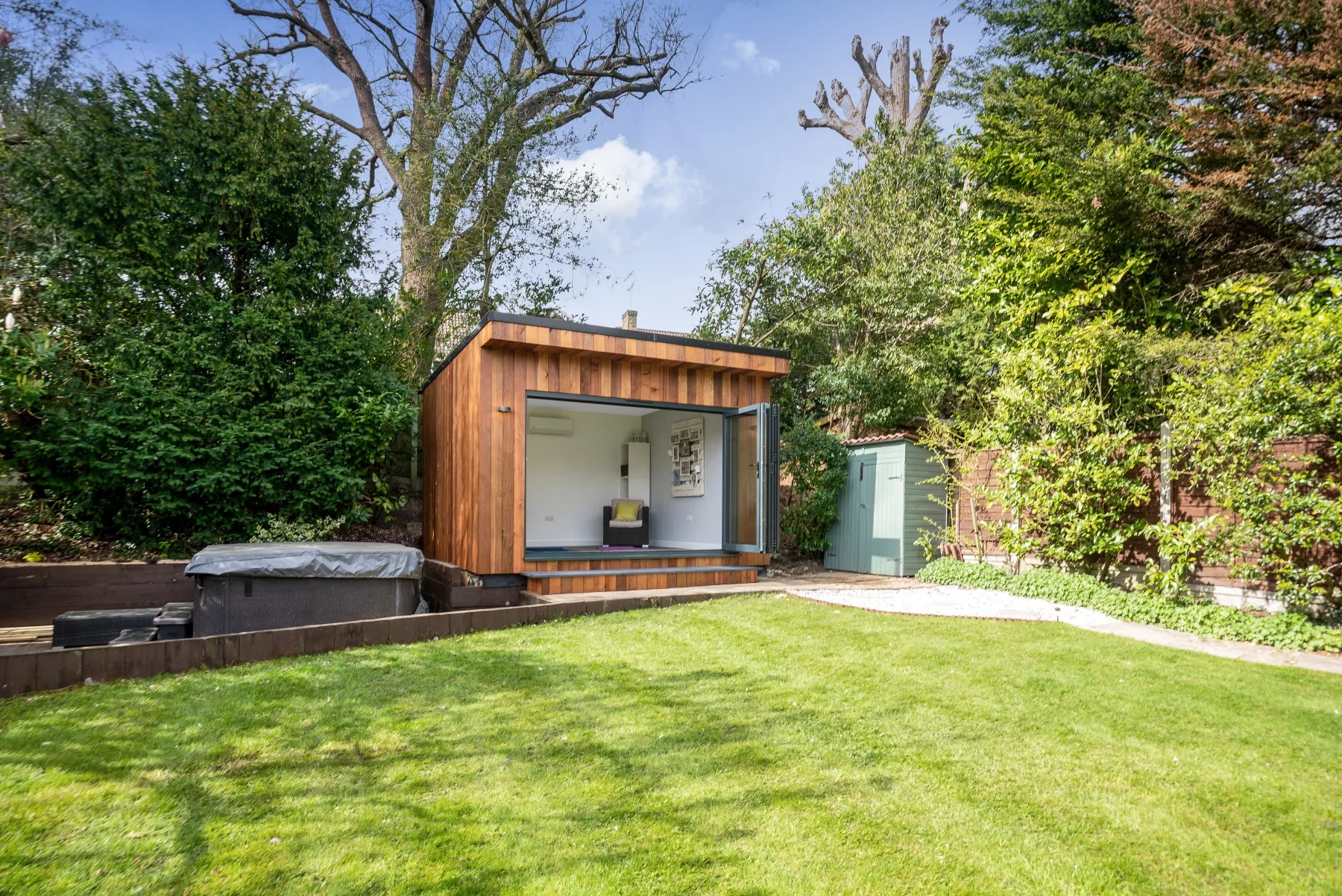
A yoga studio at home should feel quietly separate from the rest of the house.
Not a spare room with a mat rolled out between furniture, and not a conservatory that becomes too hot, too cold or too overlooked. A well-designed garden yoga room gives you a dedicated space for practice: calm, uncluttered, warm underfoot, private when you need it and filled with the right kind of natural light.
For some clients, that means a compact personal sanctuary for morning yoga, breathwork and meditation. For others, it becomes a larger garden building for one-to-one teaching, small classes, Pilates, rehabilitation, sound baths or a combined yoga and fitness studio. Because a Hawksbeck garden room is bespoke, the layout, glazing, finishes, heating, storage and atmosphere can all be designed around how you want the studio to feel and function every day.
A yoga space looks simple when it is finished, but the best studios are carefully considered. The amount of open floor, the direction of the glazing, the position of the door, the way equipment is stored, the internal finish, the heating and even the view from the mat all affect how the room feels in use.
The biggest difference between a standard outbuilding and a true garden yoga studio is comfort.
Yoga involves stillness as much as movement, so the room must feel inviting when you are lying in savasana, sitting for meditation or teaching a slower restorative session.
A premium insulated garden room is far better suited to this than a basic cabin or converted shed because it is designed for year-round use, with proper construction, heating, lighting and finishes.
Floor space firstThe starting point is usually floor space. A single yoga mat needs more room than its dimensions suggest because you need comfortable clearance for arms, legs, transitions and props. A personal yoga studio can work beautifully as a compact room, but it should not feel cramped. If you want space for two people, one-to-one teaching or small classes, the dimensions become even more important.
As a rough guide, you may want to allow:
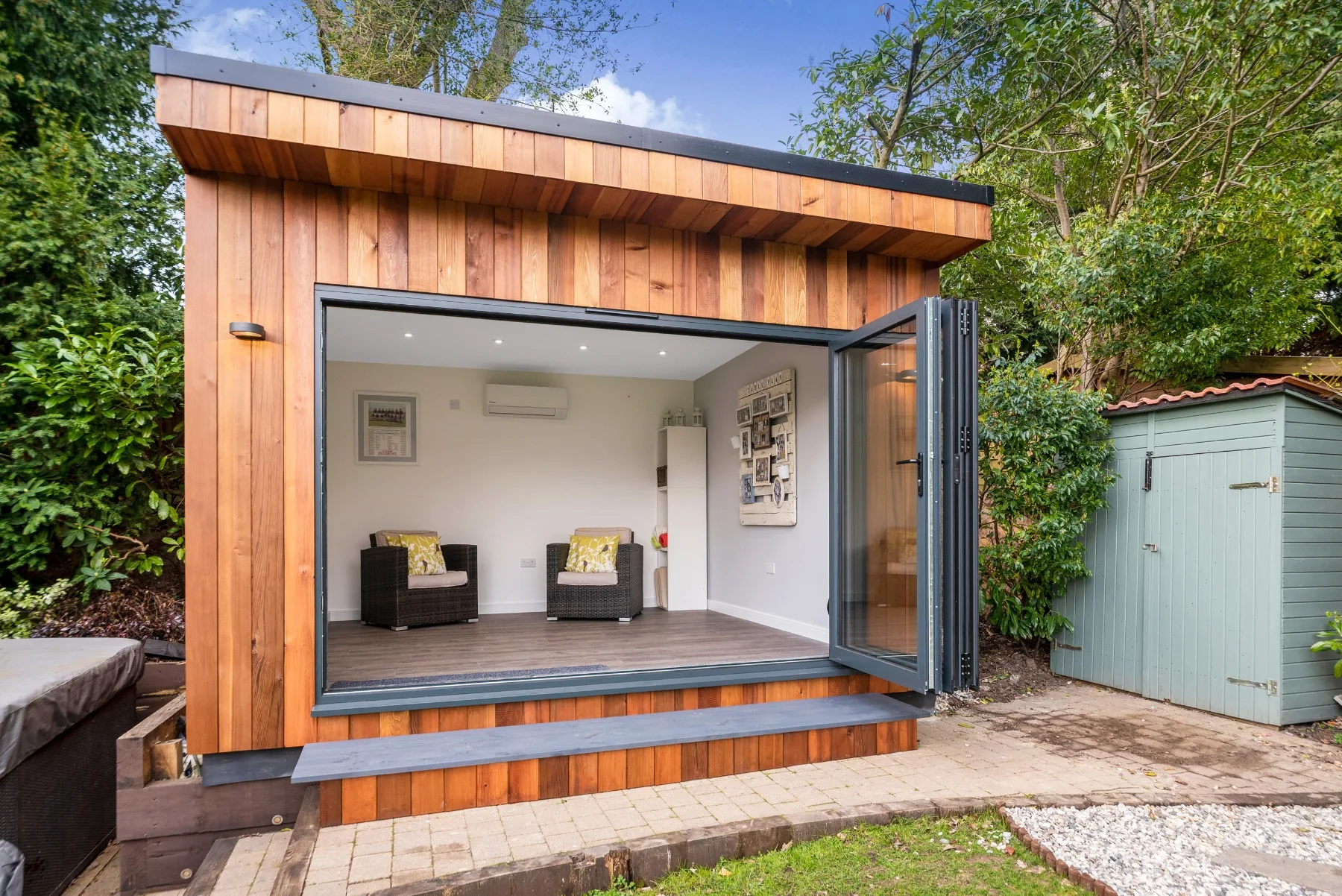
One-person private studio: enough open floor for a mat, movement around the mat, a small storage area and perhaps a chair or meditation corner.
Two-person yoga room: a wider footprint that allows two mats side by side or staggered, without feeling like you are constantly adjusting your position.
Teaching or small-group studio: a larger garden building with a clean rectangular floor area, clear sightlines, practical storage and easy access.
Yoga and Pilates studio: more length and width for dynamic movement, reformer equipment if required, and durable flooring.
Yoga, gym and wellness room: zoned areas for mats, weights, cardio, stretching, meditation, changing or refreshment space.
One of the advantages of a bespoke Hawksbeck building is that the studio does not need to be forced into a standard size. If a long, narrow garden suits a slim linear studio, the building can be designed around that. If you want a wider room with large doors opening to the garden, that can be explored. If privacy from neighbours is the priority, glazing can be carefully positioned instead of simply maximised.
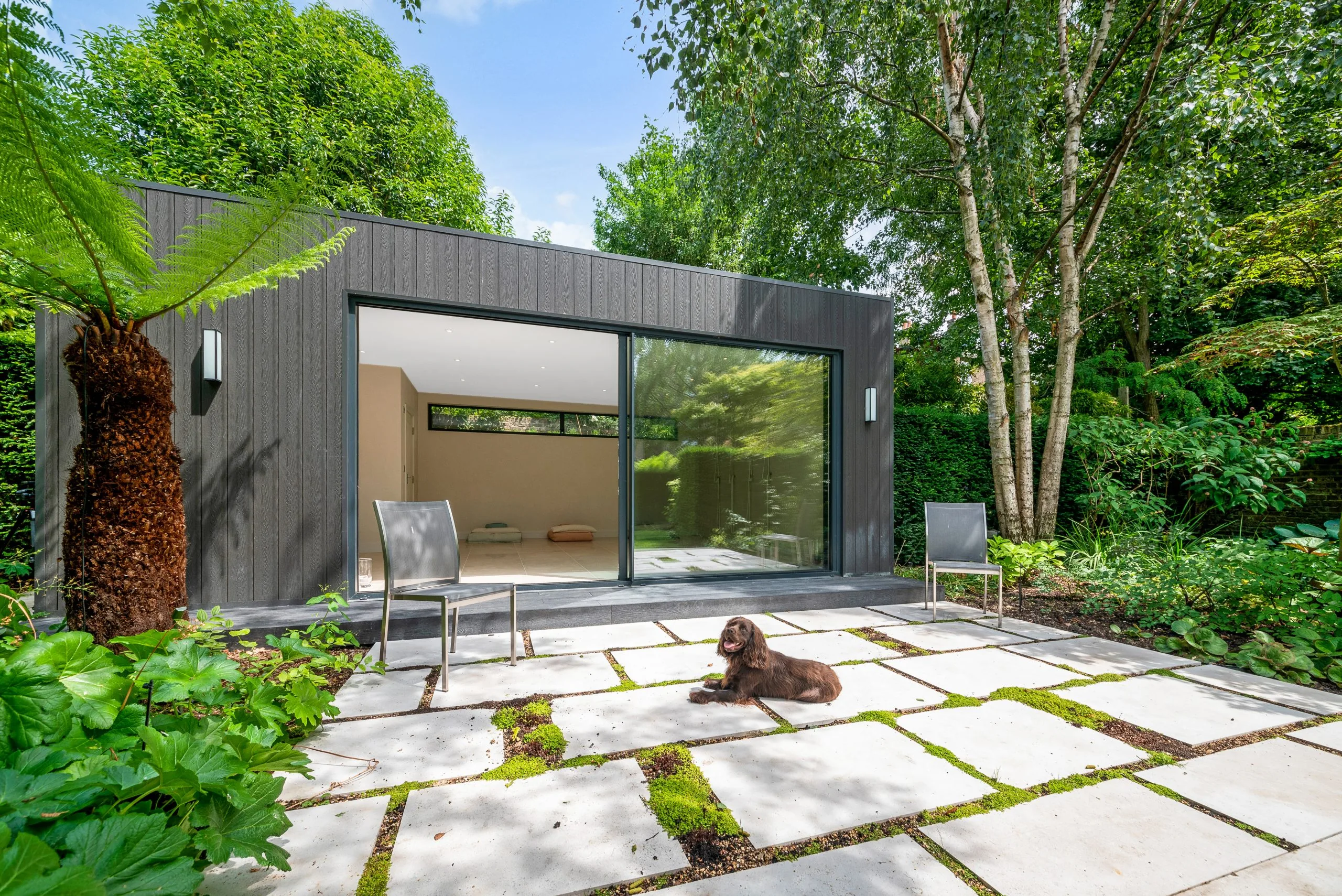
Light is one of the most important design features in a garden yoga studio. A bright room can feel uplifting and energising, especially for morning practice. However, too much direct glare can be uncomfortable during floor work, meditation or teaching. Large areas of glass also need to be balanced with privacy, shading and thermal performance.
For many yoga rooms, the most successful solution is layered light: generous glazing where it improves the connection to the garden, combined with more controlled light sources in areas where you need a calm and grounded atmosphere. Depending on the orientation of your garden, this could mean full-height doors, high-level windows, side glazing, roof overhangs, blinds or carefully planned planting outside the studio.
If your garden is overlooked, the room can still feel open without leaving you exposed. Obscure glass, angled glazing, smaller windows, privacy screening or a layout that faces a quieter part of the garden can all help. The goal is to make the studio feel restorative, not like a display box.
Yoga studio interiors often work best when they feel simple, warm and tactile. The finishes should support the practice rather than distract from it. Soft neutrals, timber details, clean walls, warm lighting and uncluttered storage can all help create a sense of calm.
For a premium home yoga studio, consider:
A bespoke approach is particularly useful here because yoga studios are personal. Some people want a minimal, spa-like room with hidden storage and pale finishes. Others prefer a warmer retreat with timber textures, shelves, plants and a reading corner. If the room will be used for teaching, the specification may need to feel more professional, with a reception-style area, WC options where appropriate, additional storage and a layout that can comfortably accommodate clients.
A garden yoga room has to work in February as well as July. Cold floors, condensation, draughts or thin walls quickly make a wellness space feel disappointing. Hawksbeck garden rooms are designed as premium, insulated buildings, making them suitable for year-round use when specified correctly.
Heating can be planned around the way you practise. A gentle, consistent heat is ideal for slower yoga, meditation and relaxation, while a quicker warm-up may be useful if you tend to use the studio early in the morning or after work. The specification can include efficient electric heating, underfloor heating options, air conditioning or combined heating and cooling depending on the building and your preferences.
Ventilation is also important. A yoga studio can become warm and humid during dynamic practice, especially if more than one person is using it. Opening doors and windows may be enough for a private studio, but larger or more intensively used spaces may benefit from additional ventilation planning. Comfort is not just about temperature; it is about fresh air, good circulation and a space that feels clear after practice.
Tell us how you practise or teach, and how many mats the floor needs to hold, and we can start shaping the studio from there.
The floor is one of the most practical decisions in a yoga garden room. It needs to look beautiful, but it also needs to feel right underfoot. Very hard, cold or slippery surfaces can be uncomfortable. Deep carpet is usually unsuitable because it makes balance work and cleaning more difficult. The best choice depends on whether the room is used only for yoga or for a mix of yoga, Pilates, fitness and relaxation.
A good yoga studio floor should be:
If the room will double as a gym, the floor specification may need to be more robust in certain areas. For example, a yoga zone can sit alongside a more impact-resistant section for weights or equipment. With a bespoke design, these details can be planned before the building is created rather than compromised later.
A peaceful yoga space can quickly lose its calm if props, mats, blankets, bands, foam rollers, candles, speakers and cleaning products are left around the room. Storage should be built into the design from the beginning, especially if the garden room will be used by more than one person.
Useful storage ideas include:
Storage should be generous but not overwhelming. The room still needs to feel open, so the best solution is often a carefully planned wall of joinery, a discreet side zone or a store area near the entrance. For a luxury finish, the storage can be designed to match the interior rather than look like an afterthought.
Yoga is easier when the space feels private. A garden room naturally creates separation from the distractions of home, but privacy still needs to be considered. You may want to avoid views from neighbouring windows, reduce interruptions from family life or create a more professional setting for clients.
Glazing position, entrance direction, blinds, planting and external screens can all help. If the building is used for meditation, sound baths, online classes or teaching, acoustic comfort also matters. While no garden room is automatically soundproof, the specification and layout can be designed to create a more peaceful internal environment and reduce everyday disturbance.
For online yoga classes or video content, think about camera angles, natural light, wall colour, power locations and where equipment will sit. A clean background and good lighting can make a home studio feel far more professional.
Although this page focuses on yoga studios, the same quality of design and construction can be adapted for many different lifestyles. A yoga room today might become a Pilates studio, treatment room, gym, creative studio or guest space in the future. That flexibility is one of the reasons bespoke garden buildings are such a valuable addition to the home.
If the room is mainly for your own practice, the design can be deeply personal. You may want a quiet morning space with east-facing glazing, a darker and more cocooning room for meditation, or a flexible studio that gives you somewhere to stretch after a run, recover after sport or decompress at the end of the day.
A personal yoga garden room can include:
For many homeowners, the most valuable part is not just the room itself but the ritual it creates. Walking into the garden, closing the door and stepping onto the mat can make practice feel easier to maintain. The space is always ready, always clear and always separate from household noise.
If you teach yoga, Pilates, breathwork or wellness sessions, a garden studio can give you a professional client-facing space without renting a room elsewhere. It can make your business feel more established while still allowing you to work from home.
Professional use requires additional thought. The entrance should feel welcoming and easy to navigate. There should be space for shoes, coats and bags. Lighting should be flattering and practical. Storage should be large enough for multiple sets of props. You may also need to think about parking, access, insurance, local permissions and whether facilities such as a WC are required.
For a premium teaching space, you might consider:
Because every business is different, the design should be shaped around the type of sessions you offer. A one-to-one yoga therapy studio will need a different atmosphere from a high-energy fitness and Pilates space. A sound bath or meditation room may benefit from a softer, more enclosed feel, while a dynamic yoga studio might need more open floor and better ventilation.
If you are still shaping your brief, it can help to think beyond the word “studio” and imagine how the space should support your routine. A few thoughtful decisions can make the room much more enjoyable long term.
A small external deck or covered entrance can make the studio feel more connected to the garden. It gives you somewhere to pause before or after practice, leave outdoor shoes, open the doors in summer or create a calm arrival point for clients.
A yoga room does not need to be highly decorative, but one carefully considered feature wall can give the space character. This could be timber panelling, a soft painted tone, a textured finish, shelving with plants or a clean wall for online teaching.
A yoga studio works best when the centre of the room is open. Storage, sockets, speakers and furniture should be planned around the edges so the usable floor area is not interrupted.
Bright lighting is useful for cleaning, movement and setup, but softer lighting is better for meditation, yin yoga and evening practice. Dimmable lighting or separate lighting zones can make the room far more versatile.
Your space might begin as a private yoga room, but later become a teaching studio, gym, treatment room or creative retreat. A bespoke garden building can be designed with this flexibility in mind, including sufficient power, storage and floor space for future changes.
For broader inspiration across different lifestyle uses, our main garden room ideas guide explores many more ways a bespoke building can be used at home.
The cost of a garden yoga studio depends on the size, specification, foundations, glazing, internal finishes, heating, electrics, access, landscaping requirements and any additional features such as air conditioning, bespoke storage, decking or WC facilities. A personal yoga room will usually cost less than a large professional teaching studio, but the finish level and complexity of the design can make a significant difference.
As a broad guide, based on premium bespoke garden room specifications, you might expect:
For many projects, a realistic starting point for a high-quality bespoke garden yoga room may be in the tens of thousands, with larger luxury studios costing significantly more depending on the brief. The most accurate way to understand cost is to discuss the size, intended use and specification you want, because two yoga rooms of similar dimensions can vary greatly depending on finishes, access and technical requirements.
When comparing prices, it is important to look beyond the headline figure. A yoga studio should feel comfortable all year, be properly insulated, beautifully finished and designed for long-term use. A cheaper structure may appear attractive initially, but if it feels cold, damp, noisy or visually underwhelming, it will not deliver the calm and quality you wanted from the space.
Many garden rooms can be built under permitted development rights, provided they meet the relevant rules on height, position, use and overall site coverage. However, planning requirements can vary depending on your property, location and how the building will be used.
If the yoga studio is for private personal use, the process is often more straightforward. If you plan to run a business from the studio, teach clients regularly or create a larger building, additional considerations may apply. Listed buildings, conservation areas, flats, maisonettes and certain designated land can also have different restrictions.
Hawksbeck can guide you through the practical considerations during the design stage. The key is to address planning and use early, rather than after the design has been developed. This helps avoid delays and ensures the final garden building is suitable for your home, your garden and your intended use.
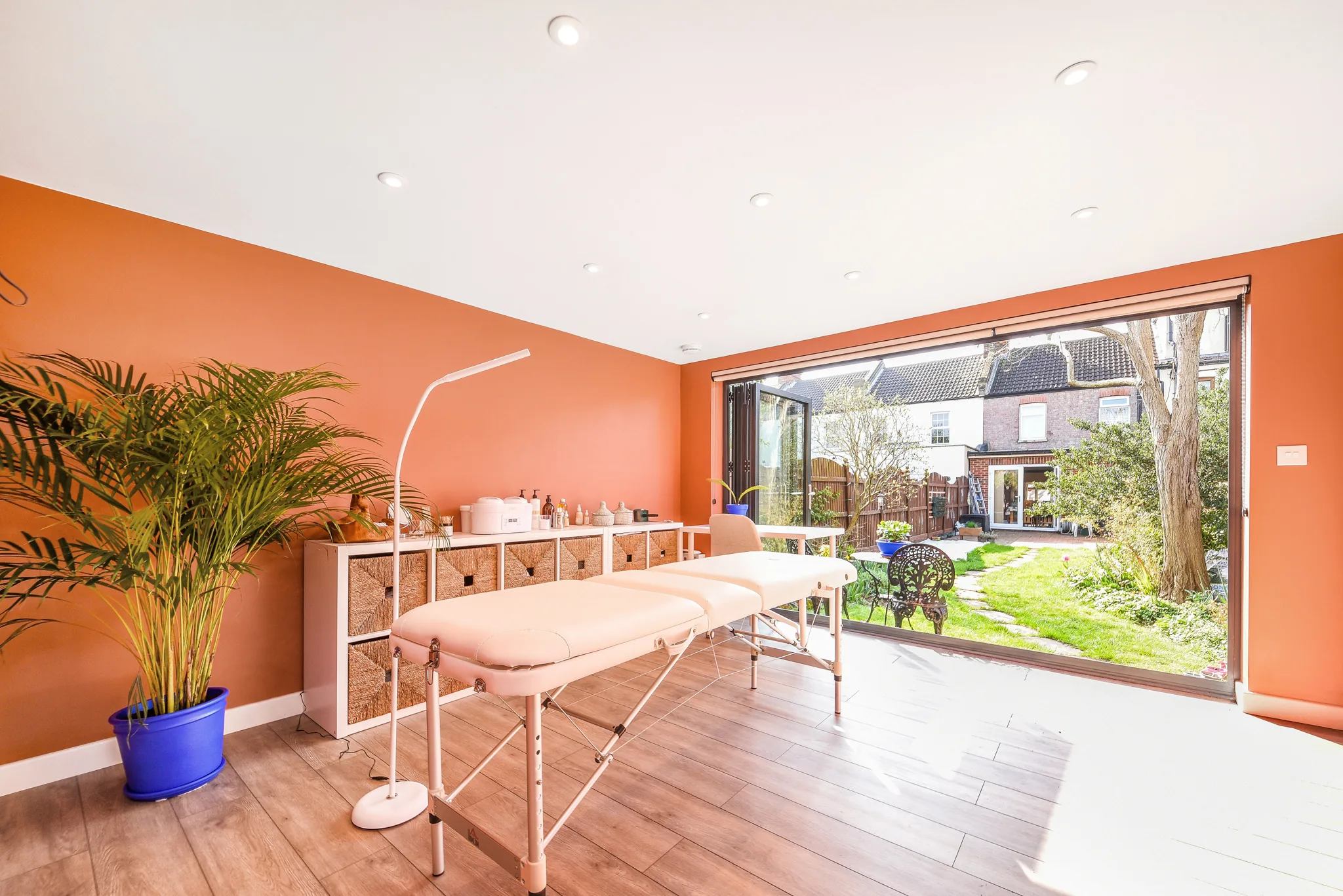
A bespoke garden yoga studio does not have to serve one purpose only. Many clients want a room that supports several parts of their lifestyle while still feeling calm and uncluttered. The key is to make the yoga area the priority and then integrate other uses without compromising the open floor.
Popular combinations include:
A mat-based zone with a separate area for weights, cardio equipment or strength training.
Space for mat Pilates, reformer equipment or mobility work.
Ideal for massage, physiotherapy, reiki, coaching or wellness consultations.
A calm studio that also includes a discreet desk or foldaway workstation.
A softer, quieter room focused on breathwork, reading, journaling and relaxation.
A flexible space for art, music, writing or mindful hobbies.
When a room has more than one role, storage and zoning become essential. A desk should not dominate the yoga area. Gym equipment should not make meditation feel cluttered. Teaching props should be easy to access but simple to hide. These details are exactly where bespoke design makes the difference.
A yoga studio is not just an outbuilding with a mat inside. It is a room that needs to feel calm, warm, refined and practical. Hawksbeck creates premium bespoke garden rooms and buildings tailored to each client, which means the design can respond to the way you practise, the style of your home and the character of your garden.
That bespoke approach allows you to make considered decisions about the size, glazing, external finish, internal atmosphere, heating, storage and long-term flexibility of the space. Whether you want a private sanctuary, a professional teaching studio or a multi-use wellness building, the result should feel intentional from the moment you step inside.
If you already know what you want, we can help shape the specification. If you are still deciding, we can talk through ideas, examples and practical options so the room works beautifully in real life, not just on paper.
From a one-mat morning sanctuary to a teaching room for small classes, we will design the floor, light and warmth around your practice.
Yes, provided it is built to a suitable specification. A premium insulated garden room with appropriate heating, ventilation and flooring can be used throughout the year, including colder months and early mornings.
For personal use, a compact studio can work well if it has enough clear floor space around the mat. For two people, teaching or Pilates, you will usually need a larger footprint. The best size depends on how many people will use the room, what equipment you need and whether you want additional storage or seating.
Many people use garden studios for one-to-one sessions and small classes, but you should consider planning rules, insurance, client access, parking, facilities and any business-use requirements. It is best to discuss your intended use early so the building can be designed appropriately.
Depending on the site, available services, budget and permissions, additional facilities may be possible. These features increase complexity and cost, but they can be valuable for a professional yoga or wellness studio.
The best flooring is stable, comfortable, easy to clean and suitable for barefoot movement. If the room will also be used as a gym or Pilates studio, the flooring may need to be more durable or zoned for different activities.
Yes, heating and cooling can be included depending on the specification. This can be especially useful for studios with large areas of glazing, south-facing gardens or more energetic practice.
Explore real Hawksbeck yoga and wellness garden room projects below, each showing how a bespoke design can be tailored to the client, the property and the way the space will be used.
A dedicated garden yoga studio designed to provide a calm, private and practical space for movement, relaxation and year-round wellness at home.
View project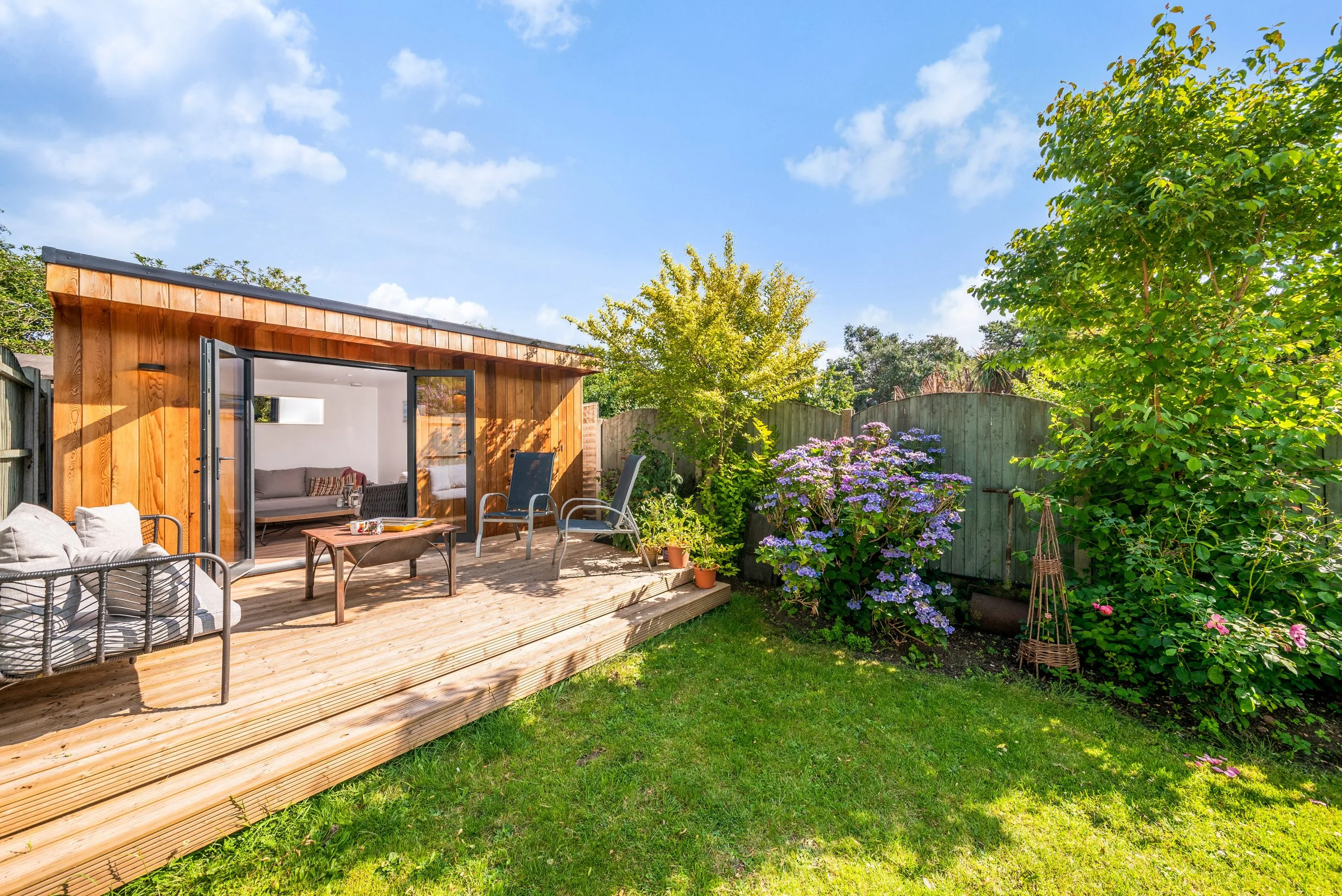
A refined London garden studio showing how premium design, beautiful detailing and a bespoke layout can create an elegant private wellness space.
View project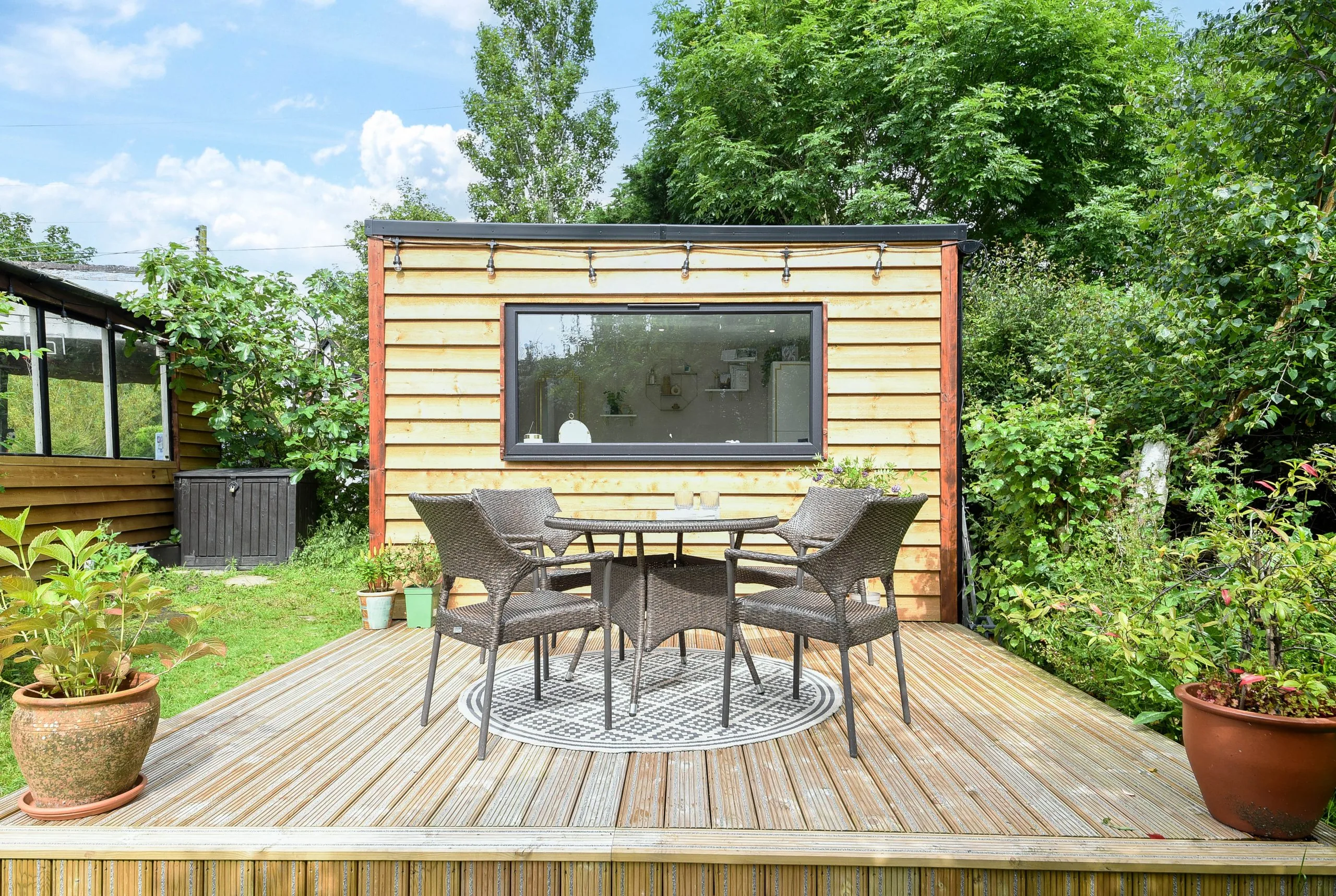
A flexible garden room created for yoga, fitness and wellbeing, combining open floor space, comfort and practical detailing for everyday use.
View project