
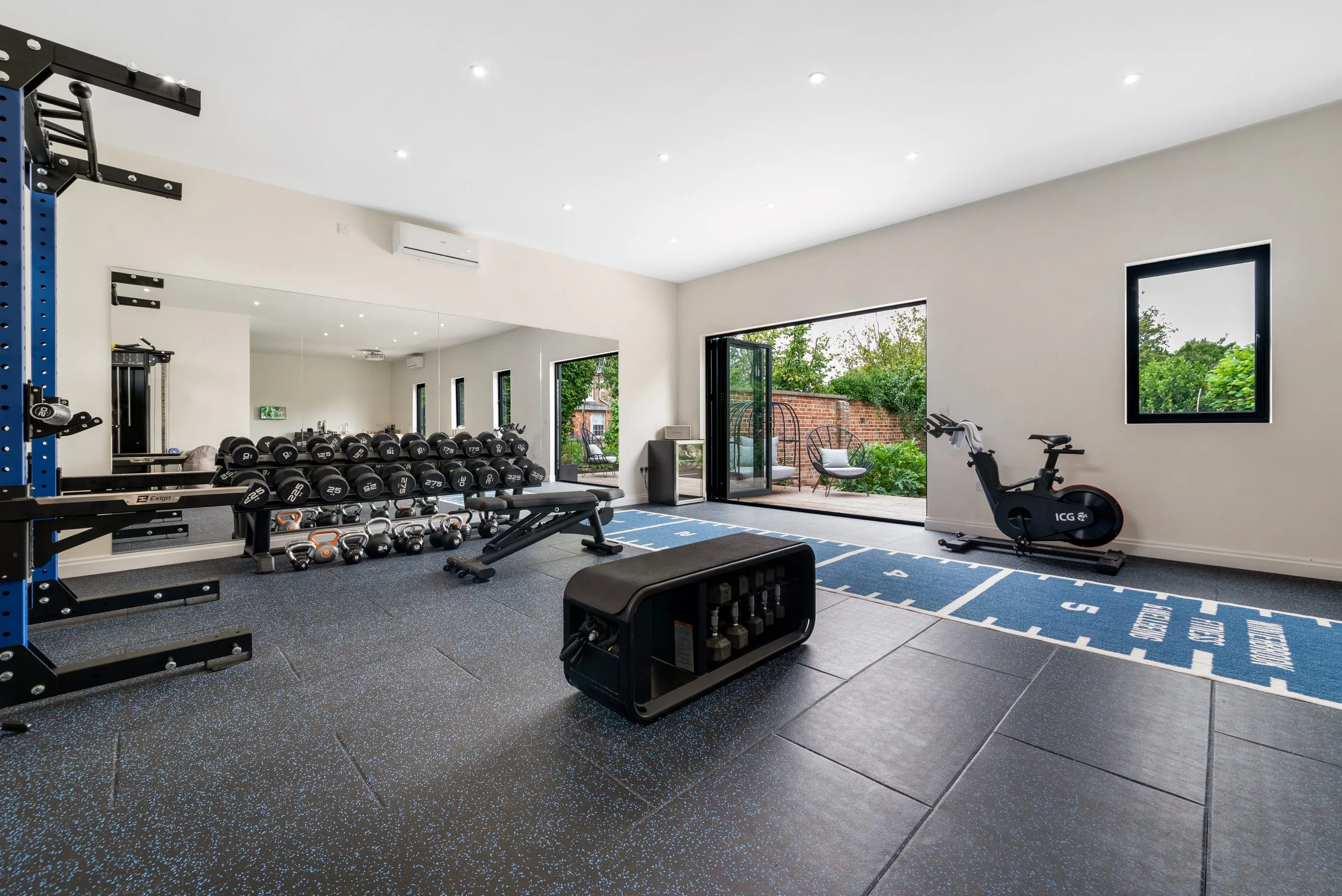
Garden Room Fitness Studio, London
A dedicated fitness garden room showing how a premium bespoke building can create a practical, motivating and beautifully finished space for private training at home.
View project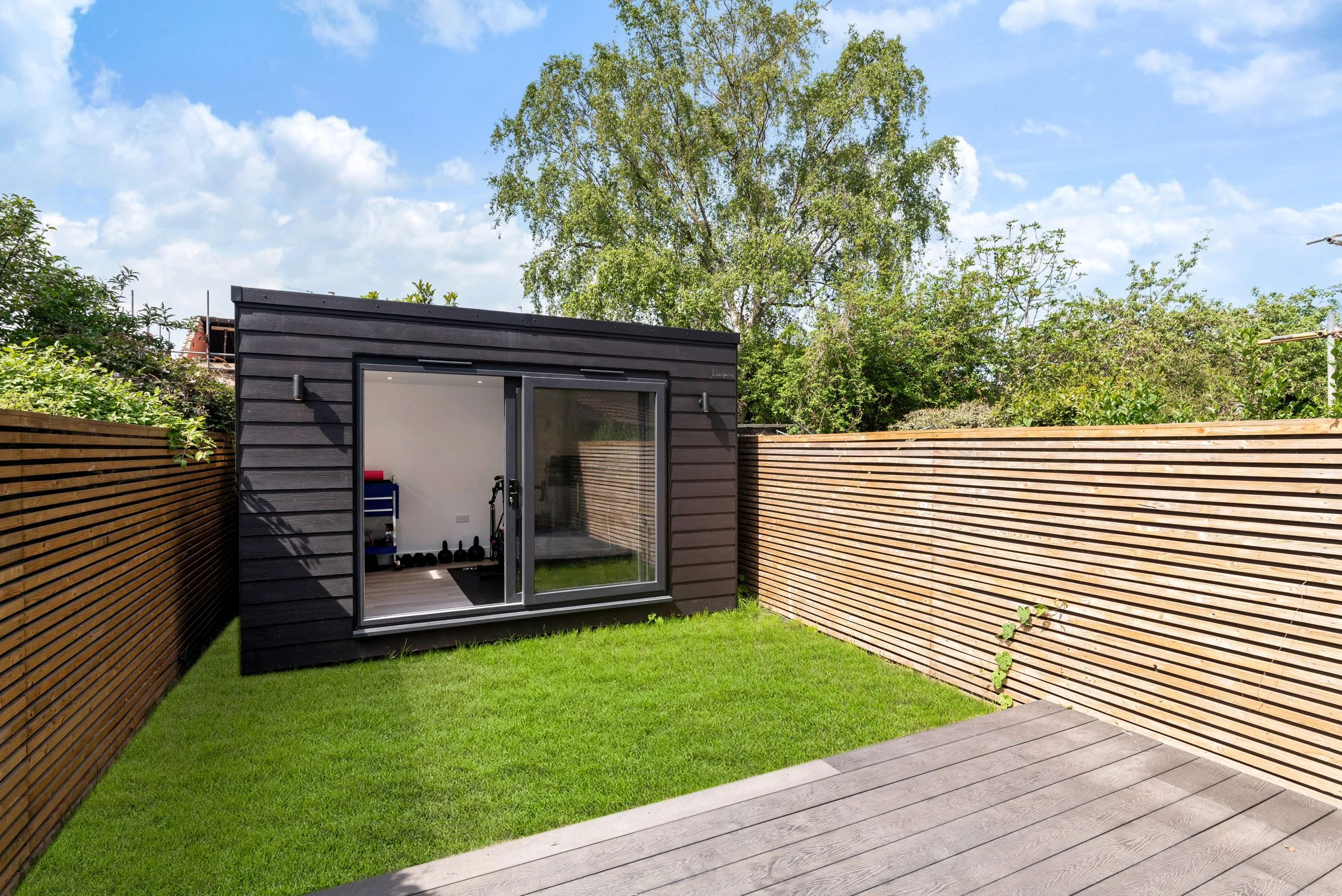
Boxing at home is brilliant in theory until the “gym” becomes a cold garage, a spare room with scuffed walls, or a bag hanging from a joist that was never designed to take repeated impact. A purpose-built boxing garden room solves those problems properly: it gives you a private training space with the structure, flooring, airflow, lighting and layout needed for real sessions, not just occasional workouts.
For a bespoke Hawksbeck garden building, a boxing studio is an ideal brief. It can be compact and focused for bag work and conditioning, or designed as a premium private training room with punch bags, cardio equipment, resistance kit, mirrored technique space, storage, changing facilities and year-round comfort. The advantage is that the building is planned around the way you train, rather than forcing your training to fit an existing room.
Boxing training asks more from a room than many other fitness uses. You need clear floor space, safe movement around equipment, a resilient surface underfoot, ventilation that can cope with high-intensity sessions, and structural preparation for the forces created by punch bags, anchors and wall-mounted kit.
A bespoke garden room allows these details to be considered from the start. The result is a cleaner, safer and more enjoyable space: no travelling to the gym, no queueing for equipment, no compromising on hygiene, and no packing kit away after every session. It becomes a dedicated environment for training consistently.
If you are comparing different ways to use a garden building, our main guide to garden room ideas is a useful place to explore the wider possibilities before narrowing your brief.
A private boxing studio can be as simple or as advanced as you want it to be. Some clients want a refined personal space for heavy bag rounds and general fitness; others want something closer to a boutique training suite. Typical inclusions can include:
The most important design factor is not simply the size of the building; it is how the space is planned. Boxing needs circulation. A room that looks large enough on paper can feel restrictive if equipment is placed poorly, while a compact studio can work extremely well if the zones are considered carefully.
A heavy bag needs space around it. For most home boxing studios, it is worth allowing a clear training radius so that you can move, pivot, step out and work angles without constantly meeting a wall, mirror or weights rack. A bag pushed into a corner may save space, but it limits how naturally you can train.
If the bag is suspended, the mounting must be properly planned. Heavy bags create dynamic load: they do not just hang vertically; they swing, twist and transmit repeated force into the structure. In a bespoke Hawksbeck studio, this can be accounted for during the design stage with appropriate reinforcement and positioning.
A mirror wall or partial mirror can make a private studio much more useful. It allows you to check guard position, head movement, foot placement and balance. This area should remain free from loose kit so that shadow boxing, skipping and mobility work can happen safely.
Boxing fitness often includes much more than punching. You may want room for kettlebells, dumbbells, resistance bands, battle ropes, medicine ball slams, core work or plyometrics. These exercises need flooring and wall finishes that can tolerate a more robust training style.
For many people, a boxing studio also doubles as a conditioning room. A bike, treadmill, rowing machine or SkiErg can be incorporated, but the placement matters. You do not want a piece of cardio equipment blocking the bag area or making the room feel cluttered.
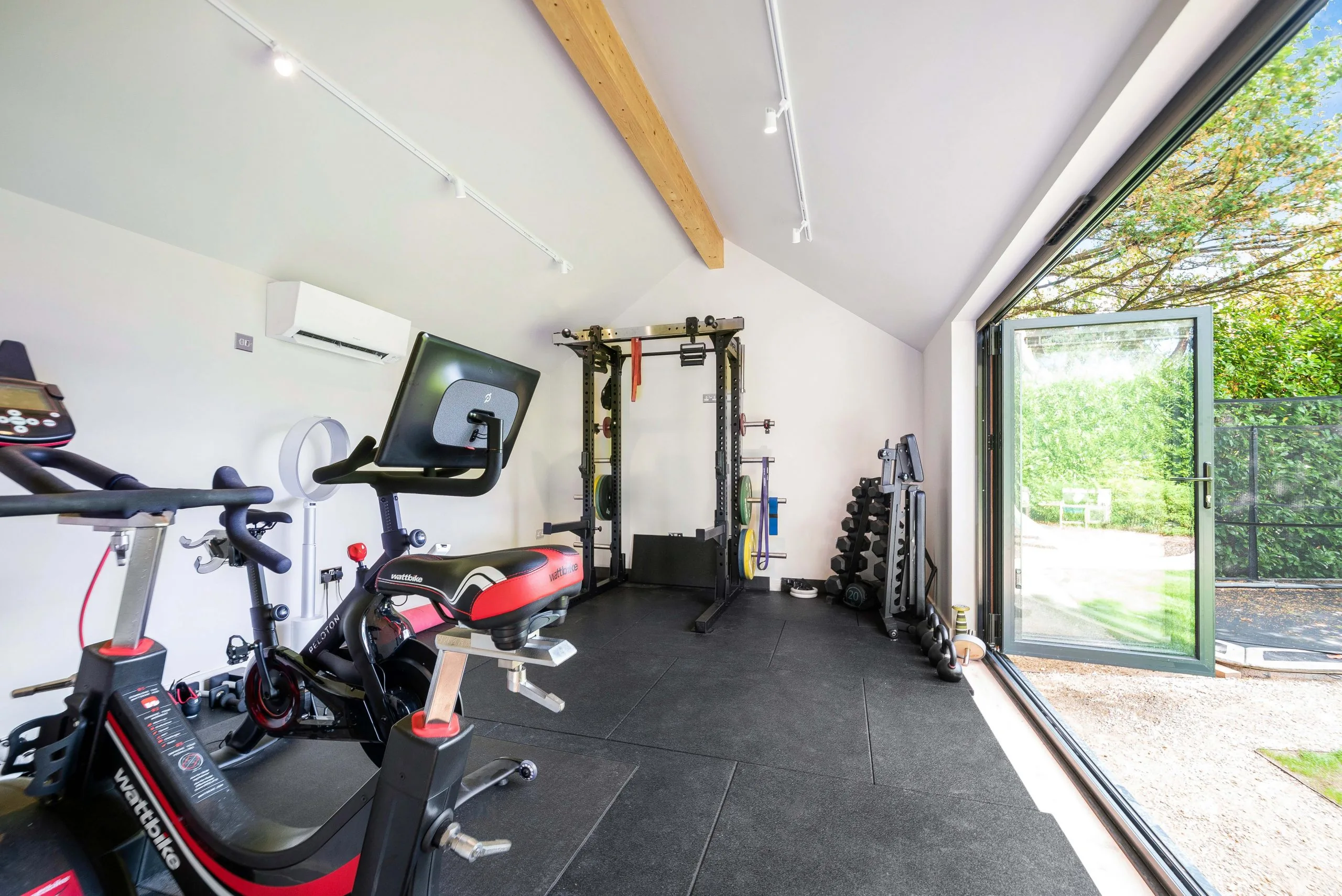
There is no single perfect size because the right dimensions depend on your training style, equipment list and whether the studio is for one person or occasional coaching. However, the following guidelines are useful when thinking about your brief.
A compact boxing garden room can work well for one user if the focus is on a heavy bag, skipping, floor work and a small amount of strength equipment. This type of room is best kept simple and uncluttered. Wall storage becomes very important, and freestanding kit should be chosen carefully.
A mid-size studio gives more flexibility. It can include a heavy bag, mirror wall, conditioning equipment and a defined weights area without making the space feel cramped. For many homeowners, this is the sweet spot: large enough to train properly, but still proportionate to the garden.
A larger bespoke garden building can feel like a private members’ gym at home. It may include multiple bag positions, cardio machines, a free weights section, a seating or recovery area, shower room, WC, storage wall and entertainment system. This is particularly valuable if the space will be used by more than one person, or if you want it to support a complete training programme.
Boxing studios need flooring that can handle repeated movement, sweat, impact and equipment. A polished domestic floor might look attractive, but it is not usually the right surface for bag work, skipping, sprawls, kettlebells or circuit training.
Common flooring options include:
The subfloor is also important. Boxing footwork creates repeated impact, and heavy equipment needs a stable base. A premium garden room should feel solid underfoot, not hollow, bouncy or temporary.
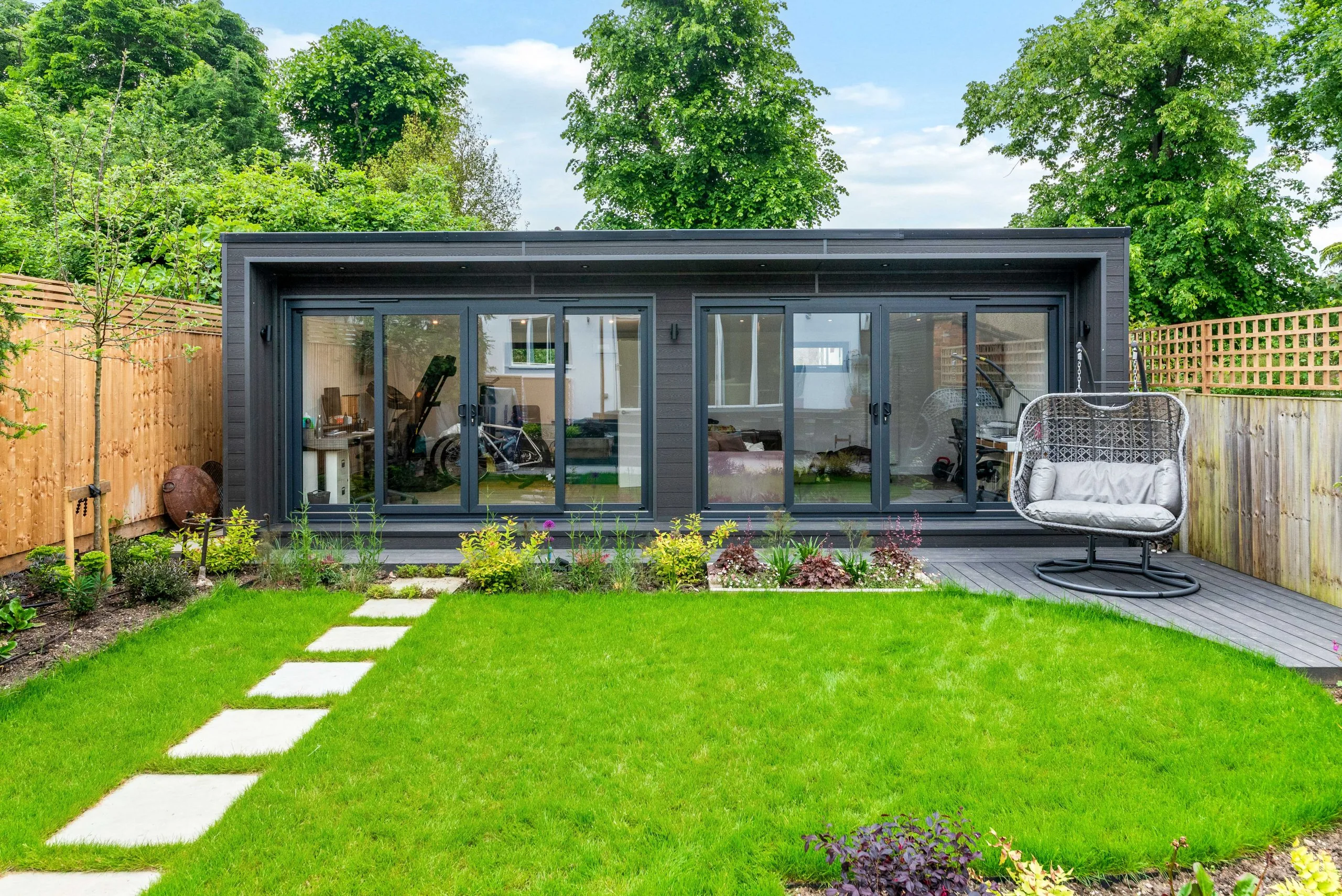
A boxing studio can heat up quickly. Even in winter, a few rounds on the bag can make a poorly ventilated room feel stuffy. Good ventilation is not a luxury; it directly affects comfort, hygiene and how often you will want to use the space.
Depending on the specification, a boxing garden room can include opening windows, high-level ventilation, mechanical ventilation, air conditioning, heating and smart controls. The aim is to create a space that is comfortable before, during and after training. This is especially important if gloves, wraps and pads are stored inside, as airflow helps the room remain fresher between sessions.
Want to see how a bag position, mirror wall and airflow come together in a finished room? The brochure walks through real fitness builds.
Get the BrochureBoxing training is physical. Gloves, pads, skipping ropes and equipment can all mark surfaces if the room has been finished like a standard living space. In key areas, it may be sensible to specify more resilient wall finishes, protective panels, wipeable paints or storage that keeps loose kit away from training zones.
Acoustics should also be considered. A heavy bag session can create dull impact noise, vibration and music volume. The building’s position in the garden, internal finishes, insulation, glazing choices and door specification can all influence how the space feels and sounds. Where neighbours are close by, it is worth discussing this early so the design can be approached sensibly.
Good lighting makes a boxing studio safer and more enjoyable. You need enough brightness for movement, but not harsh glare that reflects unpleasantly in mirrors or screens. A layered lighting design may include bright main lighting for training, softer lighting for warm-ups or stretching, and external lighting for winter evenings.
If you use a round timer, online coaching, punch-tracking system or wall-mounted screen, power and data locations should be planned with the layout. It is much neater to integrate these details at design stage than to rely on extension leads or visible cable runs later.
Although the video below is not limited to boxing studios, it shows the breadth of what a Hawksbeck garden room can become. That flexibility is exactly what makes a private boxing studio possible: the building can be shaped around your equipment, routine, preferred finish and long-term plans.
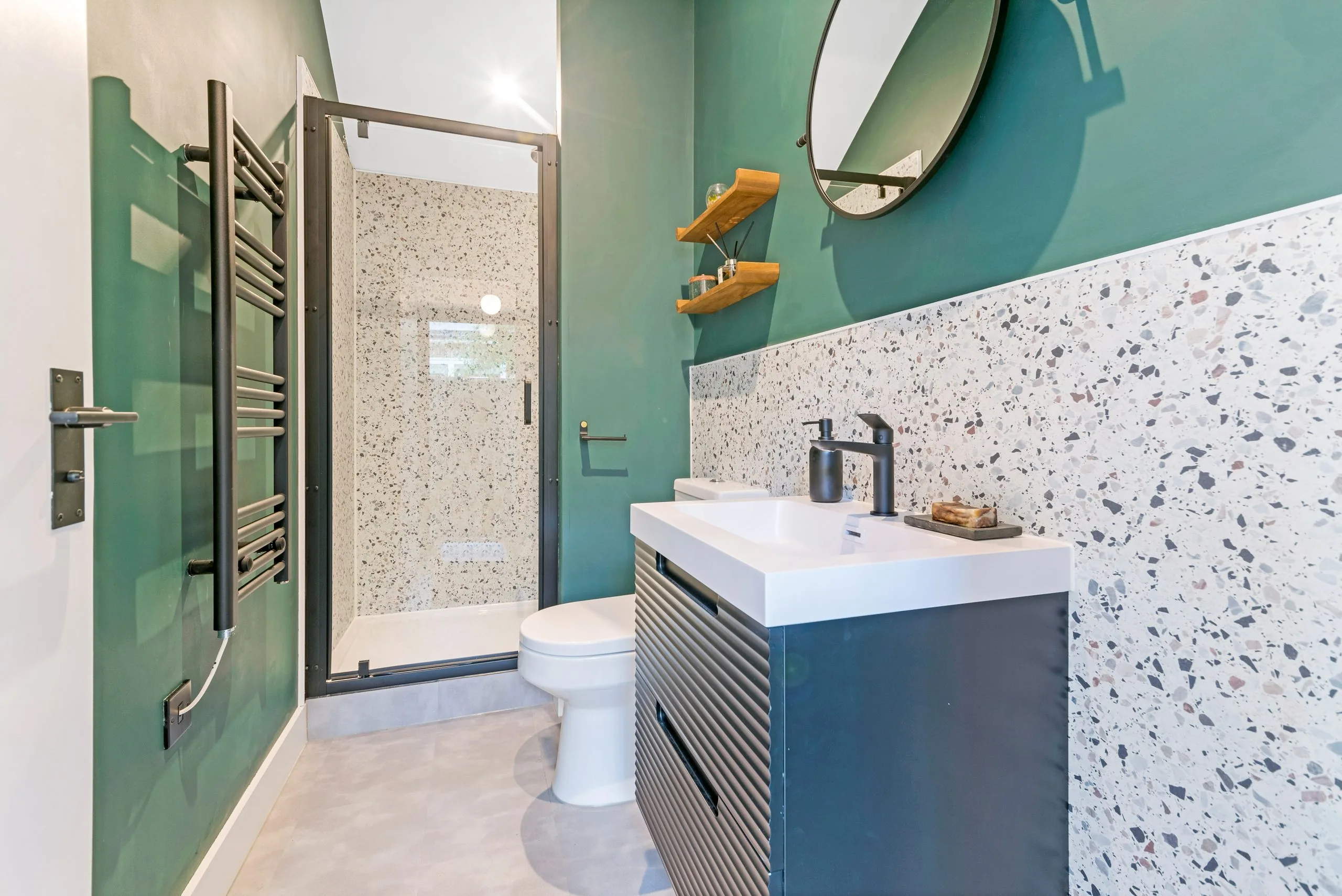
Yes, subject to the design, site conditions and services. For a premium boxing studio, a shower room or WC can make the building feel much more complete, particularly if you train before work, have a long garden, or want the space to work independently from the house.
Adding plumbing will affect cost and specification because drainage, water supply, hot water and internal layout must be considered. However, when the building is being created bespoke, these details can be planned coherently rather than squeezed in later.
Many garden rooms can be built under permitted development rights, but this depends on factors such as height, position, overall size, use, proximity to boundaries and property-specific restrictions. A boxing studio may also require careful consideration if it includes plumbing, particularly large dimensions, or a specification that moves it beyond a simple ancillary garden building.
Hawksbeck can discuss the practical implications of your site and help you understand the likely route. The key point is to avoid designing the room in isolation. A boxing studio should be planned with the garden, access, neighbours, services and long-term use in mind.
The cost of a boxing garden room depends on size, specification, structural requirements, finishes, glazing, heating and cooling, electrics, flooring, foundations, access and whether you include features such as plumbing, a shower room, WC, integrated storage or specialist gym finishes.
As a broad guide, a premium insulated garden room suitable for fitness use will usually sit in the tens of thousands rather than at the budget end of the market. A compact, high-quality boxing studio may be achievable from around the lower-to-mid range of a bespoke garden room project, while a larger and more heavily specified boxing and fitness suite can move significantly higher.
For a realistic working estimate, many private boxing studio projects are likely to fall somewhere in the region of £40,000 to £90,000+, depending on the final brief. A more compact room with straightforward electrics and rubber flooring may sit nearer the lower end, while a large luxury studio with reinforced bag positions, premium glazing, air conditioning, bespoke storage, shower facilities and high-end internal finishes can exceed this.
The most useful way to approach pricing is to first decide what the room must do. For example, a studio designed around one heavy bag and conditioning work will have a different specification from a complete fitness retreat with multiple training zones, bathroom facilities and a premium leisure finish. Because Hawksbeck buildings are bespoke, the final price is shaped around the design rather than forced into a fixed package.
A clear brief helps the design process enormously. Before discussing your boxing garden room, it is worth considering the following:
A clean, focused studio with one heavy bag, mirror section, rubber floor, timer display and simple wall storage. This is ideal for someone who wants a dedicated training room without overcomplicating the space.
A practical layout where bag work sits alongside dumbbells, kettlebells, a bench and cardio equipment. This works well for people who train in circuits and want boxing to form part of a wider strength and conditioning programme.
A more premium approach with dramatic lighting, integrated sound, air conditioning, bespoke cabinetry, a large mirror wall, specialist flooring and refined finishes. This type of space feels less like a converted gym and more like a purpose-designed private training suite.
If you occasionally train with a coach, the layout may need extra clearance, pad work space and a more open floor plan. Storage becomes especially important so loose equipment does not interfere with movement.
For households with mixed fitness interests, the room can combine boxing with general gym use. The layout might include a bag zone for one person, cardio equipment for another, and softer floor space for stretching or bodyweight training.
A boxing garden room should not feel like a shed with gym mats.
It needs the specification, comfort and engineering of a proper year-round room, with the resilience required for training. Hawksbeck’s bespoke approach means the building can be designed around the details that matter: where the bag hangs, how the floor performs, where the mirrors sit, how the air moves, where equipment is stored, and how the room looks from both inside and outside.
That balance is important. The space must work hard as a training environment, but it should also be a beautiful addition to your home and garden. When designed well, a boxing studio can improve your routine, support your health, add valuable usable space and feel like a natural extension of the property.
If you want a boxing room that feels solid, refined and genuinely practical to train in, a bespoke garden building is one of the best ways to achieve it. Hawksbeck can help turn the rough idea into a considered design, with the right structure, layout and specification for the way you want to use the space.
A dedicated fitness garden room showing how a premium bespoke building can create a practical, motivating and beautifully finished space for private training at home.
View project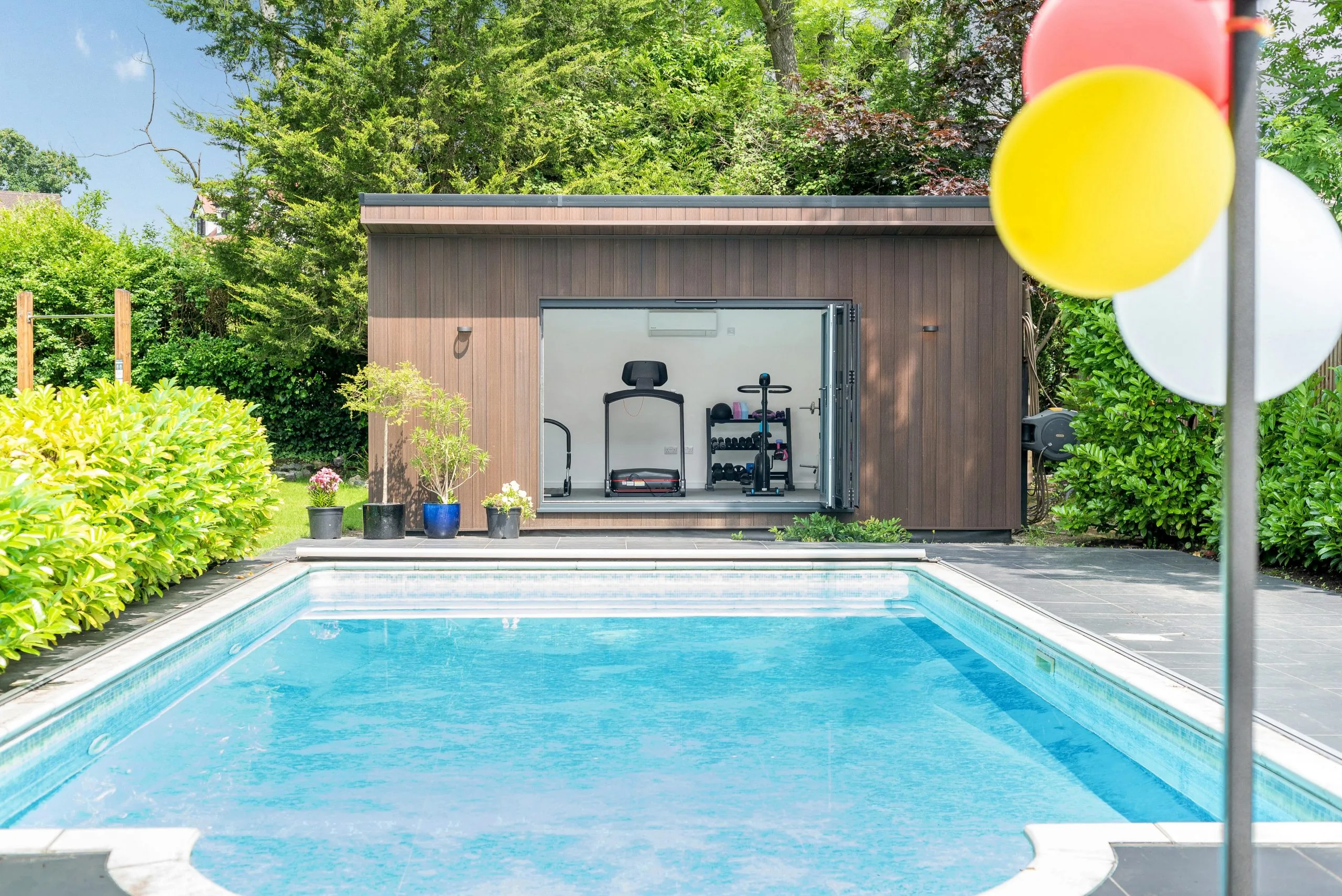
This project highlights the potential of a high-end garden fitness space, combining comfort, quality and a layout designed around regular training.
View project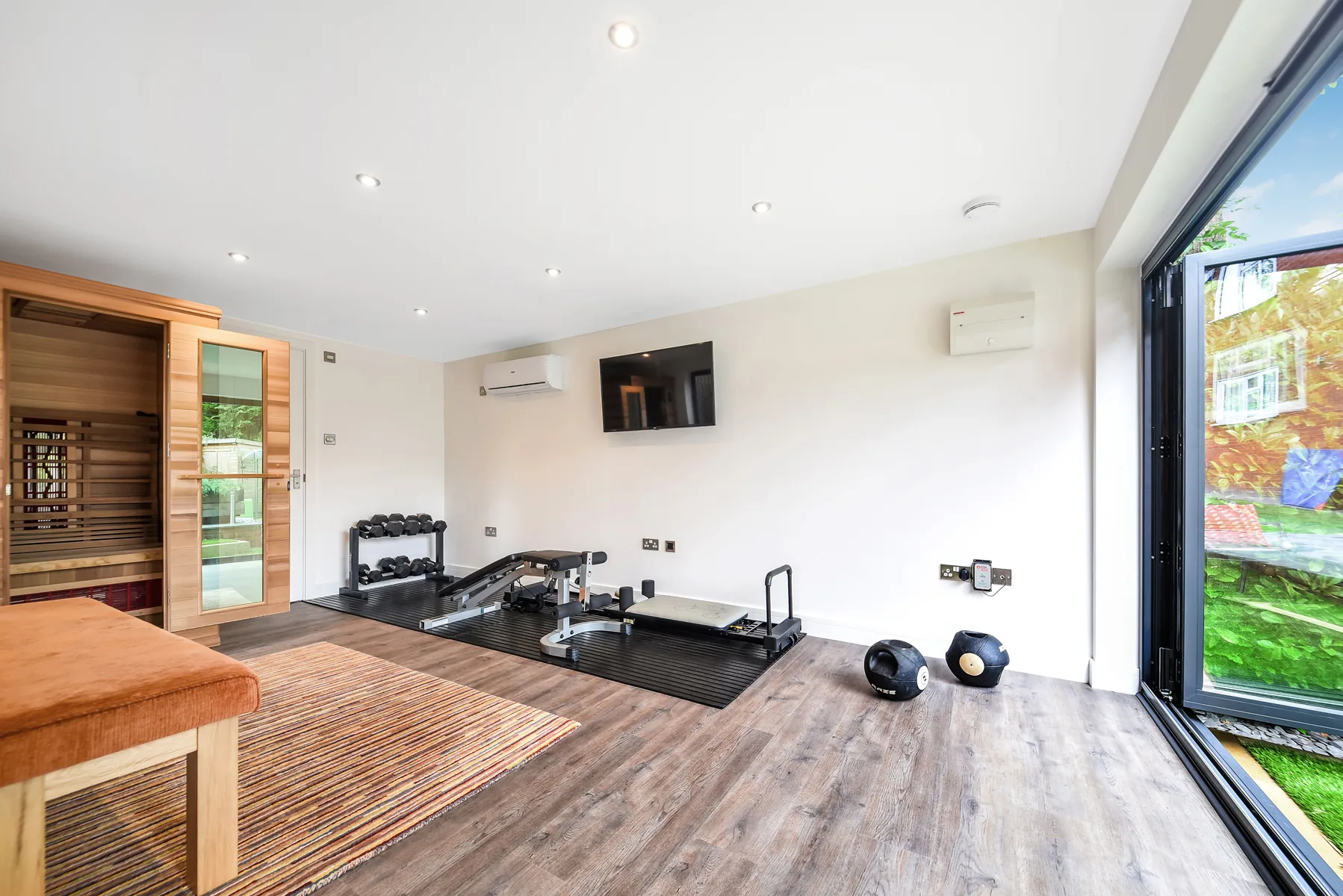
A flexible garden room demonstrating how work, exercise and everyday home life can be brought together in one carefully planned bespoke building.
View project