
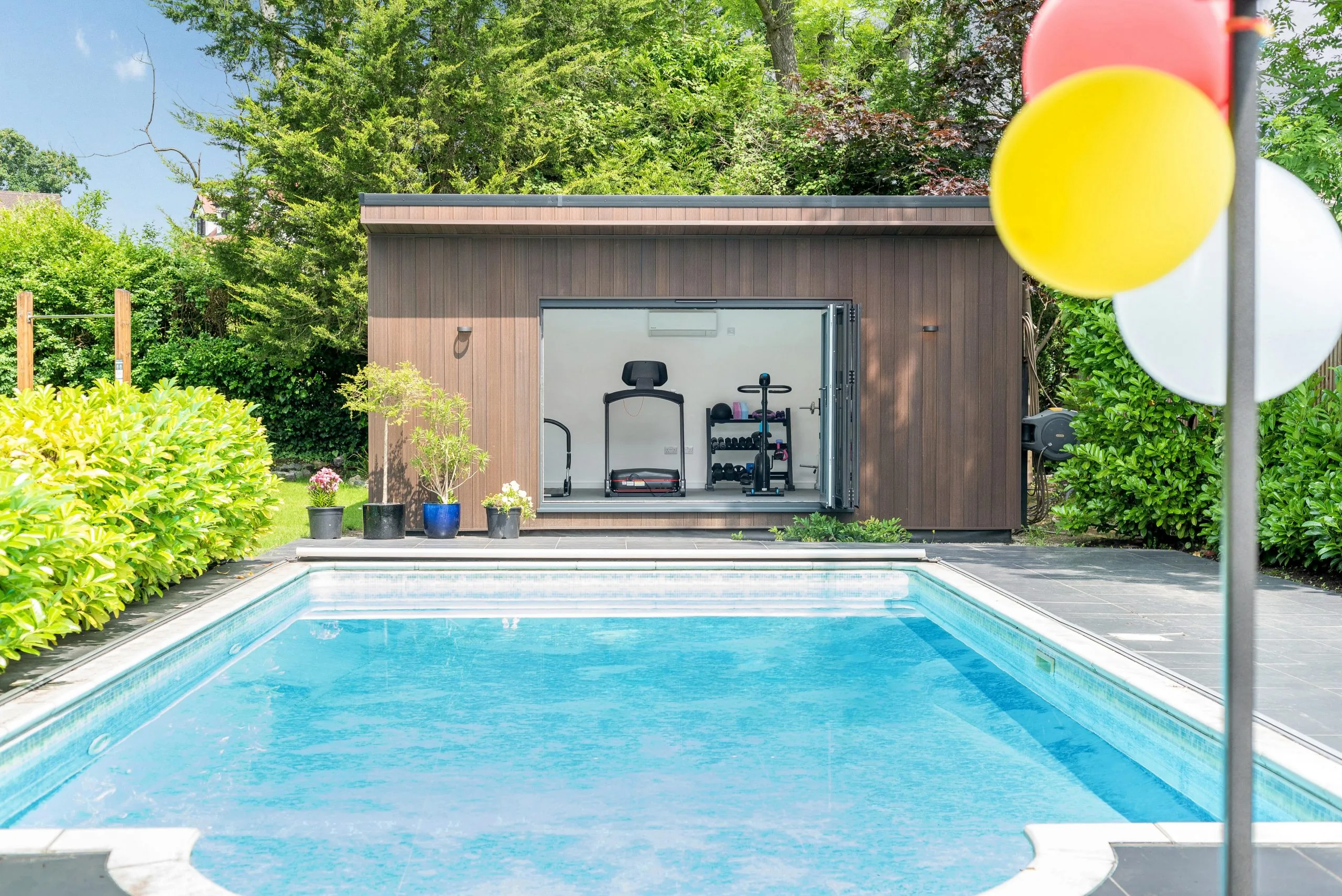
Garden Room Fitness Studio London
A dedicated fitness-focused garden building showing how a private home gym can be planned with comfort, style and year-round usability in mind.
View project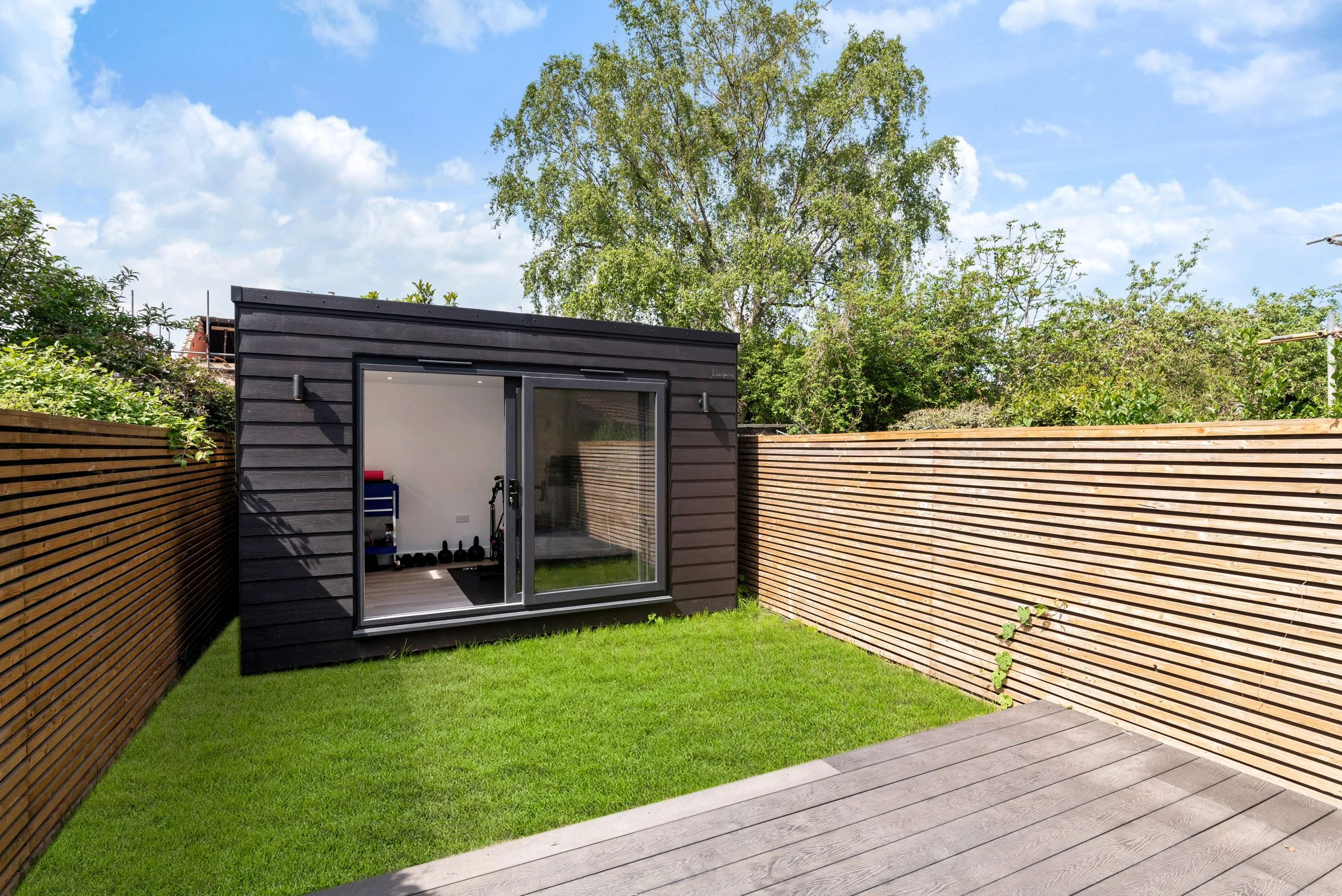
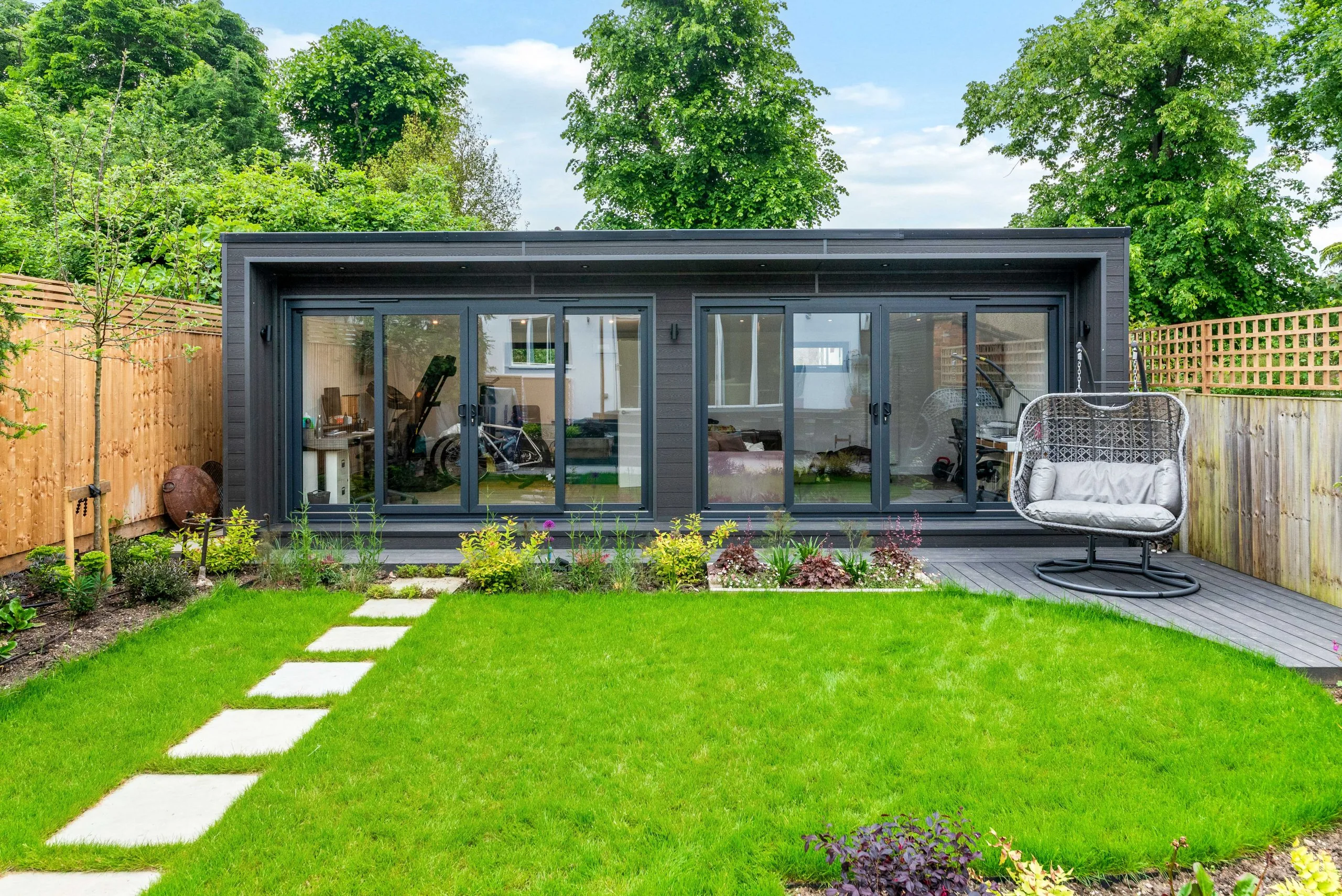
A cardio studio has very different demands from a general home gym.
A treadmill produces vibration. A rowing machine needs clearance behind it. Spin bikes benefit from airflow directly where you work hardest. Screens, speakers, cooling, mirrors and storage all need to be positioned so the room feels motivating rather than cluttered. When these details are designed into the building from the start, a garden room can become one of the most useful and enjoyable fitness spaces in the home.
For homeowners who want a private, premium place to train, a bespoke garden cardio room offers something a spare room or garage conversion rarely can: proper layout, insulation, power, cooling, privacy, acoustic control and a finish that makes you actually want to use it. Whether you are planning a single treadmill studio, a Peloton-style cycling space, a rowing and HIIT zone, or a fully equipped private cardio suite, Hawksbeck can design the building around the way you train.
Cardio equipment is often noisy, heavy and awkward to fit into the main house. Even if you have the space indoors, training can be interrupted by family life, work calls, television noise or the simple inconvenience of having exercise equipment in a bedroom or living area. A bespoke garden cardio studio creates a clear separation between home and training, without the travel time, membership fees or waiting for equipment at a commercial gym.
The most successful cardio garden rooms are designed with the equipment in mind from day one. Instead of trying to squeeze machines into a generic outbuilding, the room can be planned around movement zones, screen positions, cooling, sockets, data, flooring and views out to the garden. The result is a space that feels calm, uncluttered and professional.
A cardio studio needs more floor planning than many people expect. Machines have their own footprint, but the usable space around each machine is just as important. You need room to get on and off safely, stretch, clean equipment, open doors, use storage and maintain airflow. A beautiful building can quickly feel frustrating if a treadmill is too close to a wall or a rowing machine blocks the central walkway.
As a starting point, it helps to divide the studio into three zones:
For the main cardio machines and movement space.
For cooling, media, lighting and mirrors.
For storage, towels, water, cleaning products, shoes and accessories.
Treadmills are often the largest and most demanding item in a cardio studio. They need generous clearance behind the belt for safety, a comfortable ceiling height, good ventilation and a floor structure that feels solid under repeated impact. If you like running intervals or incline work, the design should account for both the height of the machine and the movement of the user.
For many clients, the best position is facing glazing, a wall-mounted screen, or a feature wall with a mirror and media setup.
Running towards a blank wall can make the room feel smaller, whereas a carefully framed view over the garden can make longer sessions far more enjoyable.
Bike-focused cardio rooms can be particularly elegant because bikes have a smaller footprint than treadmills and cross-trainers. The details that matter most are airflow, screen height, speaker position and lighting. If the studio will be used for online classes, a strong Wi-Fi or hardwired data connection is worth planning in advance.
For a premium cycling studio feel, consider dimmable lighting, a large wall mirror, acoustic treatment, a fan or cooling system directed towards the bike, and a small shelf or recessed storage area for shoes, towels and water bottles.
Rowers are long, low machines that need clear space behind and to the sides. A garden room designed for rowing should avoid placing the machine where it blocks access to the door or storage. If rowing is a key part of your routine, the room may benefit from a longer rectangular footprint rather than a compact square layout.
Because rowing is rhythmic and repetitive, acoustic comfort matters. A well-built, insulated garden room with appropriate internal finishes feels far better than training in a hollow, echoing space.
Cross-trainers need height and lateral clearance. They also work best where the user has a clear forward view and does not feel boxed in. If your cardio studio includes a combination of cross-trainer, bike and free floor space, we would usually look at the circulation route first, then position equipment so that each station feels intentional rather than squeezed in.
The ideal size depends on the number of machines, the intensity of training and whether the room will include extras such as a stretching area, weights corner, shower room, storage wall or desk. A compact cardio studio can work beautifully for one or two machines, while a larger bespoke garden building can feel closer to a private boutique fitness suite.
| Cardio studio type | Typical use | Design considerations |
|---|---|---|
| Compact single-machine studio | Treadmill, bike or rowing machine with small storage area | Clearance, ventilation, screen position and simple storage |
| Two-machine cardio room | Treadmill plus bike, rower plus bike, or cross-trainer plus stretching space | Machine spacing, airflow, acoustic comfort and cable management |
| Private cardio suite | Multiple machines, media wall, mirrors, storage and recovery area | Larger footprint, enhanced electrical specification, climate control and premium finishes |
| Multi-use cardio and gym room | Cardio equipment with weights, yoga, Pilates, office or family fitness space | Zoning, reinforced flooring, storage, lighting scenes and flexible layout |
If you are still comparing possible uses for your new building, our wider guide to garden room ideas is a useful place to see how flexible a bespoke design can be.
Model dimensions for your treadmill, bike or rower are the quickest way for us to size the footprint, place the sockets and plan the airflow around each station.
Cardio training creates heat quickly. A room that feels comfortable when you walk in can become too warm ten minutes into an interval session if airflow has not been considered. This is why a cardio studio should not be treated like a simple insulated box. The building needs to be comfortable in winter, cool enough in summer and easy to ventilate after training.
Depending on the design, a Hawksbeck cardio garden room can include opening windows, carefully positioned doors, mechanical ventilation, air conditioning, heating, ceiling or wall-mounted fans, and intelligent shading. The best solution depends on orientation, glazing, equipment, room size and how hard you train.
For example, a south-facing studio with large areas of glass may need a different cooling strategy from a shaded garden building used mostly in the early morning. The aim is not simply to add cooling as an afterthought, but to design the room so it remains pleasant to use throughout the year.
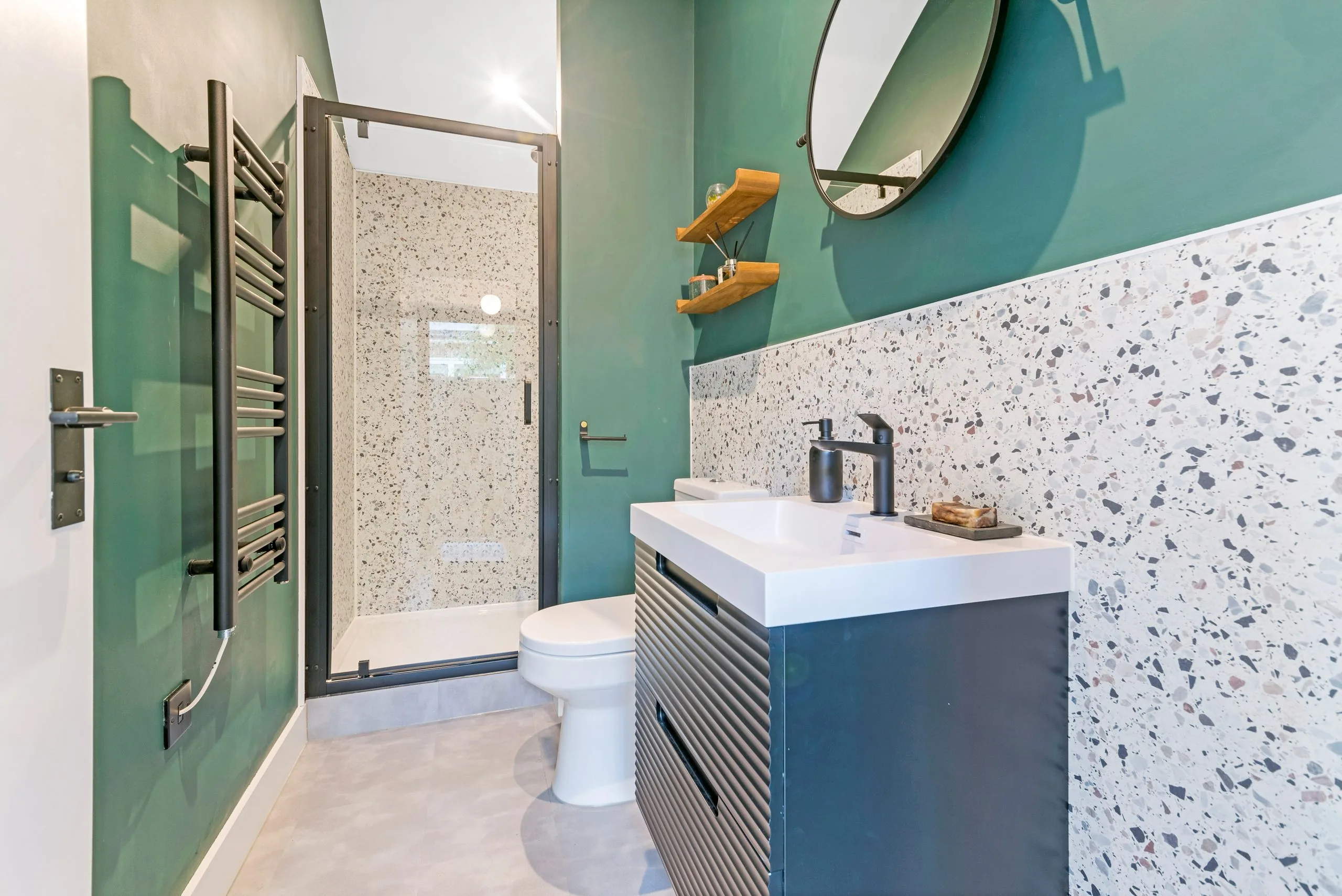
Cardio machines place different demands on a floor. A treadmill creates repeated impact. A rower applies force in a long, horizontal movement. Cross-trainers and bikes need a stable, level base. The floor build-up should feel solid, reduce unwanted vibration and suit the finish you want underfoot.
Many cardio studios benefit from specialist rubber flooring, luxury vinyl, engineered flooring with protective matting, or a combination of finishes. The choice depends on how you want the room to feel. A dedicated high-performance cardio room may suit a more gym-like floor, while a luxury wellness studio may use softer, more refined finishes with discreet equipment matting.
It is also important to consider equipment delivery and future replacement. If you know you may upgrade a treadmill or bring in a heavier commercial-grade machine, the access route, door position and internal clearances should all be planned from the beginning.
A modern cardio room is rarely just a room with exercise equipment. Many people now train with streaming classes, smart bikes, heart-rate monitors, wall-mounted screens, sound systems, apps and online coaching. This makes the electrical and media plan an important part of the design.
Useful features can include:
Cable management is particularly important in a premium studio. Trailing leads, overloaded extension cables and awkward sockets can make even an expensive room feel unfinished. With a bespoke Hawksbeck building, these elements can be considered before construction so the final space looks clean and works properly.
A cardio studio may be the main goal, but many of our clients also want their garden room to support other parts of family life. This video shows the quality, versatility and range of uses possible with a bespoke Hawksbeck garden building.
One of the biggest advantages of moving cardio equipment into a garden room is reducing disruption inside the house. That said, cardio machines still create noise and vibration, particularly treadmills and rowing machines. A well-specified garden building can help make training more private and comfortable, both for the person inside the studio and for everyone else at home.
Acoustic comfort comes from a combination of structure, insulation, internal finishes, equipment mats, layout and glazing choices. Even the position of the treadmill can affect how sound travels. If the room is close to a boundary or neighbouring property, we can discuss the design carefully so the building is enjoyable without feeling intrusive.
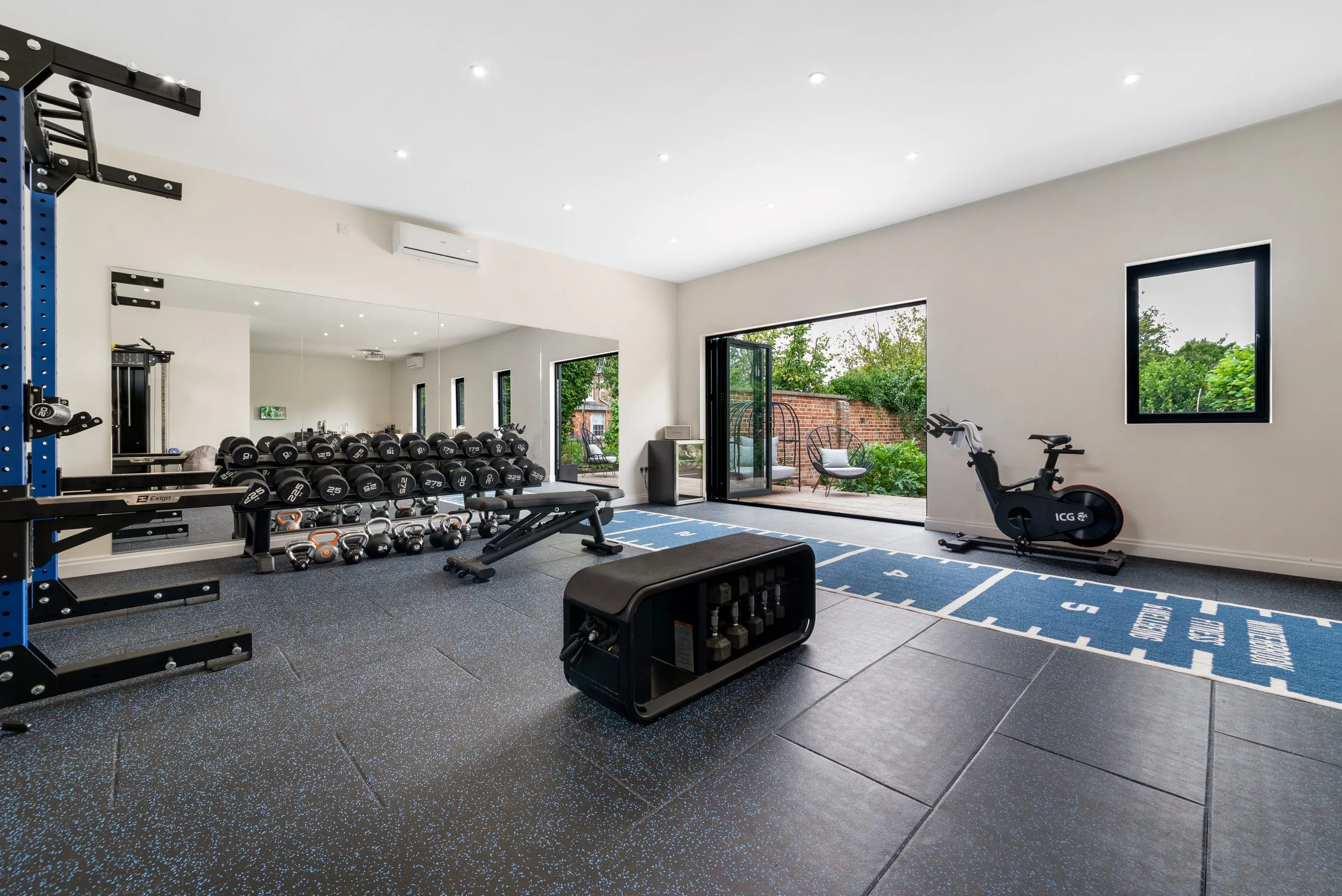
Lighting has a surprisingly strong effect on how a cardio studio feels. Bright, even lighting is useful for cleaning and general use, but cardio training often benefits from a more atmospheric setup. Dimmable downlights, wall lights, LED feature lighting or separate lighting scenes can make the studio feel closer to a private boutique gym.
Natural light is equally important. Large glazing can make the room feel more open, but privacy, heat gain and screen glare also need to be considered. A bespoke design lets you decide where you want openness, where you want privacy and how the room should feel at different times of day.
Cardio rooms often include more accessories than expected: trainers, yoga mats, towels, fan remotes, water bottles, resistance bands, heart-rate belts, foam rollers, cleaning spray, spare batteries and audio equipment. Without storage, these items quickly make the room feel messy.
Built-in or freestanding storage can be designed to suit the way you train. A slim storage wall, concealed cupboard, open shelving, bench seat or recessed niche can keep the studio looking refined while still making everything easy to reach. If the room will double as a yoga, Pilates or stretching space, storage becomes even more valuable because the floor needs to remain clear.
A dedicated cardio studio is ideal if you train regularly and want the whole building optimised for exercise. However, many clients choose to include a second function. A carefully planned cardio space can also work as a strength training room, wellness studio, garden office, teenage fitness room or recovery space.
The key is to decide which use has priority. If cardio is the main purpose, the machines, ventilation and flooring should lead the design. If the room will be split between cardio and office work, it may need more careful acoustic separation, hidden storage and a layout that prevents the space from feeling like an office with a treadmill pushed into the corner.
Because Hawksbeck garden rooms are bespoke, the building does not have to fit a fixed template. We can plan the room around your equipment list, garden, daily routine and preferred finish.
Many garden rooms can be built under permitted development rights, but this depends on factors such as size, height, position, location and intended use. A cardio studio used for personal fitness at home is often more straightforward than a commercial fitness space, but every property is different.
If your garden room is close to a boundary, needs a taller internal height for treadmill use, includes plumbing, or forms part of a larger landscaping project, it is worth discussing the planning position early. Hawksbeck can guide you through the practical design considerations and help you understand what may be suitable for your property.
The cost of a bespoke cardio garden room depends on size, specification, groundworks, access, glazing, electrical requirements, cooling, flooring, media, finishes and any additional features such as shower rooms or storage walls. For SEO and budgeting purposes, it is helpful to give a realistic range, but the final cost can vary significantly because each Hawksbeck building is designed around the client.
As a broad guide, a compact premium garden room designed for one or two cardio machines may often sit from around £30,000 to £45,000+, depending on size and specification. A more generous private cardio studio with multiple machines, enhanced electrics, premium glazing, cooling and a higher-end interior may commonly fall in the region of £45,000 to £70,000+. Larger luxury fitness suites, multi-use gym and office buildings, or designs with plumbing, extensive media, bespoke cabinetry and complex site requirements can exceed this.
The best way to approach pricing is to start with the equipment list and the experience you want. A treadmill-only room with simple storage has a very different specification from a full cardio suite with air conditioning, multiple screens and integrated audio. Our range page gives a useful starting point, and a conversation with the Hawksbeck team will help turn your ideas into a more accurate proposal.
Before speaking to us, it can be useful to make a simple list of what you want the room to do. You do not need to have every detail decided, but the following information helps shape a much better design conversation:
A luxury cardio studio is not only about equipment. The finish of the building changes how the space feels every time you step inside. Thoughtful materials, clean lines, warm lighting, high-quality doors and windows, well-positioned controls and discreet storage all help the room feel like a considered part of the home rather than a converted shed or garage.
Details worth considering include:
To connect the room to the garden.
If the studio is overlooked.
For form, light and a studio-style atmosphere.
For streaming runs, rides or classes.
For comfortable year-round use.
For a sheltered entrance.
To complement the garden and house.
For early morning and evening workouts.
Many garden rooms fall under permitted development, but size, height, position and use all matter, and a taller internal height for treadmill running or any plumbing is worth raising early. Hawksbeck can help you understand what may suit your property.
A treadmill needs generous clearance behind the belt, a comfortable ceiling height and a floor that feels solid under repeated impact. A compact studio can suit one or two machines, while rowing in particular benefits from a longer rectangular footprint.
Yes, if cooling is designed in rather than added afterwards. Depending on orientation and glazing, the room can include opening windows, mechanical ventilation, air conditioning, fans and shading so it stays usable through an interval session.
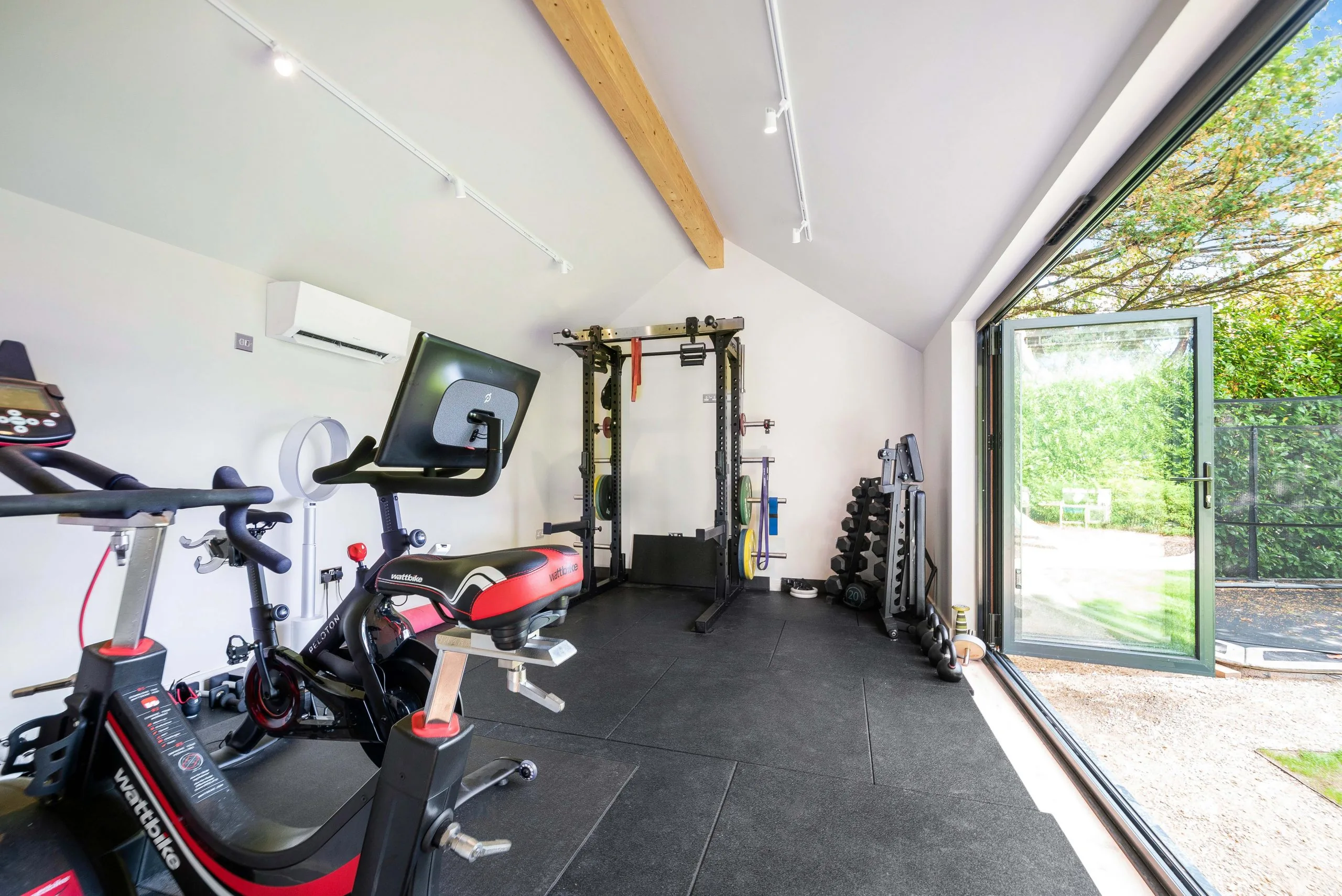
A Hawksbeck garden cardio room can be designed around the exact way you train, from a focused treadmill studio to a fully equipped private fitness suite with cooling, media, storage and luxury finishes. If you want a space that looks beautiful, performs properly and makes exercise easier to fit into daily life, a bespoke garden building is an excellent solution.
Speak to us about your equipment, your garden and the type of training experience you want to create. We can help you explore layout, specification, pricing and the design options that will make the room work long term.
A dedicated fitness-focused garden building showing how a private home gym can be planned with comfort, style and year-round usability in mind.
View project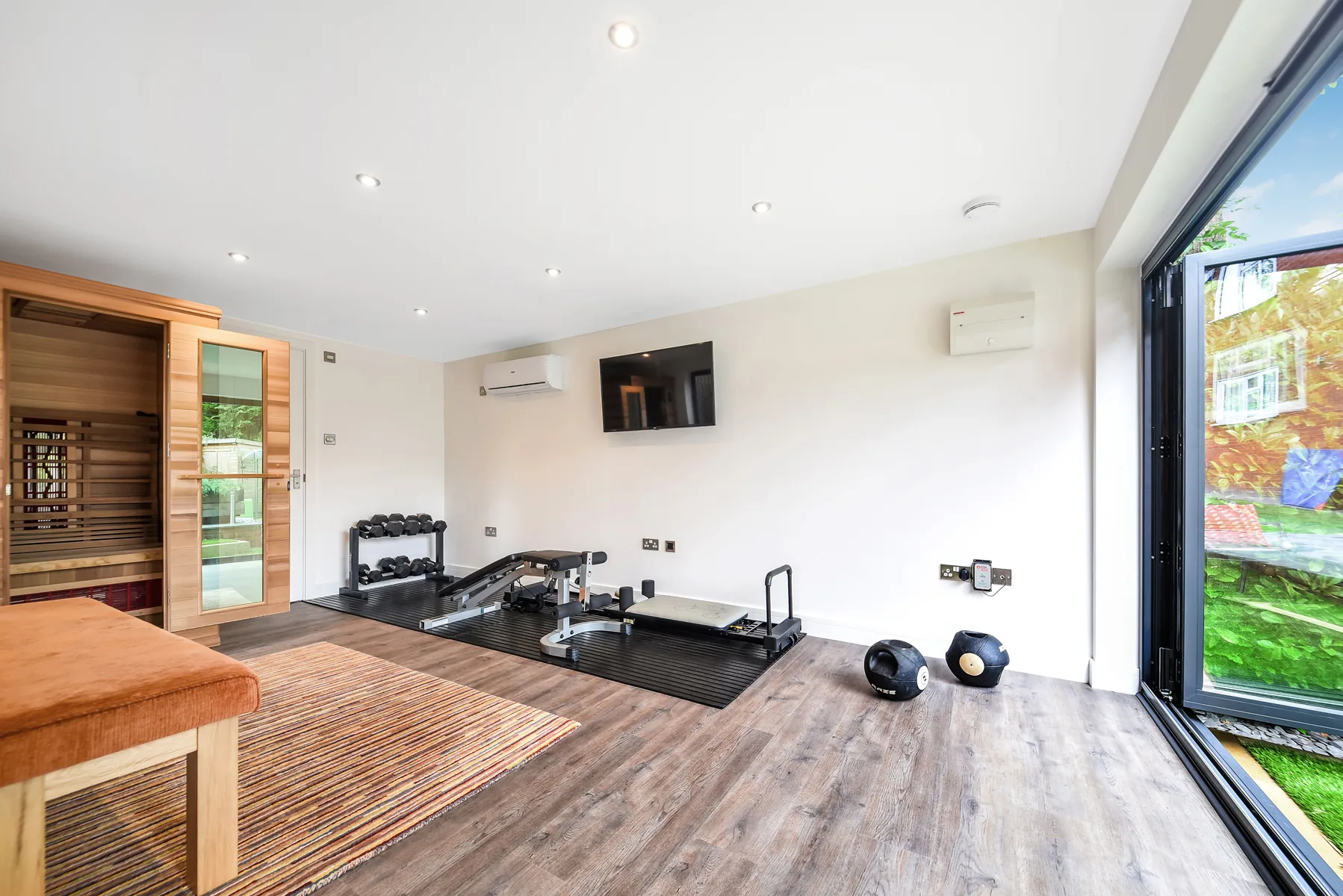
This project demonstrates how a bespoke garden room can combine work and training in one refined building, with a layout tailored to more than one daily use.
View project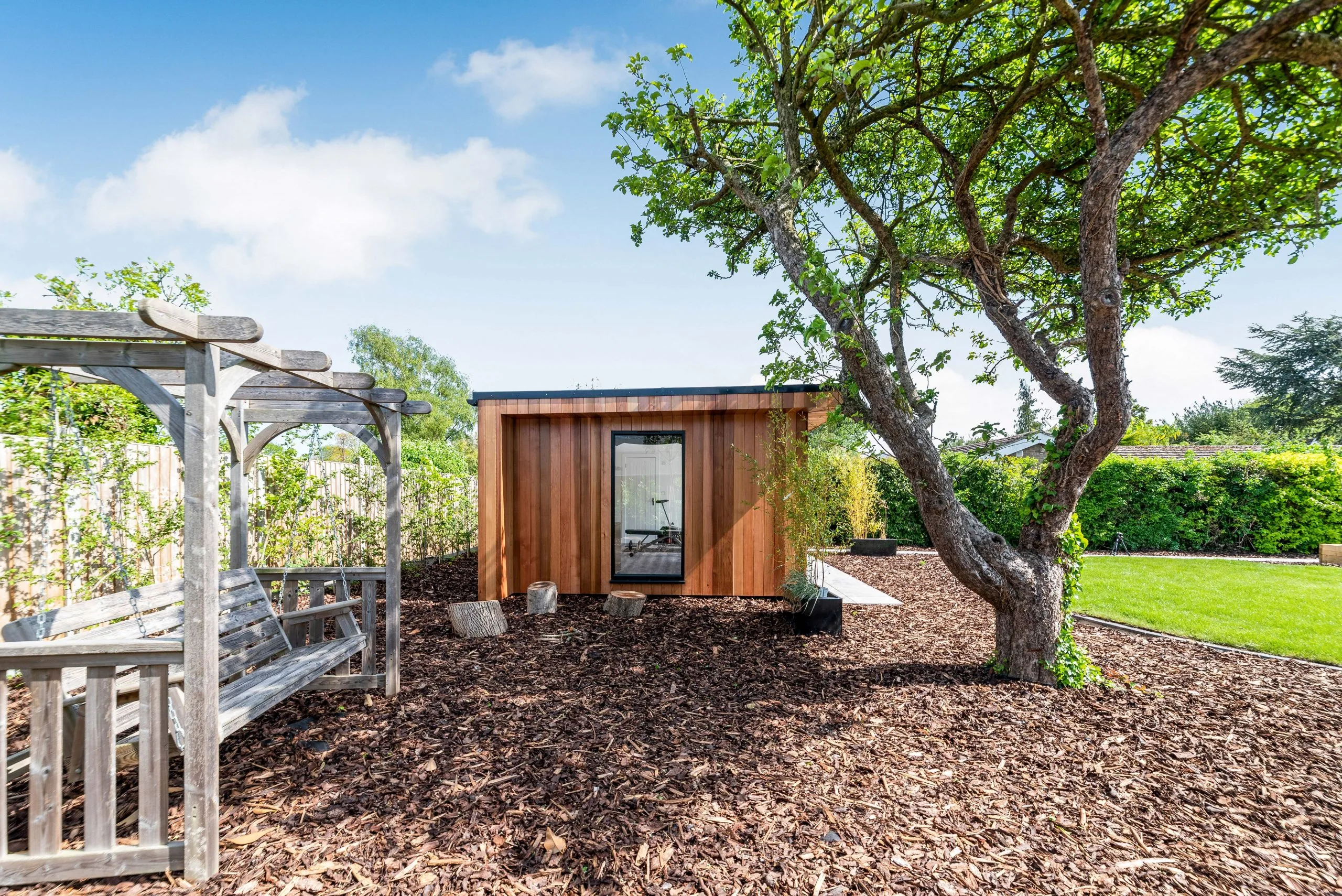
A flexible garden building designed to support fitness and office use, offering inspiration for homeowners who want their cardio studio to work harder throughout the week.
View project