
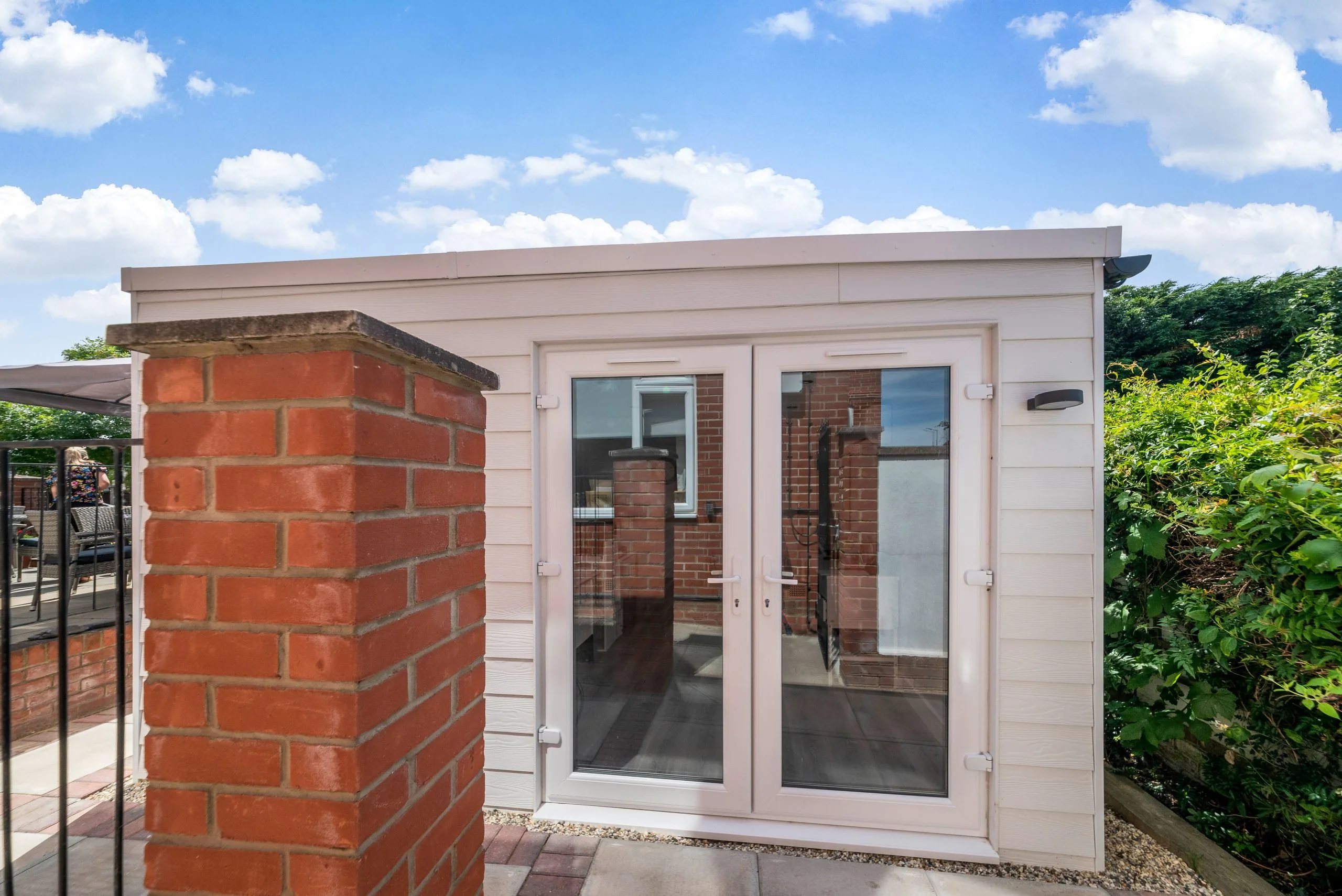
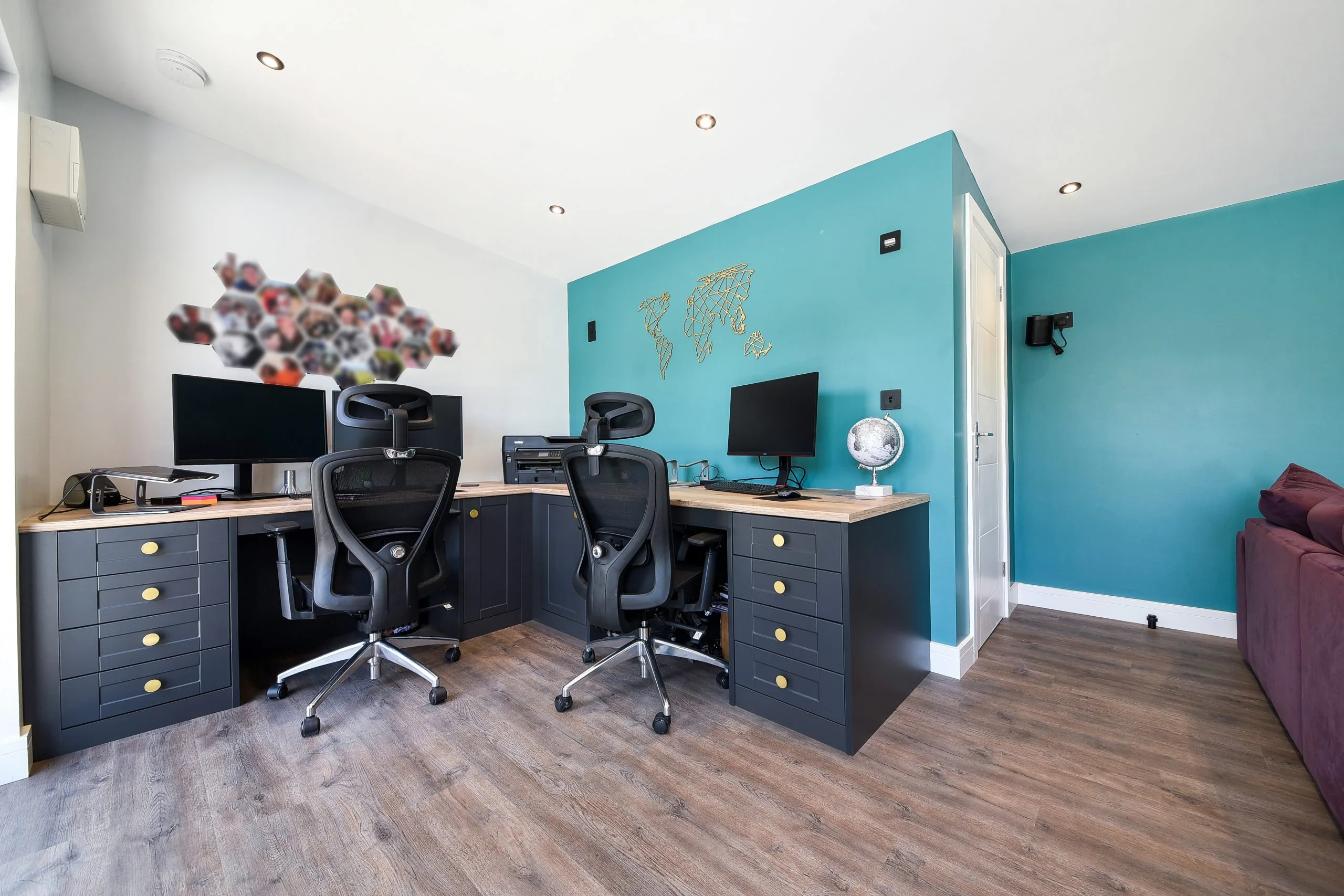
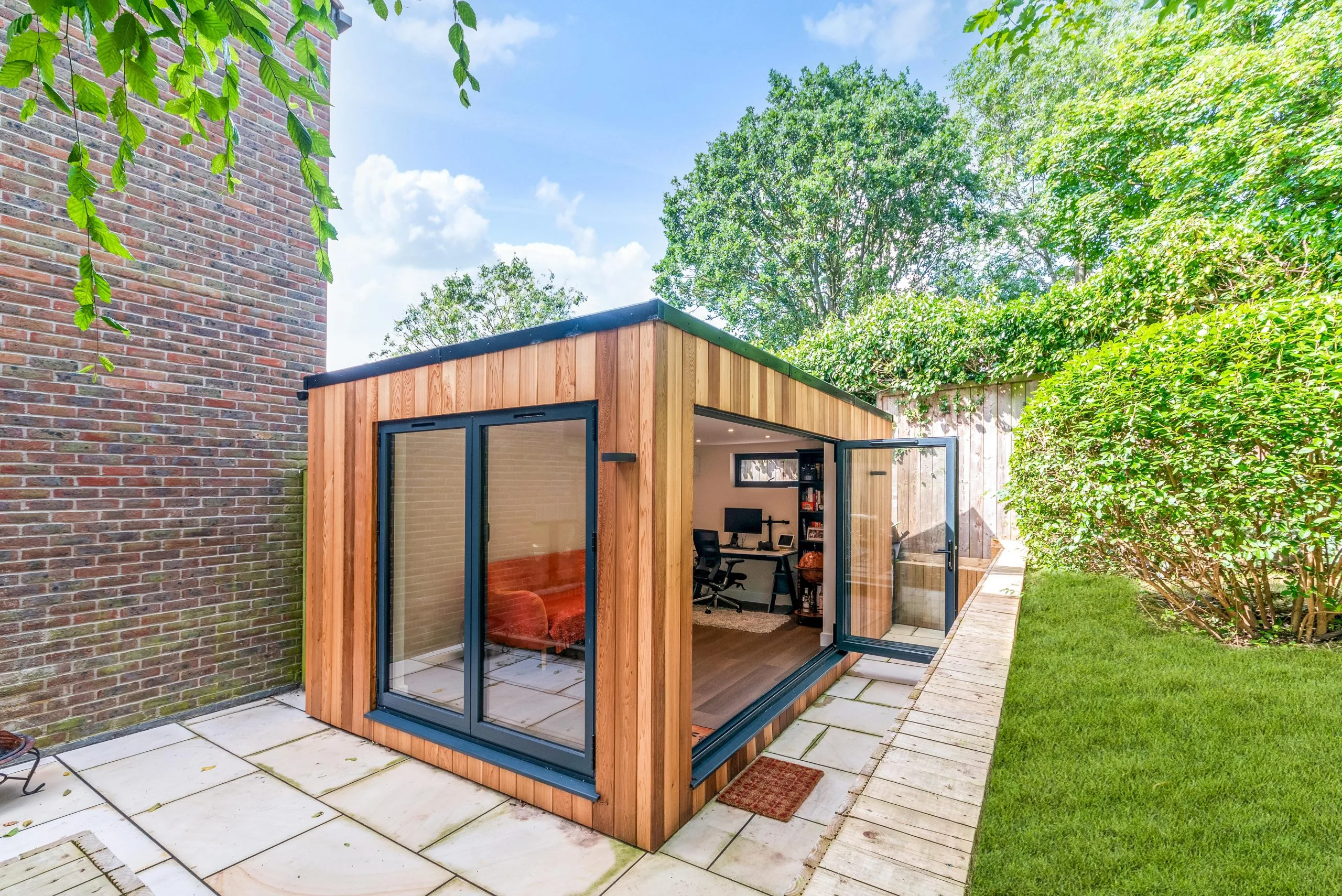
Bespoke Studio Office, Essex
A premium studio office project showing how a garden building can become a refined, practical and private place to work away from the main home.
View project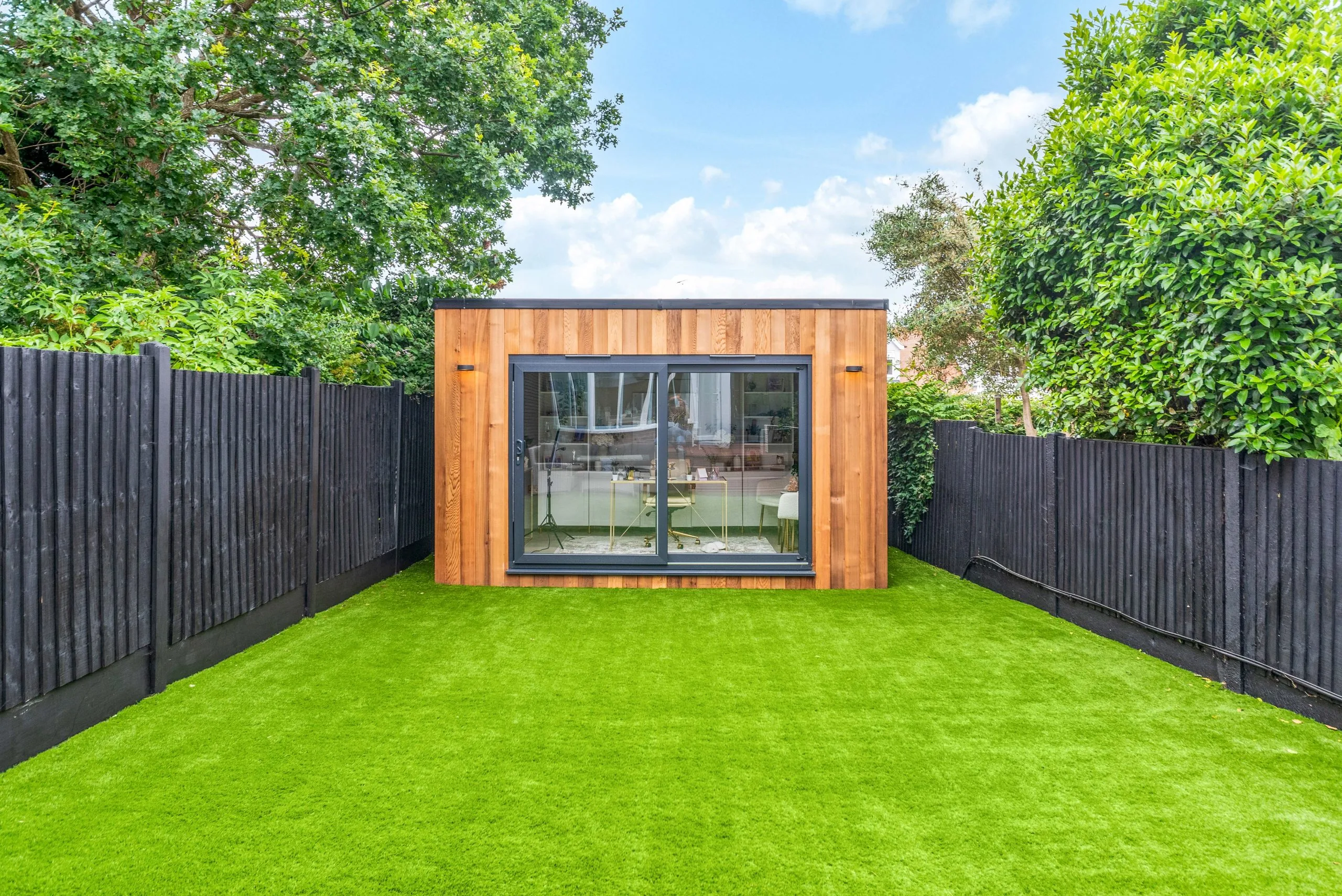
A coaching conversation is easily shaped by its surroundings. A room that feels calm, private and properly considered helps clients settle; a room that is too close to family noise, household interruptions or a makeshift desk in the spare room can work against the professionalism you have built.
A bespoke garden coaching studio gives you a dedicated place for in-person sessions, online calls, group work, supervision, training and focused preparation, without renting external premises or bringing clients deep into your home.
For executive coaches, life coaches, performance coaches, wellbeing practitioners, consultants and mentors, the garden room format is particularly strong because it can be designed around how you work rather than forcing your sessions into a standard office layout. It can feel polished without being corporate, private without feeling clinical, and comfortable enough for long, reflective conversations.
Coaching needs a different kind of space from a typical home office. It must support concentration, confidentiality, trust and a sense of arrival. A client arriving for coaching should not feel as though they are being squeezed into the corner of a busy household. Equally, if most of your work is delivered online, your studio should make you look and sound professional on camera while keeping you physically separated from the distractions of home.
A bespoke Hawksbeck garden room can be planned as a complete coaching environment, including the room proportions, glazing positions, internal finishes, lighting, heating, furniture layout, storage, access and technology requirements. The result is not simply “somewhere to work”; it is a quiet, premium, year-round studio that supports the way you coach.
If you are still exploring different ways a bespoke building could be used, our main guide to garden room ideas includes a wide range of practical and inspiring options.
The best coaching studios are not overdesigned. They are calm, purposeful and easy to use. Before deciding on size or finishes, it helps to think carefully about the type of coaching you deliver and how the room needs to function during a real session.
A one-to-one coaching studio should create a sense of ease without becoming too informal. Many coaches prefer two comfortable chairs set at an angle rather than directly opposite one another. This allows conversation to feel natural and less confrontational. A small table can be useful for water, notes or resources, while discreet storage keeps the room uncluttered between clients.
Good sightlines matter too. If your studio has garden views, these can create a calming backdrop and give clients somewhere neutral to rest their gaze during reflective moments. However, glazing needs to be positioned thoughtfully so the room does not feel exposed from the house, neighbours or passing footpaths.
Executive coaching often benefits from a slightly more refined, business-like atmosphere. The space may need to support confidential conversations with senior leaders, hybrid meetings, board-level preparation or strategic planning. In this context, the design should feel premium and composed, with high-quality finishes, excellent lighting, reliable connectivity and possibly a more structured work surface.
A built-in desk or small meeting table can help if you regularly review documents, leadership profiles, performance data or development plans. For executive clients, the experience of entering a dedicated, beautifully finished studio can also reinforce the value of the session.
Life coaching, confidence coaching, career change support and wellbeing-led work may call for a softer interior. Natural materials, warm lighting, muted colours and comfortable seating can help clients feel grounded. If your work occasionally crosses into reflective exercises, journaling, guided visualisation or mindfulness, you may want enough open floor space to avoid the room feeling too rigid.
Performance coaches may need a more active and adaptable layout. Depending on your field, this could include space for movement analysis, presentation rehearsal, voice work, sports psychology sessions, video review or goal-setting workshops. A bespoke garden building allows the room to be planned around these practical requirements rather than compromising with a standard box-shaped office.
For many coaches, confidentiality is one of the main reasons to move out of the house and into a separate garden studio. Even if household members are respectful, clients may feel more comfortable knowing they are entering a private space created specifically for professional conversations.
When designing a coaching garden room, privacy should be considered in several ways:
It is worth thinking about the client’s full experience. Where do they park? How do they find the studio? Is the route lit in winter? Can they wait under cover if they arrive slightly early? These details may seem small, but they contribute to a calm, professional appointment.
A coaching studio should not sound hollow, echoey or exposed. Poor acoustics can make online sessions tiring and can reduce the feeling of intimacy during in-person work. A well-designed garden room gives you more control over the sound environment than a spare bedroom, kitchen table or converted corner of the house.
For online coaching, the room should support clear speech. You may want to consider where the desk sits in relation to windows, walls and soft furnishings. Too many hard surfaces can create echo, while carefully chosen rugs, curtains, acoustic panels, upholstered furniture and bookcases can help soften the sound.
For in-person sessions, acoustic comfort affects trust. Clients should not worry about being overheard, and you should not be distracted by external noise. While no building should be described as completely soundproof without a dedicated acoustic specification, a high-quality insulated garden room can be designed to feel calm, solid and private for professional use.
Lighting is one of the biggest differences between a makeshift online setup and a professional coaching studio. Natural light is valuable, but it needs to be controlled. Direct sun behind you can turn you into a silhouette on video. Bright glare in front of a client can make an in-person session uncomfortable. A bespoke design lets you balance natural light with practical artificial lighting.
For a coaching studio, you may want to include:
The ideal lighting scheme depends on your style of coaching. A bright, high-energy performance studio may need a different feel from a reflective life coaching room. Hawksbeck buildings are bespoke, so the lighting plan can be developed around your working pattern rather than added as an afterthought.
One of the most important design decisions is the internal layout. A coaching studio should feel open enough to breathe, but not so large that one-to-one sessions lose warmth. The right size will depend on whether you work alone, host clients, run small group sessions or need recording equipment.
A smaller garden coaching studio can work beautifully for online coaching and occasional one-to-one sessions. It may include a desk, two chairs, compact storage and a simple refreshment area. The priority is to keep the room uncluttered and ensure there is enough space to move naturally around the furniture.
If you regularly see clients in person, the room may need a more generous footprint. You might want a dedicated seating area, a discrete desk for admin, storage for client materials, a coat area and possibly a small waiting or arrival zone if the garden layout allows. This type of studio should feel polished from the door onwards.
Some coaches need a flexible studio for one-to-one sessions, online programmes, group coaching, retreats, training days or content recording. In this case, movable furniture, hidden storage, wall-mounted screens, presentation space and strong connectivity become more important. An L-shaped or larger rectangular building can work well when you want distinct zones within one garden room.
Online coaching has made location less important, but the quality of your setup still matters. When clients are investing in coaching, they expect you to appear clear, present and professional. A garden room can become a dedicated broadcast-quality environment for video sessions, webinars, supervision and digital course delivery.
Useful features to consider include:
If you record courses, podcasts or training material, it can be worth planning the studio with content creation in mind from day one. Camera angles, background depth, lighting control and acoustic treatment all become easier when the room is designed around them.
A coaching studio may be your primary purpose, but one of the advantages of a premium bespoke garden building is that it can adapt with your business and lifestyle. This video shows the quality, finish and versatility that can be achieved across different uses.
The interior of a coaching studio should support your work without overwhelming it.
A luxury finish does not need to be loud.
In many coaching environments, the most effective interiors are restrained, tactile and composed.
Consider these elements when shaping the feel of the room:
Because a Hawksbeck garden room is bespoke, you are not limited to a fixed off-the-shelf interior. The building can be planned around the kind of practice you want to run and the experience you want clients to have.
A coaching studio may be used for several consecutive sessions, so comfort needs to go beyond first impressions. Temperature, ventilation, seating and lighting all affect how well you can work throughout the day.
Year-round use is particularly important. A studio that is too cold in January or too warm in July will quickly become frustrating. High-quality insulation, suitable glazing, heating and ventilation help create a more stable environment. If you plan to work long hours, it is worth discussing how the building will perform in different seasons, especially if the studio has large areas of glass or receives strong afternoon sun.
Ventilation also matters during in-person sessions. Clients may be in the room for 60 to 90 minutes at a time, and the air should feel fresh without introducing noise or draughts. This is another reason why a purpose-built garden coaching room is often preferable to adapting a small room inside the home.
Planning requirements depend on the property, the size and position of the building, its height, intended use and any local restrictions. Many garden rooms can fall under permitted development, but a coaching studio used for client appointments may raise additional considerations, particularly if there will be regular visitors, signage, parking impact or a change in how part of the property is used.
It is always sensible to check the position carefully before committing to the project. Factors that may affect the route include:
For many coaches, the garden studio is used as a professional home-working environment with occasional or regular client visits. The safest approach is to discuss your intended use openly at the design stage so the right advice can be taken where needed.
The best coaching studios feel professional before the client even steps inside. The route from the street, driveway or side gate should be clear, safe and well lit. If you host evening sessions, external lighting becomes especially important. If clients arrive in winter, a path that avoids muddy grass can make the experience feel more considered.
Think about whether clients will need to pass windows, family areas, pets, bins, play equipment or narrow access points. These details influence how private and premium the experience feels. A carefully positioned garden room can protect both the client’s comfort and your household’s privacy.
If parking is limited, you may want to plan appointment times with gaps between clients or make clear arrangements before sessions. Coaches who work mostly online may not need to prioritise parking, but for in-person practices it can be a significant part of the client experience.
BudgetingThe cost of a garden coaching studio depends on the size, specification, site conditions, glazing, finishes, services, access and any additional features required. Because Hawksbeck garden rooms are bespoke and premium, the final price can vary considerably from one project to another.
As a broad guide, a compact, high-quality coaching studio for online work or occasional one-to-one sessions is likely to begin in the tens of thousands. A more generous client-facing studio with premium glazing, upgraded finishes, enhanced electrics, heating, lighting, storage and a more refined interior will typically sit higher. Larger multi-use buildings for coaching, workshops, recording and business use can increase further, particularly where the design includes multiple zones or a more complex footprint.
For planning purposes, many professional-use garden rooms fall somewhere in the region of approximately £30,000 to £70,000+, with smaller or simpler specifications at the lower end and larger, highly tailored studios above that. This should be treated as a guide only. Your design, site and requirements will determine the final quotation.
When comparing prices, it is important to look beyond size alone. A coaching studio is a client-facing professional environment, so insulation, build quality, doors and windows, lighting, electrics, heating, finish and long-term durability all matter. A cheaper structure that feels temporary, noisy, cold or poorly finished may not reflect the standard of your coaching practice.
Deciding between an online-first studio and a room built for client visits? Start with the range.
View Our Full RangeA good brief leads to a better building. Before speaking to the design team, it may help to clarify the practical details of your coaching work.
These answers help shape the size, layout, glazing, electrical plan, interior and overall feel of the studio. The aim is to create a space that fits your working life now, while remaining flexible enough for the future.
A refined studio with a generous desk or meeting table, comfortable seating, a professional video-call backdrop, excellent lighting and concealed storage. This type of garden building should feel calm, credible and suitable for senior-level conversations.
A softer, more relaxed space with warm materials, comfortable chairs, natural light, gentle colours and enough privacy for reflective conversations. A small refreshment area and garden outlook can make the studio feel welcoming without becoming informal.
A more adaptable layout with space for movement, video review, goal-setting exercises, presentation practice or physical demonstration. Wall-mounted screens, whiteboards and flexible furniture can be useful.
A dedicated digital coaching base with controlled lighting, strong connectivity, camera-friendly background, acoustic comfort and plenty of sockets. Ideal for coaches running remote programmes, webinars, supervision or recorded courses.
A dual-purpose studio that combines client sessions with focused consultancy work. This may include a desk zone, a separate coaching area and storage for business documents, books and equipment.
A coaching studio is not just a building in the garden. It is part of your professional identity. It affects how clients arrive, how sessions feel, how confidently you deliver online, and how effectively you separate your work from your home life.
Hawksbeck creates premium bespoke garden rooms and garden buildings designed around the individual client. For a coach, that means the building can be shaped around privacy, comfort, layout, technology, lighting, finishes and the tone of your practice. Whether you want a calm one-to-one studio, a polished executive coaching room, a digital coaching suite or a flexible space for workshops and content, the design can be tailored to your needs.
The value of a bespoke approach is that you do not have to compromise your work around a standard garden building. The studio can be designed to support the way you coach, the clients you serve and the future direction of your business.
Tell us how you coach, who visits and how often you are on camera, and we will shape the studio around those sessions.
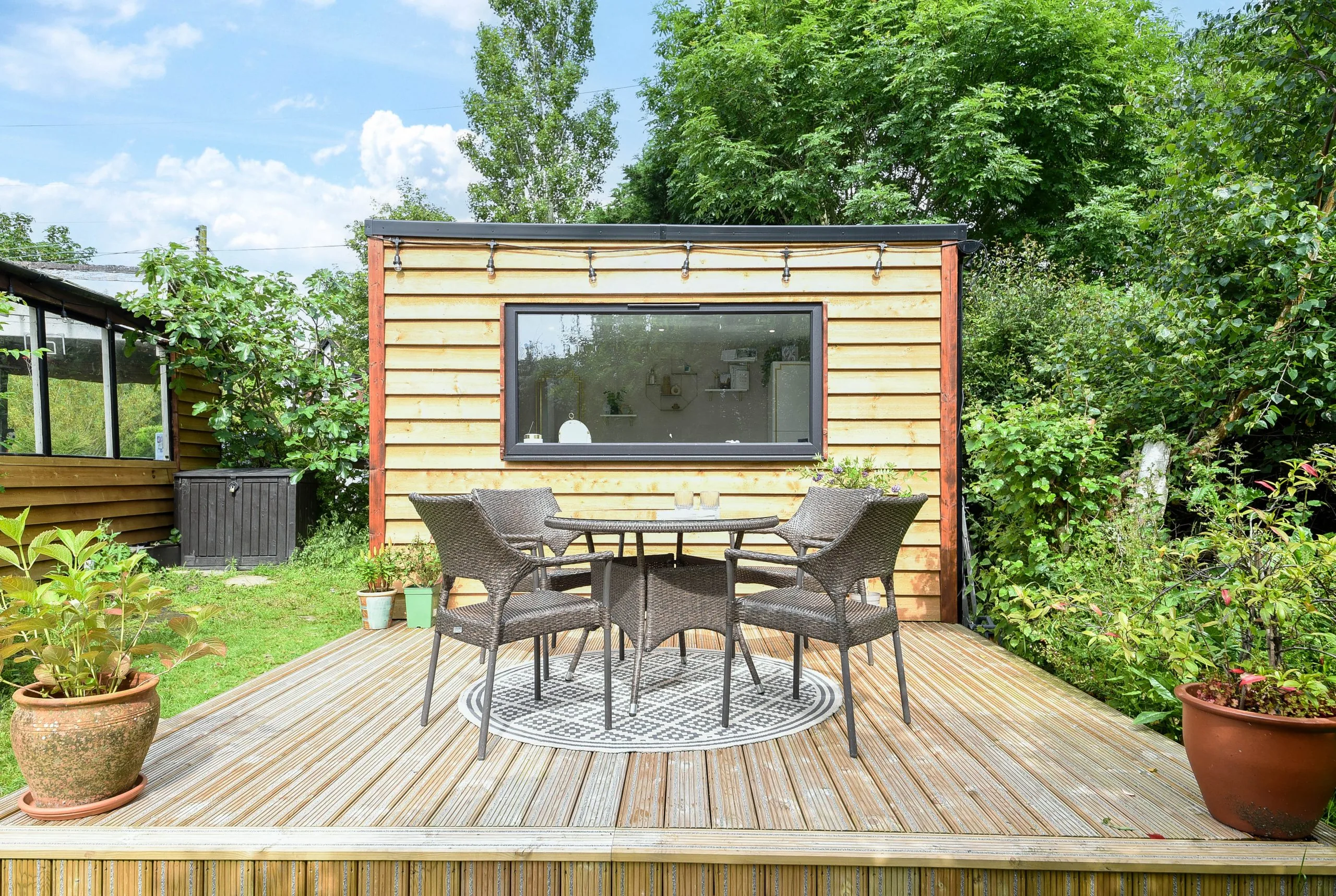
These completed projects show how a bespoke garden building can be adapted for work, studio use, leisure and multi-purpose living. They are useful references if you are planning a coaching studio that needs to feel professional, comfortable and beautifully finished.
A premium studio office project showing how a garden building can become a refined, practical and private place to work away from the main home.
View project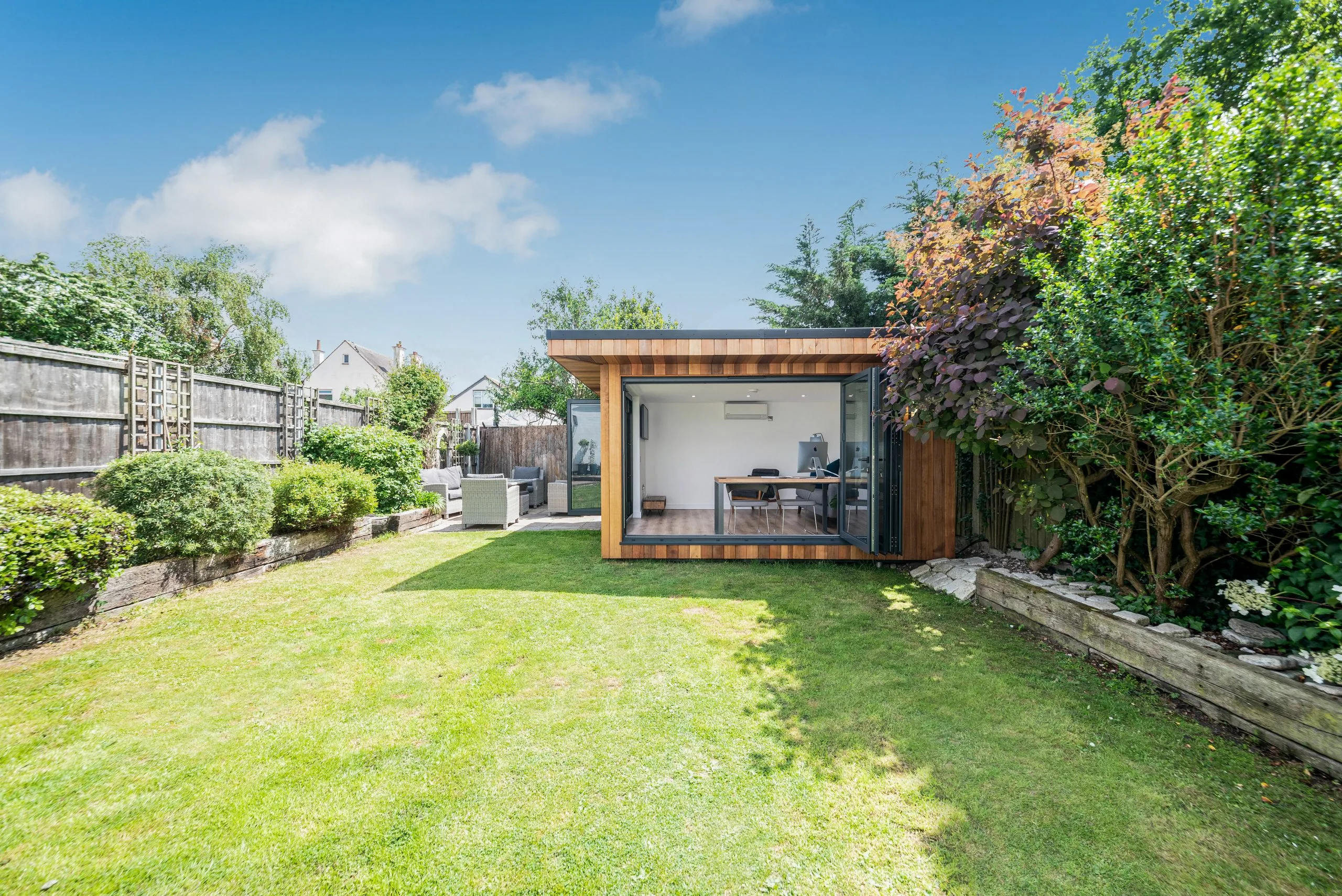
This office and studio build demonstrates the flexibility of a bespoke garden room for focused work, creative use and a comfortable client-ready environment.
View project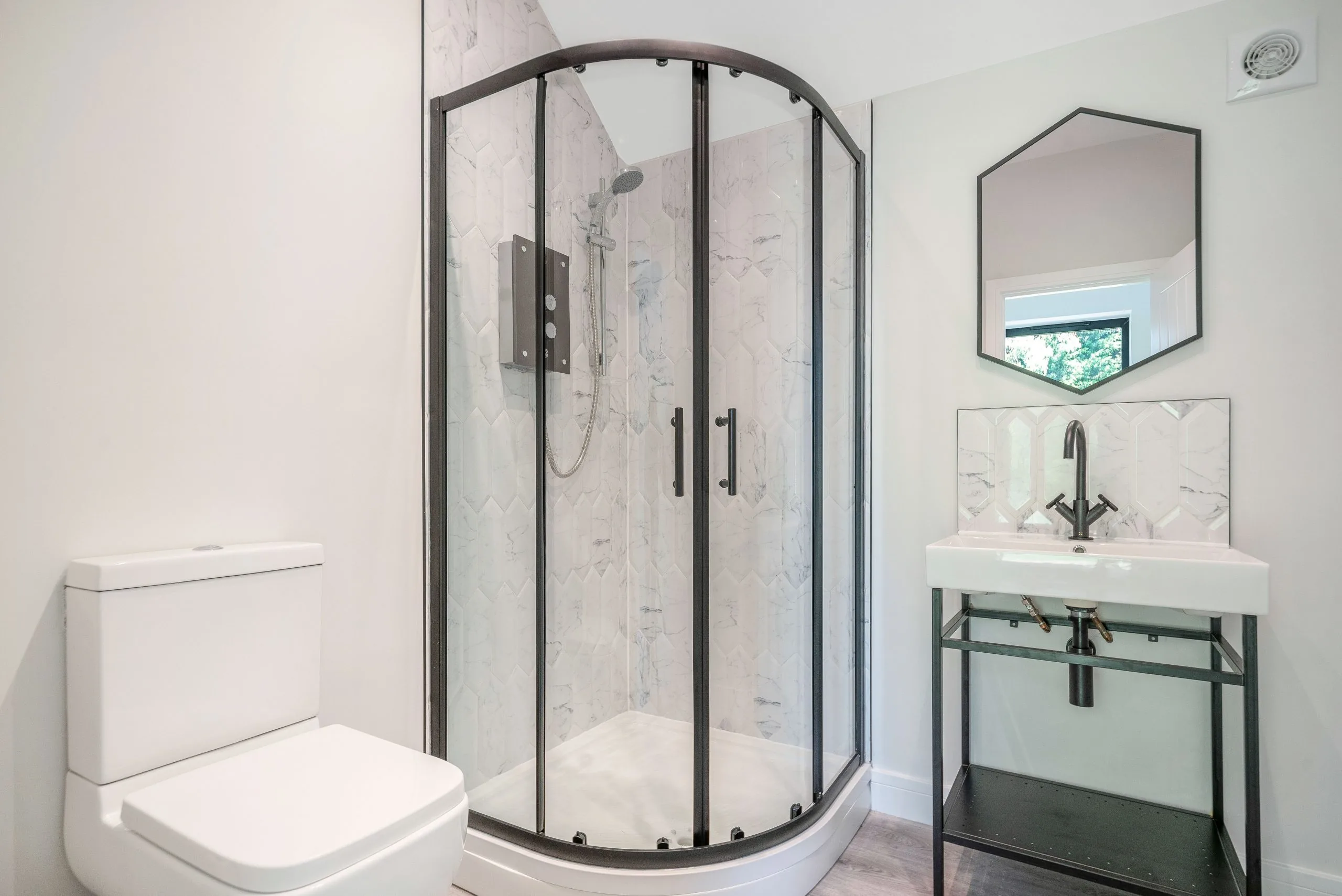
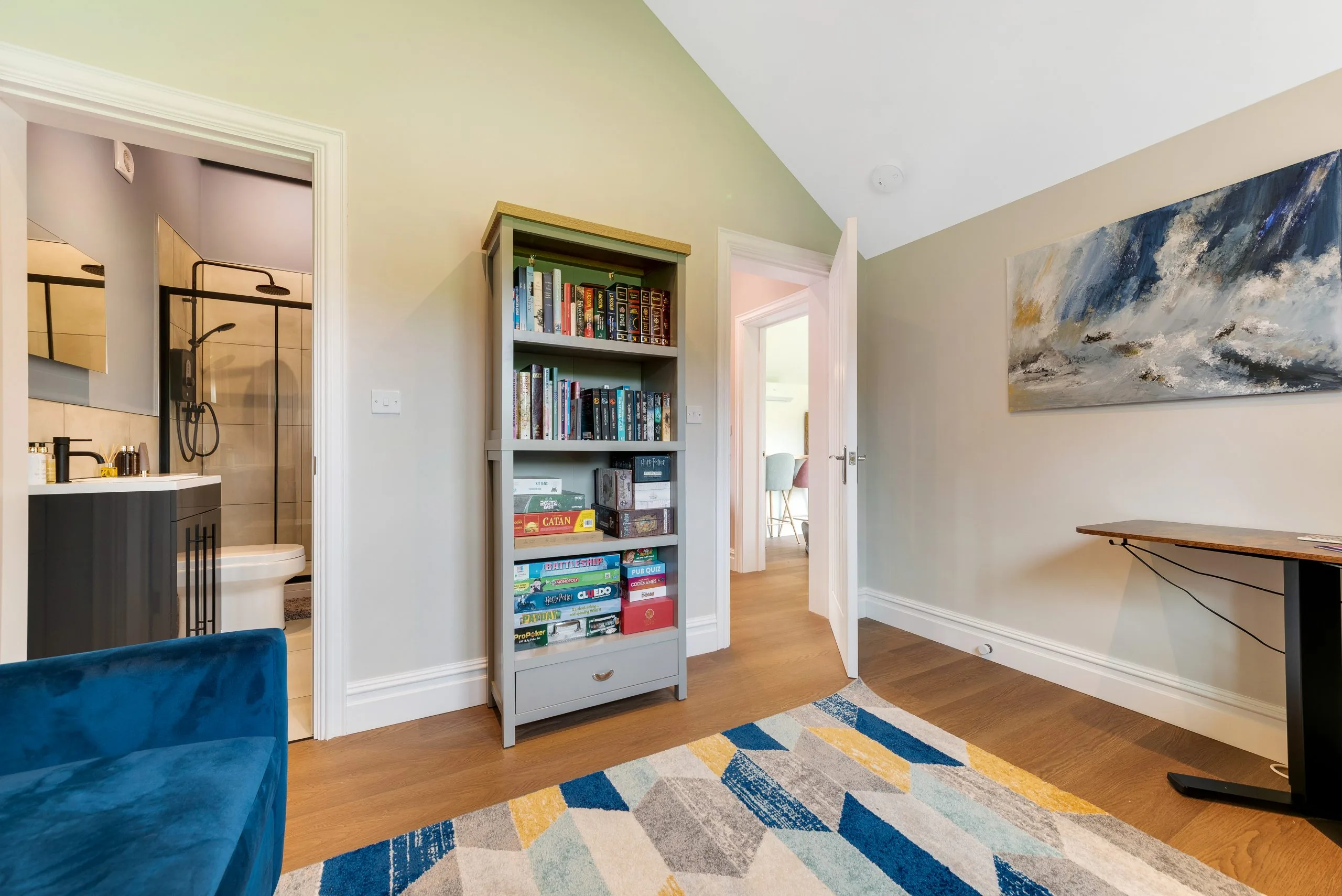
An adaptable L-shaped garden room showing how separate zones can be created for work, leisure and practical everyday use within one high-quality bespoke building.
View project