
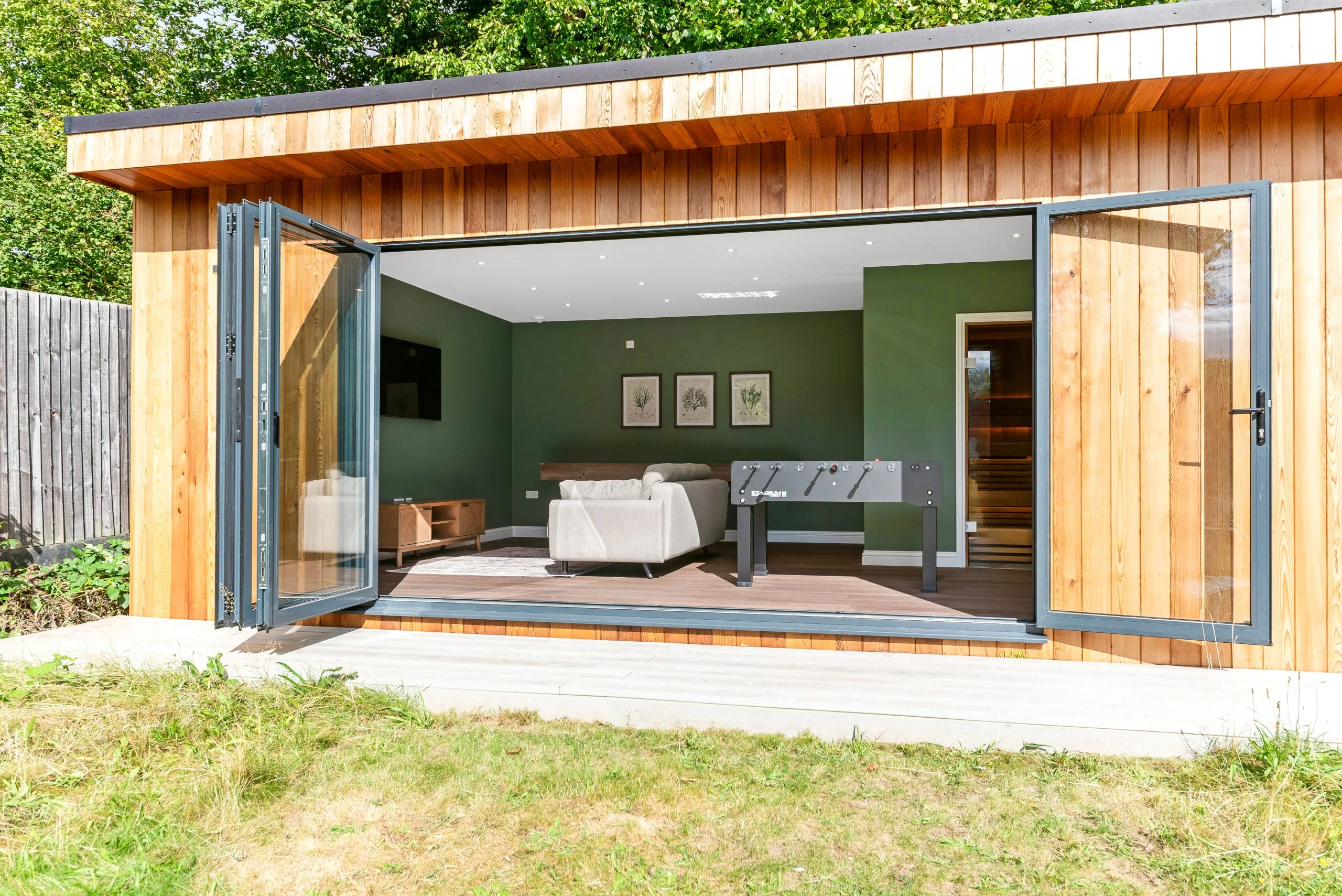
Zen Garden Room Office Space
A calm, beautifully finished garden room showing how thoughtful design, natural light and a refined interior can create a private retreat away from the main house.
View project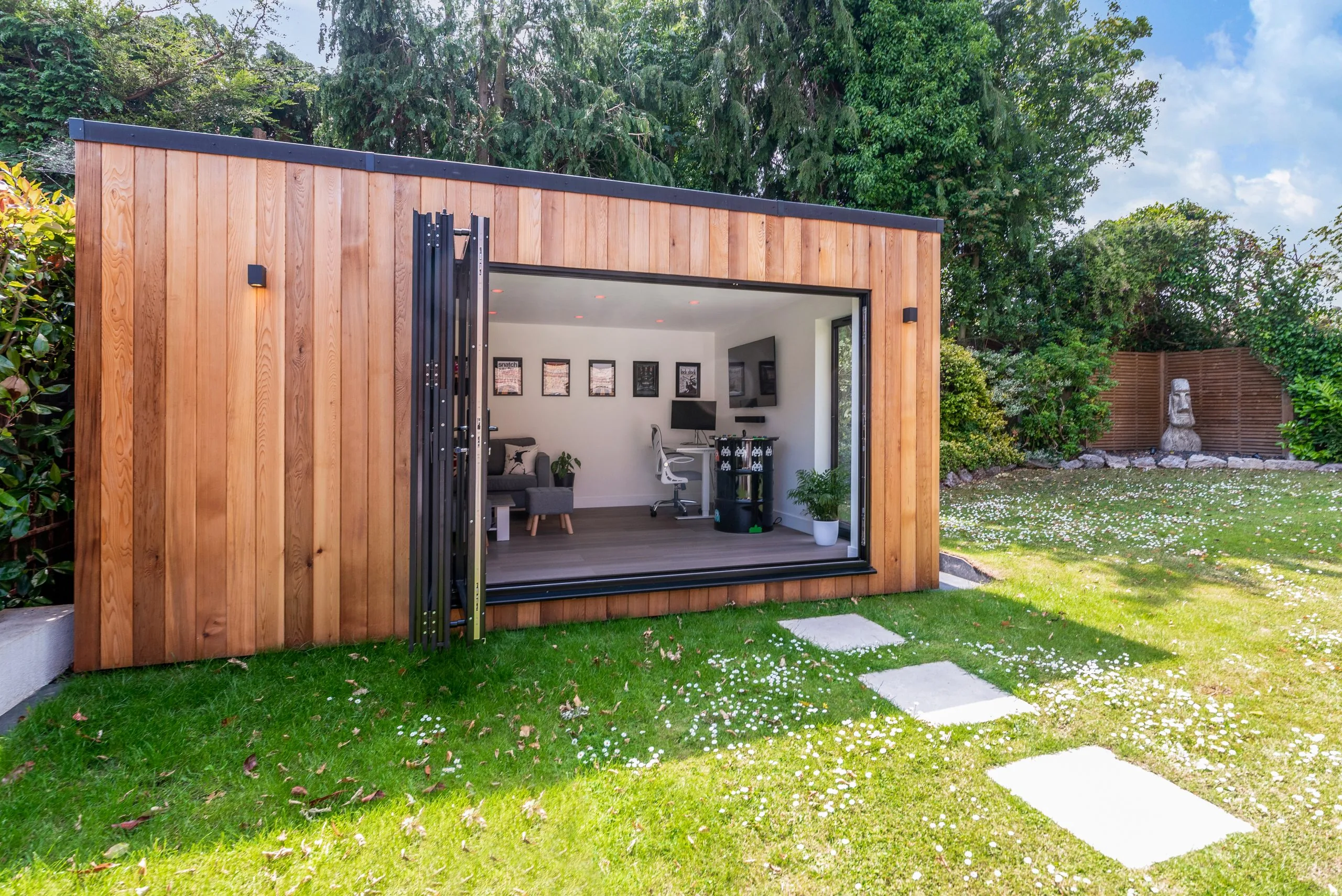 Cold plunge and recovery room
Cold-water immersion has moved from elite training centres into the home, but a serious recovery space needs more than a tub on the patio.
The best cold plunge and recovery rooms are calm, controlled and easy to use after a ride, run, match, gym session or long week at work. They give you somewhere private to cool the body, reset the nervous system, stretch properly, store recovery equipment and leave the house undisturbed.
A bespoke garden room is particularly well suited to this because it can be planned around the routine, not the other way round. The door position, flooring, drainage, ventilation, lighting, sockets, mirror placement, privacy, changing area and cold plunge location can all be designed together, creating a premium wellness room that feels intentional from the first step inside.
For many people, recovery is the part of training that gets squeezed. Mobility work happens in a corner of the living room, ice baths are set up and packed away, wet towels get carried through the house and foam rollers live wherever there is space. A dedicated garden recovery room removes those frictions.
Instead of relying on motivation, the room itself supports the habit.
You can finish a session, step into a private environment, change, plunge, breathe, warm up, stretch and leave everything ready for next time. For athletes, golfers, runners, cyclists, CrossFitters, racket-sport players and busy professionals, that consistency is often what makes the space valuable.
A well-designed cold plunge garden room can be used for:
If you are comparing possible uses for a bespoke outbuilding, our wider garden room ideas guide is a useful place to explore how flexible a premium garden building can be.
A cold plunge room places different demands on a building. Water, humidity, wet feet, equipment weight, privacy and temperature control all need to be considered from the start. This is where a bespoke design makes a significant difference.
The success of the space depends on how the building performs in daily use. It should not feel makeshift, damp or awkward. It should feel robust, warm when needed, fresh when closed up, easy to clean and comfortable enough to encourage proper recovery rather than a rushed five-minute dip.
The cold plunge area needs a sensible relationship with the entrance, changing zone and any shower or towel storage. In many rooms, it is best to keep the tub close to external access so wet movement is contained. In others, a more spa-like arrangement works better, with the plunge positioned as a focal point and the changing area tucked behind a screen or partition.
Important details include non-slip flooring, splash-resistant wall finishes where needed, easy drainage planning and enough surrounding space to step in and out safely. Even a compact plunge tub benefits from a clear landing area, particularly when your legs are cold and your balance is not at its best.
Cold plunge use introduces moisture into the room through splashing, wet bodies, towels and open water. Good ventilation helps protect the building fabric, keeps the room feeling fresh and prevents condensation becoming a nuisance. Depending on the specification, this may include opening windows, mechanical extraction, carefully positioned air flow and finishes chosen for a wellness environment.
Ventilation should be planned alongside insulation and heating. A recovery room should not feel like an outdoor shed in winter or a humid changing room in summer. The aim is year-round comfort, with the room ready to use early in the morning, late in the evening and throughout the colder months.
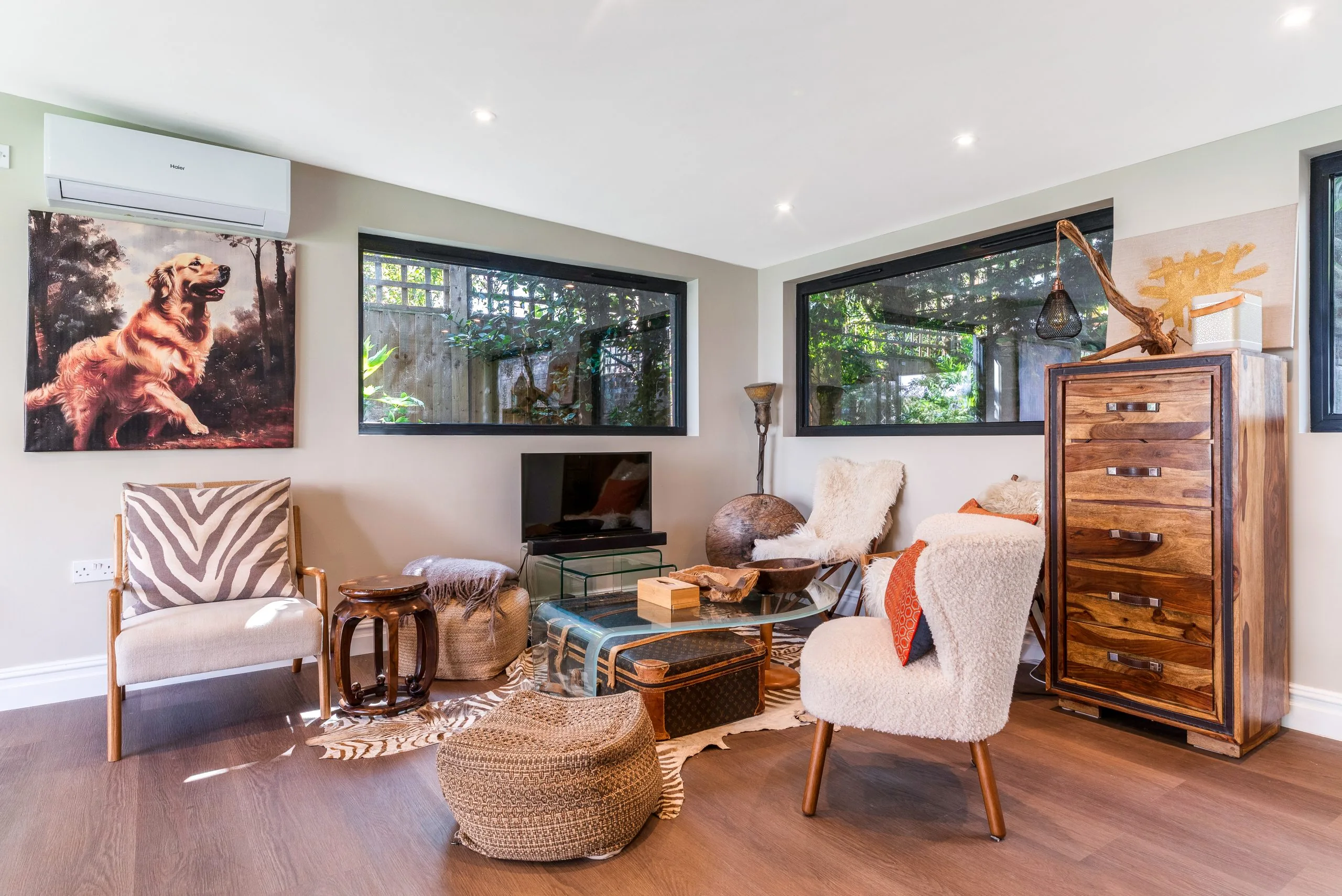
Flooring is one of the most important choices in a recovery room. It has to cope with water, feel safe underfoot and still look appropriate in a premium building. A cold plunge room may combine a wet-resistant surface near the tub with a softer, warmer area for stretching and breathwork. The layout can be planned so the harder-wearing section takes the water, while the mobility zone remains dry and comfortable.
For athlete-focused rooms, it is also worth considering impact, cleaning and grip. Foam rollers, kettlebells, resistance bands and massage equipment all need a stable surface. If the room will double as a training space, the floor build-up can be specified with that in mind.
A filled cold plunge can be heavy. Water weight, the tub itself and the person using it all need to be taken seriously. A bespoke garden building allows the position of the plunge to be considered early, with the base and floor specified appropriately for the intended load.
This is not something to leave until after installation. If you already know the model of plunge pool or ice bath you want, its dimensions, filled weight, service requirements and drainage needs can inform the design. If you are still choosing, Hawksbeck can design the room with a suitable allowance and discuss the practical implications before you commit.
The best layout depends on the way you recover. Some people want a minimalist plunge-and-stretch room. Others want a complete home recovery suite with a shower, WC, sauna, hot tub connection, changing bench, storage wall and calm seating area. Because Hawksbeck buildings are bespoke, the design can be arranged around your garden, your routine and your preferred equipment.
A compact room can work brilliantly if it is well planned. The cold plunge may sit to one side of the entrance, with a bench, hooks, towel shelf and robe storage nearby. The remaining floor area can be kept open for mobility work, yoga mats, breathing drills or soft tissue release.
This style suits people who want a powerful, focused recovery space rather than a large leisure building. It is also a good option where garden space is limited or where the room needs to sit discreetly within landscaping.
A larger performance-led room might include a cold plunge, open mobility zone, mirrored wall, integrated storage, worktop for hydration and supplements, and space for recovery tools such as compression boots or a massage table. Lighting can be brighter for practical movement work and softer for breathwork or evening recovery.
This is a strong choice for committed athletes, personal trainers, sports households or anyone who wants a recovery room that feels closer to a private training facility.
For a more luxurious experience, the recovery room can be designed as a private garden wellness suite. This may include a cold plunge inside or just outside the building, a sauna or hot tub zone, shower facilities, ambient lighting, seating, concealed storage and large glazing onto a landscaped garden.
The result is less like “somewhere to put an ice bath” and more like a boutique spa at home. With the right materials and layout, it can feel calming, architectural and highly personal.
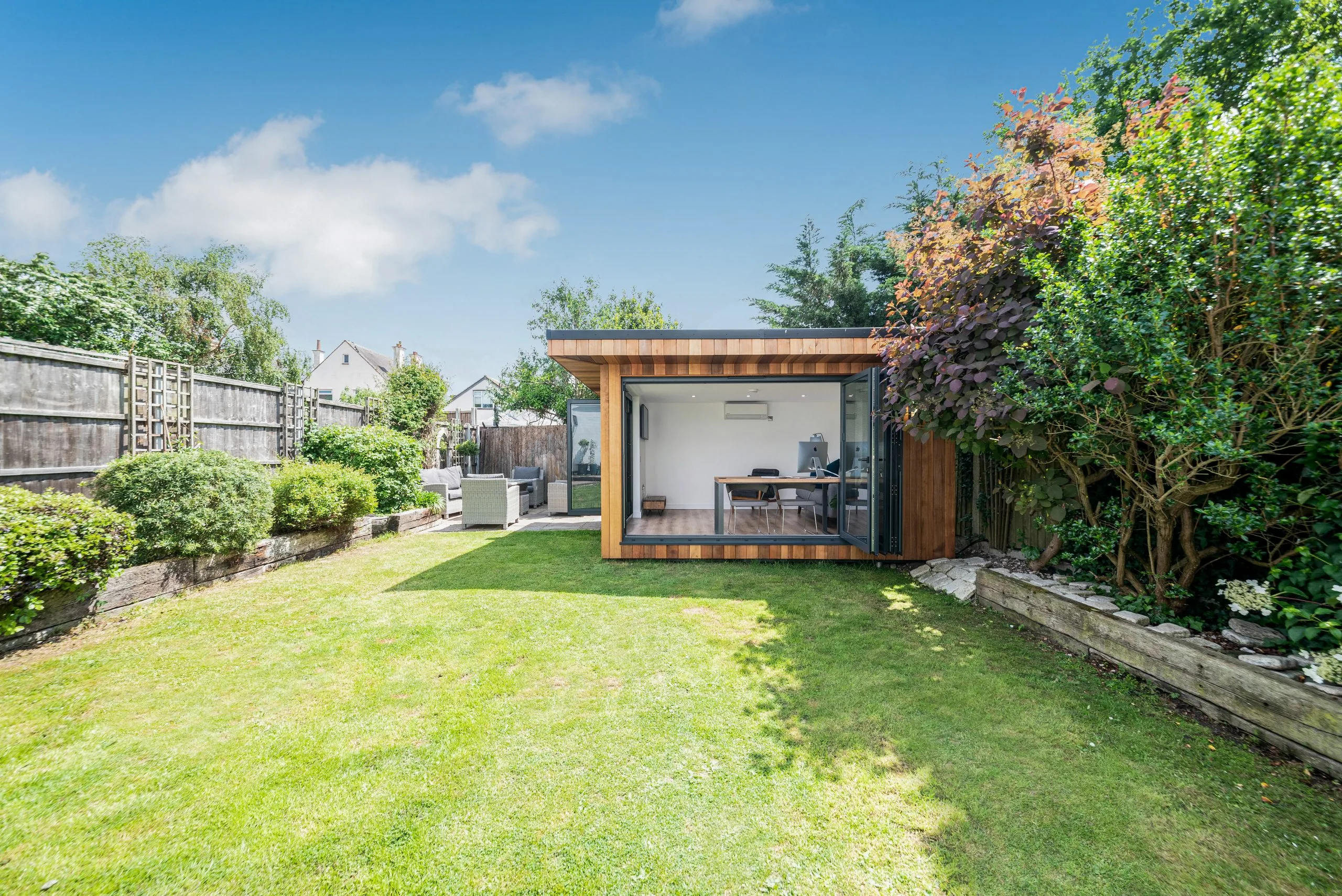
One of the first decisions is whether the cold plunge should sit inside the garden room, outside on a decked or paved area, or in a sheltered threshold between the two. Each option has advantages.
An indoor plunge gives maximum privacy and comfort. It keeps the ritual contained, protects the tub from the weather and makes early-morning or winter use more appealing. It also allows the recovery room to feel like a complete private facility.
The key considerations are ventilation, splash management, drainage access, safe flooring and the practicalities of servicing the unit. With a bespoke design, these can be considered before the building is created.
Some people prefer the invigorating feel of plunging outdoors. In this arrangement, the garden room can act as the warm, dry recovery base: a place to change, store towels, stretch, shower or sit after the plunge. Doors can open onto a private terrace, screened area or hot tub zone.
This can work particularly well where the garden has attractive views, mature planting or space for a wellness courtyard.
A covered or semi-covered plunge area can offer the best of both worlds. You feel connected to the garden, but the experience is more protected from rain, wind and overlooking. A canopy, overhang, privacy screen or carefully oriented building can make the area feel secluded and premium.
A cold plunge room does not need to be complicated, but the small details determine whether it becomes part of your routine or gradually gets neglected. The most useful features are often the ones that remove inconvenience.
These details can be tailored to the way you actually train. A cyclist may need kit storage and space for stretching hips and hamstrings. A rugby player may prioritise a robust wet zone and generous bench seating. A golfer may want mobility space, mirror work and a calmer room for regular movement practice. A runner may want direct access from the garden, quick plunge use and somewhere to dry shoes and outerwear.
Already have a plunge unit in mind? Its filled weight, service access and drainage needs can shape the floor plan before anything is drawn.
Talk Through Your RoutineA recovery room should feel different from a gym. After intense exercise, the environment should help the body shift down a gear. That does not mean it has to look clinical or overly minimal. In fact, the most enjoyable spaces often combine practical performance features with warm materials, soft lighting and a connection to the garden.
Large glazing can bring in natural light, while considered window placement maintains privacy. Timber finishes, calm wall colours, concealed storage and uncluttered floor space all help the room feel restorative. If you use breathwork, meditation or guided stretching, acoustic comfort also matters; a quiet, insulated building is far more pleasant than a draughty, echoing outbuilding.
Temperature is another part of the experience. You may want the contrast of cold immersion followed by a warm, comfortable room. Underfloor heating, efficient insulation and controlled ventilation can all contribute to a more polished recovery routine, especially in winter.
Many clients considering a cold plunge room are also interested in contrast therapy: moving between heat and cold. This can be achieved in several ways, depending on the garden, budget and desired finish.
A sauna and cold plunge combination can create a powerful wellness suite. The sauna may be integrated into the building design or positioned adjacent to it, subject to the correct specification and safety requirements. The layout should allow easy movement between heat, cold and rest without creating slippery or awkward routes.
A shower can be extremely practical, particularly if the room is used after muddy sports, outdoor training or hot yoga-style sessions. It also makes the space feel more self-contained. Adding plumbing normally increases cost and complexity, but for many households it is worth it because the main house stays cleaner and the garden building becomes more independent.
Some recovery rooms work best with the cold plunge inside and a hot tub outside, or vice versa. The building can provide the changing, storage and relaxation space, while the external terrace becomes the hot and cold contrast area. Privacy screening, lighting and drainage are especially important in this type of design.
Cold-water immersion can feel excellent, but it should be approached sensibly. The room design can support safer use, but personal judgement matters too. If you have a heart condition, blood pressure concerns, circulation issues, respiratory conditions, are pregnant, or are unsure whether cold plunging is suitable, take medical advice before starting.
From a design perspective, safety should include stable access into and out of the tub, a non-slip surrounding surface, good lighting, a place to sit immediately afterwards and enough room to move without rushing. If more than one person will use the room, storage and layout should be designed to keep the floor clear rather than cluttered with towels, shoes and equipment.
It is also worth thinking about cleaning and water maintenance. Different plunge systems have different filtration, chilling and sanitising requirements. Your chosen unit may need power, clearance for servicing, drainage access and a suitable location for controls. These details are far easier to accommodate when discussed at the design stage.
Pricing depends on the size of the building, specification, groundworks, glazing, finishes, access, plumbing, electrical requirements and whether you want additional features such as a shower, WC, sauna provision, external terrace or integrated storage. A cold plunge and recovery room is typically more involved than a simple garden office because it often needs enhanced floor planning, moisture control and service coordination.
As a broad guide, a premium bespoke recovery room may fall into these ranges:
The cold plunge unit itself may be a separate cost and can vary significantly depending on whether you choose a simple ice bath, a chiller-led plunge, a fully filtered commercial-style unit or a high-end wellness brand. Saunas, hot tubs, landscaping, additional plumbing and specialist equipment can also alter the total investment.
The most useful next step is to discuss how you want the room to work day to day. Hawksbeck can then advise on a suitable size, specification and budget range before developing a bespoke design.
Many garden rooms can be built under permitted development, but this depends on the size, height, position, site constraints and intended use. A recovery room used in connection with the home is often straightforward, but features such as plumbing, sleeping accommodation, commercial use, proximity to boundaries or listed/conservation restrictions can affect what is possible.
It is always best to check the specifics of your property before making assumptions. A bespoke supplier can help you think through the practical details, including access for installation, ground conditions, service routes, drainage, privacy, orientation and how the new building will sit within the garden.
There is no single correct size. The right answer depends on the equipment and the way you want to move through the space. However, it helps to think in zones rather than square metres alone.
A compact room may only include the first three. A larger luxury space may include all five, plus a shower, WC or external terrace. During the design process, the dimensions of your preferred plunge unit and any must-have equipment can be used to test the layout properly.
A cold plunge room can be hardworking without looking utilitarian. Hawksbeck’s bespoke approach allows the architecture, materials and detailing to be aligned with your home and garden. External cladding, glazing proportions, roofline, overhangs, steps, decking, lighting and landscaping can all influence how the building feels before you even enter it.
Inside, the right finish can make the space feel calm and luxurious. You might choose warm timber tones, discreet storage, wall-mounted accessories, a statement plunge position, soft LED lighting and carefully framed garden views. The goal is a room that encourages regular use because it feels inviting, not just functional.
This is especially important for a recovery space because the atmosphere affects behaviour. If the room is cold, cluttered or inconvenient, it becomes easy to skip. If it feels private, warm, organised and beautifully finished, recovery becomes something you actively look forward to.
Before starting the design, it is useful to be clear about your routine and priorities. These questions can help shape the brief:
The answers do not need to be perfect at the beginning. They simply help identify what the room must do well. From there, the design can balance performance, comfort, appearance and budget.
A cold plunge room is not an off-the-shelf purchase. It needs the right building, the right layout and the right details. Hawksbeck creates premium bespoke garden rooms and buildings, which means the design can be shaped around the exact way you want to use the space.
For a recovery-focused room, that bespoke approach is particularly valuable. The building can be planned around your preferred plunge unit, the movement space you need, the level of privacy you want and the finishes that suit your home. Whether the end result is a compact athlete’s recovery studio or a full luxury wellness suite, the purpose of the room is built into the design from the start.
If you are planning a private cold plunge and recovery room, Hawksbeck can help you explore the possibilities, understand the likely budget and create a garden building that feels both practical and exceptional.
Common questionsMany garden rooms can be built under permitted development, but it depends on size, height, position, site constraints and intended use. Plumbing, proximity to boundaries and listed or conservation restrictions can all affect what is possible, so check the specifics of your property before making assumptions.
Either can work. An indoor plunge gives maximum privacy, weather protection and winter appeal; an outdoor plunge beside the room lets the building act as the warm, dry base; and a sheltered zone under a canopy or overhang offers something of both.
As a broad guide, a compact plunge and mobility studio often starts from around £35,000 to £55,000+, a mid-size recovery room sits around £55,000 to £80,000+, and a luxury wellness suite with shower, WC or sauna is often £80,000 to £120,000+. The plunge unit itself is usually a separate cost.
Yes. A sauna can be integrated into the design or positioned adjacent to it, a shower makes the room more self-contained, and a hot tub can sit outside with the plunge inside or the other way round. Each adds plumbing, drainage or ventilation that is far easier to plan at the design stage.
Tell us how you recover now, which plunge unit you are considering and whether heat, a shower or a terrace belongs alongside it, and we will shape the size, specification and budget around that routine.
These projects show how bespoke Hawksbeck garden rooms can be adapted for relaxation, wellness, leisure and multi-use living. While every project is different, they demonstrate the level of craftsmanship, finish and flexibility that can be brought to a cold plunge and recovery room.
A calm, beautifully finished garden room showing how thoughtful design, natural light and a refined interior can create a private retreat away from the main house.
View project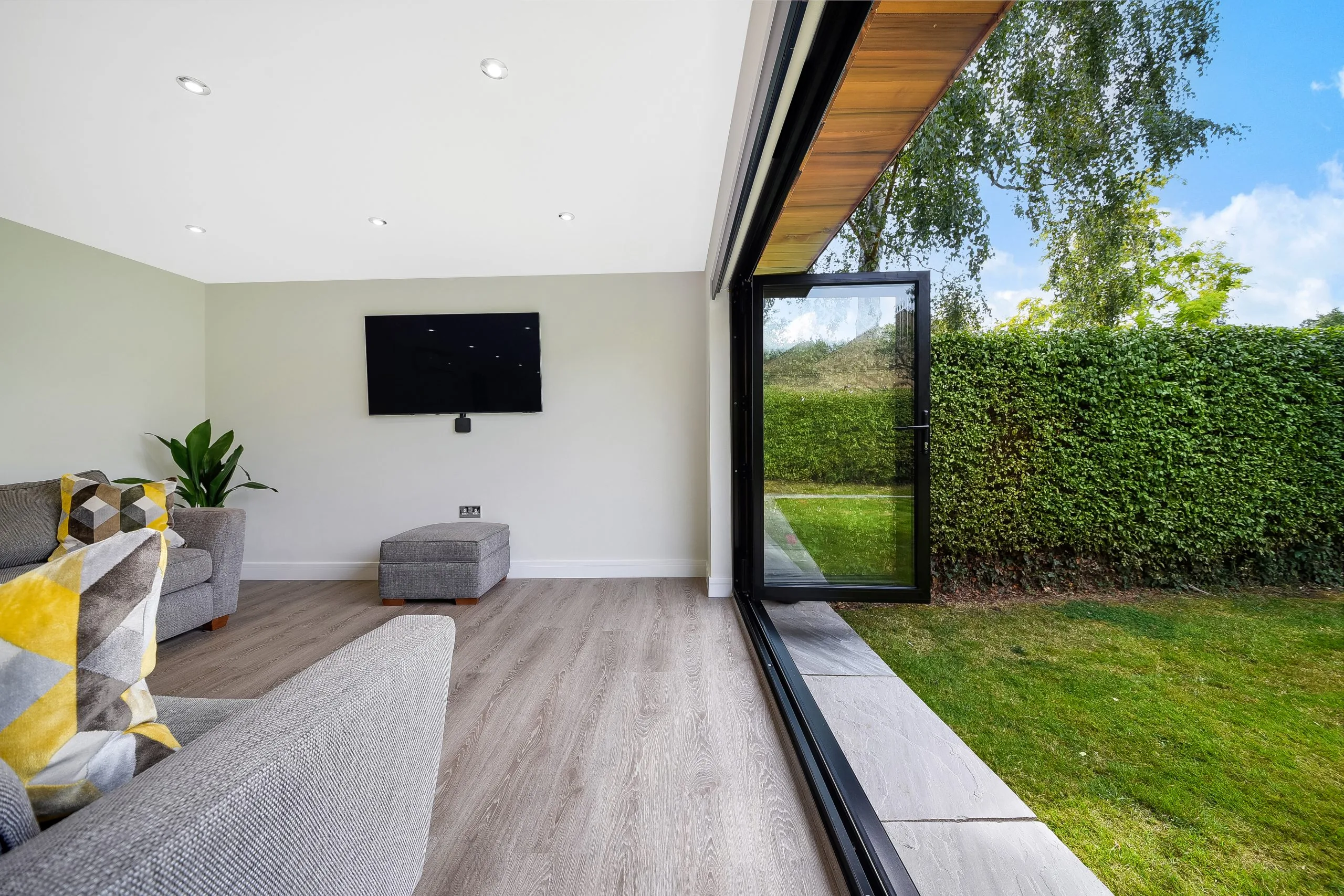
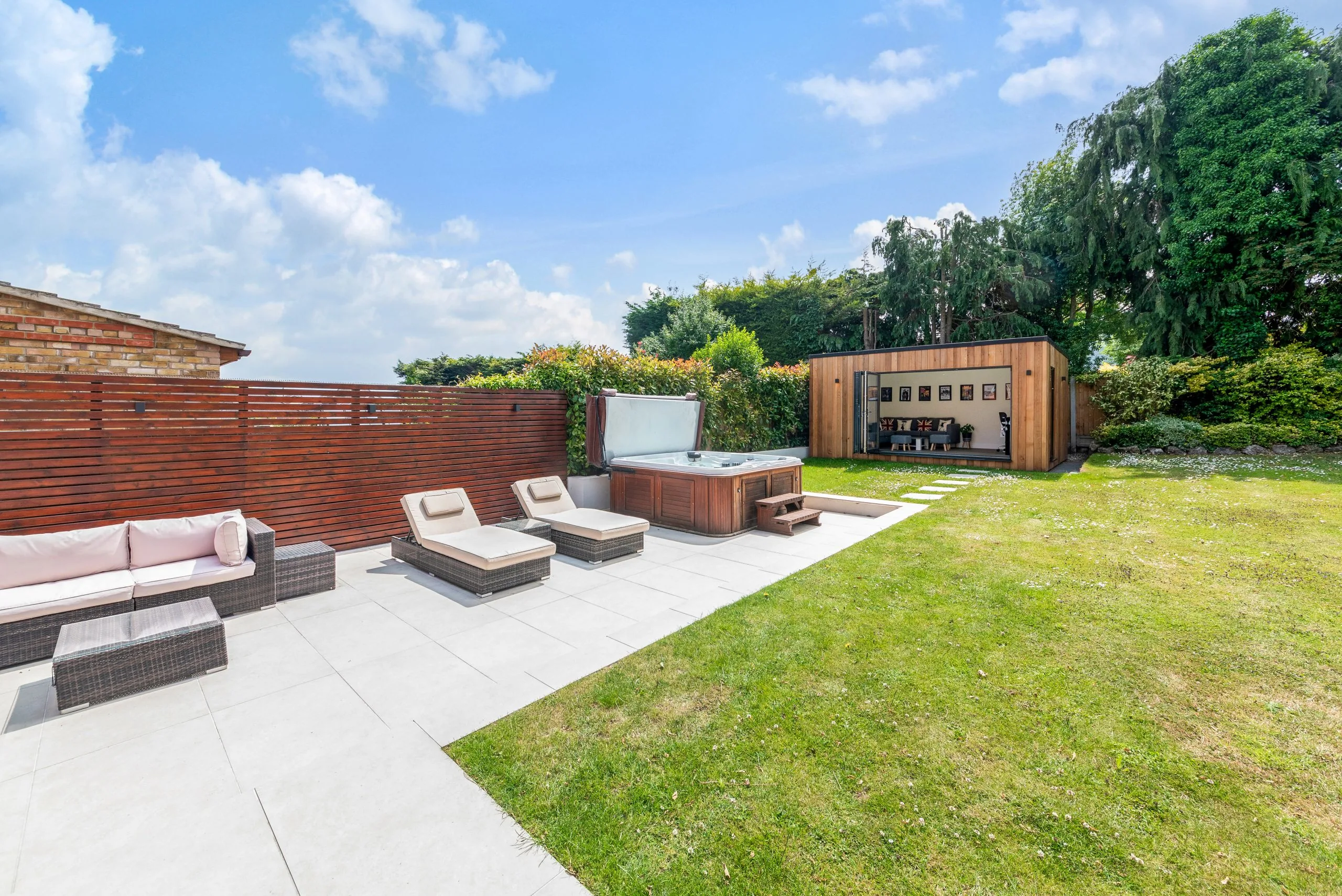
This project highlights how a bespoke garden building can support wellness, leisure and everyday enjoyment, with outdoor relaxation space working alongside the main room.
View project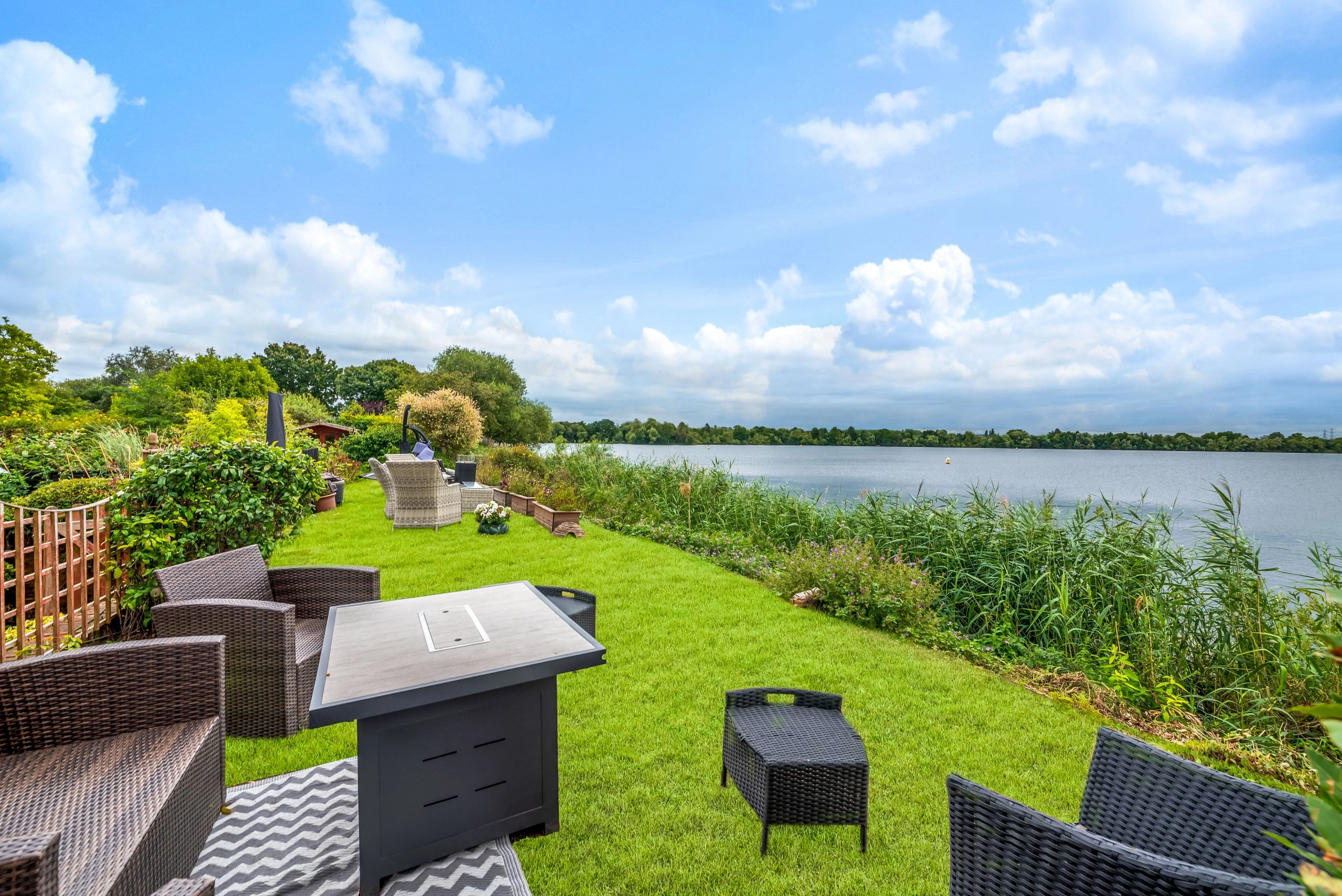
A premium retreat-style garden room demonstrating the flexibility of a bespoke design for relaxation, hobbies, wellness and multi-purpose use at home.
View project