
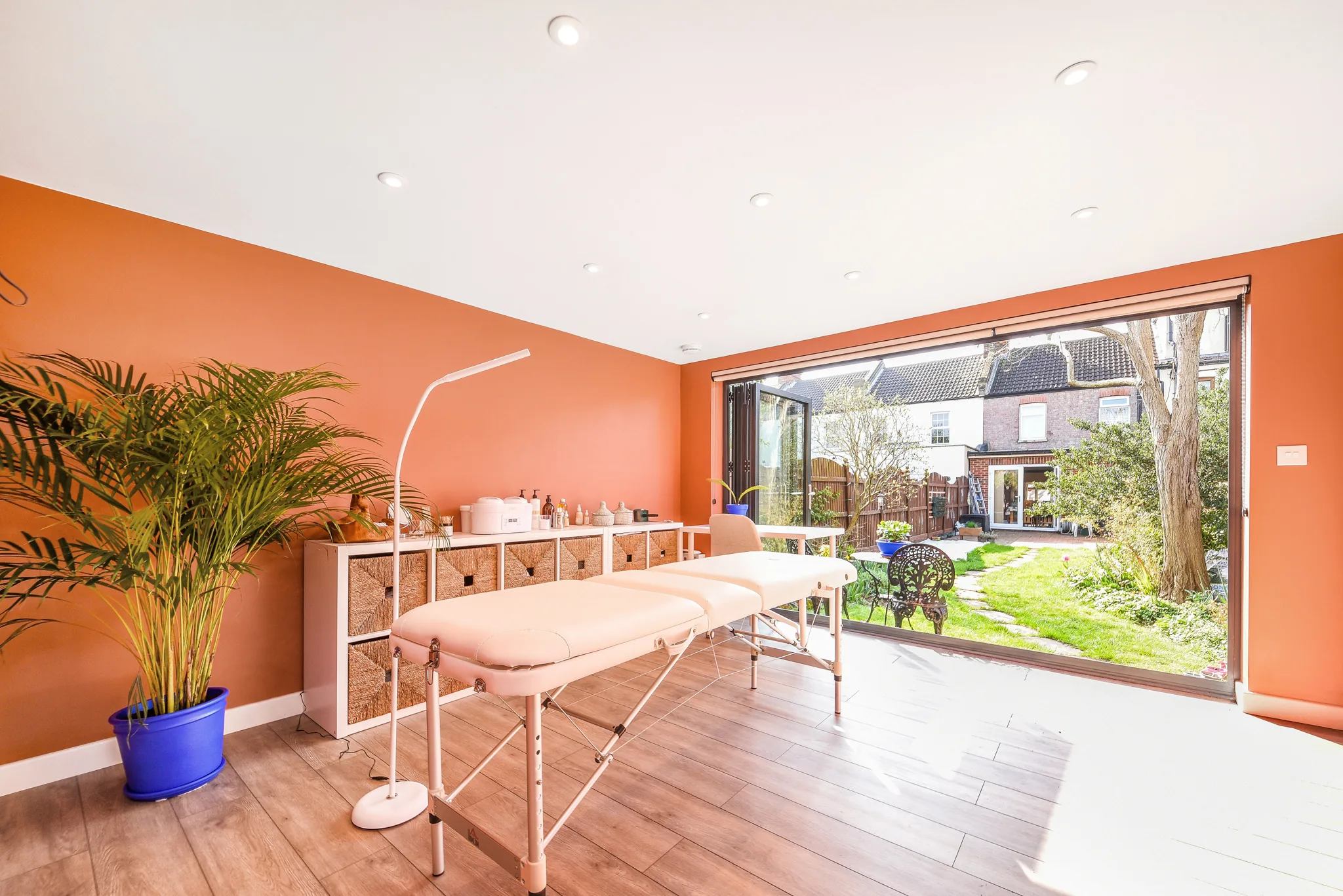
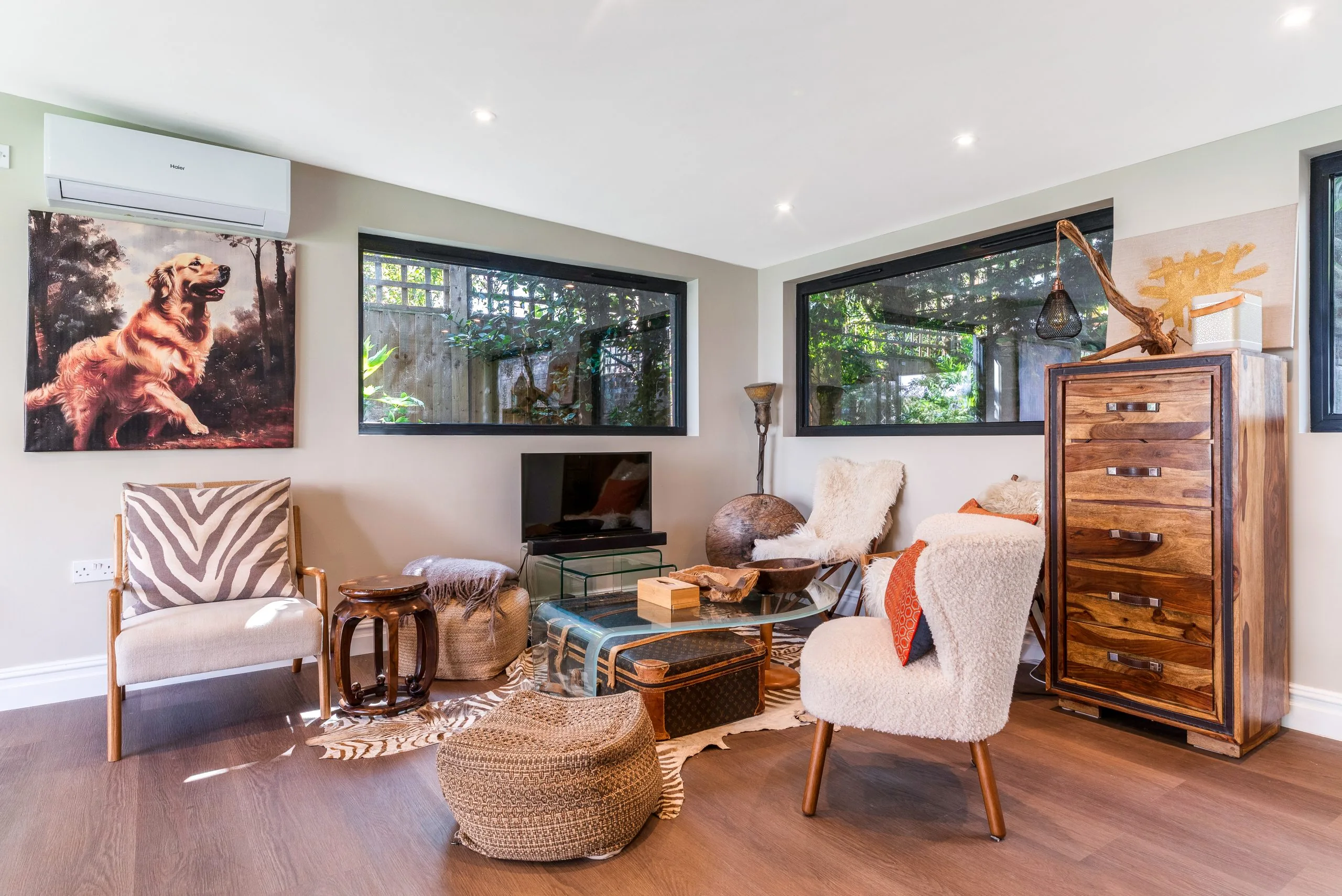
Hobby Garden Room Studio, Brentwood
A beautifully finished hobby garden room showing how a bespoke building can create a calm, practical and personal space for interests, collections and creative time away from the main house.
View project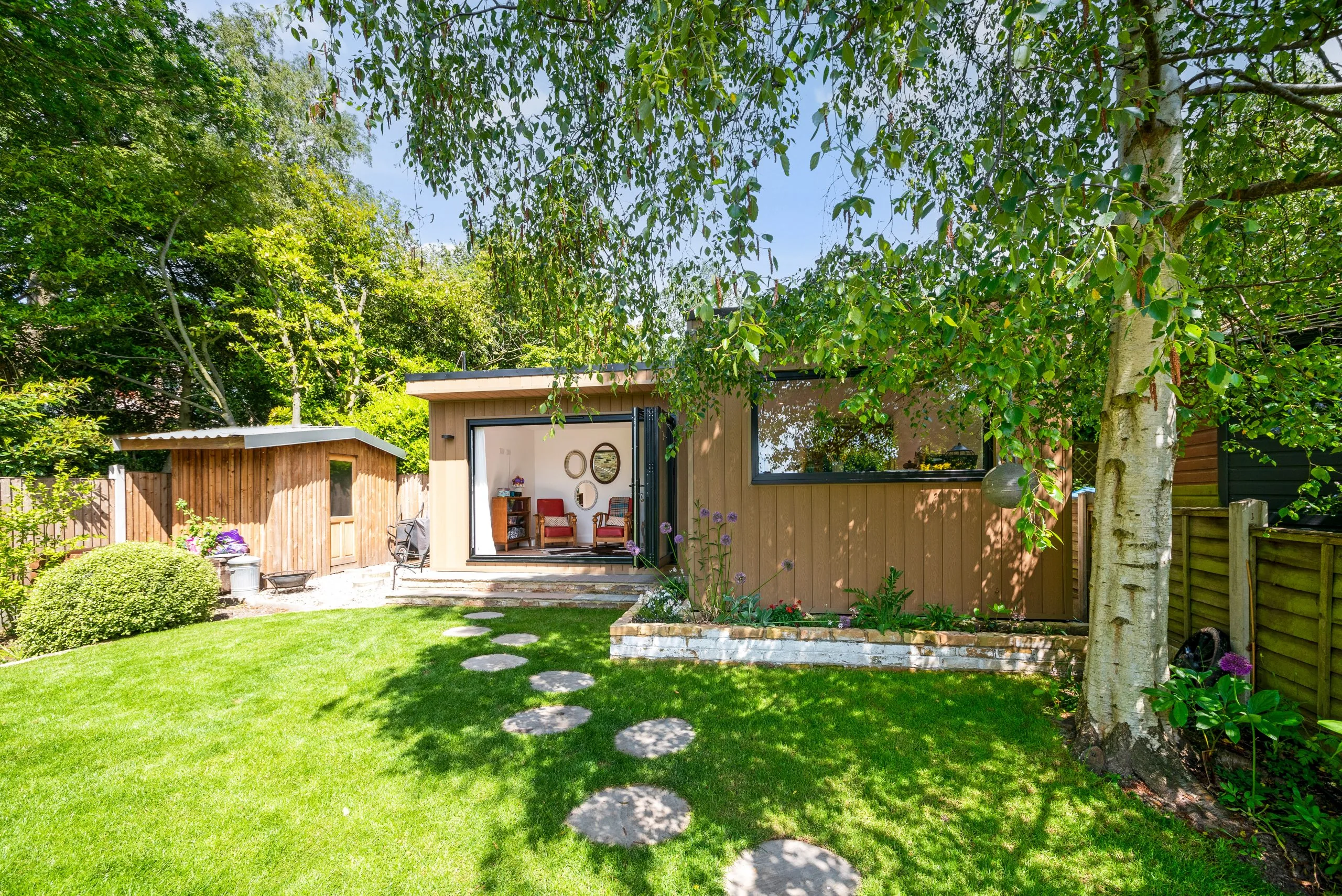
A serious collection deserves more than a spare bedroom, loft cupboard or garage wall.
Whether you collect rare books, watches, classic memorabilia, fine art, model engineering pieces, vinyl, militaria, sports collectibles, ceramics, film props, designer fashion, coins, whisky, guitars or family archives, the room you keep them in affects how often you enjoy them, how safely they are stored and how well they hold their condition over time.
A bespoke garden collector’s room gives you a private, secure and beautifully finished space that is designed around the objects themselves. Instead of forcing display cabinets, drawers, safes and lighting into a room that was never meant for them, the building can be planned from the first sketch around protection, presentation, comfort and everyday enjoyment.
Most collections grow quietly. One cabinet becomes two, framed pieces move into hallways, specialist storage starts appearing in cupboards, and suddenly the collection is spread across the house. That can make it harder to protect, harder to catalogue and far less enjoyable to spend time with.
A collector’s garden room solves that by creating one dedicated environment. It can be discreet from the outside and highly personal inside: part gallery, part archive, part private retreat. You can sit with your collection, show it properly to friends or fellow enthusiasts, photograph items, carry out careful handling or cataloguing, and keep everything organised in one place.
Unlike a conventional outbuilding, a premium bespoke garden building can be designed for year-round comfort, with proper insulation, heating, lighting, security and a level of finish that feels like an extension of your home rather than a shed at the end of the garden.
A successful collector’s room is not simply a nice room with shelves. It needs to balance several priorities at once:
Items should be visible, well-lit and arranged in a way that feels considered rather than cluttered.
Valuable or delicate objects need secure, stable and appropriate storage.
The room should be enjoyable to spend time in throughout the year.
The building should not advertise the value of what is inside.
The layout should allow the collection to grow or change over time.
There must be space for handling, cataloguing, cleaning, framing, repairs or research, depending on the collection.
That is where bespoke design becomes so valuable. Hawksbeck garden rooms are made to suit the property, the client and the intended use, so the building can be planned around the collection rather than treated as a standard rectangular room.
What do you collect?The best layout depends on what you collect. A watch collection needs very different storage from a model railway, a wall of signed shirts or a library of first editions. Before thinking about colours and finishes, it helps to map out how the collection is used.
Sports shirts, signed instruments, film posters, props, medals, photographs and limited-edition memorabilia often need a gallery-style approach. Wall space becomes extremely important. Instead of placing large windows on every elevation, the design can reserve uninterrupted wall sections for framed pieces, display boxes, shallow cabinets or picture rails.
Lighting needs to be calm, controlled and flattering. Spotlights can highlight hero pieces, while concealed LED lighting inside cabinets can bring smaller objects to life. If items are light-sensitive, UV considerations become important, especially with glazing and direct sunlight.
Smaller high-value collections benefit from a more intimate layout. You may want lockable drawers, a central viewing table, integrated safe storage, discreet cabinetry and seating for careful handling. A calm, uncluttered interior makes it easier to examine fine details and reduces the chance of accidents.
Security should be considered from the outset rather than added later. Door specification, window placement, blinds, alarms, CCTV provision and data points can all be integrated into the building design.
Paper-based collections are particularly sensitive to damp, heat, direct sunlight and poor ventilation. A garden collector’s room for books, records, comics, maps, photographs or documents should be designed with a stable internal environment in mind.
That may include high-quality insulation, controlled heating, sensible ventilation, low-UV lighting, minimal direct sun on storage walls and built-in shelving that keeps items away from floorlevel moisture risks. For valuable archives, closed cabinets or specialist storage drawers can also be considered.
Fragile collections need robust display planning. Deep shelving, glass-fronted cabinets, stable surfaces and thoughtful circulation space can help protect items from knocks. If you want to invite guests into the room, the layout should allow people to move around comfortably without brushing past vulnerable pieces.
For many collectors, security is the biggest concern. A collector’s room should feel enjoyable and relaxed, but it should also be properly thought through. Security starts with the building design, not just the alarm system.
Important security considerations may include:
Insurers may have specific requirements for valuable collections, so it is sensible to speak to your insurer early. They may ask about locks, alarms, environmental conditions or where specific items are stored. Those requirements can then be factored into the design brief before the build is finalised.
British gardens are beautiful, but they are not naturally kind to delicate objects. Cold mornings, damp winters, hot summer afternoons and fluctuating humidity can all affect sensitive items. A high-quality garden room should be designed to feel comfortable in every season, but a collector’s room may need additional thought depending on the collection.
The aim is not always museum-level climate control. For many private collections, the priority is a stable, dry and comfortable environment with good insulation, heating, ventilation and reduced risk of extreme temperature swings.
Depending on what you collect, the design might consider:
If you are still comparing different uses for a bespoke garden building, our main garden room ideas guide explores a wide range of practical and lifestyle-led options.
Lighting is one of the most important parts of a collector’s room. Poor lighting can make even an exceptional collection feel flat. Overly harsh lighting can also create glare, reflections and potential long-term damage for sensitive items.
A layered lighting plan usually works best:
For framed memorabilia, artwork, rare books, textiles and vintage paper items, it is worth discussing UV exposure and direct sunlight.
Sometimes the most luxurious collector’s room is not the one with the most glass, but the one with the most carefully balanced natural light, wall space and display lighting.
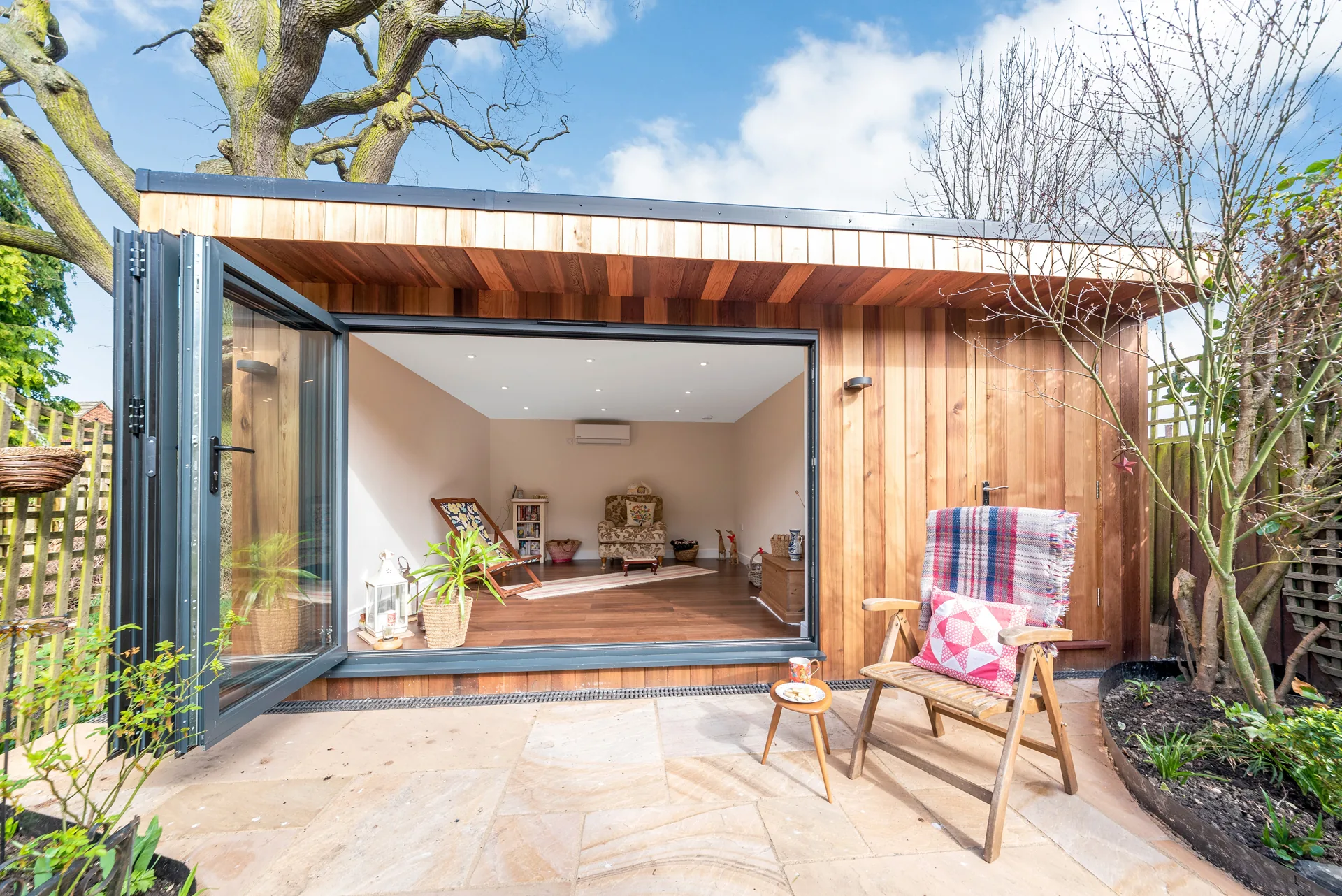
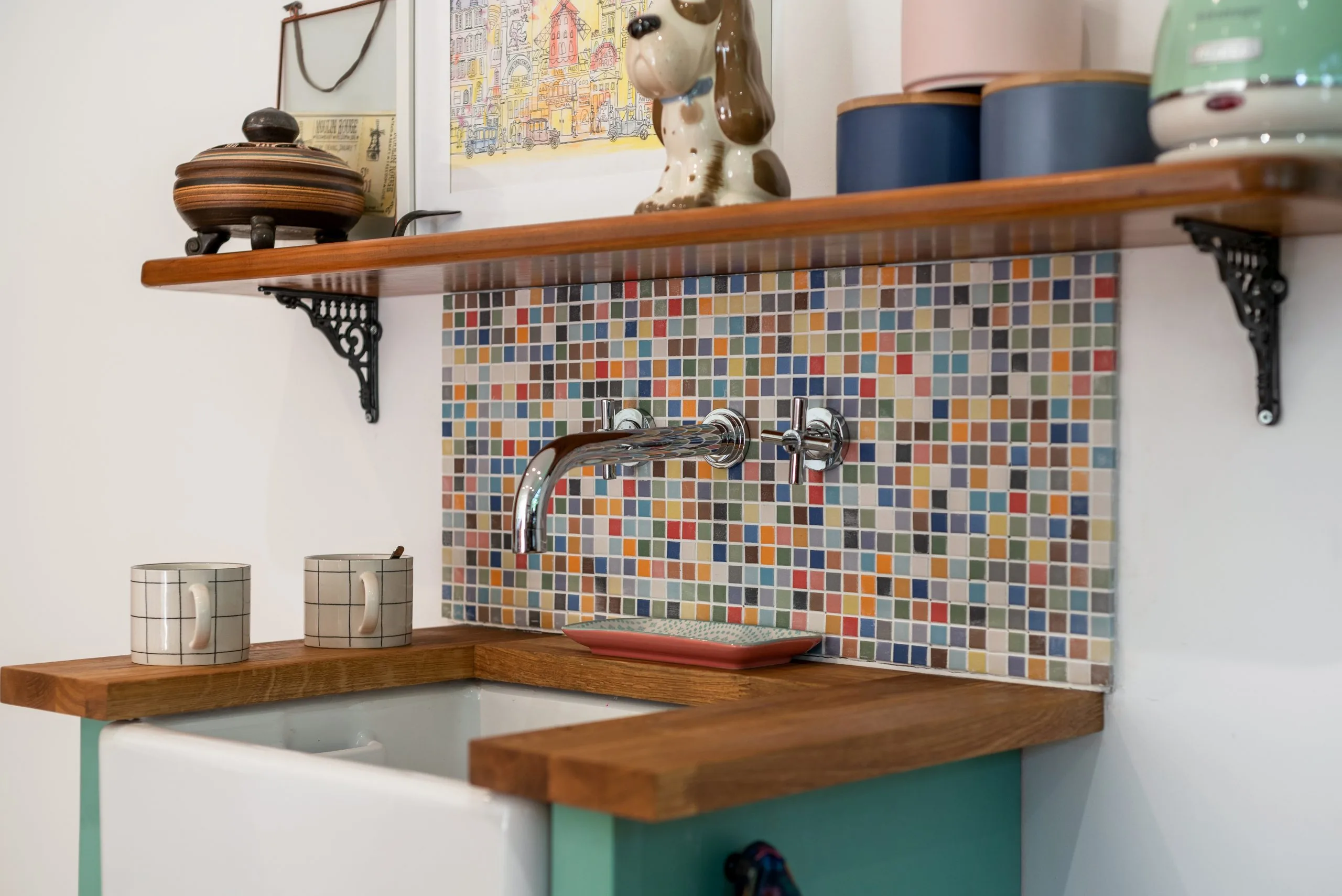
A collector’s room should be planned in three dimensions. Wall height, cabinet depth, drawer size, viewing distance and circulation space all matter. If the cabinetry is an afterthought, the room may look attractive but fail to function properly.
Useful display and storage ideas include:
It is also worth thinking about what visitors will see first when they enter. A carefully chosen focal point can make the room feel curated, whether that is a signed guitar, a display of watches, a cabinet of rare models or a wall of framed sporting history.
Although every collector’s room is personal, the video below shows how a Hawksbeck garden building can be tailored for many different uses, with the same emphasis on quality, comfort and bespoke design.
A collector’s room can feel like a private club, a gallery, a study, a workshop or a quiet archive. The right atmosphere depends on how you want to use it.
Some clients may want a dark, dramatic interior with rich timber, leather seating and focused lighting. Others may prefer a bright, contemporary room with clean cabinetry and gallery-style white walls. A collector of guitars may want acoustic consideration and display mounts. A collector of rare books may want a calm library feel with warm lighting and deep shelving. A collector of motoring memorabilia may prefer a more industrial finish with metal detailing and strong graphic displays.
The advantage of a bespoke building is that the exterior can complement your home and garden, while the interior can be designed around a completely personal passion.
This layout prioritises wall space, lighting and display flow. It works well for artwork, photography, signed shirts, posters, medals and framed memorabilia. Large uninterrupted walls, discreet lighting tracks or spotlights, and comfortable seating can create a gallery atmosphere without leaving home.
Ideal for rare books, manuscripts, comics, records, stamps, documents or family history collections. This layout may include closed storage, labelled cabinets, a reading desk, climate-conscious design and minimal direct sunlight.
A warm, inviting room with display cabinets, seating, drinks storage, a desk and carefully chosen finishes. This suits watches, whisky, militaria, sporting memorabilia, model cars, vintage cameras or mixed collections.
For model railways, scale models, war gaming, RC collections or craft-based collecting, the room may need strong work surfaces, display shelving, parts storage and task lighting. A bespoke garden building can combine display and hands-on use without taking over the house.
Not every collector wants a room used only for display. A building can be designed as a collector’s room with a library, office, music space, workshop or snug included. The key is zoning the room properly so the collection remains protected and the secondary use does not compromise it.
The most successful collector’s rooms often come down to small decisions made early. These details can have a big impact on how the room feels and functions:
Many garden rooms can be built under permitted development, but this depends on factors such as height, position, garden layout, boundaries, listed status, conservation areas and intended use. A collector’s room may be relatively straightforward from a use perspective, but the size, specification and location still need to be considered properly.
For valuable collections, you may also want the building positioned where it feels private but not isolated. Some clients prefer a building visible from the house; others prefer a more secluded retreat. There is no single right answer. The best location depends on the garden, the house, security preferences, access and how often you expect to use the room.
Pricing depends heavily on size, specification, finish, groundwork, glazing, electrics, heating, security requirements and any bespoke interior features. A simple garden room used for general hobbies will usually cost less than a collector’s room with enhanced security, specialist cabinetry, carefully planned lighting and climate-conscious upgrades.
As a broad guide, many premium Hawksbeck garden rooms sit from the tens of thousands of pounds upwards, with larger and more highly specified bespoke buildings commonly reaching around £40,000 to £80,000+. A compact collector’s room with a refined finish may sit closer to the lower end of that range, while a larger luxury gallery-style building with extensive glazing control, premium interiors, integrated storage, enhanced security and bespoke detailing could exceed it.
Because every Hawksbeck project is bespoke, the most accurate way to understand cost is to discuss the collection, the garden, the level of finish and the practical requirements. The price is not simply for a room; it is for a purpose-built environment designed to protect and enhance something important to you.
If you are at the early idea stage, these questions will help shape a better brief:
A collector’s room demands more care than a standard garden office. It needs the comfort of a premium interior, the practicality of a purpose-designed space and the confidence that the building has been planned properly from the start.
Hawksbeck creates luxury bespoke garden rooms and buildings for clients who want more than an off-the-shelf structure. For a collector, that means the opportunity to think carefully about the objects, the atmosphere, the security, the storage and the long-term enjoyment of the room.
The result can be a space that feels deeply personal: a private gallery for the things you have spent years finding, researching and preserving.
Hobby, storage and workshop buildings that show how display, organisation and hands-on space can share one garden room.
A beautifully finished hobby garden room showing how a bespoke building can create a calm, practical and personal space for interests, collections and creative time away from the main house.
View project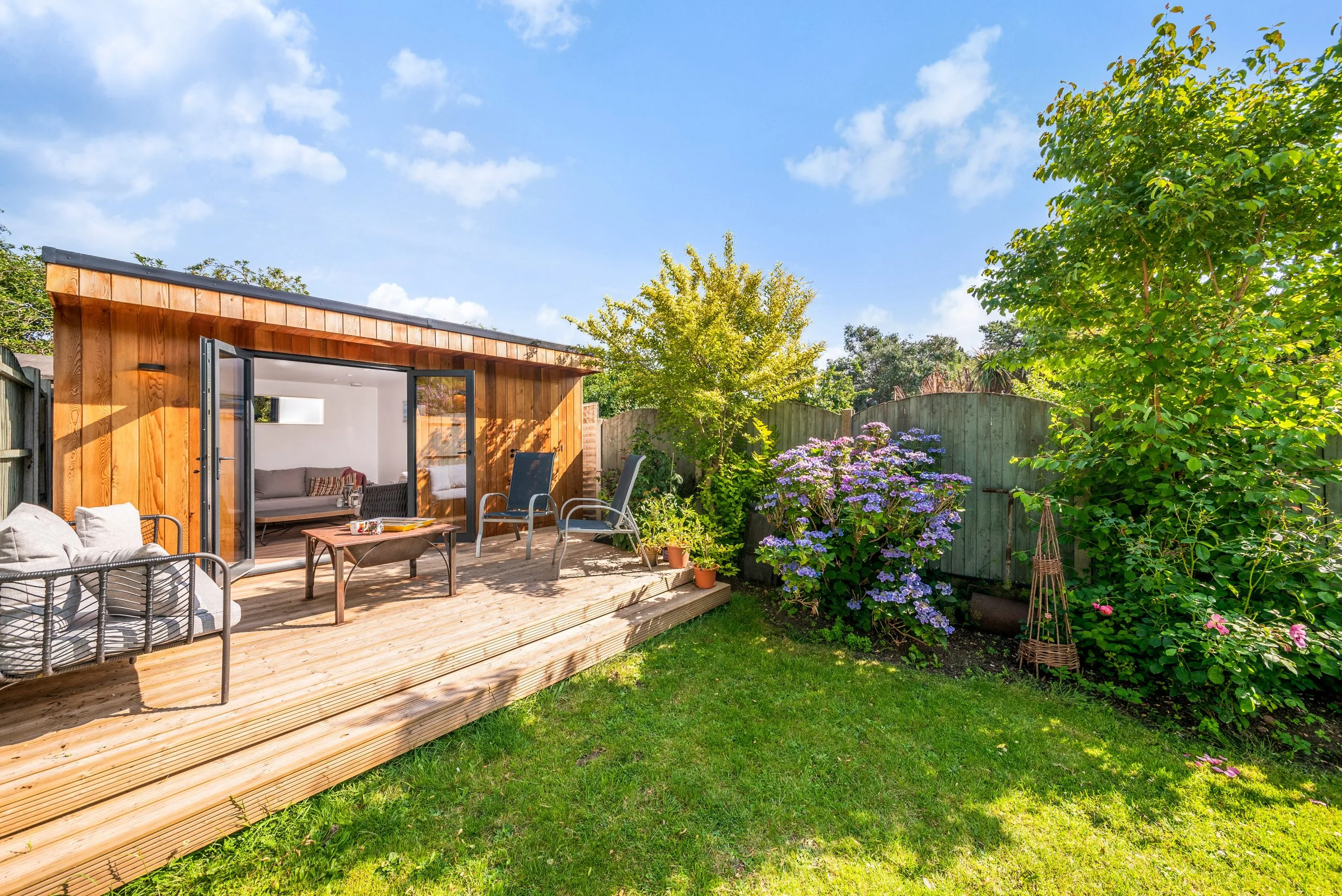
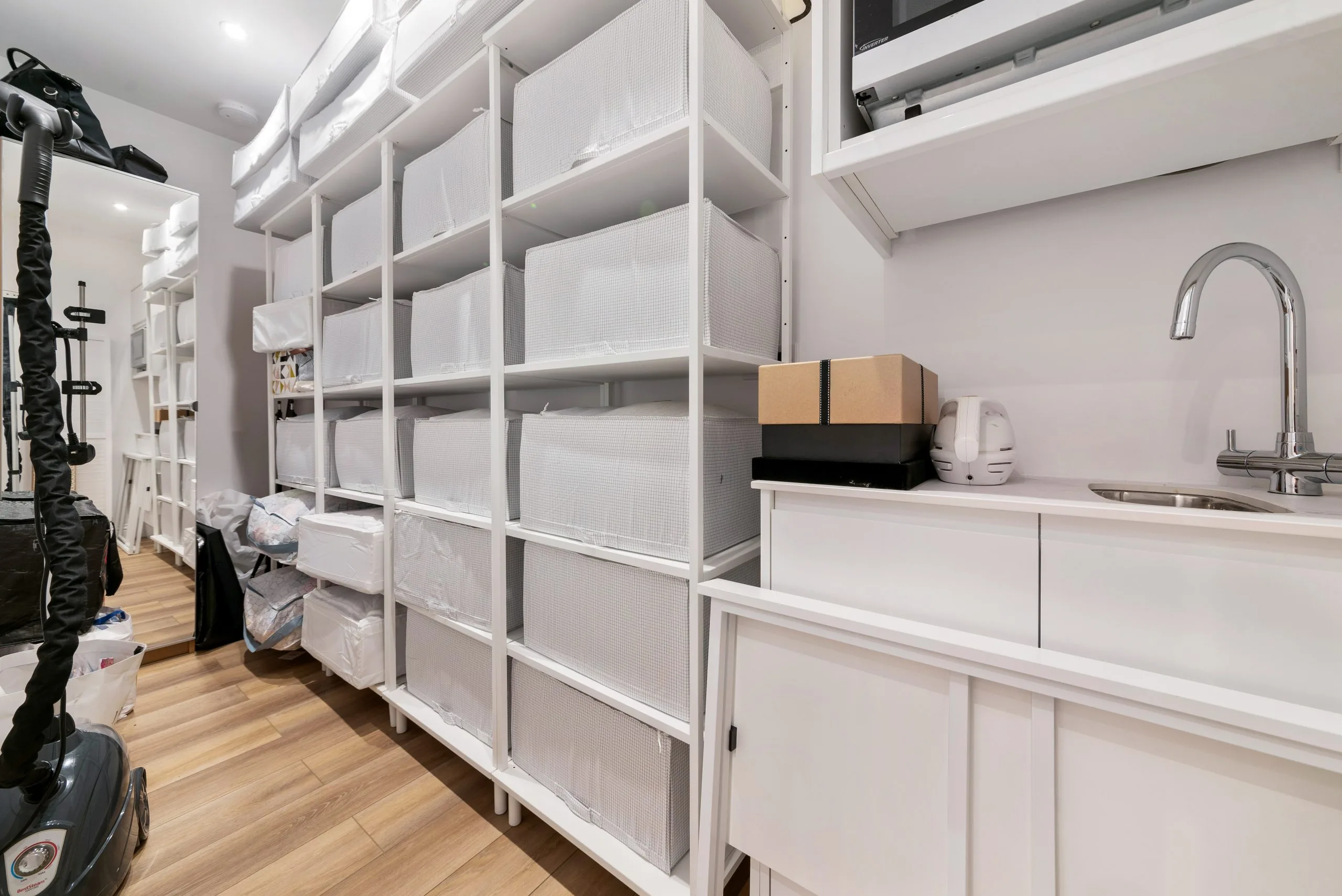
This project highlights the value of combining comfortable hobby space with useful storage, an approach that works particularly well for collectors who need both display and organisation.
View project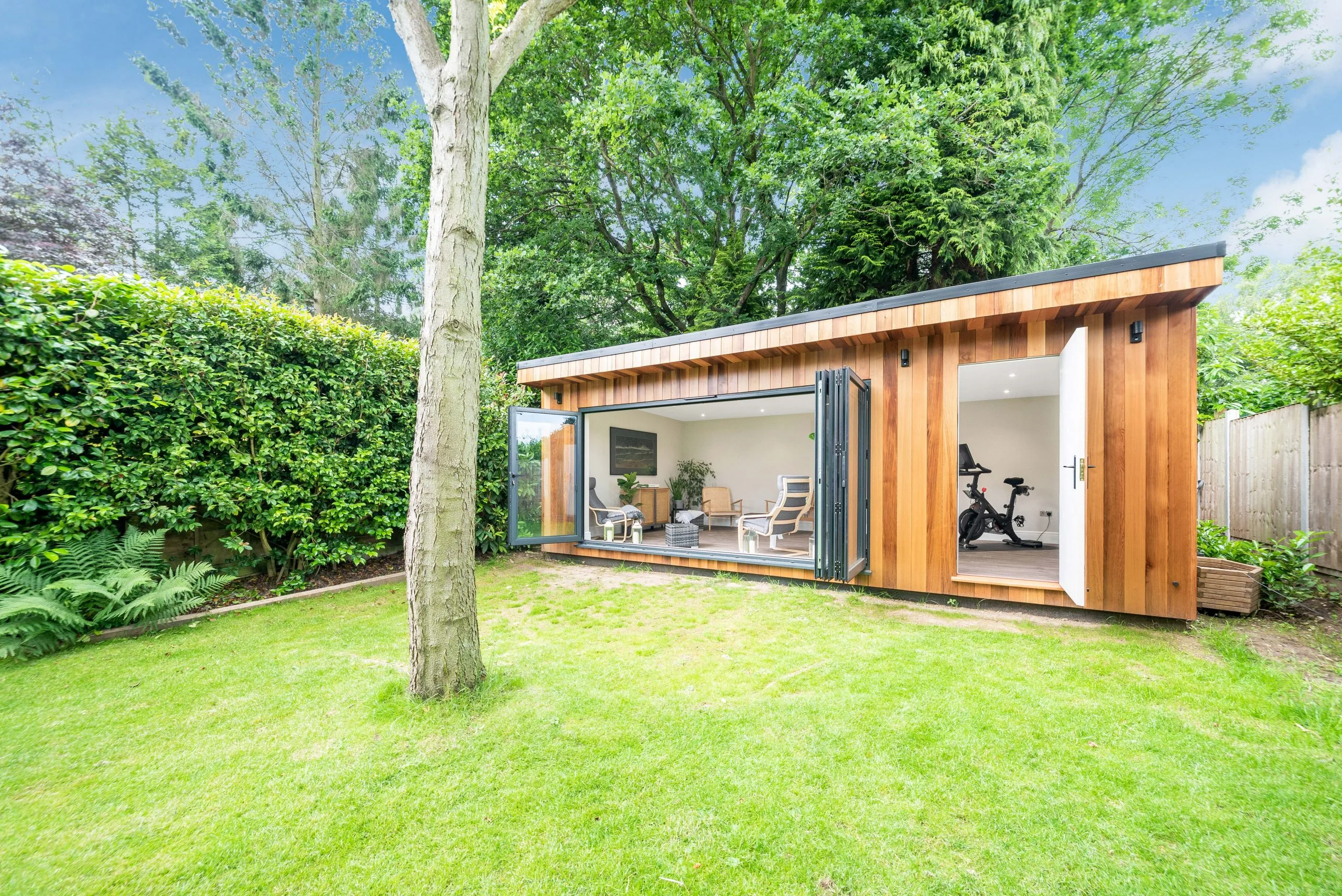
A tailored workshop-style garden room demonstrating how Hawksbeck can design a highly practical building for specialist interests, hands-on hobbies and carefully organised personal spaces.
View project