Cycling Equipment Garden Rooms for Storage & Workshop Space
Store, maintain and train
A proper cycling equipment room is not just somewhere to lean a bike against the wall.
For riders with valuable road bikes, mountain bikes, gravel bikes, e-bikes, turbo trainers, tools, helmets, shoes and race kit, the difference between “storage” and a well-designed cycling room is enormous. The right garden building can protect expensive equipment, make pre-ride preparation easier, give you a clean maintenance area, and even create a dedicated place to train when the weather or daylight is against you.
For many cyclists, the problem starts slowly. One bike becomes two. Winter kit, summer kit, spare wheels, nutrition boxes, chain cleaning tools, pumps, lights and chargers all need a home. The garage becomes crowded, bikes pick up scratches, and the turbo trainer ends up in a spare room where it is too hot, too noisy or simply in the way. A bespoke Hawksbeck garden room allows all of this to be planned properly from the outset: secure bike storage, organised kit zones, a practical workshop bench, e-bike charging, ventilation, lighting, strong flooring and a comfortable training area in one refined, purpose-built space.
Why a Bespoke Garden Room Works So Well for Cyclists
Cycling equipment is awkward to store because it is valuable, delicate, bulky and often dirty. A premium carbon road bike needs a different environment from a lawnmower or general shed clutter. Wheels need to be kept straight, drivetrains need space for cleaning, helmets and shoes need ventilation, and electronic kit needs safe charging points. A bespoke garden building gives you control over all of those details.
Instead of adapting your home or garage around your cycling equipment, the building can be designed around how you actually ride. A weekend road cyclist may want a clean, calm space for two bikes, kit storage and a smart turbo trainer. A mountain biker may need tougher flooring, a wash-down routine, more tool storage and a dirty-to-clean workflow. A family of cyclists may need wall-mounted racks, children’s bike storage, helmet cubbies and a simple system that everyone can use. If you race or train seriously, you may want the room to support structured indoor sessions, accurate bike fit, nutrition storage and recovery equipment.
If you are comparing different garden room ideas, a cycling equipment room is one of the clearest examples of where bespoke design adds real everyday value. The finished space can feel beautifully considered, but it also solves practical problems that off-the-shelf sheds and standard garages rarely handle well.
What Can Be Included in a Cycling Equipment Garden Room?
A cycling room can be as simple or as specialist as you need it to be. The key is to divide the space into zones so that storage, maintenance and training do not compete with each other.
Secure bike storage
Wall racks, floor stands, vertical storage, lock points and clear circulation space so bikes are easy to access without damage.
Kit organisation
Dedicated areas for helmets, shoes, gloves, eyewear, jackets, overshoes, race numbers, hydration packs and seasonal clothing.
Maintenance space
A workbench, tool wall, repair stand position, parts drawers, cleaning-product storage and good task lighting.
Indoor training zone
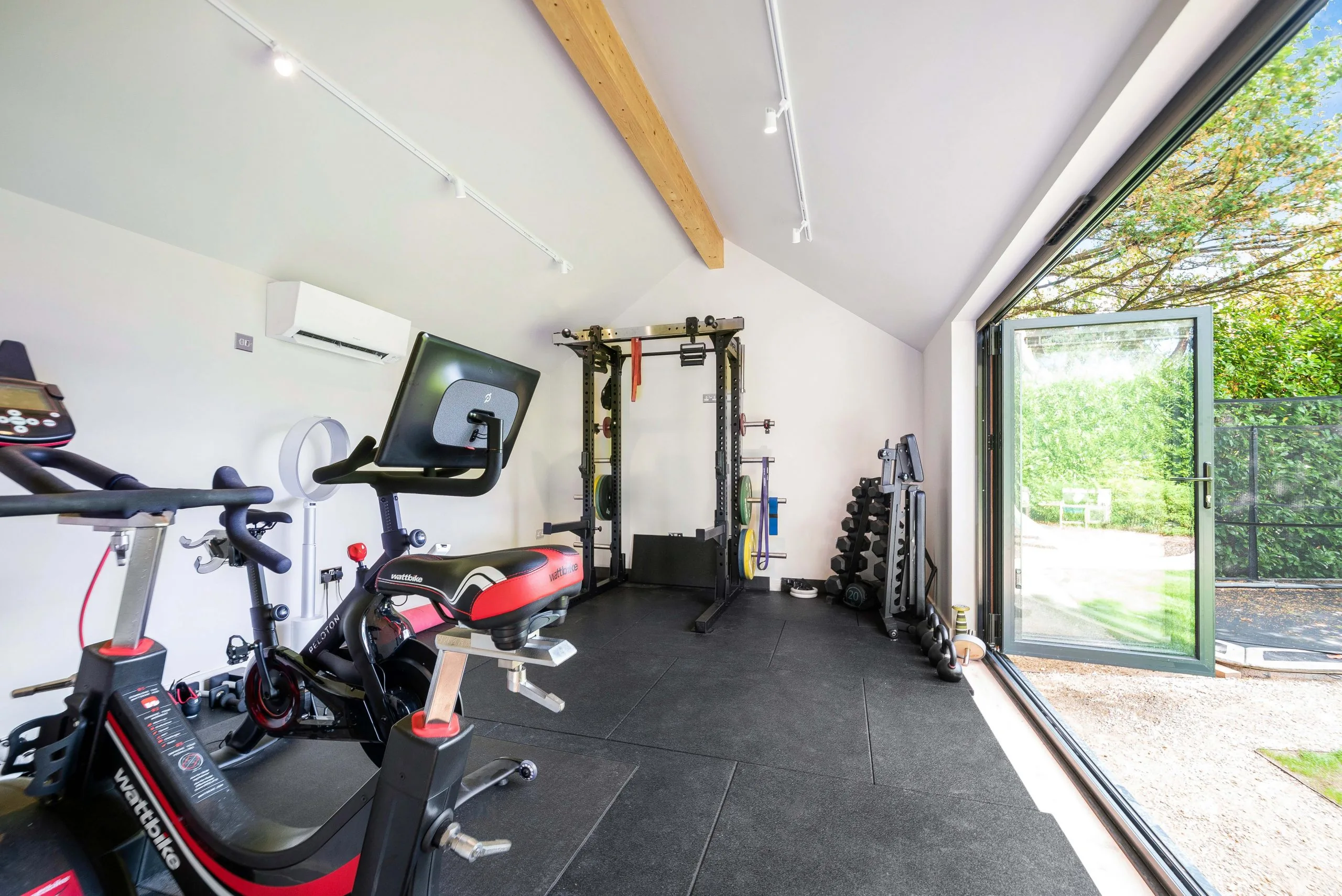
Room for a smart trainer, Wattbike, static bike, treadmill, yoga mat, fan, screen and sound system.
E-bike charging
Well-positioned sockets, safe charging points and clear space around batteries and chargers.
Ventilation and comfort
Insulation, opening windows, ventilation, heating and optional cooling to make the room usable throughout the year.
Resilient finishes
Robust flooring, wipe-clean wall areas and durable surfaces that can cope with cleats, tyres and workshop use.
Premium exterior design
A building that looks at home in a landscaped garden rather than feeling like a utilitarian store.
Designing the Layout: Storage First, Then Movement
The best cycling equipment rooms are not simply filled with storage. They are planned around movement. You need to be able to bring a bike in after a wet ride, move around it without knocking bars or pedals, access tools without squeezing past handlebars, and set up a trainer without dragging everything into the middle of the room.
For a compact cycling room, a long wall can be used for bike storage, with a narrow workbench at one end and tall cupboards for kit. For a larger building, it often makes sense to create three clear zones: a clean kit wall, a mechanical/workshop wall, and an open training area. If you own multiple bikes, the layout can separate “regular use” bikes from seasonal or race bikes so your go-to bike is always easy to reach.
Useful Layout Options
The two-bike performance room: ideal for a road cyclist or couple, with two premium bikes, a smart trainer, a bench and kit cupboards.
The family cycling store: practical racking for adult and children’s bikes, helmets, school cycling gear, scooters and accessories.
The mountain bike workshop: a tougher space with tool storage, repair stand clearance, robust finishes and a practical clean-down routine.
The triathlon training room: bike trainer zone, strength area, kit storage, wetsuit hanging space and nutrition organisation.
The collector’s bike room: a refined, secure display-storage room for high-value bikes, wheelsets and race equipment.
Two bikes and a trainer, or a whole family fleet?
Tell us what you ride, how you train and which jobs you do yourself, and we will plan the racking, bench and training zone around that.
For serious cyclists, security is one of the main reasons to invest in a dedicated garden room. Modern bikes can represent a significant investment, particularly when you include carbon wheels, electronic groupsets, power meters, smart trainers, tools and clothing. A cycling room should therefore be designed with security in mind from the start, not treated as an afterthought.
A secure cycling garden room can include strong doors, locking systems, carefully considered glazing, discreet positioning, external lighting, alarm integration and internal anchor points. The aim is to make the building difficult to target, difficult to enter and easy for you to monitor. It is also worth thinking about visibility from the house, garden access routes, gate security and whether the building should be connected to your wider home security system.
Security should not make the space unpleasant to use. With the right design, a bike room can feel bright, premium and welcoming while still being reassuringly robust. For example, glazing can be positioned to bring in daylight without creating an obvious view of high-value equipment from outside the property. Internal storage can keep the most expensive components out of direct sight. Lockable cupboards can be designed for power meters, electronics, helmets and shoes.
Bike Storage: Wall-Mounted, Vertical or Freestanding?
There is no single best way to store bikes. The right choice depends on the number of bikes, how often you use them and how much floor space you want to keep clear.
Wall-Mounted Horizontal Racks
Horizontal wall racks are ideal for premium road, gravel or time-trial bikes where you want easy access and a clean display. They can look excellent in a refined garden room and help keep the floor clear. The main consideration is handlebar width and the distance between bikes.
Vertical Bike Storage
Vertical storage works well when you have several bikes and want to maximise wall space. It can be particularly useful for family cycling rooms or mountain bike storage. However, it is important to allow enough ceiling height and lifting clearance, especially for heavier e-bikes.
Freestanding Bike Racks
Freestanding racks are flexible and useful if you change bikes regularly or do not want every item fixed to a wall. They can be a sensible choice for children’s bikes, winter bikes or frequently used commuter bikes.
Lockable Bike Zones
For particularly valuable bikes, the storage area can be designed with additional lock points, ground anchors or lockable internal sections. This can provide extra peace of mind and may be useful when discussing storage arrangements with an insurer.
A Maintenance Area That Makes You Want to Use It
Bike maintenance is far easier when everything has a proper place. A good cycling equipment room can include a bench at a comfortable working height, drawers for tools and spares, a magnetic strip or pegboard for regular items, and enough floor space for a work stand. Good lighting is crucial. A beautifully finished room with poor task lighting will quickly become frustrating when adjusting gears, checking brake pads or fitting tyres in winter.
It is worth planning the maintenance area around the jobs you actually do. Some riders simply need space for cleaning, charging lights and pumping tyres. Others will want a more complete workshop for drivetrain servicing, tubeless setup, wheel changes and race preparation. If you regularly work on bikes, you may want easy-to-clean surfaces, a bin for workshop waste, specific storage for lubricants and degreasers, and a protected area of flooring where minor spills can be cleaned easily.
Winter miles
Indoor Training: Turning Bad Weather into Useful Miles
A cycling room can do more than store bikes. It can become a dedicated training environment for smart trainer sessions, recovery rides, strength work, mobility and stretching. This is particularly valuable during winter, early mornings or evenings when outdoor rides are less practical.
Indoor cycling creates heat, noise and vibration, so the space should be planned accordingly. Ventilation is important, as is space for a fan and a screen. Flooring should cope with sweat and cleats. Sockets should be positioned where you actually need them: smart trainer, laptop, screen, charger, fan and possibly speakers. If you use platforms such as Zwift, TrainerRoad or Rouvy, a dedicated training zone can make sessions much easier to start. No more moving furniture, hunting for extension leads or packing everything away after each ride.
For households where other people work from home or relax indoors, moving the trainer into a garden room can also reduce disruption. The building can be designed to feel separate enough for focused training while still being close to the house for convenience.
Managing Moisture, Mud and Ventilation
Cycling kit often arrives back wet, muddy or sweaty. Without suitable ventilation, storage can quickly lead to odours, damp clothing and poor air quality. A high-quality cycling equipment room should therefore be designed with the realities of riding in mind.
Opening windows, background ventilation, heating and thoughtful layout all help. Wet jackets, gloves and shoes should have a dedicated drying area rather than being piled on a bench. If you ride mountain bikes or commute in all weather, it may be worth creating a “dirty entry” area near the door with hardwearing flooring and easy access to cleaning supplies. For road cyclists, a neat drying rail, boot tray and ventilated cupboard may be enough.
It is also worth deciding where cleaning happens. Some riders prefer to wash bikes outside and bring them into the room once dry. Others may want a water point nearby in the garden. While the garden room itself is not usually a wet room, the surrounding landscaping and access path can be planned to support cleaning and movement after rides.
Electricity, Lighting and Charging
Modern cycling involves more charging than many people expect. Lights, GPS computers, Di2 or AXS batteries, power meters, e-bike batteries, smart trainers, phones, headphones and cameras may all need power. A bespoke cycling room allows sockets and charging points to be positioned neatly rather than relying on trailing extension leads.
Lighting should combine general illumination with task lighting. Bright, even lighting is useful for cleaning and maintenance. Softer lighting can make the room feel more premium when it is used as a display space or relaxed training room. Exterior lighting can also improve safety and security when you return from evening rides or early morning starts.
Watch: The Flexibility of a Bespoke Hawksbeck Garden Room
Although each building is designed for its owner, this video gives a strong sense of the quality, flexibility and finish possible with a Hawksbeck garden room. A cycling equipment room can be planned with the same level of care, whether the priority is secure bike storage, training, workshop use or a combination of all three.
Creating a Premium Space, Not Just a Bike Store
One of the advantages of choosing a Hawksbeck garden room is that the building can be made practical without feeling basic. A cycling equipment room can still be architectural, calm and beautifully finished. For some clients, the room should feel like a private performance studio. For others, it should be a discreet, elegant outbuilding that hides a very organised cycling setup behind closed doors.
Premium touches can make the space more enjoyable to use every week: fitted storage, considered lighting, attractive cladding, comfortable insulation, quality doors and windows, and an interior that feels finished rather than improvised. If you have invested in high-quality bikes and equipment, it makes sense to house them in a space that protects them properly and reflects the same level of care.
A bike room can be finished to the same standard as the bikes it protects.
How Much Does a Cycling Equipment Garden Room Cost?
The cost of a cycling equipment room depends on the size of the building, specification, glazing, foundations, electrical requirements, heating, storage, finishes and the level of bespoke detail required. Because Hawksbeck garden rooms are tailored to each project, pricing can vary significantly from one build to another.
£25,000 – £35,000+Secure storage and light maintenance
As a broad guide, a compact premium garden room designed mainly for secure bike storage and light maintenance may typically sit from around £25,000 to £35,000+, depending on specification.
£35,000 – £55,000+Fitted storage, workbench and trainer space
A more complete cycling room with generous insulation, electrics, fitted storage, a workbench area and indoor trainer space may commonly fall in the region of £35,000 to £55,000+.
£55,000 – £80,000+Larger, multi-zone or combined-use buildings
Larger, highly bespoke garden buildings with premium glazing, advanced finishes, multiple zones, heating, extensive fitted joinery or combined gym/office/cycling use can move beyond £55,000 to £80,000+.
These figures are intended as realistic planning ranges rather than fixed quotations. A simple bike storage room and a fully equipped cycling studio are very different projects. The best approach is to think about how the room should work day to day, how many bikes it needs to house, whether indoor training is required, and what level of internal fit-out you would like. From there, Hawksbeck can help shape a design and specification that suits your home, your riding and your budget.
Features Worth Budgeting For
If cycling is a serious part of your lifestyle, certain features are worth prioritising because they improve the usability of the space every time you ride.
High-quality doors and locks: essential for valuable bikes and equipment.
Insulation and heating: important for year-round use, especially if you train indoors.
Plentiful sockets: useful for lights, batteries, e-bike charging, screens, fans and smart trainers.
Durable flooring: particularly important for cleats, tyres, sweat and workshop use.
Ventilation: helps manage moisture, odours and training heat.
Fitted storage: prevents the room becoming another cluttered shed.
Task lighting: makes maintenance easier and more precise.
External access planning: paths, steps, thresholds and landscaping all affect daily use.
Planning the Room Around Your Riding Routine
A useful way to design a cycling equipment room is to imagine a full ride from start to finish. Where do you pick up your shoes and helmet? Where is your GPS charging? Can you check tyre pressure without moving three other bikes? When you return wet, where do gloves, jacket and shoes go? If you want to ride indoors later, can the turbo trainer be ready in minutes?
These small details have a big effect on whether the room feels effortless or awkward.
A well-designed cycling room can make riding more frequent because it removes friction.
Kit is easier to find. Batteries are charged. The bike is accessible. Tools are where they should be. The trainer is ready. For riders trying to fit cycling around work, family and busy schedules, that convenience can be genuinely valuable.
Combining Cycling Storage with Another Use
Not every cycling room has to be exclusively for bikes. Because Hawksbeck buildings are bespoke, the space can be designed as a hybrid room if that suits your home better.
Cycling room and gym: combine bike storage with strength training, mobility work and indoor cycling.
Cycling room and home office: useful if the building is divided into a clean working area and a separate storage/workshop zone.
Cycling room and hobby space: ideal for households where cycling equipment shares space with other interests.
Cycling room and general storage: practical for families, provided the bike zone remains organised and protected.
The important point is not to dilute the design. If the room has more than one purpose, it needs clear separation, suitable storage and enough floor area. Otherwise, the cycling equipment will slowly take over the space, or the bikes will become difficult to access. A bespoke design avoids that by planning each use properly from the beginning.
Practical Questions to Ask Before Designing Your Cycling Room
Before deciding on size and specification, it helps to answer a few practical questions. These will influence everything from the layout to the electrical plan.
How many bikes need to be stored now, and is that likely to increase?
Are any of the bikes unusually heavy, large or valuable?
Do you need space for a smart trainer or static training bike?
Will the room be used for bike maintenance, or mainly storage?
Do you need e-bike charging or battery storage?
How much seasonal kit do you own?
Do you want the bikes displayed or mostly hidden away?
Will children or other family members need easy access?
Do you return from rides through the garden, side gate or driveway?
Do you want the room to double as a gym, office or hobby room?
The answers help establish the right proportions. A room designed for two bikes and light storage can be beautifully compact. A room for four bikes, a trainer, wheelsets, tools, family kit and a bench needs more generous dimensions if it is going to remain enjoyable to use.
Access, Paths and Positioning in the Garden
Where the building sits in the garden matters. Cyclists often benefit from direct, practical access from a side passage, driveway or garden gate. If you need to carry bikes through the house or across soft lawn, the room will be less convenient. A smooth path, sensible threshold and clear route to the door make a big difference, especially with e-bikes or muddy tyres.
Positioning also affects privacy, security and natural light. A garden room near the house may be easier to monitor and access in bad weather. A building further into the garden may feel more like a dedicated studio but could require more thought around lighting and security. Hawksbeck can help consider how the room will sit within the wider garden so it looks intentional rather than simply placed wherever space is available.
Is a Cycling Garden Room Better Than a Garage?
A garage can work well for basic bike storage, but it often has compromises. Garages are usually shared with cars, tools, bins, ladders, paints, garden equipment and household overflow. They may be cold, dusty, poorly lit and awkward to organise. Bikes can be knocked, kit gets buried, and maintenance jobs become a chore.
A bespoke cycling garden room offers a more controlled environment. It can be insulated, organised, secure, attractive and designed specifically for bikes and kit. It also frees up garage space and avoids bringing dirty equipment into the house. For riders with high-value bikes or regular training routines, the upgrade can be significant.
Why Choose Hawksbeck for a Cycling Equipment Room?
A cycling equipment room has to be practical, but it should also feel like a natural extension of a premium home. Hawksbeck specialises in bespoke garden rooms and buildings, which means the design can be shaped around your equipment, your garden and your preferred finish rather than forcing you into a standard template.
Whether you need a discreet secure bike store, a high-spec indoor training studio, a workshop for maintaining multiple bikes, or a multi-use building with cycling at its heart, the details can be considered properly: size, structure, access, doors, glazing, electrics, heating, storage, lighting and internal layout. The result is a room that looks refined and works hard every week.
Give the bikes a room of their own
Start with your ride: where the bikes come in, where the kit dries and where the trainer sits. We will design the building around it.
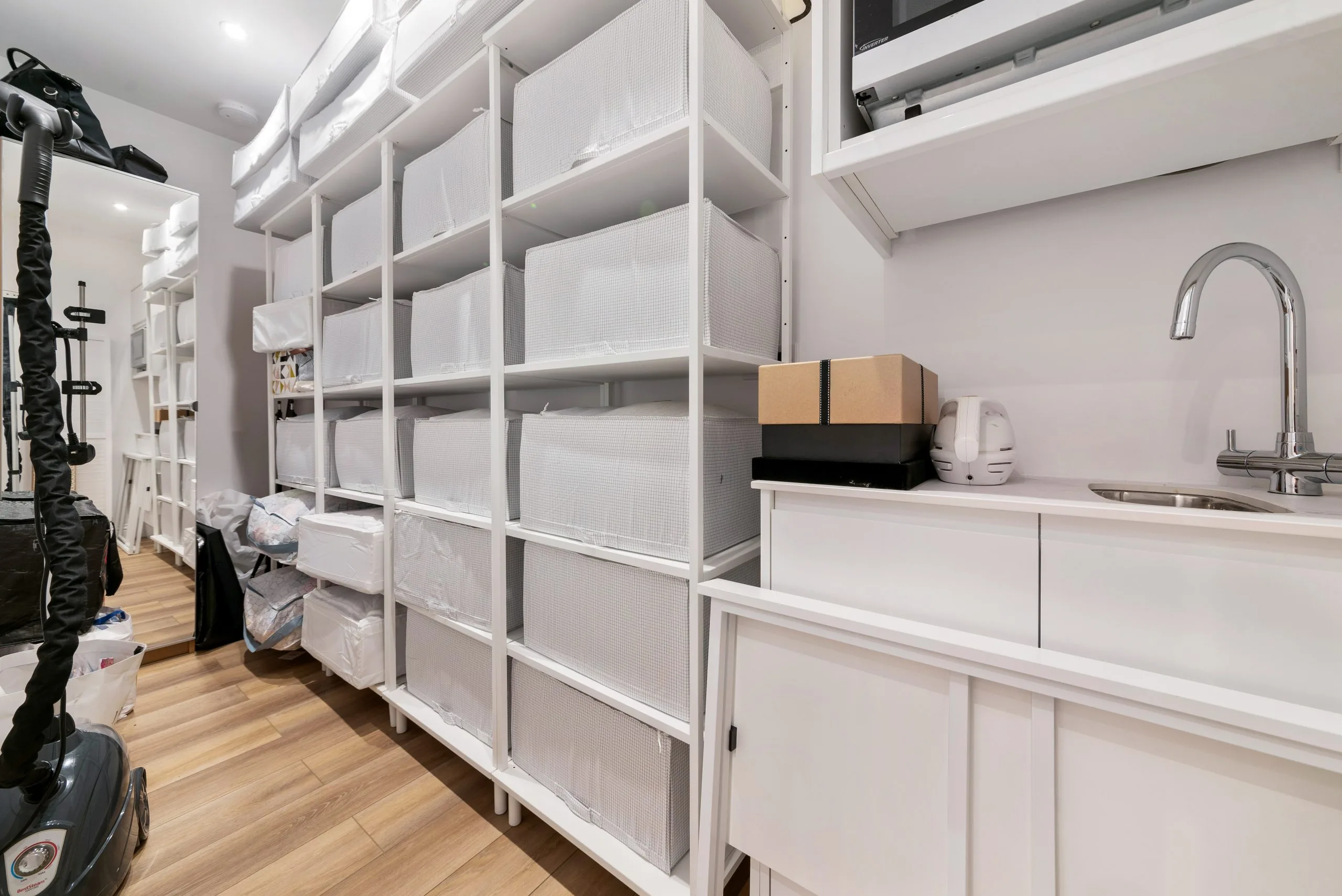
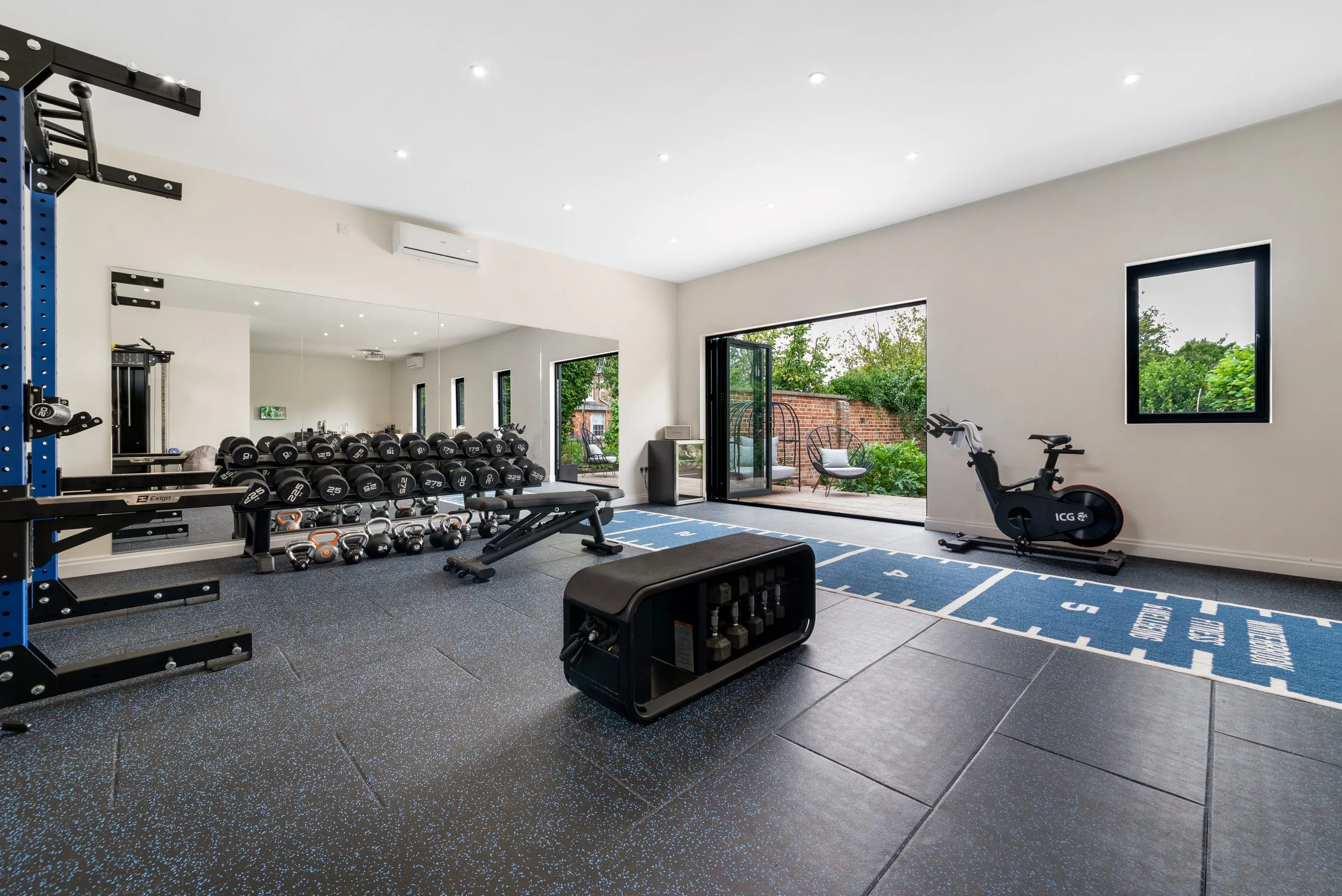
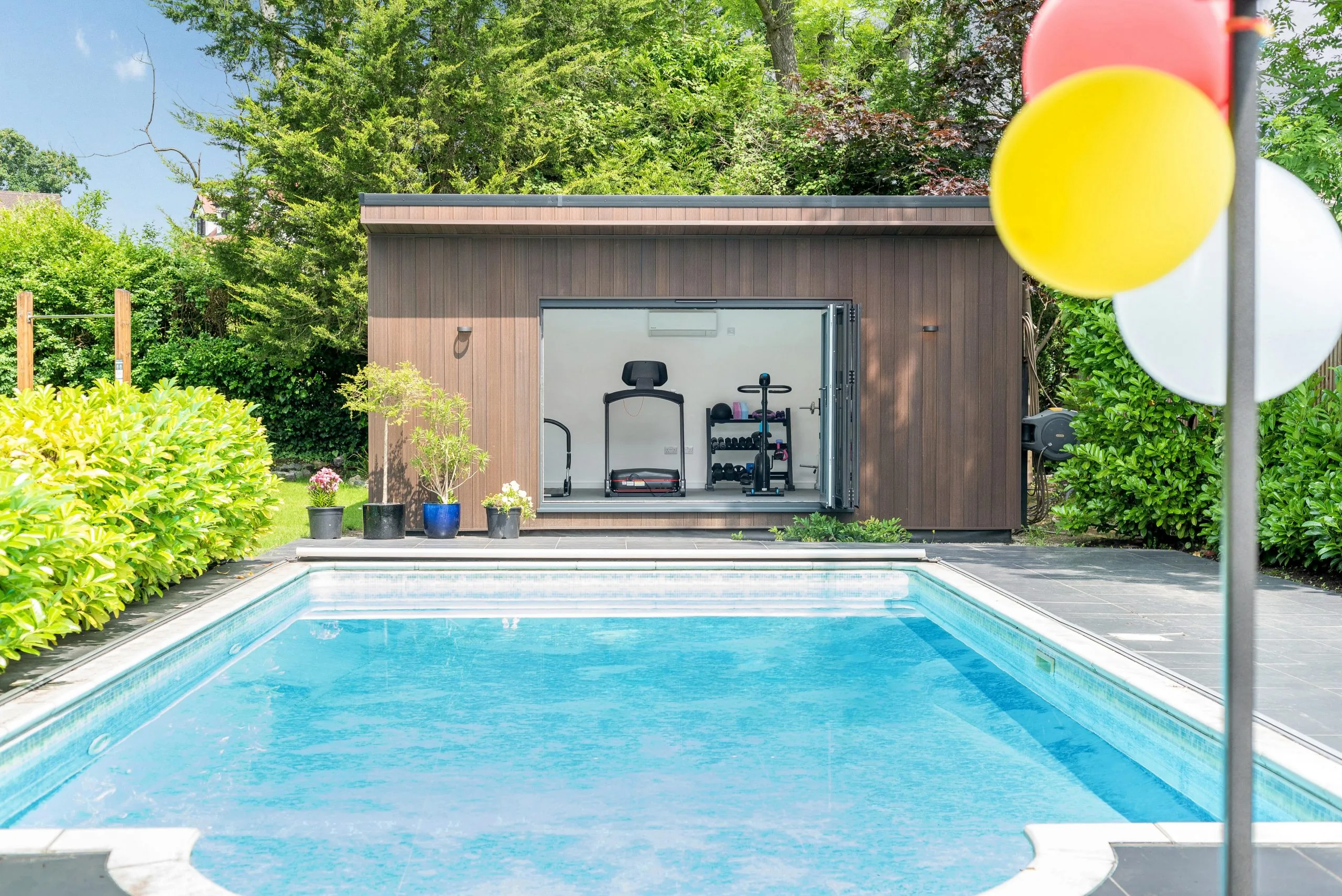
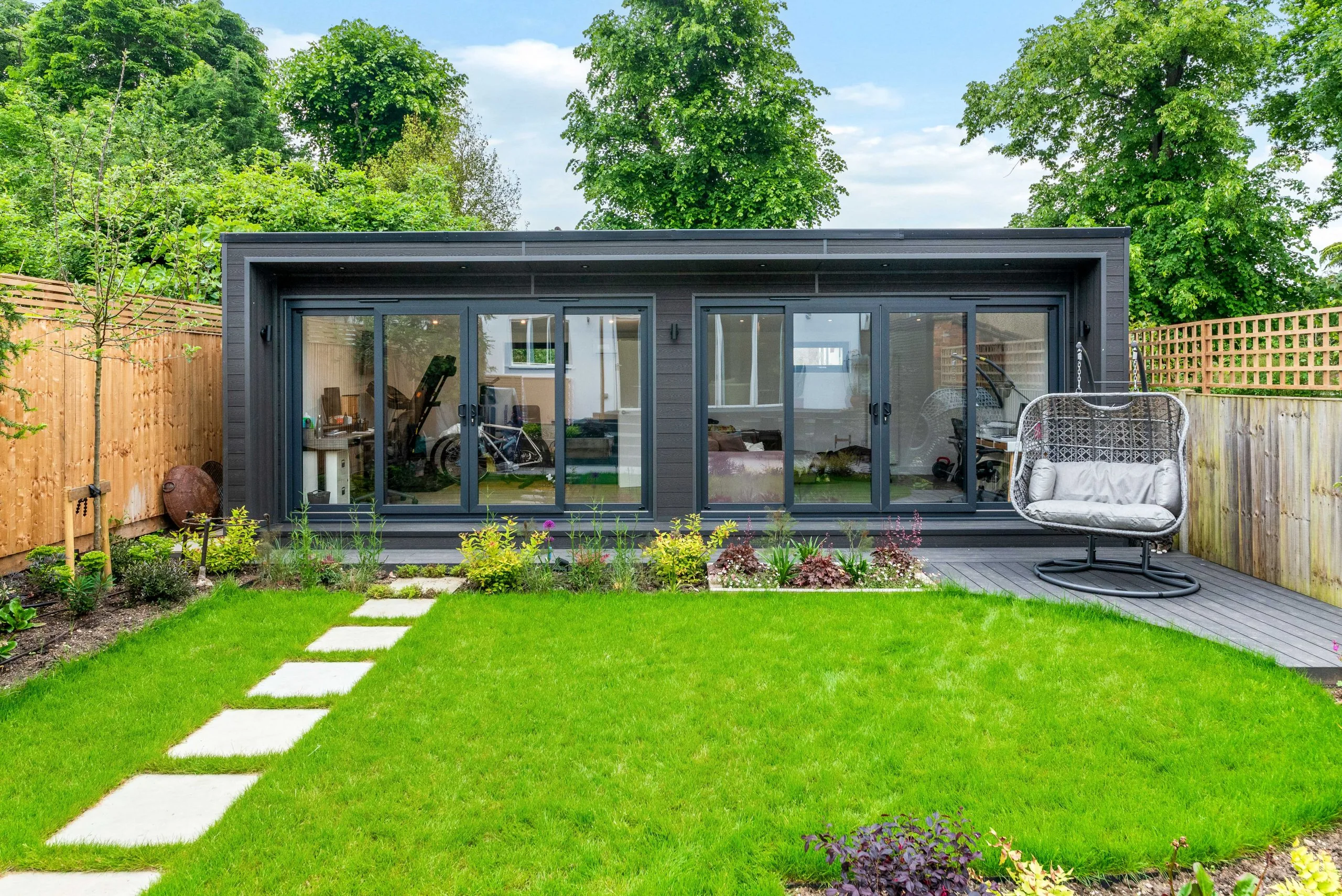
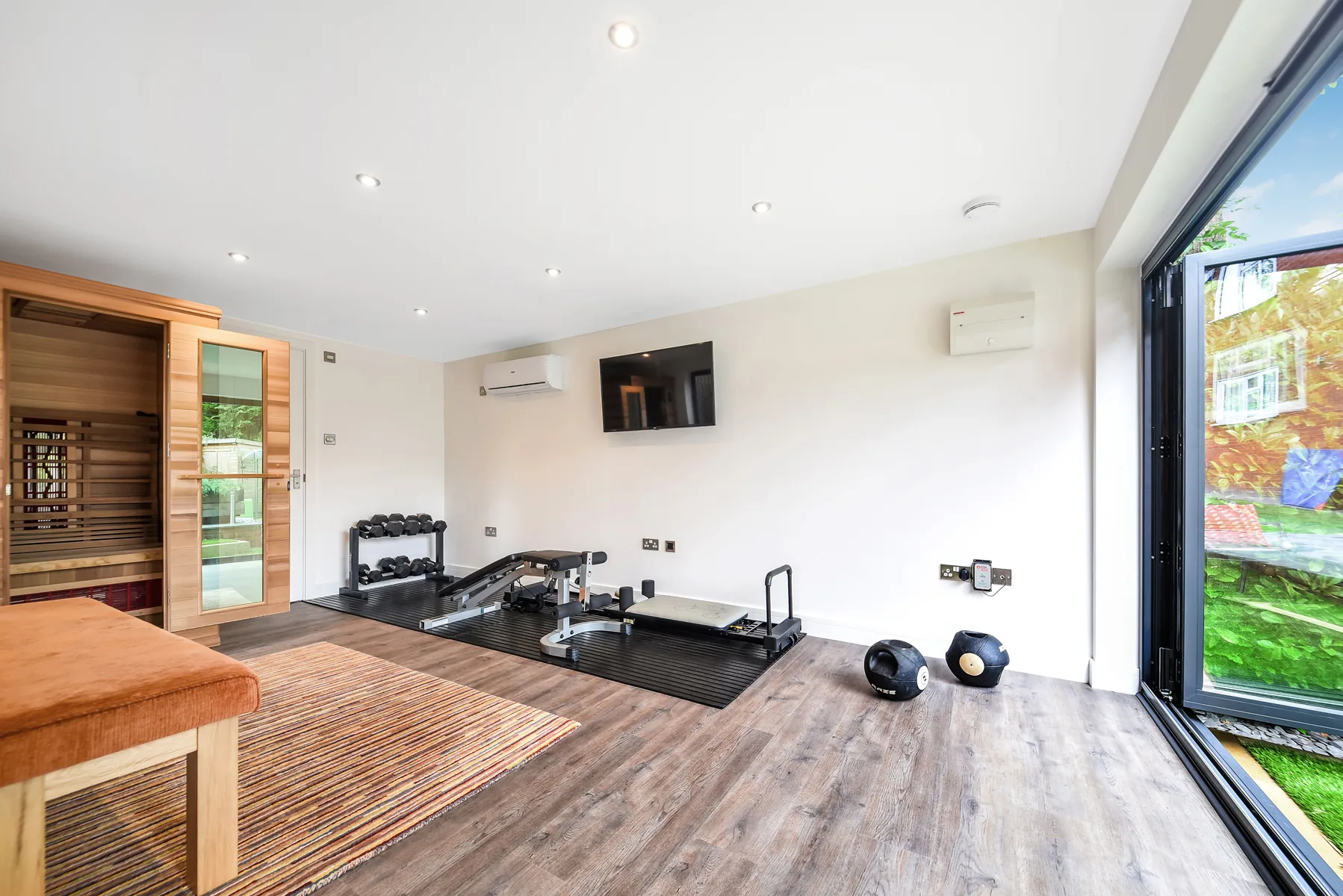
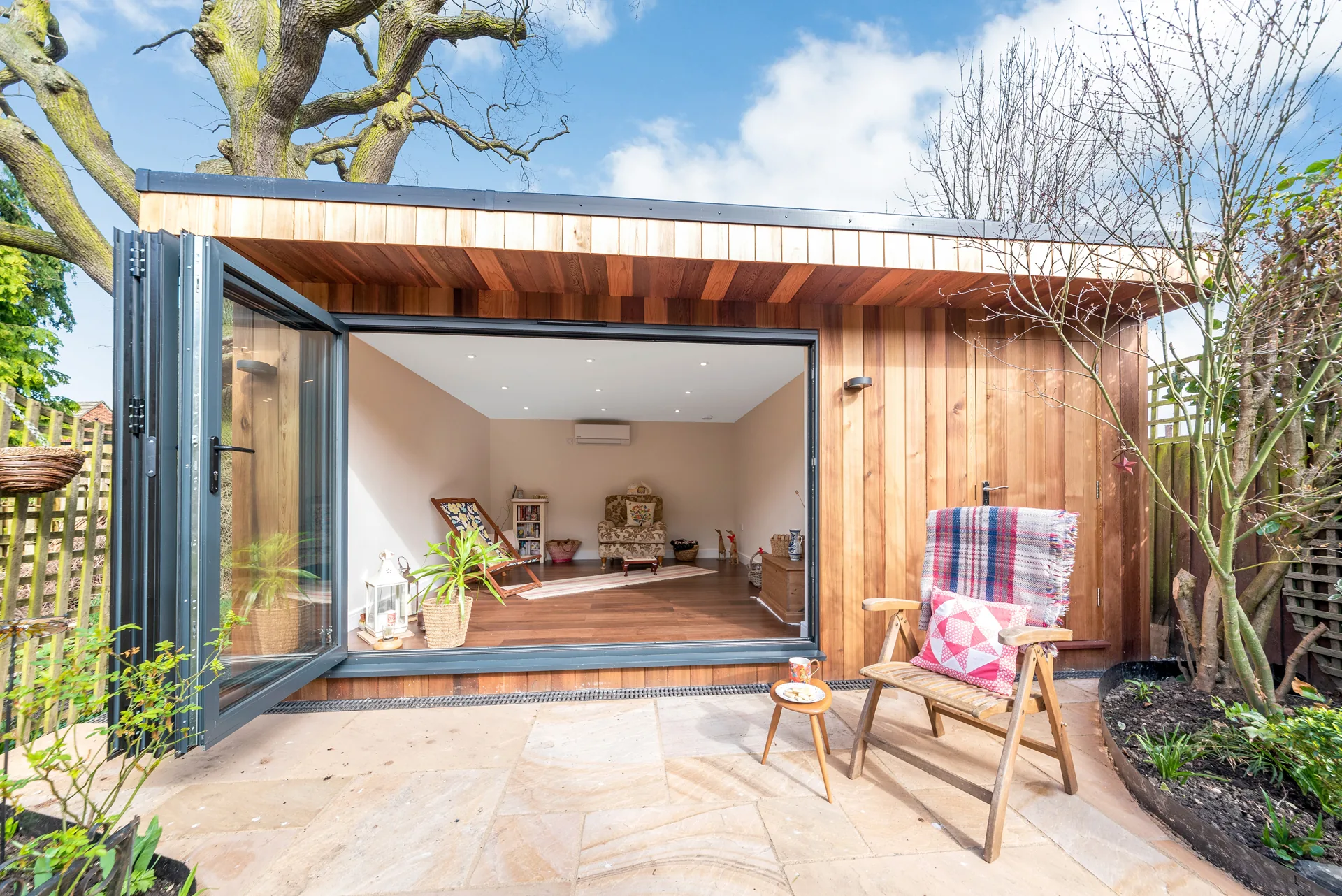
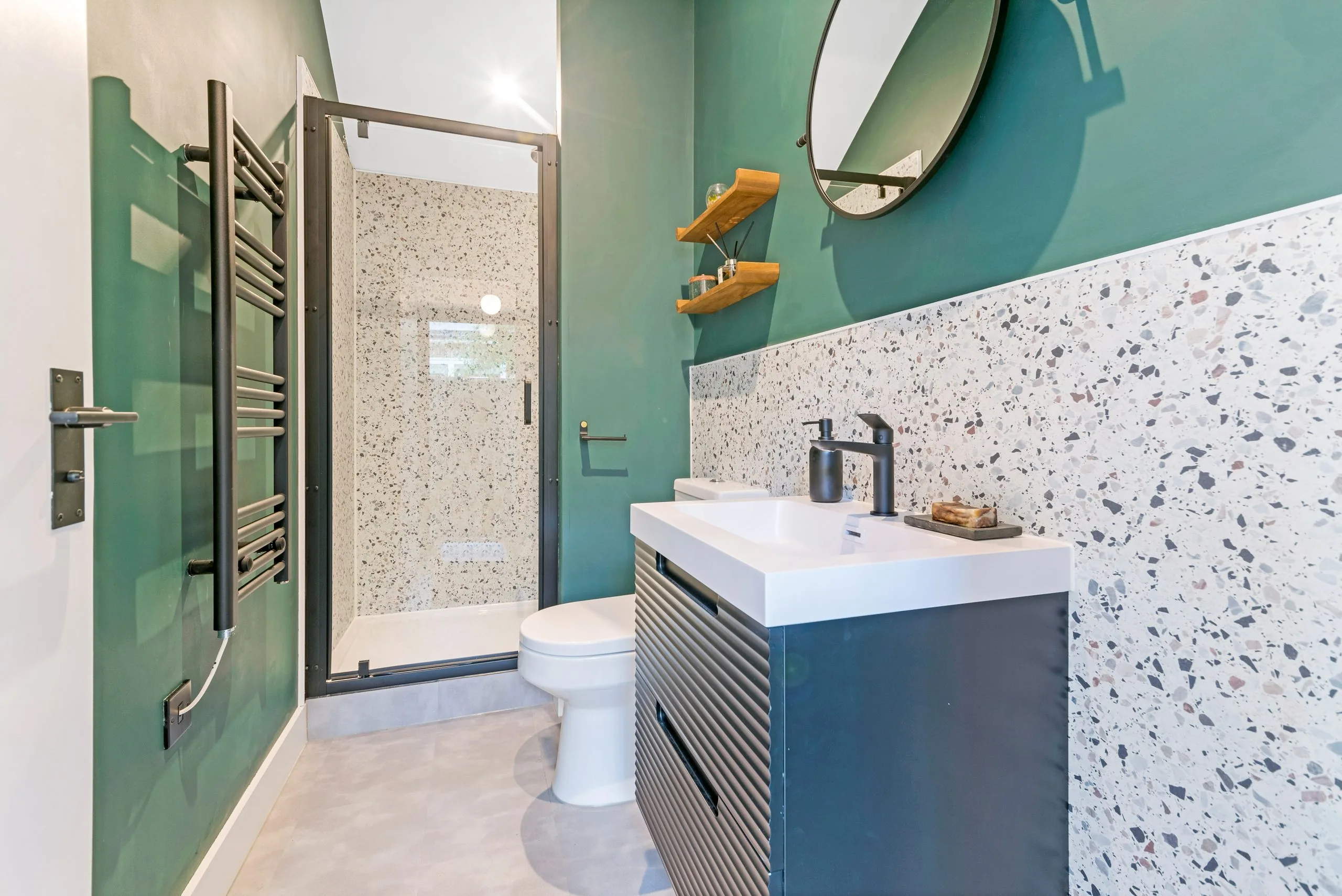
These projects are not all cycling-specific, but they show the flexibility of bespoke garden buildings where storage, hobbies, fitness, work and premium finishes need to come together in a carefully planned space.
A smart example of how practical storage can be integrated into a premium garden building without compromising the finished look, ideal inspiration for a cycling room that needs both secure equipment space and a comfortable usable interior.
This project highlights how a bespoke garden room can support a personal hobby while still providing valuable storage, a useful reference point for cyclists who want a dedicated space for kit, tools and regular use.
A strong example of a garden building designed for more than one purpose, relevant for anyone considering a cycling equipment room that also includes indoor training, fitness, work or hobby space.