
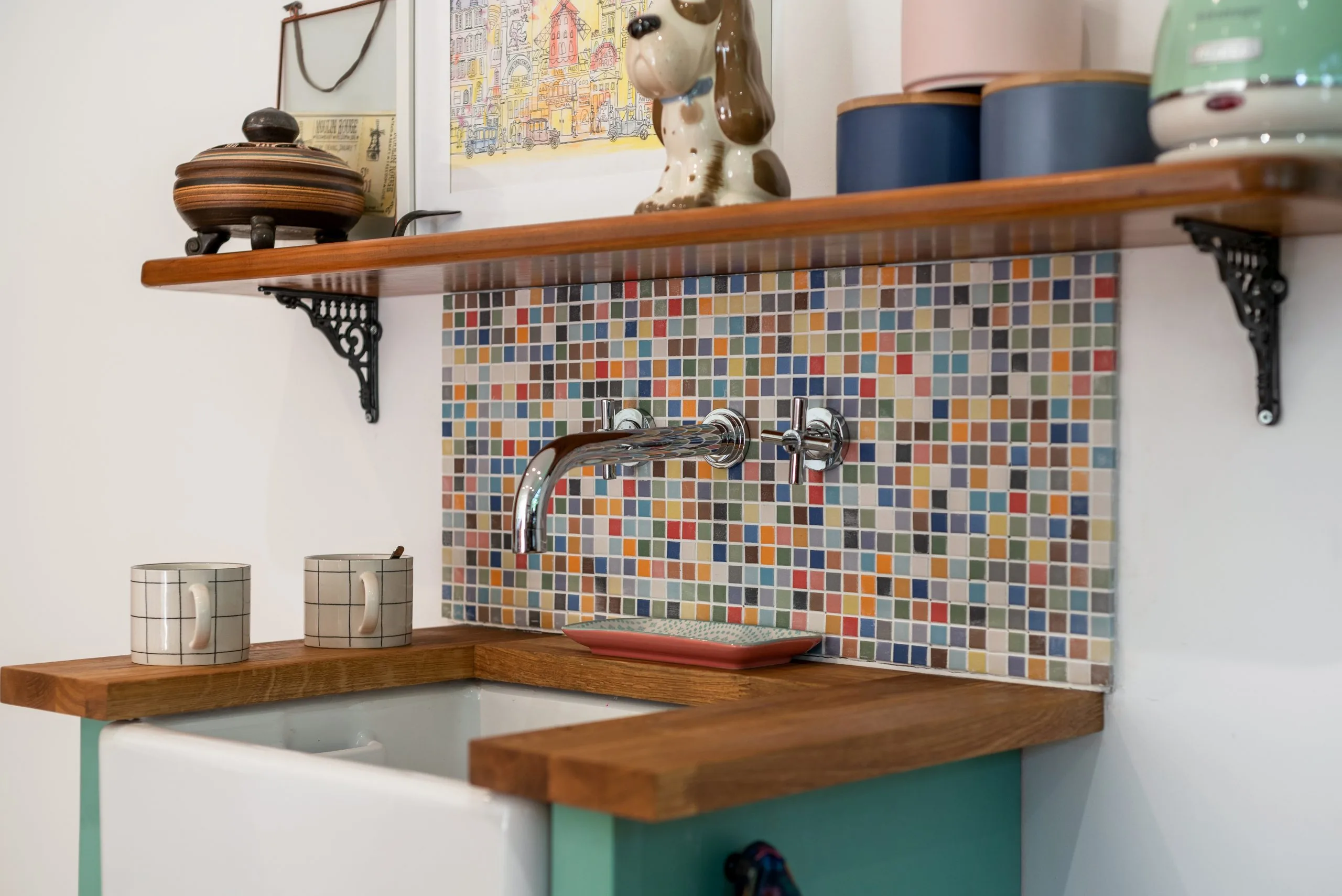
Creative Studio Retreat, Chelmsford
A beautifully considered creative garden studio showing how a bespoke room can provide a calm, inspiring and highly usable space for focused work away from the main house.
View project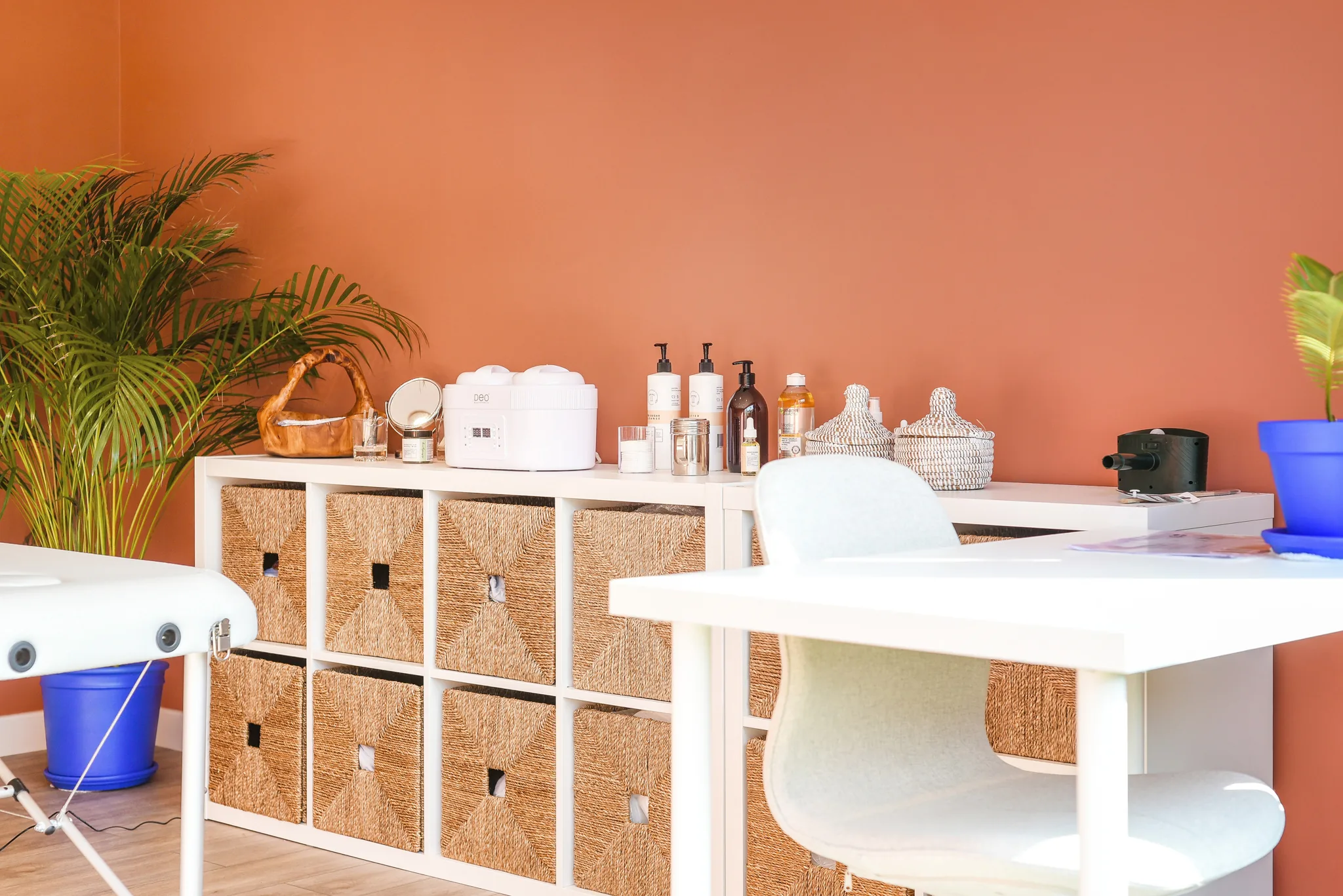
Fashion work quietly takes over a home.
Calico on the dining table, rolls of cloth leaning in a hallway, half-finished samples waiting for a fitting, pins, patterns, steamers, sewing machines, sketchbooks, mood boards and rails all competing for space. A dedicated garden room changes that rhythm completely: it gives the work its own place, without the cost and rigidity of renting a commercial studio.
A bespoke Hawksbeck garden room can be designed as a self-contained fashion design studio: calm enough for creative thinking, robust enough for daily making, refined enough for client fittings, and carefully planned around the tools, storage and workflow of garment design.
A fashion design studio is not the same as a standard home office. It needs clear surfaces, good light, generous storage, practical flooring, space to move around a dress form, somewhere to cut full pattern pieces, and a setting that feels inspiring rather than improvised. Done properly, it becomes a professional creative workspace just a few steps from the house.
For independent designers, dressmakers, stylists, bridalwear specialists, costume makers, small fashion labels and students building a serious portfolio, a garden studio can be planned around the entire design process:
If you are exploring broader possibilities for a bespoke building, our main garden room ideas guide shows many other ways a high-quality garden room can be used.
The best fashion studios feel effortless because the practical details have been considered before anything is built. A beautiful exterior matters, but the success of the space comes down to how well it supports the work inside.
Pattern cutting is one of the easiest activities to underestimate. A small desk is rarely enough. Many fashion designers benefit from a central cutting table with space to walk around it on at least three sides. This makes measuring, pinning, marking and laying fabric much easier, particularly for long garments, bridalwear, coats, costumes or soft furnishings.
Useful design considerations include:
Sewing work often involves more than one machine: a domestic machine, industrial machine, overlocker, coverstitch machine, embroidery machine or pressing equipment. A bespoke garden studio allows socket positions, worktop depths, lighting and cable routes to be designed around these exact requirements rather than added afterwards.
For a professional setup, it is worth planning:
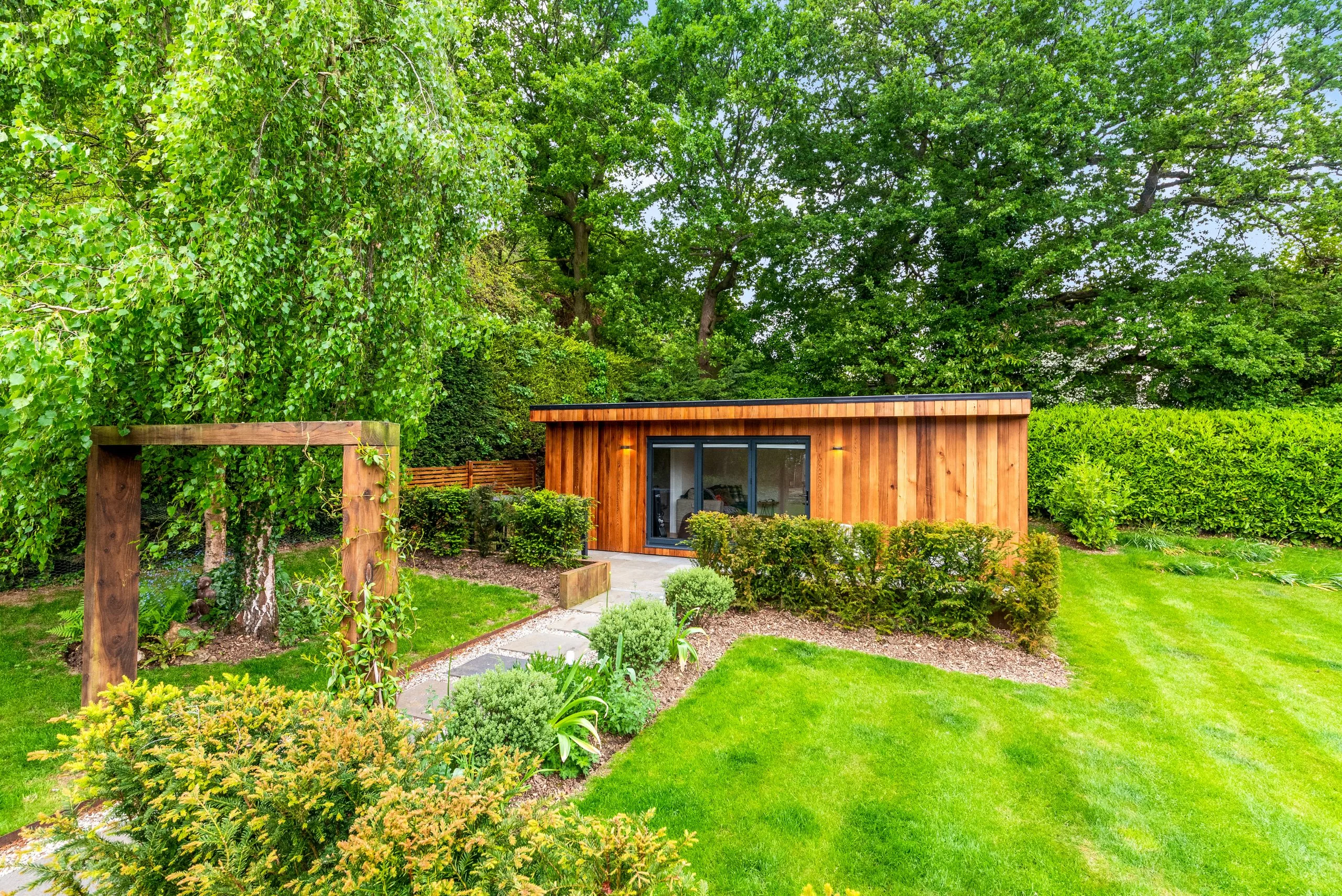
Fashion work needs accurate visibility. Colour matching, fabric selection, hand finishing and fitting assessments all rely on good light. Large areas of glazing can make the room feel uplifting and connected to the garden, but they should be carefully positioned so that the studio is bright without becoming uncomfortable.
For a fashion studio, the glazing specification and layout can be designed to balance:
Rooflights, full-height glazing, high-level windows, side windows or carefully placed doors can all be used depending on the garden, orientation and how you want to work.
If clients visit for fittings, the studio should feel more like a boutique workspace than a converted shed. A fitting area might include a full-length mirror, flattering lighting, curtains or a small changing zone, garment rails, a seat, and a place to review sketches, samples or look books.
This is where the quality of the building really matters. Clients notice warmth, finish, comfort, privacy and attention to detail. A premium garden room gives you a calm environment that supports confidence in your business, whether you are fitting a bridal gown, adjusting a tailored garment or presenting pieces from a small collection.
LayoutsBecause Hawksbeck garden rooms are bespoke, the building can be shaped around your workflow rather than forcing your workflow into a fixed cabin size. The right layout depends on whether you mostly design, sew, fit clients, store garments, teach, photograph pieces or manage a small fashion brand from home.
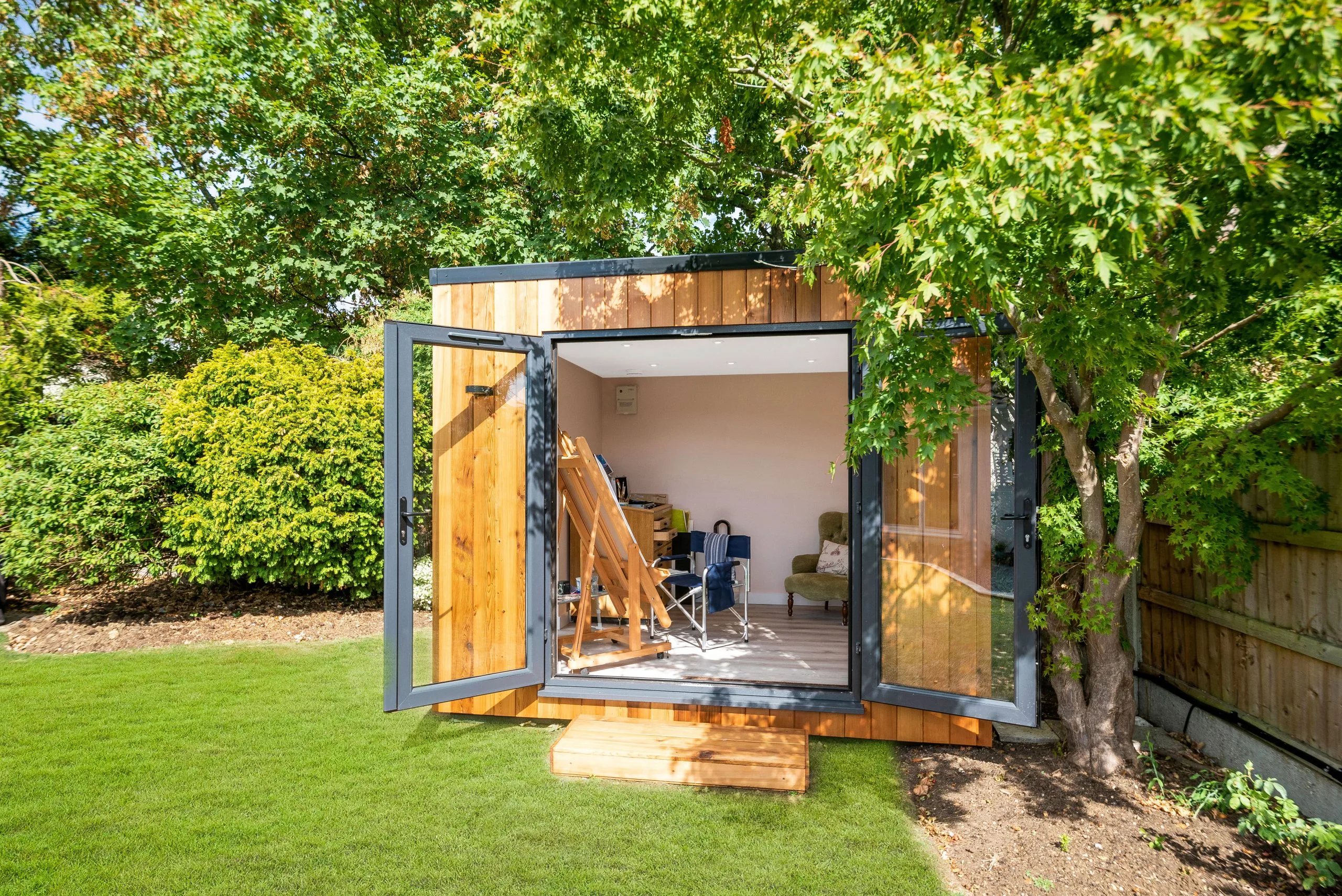
A compact studio can work well for sketching, sampling, alterations, admin and occasional fittings. The space might include a design desk on one wall, sewing area on another, vertical storage, a slim cutting table and a mirror zone near the door. This is ideal if you want a serious workspace but do not need to store large quantities of garments.
An alterations or dressmaking studio usually needs more functional zoning. A practical layout may feature a central table, a dedicated machine bench, garment rails, client mirror, pressing station and concealed storage for haberdashery. Easy access from the house or side gate is also useful if customers are visiting.
For bridalwear, eveningwear or detailed couture work, the room needs more space around mannequins, trains, rails and full-length mirrors. A refined finish, strong lighting and a elegant client area become particularly important. Additional ceiling height can also be useful when handling long garments or photographing dresses.
If your garden building will support a growing brand, it may need to combine design, sampling, stock storage, packing, photography and admin. In this case, the layout might include a workstation, shelving for inventory, backdrop area, packaging counter and concealed storage so the studio still feels calm and organised.
Fashion equipment multiplies quickly. Fabric, zips, thread, buttons, linings, trims, packaging, paper patterns, samples and garments all need a home. Without enough storage, even a beautiful studio can become frustrating within weeks.
A bespoke garden fashion studio can include:
Integrated cupboards for machines, tools and client paperwork.
Open shelving for regularly used fabrics and inspiration materials.
Deep drawers for patterns, cutting tools and haberdashery.
Hanging rails for finished garments, fittings and works in progress.
Tall storage for fabric rolls, mannequins, backdrops and boards.
Concealed stock storage for small fashion brands selling online.
It is worth thinking about what needs to be visible and what should disappear. Mood boards, beautiful fabrics and favourite pieces can bring energy to the room, while bulk materials, packaging and less attractive supplies are often better hidden behind considered joinery.
A fashion design studio is often used for concentrated, physical work: standing to cut, sitting to sew, steaming, pinning, fitting, photographing and packing. Comfort is not a luxury; it directly affects how long you can work well.
When planning the building, consider:
For many designers, the advantage is psychological as much as practical.
Leaving the house and entering a dedicated studio creates a boundary between home life and creative work, without losing the convenience of being at home.
As you watch, imagine where the cutting table, the machine bench and a full-length fitting mirror would sit in each building.
A functional workspace does not need to feel clinical. In fact, the studio can become part of your creative identity. A tailored garden building allows the exterior and interior to reflect the type of fashion work you do: minimal and modern, warm and natural, elegant and boutique-like, or calm and gallery-inspired.
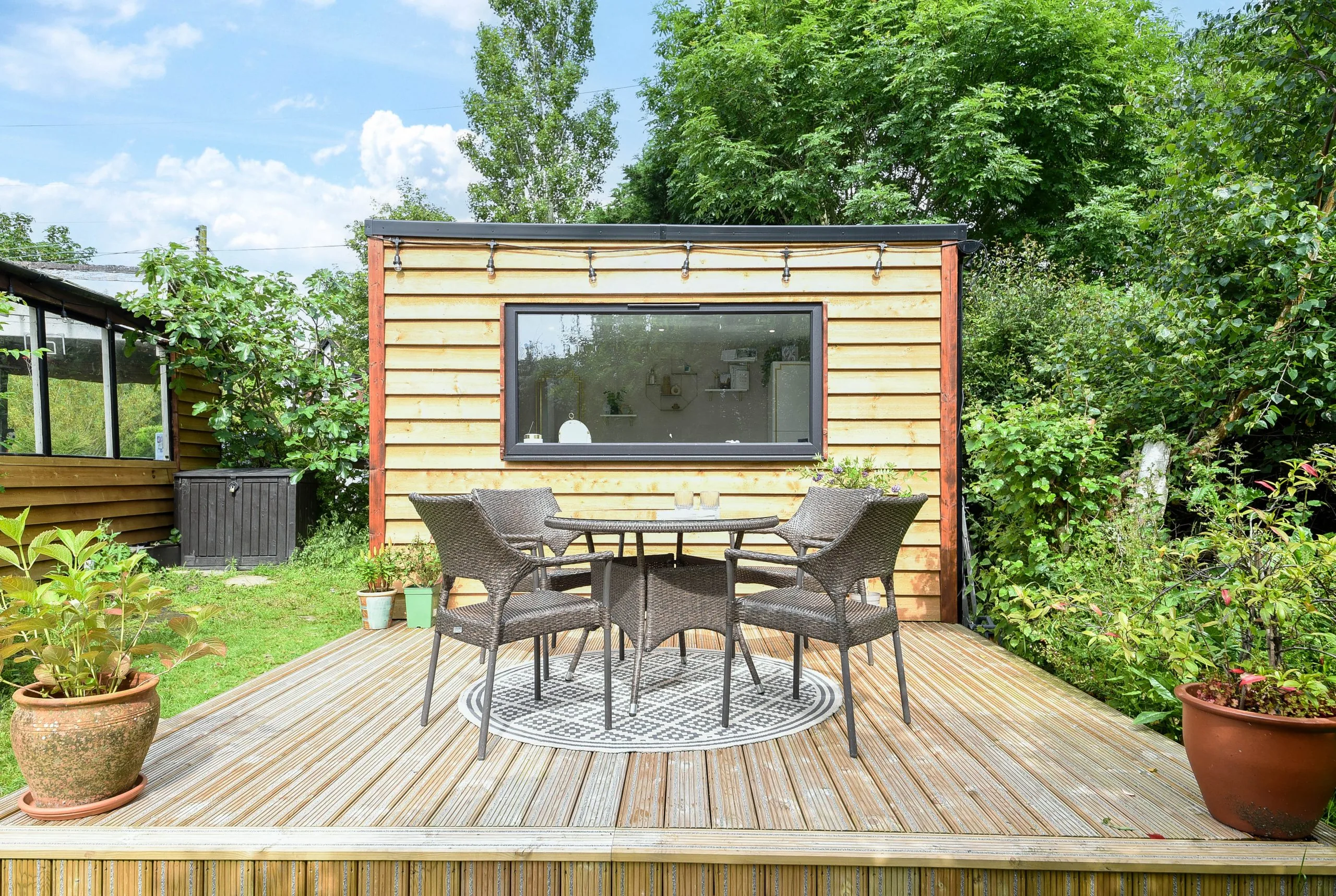
The outside of the building should complement both your garden and your brand. Clean architectural lines, refined cladding, carefully proportioned glazing and considered lighting can make the studio feel like a permanent, premium addition to the property.
For fashion work, a neutral interior often works best because it allows colours, fabrics and garments to be assessed accurately. Soft white, warm greys, pale timber and muted natural tones create a calm backdrop. Feature walls, timber textures or darker accents can add character without overwhelming the work.
A good lighting plan should combine ambient lighting, task lighting and fitting lighting. Bright, even light is useful for construction, while warmer, flattering light can help when presenting garments to clients. If photography is important, the room can be planned to accommodate backdrops, portable lights and clean shooting angles.
If customers will be changing in the studio, privacy should be built into the design from the start. This might involve window placement, blinds, obscured glazing, side screening, landscaping or a layout that keeps the fitting area away from direct sightlines.
Many garden rooms can be built under permitted development rights, but this depends on the size, height, location, proximity to boundaries, property type and intended use. A fashion studio used mainly by you as a home-based workspace may be straightforward in many situations, while regular client visits or a more commercial use may need closer consideration.
Important points to think about include:
Hawksbeck can talk through the practicalities with you at the design stage so the building is planned properly from the beginning.
Pricing depends on size, specification, ground conditions, glazing, finishes, electrics, heating, internal layout and any specialist requirements such as additional storage, upgraded lighting, enhanced insulation, plumbing or bespoke joinery. A fashion design studio is typically more involved than a simple garden office because the internal planning, lighting and storage matter so much.
As a broad guide, based on the type of premium garden rooms within the Hawksbeck range, you might expect:
| Studio type | Typical use | Indicative budget |
|---|---|---|
| Compact fashion workspace | Design desk, sewing area, storage and occasional fittings | Often from around £25,000–£40,000+ |
| Professional dressmaking studio | Cutting table, multiple machines, client fitting area and garment storage | Often around £40,000–£65,000+ |
| Larger luxury creative studio | Bridalwear, couture, small label operations, photography and extensive storage | Often £65,000–£90,000+ depending on specification |
These figures are only a starting point. Because every Hawksbeck garden building is bespoke, the final price can be lower or significantly higher depending on the design. A compact but highly specified studio with bespoke storage and premium glazing may cost more than a larger, simpler building. The most accurate way to budget is to discuss your intended use, essential equipment and preferred finish so the design can be shaped around your priorities.
Tell us how many machines you use, whether clients will visit and how much hanging space you need, and we can start shaping a design and budget around them.
Before planning the building, it helps to write down how you want the room to work on a normal day. This does not need to be technical; it simply gives the design team a clearer sense of your workflow.
Useful questions include:
The more specific the brief, the more useful the finished building becomes. A studio for alterations will not need exactly the same layout as one for bridalwear, and a designer running a label from home will have different priorities from a student developing a portfolio.
Renting a studio can work for some designers, but it often brings ongoing costs, travel time, shared facilities, limited access and restrictions on how the space can be altered. A garden studio gives you control. It can be open early in the morning, late at night, between school runs, before a client fitting or whenever inspiration appears.
Key advantages include:
For many fashion professionals, the appeal is not only having more space. It is having the right space: a room that supports concentration, craftsmanship, presentation and growth.
Your needs today may not be the same in five years. You may begin with alterations, then move into bridalwear. You may start with one machine and later add photography, stock storage or teaching. A well-planned garden room can be designed with future flexibility in mind, using adaptable zones, generous electrical provision and interior choices that do not lock the room into one narrow use.
If the time comes when you no longer need a fashion studio, the same high-quality building could potentially become a home office, art studio, wellness room, guest space, hobby room or teenage retreat. That flexibility is one of the strongest arguments for investing in a premium bespoke garden room rather than a temporary outbuilding.
Common questionsAs a broad guide, a compact fashion workspace often starts from around £25,000–£40,000+, a professional dressmaking studio sits around £40,000–£65,000+, and a larger luxury creative studio around £65,000–£90,000+. The final figure depends on the design and specification.
Many garden rooms can be built under permitted development rights, depending on size, height, position, property type and use. A studio used mainly by you may be straightforward, while regular client visits or a more commercial use may need closer consideration.
A fitting area can be planned in from the start, with a full-length mirror, flattering lighting, a small changing zone and rails. Privacy can be handled through window placement, blinds, obscured glazing or a layout that keeps the fitting area out of direct sightlines.
Many designers benefit from a central cutting table with space to walk around it on at least three sides, which makes measuring, pinning and laying out long garments much easier.
A dedicated fashion studio should feel practical, inspiring and unmistakably yours. It should keep tools close to hand, allow fabric to move freely, make fittings feel polished, and give you a place where creative work is not constantly packed away at the end of the day.
Whether you are designing made-to-measure garments, developing a fashion brand, creating costumes, offering alterations or building a private creative workspace, Hawksbeck can design and build a luxury garden room around the way you work.
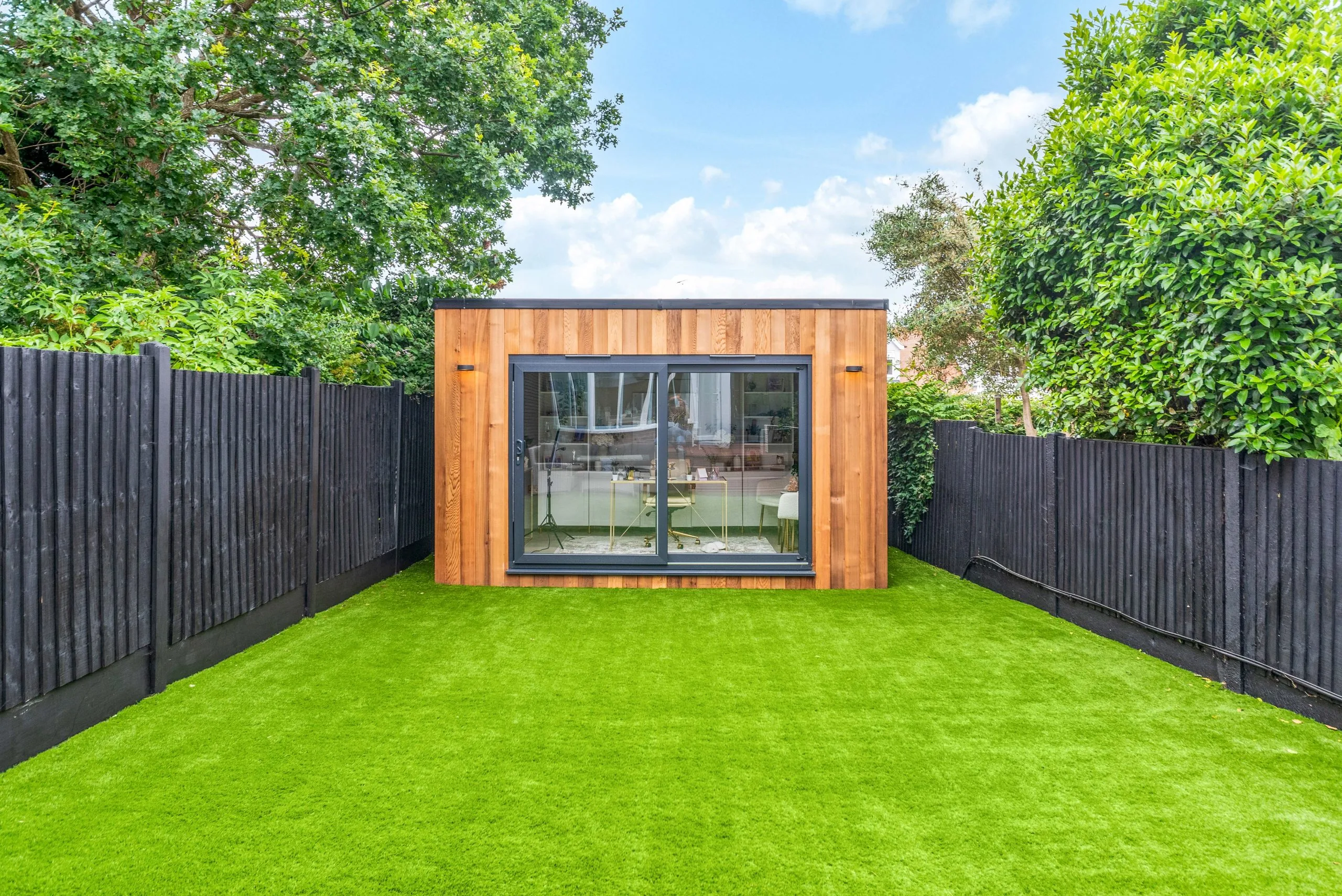
Share how your working day runs, from sketching to the final fitting, and we will help you plan a studio that never needs packing away.
Each of these studios shows the calm, well-finished kind of space that suits pattern cutting, sewing and receiving clients.
A beautifully considered creative garden studio showing how a bespoke room can provide a calm, inspiring and highly usable space for focused work away from the main house.
View project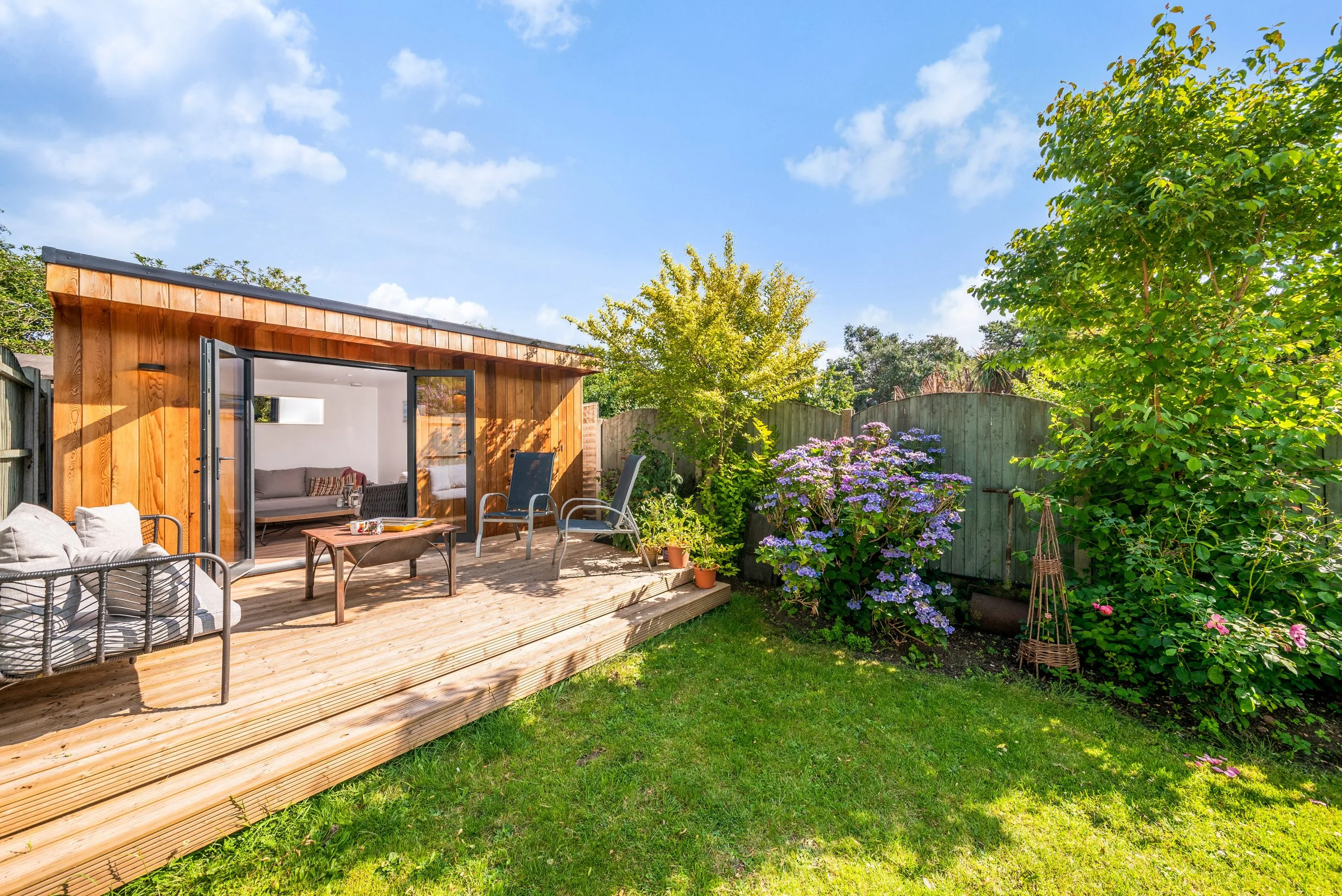
This premium garden studio demonstrates the level of finish, comfort and design quality that can elevate a client-facing creative workspace or private design room.
View project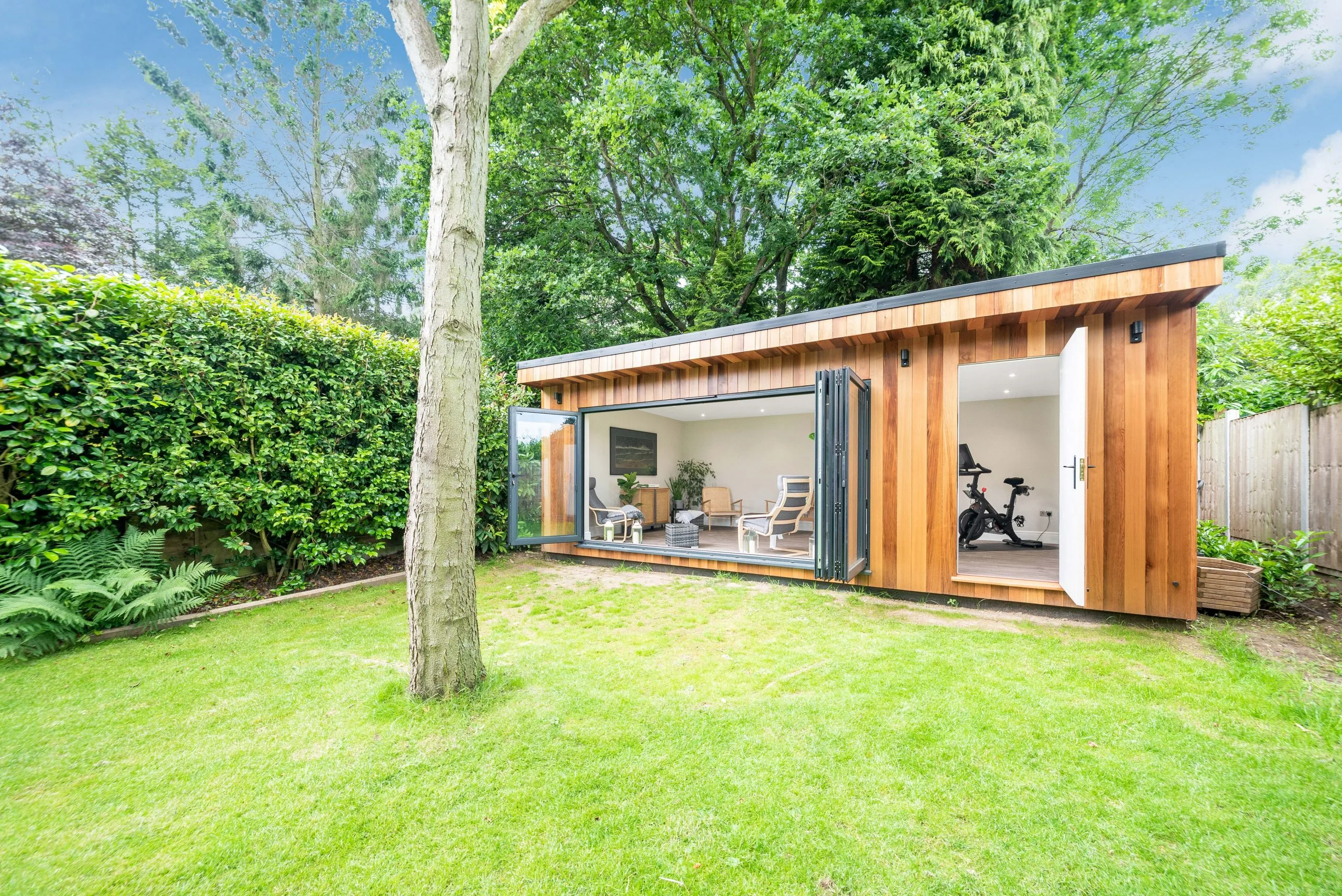
A tailored studio office project highlighting how a bespoke garden building can be planned for professional use, with a refined appearance and practical everyday layout.
View project