
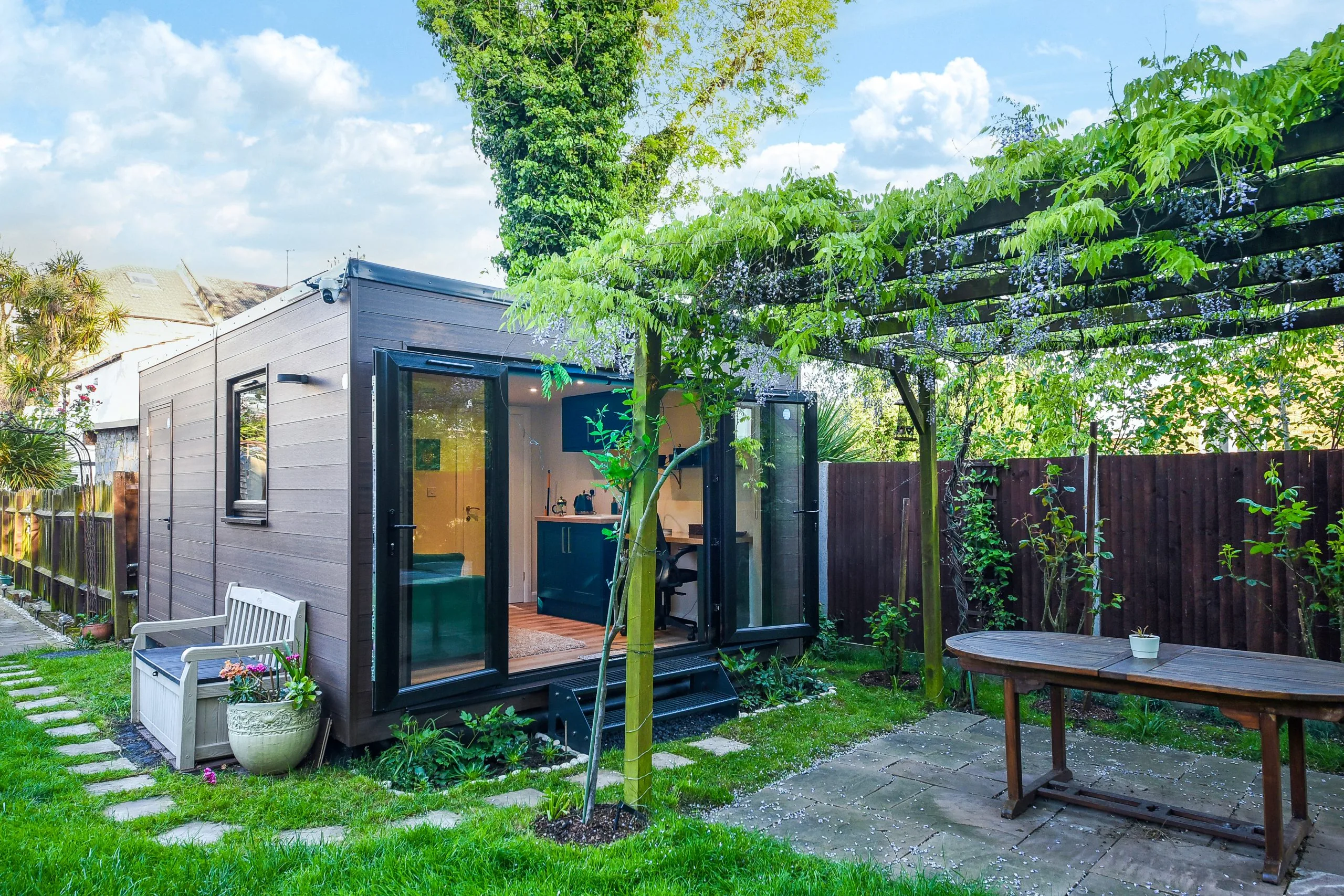
Garden Retreat in Loughton, Station Road
A refined bespoke garden retreat showing how a premium garden building can create a quiet, comfortable and beautifully finished escape at home.
View project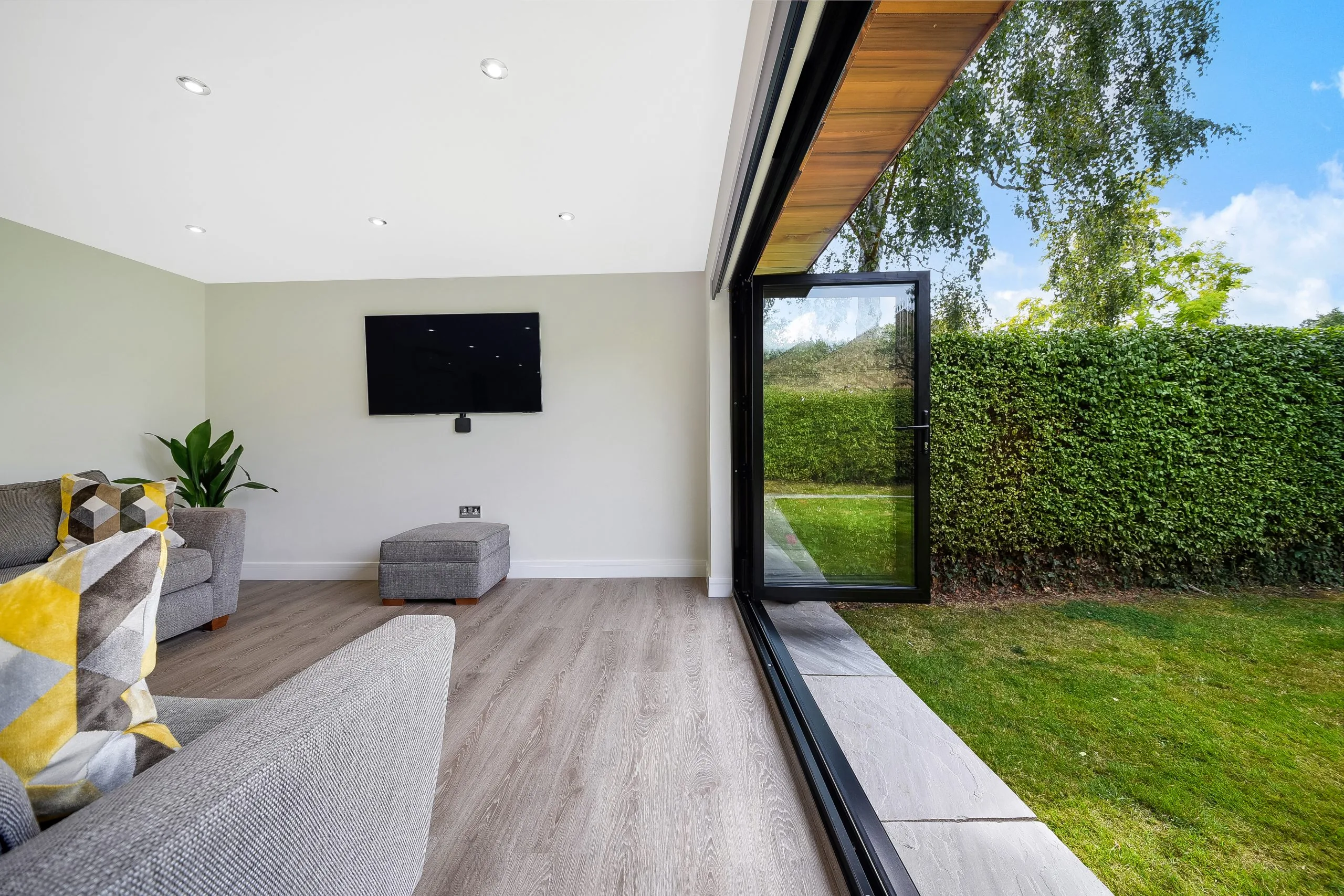
A garden retreat is the room that gives a home a little more breathing space. Not a spare room full of compromises, not a conservatory that is too hot in summer and too cold in winter, but a properly designed, beautifully finished building where the pace changes the moment you step inside.
For some people, that means a quiet reading room with a deep armchair, soft lighting and views across the planting. For others, it is a grown-up entertaining space, a creative studio, a place to practise music, enjoy hobbies, host friends or simply sit with a coffee away from the noise of the house. The real value of a bespoke garden retreat is that it does not need to be forced into one narrow use. It can be calm, sociable, practical and luxurious at the same time.
At Hawksbeck, a garden retreat is designed around how you want to feel in the space, as much as what you want to do in it. The proportions, glazing, interior finish, heating, lighting, storage and external detailing all work together to create a building that feels settled into the garden and comfortable all year round.
A standard garden room is often planned around function first: a desk, a gym, a sofa, a storage wall. A garden retreat needs a different kind of thinking. It still has to be practical, insulated, secure and durable, but the atmosphere matters just as much. It should feel inviting when the weather is grey, restful at the end of a long day and special enough to use often rather than occasionally.
The best garden retreat designs usually include a careful balance of:
High-quality insulation, heating, ventilation and glazing so the building can be used throughout the year.
Well-positioned doors, windows and rooflights where appropriate, designed to bring in natural light without glare or overheating.
Considered orientation, screening, landscaping and window placement so the room feels tucked away rather than exposed.
Space for reading, hobbies, relaxed work, yoga, drinks with friends or quiet family time.
Internal and external finishes that make the building feel premium, not temporary.
Decking, steps, paths and planting that make the journey to the retreat part of the experience.
If you are still exploring different possible uses, our wider garden room ideas guide is a useful place to compare options before settling on the right direction.
Four kinds of retreatA garden retreat can be wonderfully simple, but it should never feel under-thought. Before choosing finishes or deciding where the sofa will go, it helps to define the main mood and purpose of the space. Is it a peaceful hideaway, a luxurious lounge, a hobby room, a reading snug, a place for evening drinks, or a multi-use building that needs to shift between several roles?
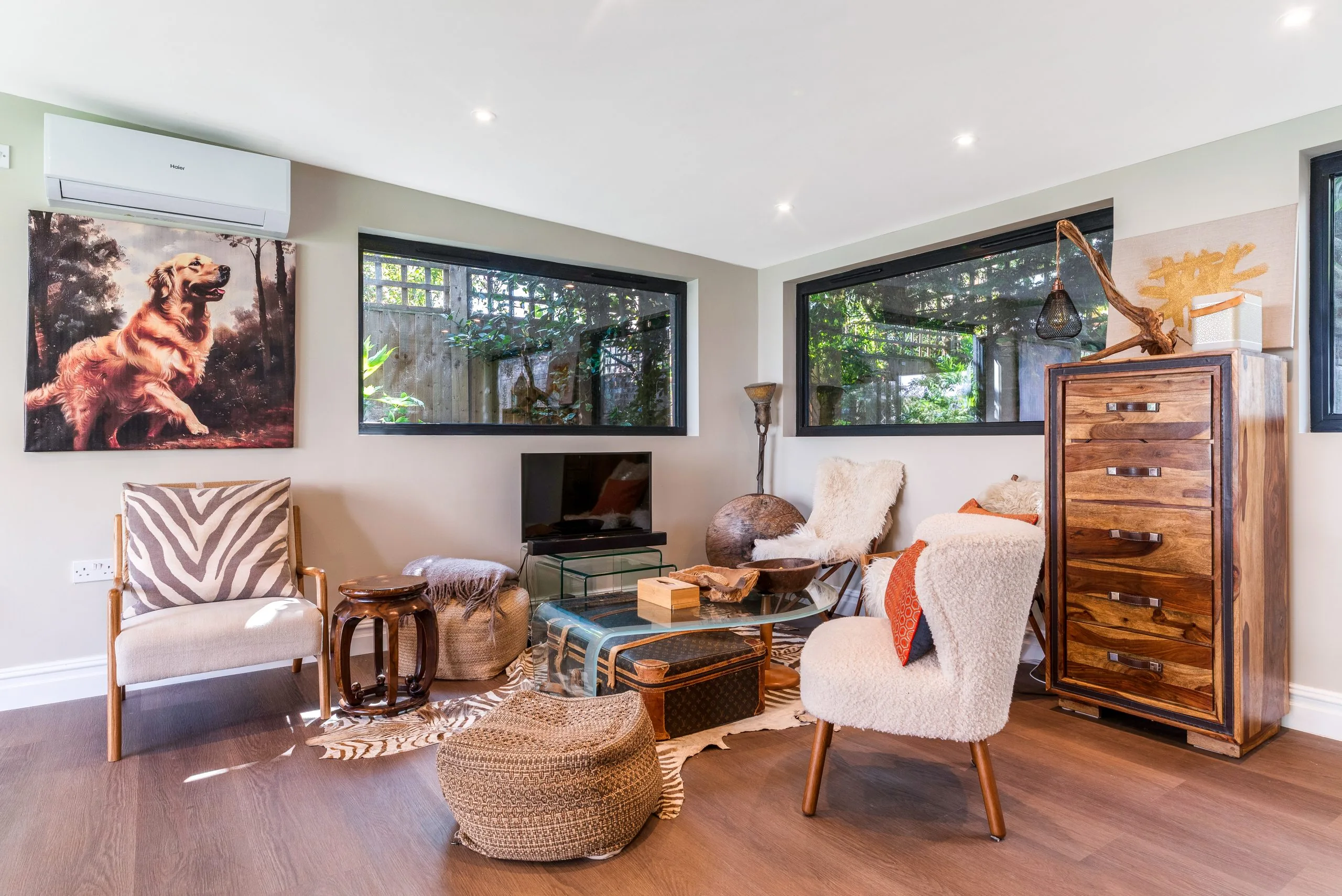
For a reading-focused garden retreat, comfort and light control are essential. Full-height glazing can create a beautiful view across the garden, but not every wall needs to be glass. A more enclosed corner can make space for bookshelves, artwork, wall lights and an armchair. Soft flooring, acoustic consideration and subtle heating help create a cocooned feeling, especially in winter.
Useful features for a reading retreat include:
When the garden retreat is designed for hosting, the layout becomes more social. Sliding or bifold doors can open the room to a terrace in good weather, while a compact bar, drinks fridge, media wall or comfortable lounge area can make it feel like a private members’ club at the end of the garden.
This type of retreat works particularly well when the building has enough width for a generous seating arrangement. You might include a sofa, armchairs, occasional tables, hidden speakers and adaptable lighting scenes: brighter for daytime use, softer for evening drinks.
For painting, model making, sewing, writing, music or other hobbies, a garden retreat needs to feel inspiring without becoming cluttered. The key is to build in the practical parts quietly. Storage can be designed into one wall, work surfaces can be positioned for the best natural light and sockets can be placed exactly where equipment will be used.
A bespoke design makes a particular difference here. Instead of adapting a generic garden room later, the building can be planned from the start around easels, instruments, sewing machines, craft tables, display walls, sink requirements or specialist storage.
Some retreats are not about doing more; they are about doing less.
A calm garden building can become a place for meditation, stretching, journaling, massage, quiet reflection or simply a screen-free hour. In these designs, the detailing should be subtle: soft lighting, uncluttered walls, a considered outlook, good ventilation and natural textures.
Large expanses of glass can be beautiful, but privacy needs to be thought through. Frosted side panels, planted screening, carefully angled windows or a more secluded garden position can help the room feel peaceful without shutting out the view.
The ideal size depends on the number of people using the retreat, the furniture you want inside and whether the room has one clear purpose or several. A small retreat can be very luxurious if it is planned well, while a larger building can allow for zones: a lounge area, a hobby corner, storage and perhaps a WC or kitchenette.
As a rough guide:
Ideal for reading, writing, one-to-one conversation, meditation or a single hobby setup.
Suitable for a sofa, armchair, shelving, media unit and flexible use by two to four people.
Better for entertaining, multiple zones, integrated storage, drinks facilities, a WC or a more substantial lounge layout.
It is worth thinking about furniture early. A room can look generous on a plan, but circulation space matters. Doors need to open comfortably, seating needs to face the right direction and the building should never feel like furniture has been squeezed in as an afterthought.
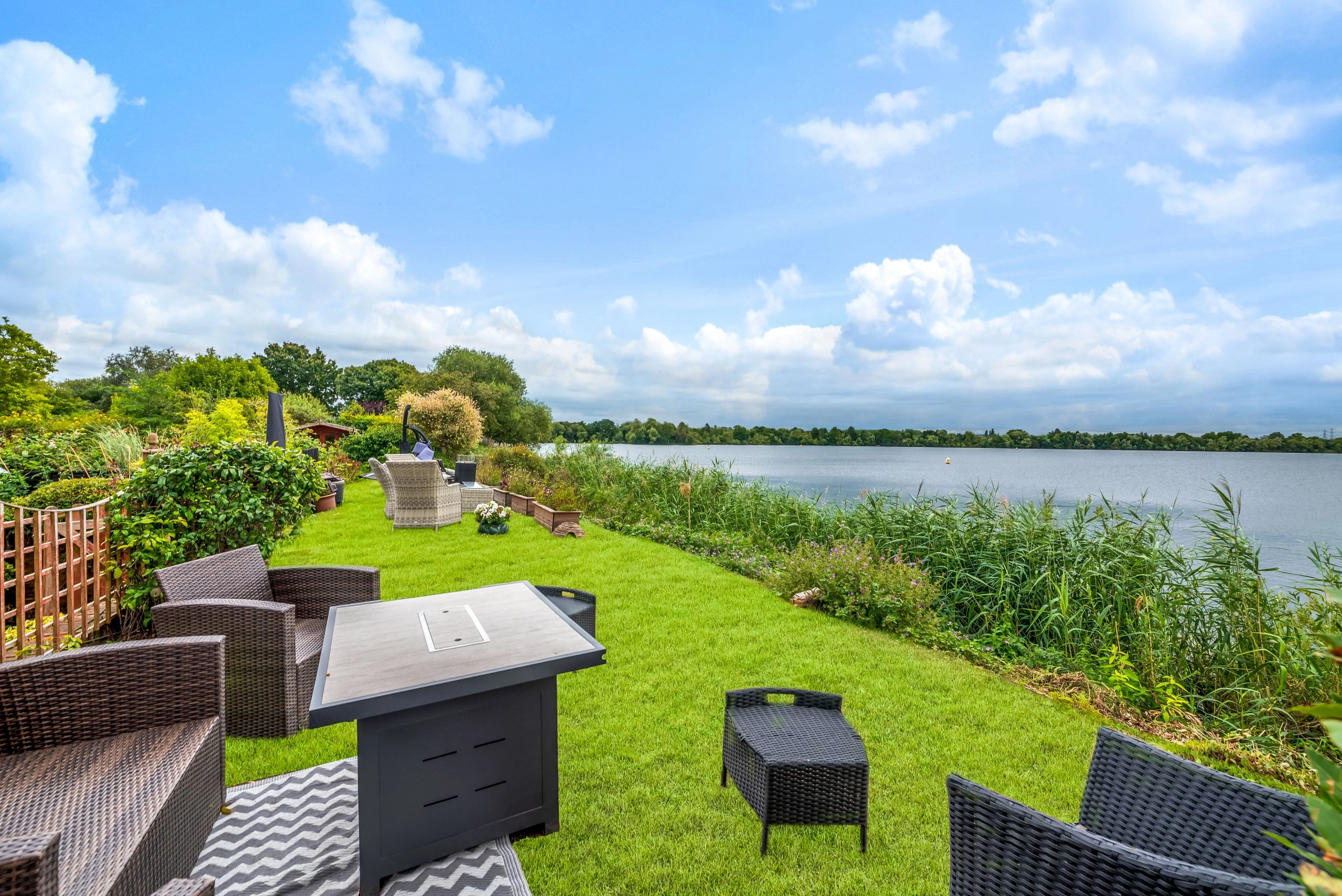
The position of the building has a major effect on how it feels. At the far end of the garden, a retreat can feel more private and separate from the house. Closer to the main property, it may be easier to use in the evening or throughout winter. The right answer depends on the shape of the garden, boundary conditions, sunlight, views, neighbouring properties and how much of a “journey” you want to create.
When planning the position, consider:
The difference between an ordinary garden building and a luxury garden retreat is often found in the details you notice after using it for a few weeks. Does the lighting feel right at night? Is there a place to put coats, books, blankets or drinks? Do the doors open naturally onto the right part of the garden? Are sockets hidden where possible but available where needed?
High-end retreat interiors often include:
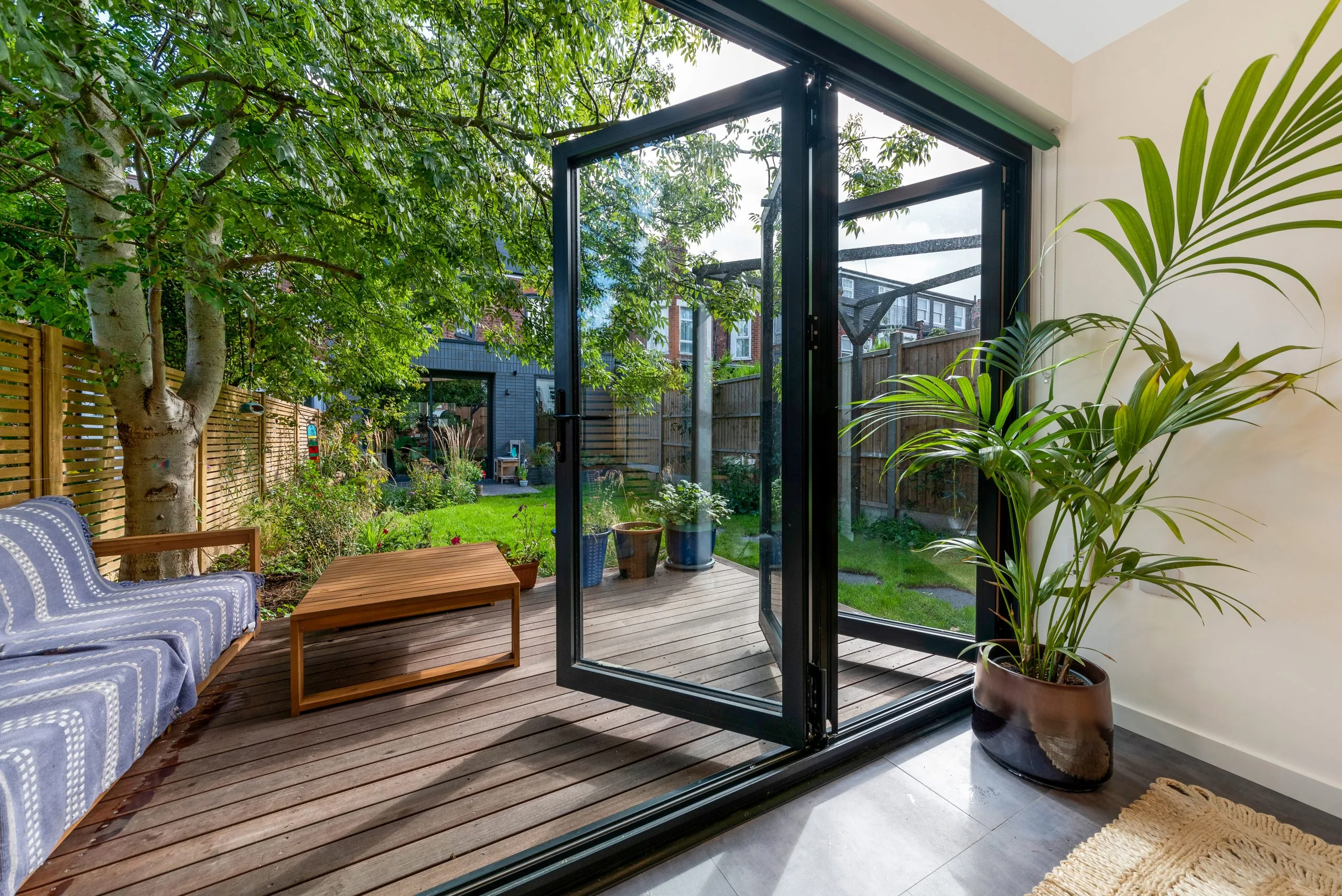
A garden retreat should not be a summer-only room. If it is going to become part of your lifestyle, it needs to feel comfortable in January as well as July. That means proper insulation, quality glazing, draught reduction, a robust construction system and heating that suits the size and use of the room.
For many garden retreats, electric heating, underfloor heating or efficient climate control options can work well. The right solution depends on the building size, glazing specification, intended use and how often the room will be occupied. Ventilation should also be considered, particularly if the retreat will be used for entertaining, exercise, crafting or long reading sessions with the doors closed.
Because Hawksbeck garden buildings are bespoke, these comfort details can be planned into the original design rather than treated as later additions.
Many garden rooms can be created under permitted development rights, but this is not something to assume. Height, position, total garden coverage, intended use, proximity to boundaries and whether the property is listed or in a designated area can all affect what is possible.
A peaceful retreat used for leisure is often more straightforward than a self-contained living accommodation project, but features such as plumbing, sleeping use, large scale, boundary height or unusual site conditions may need additional consideration. The safest approach is to review the site properly before finalising the design.
For more substantial garden retreats, or buildings with WCs, kitchenettes or more complex services, building regulations may also need to be considered. A premium garden building should not only look good; it should be properly specified, safe and durable.
A garden retreat may start as a quiet escape, but the beauty of a bespoke building is that it can support many uses over time. A reading room today might become a creative studio, a teenage hangout, an occasional work room or a relaxed entertaining space in the future. This video shows the breadth of possibilities and the quality of finish that can be achieved.
The cost of a garden retreat depends on size, specification, access, groundwork, glazing, internal finish, electrical requirements, heating, plumbing and any bespoke joinery or luxury detailing. A simple but high-quality retreat will naturally cost less than a larger entertainment-style building with a WC, kitchenette, premium glazing package and extensive landscaping integration.
As a broad guide, many premium Hawksbeck garden room projects are likely to sit in the following ranges:
These figures are only indicative. Because each Hawksbeck building is designed around the property, the client and the intended use, the final price can vary significantly. The most accurate way to understand cost is to look at the size of retreat you want, the finish level you expect and the practical requirements of your site.
A useful way to think about budget is to separate the project into three parts: the building itself, the comfort and service specification, and the finishing details that make it feel personal. If you value the retreat as a long-term extension of your home rather than a temporary garden structure, investing in quality at the design stage usually pays back every time the room is used.
Our brochure shows the cladding, glazing and interior finishes that set the mood of a retreat, so you can decide how secluded yours should feel before talking budgets.
There is no single perfect layout for a retreat, but some arrangements work especially well. The right option depends on whether you want openness, cosiness, flexibility or a more defined set of zones.
This layout places comfort at the centre. A sofa, armchairs, media wall and soft lighting create a calm garden living room. It is ideal for evening use, reading, conversation and weekend relaxation. Storage can be built into the media wall or placed along a side wall to keep the room uncluttered.
Here, the seating is oriented towards the garden rather than a screen. Large doors or carefully positioned windows frame the outlook, while the interior remains simple and restful. This works beautifully where the garden has mature planting, open lawn, water features or a private corner worth looking at.
A split-purpose design might include a reading area at one end and a hobby desk at the other, or a lounge zone with concealed storage for craft materials, yoga mats or occasional work equipment. This is one of the most practical options for families because the room can adapt throughout the week.
A larger building can be designed with lounge seating, a drinks area, integrated fridge, sound system and doors that open onto a terrace. This creates a destination within the garden: somewhere to welcome guests without everyone gathering in the kitchen.
For clients who want privacy above all else, the retreat can be nestled into planting, angled away from the house or given a more enclosed elevation. Smaller windows, warmer internal finishes and careful external lighting can create a secluded, boutique feel.
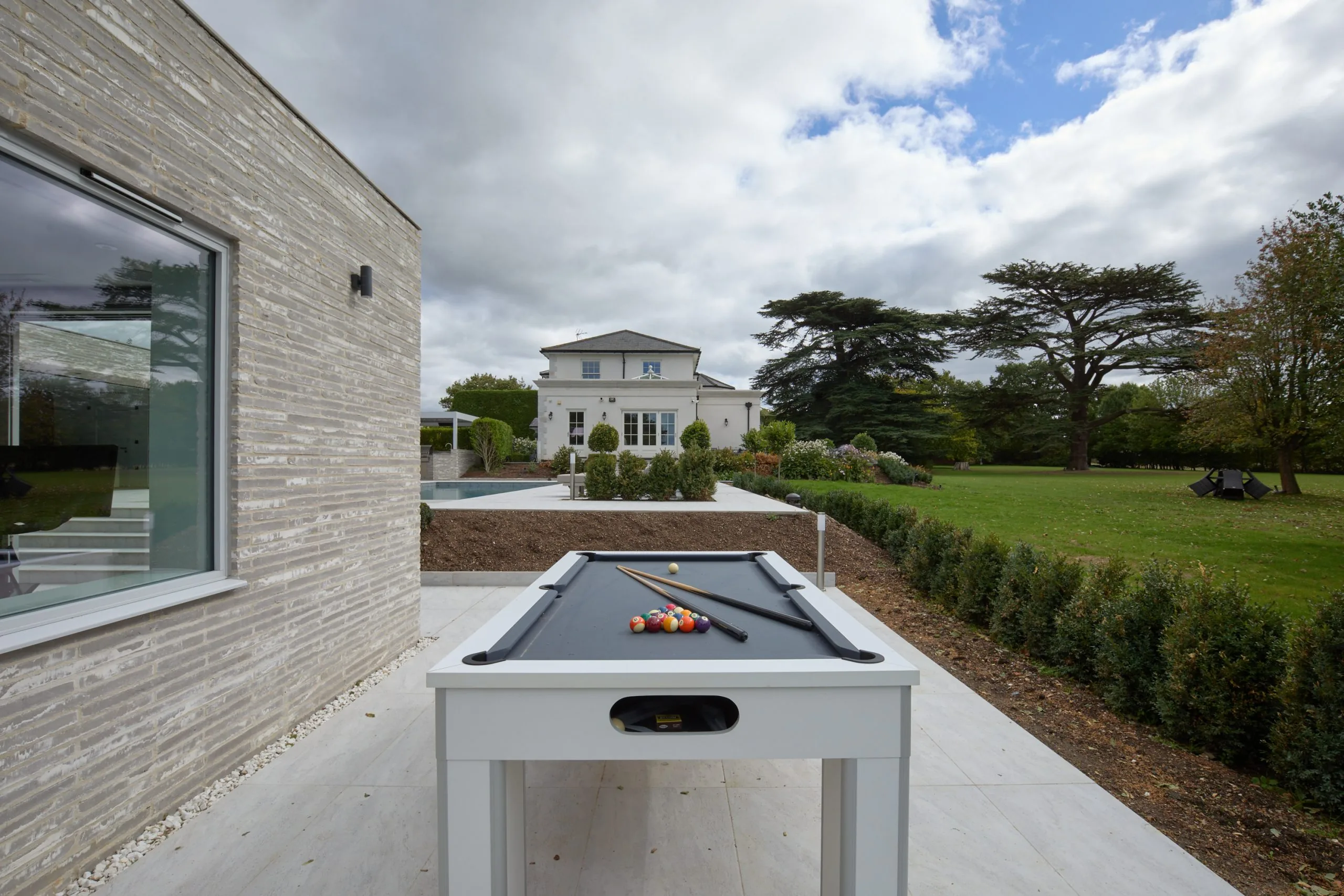
The outside of a garden retreat should feel as considered as the inside. Cladding, rooflines, fascia details, door systems and external lighting all affect how the building sits within the garden. A contemporary black or dark-toned exterior can look crisp and architectural, while warmer timber tones may help the building feel softer and more natural.
Landscaping is equally important. A retreat feels more established when it is approached by a well-designed path, framed with planting or connected to a patio, deck or terrace. Even a short walk from the house can become part of the appeal if the route is lit and landscaped properly.
Good integration can include:
A retreat should feel effortless to use. That means the unglamorous details need to be designed properly: enough sockets, reliable internet, lighting in the right places, heating controls that make sense and storage for the things you do not want on show.
Depending on the brief, a luxury garden retreat might include:
The most successful technology is often the least visible. Cables, controls and equipment should be planned so the retreat keeps its calm, polished feel.
For many homes, a garden retreat solves a problem that cannot be fixed by rearranging furniture indoors. It creates a separate space without the disruption of a traditional extension, gives underused garden areas a purpose and adds a sense of luxury to daily life.
The value is not only financial. A well-designed retreat can change how a family uses the home: a quiet place to reset after work, a comfortable space for Sunday reading, a warm room for winter hobbies, or a private lounge for entertaining friends. When the building is bespoke, it can also evolve with you over time.
As with any premium home improvement, the quality of the design and construction matters. A low-cost structure may look appealing initially, but if it is uncomfortable, poorly insulated or not designed around real use, it can quickly become an occasional room rather than a loved one. A Hawksbeck garden retreat is intended to feel like a true part of the property: permanent, refined and personal.
If you are considering a garden retreat, start by imagining a normal week rather than a perfect summer afternoon. When would you use it? Who would be there? Would you want it to feel bright and open, warm and enclosed, social or silent? What would make you walk down the garden to use it even when the weather is cold?
Those answers shape the building. The best garden retreats are not simply beautiful from the outside; they are easy to live with, comfortable to spend time in and tailored to the small details of your lifestyle.
Hawksbeck can design and create a bespoke garden retreat for quiet time, reading, hobbies, relaxed entertaining or a combination of uses. From the initial concept through to the premium finish, the focus is on creating a building that looks exceptional, performs properly and feels made for you.
Share when you would slip away to the retreat, who would join you and what would draw you down the garden in February. Those answers are where our design work begins.
Yes, if it is built for it. Proper insulation, quality glazing, draught reduction and heating matched to the size and use of the room are what keep a retreat comfortable in January as well as July.
It depends on how many people will use it, the furniture you want inside and whether it has one purpose or several. A compact retreat suits reading, meditation or a single hobby, while a larger building can hold zones for entertaining, storage, drinks or a WC.
Many garden rooms fall under permitted development, but height, position, garden coverage, use, boundaries and listed or designated status all affect this. Plumbing, sleeping use or a large building may need additional consideration, so the site should be reviewed before the design is finalised.
As a broad guide, smaller luxury retreats often start from the low-to-mid £30,000s, medium retreats commonly sit around £40,000–£60,000 and larger multi-use retreats around £60,000–£90,000+. Highly bespoke buildings can exceed £100,000.
Explore real Hawksbeck garden retreat projects to see how different briefs, gardens and finishes can lead to distinctive, highly personal spaces.
A refined bespoke garden retreat showing how a premium garden building can create a quiet, comfortable and beautifully finished escape at home.
View project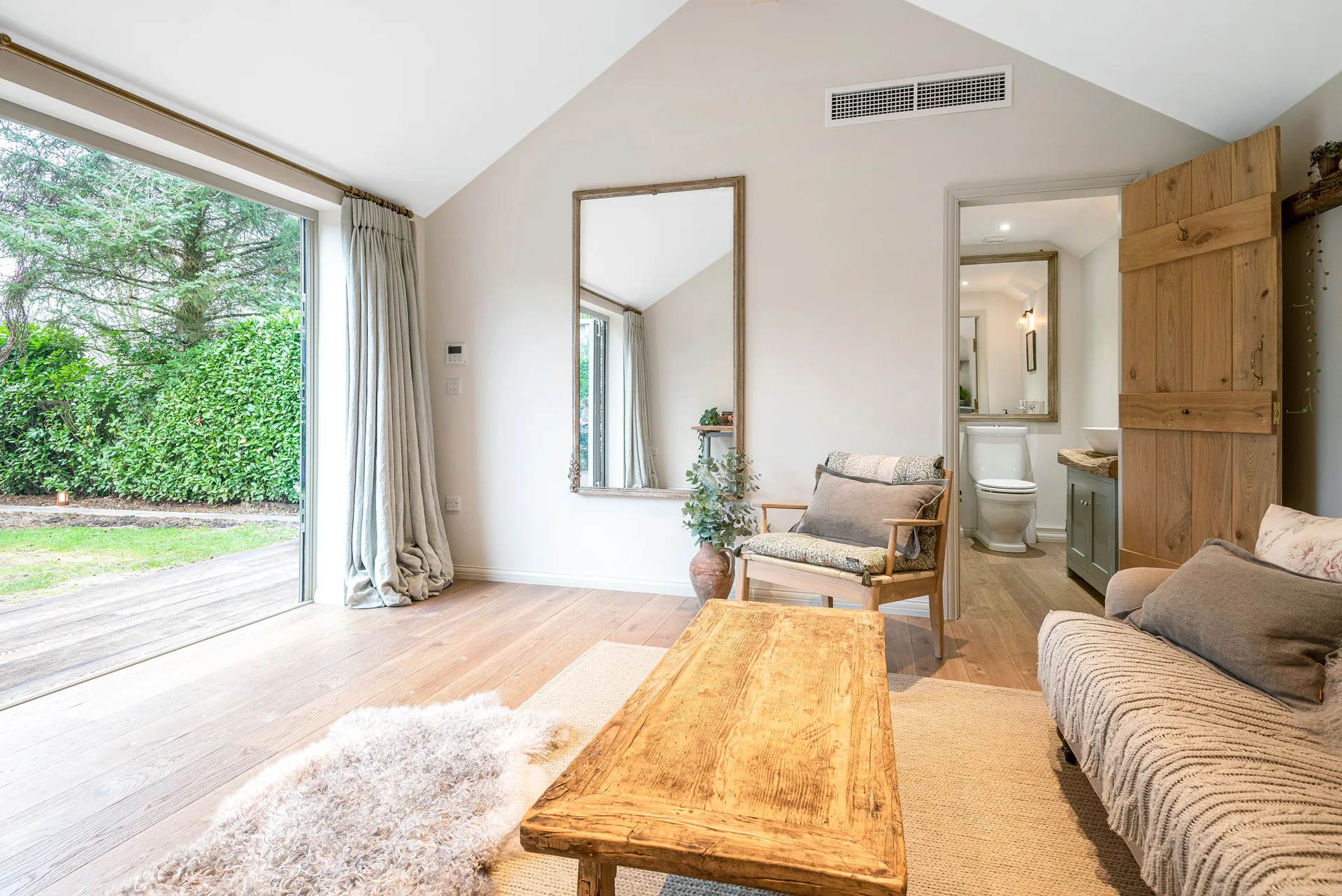
This retreat demonstrates the versatility of a bespoke garden room, designed to provide a calm and practical space away from the main house.
View project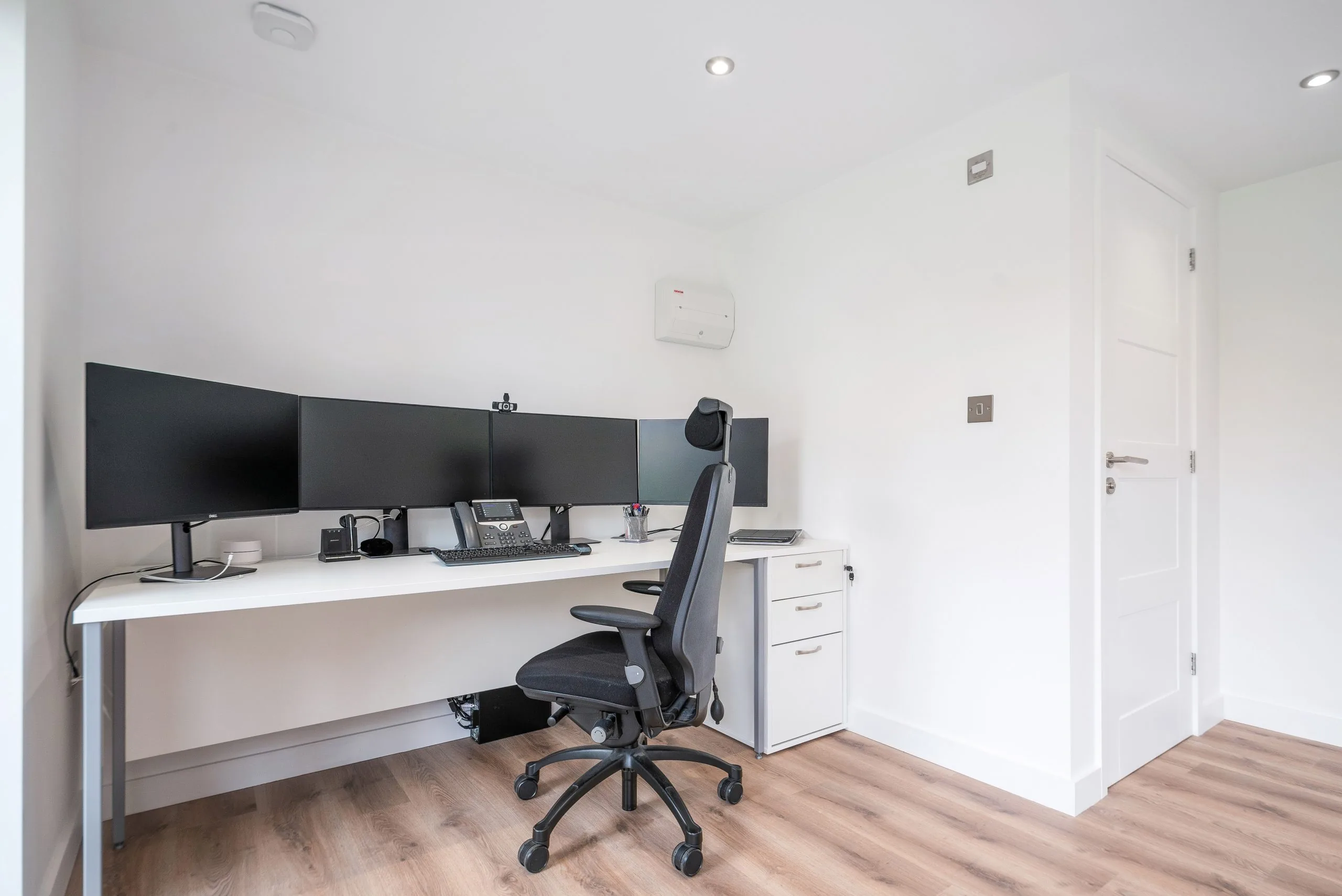
A London garden retreat highlighting how thoughtful design, quality materials and a tailored layout can create a private luxury space in the garden.
View project