
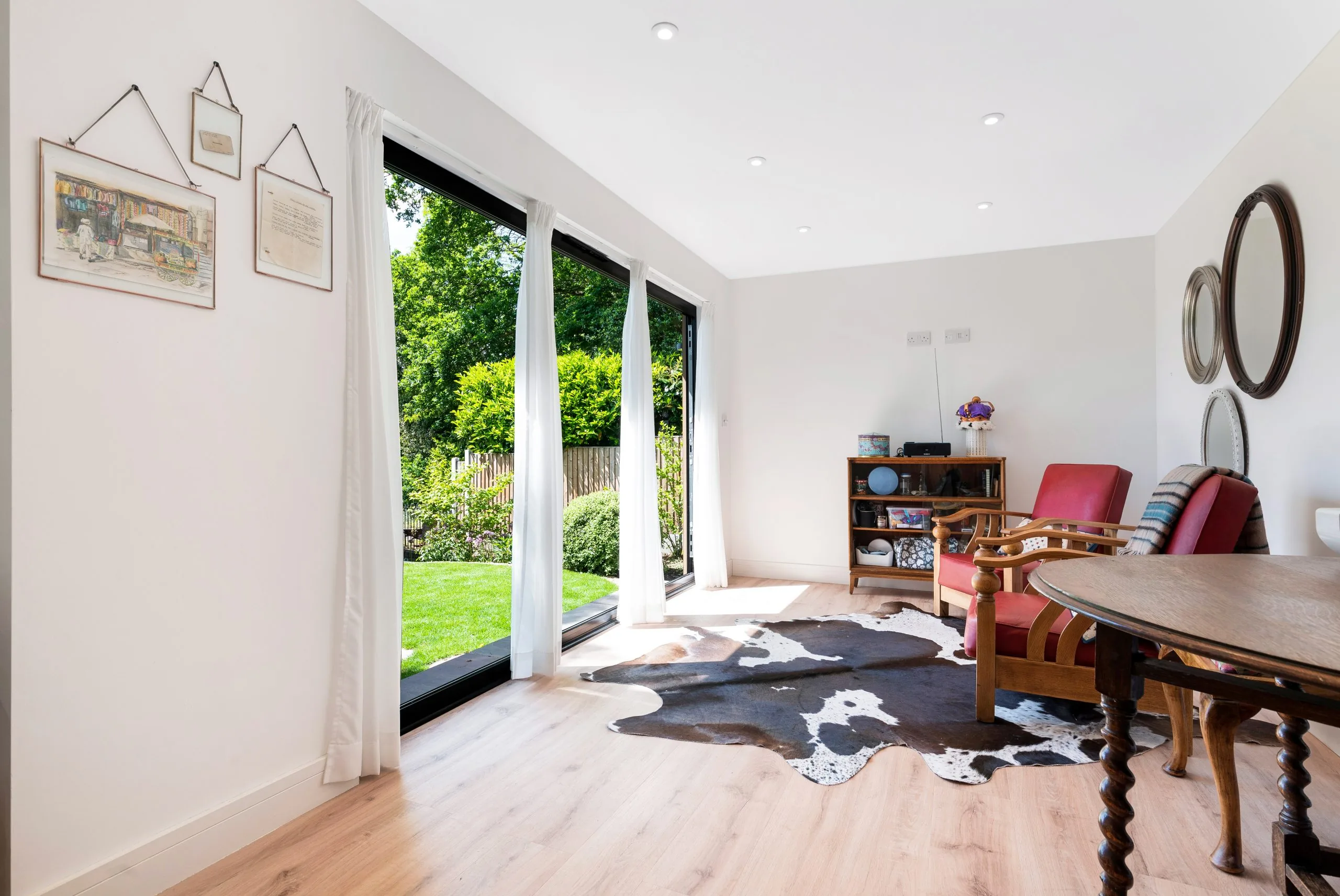
Hobby Garden Room Studio, Brentwood
A dedicated garden studio designed to support creativity and personal interests, giving the homeowner a comfortable, separate space for hobbies away from the main house.
View project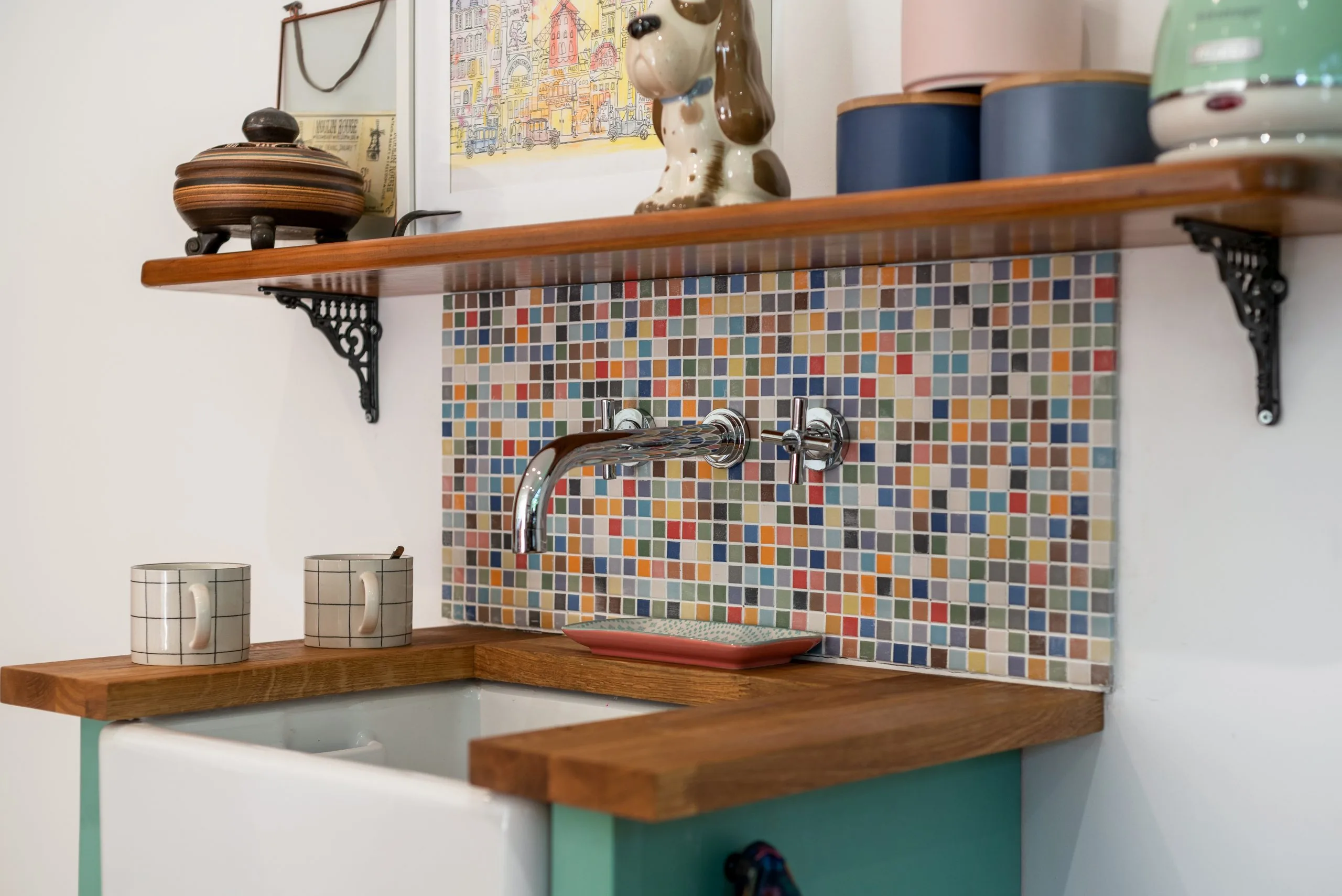 Bespoke garden hobby room
If your hobby has slowly taken over the dining table, spare bedroom, garage, loft or kitchen worktop, a dedicated garden hobby room can change the way you enjoy it.
The best hobby spaces are not simply “extra rooms” outside the house; they are calm, practical, carefully planned buildings where tools can stay out, projects can be left mid-flow, collections can be displayed properly and equipment has a permanent home.
For some people, that means a bright art studio with north-facing light and deep storage. For others, it may be a model-making room, sewing studio, pottery space, music room, photography editing suite, games room, treatment space, Lego room, fly-tying room, collector’s display room or somewhere to restore, repair, build and create without packing everything away at the end of the day.
A Hawksbeck garden room is particularly well suited to hobby use because every building is designed around the way you want to use it. The room can be quiet and private, open and sociable, full of storage, heavily powered for equipment, split into zones, or finished as a luxury studio that feels every bit as considered as a room inside your home.
Hobbies often need space, time and consistency. The challenge inside the house is that most rooms have to work hard for family life, entertaining, storage or day-to-day routines. A hobby room in the garden gives your interest a defined place of its own, so you can use it more often and enjoy it without compromise.
One of the biggest benefits is being able to leave projects in progress. A painting can remain on the easel. Fabric can stay laid out on the cutting table. Model railway sections, tools, cameras, keyboards, fitness equipment, musical instruments or craft supplies do not need to be packed away every evening. That alone can make a hobby feel easier to start and far more enjoyable to return to.
It also helps keep the main house calmer. Equipment, collections, materials and specialist tools can be stored properly in one purpose-built room rather than spread across cupboards, spare rooms and garages. If your hobby is noisy, dusty, delicate, messy or simply space-hungry, a garden building can be designed to manage those requirements from the outset.
The beauty of a bespoke garden room is that it does not need to fit one narrow category. It can be designed for one specialist hobby, or it can be planned as a flexible creative space that changes with you over time. If you are still comparing possible uses, our main garden room ideas guide is a helpful place to explore the wider possibilities.
Artists often need generous natural light, wall space, strong task lighting, practical flooring and enough room to step back from the work. A garden art studio can include carefully positioned glazing, rooflights where appropriate, wipe-clean surfaces, storage for canvases and materials, and a calm interior that supports focus. If paint, solvents or specialist materials are involved, ventilation can be planned properly rather than added as an afterthought.
A sewing or craft room benefits from long work surfaces, adjustable lighting, deep drawers, shelving for fabric, thread storage, plug sockets exactly where machines will sit and space to cut, pin and assemble without clearing everything away. Built-in cabinetry can be designed to your supplies, while the room itself can feel tidy and inspiring rather than cluttered.
Model railways, scale modelling, Warhammer, Lego, miniatures, restoration and collecting all need organised storage and a room that protects delicate pieces. A bespoke garden hobby room can be planned with display shelving, dust-conscious storage, stable year-round temperatures, work benches, magnification lighting, small parts drawers and lockable areas for valuable collections.
If your hobby involves music, the specification matters. A garden music room may need acoustic treatment, enhanced insulation, reinforced walls for equipment, dedicated circuits, instrument storage, controlled humidity and a layout that works for practice, recording or relaxed playing. It can also be designed as a quiet listening room with comfortable seating, ambient lighting and a premium finish.
Photographers and digital creatives often need a darker, screen-friendly space with excellent electrical planning, data points, controlled lighting and secure storage for cameras, lenses, drones or computers. The room can include a small shooting area, desk zone, charging station, editing suite and equipment wall, all in one private studio away from household distractions.
Some hobbies need a little more technical thought. Pottery, ceramics, glasswork, floristry, printmaking and restoration may need robust flooring, utility-style finishes, water access, extraction, wipeable walls, durable worktops and possibly an external covered area. Because Hawksbeck garden buildings are bespoke, those practical details can be discussed early and integrated into the design.
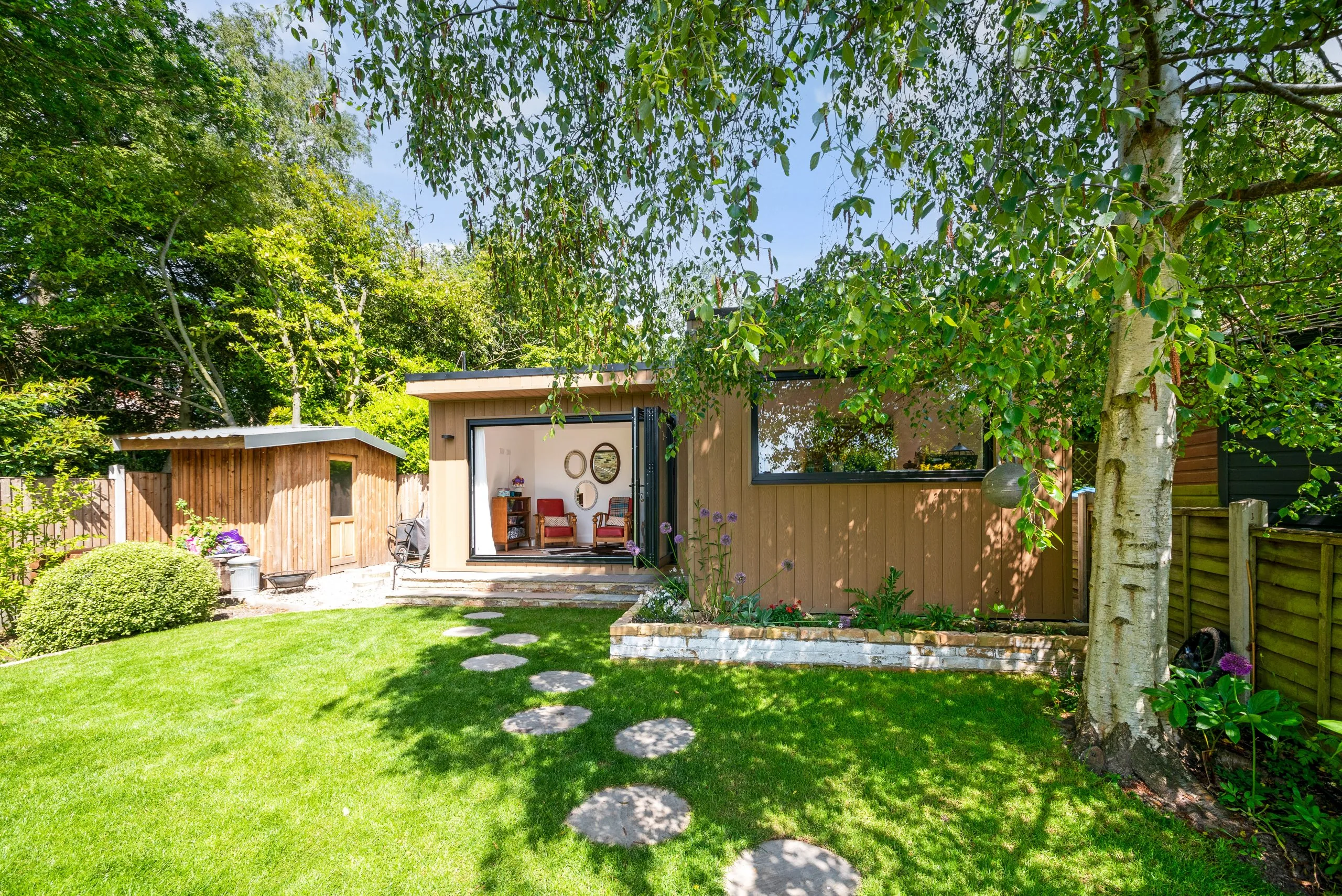
The layout is where a hobby room becomes genuinely useful. A beautiful building is important, but the internal arrangement determines whether the space supports your hobby day after day. Before choosing a size, it helps to think through how you actually move, work and store things.
This is the area where your hobby happens. It might be a central table, an easel position, a sewing station, a workbench, a desk, a gaming table, a model railway layout or a music setup. It should have comfortable circulation around it, enough sockets nearby and the right relationship to natural light.
Generic cupboards rarely solve specialist hobby storage. Small drawers may be better for tools and parts. Tall vertical storage may suit canvases, boards or rolls of fabric. Deep cupboards may be ideal for cases, tripods, machines or seasonal equipment. Display shelving can turn collections into a feature rather than a clutter problem.
If your hobby includes both clean desk work and messy making, separating those areas is useful. A ceramics room, for example, may need a durable practical side and a cleaner display or admin area. A creative studio may need a making bench at one end and a quiet sitting or planning corner at the other.
Your hobby may evolve. A room designed today for craft might become a painting studio, writing room, collector’s space or peaceful retreat in a few years. Movable furniture, flexible power positions and a simple, well-planned interior can keep the building valuable long term.
Tell us what you make, collect or play and we will help you work out the storage, power and light the room should be built around.
A premium hobby room should feel comfortable enough to use in every season and practical enough to support real activity. The specification should be guided by what you do in the space, not by a fixed template.
A proper hobby room is not a summerhouse. You should be able to use it on a cold January morning, during a wet autumn afternoon or on a warm summer evening. High-quality insulation, good glazing, heating options and appropriate ventilation all help keep the room comfortable and protect equipment, materials and collections from extreme temperature changes.
Lighting can make or break a hobby room. Artists may want soft, even light. Crafters often need bright task lighting. Digital users may prefer controlled glare. Collectors may want display lighting. Musicians may want warm, atmospheric light. A combination of glazing, ceiling lights, wall lights, task lights and feature lighting can be planned to suit the room’s purpose.
Many hobbies need more sockets than expected. Sewing machines, kilns, amplifiers, computers, chargers, soldering stations, lamps, speakers, printers, extractors, mini fridges and heating can all add demand. A bespoke design allows electrical points to be positioned around the actual equipment rather than hidden behind furniture or stretched across the room with extension leads.
A hobby room floor should be chosen for the activity. Creative spaces may need practical, easy-clean finishes. A music room may suit a warmer, softer feel. A collector’s room may focus on a refined interior finish. A gym-hobby hybrid might need a more robust surface. The right floor makes the room easier to maintain and more enjoyable to use.
Fresh air is important in any garden room, but especially where paint, glue, dust, textiles, instruments, computers or specialist materials are involved. Opening windows and doors may be enough for some hobbies, while others may benefit from more deliberate ventilation or extraction. This should be considered during the design stage.
Many hobbies involve expensive equipment, from cameras and tools to instruments, machines and collections. A well-built garden room with quality doors, glazing and secure detailing gives peace of mind. Internal storage can also be designed to keep valuable items discreet and protected.
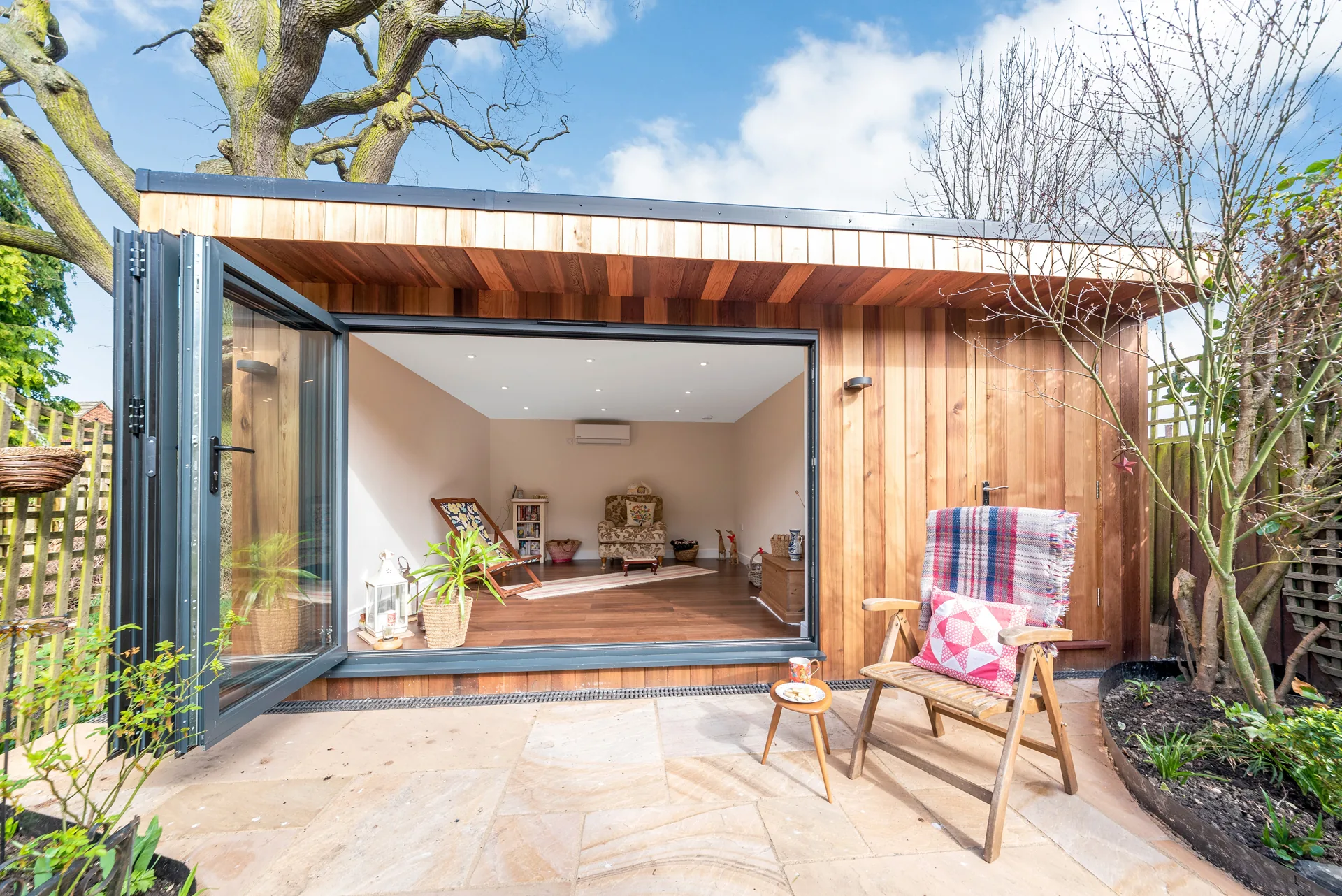
A hobby room may have one clear purpose now, but a well-designed garden building can support many different uses over its lifetime. This video shows the quality, versatility and potential of a Hawksbeck garden room as a space for work, leisure, creativity and everyday living.
The cost of a garden hobby room depends on size, specification, access, foundations, glazing, electrics, heating, internal finishes, storage, plumbing, acoustic requirements and any specialist features. Because Hawksbeck buildings are bespoke and premium in quality, the most accurate way to price your room is to discuss your intended use and the level of finish you want.
As a helpful guide, a compact, high-quality insulated garden hobby room may typically sit from the lower end of the Hawksbeck garden room range, while a larger or more highly specified hobby studio will naturally increase in price. For many hobby room projects, a realistic starting guide is often in the region of the mid £20,000s to £40,000s for a smaller premium building, with larger bespoke studios, integrated storage, enhanced glazing, luxury interiors, plumbing or specialist features commonly moving into the £45,000 to £80,000+ range.
Those figures are only a guide. A simple creative room with power, heating and a refined interior will price very differently from a large multi-zone studio with built-in cabinetry, water, acoustic treatment, external landscaping considerations and premium finishes throughout. The advantage of a bespoke approach is that the investment can be focused where it matters most to your hobby.
Many garden rooms can be built under permitted development, provided they meet the relevant rules on height, position, use and overall footprint. However, larger buildings, certain locations, listed properties, conservation areas or rooms intended for certain types of regular business use may need closer consideration.
A hobby room is often straightforward from a planning perspective when it is ancillary to the main home, but it is still important to check the details before work begins. Hawksbeck can discuss the intended use, the proposed size and the position in the garden so that the correct route is considered from the start.
Who is it for?If you build, repair, restore or create regularly, the room should be robust and efficient. Consider heavy-duty worktops, durable flooring, strong lighting, tool walls, deep storage and excellent extraction or ventilation where required. A sink or utility zone may also be valuable for certain creative or practical hobbies.
A collector’s room is about protection, display and atmosphere. Stable temperatures, low-clutter storage, lockable units, display lighting and careful glazing choices can help protect and show off collections beautifully. Whether it is books, vinyl, memorabilia, models, artwork, sneakers, watches or antiques, the room can be tailored to the collection rather than adapted afterwards.
Some hobby rooms become semi-professional studios. If you sell artwork, teach classes, record content, meet occasional clients or create products, the space needs to feel polished as well as practical. A premium exterior, welcoming entrance, smart interior, kitchenette or WC options and good lighting can help the building support both creativity and presentation.
A family hobby room can be designed with zones for different ages and interests. One end may be for crafts and games, while another is for reading, gaming or music. Built-in storage makes it easier to reset the room after use, while durable finishes help it cope with everyday family activity.
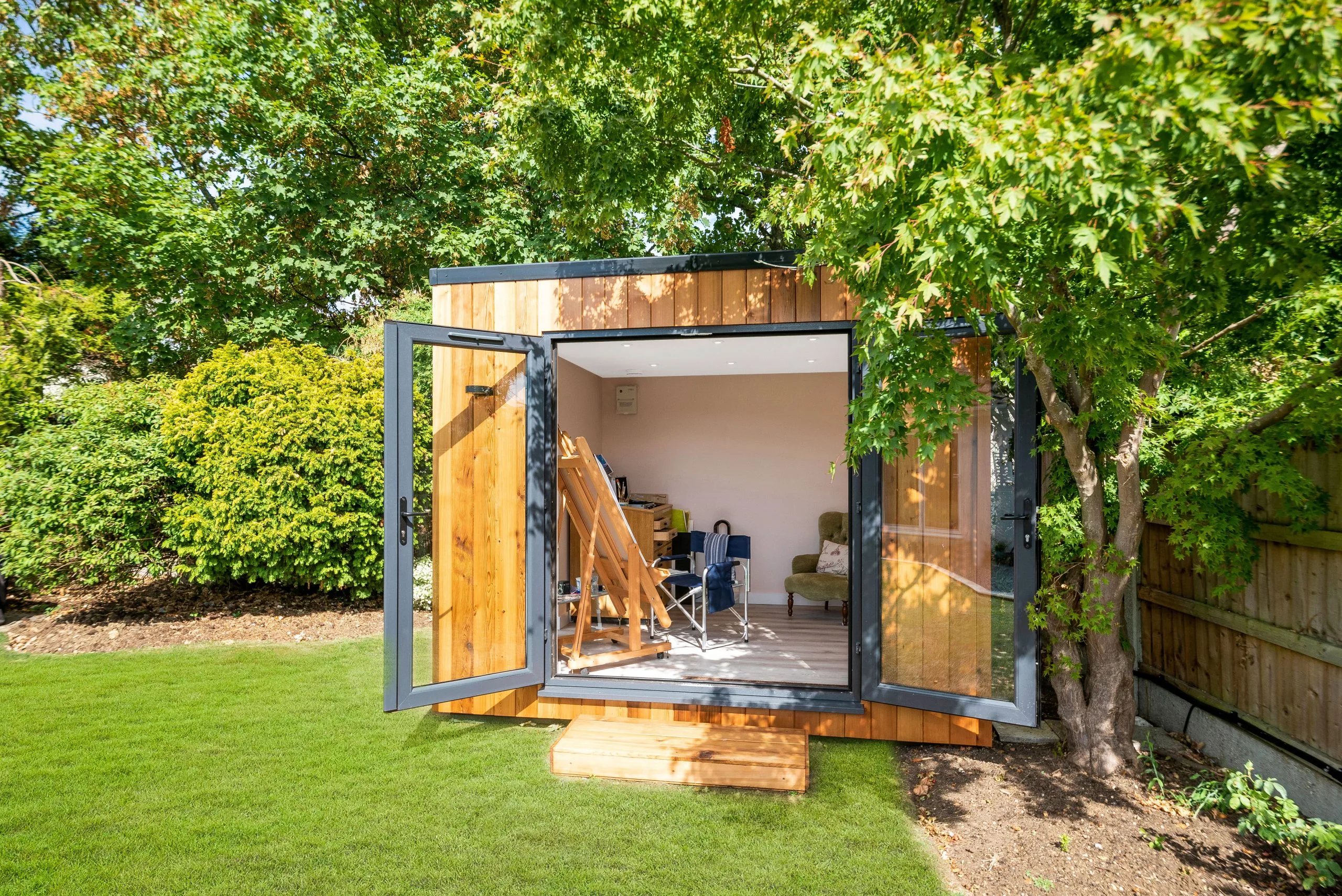
The difference between a basic outbuilding and a luxury hobby room is often found in the details. Good proportions, considered materials, lighting that flatters the space, doors that connect to the garden, storage that feels integrated and finishes that suit the purpose all make the room more inviting.
You may want a calm retreat hidden among planting, a bold contemporary studio that becomes a feature in the garden, or a discreet building that blends with the home. Exterior cladding, glazing style, roofline, decking, steps, lighting and landscaping can all be used to create the right feel.
Inside, the room can be as practical or as refined as you need. Some hobby rooms suit a crisp studio finish with white walls and flexible furniture. Others benefit from darker, warmer tones, feature lighting, fitted cabinetry and a lounge-like atmosphere. Because the room is made for you, it does not have to follow a standard layout or off-the-shelf interior.
A hobby room should never feel like a compromise between a shed and a spare room.
It should be a permanent, comfortable and beautifully finished building that supports the way you spend your time. Hawksbeck designs and builds premium bespoke garden rooms, which means the space can be shaped around the hobby rather than forcing the hobby into a standard box.
That bespoke approach is especially important when the room needs specialist storage, careful lighting, higher power demand, acoustic considerations, display areas, durable finishes or a layout that has to work around large equipment. The result is a garden building that feels personal, practical and built to last.
Whether you already know exactly what you need or you are still exploring possibilities, the best next step is to talk through the way you want to use the space. From there, the size, specification and design detail can be developed around your priorities and budget.
Not always: many garden rooms can be built under permitted development when they meet the rules on height, position, use and footprint. Larger buildings, listed properties, conservation areas and rooms used for regular business may need closer consideration, which Hawksbeck can talk through with you before work begins.
A smaller premium hobby room is often in the region of the mid £20,000s to £40,000s, while larger studios with integrated storage, enhanced glazing, plumbing or specialist features commonly move into the £45,000 to £80,000+ range. The final figure depends on your intended use and level of finish.
Yes. Robust flooring, utility-style finishes, water access, extraction, wipeable walls and durable worktops can all be planned into a bespoke design, and clean and messy areas can be kept separate within the same room.
Share the hobby, the kit and how often the room will be used, and the size, storage and specification can be shaped around it.
Explore real Hawksbeck projects that show how a bespoke garden building can be adapted for creative, practical and hobby-led use.
A dedicated garden studio designed to support creativity and personal interests, giving the homeowner a comfortable, separate space for hobbies away from the main house.
View project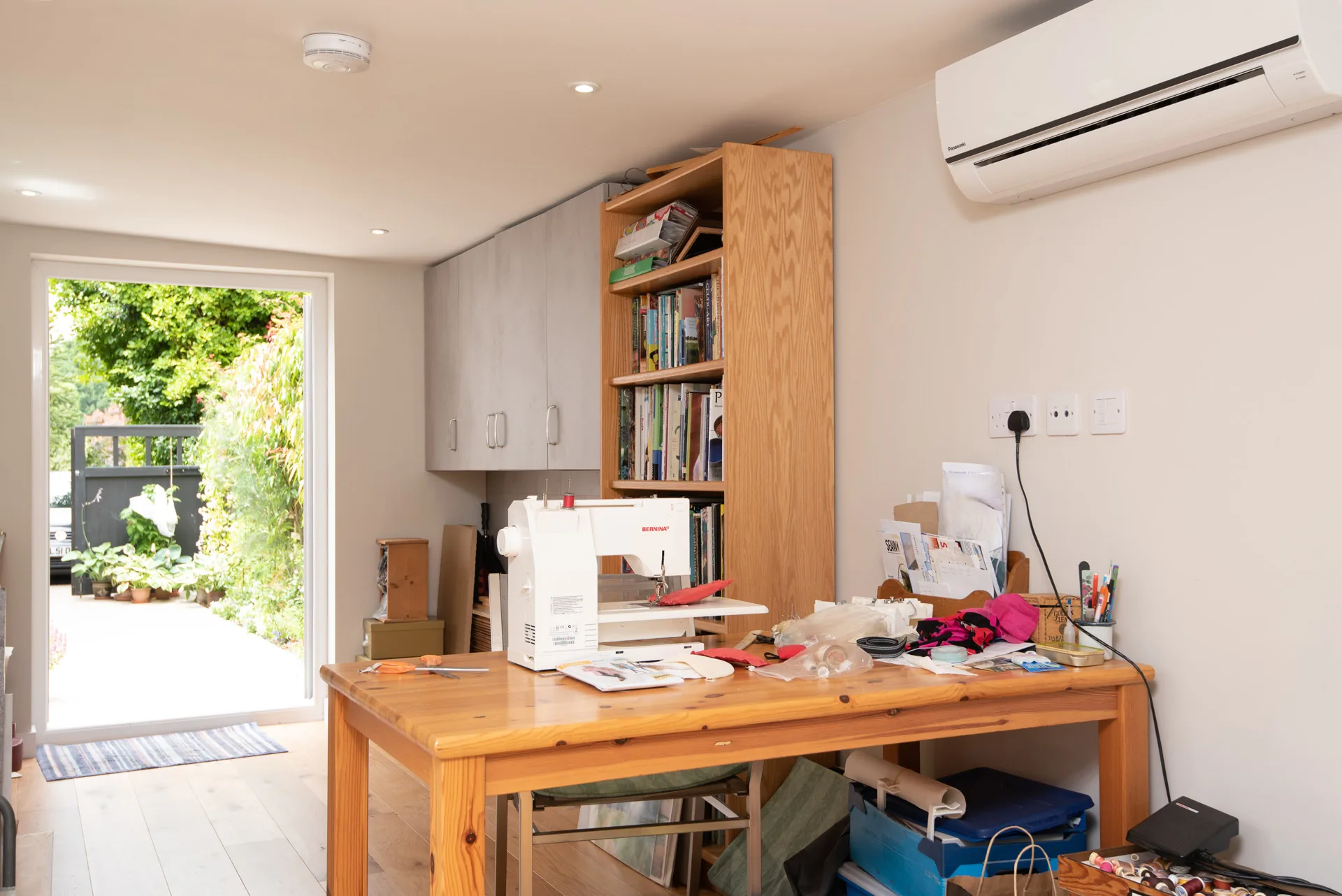
This project shows how a bespoke garden room can combine an enjoyable hobby space with practical storage, keeping equipment organised while maintaining a premium finish.
View project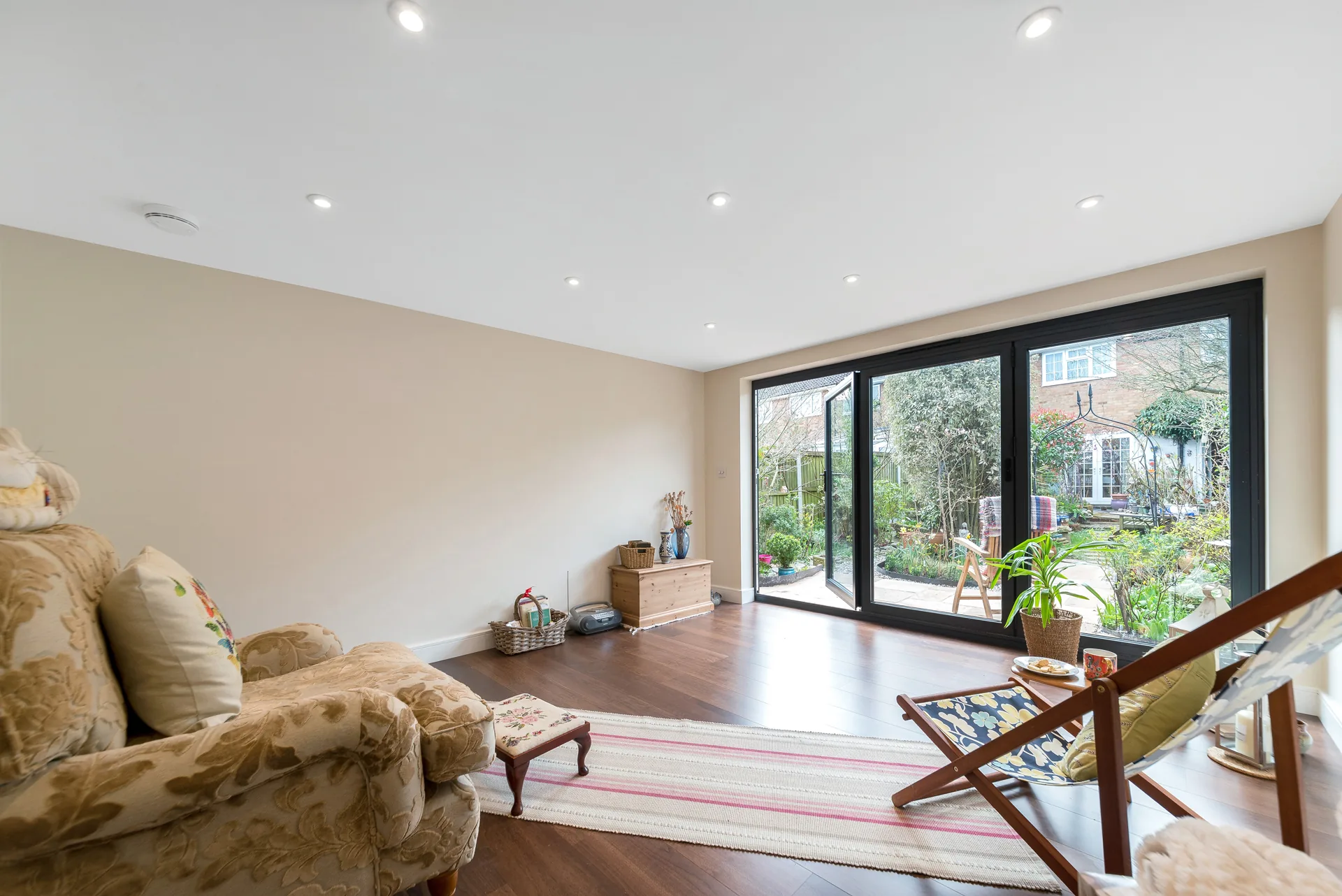
A refined garden studio retreat created for focused creative time, demonstrating how a Hawksbeck garden building can become a peaceful and inspiring space at home.
View project