
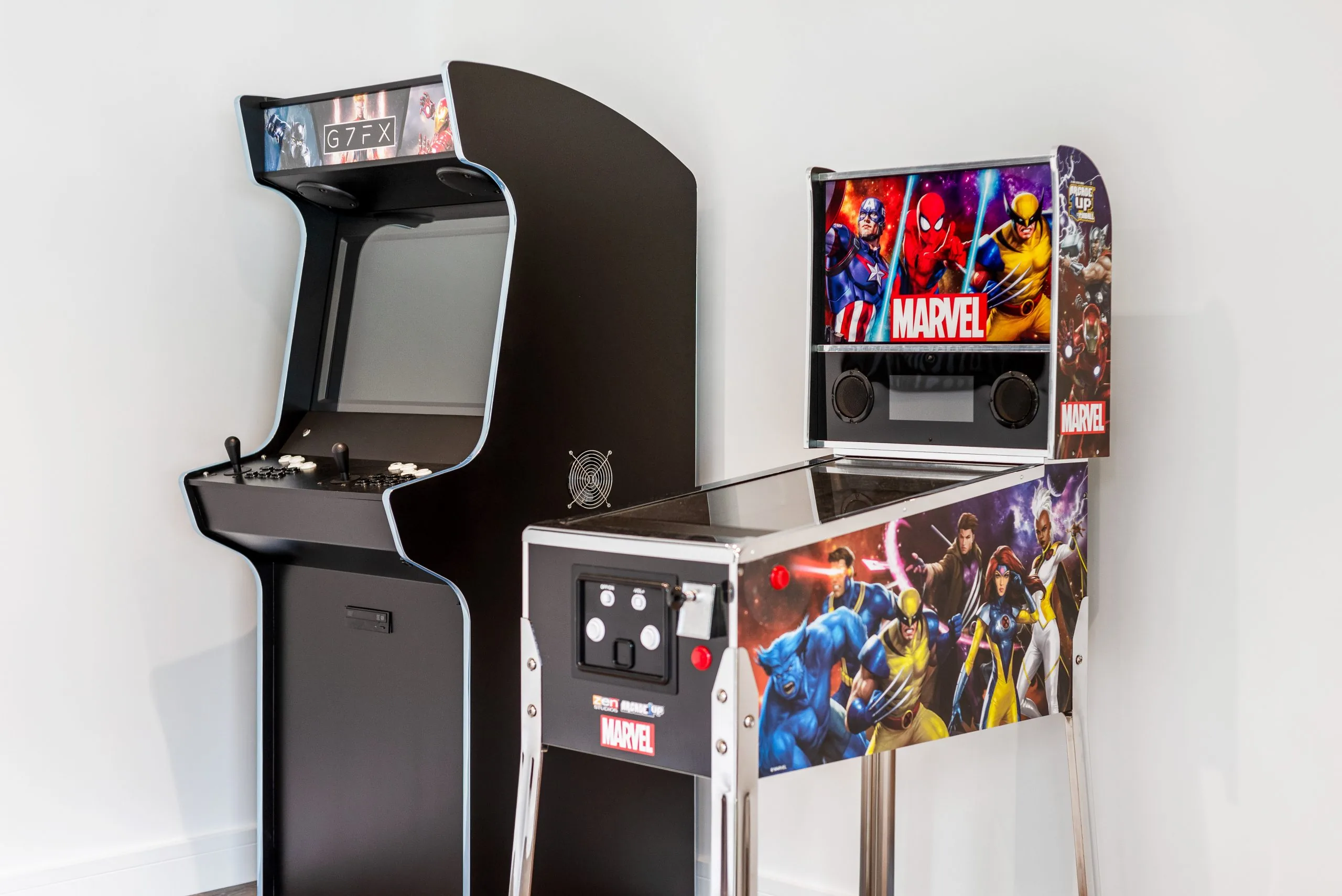
Where Creativity Meets Comfort: A Bespoke Music Room
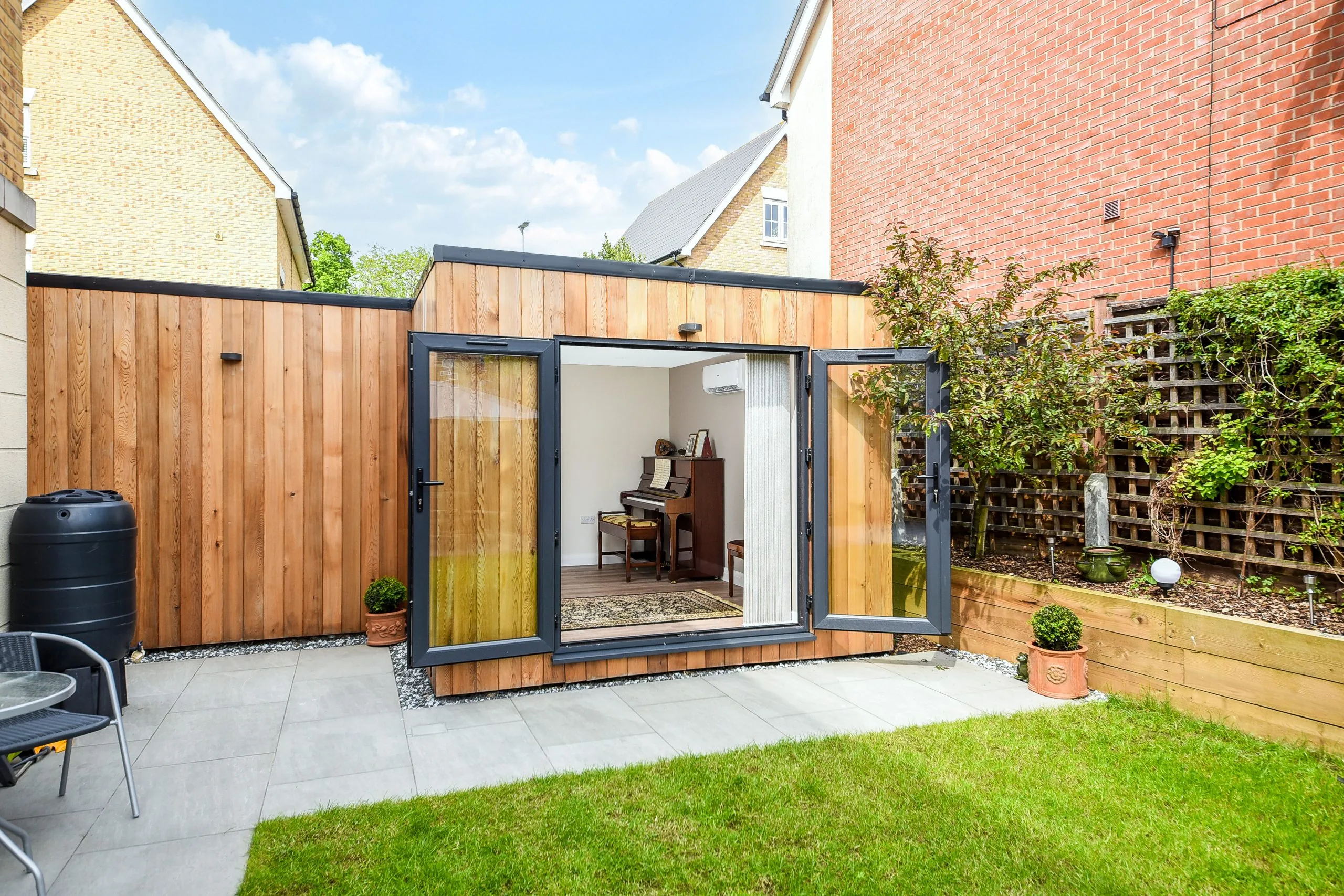
A dedicated garden music room designed to give creativity its own space, combining comfort, practicality and a beautifully finished environment for playing and enjoying music at home.
View project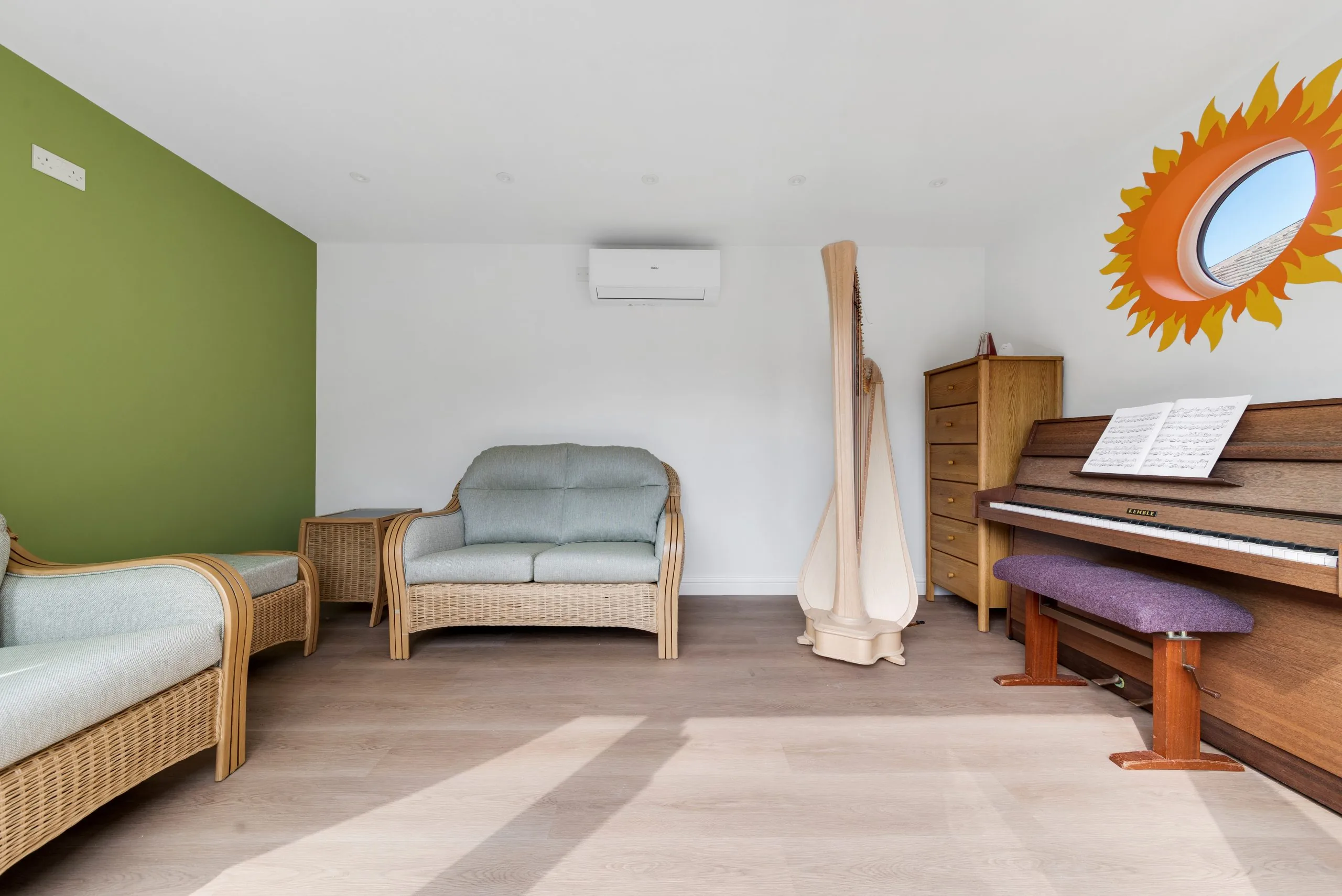
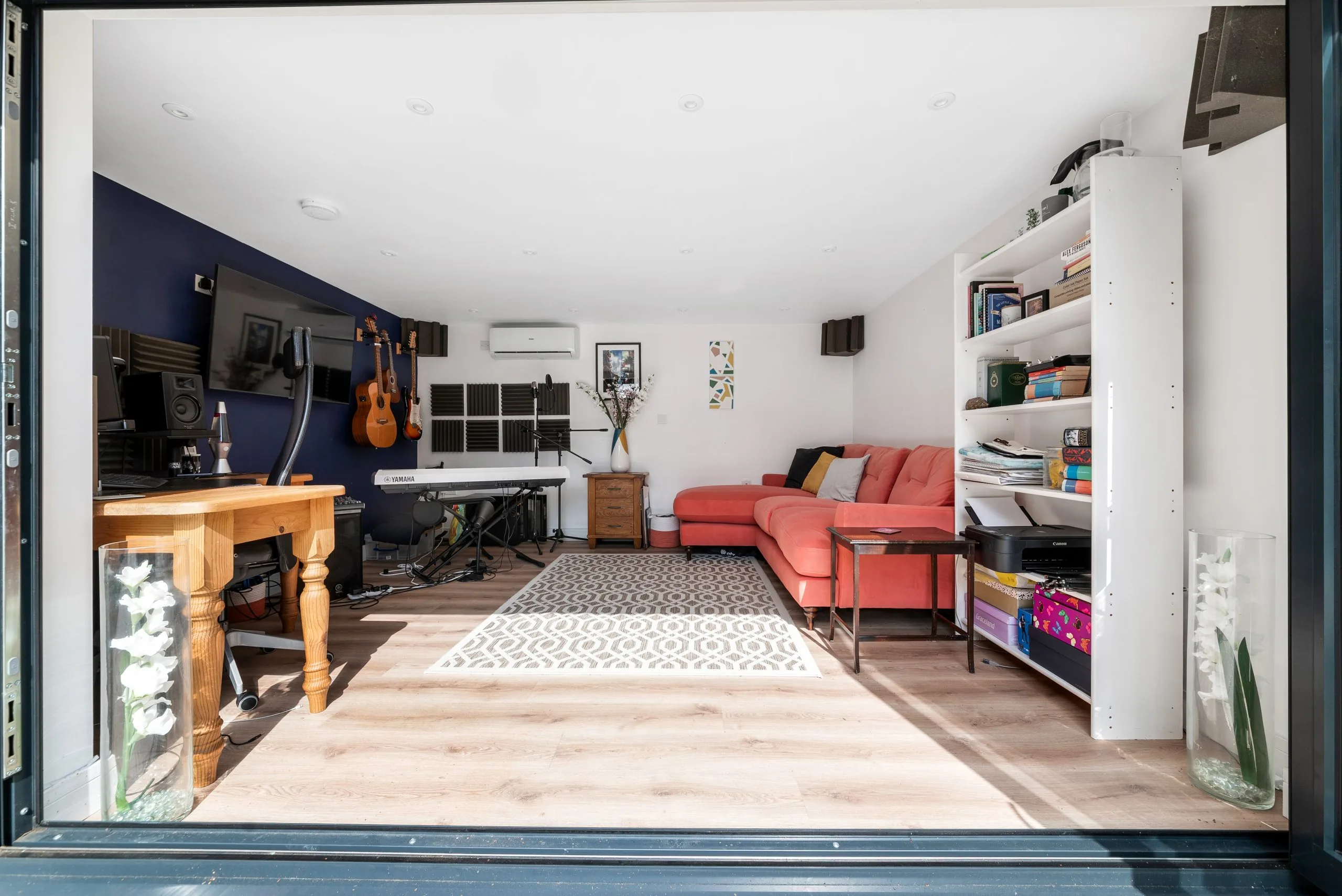
Some rooms are made for background noise. An instrument room is the opposite: it should make you want to pick up the guitar, sit at the piano, open the violin case or spend an hour practising without the room working against you. In a bespoke Hawksbeck garden room, the important details can be planned from the beginning: stable year-round comfort, suitable electrics, considered acoustics, secure storage, display space and a layout that suits the way you actually play, teach, record or care for your instruments.
For some clients, that means a beautiful private room for a grand piano and a collection of guitars. For others, it is a practical rehearsal space, a dedicated teaching room, a music studio, a drum room, a listening room or a calm place to store valuable instruments away from busy family life. Because every Hawksbeck garden building is designed around the brief, an instrument room can be as refined, technical or multi-purpose as you need it to be.
Musical instruments rarely fit comfortably into ordinary rooms. A piano may dominate a living space. Guitars and amplifiers can clutter a spare bedroom. Brass, strings, percussion and recording equipment all need somewhere safe, dry and easy to access. A purpose-built garden instrument room gives everything a proper home, while keeping music close enough to use every day.
The garden location also creates a useful sense of separation. You are still at home, but you are away from the interruptions of the kitchen, hallway, television and household routine. That separation is valuable whether you are practising scales, composing, teaching pupils, recording demos or simply enjoying a collection that deserves to be displayed beautifully.
If you are comparing different ways to use a garden building, our main garden room ideas guide is a useful starting point. This page focuses specifically on what makes an instrument room work well in real life.
Browse the Ideas GuideA good instrument room begins with the instruments themselves. A room for an upright piano and sheet music library needs different planning from a guitar studio with amplifiers, pedals and wall-mounted displays. A space for a saxophonist will feel different again from a room designed for a harp, drum kit, double bass, cello collection or digital production setup.
Before deciding on the size, doors, windows or finishes, it is worth thinking through the details below.
List the instruments, cases, stands, amplifiers, stools, benches, microphones, music stands, cables and accessories that need a permanent place. This helps avoid a common problem: creating a beautiful room that works only when everything is tidied away. If you play regularly, the space should allow instruments to remain accessible without feeling cluttered.
A display-led room may need elegant wall treatment, built-in joinery and lighting that makes instruments look exceptional. A practice room may need more attention on comfort, acoustic control and the positioning of the main instrument. A teaching room needs a clear visitor route, seating, storage and potentially good visibility between teacher and student. A recording space requires careful thinking about sockets, cable routes, desk position and sound behaviour within the room.
A solo guitarist can work in a more compact garden room. A pianist teaching pupils may need space for two stools, shelving and waiting space. A small ensemble, band rehearsal room or multi-instrument studio needs more circulation space so people can move around instruments safely without knocking stands, cases or furniture.
Musical spaces are sensitive. Hard surfaces can make a room bright and lively, but too much reflection can become tiring. Too many soft finishes can make a space feel dull. The right approach depends on the instrument, volume, playing style and whether the priority is enjoyment inside the room, reducing sound escape, recording quality or a combination of all three.
It is important to separate two ideas:
A bespoke garden room allows these requirements to be considered before construction, rather than trying to correct problems afterwards. For example, the room proportions, insulation build-up, door choice, glazing layout, internal finishes and ventilation strategy can all affect the final feel of a music space.
Pianos benefit from stable conditions and careful placement. Avoid designing a room where the piano is forced directly against large areas of glazing or into a spot with awkward temperature changes. You may also want enough space around the instrument for airflow, tuning access and comfortable playing. A grand piano needs a particularly thoughtful floor plan, including door opening sizes and delivery access.
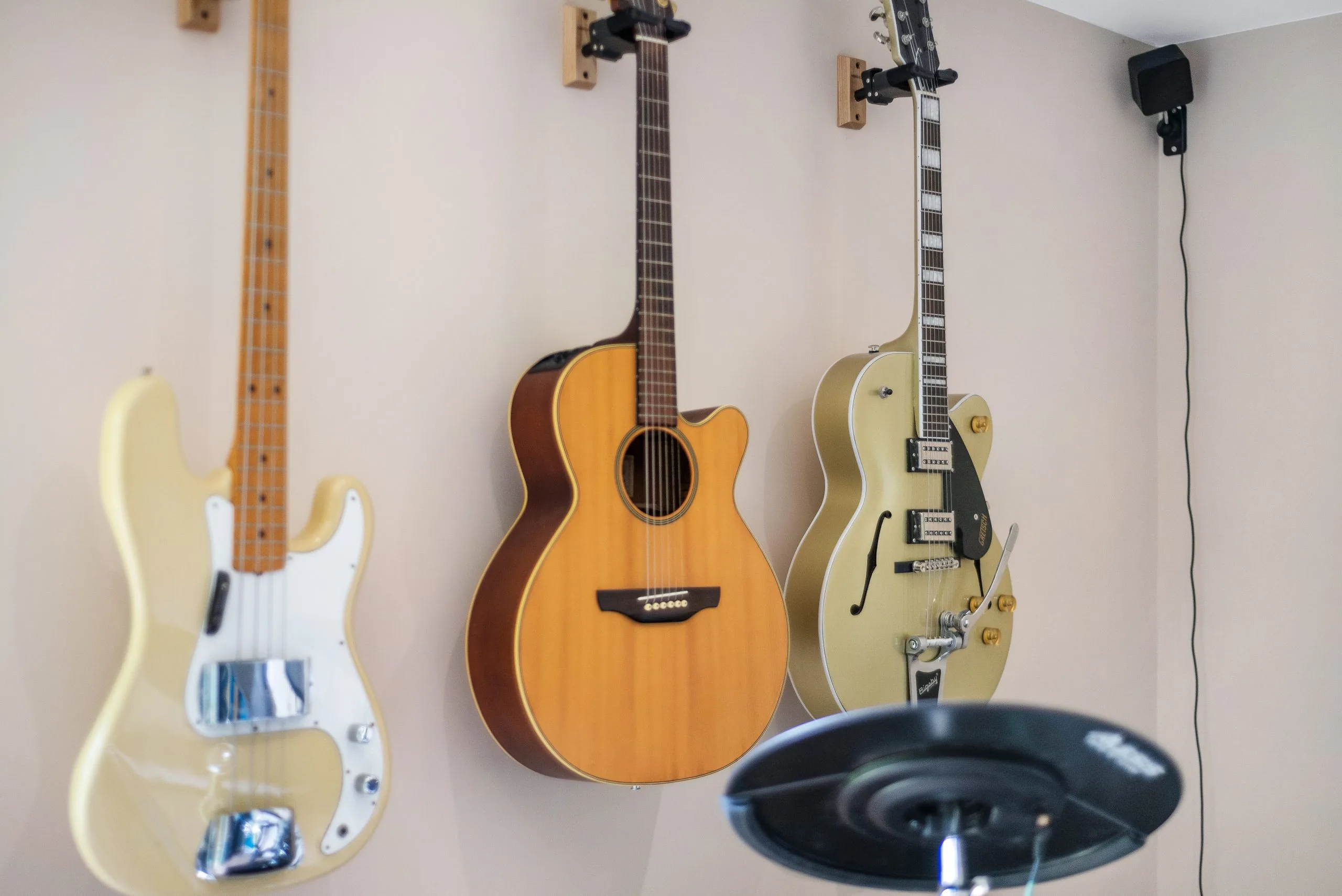
Wall-mounted displays can look superb, but they need to be planned properly. The fixing zones, wall construction, lighting and clearance around each instrument should be considered. If the guitars are valuable, the room should also include secure storage options such as lockable cabinetry, discreet cases or built-in cupboards for instruments that are not on display.
Drums, bass, electric guitar and amplified keyboards are more demanding from a sound perspective. If you want to rehearse regularly, especially in the evening, the build specification may need to go beyond a standard garden room. Door seals, glazing, wall build-up, internal linings and ventilation can become more important. The earlier this is discussed, the better the final outcome.
Many instruments dislike sudden environmental changes. Timber instruments in particular can be affected by extremes of heat, cold and humidity. A premium garden instrument room should therefore be designed as a comfortable year-round room, not an occasional summer outbuilding.
Hawksbeck garden rooms are built for proper use throughout the seasons, and an instrument-focused design can take additional practical details into account:
For rare, antique or extremely high-value instruments, it is sensible to follow guidance from your instrument specialist, technician or insurer. We can then consider how the building design can support those requirements.
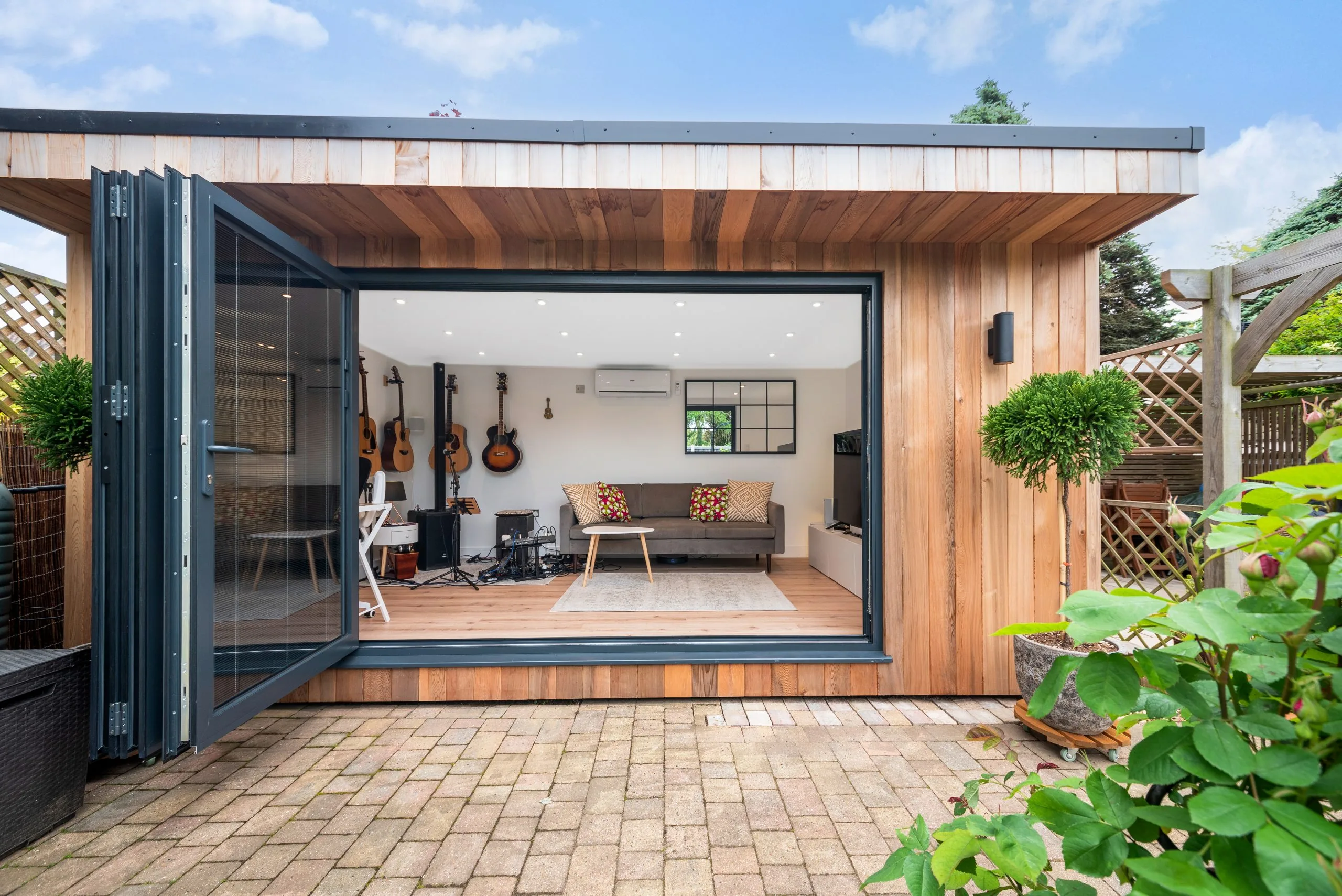
An instrument room should feel inspiring, but it also needs to be practical. The best rooms usually combine open display with concealed storage, so the instruments you use or want to showcase are visible, while spare cables, cases and accessories do not take over the room.
A dedicated guitar wall can become a striking feature. Think about spacing, lighting, wall colour, humidity, fixing points and how easy each instrument is to remove. If you have electric and acoustic guitars, you may want separate zones for playing, display and maintenance.
Instrument cases are often large and awkward. Designing specific storage for them prevents the room from becoming crowded. Tall cupboards, bench storage, under-window storage and full-height joinery can hide bulky items while keeping them close at hand.
Music rooms often become libraries. Shelving should be deep enough for scores, folders, books or vinyl records, and positioned so it does not interfere with instrument movement. If you use the room for teaching, it can be helpful to separate music by student, grade, instrument or performance set.
If you regularly restring, clean, tune or repair instruments, a small work surface can be invaluable. This may include drawer storage for tools, a comfortable chair, task lighting and sockets for tuners, soldering equipment or small amplifiers.
Music rooms often need more sockets than a standard leisure room. It is far better to plan generously than to rely on extension leads across the floor. The exact electrical design will depend on the instruments and equipment, but common considerations include:
For a recording or production room, the location of sockets, desk, speakers and acoustic treatment should be discussed together. This helps avoid reflections, cable clutter and awkward monitor positioning.
A look at how differently Hawksbeck buildings are used; a music room follows the same principle, with the instruments setting the brief.
There is no single correct size. The right footprint depends on the instruments, how the room will be used and how much storage is needed. However, music rooms often benefit from a little more space than people first imagine, especially if more than one person will use the room or if you want instruments permanently set up.
| Use | Typical considerations | Likely room feel |
|---|---|---|
| Solo practice room | One main instrument, chair or stool, shelves, modest storage, good lighting | Compact, calm and focused |
| Piano or strings room | Space around instrument, tuning access, stable environment, acoustic balance | Elegant, comfortable and refined |
| Guitar and amp room | Wall display, amplifier positions, pedal storage, sockets, acoustic treatment | Creative, practical and visually striking |
| Teaching room | Two or more seats, clear circulation, visitor access, storage for music and equipment | Professional and welcoming |
| Recording or production studio | Desk position, monitors, cable routes, acoustic treatment, ventilation and sound control | Technical, organised and purpose-built |
| Band or ensemble space | Larger footprint, more power points, sound considerations, equipment storage | Spacious, robust and performance-led |
Many musicians own instruments that are financially and emotionally valuable. Security should therefore be considered as part of the design, not added as an afterthought. The right specification will depend on the value of the instruments, your insurance requirements and how visible the building is from the house or road.
Useful security considerations can include high-quality doors and locks, carefully positioned glazing, blinds or privacy options, external lighting, alarm integration and lockable internal storage. If instruments are to be displayed on the wall, it is worth thinking about whether they are visible from outside and whether certain items should be stored in a concealed cabinet when not in use.
An instrument room can be highly technical, but it should still feel beautiful. Premium finishes are particularly important when the room is used for display, teaching or relaxed listening. The materials, colours and lighting should complement the instruments rather than compete with them.
Popular design directions include:
The advantage of a bespoke Hawksbeck build is that practical requirements and visual design can be developed together. The result is not just a room that houses instruments, but a space that makes the collection feel considered and important.
Yes, although the best multi-use rooms still need a clear priority. If music is the main purpose, the layout should protect that function first. From there, additional uses can be included intelligently.
An instrument garden room can also work as a:
If the room needs to support work, teaching or commercial activity, it is worth discussing access, parking, toilet facilities, planning considerations and how often visitors will attend.
Many garden rooms can be created under permitted development, but this depends on the size, height, location, intended use and your property. An instrument room may also raise extra questions if it will be used for business purposes, regular teaching, frequent visitors or louder musical activity.
Hawksbeck can guide you through the key considerations during the design stage. Early advice is helpful because planning, positioning and specification can affect the room’s size, roof style, boundary distances, glazing, access and overall design.
Pricing depends heavily on the size of the building, specification, access, finishes, glazing, electrics, heating, acoustic requirements, internal joinery and any specialist features. A simple practice room and a highly specified recording studio are very different projects.
As a broad guide for a premium bespoke Hawksbeck garden room used as an instrument room, many clients should expect investment to sit somewhere in the following ranges:
These figures are indicative only. Every Hawksbeck building is bespoke, so the most accurate way to understand cost is to discuss the instruments, the way you want to use the room and the level of finish you expect. The advantage of this approach is that you are not forced into a standard layout or specification that almost works; the building can be designed around the use from the start.
Whether it is a grand piano, a guitar wall or a full drum kit, your instrument list is the best place to start a conversation about the room.
A grand piano needs generous floor space, clear access and a room that feels balanced around the instrument. The piano is likely to become the focal point, so window placement, lighting and seating should all support that. If the room will be used for small performances, allow enough space for listeners without crowding the piano.
For a guitar collection, display can be as important as playing space. A strong layout might include one feature wall for guitars, a central playing chair, a small amp area, hidden storage for cases and a maintenance surface for restringing. Lighting should reveal the instruments without creating harsh glare.
A drum-focused garden room needs careful discussion about volume, structure, comfort and ventilation. It may require a more robust specification and very deliberate planning for where the kit, amplifiers and seating will go. If the goal is regular band practice, the room should be sized for people as well as equipment.
Violin, viola, cello and double bass players often need a calm, comfortable and uncluttered room. Space for a chair, stand, instrument case, shelves and mirror can be useful. A slightly softer interior may help reduce harsh reflections, particularly for higher strings.
A production room should be planned around the desk and monitor position. Symmetry, sockets, cable routing, lighting and acoustic treatment all matter. If you record vocals or instruments, you may also want a flexible area away from the desk, with space for a microphone stand and moveable acoustic treatment.
The more clearly the brief is developed, the better the final building will work. Before speaking to us, you may find it useful to think about the following:
The best instrument rooms remove friction.
The guitar is already tuned and within reach. The piano is not squeezed into the corner of a dining room. The drum kit does not need to be assembled before every practice. The recording desk is ready when inspiration arrives. The room feels calm, personal and properly made.
That is where a bespoke garden building becomes more than extra space. It becomes a practical investment in the part of life that music occupies, whether that is professional, creative, therapeutic or purely for enjoyment.
Share your collection, how often you play and whether pupils or bandmates will join you, and we will design the room around it.
Yes, provided the building is designed for year-round use with appropriate insulation, heating, ventilation and security. For particularly valuable or sensitive instruments, it is sensible to discuss any specialist storage requirements before the design is finalised.
True soundproofing is a specialist and demanding requirement, particularly for drums and amplified music. However, a bespoke garden room can be designed with sound reduction and acoustic comfort in mind. The level of specification depends on the instruments, volume, location and expectations.
It can be an excellent teaching space. You may need to consider access, lighting, heating, seating, storage, toilet arrangements, parking, planning and whether the room will be used commercially. These points are best discussed early.
Yes. A piano room needs careful planning for space, access, stable comfort and positioning. For grand pianos, the delivery route and door opening sizes should also be considered at the beginning of the project.
Yes. Bespoke storage is one of the most useful additions to an instrument room. This can include cupboards for cases, wall displays, shelving for sheet music, lockable cabinets, work surfaces and integrated storage for cables or accessories.
Three completed music rooms and studios, each built around the instruments that live in them.
A dedicated garden music room designed to give creativity its own space, combining comfort, practicality and a beautifully finished environment for playing and enjoying music at home.
View project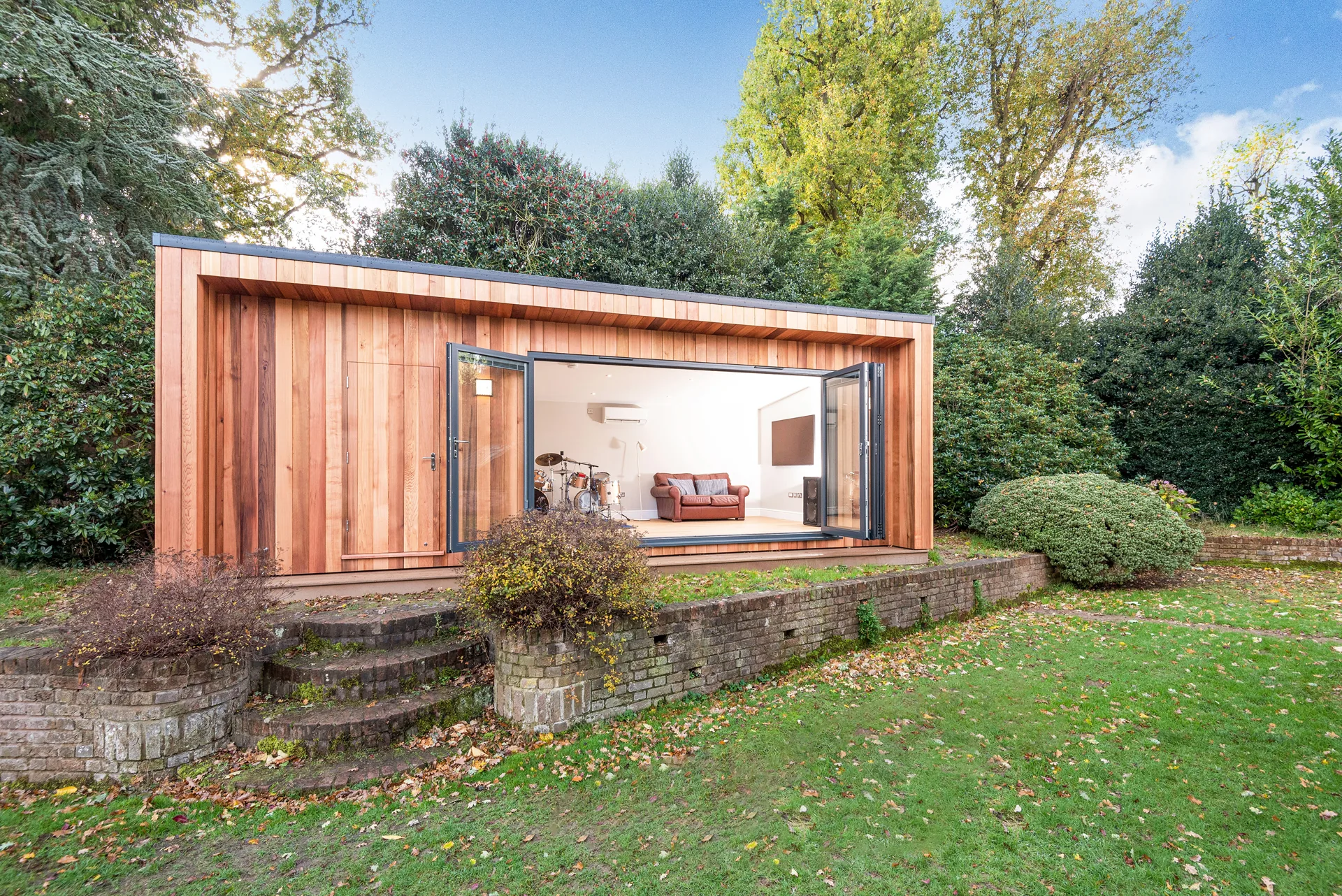
This project shows how a premium garden building can become a refined music studio, with a specification tailored to the way the space will be used, enjoyed and occupied year-round.
View project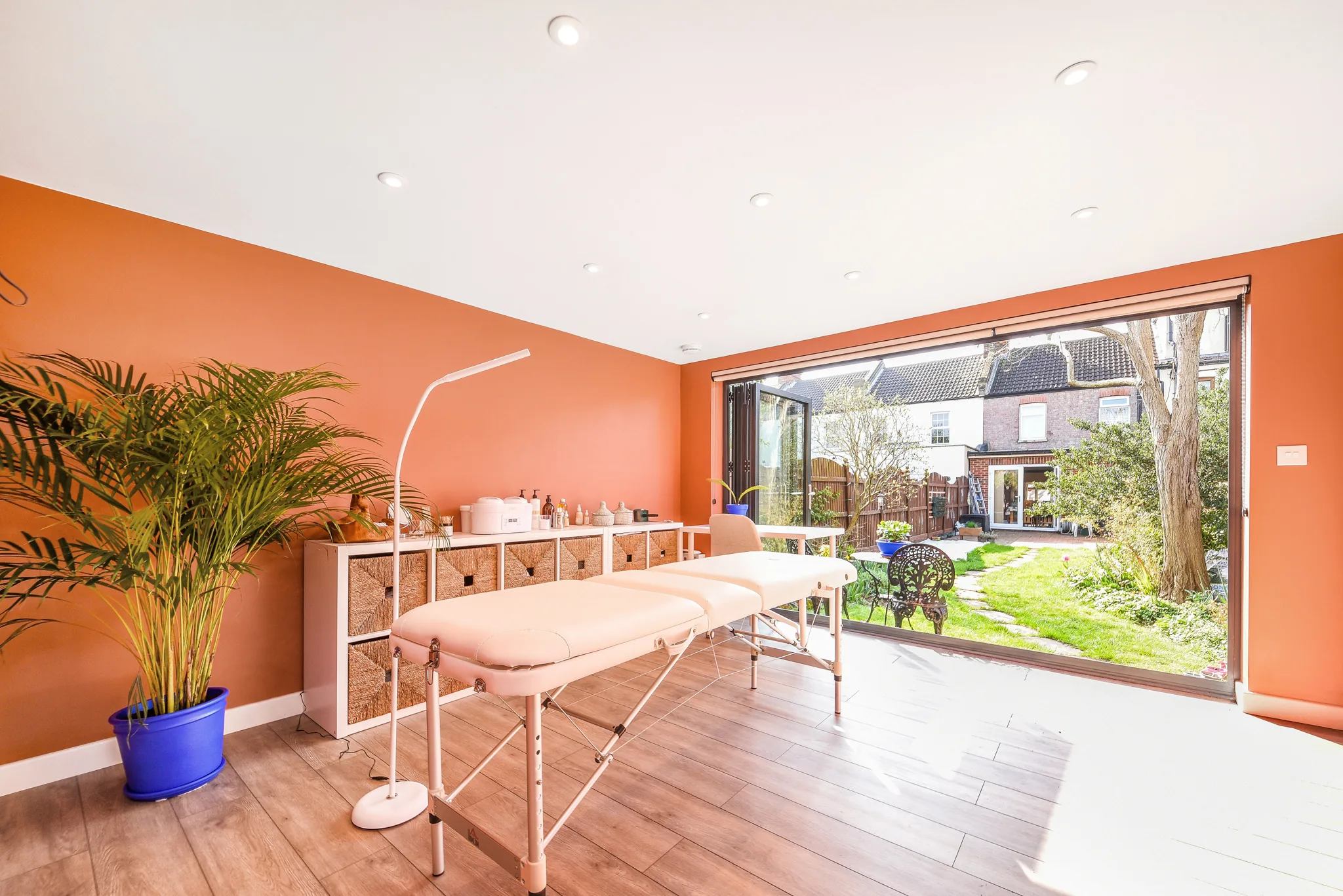
A purpose-made garden music studio demonstrating how a bespoke building can provide a private, practical and inspiring place for instruments, equipment and regular creative use.
View project