
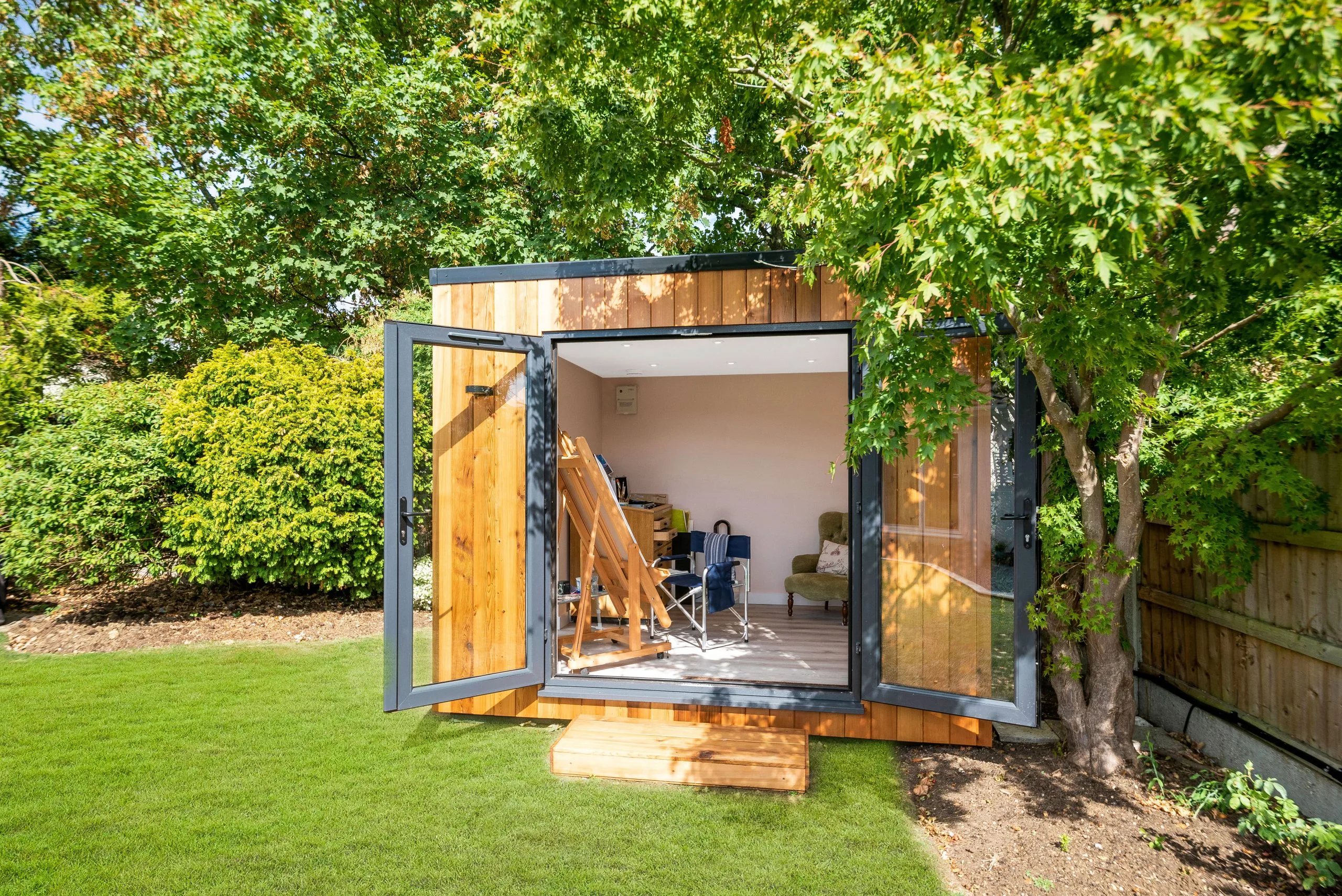
Jewellery Workshop Garden Room
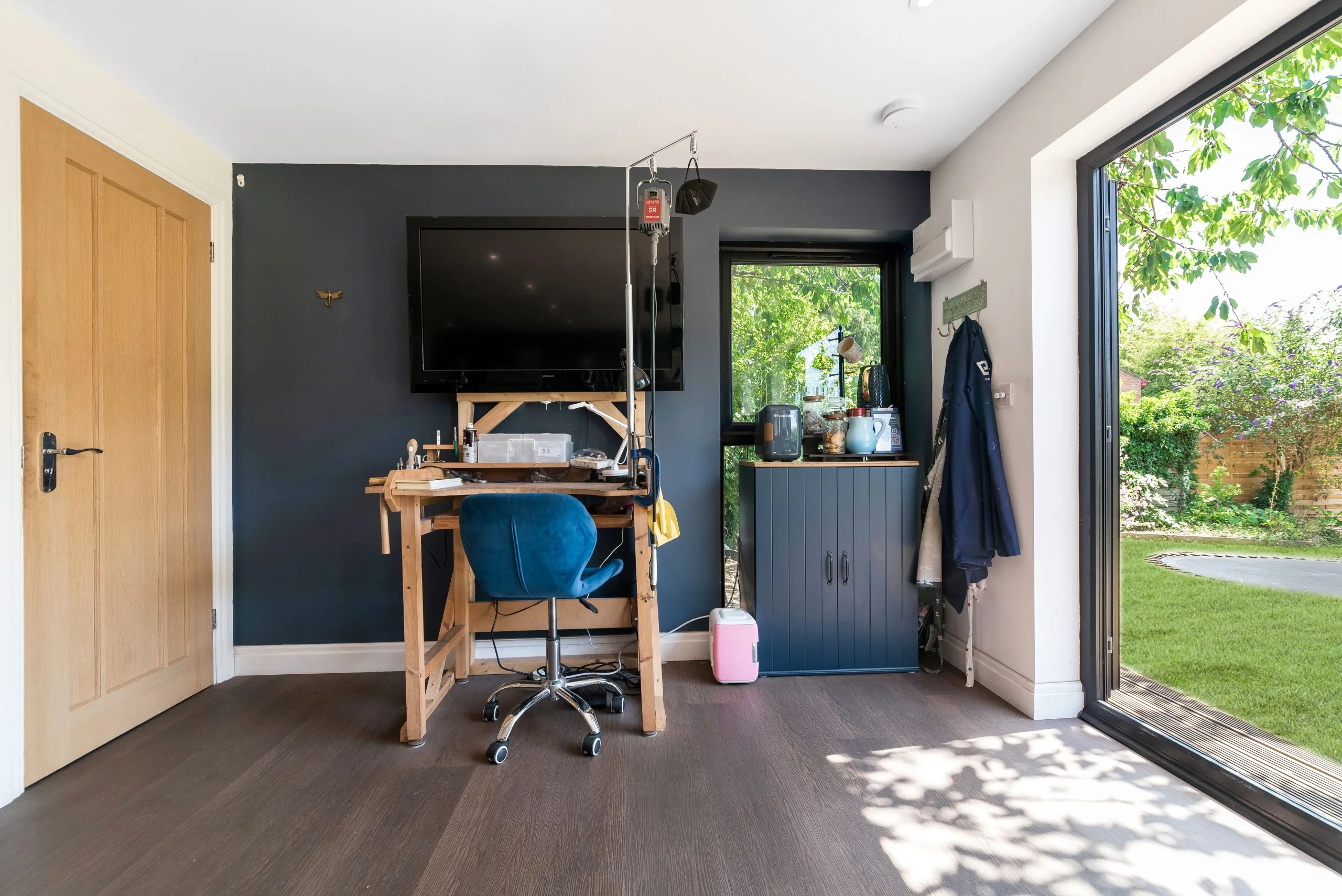
A highly relevant bespoke project showing how a garden building can be tailored for jewellery work, with careful consideration of craft, comfort, storage and a professional working environment.
View project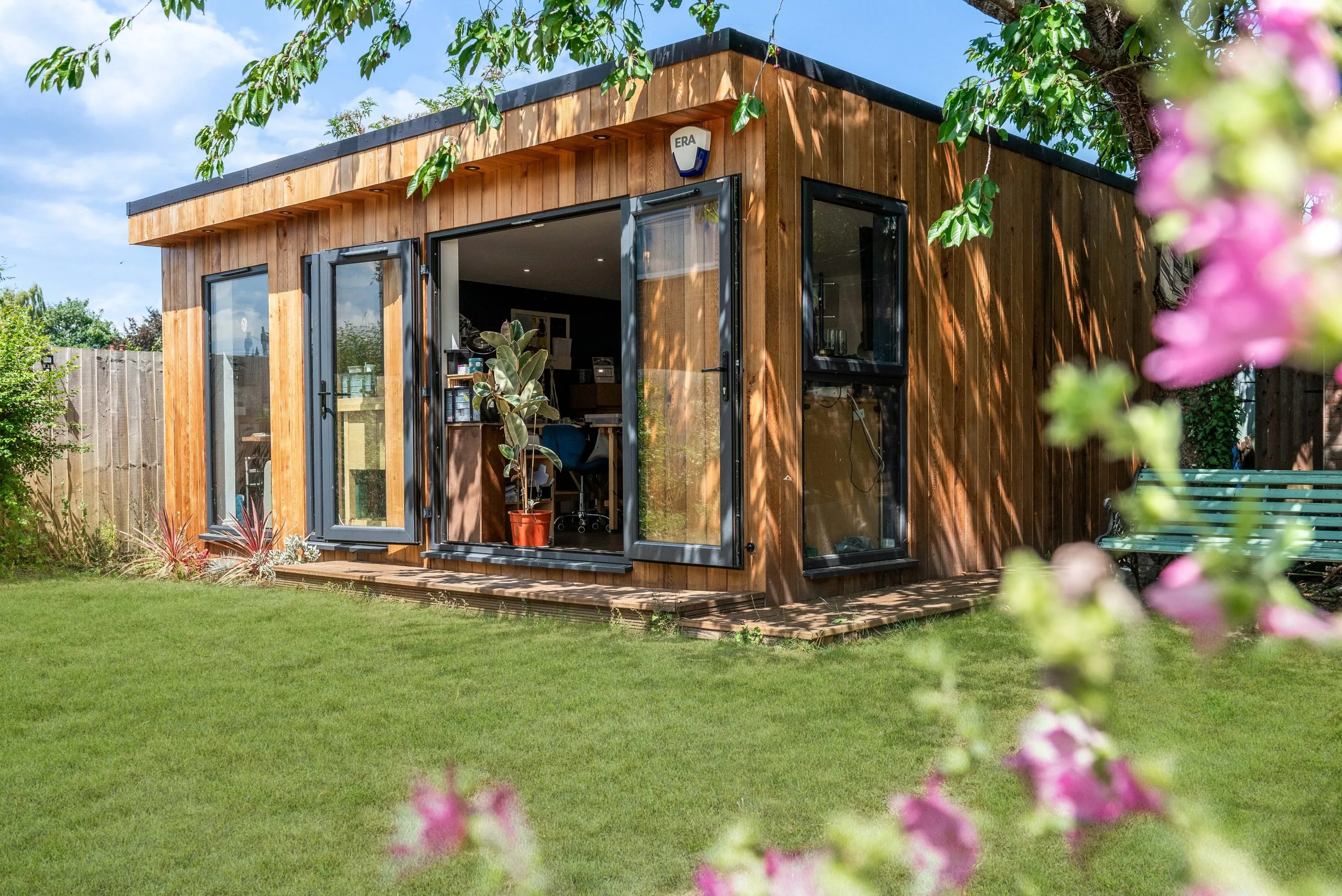 Appointment-only jewellery showroom
A jewellery appointment rarely feels right in a spare room, kitchen or converted corner of the house. The surroundings matter.
So does the sense of privacy, control and confidence your client feels from the moment they arrive. A bespoke garden room can become a dedicated jewellery showroom: quiet, secure, beautifully lit and designed around the way you present, discuss and sell valuable pieces.
For independent jewellers, designers, goldsmiths and private jewellery consultants, this can be a significant step up from working around the limitations of the home. Instead of inviting clients into your living space or renting a high-street showroom, you can create a premium appointment-only setting in your garden, tailored to your collection, your brand and your working routine.
This page looks specifically at how a garden room can work as a private jewellery showroom: layout, display lighting, security, client experience, comfort, storage, permissions and realistic pricing. If you are still comparing different possible uses, our main guide to garden room ideas is a useful place to explore the wider possibilities.
Jewellery is personal, valuable and often emotionally important. Clients do not simply want to see a product; they want to feel looked after. A purpose-built garden showroom gives you more control over that experience than most home-based or shared commercial environments.
For a jeweller, the biggest advantages are:
The result is not just a room where jewellery is shown. It is a controlled selling environment: one that can help clients relax, focus on the pieces in front of them and associate your business with quality from the very first impression.
The appointment, step by stepA successful jewellery showroom garden room should be planned around how a client moves through an appointment. That journey may be short and simple, or it may involve browsing, trying pieces on, reviewing sketches, discussing budgets, looking at stones, confirming specifications and completing paperwork.
Even in a compact showroom, it helps to divide the space into clear zones:
The approach to the building matters. A clean pathway, considered landscaping, discreet exterior lighting and an attractive entrance all help the appointment feel intentional. If clients are arriving for engagement rings, fine jewellery or bespoke commissions, the environment should immediately feel calm and trustworthy.
For some businesses, the entrance may be deliberately discreet. For others, a more visible boutique-style frontage with large glazed doors and elegant planting may suit the brand better. Because the building is bespoke, the exterior can be designed to feel refined without looking overly commercial from the garden.
This is where jewellery is viewed, handled and discussed. Depending on your business, it may include a consultation table, glass-topped display counter, wall-mounted cabinetry, a comfortable seating area or a combination of all three.
The priority is to keep the experience relaxed while maintaining control. Clients should be able to see pieces clearly, but you should also be able to manage what is displayed, where it is placed and how it is returned to secure storage.
Many jewellery appointments involve sensitive conversations: budgets, proposals, inherited pieces, redesigns, insurance concerns or emotionally significant commissions. A private seating area within the showroom can make these conversations more comfortable.
This does not necessarily require a large building. A well-planned room can create a sense of intimacy through furniture placement, lighting and acoustics. For larger showrooms, a separate consultation nook or glazed internal partition may be appropriate.
Even if only a small selection of jewellery is displayed during appointments, secure storage is essential. This may include built-in cabinetry, a safe position, a lockable preparation area or a separate workshop/store section if you also carry out repairs, setting, polishing or design work.
For higher-value collections, storage should be discussed early in the design process so that wall construction, access, alarms, safe positioning and insurance requirements can be considered properly.
Security is usually the first serious question when planning a jewellery showroom in the garden. The answer is not one single feature; it is a layered approach. The building, glazing, access control, alarm system, storage arrangements and day-to-day operating procedures should all work together.
Important points to consider include:
It is also sensible to speak with your insurer before the design is finalised. Insurance requirements for jewellery businesses can be very specific, especially around safes, alarms, overnight storage, stock values and unattended premises. Early conversations can help avoid expensive changes later.
Jewellery needs excellent lighting, but not harsh lighting. Diamonds, coloured stones, pearls, gold and silver all respond differently, and the wrong lighting can make pieces look flat, overly yellow or unnaturally bright.
A good jewellery showroom garden room may use a combination of:
Many jewellery showrooms benefit from warm-neutral lighting rather than very cool light. A high colour rendering index is worth discussing with your lighting supplier, especially if clients are comparing stones or precious metals. The aim is to make jewellery sparkle without distorting its true colour.
Glare should also be controlled. Full-height glazing can look beautiful, but if sunlight lands directly on display trays or mirrors, it can quickly become uncomfortable. Bespoke design allows glazing, rooflights and shading to be planned around the orientation of your garden and the times of day you usually see clients.
The right size depends on whether the building is purely for private appointments or whether it also needs to include stock storage, a desk, photography area, packaging station or workshop bench.
As a practical guide:
Compact private showroom: suitable for one-to-one consultations, a small display counter, seating and discreet storage.
Medium appointment studio: ideal for a consultation table, display cabinetry, desk area, safe position and comfortable seating for two to four clients.
Larger showroom and workspace: useful if you need a defined client area plus a separate bench, stock preparation area, photography setup or admin space.
For an appointment-only jeweller, bigger is not always better. A smaller, highly detailed room can feel more exclusive than a large space that is under-furnished. The key is proportion: enough space for clients to move comfortably, sit naturally and view pieces without the room feeling empty or exposed.
Jewellery is detail-led, so the room around it should feel equally considered. The finishes do not need to compete with the collection; they should support it.
Popular interior choices for jewellery showrooms include:
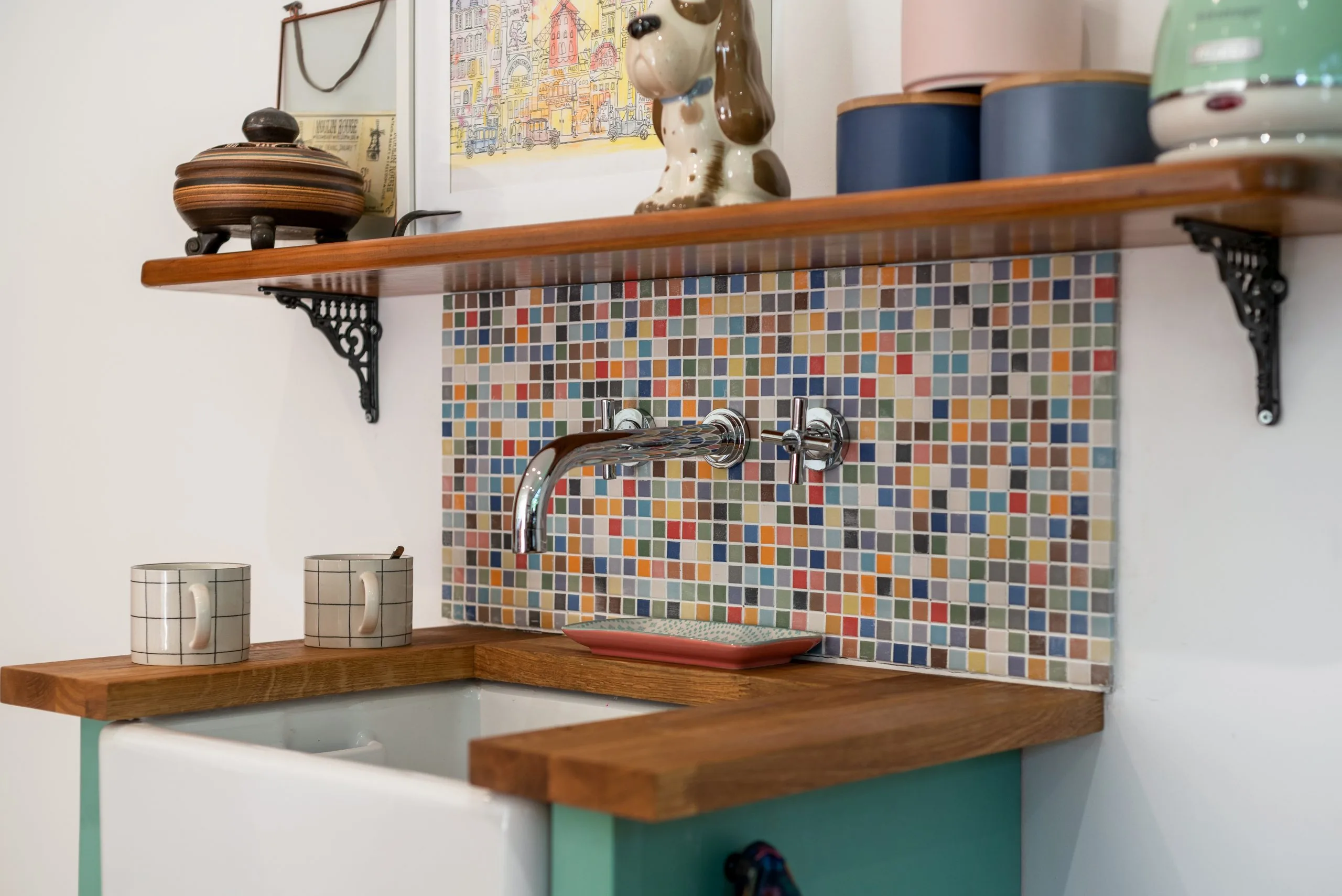
Branding can be subtle: a wall colour, a framed sketch, a signature material, a discreet logo, a scent, a particular style of display tray. In a luxury setting, restraint often feels more premium than obvious decoration.
Yes. Many jewellers want more than a display space. A garden building can be designed to include a showroom at the front and a practical making or repair area behind it. This can work particularly well for bespoke jewellers because clients enjoy seeing a sense of craftsmanship, even if the working area remains partly private.
A combined jewellery showroom and workshop may require additional planning around:
If you use specialist equipment, it is important to discuss this early. Electrical requirements, ventilation, heat, dust, water use and insurance can all influence the specification of the final building.
A jewellery consultation may last 20 minutes or two hours. Clients might be choosing an engagement ring, reviewing redesign options for inherited jewellery or comparing stones for a commission. The room needs to stay comfortable throughout.
A Hawksbeck garden room is designed as a year-round building, not a summerhouse. Insulation, heating, glazing and construction quality all matter if the space is going to be used professionally in winter, during summer heat or on damp days when stock and paperwork need to remain protected.
For a jewellery showroom, comfort also includes:
A short film on how Hawksbeck buildings are shaped around their owners, the same conversation that decides where a safe, a counter and a consultation table belong.
Tell us how your appointments run and we can shape the display, lighting and security around them.
Many garden rooms can be built under permitted development, but a jewellery showroom used for client appointments needs more careful thought than a simple home office. Rules can depend on the size, height, position and intended use of the building, as well as the property itself.
You should consider:
It is also worth checking whether business rates, insurance changes or local authority permissions apply to your setup. An appointment-only showroom is usually very different from an open retail shop, but it is still best to confirm the position before committing to the final design.
A jewellery appointment can be sensitive. Clients may not want neighbours to see them viewing engagement rings or bringing inherited pieces for discussion. You may also prefer not to advertise when stock is on site.
Privacy can be designed into the building in several ways:
For many jewellery businesses, the best showroom is not the one that looks most visible. It is the one that feels exceptional once the client is inside.
The cost of a jewellery showroom garden room depends on the size, specification, access, foundations, glazing, interior finishes, electrics, heating, security requirements and any specialist features such as built-in cabinetry, display lighting or workshop provision.
As a broad guide, a premium bespoke garden room suitable for a compact private jewellery appointment space may start from the lower-to-mid tens of thousands. A larger, highly specified jewellery showroom with upgraded glazing, premium finishes, extensive electrics, display lighting, heating, bespoke storage and enhanced security could move into the £50,000 to £90,000+ range, with more complex projects exceeding this.
For this type of use, the elements most likely to influence price are:
Because Hawksbeck buildings are bespoke, the most helpful way to price a jewellery showroom is to begin with the way you intend to use it. A room designed for occasional private appointments will not need the same specification as a combined showroom, design studio and working jewellery workshop.
Have a showroom brief in mind? Send it over and we will price the building around it.
Start Your ProjectSome of the most useful showroom features are difficult to add neatly later, so it is worth building them into the initial brief.
Jewellery display furniture should suit the way you sell. If you only show a curated selection during appointments, lockable drawers and presentation trays may be more useful than large glass cabinets. If you want a boutique feel, illuminated display cases can make the room feel more retail-focused.
Many jewellers also need space to photograph finished pieces, create social media content, film short videos or hold live online consultations. This may require a small photography surface, controllable lighting and uncluttered backgrounds.
Card readers, laptops, printers, design software, order forms and packaging can quickly make a luxury space feel untidy. Built-in storage and well-placed sockets help keep the room elegant during appointments.
A compact drinks station can elevate longer consultations. This could be as simple as hidden storage for glasses and a small fridge, or a more complete hospitality area if the room is large enough.
If appointments are regular or lengthy, think carefully about toilet access. Some clients may use facilities in the house, while some projects may justify a more self-contained arrangement. This has design, cost and regulatory implications, so it should be discussed early.
The best style depends on the jewellery itself. A contemporary diamond specialist may want clean lines, large glazing and a dark, dramatic interior palette. A bespoke goldsmith may prefer natural timber, warm lighting and workshop-inspired details. A vintage jewellery consultant may choose a softer, more classic feel with layered textures and gentle colours.
Common exterior approaches include:
A bespoke garden room allows the architecture to support your brand rather than forcing your business into a standard box. That is particularly valuable for jewellers, where trust, taste and detail are central to the sale.
One of the strengths of a well-designed jewellery showroom garden room is that it can adapt. You may begin with private consultations and later add virtual appointments, design services, small events, workshops or a more developed display area.
Future-focused design might include extra socket capacity, flexible lighting circuits, moveable display furniture, space for a second desk, data cabling, reinforced areas for future cabinetry or a layout that can accommodate more than one client group at a time.
Instead of designing only for your current workload, it is worth thinking about where your jewellery business may be in three to five years. A slightly more considered specification now can make the space far more useful as your reputation and appointment book grow.
A garden room showroom is particularly suitable if you:
It may be less suitable if your business depends heavily on spontaneous footfall, large volumes of stock on public display or full retail opening hours. However, for jewellers who work through trust, referral, appointments and bespoke service, a private garden showroom can be an excellent fit.
The best jewellery showrooms feel composed. Nothing is accidental: the lighting, the seating, the display height, the security, the privacy and the view through the glass all contribute to how the client feels. A bespoke garden room gives you the opportunity to create that environment from the ground up.
Hawksbeck can design and build a premium garden building around the way you work, whether you need a compact private appointment room, a refined showroom with display cabinetry, or a combined jewellery studio and workshop. The result can be practical, secure and beautifully finished, but also personal to your business and the pieces you create or sell.
Many garden rooms can be built under permitted development, but a showroom that clients visit needs more thought than a home office. Visitor frequency, parking, opening hours, signage and any listed or conservation-area restrictions all come into it, so confirm the position before the design is final.
A compact private appointment space may start from the lower-to-mid tens of thousands, while a larger, highly specified showroom with display lighting, bespoke storage and enhanced security could move into the £50,000 to £90,000+ range.
Yes. The building can be designed with a showroom at the front and a making or repair area behind it, with extra planning around bench position, extraction, task lighting, power, flooring and the separation of clean client areas from work zones.
Security is layered rather than a single feature: robust doors and locks, secure glazing, discreet positioning, integrated alarms, CCTV and external lighting, a planned safe location and controlled appointment scheduling, all agreed with your insurer early on.
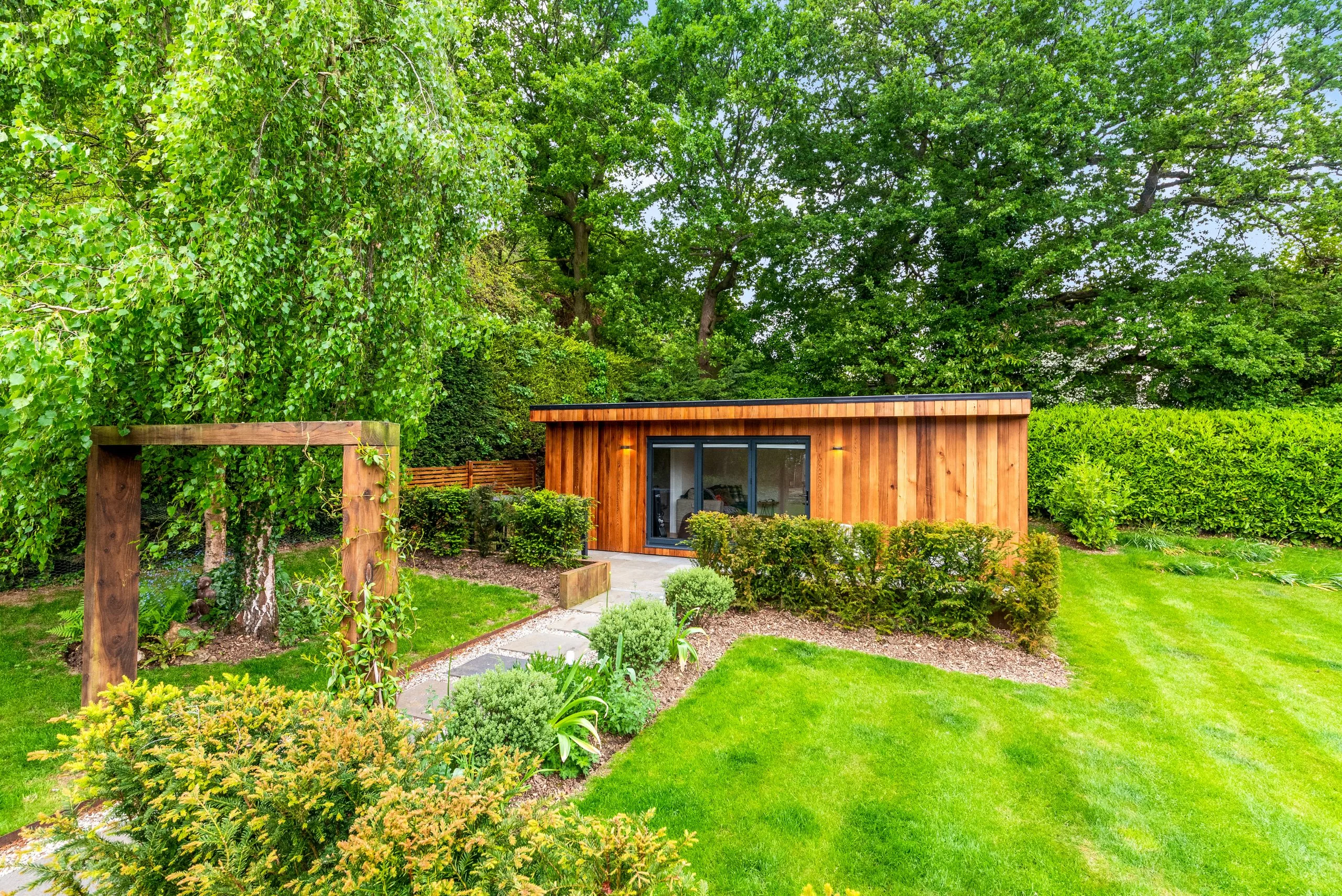
From a compact appointment room to a combined showroom and workshop, we design the building around your pieces, your clients and the way you sell.
Three bespoke buildings, including a working jewellery workshop, that show how craft, client-facing space and a refined finish can share one garden room.
A highly relevant bespoke project showing how a garden building can be tailored for jewellery work, with careful consideration of craft, comfort, storage and a professional working environment.
View project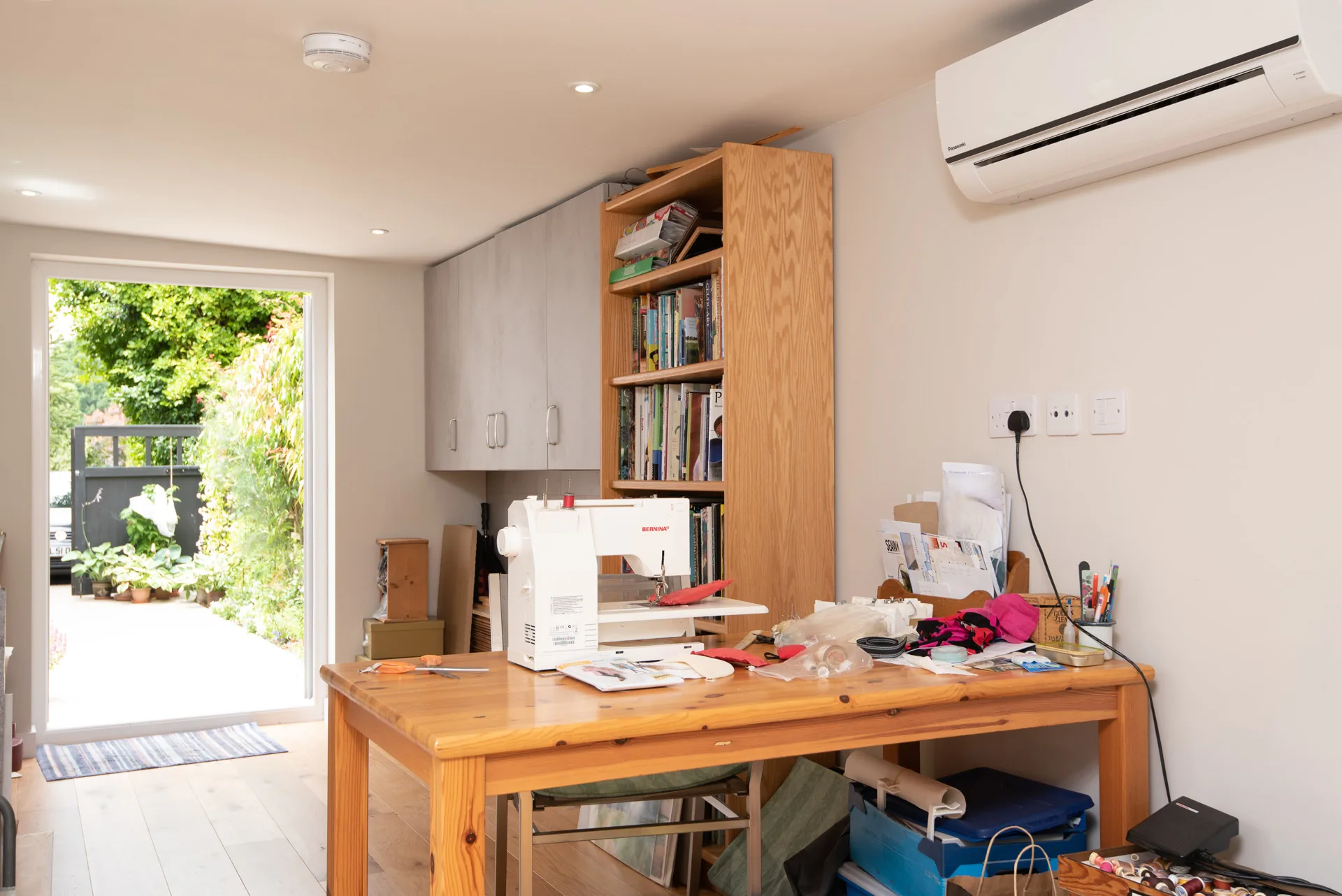
This characterful studio demonstrates how a bespoke garden room can become a dedicated creative space, ideal inspiration for makers and designers who need separation from the home.
View project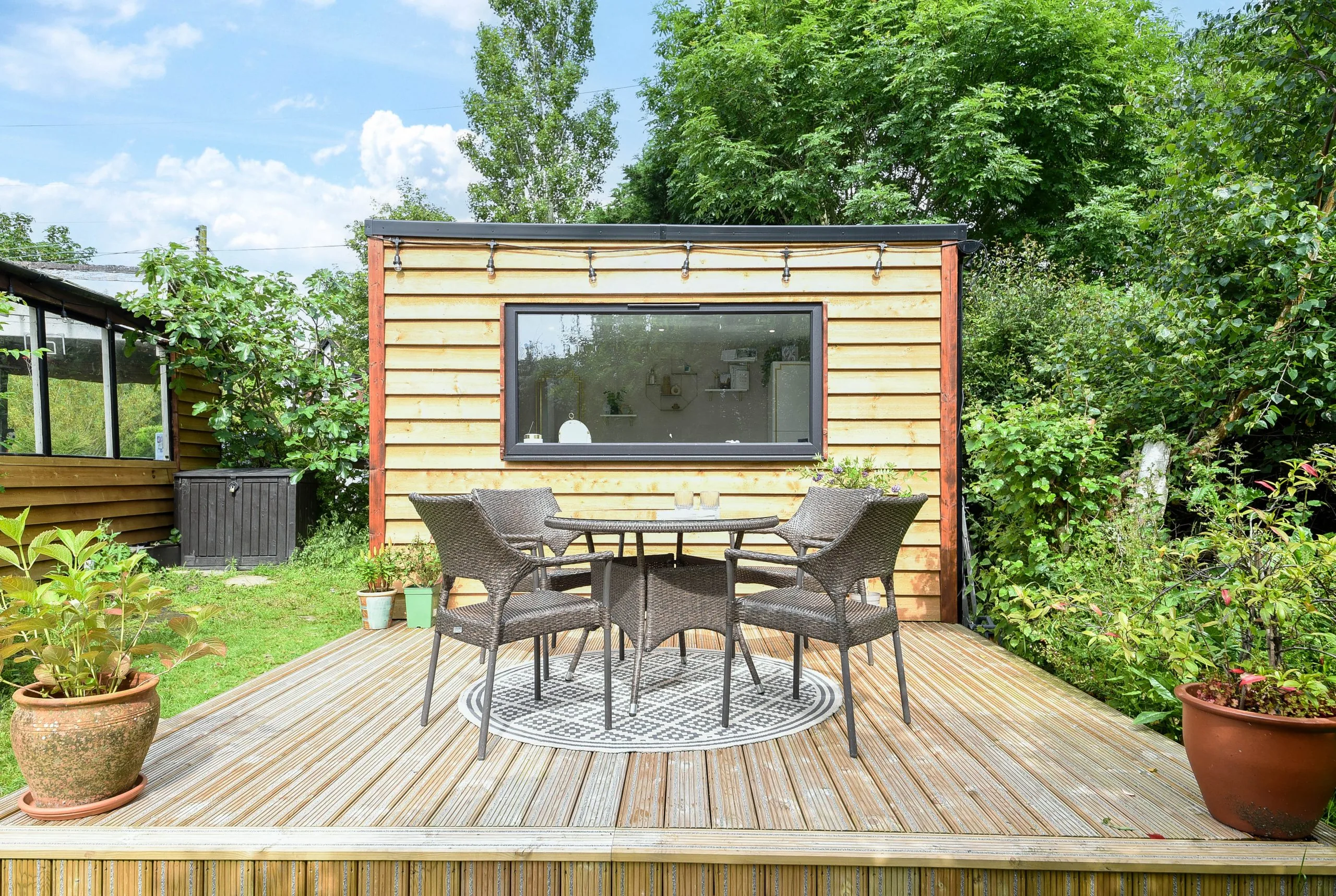
A refined studio retreat highlighting the flexibility of a Hawksbeck garden building for creative, client-facing and lifestyle-led uses where finish and atmosphere matter.
View project