
Jewellery Workshop Garden Room
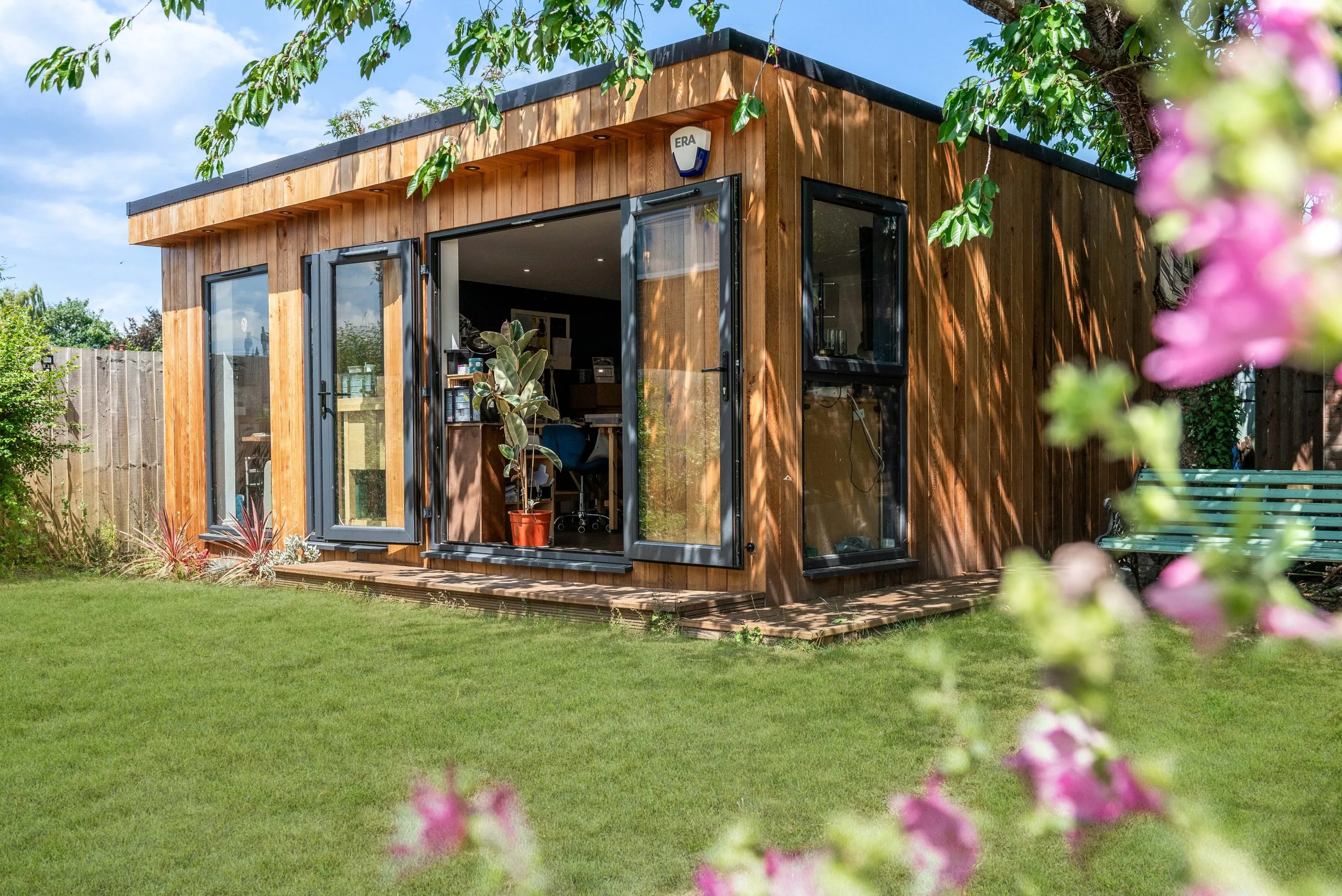
A dedicated garden jewellery workshop designed to give the client a secure, practical and inspiring space for creative work at home, with the benefits of a bespoke Hawksbeck build.
View project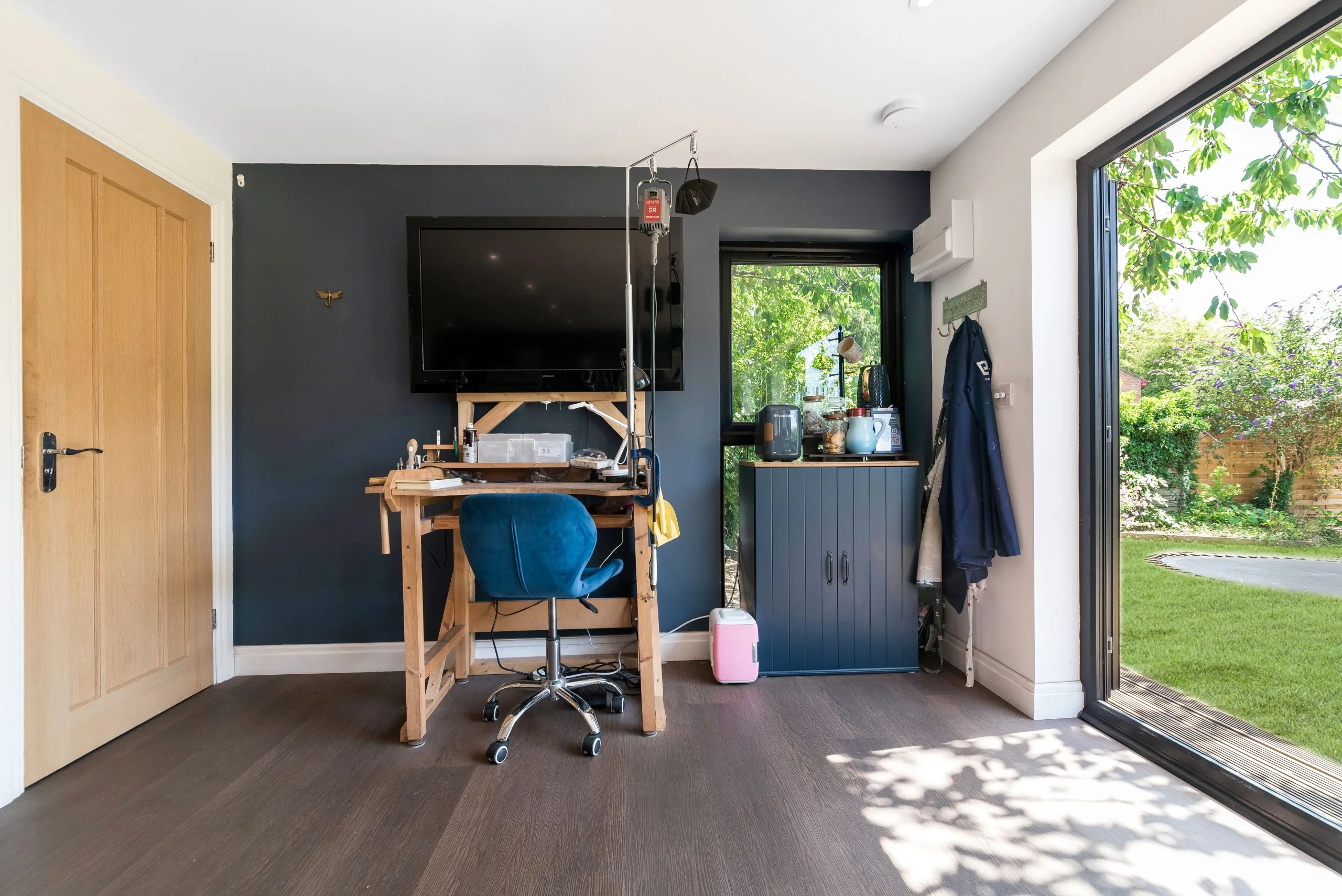
A jewellery workshop places unusually precise demands on a garden building. It is not simply a quiet room with a desk; it is a working studio where light quality, bench height, secure storage, ventilation, comfort and workflow all have a direct effect on the pieces you create.
A well-designed garden room can give you the separation of a professional workshop without taking commercial premises, while still feeling calm, refined and connected to home.
For makers, silversmiths, goldsmiths, designers, repair specialists and serious hobby jewellers, a bespoke Hawksbeck garden room can be planned around the way you work: seated bench tasks, soldering, polishing, photography, packing, consultations, stock storage, display and administration. The result is a jewellery studio that looks beautiful from the garden but performs like a carefully considered workspace inside.
Jewellery making often needs a level of focus that is hard to achieve in a spare bedroom, kitchen corner or converted garage. Tools need to stay set up, materials need to be organised, and precious metals, stones and finished pieces need to be kept securely. A dedicated garden studio gives you a defined place for your craft, with enough permanence to support professional working habits.
Unlike a room inside the house, a bespoke garden jewellery workshop can be designed from the ground up around your bench, your equipment and your daily routine. That means power points in the right locations, glazing positioned to support natural light without glare, wall space for storage, reinforced areas where needed, and a layout that allows you to move between making, finishing, photographing and packing without constantly clearing surfaces.
It can also create a helpful psychological shift. Walking to the studio marks the start of work; closing the door at the end of the day helps protect your home life. For jewellers running a business from home, that separation can make the whole operation feel more professional.
The jeweller’s bench is usually the heart of the room. For many makers, everything else should be arranged around it. A standard desk rarely provides the right working position, so your garden room should allow for a proper specialist bench with suitable seating, knee space, a bench peg, tool access, drawers and clear task lighting.
When planning a jewellery workshop garden room, consider whether you prefer to work facing a wall, facing a window, or at an angle with natural light from the side. Direct sunlight can be uncomfortable for detailed work and photography, while poor natural light can make colour judgement difficult. A bespoke design allows window placement, rooflights or glazed doors to be balanced with controlled artificial lighting.
Common workshop zones include:
Main bench area: for sawing, filing, setting, forming, wax work, repairs and fine hand tasks.
Soldering area: positioned with suitable heat-resistant surfaces, ventilation strategy and safe clearances.
Polishing and finishing area: ideally separated from clean bench work to reduce dust contamination.
Photography and packing station: useful for makers who sell online or document commissions.
Material and tool storage: lockable drawers, cupboards, vertical wall storage and secure safes where appropriate.
Client consultation space: a small table or display area if customers visit by appointment.
A compact jewellery studio can work beautifully if the layout is disciplined. A larger building may allow a more generous maker’s workshop with a separate clean area, storage zone and client-facing section. Because Hawksbeck garden rooms are bespoke, these decisions can be shaped around your actual process rather than forcing your craft into a generic floorplan.
Jewellery making is visually demanding. Stones, metals, solder joins, surface finishes and tiny components all rely on excellent lighting.
A garden room workshop should not depend on a single ceiling light.
Instead, it should combine controlled natural light, high-quality ambient lighting and focused task lighting exactly where it is needed.
For bench work, many jewellers prefer strong, clear, shadow-controlled task lighting with excellent colour rendering. High CRI lighting can help when assessing metal tones, gemstones, enamels and patinas. Adjustable arms, under-shelf lights and dedicated bench lamps can be incorporated into the layout so they feel planned rather than added as an afterthought.
Glazing should also be considered carefully. Large doors and windows can make the studio feel calm and inspiring, but too much uncontrolled brightness may create glare. A good design balances outlook with practicality, using placement, blinds, roof overhangs and internal layout to keep the workspace comfortable throughout the day.
A jewellery workshop may contain specialist equipment, precious metals, gemstones, client pieces and finished work. Security is therefore a key part of the brief. A bespoke garden building can be designed with a more robust approach than a general-purpose hobby room, giving you confidence that the studio is suitable for serious work.
Security considerations may include:
Security does not have to make the room feel harsh or commercial. With a bespoke design, protection can be built into the specification while the finished building still feels warm, elegant and beautifully detailed.
Ventilation is one of the most important practical topics for a jewellery workshop. The exact requirements depend on what you do in the space. A beading or design studio will have different needs from a silversmithing workshop that involves soldering, pickling, polishing, resin, wax, chemicals or dust-producing processes.
For some jewellers, simple background ventilation and opening windows may be enough. For others, the room may need a more considered strategy, including local extraction, dust control, safe airflow paths and dedicated areas for specific tasks. Polishing in particular can create fine dust, while soldering and chemical processes may require careful planning.
Hawksbeck can design the garden room around the way you intend to use it, allowing suitable service routes, wall positions, bench placement and space for specialist systems where needed. We would always recommend discussing your equipment and processes early so that ventilation is treated as part of the building design, not an afterthought.
Jewellery work often involves long periods of sitting, concentration and fine motor control. A cold, damp or overheated workshop quickly becomes frustrating. A premium garden room should feel comfortable in winter and summer, with insulation, heating, glazing and ventilation working together.
Year-round comfort is especially important if the studio is used commercially. You may be fulfilling orders in December, photographing collections in early spring or working on commissions during warm summer afternoons. The building needs to support consistent working conditions, not just occasional weekend use.
Depending on the design, comfort features may include efficient insulation, electric heating, underfloor heating options, air conditioning, shading, roof overhangs, opening windows and durable internal finishes. The aim is to create a controlled environment where tools, materials and makers are all well looked after.
Good storage is not simply about having enough cupboards. In a jewellery workshop, storage needs to support precision, safety and speed. Small items are easily lost; tools need to be close to hand; metals and stones should be organised; chemicals or compounds may need to be stored separately; packaging, display materials and paperwork can quickly take over if they do not have a home.
Practical storage ideas include shallow drawers for small tools, labelled compartments for findings, wall-mounted tool boards, lockable cupboards for higher-value items, dedicated shelves for packaging, and lower cabinets that keep heavier equipment stable. If you use a rolling mill, kiln, polishing motor or other specific equipment, the room can be planned around safe access and suitable clearance.
A bespoke garden room also allows you to think vertically. Full-height storage, wall rails and built-in cabinetry can make a compact studio highly efficient without it feeling cluttered.
Jewellery workshops need finishes that are attractive but resilient. The room should still feel premium, but it also has to cope with tools, dust, repeated cleaning and occasional knocks. Flooring is particularly important: it should be durable, easy to clean and suitable for finding small dropped items where possible.
Internal wall finishes can be kept light to improve visibility, while feature finishes can be used in client areas or display zones. Worktops and bench-adjacent surfaces may need to be robust, heat resistant or easy to wipe down depending on the tasks performed. The right balance is a studio that feels inspiring without being precious.
Externally, the building can be designed to complement your garden and home. Whether you prefer a contemporary architectural look, a warmer natural finish or a discreet structure that sits quietly in the landscape, the exterior and interior can be developed together.
The video below shows how adaptable a high-quality garden room can be. Although every workshop brief is different, it demonstrates how a bespoke building can be shaped around very specific uses, finishes and lifestyle requirements.
The cost of a jewellery workshop garden room depends on the size, specification, glazing, foundations, finishes, services and any specialist requirements such as enhanced electrics, additional security, extraction routes, heating, cabinetry or plumbing. Because each Hawksbeck building is bespoke, the final price is always developed around the individual brief.
As a broad guide, a smaller premium garden studio suitable for a dedicated jewellery bench and storage area may begin from the mid to upper £30,000s, depending on specification. A more generous professional jewellery workshop with upgraded glazing, heating, electrics, bespoke internal planning and enhanced finishes may commonly sit in the £45,000 to £70,000+ range. Larger luxury garden buildings with consultation areas, extensive fitted storage, advanced security, specialist ventilation requirements or multi-room layouts can exceed this.
For budgeting, it is useful to separate the building itself from workshop-specific items. The garden room specification may include the structure, insulation, external finish, doors, windows, electrics and internal finishes. Your jewellery equipment, specialist bench, safe, polishing systems, extraction equipment or fitted cabinetry may then be allowed for separately or integrated into the overall plan, depending on the brief.
If you are at an early research stage, browsing broader garden room ideas can help clarify what level of space, comfort and specification will best support the way you want to work.
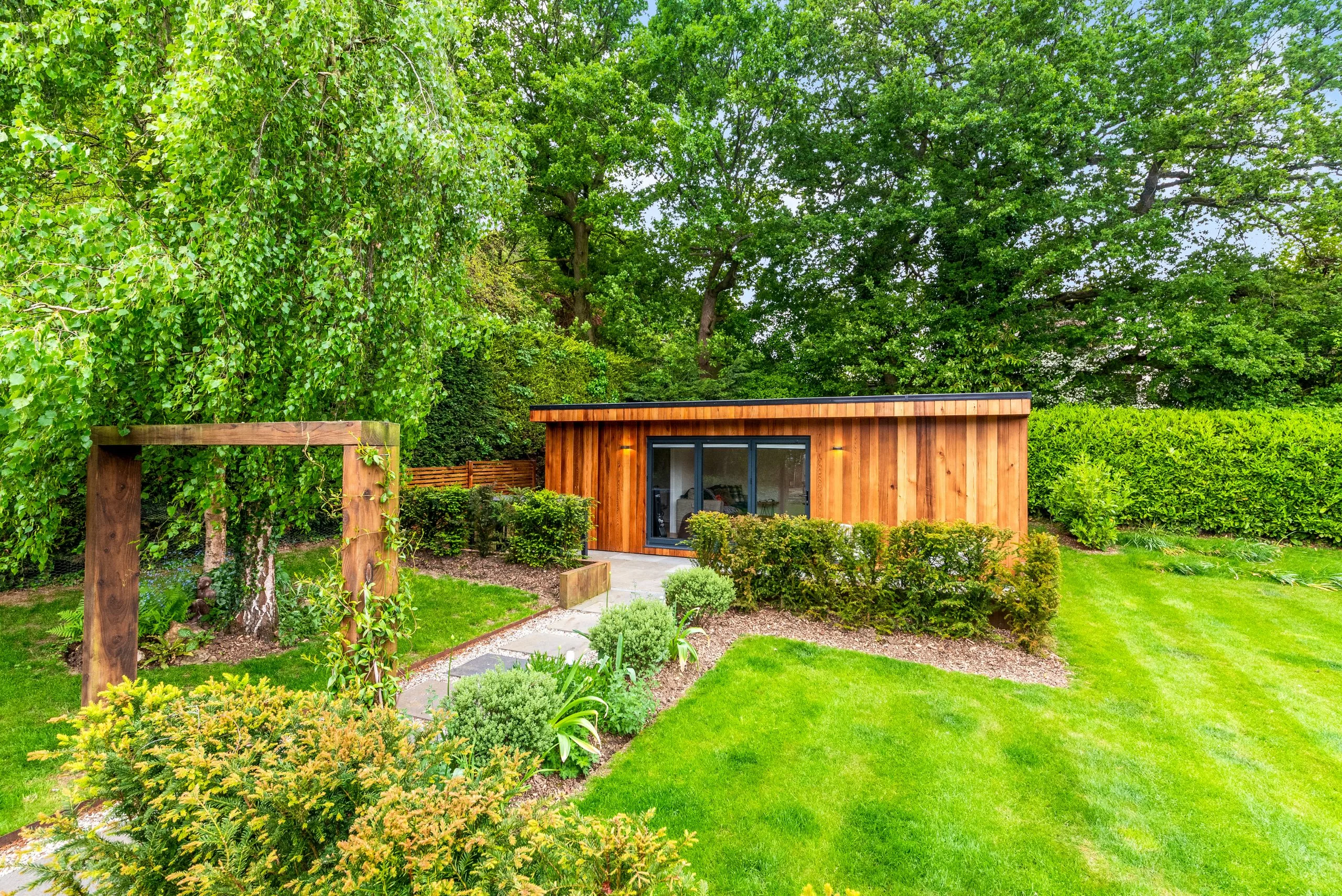
Send us your bench size, equipment list and security needs, and we can show you what the building itself would involve before the tools go in.
A useful brief often starts with the details of your actual working day. The more accurately the room reflects your process, the better it will perform once it is built.
A design and assembly studio has different requirements from a soldering, casting, polishing or repair workshop. List every activity you expect to carry out, including the occasional ones.
Some makers need a single specialist bench. Others want a main bench, a clean desk, a soldering station and a photography surface. If you teach or collaborate, allow room for another person to work comfortably.
If customers come for consultations, fittings or collection appointments, the studio may need a more polished entrance, a display area, seating and a layout that keeps tools and stock secure.
Make a list of lamps, pendant motors, polishing motors, ultrasonic cleaners, kilns, chargers, photography lights, computers, printers, heating and any future equipment you may add. Power planning is far easier before the room is built.
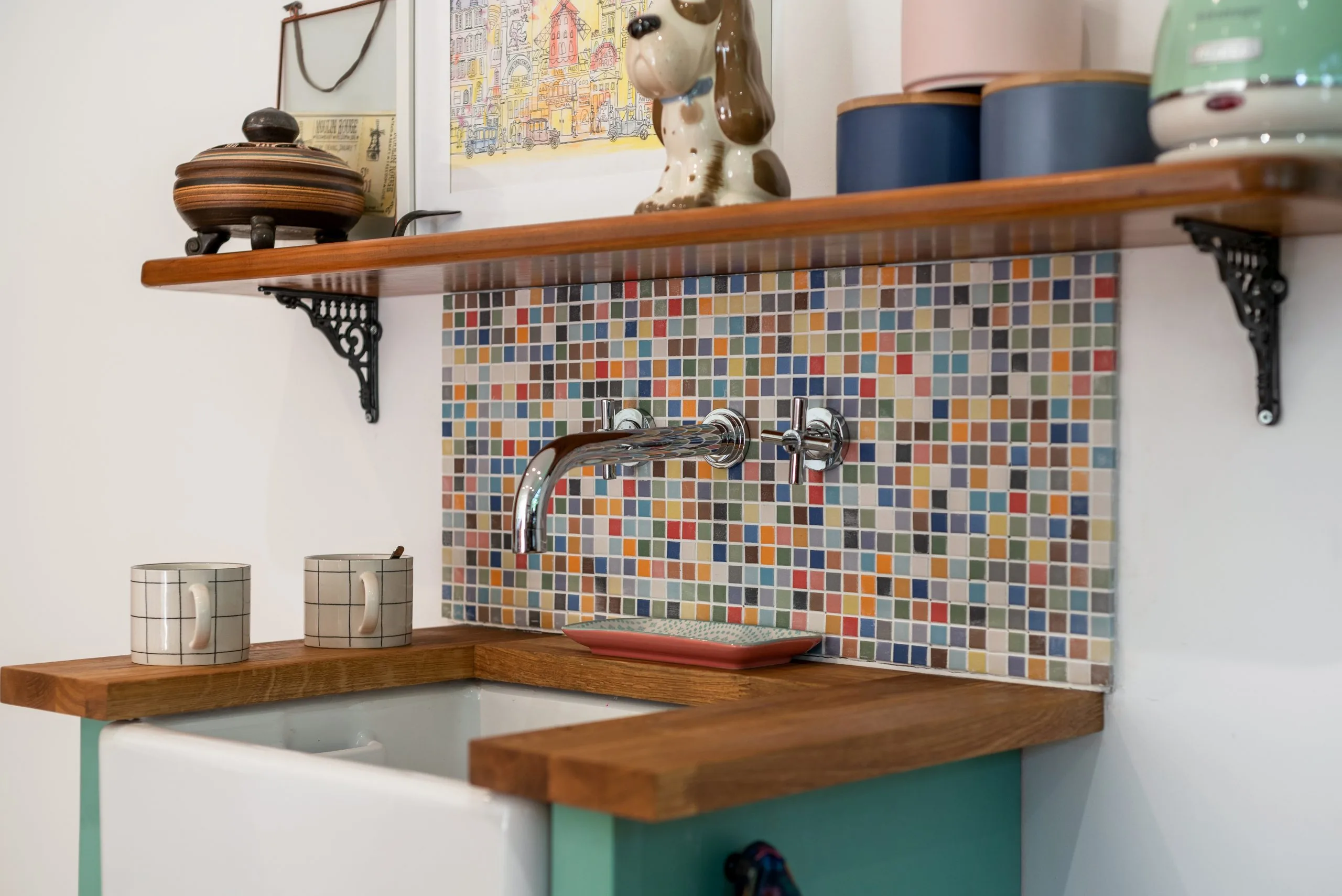
Some jewellers may benefit from a sink for cleaning, handwashing or certain processes. This may affect location, plumbing, drainage and cost, so it should be discussed early.
Consider polishing dust, soldering fumes, chemicals, resins and any materials that should not be inhaled or spread through the studio. Your working methods will influence the ventilation strategy.
Think realistically about the value of tools, metals, stones, client items and finished pieces. The studio can then be specified accordingly.
A smaller studio can be remarkably effective when it is carefully planned. If your work is mainly bench-based and you do not need to host clients, a compact garden room with one excellent workstation, intelligent storage and strong lighting may be ideal. The priority is to avoid wasted space and keep the workflow simple.
A larger studio becomes valuable when you need separate zones. A maker selling online may want a clean surface for packing and photography away from polishing dust. A designer taking commissions may want a refined consultation area. A jeweller with larger equipment may need clearance, ventilation and stronger storage. A tutor may need space for students or demonstrations.
Because Hawksbeck buildings are made to suit the individual project, the design can be scaled to your requirements rather than selected from a fixed template. That makes the building more efficient, more enjoyable and more future-proof.
Yes. A practical workshop does not need to feel like a shed, garage or commercial unit. With considered materials, beautiful glazing, refined proportions and high-quality detailing, your jewellery studio can become one of the most attractive features in the garden.
The key is to separate working practicality from visual harshness. Robust flooring can still look elegant. Secure doors can still be beautifully designed. Storage can be integrated rather than improvised. Lighting can be technical where needed but warm and atmospheric in display or seating areas. A bespoke approach allows the room to reflect the standard of the work you produce.
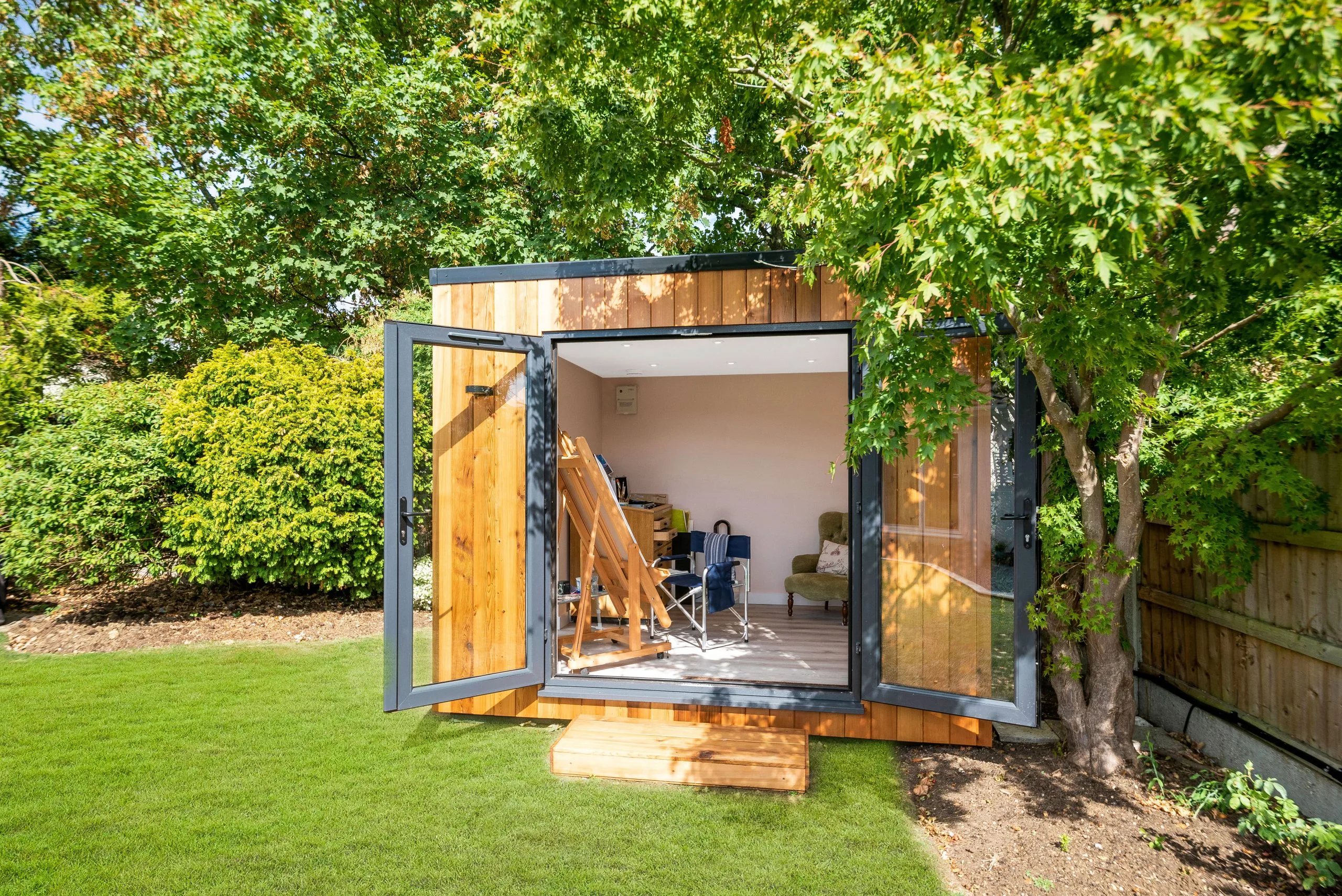
A bespoke jewellery workshop can support many different working models. It may be a private studio for one maker, a workshop for an online jewellery brand, a repair and alteration space, a design studio for client commissions, or a creative room used alongside shows, markets and retail partnerships.
Typical professional uses include:
If the room will be used for business, it is also worth considering insurance, access, parking, client privacy, planning requirements and whether any particular processes require additional safety measures. These are best addressed at concept stage.
Many garden rooms can fall within permitted development, but this depends on factors such as location, height, size, proximity to boundaries, overall garden coverage and property-specific restrictions. A jewellery workshop may also raise additional considerations if clients visit regularly, if the building includes plumbing, or if the use becomes more commercial in nature.
Hawksbeck can talk through the practicalities with you and help shape a building that suits the site as well as the use. Early discussion is especially important for access, foundations, electrics, drainage, garden levels and the route from the house to the studio.
Small decisions, daily payoffThe best jewellery workshops are full of small decisions that save time and reduce frustration. These details may not be obvious from outside, but they make a significant difference once you start working in the room every day.
A jewellery workshop is a highly personal space. It needs to support your process, protect your tools and materials, and feel like somewhere you genuinely want to spend time. Hawksbeck’s bespoke approach is well suited to this type of project because the building can be designed around the craft rather than adapted afterwards.
From the first conversation, the brief can include your bench size, equipment list, lighting preferences, security requirements, storage needs and desired aesthetic. The result is a premium garden building that is not only beautifully made but genuinely useful for jewellery work.
Whether you are creating a professional studio for your business or a luxury private space for a serious hobby, a garden jewellery workshop can give you the room, focus and craftsmanship your work deserves.
Yes, if it is built to a suitable specification. Insulation, heating, glazing, ventilation and durable internal finishes all help create a comfortable year-round studio for detailed jewellery work.
Yes. The room can be planned around your preferred bench size, working height, seating position, lighting and tool storage. This is one of the main advantages of a bespoke design.
It depends on the work being carried out. Simple design and assembly may require only general ventilation, while soldering, polishing, chemicals, resin or dust-producing processes may require a more specific ventilation or extraction strategy.
Yes. Security can be considered from the outset, including doors, locks, glazing, lighting, alarms, CCTV provision and secure internal storage. The right level of security will depend on the value of your tools, materials and finished pieces.
Potentially, yes. If you plan to hold consultations or appointments, the design can include a more refined client area, discreet storage and a welcoming entrance. It is also sensible to consider planning, insurance and access implications.
A single-maker studio can work in a compact footprint if it is carefully organised. If you need separate areas for soldering, polishing, photography, storage or client meetings, a larger garden room will usually be more practical.
In many cases, plumbing can be considered, subject to the site and specification. If a sink is important for your work, it should be included in the brief early because it may affect layout, drainage and cost.
Yes. Items such as polishing motors, kilns, rolling mills, safes, compressors, photography lights or extraction equipment can all influence the layout, electrics, ventilation and storage design.
Three projects planned around close, hands-on work, starting with a garden jewellery workshop built for a maker in Cambridge.
A dedicated garden jewellery workshop designed to give the client a secure, practical and inspiring space for creative work at home, with the benefits of a bespoke Hawksbeck build.
View project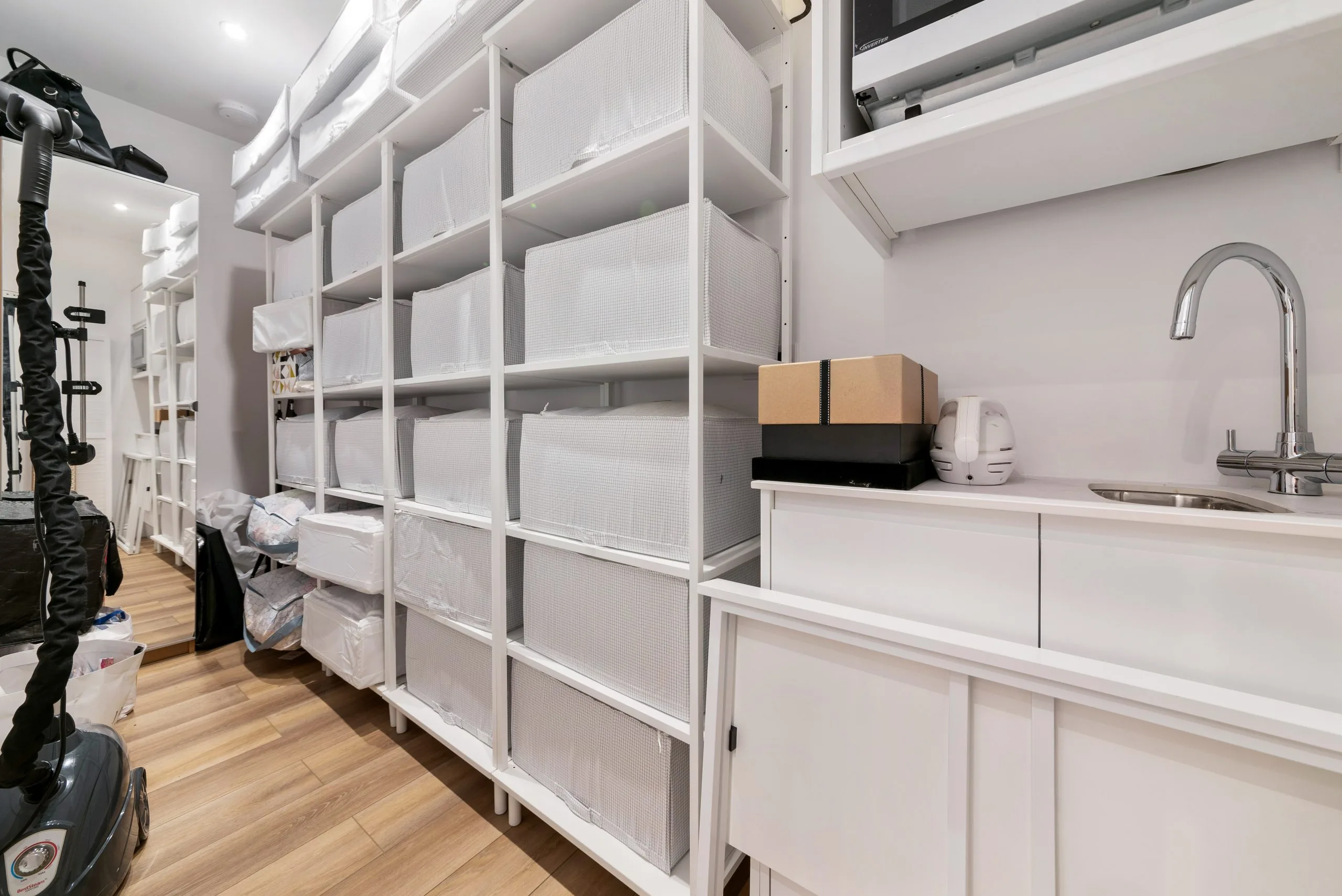
This workshop project demonstrates how a garden building can be tailored for focused practical use, with a layout and finish developed around the client’s specific requirements.
View project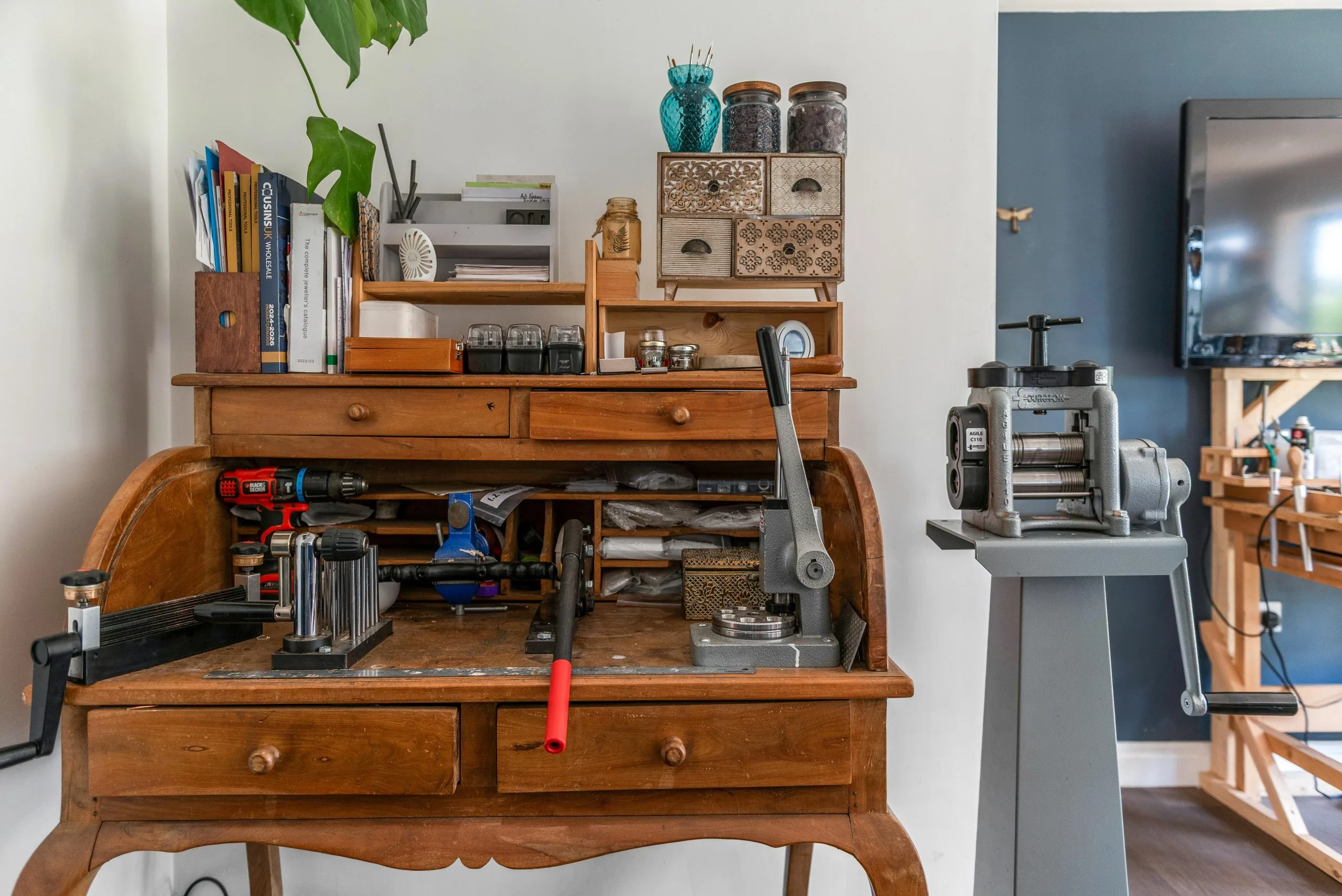
A beautifully finished garden studio showing how a bespoke room can support creative hobbies, practical work and a calmer separation between home and personal projects.
View project