
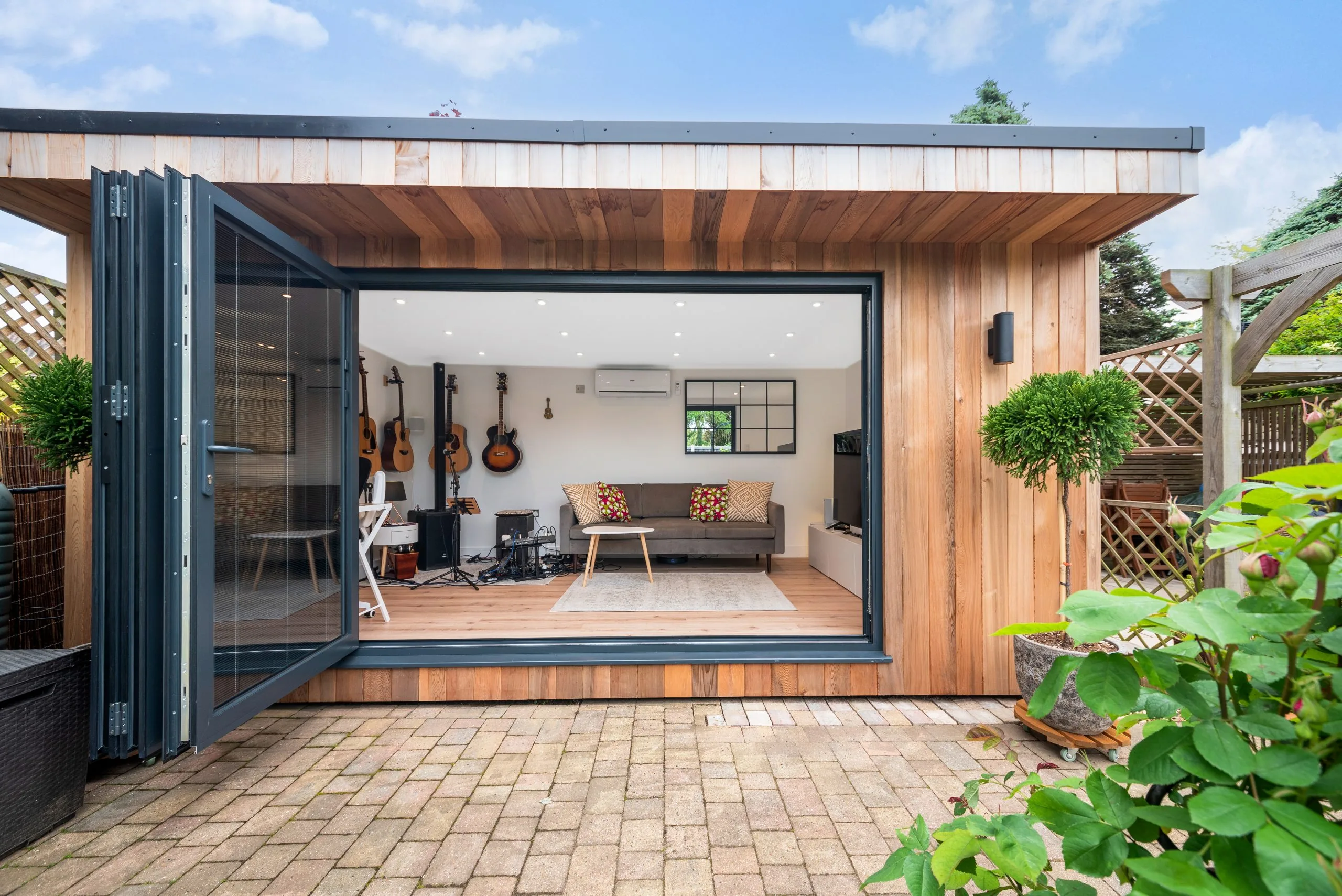
Creative Studio Retreat, Chelmsford
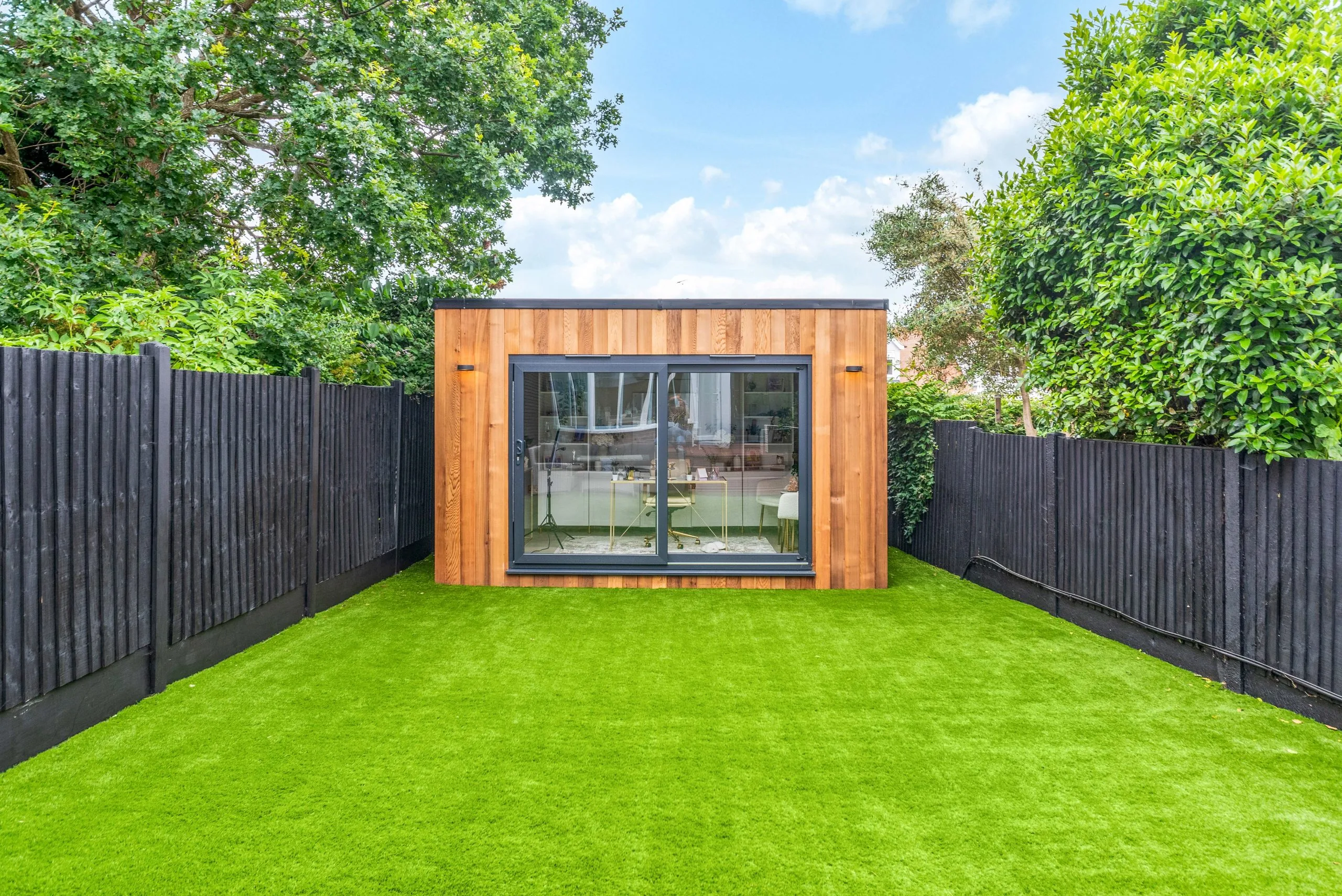
A beautifully considered studio retreat showing how a bespoke garden building can become a calm, practical and inspiring space for focused creative work, content planning and professional use.
View project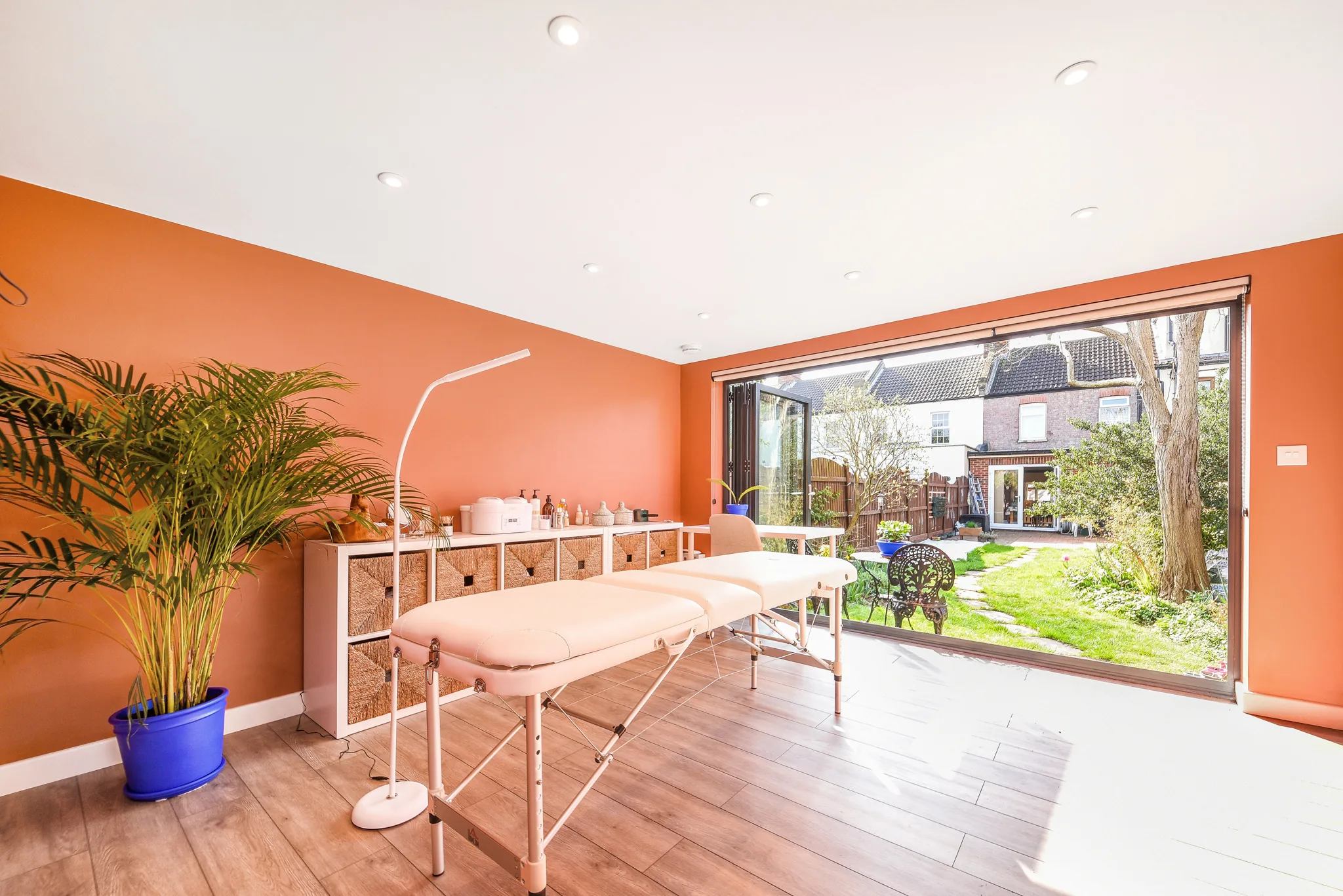
A livestream studio is unforgiving in the best possible way. If the room is too echoey, too bright, too dark, too hot, too cramped, too noisy or poorly connected, the audience notices immediately.
A well-designed garden room can solve those problems by giving you a dedicated, controlled, professional broadcasting space away from the interruptions of the house, with the comfort and finish of a premium room you actually enjoy working in.
For YouTubers, podcasters, course creators, business owners, consultants, coaches, gamers, brands and content teams, a bespoke garden room can become a broadcast-ready studio with the right combination of acoustic planning, lighting control, power, data, storage, ventilation and layout. Instead of adapting a spare bedroom around family life, you can create a permanent studio where the camera, microphones, monitors, backdrop, desk and equipment are always ready to go.
Livestreaming demands consistency. The lighting should be repeatable, the sound should be dependable, the internet connection should be stable and the room should be available at the exact moment you need it. A bespoke garden building gives you the opportunity to design those details into the space from the start.
Unlike a converted room inside the house, a garden studio can be planned around the camera position, the presenter’s desk, the backdrop, the equipment rack, the acoustic treatment and the way you move during a broadcast. It can also be designed to feel separate from home life, which is particularly valuable if you take client calls, run webinars, host paid training sessions or create content for your business.
Leave cameras, lighting, microphones and screens in place rather than packing everything away after each session.
Plan the building with insulation, internal finishes and acoustic measures that reduce echo and external noise.
Include hardwired data points and carefully positioned power for streaming equipment.
Create a backdrop, lighting scheme and interior finish that reflect your brand.
Step away from the house and into a dedicated content environment.
A premium insulated garden room can be comfortable through every season.
If you are still exploring different ways to use a bespoke building, our wider guide to garden room ideas is a useful place to compare options before focusing on your studio design.
A livestream studio for a solo business owner will not need the same layout as a multi-camera content room for interviews, product demos or training sessions. The benefit of a Hawksbeck garden room is that the space can be designed around your real workflow, not squeezed into a standard template.
This is ideal for consultants, coaches, educators, finance professionals, property experts, marketers, creators and small business owners who regularly appear on camera. The space may include a main desk, camera-facing backdrop, lighting rails or stands, a teleprompter position, hardwired internet, acoustic wall panels and discreet equipment storage.
The key is to make it effortless to go live. Your camera remains aligned, your microphone is already in position, your lighting is balanced and your background looks considered every time.
For podcasts, vodcasts and interview-based livestreams, the room may need space for two to four chairs, tabletop microphones, multiple cameras, softer lighting and a warmer lounge-style interior. Acoustics become particularly important because there may be several voices in the room at once.
A bespoke layout can include cable routes below desks or furniture, storage for mic arms and recording equipment, and a designed background that looks good from more than one camera angle.
If you demonstrate products, teach practical skills, film social commerce content or run live shopping events, you may need more depth, worktop space and storage. This kind of livestream studio can be designed with display shelving, lockable cupboards, work surfaces, task lighting and flexible zones for close-up filming.
The garden room can become a hybrid of studio, showroom and content workshop, allowing your brand to present itself consistently without renting external studio space.
Streaming often involves several screens, specialist computers, consoles, audio equipment, LED lighting, cameras and high-speed connectivity. A bespoke garden room can be planned with extra socket positions, cable management, blackout options, air conditioning, ventilation and secure storage.
Because high-performance computers and lighting can generate heat, comfort planning matters. A room that looks impressive on camera still needs to remain comfortable during a long broadcast.
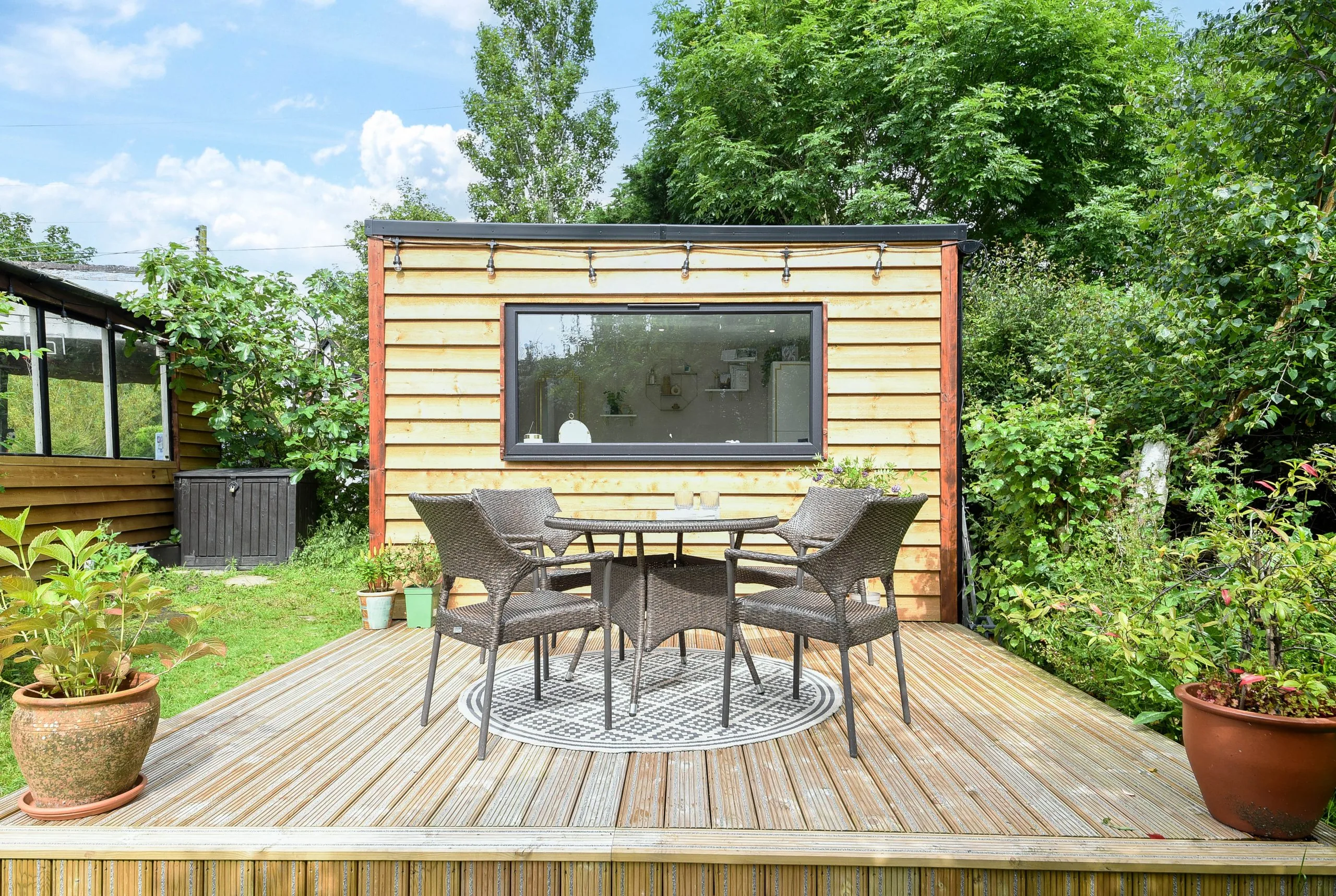
Businesses using live video for client education, sales presentations, staff training or paid online courses may want a more corporate studio feel. This could include a presenter desk, branded backdrop, wall-mounted screen, whiteboard, storage for training materials and carefully planned lighting for long sessions.
The room can be designed to feel calm and professional, helping you deliver with confidence while giving clients and viewers a strong impression of your business.
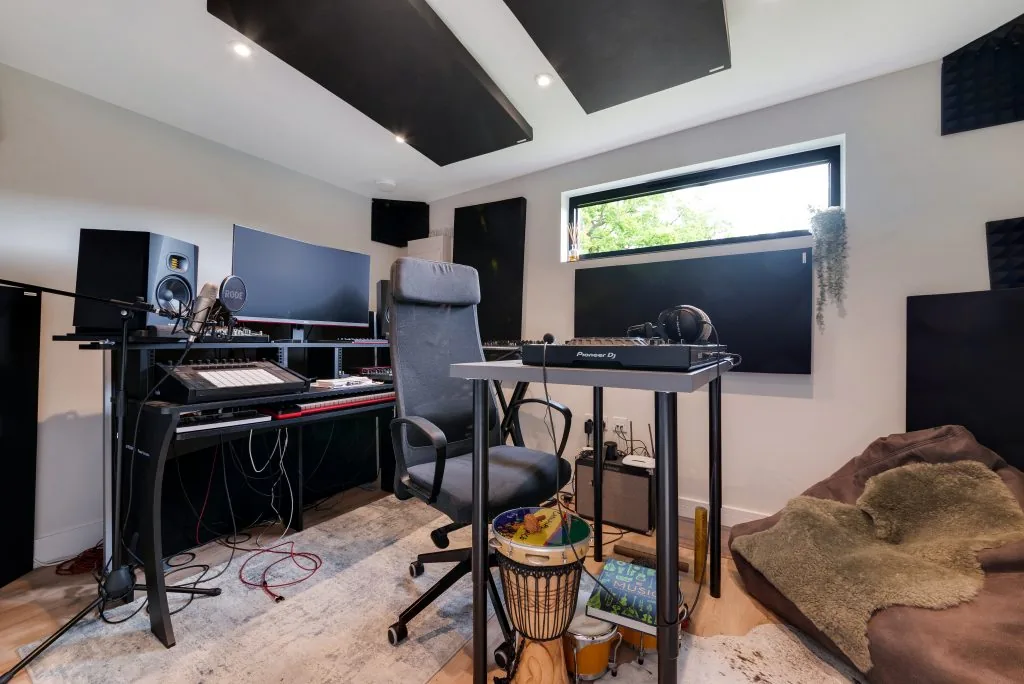
Viewers will often forgive imperfect video before they forgive poor audio. Echo, traffic noise, keyboard noise, wind, rain, dogs, children, neighbours and garden equipment can all become distractions if the room has not been considered properly.
A garden room livestream studio does not necessarily need to be a full recording booth, but it should be designed with sound in mind from the outset. That may involve a combination of structure, insulation, internal finishes and specialist acoustic treatments.
It is worth being realistic: a premium garden building can be made excellent for livestreaming, podcasting and content creation, but if you require studio-grade isolation for music recording, drum tracking or highly sensitive voiceover work, the acoustic requirements may be more specialist. The advantage of speaking to us early is that we can design the building around the level of performance you actually need.
Natural light is beautiful in a garden room, but uncontrolled daylight can be difficult on camera. A passing cloud, direct sun, reflections in glasses or a bright window behind you can change the exposure during a live broadcast. For a livestream studio, the goal is not simply “more light”; it is controllable light.
That might mean positioning glazing away from the principal camera angle, including blinds, adding overhangs, using rooflights sparingly or creating a dedicated wall that behaves well on camera. Artificial lighting can then do the heavy lifting, giving you a repeatable look at any time of day.
A livestream studio should be flattering as well as functional. Good lighting helps you look more professional, but it also reduces the need for constant adjustment before each broadcast.
Wireless internet may be fine for casual browsing, but livestreaming is more demanding. A wired connection is usually the preferred option for reliability, especially if you are broadcasting to YouTube, LinkedIn, Twitch, Instagram, TikTok, Zoom, Teams, WebinarJam or other live platforms.
When we are designing a garden room for streaming, the electrical and data plan deserves careful thought. The best time to decide where your desk, monitors, cameras, router, network switch, lighting and charging points will go is before the building is finished, not after you have moved equipment in.
It is common for a studio to need more sockets than a normal home office. Cameras, screens, audio interfaces, stream decks, laptops, desktop computers, lights, chargers, speakers, routers and backup drives all compete for power. A clean electrical plan helps the room stay tidy and prevents the studio from becoming a web of extension leads.
Livestreaming can involve long periods of sitting under lights, speaking continuously, monitoring chat, presenting slides and managing technology. A studio that is too hot, too cold or poorly ventilated quickly becomes uncomfortable.
A quality garden room should be designed for year-round use, with insulation, heating and ventilation appropriate to the building. Depending on the intended use, you may also want air conditioning, especially if the room will contain computers, monitors, lighting and multiple people.
Comfort is not just a luxury feature; it affects performance.
When the studio temperature is right, the chair is properly positioned, the screen height is comfortable and everything you need is within reach, you can focus on presenting rather than fighting the room.
FootprintsThe right size depends on the camera angles, furniture, storage and number of people using the room. A smaller building can work brilliantly for a solo livestreaming setup, while a larger studio gives you more flexibility for interviews, content creation, editing and equipment storage.
| Studio Type | Typical Space Requirement | Best For |
|---|---|---|
| Compact solo studio | Approx. 3m x 3m to 4m x 3m | Solo streams, Zoom calls, webinars, YouTube content and online coaching |
| Presenter and editing studio | Approx. 4m x 3m to 5m x 3m | Filming, editing, podcasting, content planning and storage in one room |
| Interview or podcast studio | Approx. 5m x 3m to 6m x 4m | Two to four people, multiple camera angles and a dedicated set |
| Professional production garden studio | Approx. 6m x 4m and above | Brand content, product demos, livestream sales, training and multi-zone production |
Ceiling height can also matter. If you need overhead lighting, standing presentation space, boom arms or a more open studio feel, the height and proportions of the room should be discussed early. Camera lenses can make a small room feel tighter on screen, so giving yourself enough depth between presenter and background can make a noticeable difference to the final image.
Your audience sees what is behind you almost as much as they see you. The background should feel intentional without becoming distracting. In a garden room livestream studio, you can design this properly rather than trying to hide household clutter before every call.
Some clients prefer a clean, premium office-style background with cabinetry, soft lighting and neutral finishes. Others want shelving, brand colours, textured walls, timber details, plants, artwork, LED accents or a more relaxed lounge atmosphere. The best choice depends on your brand and the type of content you produce.
A bespoke building gives you control over what the camera sees. Power sockets, data points, lighting, storage and furniture can all be positioned so the studio looks calm and uncluttered during a live broadcast.
Watch it as a presenter would: every wall in these buildings is a possible on-camera background.
Livestream studios often accumulate more equipment than expected. Microphones, tripods, cables, chargers, lenses, batteries, headphones, capture cards, lighting stands, teleprompters, backdrops, props and packaging all need somewhere to go.
Without planned storage, the studio can quickly become cluttered, which affects both your working experience and what appears on camera. Bespoke cabinetry, cupboards, shelves and hidden storage can keep the space practical while protecting valuable equipment.
If your garden room will also be used as an editing suite or business office, storage becomes even more important. The aim is to create a studio that is quick to use, easy to reset and tidy enough to remain camera-ready.
A professional studio may contain expensive equipment, so security should be considered as part of the design. Cameras, computers, audio equipment, lenses and lighting can represent a significant investment, particularly if the studio is used for business.
Security requirements vary by property and location, but useful considerations may include robust doors and windows, high-quality locks, external lighting, alarm integration, CCTV, secure data installation and careful positioning within the garden. You may also want discreet storage so equipment is not visible from outside when the studio is not in use.
Yes, depending on the design, available space, budget, permissions and services. A WC, kitchenette or refreshment area can be useful if the studio will be used for long working days, guest interviews, staff training or regular client-facing content sessions.
Adding plumbing, drainage and additional facilities will usually increase cost and complexity, but it can make the building feel far more independent. For a business owner who spends several days a week in the studio, that convenience may be well worth considering.
Many garden rooms can be built under permitted development rights, but this depends on the size, height, position, use and your property. If the building will be used for business, if it is close to boundaries, if your home is listed, or if you live in a conservation area or other restricted location, further checks may be needed.
A livestream studio used as a home business space may still be entirely achievable, but it is important to discuss the intended use honestly at the beginning. Requirements can vary, and the correct route will depend on your home, garden and specification.
For larger studios, buildings with plumbing, or more complex installations, Building Regulations may also be relevant. We can talk through the practical considerations with you so the final design is appropriate for the way the building will be used.
The cost of a livestream studio garden room depends on size, specification, foundations, glazing, finishes, electrics, data, heating, air conditioning, acoustic requirements, storage, plumbing and any bespoke interior features. Because Hawksbeck buildings are bespoke, the final price is always shaped by the brief.
As a broad guide, a compact premium garden studio suitable for solo livestreaming will often sit in a different budget range to a larger professional broadcast room with enhanced acoustic treatments, custom cabinetry, WC facilities, kitchenette, air conditioning and specialist technical planning.
| Livestream Studio Specification | Indicative Budget Range | What May Be Included |
|---|---|---|
| Compact creator studio | Often from around £25,000–£40,000+ | Premium insulated garden room, electrical package, heating, lighting and space for a fixed solo streaming setup |
| Professional solo broadcast room | Typically around £40,000–£60,000+ | More generous footprint, data planning, improved lighting control, storage, upgraded finishes and acoustic considerations |
| Podcast, interview or brand studio | Often around £60,000–£90,000+ | Larger layout, multiple filming zones, bespoke cabinetry, enhanced comfort, acoustic features and premium interior design |
| High-spec production building | Can exceed £90,000 depending on brief | Complex specification, WC or kitchenette, advanced storage, air conditioning, substantial glazing, premium finishes and tailored technical planning |
These figures are only a guide. A simpler room may cost less, while a highly specified production studio can cost considerably more. The best way to understand the cost is to discuss the size, equipment, technical needs and desired finish, then shape a design and specification around your priorities.
Cameras, lights, screens and how many voices are in the room tell us more about the right studio than a floor area does.
If you are planning a livestream studio, it helps to think beyond the size of the room. The more we understand about your content, your equipment and your working habits, the better the design can be.
You do not need every answer before starting the conversation. Part of the value of a bespoke approach is working through those decisions properly and making sure the final room supports your content rather than limiting it.
A compact, highly refined studio with a desk facing a carefully designed backdrop. The camera, monitor, microphone and lighting are permanently positioned. Behind the presenter, built-in shelving, warm accent lighting and a textured wall create a premium on-screen look. Storage is kept to one side so the main camera angle remains uncluttered.
This is a strong choice for consultants, educators, advisers and business owners who want to appear professional on calls, webinars and live broadcasts.
A more flexible setup with a filming desk, editing station, storage wall and open area for standing content. The room may include movable lights, a pull-down backdrop, product shelves and space for tripods. The interior feels creative but controlled, with enough storage to keep equipment tidy between shoots.
This suits YouTubers, social media creators, online retailers and brands making regular video content.
A wider garden studio with a central table or lounge seating arrangement, multiple camera positions and carefully controlled audio. The background is designed to look good from several angles, and lighting is softer to create a relaxed but professional atmosphere.
This is ideal for regular guest interviews, business podcasts, panel discussions and long-form video content.
A larger building with different zones for filming, storage, editing, meetings and refreshments. This type of room can support a small team, more equipment and a broader content strategy. It may include a WC, kitchenette, built-in storage, air conditioning and a more substantial electrical and data plan.
For a business investing heavily in video, this can become a valuable production asset at home or on company premises.
A livestream studio is not just another office. It needs to look good, sound good, feel comfortable and support technology reliably. Hawksbeck’s bespoke approach means the building can be shaped around your content, your garden and your expectations for quality.
From the exterior architecture to the internal layout, glazing, storage, finishes and practical specification, the design can be tailored to how you want to use the room. Whether you need a calm and professional webinar studio, a creator space with personality, a podcast room for guests or a premium garden production building, the aim is to create a room that works beautifully in real life as well as on camera.
Because the building is bespoke, you are not limited to one fixed format. The room can be refined around the practical details that make livestreaming easier: connection points, lighting positions, acoustic treatments, camera angles, equipment storage, heating, cooling and the overall feel of the space.
A compact solo studio is roughly 3m x 3m to 4m x 3m. Interview or podcast studios for two to four people are approximately 5m x 3m to 6m x 4m, and full production studios start from around 6m x 4m.
It may be fine for casual browsing, but a wired connection is usually preferred for livestreaming reliability. Hardwired data points are best planned before the building is finished.
A premium garden building can be made excellent for livestreaming, podcasting and content creation through insulation, internal finishes and acoustic treatment. Studio-grade isolation for music recording or sensitive voiceover work is a more specialist requirement.
As a guide, a compact creator studio often starts from around £25,000–£40,000+, a podcast, interview or brand studio is often around £60,000–£90,000+, and a high-spec production building can exceed £90,000 depending on the brief.
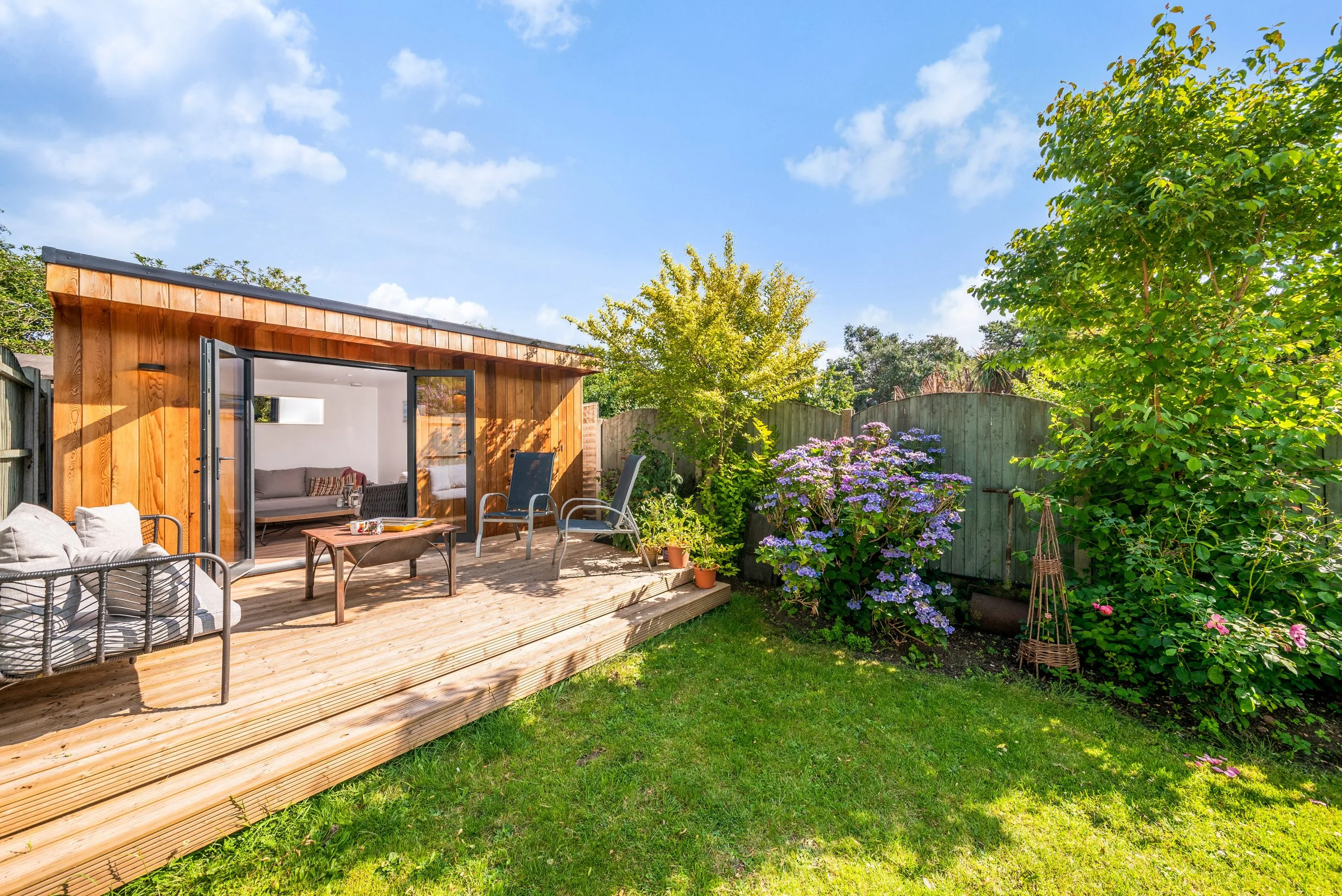
If you want a permanent space for livestreaming, recording, podcasting, webinars, online training or content production, a bespoke garden room can give you the control and quality a spare room rarely provides. The best studio is one that fits your equipment, your brand, your workflow and your garden, with every important detail considered before the build begins.
Speak to Hawksbeck about your plans and we can help you explore the right size, specification, layout and budget for a premium livestream studio garden room.
Three studio and office buildings worth studying if you are planning a permanent broadcast room.
A beautifully considered studio retreat showing how a bespoke garden building can become a calm, practical and inspiring space for focused creative work, content planning and professional use.
View project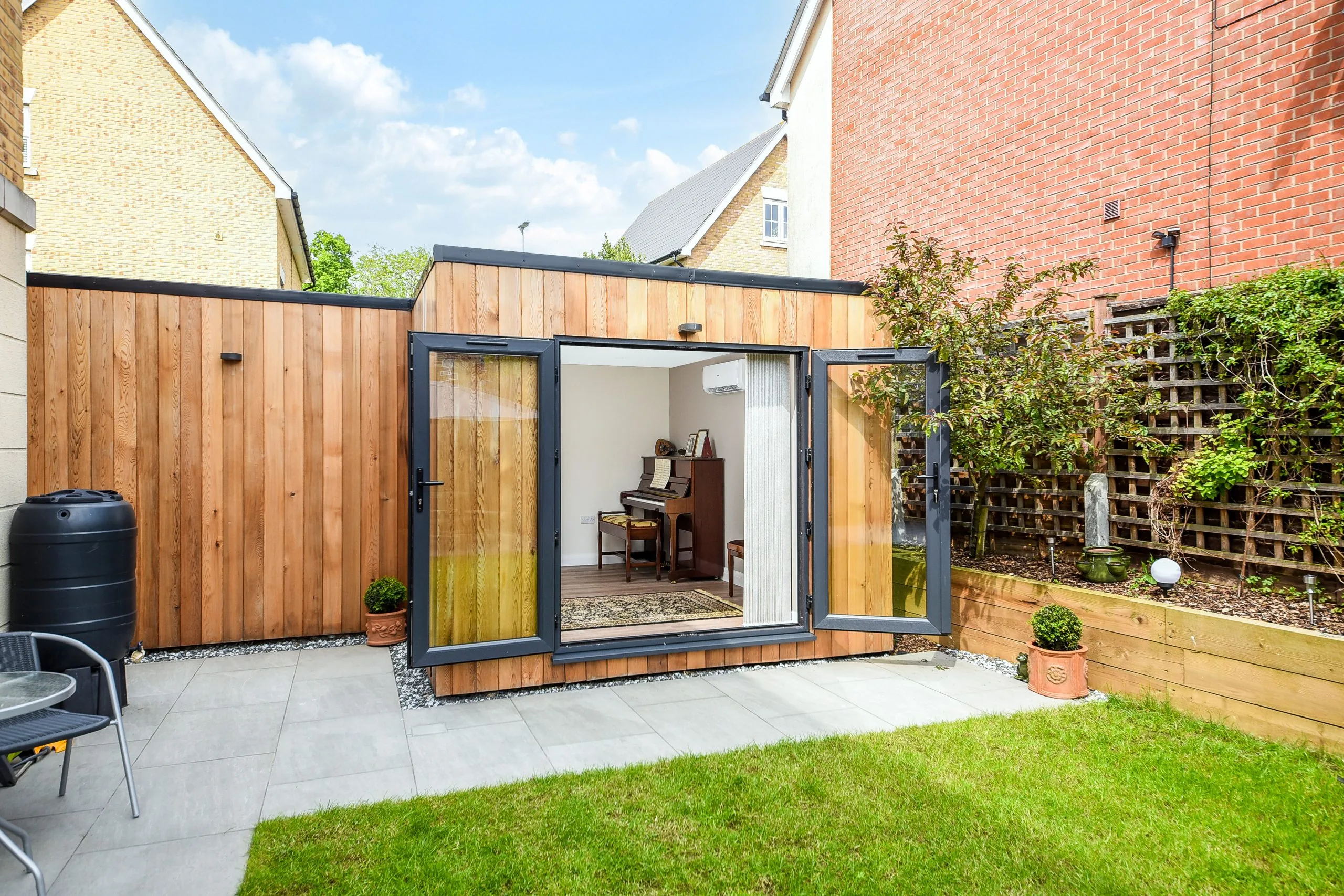
This studio office demonstrates the value of a tailored layout, premium finish and dedicated working environment, making it a useful reference for anyone planning a broadcast or livestream room.
View project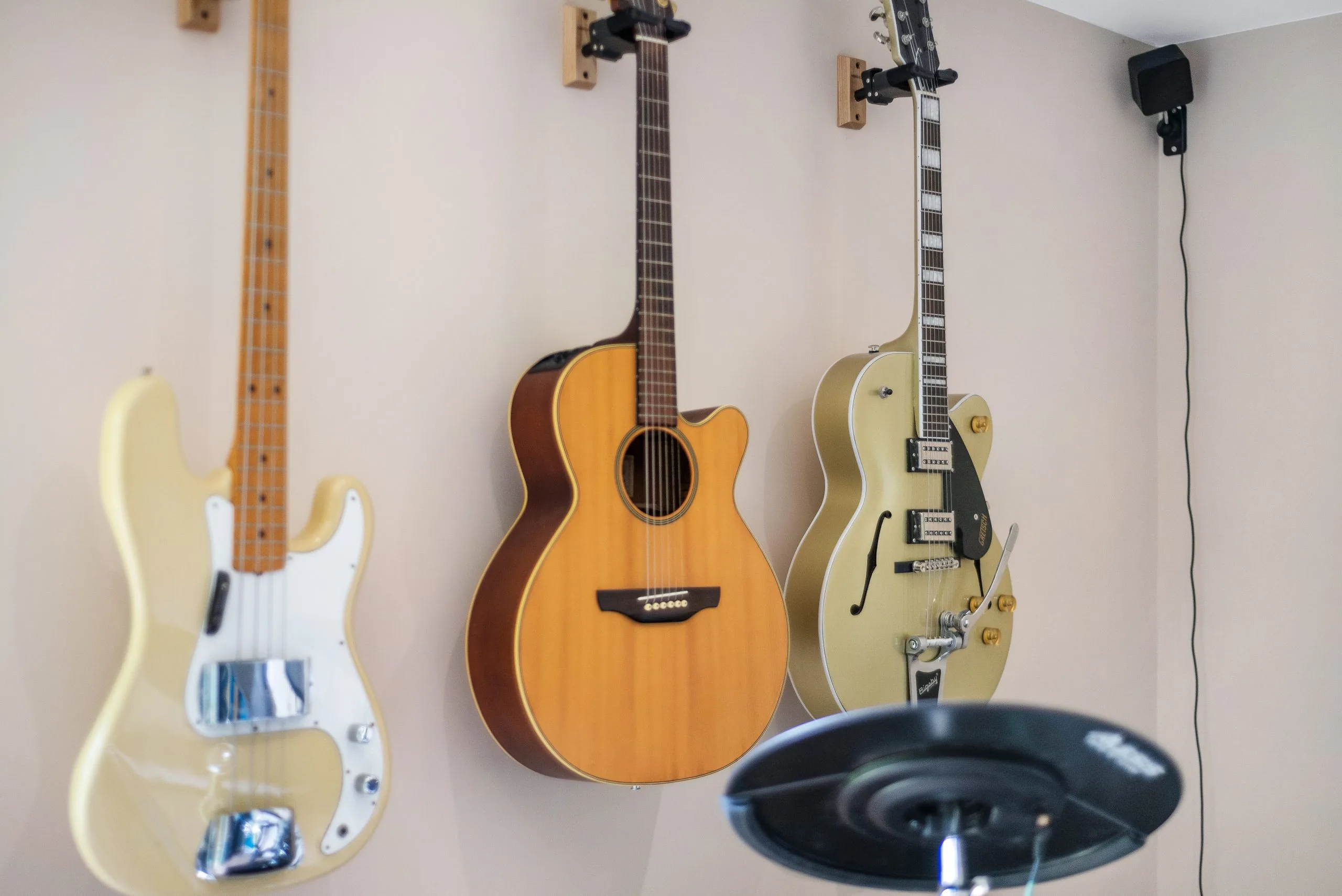
A premium office studio project highlighting how a bespoke garden room can provide a polished, comfortable and highly usable space for work, calls, content and focused business activity.
View project