
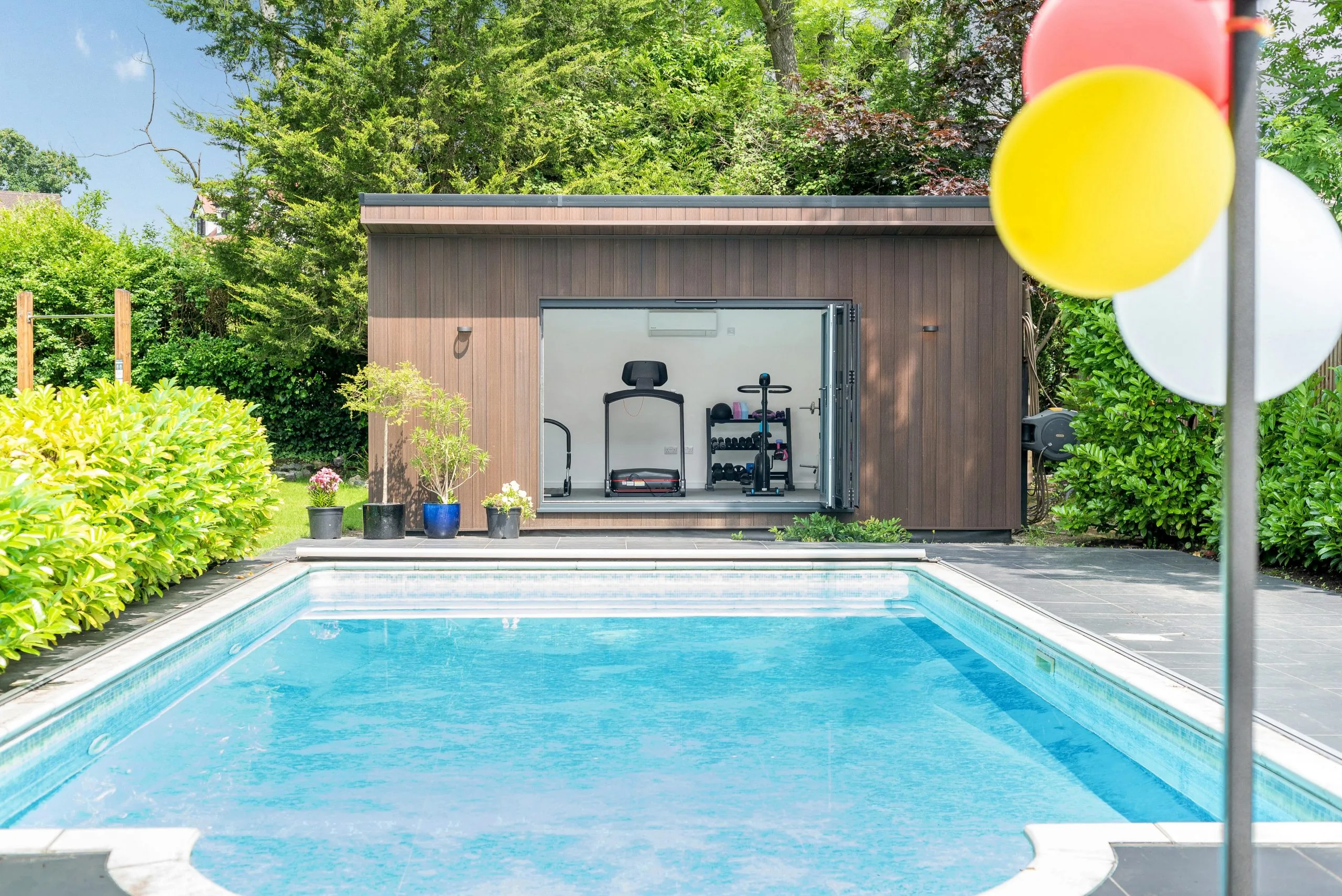
Garden Room Fitness Studio London
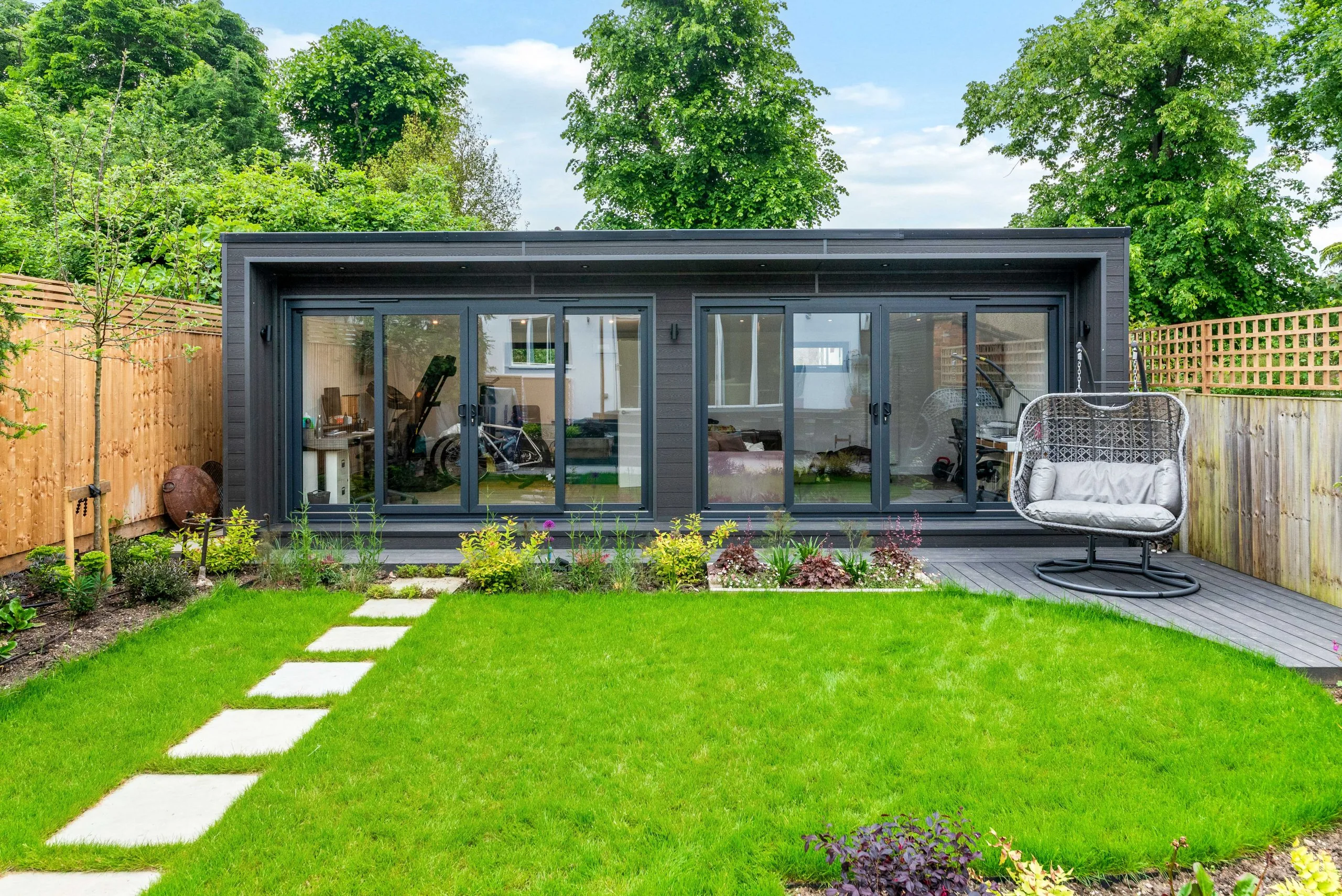
A dedicated fitness-focused garden room showing how a high-quality bespoke building can create a practical, private training environment away from the main home.
View project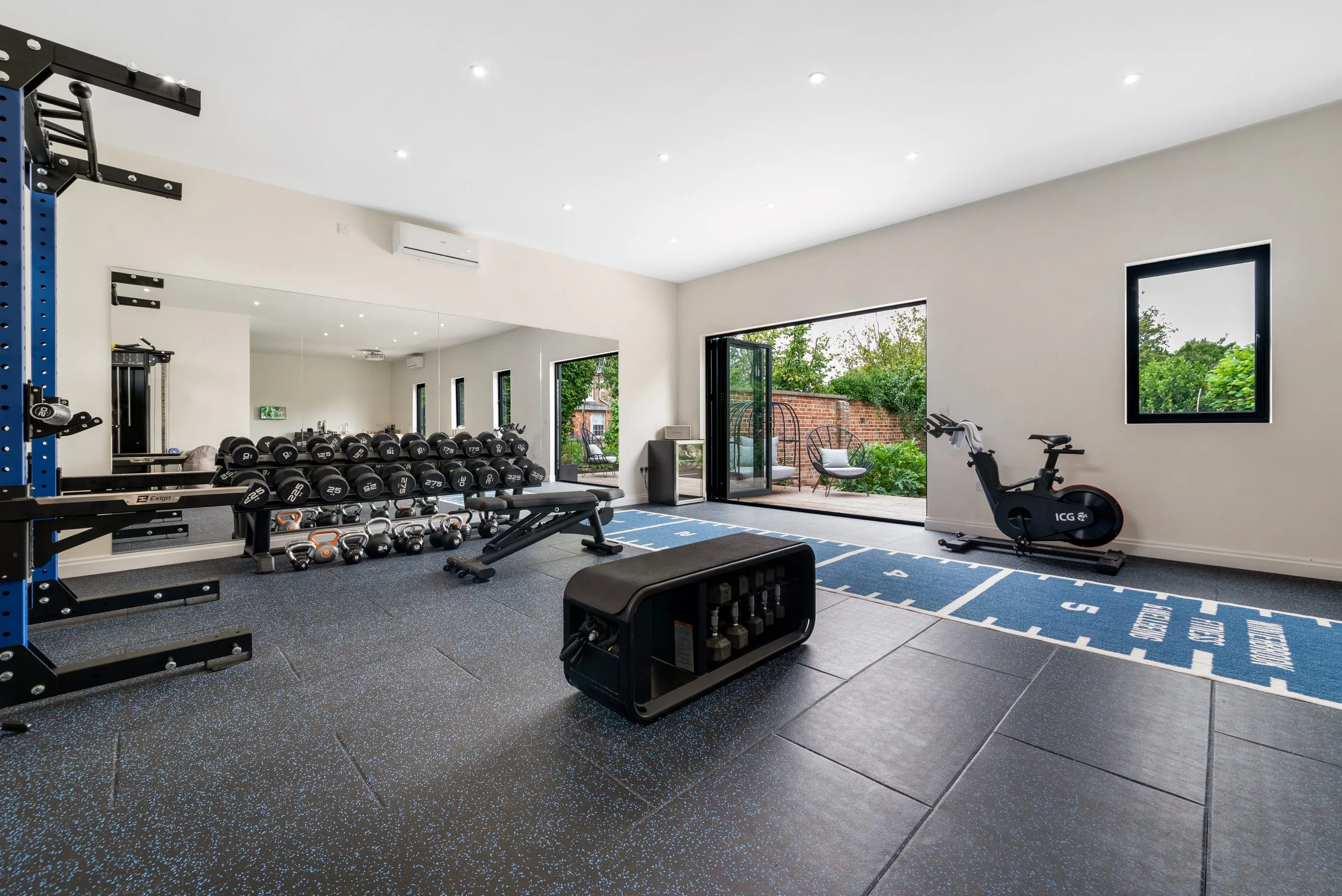
A good martial arts space has a very different feel from a standard home gym.
It needs clear floor area, predictable footing, enough headroom for dynamic movement, somewhere to control temperature between rounds, and a calm atmosphere that helps you focus. In a house, those details are difficult to achieve without compromise. In a bespoke garden room, they can be designed into the building from the beginning.
For karate kata, taekwondo drills, boxing footwork, BJJ solo movement, judo breakfall practice, weapons forms, stretching, pad work or one-to-one coaching, a dedicated garden martial arts studio gives you a private training environment that is ready whenever you are. No rearranging furniture. No sharing space with a garage full of tools. No worrying about scuffed walls, cold floors or disturbing the rest of the household.
At Hawksbeck, we design and build premium bespoke garden rooms and garden buildings around the way our clients genuinely want to use them. A martial arts studio is an excellent example of where bespoke design matters: the room dimensions, flooring build-up, glazing, lighting, heating, storage and acoustic detailing all affect how well the space performs.
Martial arts training benefits from repetition. The easier it is to train, the more consistently you tend to do it. A properly designed garden studio removes many of the small barriers that get in the way: travelling to a class for short practice sessions, waiting for space to become free, clearing a room before training, or limiting movement because of ceiling height, furniture or hard flooring.
A garden martial arts room can be designed as a clean, uncluttered training area with the right surface underfoot and enough space around you to move safely. It can also be made comfortable for year-round use, which is essential in the UK. A cold outbuilding may be fine for storage, but it is not ideal for stretching, warm-ups, mobility work or technical practice. A Hawksbeck garden room is built as a premium insulated structure, allowing it to feel like a genuine extension of the home rather than a temporary shed or converted garage.
The other advantage is control. You can create the exact atmosphere you want: traditional and minimal, bright and contemporary, private and enclosed, or open with glazing looking onto the garden. For some clients, the studio is a personal retreat. For others, it is a place for coaching, family training, rehabilitation movement or a mix of martial arts and fitness.
Kata to conditioningThe design brief will change depending on the martial art, but the best studios normally allow for more than one style of training. Possible uses include:
If you are still comparing possible uses for a new garden building, our wider guide to garden room ideas is a useful place to explore how flexible a bespoke room can be.
When designing a martial arts studio, the most important measurement is not simply the external size of the building. It is the usable, uninterrupted training area inside. A room may look generous on paper, but if storage, doors, furniture, radiators or awkward corners reduce the clear mat area, it can feel restrictive once you start moving.
For solo practice, a compact studio can still be very effective if the layout is clean. For one-to-one coaching or partner movement, you will usually want a larger footprint with safe circulation space around the mats. If the studio may be used for grappling, throws or weapon forms, the layout deserves even more attention.
Small solo studio: approximately 3m x 4m can suit stretching, forms, shadow boxing, mobility and light technical practice.
Comfortable personal studio: approximately 4m x 5m gives a more useful training zone for footwork, patterns and conditioning.
One-to-one coaching studio: approximately 5m x 5m or 5m x 6m provides a more flexible space for pads, drills and instructor movement.
Larger private dojo-style room: 6m x 7m or above may be better for small group practice, grappling drills or combined martial arts and fitness use.
These are only starting points. Because Hawksbeck rooms are bespoke, the layout can be developed around your training style, garden dimensions, planning considerations and preferred finish.
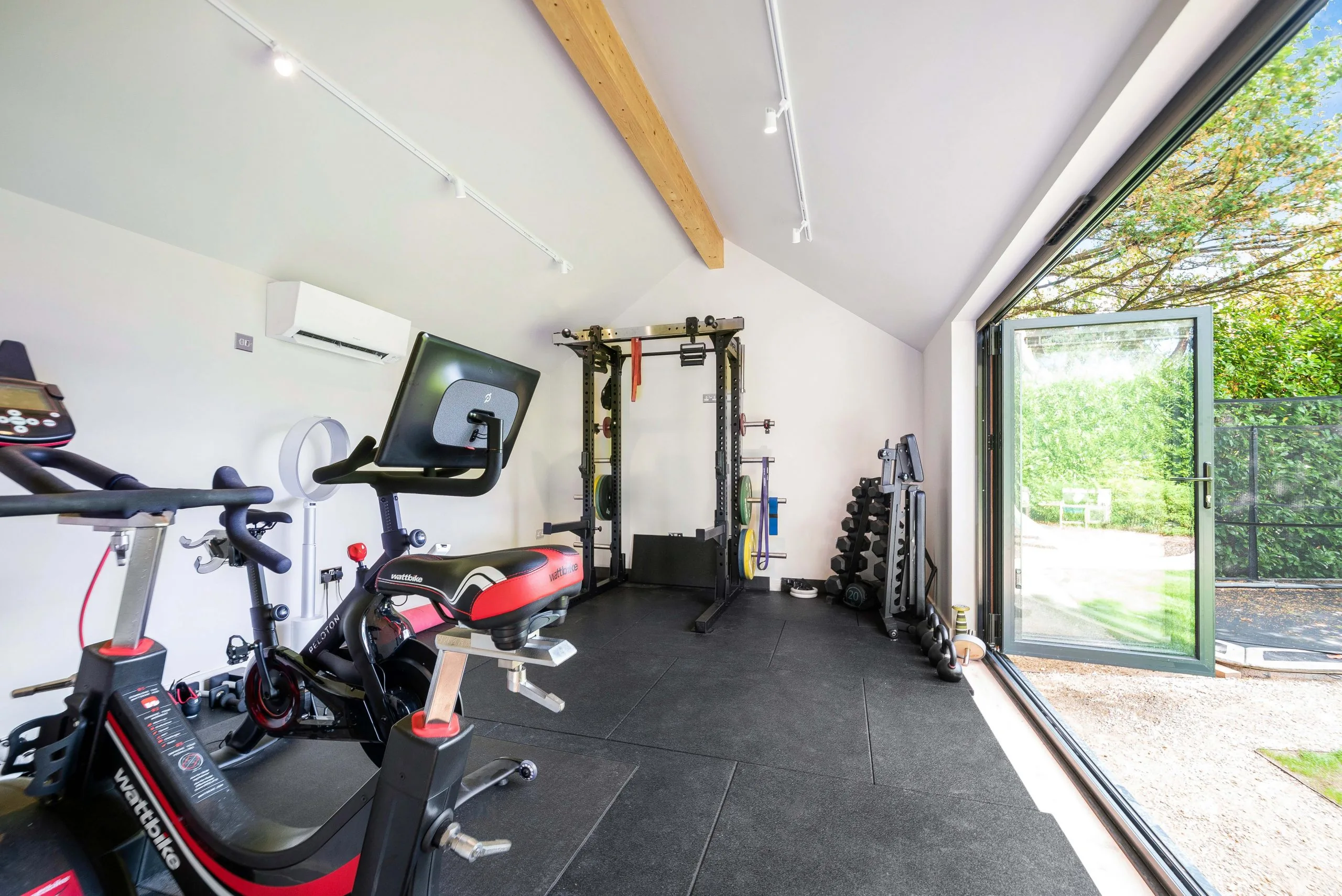
The floor is the most important technical decision in a martial arts garden room. It affects comfort, safety, impact, sound and the way the room feels underfoot.
Most martial arts studios use interlocking EVA foam mats, roll-out mats, jigsaw mats, tatami-style surfaces or specialist grappling mats. The right choice depends on the discipline. Striking arts often need a surface with good grip and enough cushioning for pivots and footwork. Grappling and throwing arts need more impact absorption. Yoga-style stretching and mobility work can use a softer finish, while heavy bag work may require separate zones or additional floor protection.
When planning the flooring build-up, think about:
For a premium studio, we would usually discuss the mat specification early. That helps determine internal levels, thresholds, skirting details and whether any storage is needed for mats, pads or training equipment.
Ceiling height is often overlooked until someone tries to throw a high kick, practise with a staff, skip, or perform dynamic movement. A martial arts studio should feel open enough that you are not subconsciously restricting your technique.
For many clients, a standard garden room height may be suitable for forms, stretching, boxing drills and general training. However, if your martial art involves weapons, jumping techniques, overhead movements or tall users, it is worth discussing this at the design stage. Depending on the site and planning constraints, we can explore options that help maximise internal headroom while keeping the exterior proportionate and attractive.
It is also important to consider ceiling lighting. Flush or recessed fittings are often preferable to low-hanging pendants. For a martial arts space, lighting should be safe, even and unobtrusive.
Mirrors can be very useful in a home dojo or training studio, particularly for checking posture, guard position, stance width, hip alignment and form. However, they need careful placement. A full mirrored wall can make a room feel larger and support technical practice, but it may not be the best choice for high-impact pad work or grappling near the wall.
Some clients prefer a half-height mirror zone, a single large training mirror, or mirror panels positioned away from the main impact area. Others want a more traditional, calmer room with plain walls, timber accents or minimal decoration. With a bespoke garden building, the interior can be designed to match the way you train rather than forcing you to adapt to an unsuitable space.
A martial arts room can quickly become cluttered if storage is not planned properly. Focused training spaces work best when equipment has a clear home. Built-in storage can be used for focus mitts, kick shields, gloves, belts, resistance bands, foam rollers, skipping ropes, cleaning products and first aid supplies.
For weapons practice, vertical wall storage or a dedicated rack can keep items organised and safely out of the way. If the space will also be used by children, lockable storage may be sensible. If you use heavy training equipment, we can discuss reinforced fixing points, equipment zones and the safest ways to integrate them into the building.
Martial arts training creates heat quickly, but warm-up and cool-down phases require comfort. A studio that is too cold in winter discourages use, while one that overheats in summer can be unpleasant and unsafe for hard sessions.
A well-insulated garden room helps stabilise temperature, making it far more practical than a basic outbuilding. Depending on the design, you may want electric heating, air conditioning, opening windows, trickle ventilation, rooflights or strategically placed doors. For intense training, ventilation is especially important. Fresh air helps the room recover between sessions and keeps the environment more pleasant for one-to-one coaching.
Glazing also affects temperature. Large glass areas can be beautiful, but the orientation of the room matters. South-facing glazing may need shading, blinds or careful specification to avoid glare and heat gain. A more private martial arts studio may use smaller windows, high-level glazing or a feature set of doors that can be opened when required.
Privacy is one of the biggest advantages of a garden martial arts studio. Many people enjoy training more when they are not being watched through a living room window or interrupted by household activity. The building can be positioned, angled and glazed to feel secluded, even in a suburban garden.
Acoustics are also worth discussing. Pad work, footwork, music, coaching cues and general movement can create noise. While no garden room should be described as completely soundproof without a specific acoustic design, there are ways to reduce disturbance. The specification of insulation, doors, glazing, internal finishes and layout can all make a difference.
If the room will be used for early morning or evening training, or if neighbours are close by, it is better to raise this at the design stage. That allows the building to be planned with realistic expectations and a more considerate specification.
Lighting in a martial arts studio needs to do more than make the room bright. It should support concentration and allow safe movement. Harsh glare can be distracting, while dim corner lighting can make footwork and partner drills less comfortable.
A good lighting plan may include:
The result should feel professional and calm, not like a converted spare room. A private studio can be functional while still looking beautifully considered.
If you plan to teach private lessons, the design needs to consider the experience of a visitor as well as your own training. The route from the house or side access, external lighting, a place for shoes, coat hooks, a small waiting area, secure entry and a professional interior finish can all matter.
For one-to-one martial arts tuition, you may also want space for a whiteboard, wall-mounted screen, shelving for coaching equipment, or a small refreshment area. If the room is being used commercially, there may be additional practical, insurance and planning considerations to check before use. We can design the building itself around the intended function, but it is always important for the client to confirm any permissions or business-use requirements that apply to their property.
Practical spaces do not have to look clinical. A Hawksbeck garden room can be designed to feel refined from the outside and purposeful on the inside. Premium cladding, carefully proportioned glazing, architectural overhangs, concealed storage, flush thresholds and a considered lighting scheme can make the building a genuine feature of the garden.
Some clients want their studio to feel like a traditional dojo, with natural materials, a simple interior and minimal visual distraction. Others prefer a contemporary wellness space that combines martial arts, strength training, stretching and relaxation. Because the building is bespoke, the external style and internal performance can be balanced from the start.
Watch how Hawksbeck buildings are shaped around their use, then picture the same care given to mats, headroom and kit storage.
Many garden rooms can be built under permitted development rights, but this depends on the property, location, height, position, size and intended use. Martial arts studios are often straightforward when designed as a domestic ancillary garden building, but every site should be assessed properly.
Important factors can include:
Where building regulations apply, the specification may need to meet particular standards. Hawksbeck can guide you through the design implications and help create a building that is suitable for its intended purpose.
The cost of a martial arts garden studio depends mainly on size, specification, foundations, glazing, electrics, heating or air conditioning, internal finishes, matting requirements and whether additional features such as reinforced fixing points, storage, mirrors or acoustic upgrades are included.
As a realistic guide, a premium insulated garden room suitable for focused solo martial arts practice will often sit from the low-to-mid £30,000s upwards. A more spacious and highly specified training studio for one-to-one coaching, wall-to-wall matting, enhanced lighting, heating and cooling, mirrors and integrated storage may commonly fall in the region of £45,000 to £80,000+. Larger bespoke garden buildings, more complex sites or very high-end specifications can exceed this.
These figures are only a guide. Some clients want a compact, beautifully finished private practice room. Others want a larger, dojo-inspired building with generous glazing, air conditioning, premium cladding, bespoke joinery and a more complex internal layout. The most accurate way to cost the project is to discuss the space you need, how you train and what level of finish you want.
You can also view our garden room range for a broader sense of sizes and starting points, but a martial arts studio is usually best priced after a proper conversation because the technical requirements of the floor, layout and interior can change the specification.
Bring your discipline, your mat sizes and your kit list to the first conversation, and the building can be planned outward from the training floor.
A dedicated martial arts studio can be simpler and more effective: wall-to-wall mats, clear walls, minimal furniture and purpose-built storage. A multi-use room needs more flexible features, such as removable mats, concealed storage and perhaps a small desk or gym equipment zone. Both approaches can work, but the decision affects almost every part of the design.
Large doors and windows can make the space feel energising and connected to the garden. However, privacy may be more important if you practise forms, sparring movement or coaching. Frosted glass, side windows, high-level glazing, blinds and careful orientation can help strike the right balance.
A calm studio may use soft neutral walls, timber details and warm lighting. A performance-focused room may have mirrors, brighter light levels, wall-mounted equipment and a more durable finish. The best design is the one that supports the way you will actually use the space week after week.
It is tempting to add bags, racks, weights and storage quickly, but martial arts studios often work best when the open floor area is protected. If you use a heavy bag, consider whether it should be wall-mounted, ceiling-mounted, freestanding or placed in a separate zone. Structural requirements should always be discussed before installation.
Barefoot training in a cold outbuilding is rarely enjoyable. Insulation, heating and draught control make a major difference. A premium garden room should feel comfortable enough for warm-ups, cool-downs and mobility work throughout the year.
A striking-art studio usually benefits from a long, clear area for forms and line work. Mirrors along one wall can help with stance and posture, while matting should support pivots without feeling unstable. If high kicks, jumping techniques or weapons forms are part of your practice, ceiling height and lighting placement become especially important.
For striking and conditioning, the studio may include a bag zone, pad storage, skipping area, mirror and timer. Ventilation and cooling are particularly important because these sessions can be intense. If bags are being fixed to the structure, this needs to be planned correctly rather than treated as an afterthought.
Grappling movement requires more attention to mat depth, wall protection and clear floor area. Wall-to-wall matting can be useful, especially if there is limited space. For live rolling or throws, size and safety need to be considered carefully. Many home studios are best suited to drilling, movement patterns, positional work and one-to-one technical practice rather than full club-style sparring.
A simple, disciplined interior can work beautifully in a garden setting. Think clean walls, timber finishes, soft natural light, concealed storage, a dedicated shoe area and a calm threshold between the garden and training space. This style suits clients who want the room to feel separate from everyday life.
Many clients combine martial arts with yoga, Pilates, strength training, meditation or physiotherapy-style movement. In that case, the studio may need softer lighting, temperature control, audio, a small equipment cupboard and a more relaxing overall finish. The space can still be performance-led, but with enough comfort for slower recovery sessions.
Before beginning the design process, it helps to answer a few practical questions:
The clearer the brief, the better the finished building will feel. Details that seem small at the beginning, such as where gloves are stored or how doors open onto the mat, can make a real difference once the studio is in daily use.
A martial arts studio is not simply a square room with mats placed on the floor. It needs to feel solid, comfortable, balanced and tailored to the discipline. Hawksbeck’s bespoke approach means the building can be designed around movement, storage, privacy, finish and long-term usability rather than being limited to a standard template.
Our garden rooms are created for clients who want something premium and carefully considered. From exterior design to interior detailing, the aim is to produce a building that looks exceptional in the garden and performs properly for its intended use. Whether you want a compact personal practice room or a larger garden dojo for instruction and conditioning, the design can be shaped around you.
If you are planning a martial arts studio at home, the best next step is to talk through the way you train. From there, we can help you explore size, layout, specification and budget in a way that is realistic for your garden and your goals.
A well-designed garden studio can become a long-term part of your training routine and your home.
Your ideal training room might be a quiet matted space for morning kata, a private coaching studio, a grappling drill room, a boxing and conditioning space, or a refined garden dojo for the whole family. With a bespoke Hawksbeck garden building, the layout and specification can be developed around that exact use.
Speak to our team to discuss your garden, your training style and the type of martial arts studio you would like to create.
These fitness and multi-use projects show the insulated, well-finished starting point a private dojo is built from.
A dedicated fitness-focused garden room showing how a high-quality bespoke building can create a practical, private training environment away from the main home.
View project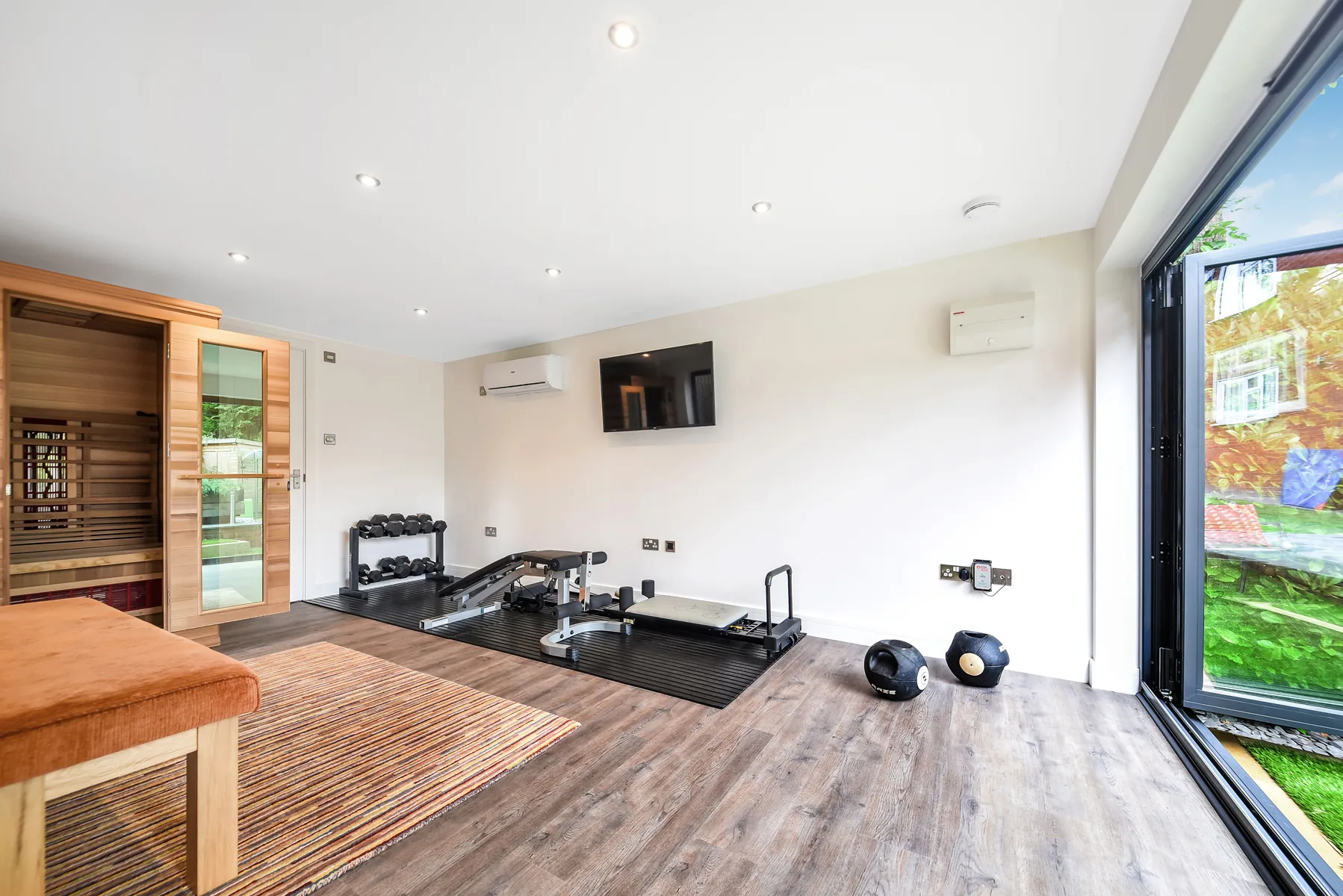
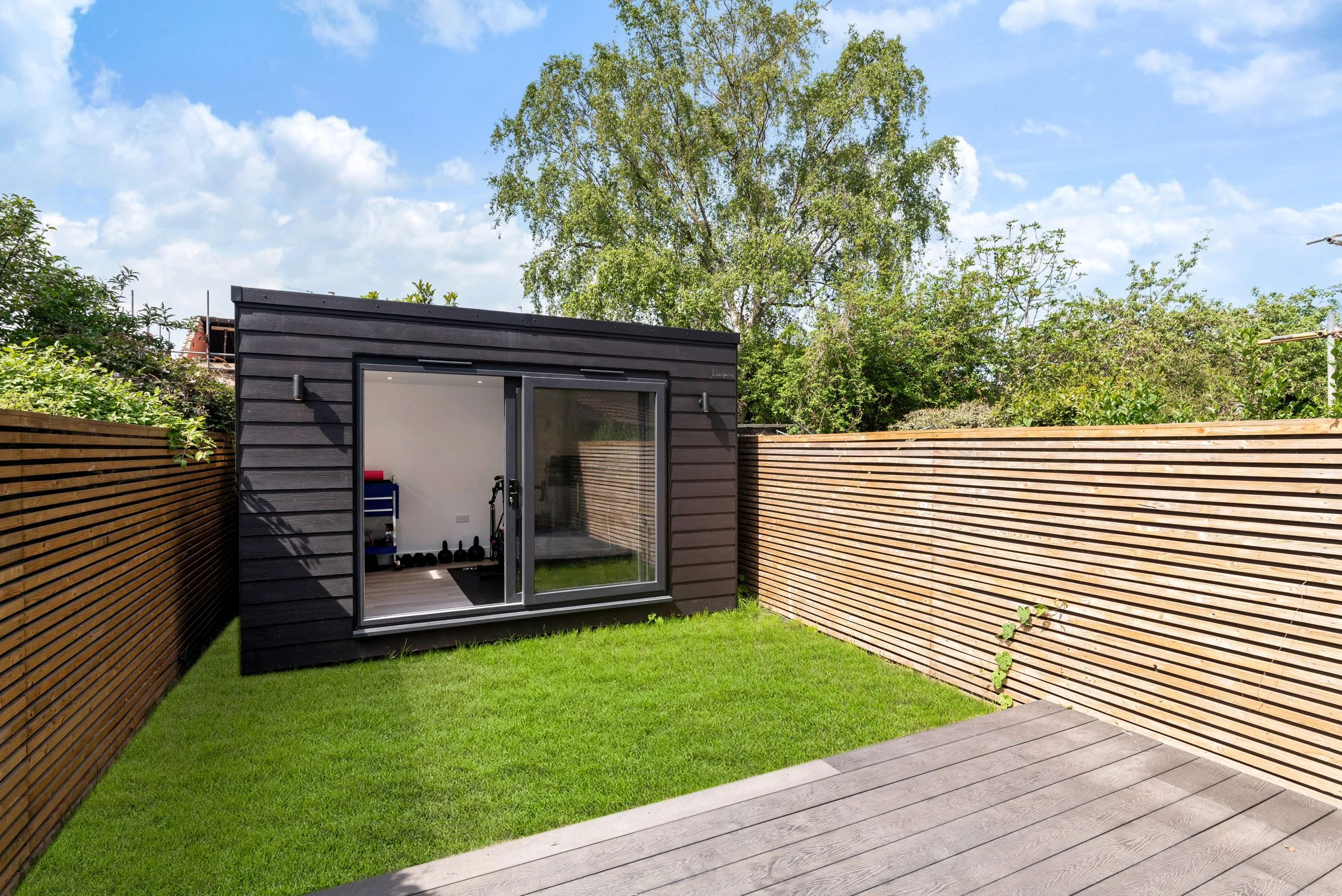
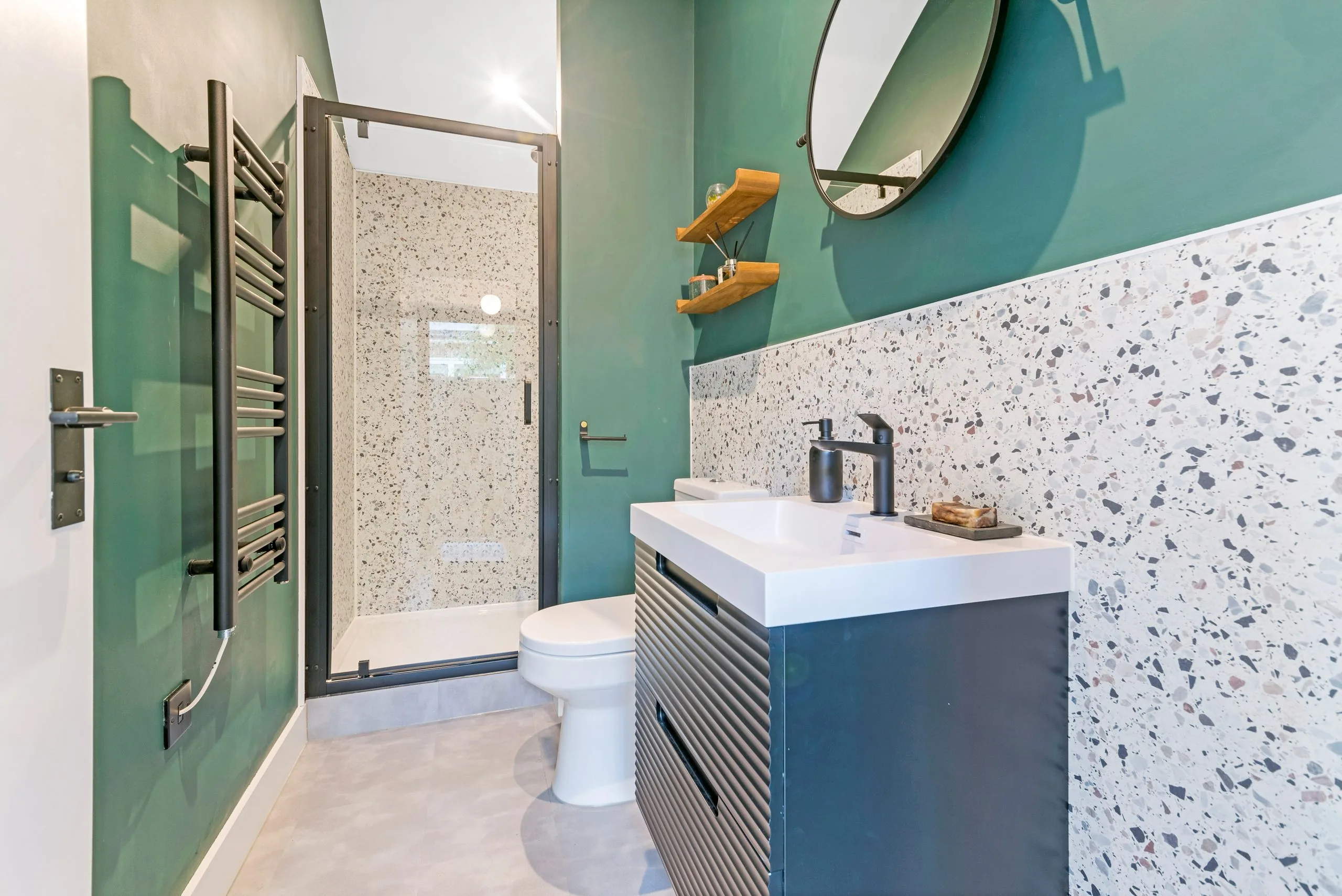
This project demonstrates how a bespoke garden building can combine work, fitness and lifestyle uses while maintaining a premium finish and comfortable year-round environment.
View project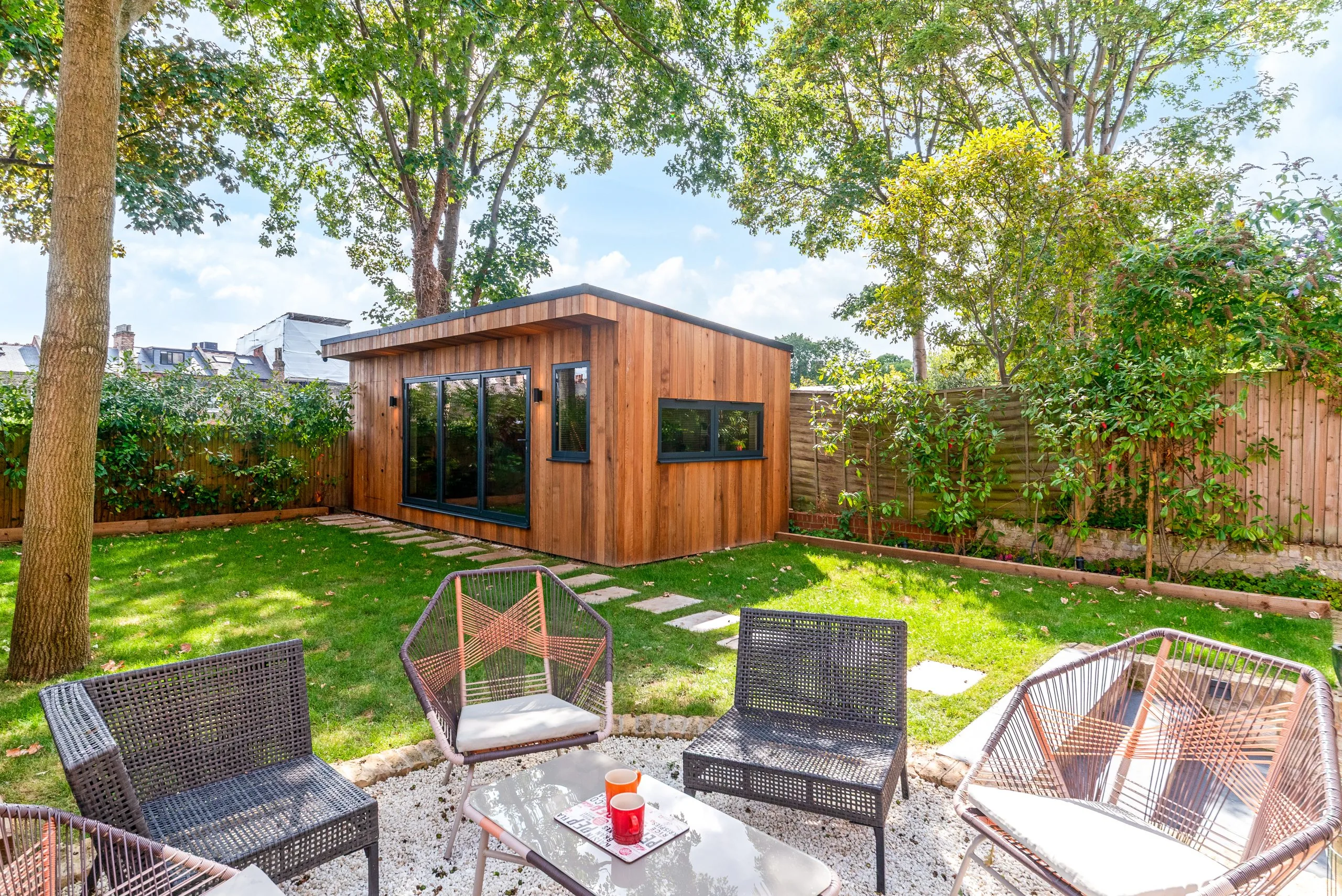
A flexible garden room designed for more than one purpose, offering useful inspiration for anyone considering a martial arts space that also supports fitness, work or wellbeing.
View project