
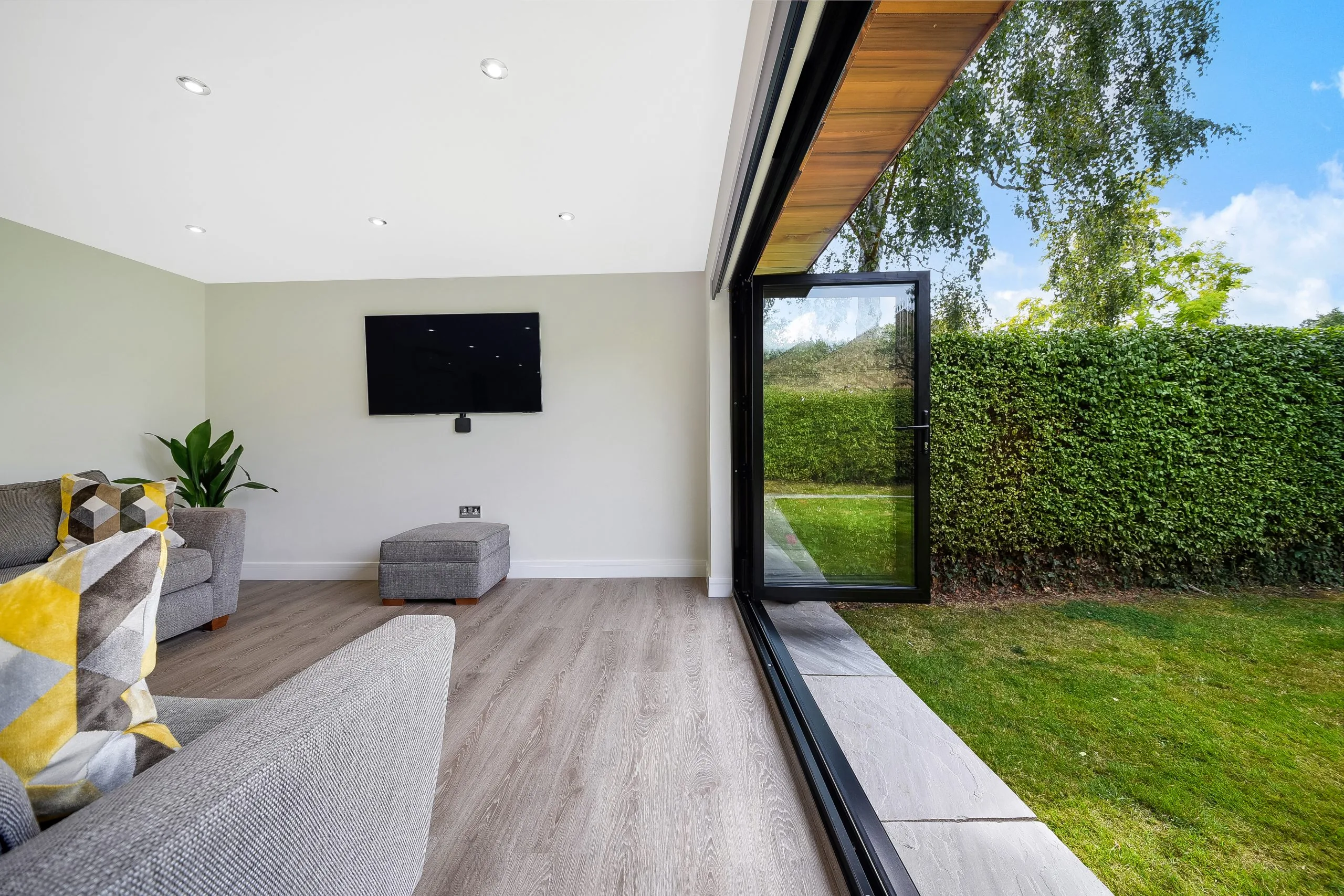
Hawksbeck Garden Retreat in Loughton
A refined garden retreat demonstrating how a beautifully detailed bespoke building can provide a private, peaceful space separate from the main home.
View project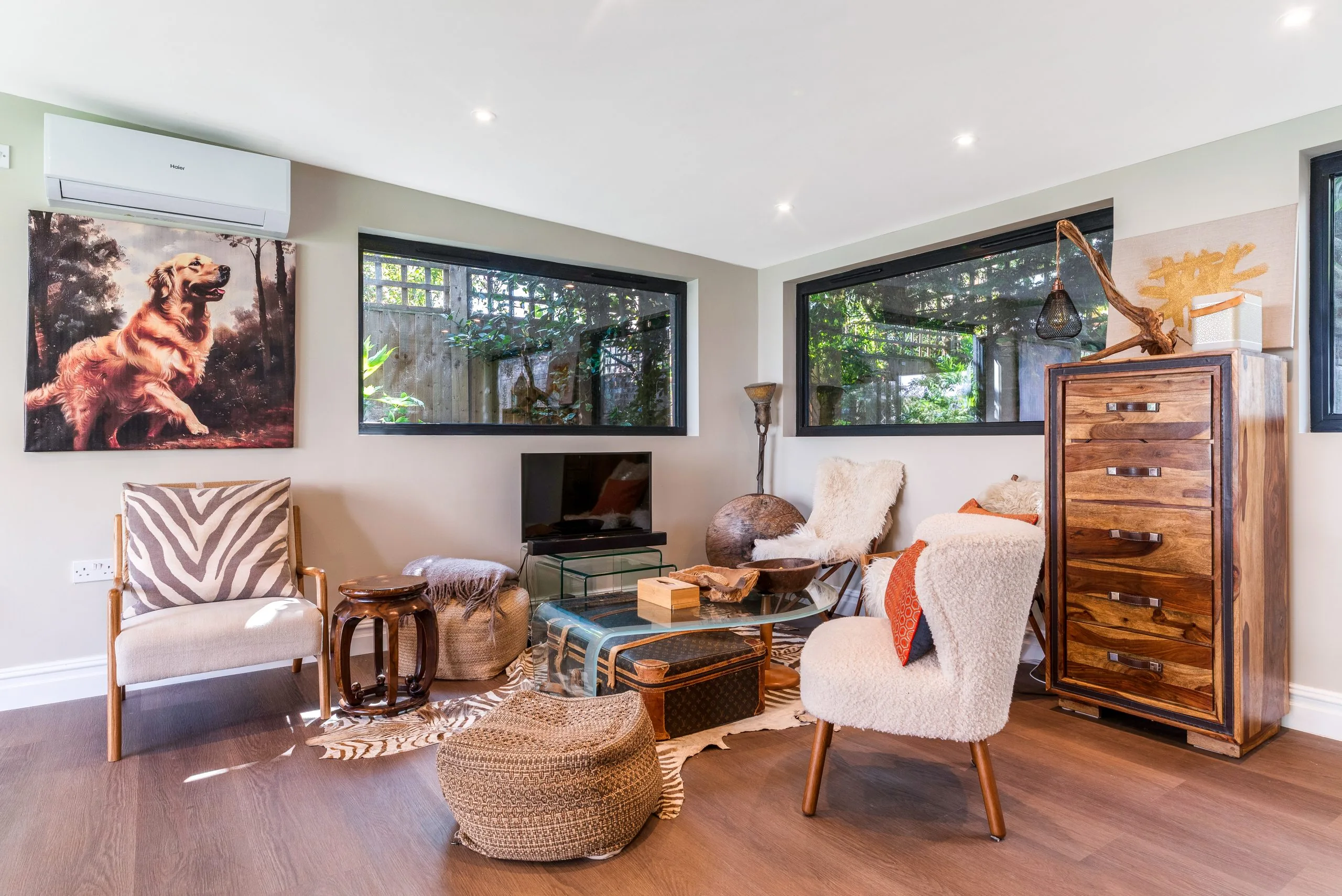
A meditation room should feel different the moment you step inside.
Not dramatic, not over-designed, not filled with features for the sake of it; just calm, private and beautifully resolved. A bespoke garden room can create that feeling in a way a spare bedroom or corner of the house often cannot, because it gives you physical distance from daily noise, screens, laundry, chores and interruptions.
For clients who want a dedicated space for meditation, breathwork, reflection, gentle movement or quiet reading, the design is less about adding more and more about carefully removing friction. The right garden room becomes a personal retreat: warm in winter, bright but not harsh, acoustically comfortable, easy to keep clear, and designed around stillness rather than storage overflow.
Meditation depends on consistency. The easier it is to enter the right state of mind, the more likely you are to use the space regularly. That is where a garden meditation room has a real advantage. It creates a gentle transition between home life and practice: a short walk through the garden, a change in light, a different view, a door closing behind you.
That separation is practical as well as emotional. A bespoke meditation room can be positioned away from the busiest parts of the house, oriented towards the garden, insulated for year-round use and fitted out with exactly the right level of comfort. It can be a place for ten minutes before work, an evening breathwork session, a longer weekend practice or simply somewhere to sit quietly without needing to explain why.
Because a Hawksbeck garden room is made to your requirements, the design can be pared back, refined and purposeful. You are not trying to adapt a generic outbuilding into a calm space. Instead, the building can be designed from the beginning around light, silence, warmth, texture, proportion and how you want to feel inside it.
A good meditation space is not only about how it looks in photographs. It is about how it behaves when you are inside it. Does the floor feel stable and warm? Does the lighting make you squint? Can you hear nearby roads, neighbours or the house? Is there a place to keep cushions and blankets without clutter building up? These small decisions make the difference between a room you admire and a room you use.
Many people imagine a meditation room as a completely empty white box. That can work for some, but it can also feel clinical. A luxury garden meditation room usually benefits from a softer form of minimalism: clean lines, natural textures, controlled storage and a warm palette. Think timber, muted plaster tones, soft flooring, concealed lighting and carefully framed views rather than stark emptiness.
The aim is to reduce visual noise. Built-in storage can hide yoga mats, bolsters, singing bowls, incense, blankets, journals and speakers. Flush doors, simple handles and low-level cabinetry keep the room feeling clear. If the space will also be used for breathwork, stretching or sound baths, the layout can be open enough to avoid furniture getting in the way.
Light is one of the most important parts of a meditation room. Too little and the space can feel heavy; too much and it can feel exposed or distracting. With a bespoke garden building, glazing can be designed around the exact direction of the sun, the views you want to keep and the privacy you need.
Full-height glazing might suit a secluded garden with mature planting. A high-level window may be better if you want daylight without visual distraction. A rooflight can bring in soft overhead light while maintaining privacy from neighbouring properties. In some rooms, a combination of sliding doors and smaller fixed windows creates the best balance: openness when you want it, containment when you do not.
Silence is rarely complete, especially in a residential garden, but a premium garden room can be designed to feel noticeably quieter than an ordinary room in the house. High-quality insulation, well-sealed doors and windows, careful construction and solid internal finishes all help create a more settled acoustic environment.
If sound is a particular concern, the design can take that into account from the start. For example, the room might be positioned further from a road, angled away from a neighbouring patio, or specified with glazing and door choices that improve acoustic performance. Internally, softer finishes, rugs, wall hangings, acoustic panels or timber slats can reduce echo and make guided meditation, chanting, singing bowls or low-volume music feel more immersive.
The best specification depends on how you practise. A solo mindfulness space does not need the same layout as a room used for yoga, breathwork coaching or small group sessions. Below are useful features to consider when planning a bespoke meditation room in the garden.
A meditation room does not always need to be large. In fact, some of the most effective spaces are compact, quiet and beautifully considered. The right size depends on whether the room is for one person, shared family use, one-to-one sessions, yoga, breathwork or occasional group practice.
A compact garden room can work brilliantly for one person. If the main purpose is seated meditation, journaling, mindfulness, prayer or reflection, the layout can be simple: a clear central area, one comfortable chair or meditation cushion, storage along one wall and a carefully framed view. This type of space is often easier to heat, easier to keep minimal and more affordable than a larger multi-use building.
If you want room for a yoga mat, gentle stretching, breathwork or floor-based practice, a medium-sized building gives you more flexibility. The proportions matter here. A long, narrow room can feel restrictive for movement, while a slightly wider footprint can allow a central practice area with storage and seating around the edges.
For anyone offering private sessions, small group meditation, sound healing, counselling, coaching or wellness workshops, a larger garden building can provide a more professional environment. The room may need a WC, waiting space, kitchenette, extra storage, acoustic considerations and an entrance route that feels appropriate for visitors.
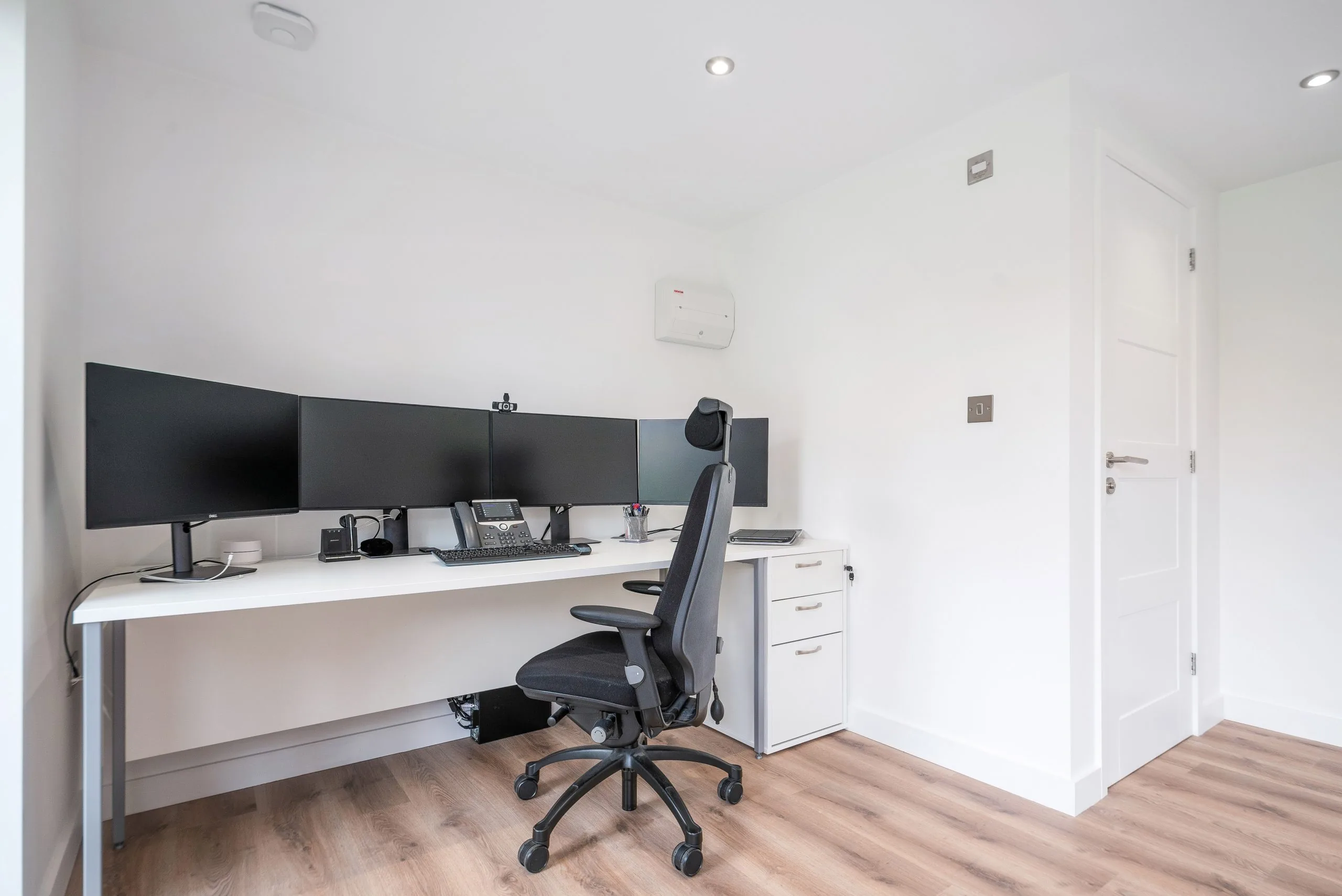
The position of the room has a major effect on how peaceful it feels. The furthest corner of the garden might seem obvious, but it is not always the best answer. Access, privacy, sunlight, views, ground levels, trees, services and neighbouring boundaries all need to be considered.
For some homes, the ideal spot is tucked away at the end of the garden, creating a strong sense of retreat. For others, a side-garden position works better because it is easy to reach in the morning before work. In a smaller garden, careful screening and orientation can make a room feel secluded even when it is close to the house.
Consider how you will use the space at different times of day. If you practise in the morning, east-facing light may be beautiful. If you prefer evening reflection, softer west-facing light might be more appealing, although glare and overheating need to be managed. If privacy is the priority, the building can be angled away from neighbours, or glazing can be limited to certain elevations.
The interior should support the way you practise, not become a showroom of unrelated wellness trends. A well-designed garden meditation room can feel luxurious without being busy. The luxury is in the quality of the finish, the comfort of the space and the absence of compromise.
Create one main focal point in the room. This could be a low platform, a floor cushion area, a simple bench, a small altar shelf or a view towards a particular tree or part of the garden. Keeping the focus simple helps the mind settle more quickly when you enter.
Clutter is one of the quickest ways to undermine a meditation space. Storage does not need to dominate the room; it can be built in at low level or concealed behind simple doors. This is especially useful if the room is shared with yoga, journaling, sound healing or quiet reading.
Natural textures can make the space feel grounded. Timber accents, soft fabrics, clay-like paint colours, woven blinds, linen curtains and warm flooring all help create a slower, calmer atmosphere. The finishes can be minimal, but they should still feel pleasant to touch and live with.
Lighting should be flexible. Bright light is useful for cleaning, setting up or reading, but meditation often needs something gentler. Dimmable wall lights, concealed LED strips, low-level lamps and warm colour temperatures can help shift the space from daytime clarity to evening calm.
Some people like incense, essential oils, candles, sound bowls or gentle music. Others prefer complete simplicity. The room can be designed with small niches, safe surfaces, power points and ventilation so these elements can be used without feeling improvised.
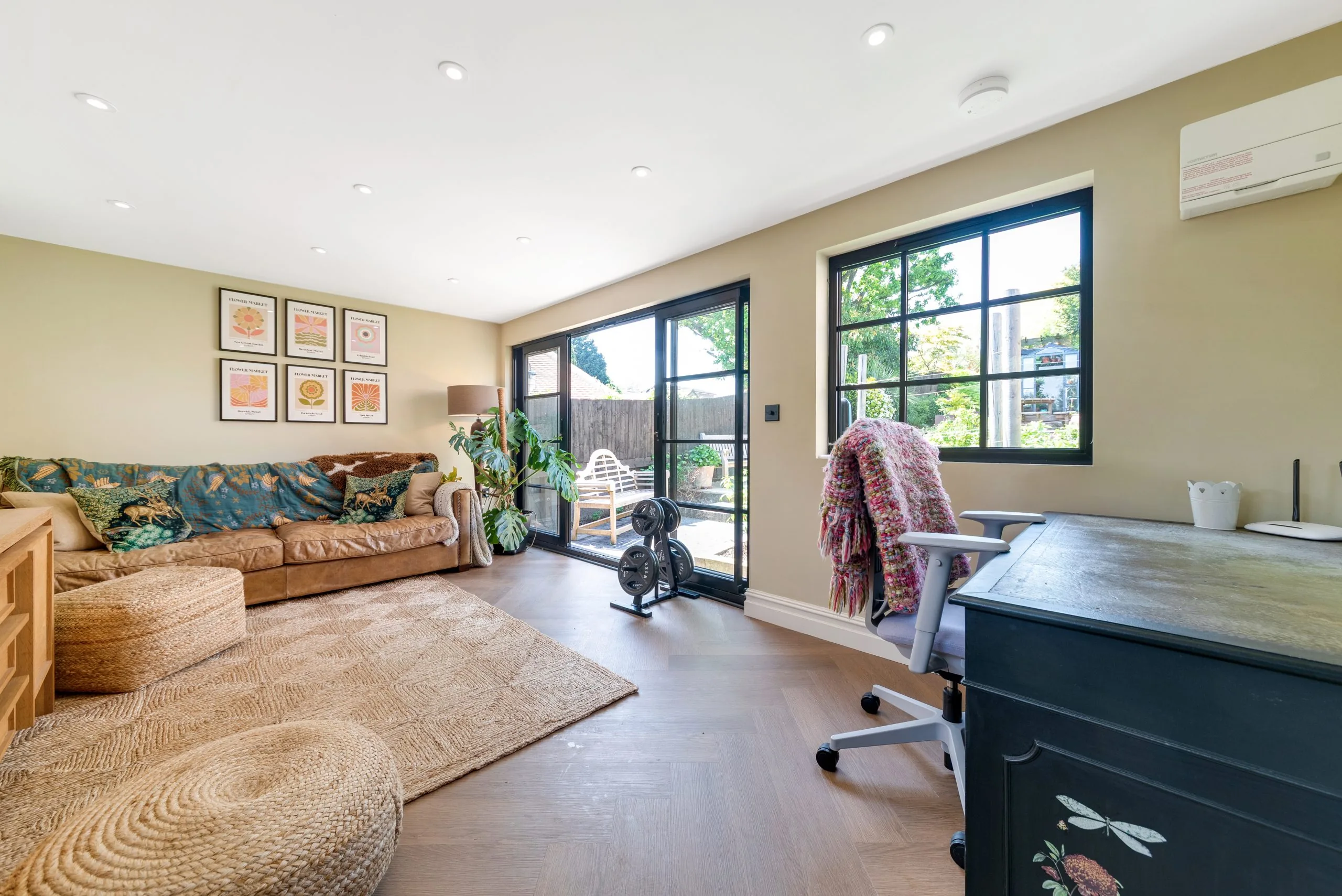
Although the focus may be meditation, many clients want the room to support a wider wellness routine. A bespoke garden room can be designed primarily for calm while still allowing other quiet uses, such as yoga, Pilates, breathwork, therapy, reading, creative thinking or evening relaxation.
This is where bespoke design becomes valuable. A standard garden room might technically provide the space, but it may not have the right storage, acoustic comfort, lighting or layout. Hawksbeck can design the building around the way you actually plan to use it, while keeping the finished room elegant and cohesive.
If you are still exploring different ways to use a bespoke garden building, our main garden room ideas guide includes a wide range of practical and inspiring possibilities.
The video below shows the quality, versatility and finish of Hawksbeck garden rooms. While your meditation room may be quieter and more minimal than some of the uses shown, it demonstrates the same principle: a bespoke garden building can be shaped around your lifestyle rather than forcing you into a standard layout.
Pricing matters, but it is important to treat any figure as a guide rather than a fixed answer. A meditation room can be relatively simple and compact, or it can become a fully specified wellness retreat with premium glazing, extensive electrical work, heating, cooling, bespoke joinery, specialist finishes, a WC or kitchenette and more complex groundworks.
As a broad guide, a smaller premium garden meditation room is often likely to sit in the lower-to-mid part of a luxury garden room range, while a larger wellness studio or multi-use retreat will naturally move higher. Based on the type of specification usually required for a high-quality, year-round Hawksbeck building, many meditation room projects may fall roughly into these bands:
These figures are intentionally approximate. Every Hawksbeck garden room is bespoke, so the final price depends on your brief, the site, the size of the building, the specification and the level of finish. The most useful next step is to talk through what you want the room to do, how you want it to feel and what budget range you are comfortable with, so the design can be shaped intelligently from the start.
Planning a quiet room with a budget in mind? Tell us how you practise and we will shape a specification around it.
Talk to UsA calm, minimalist room can still involve high-quality decisions behind the scenes. Some of the biggest cost factors include:
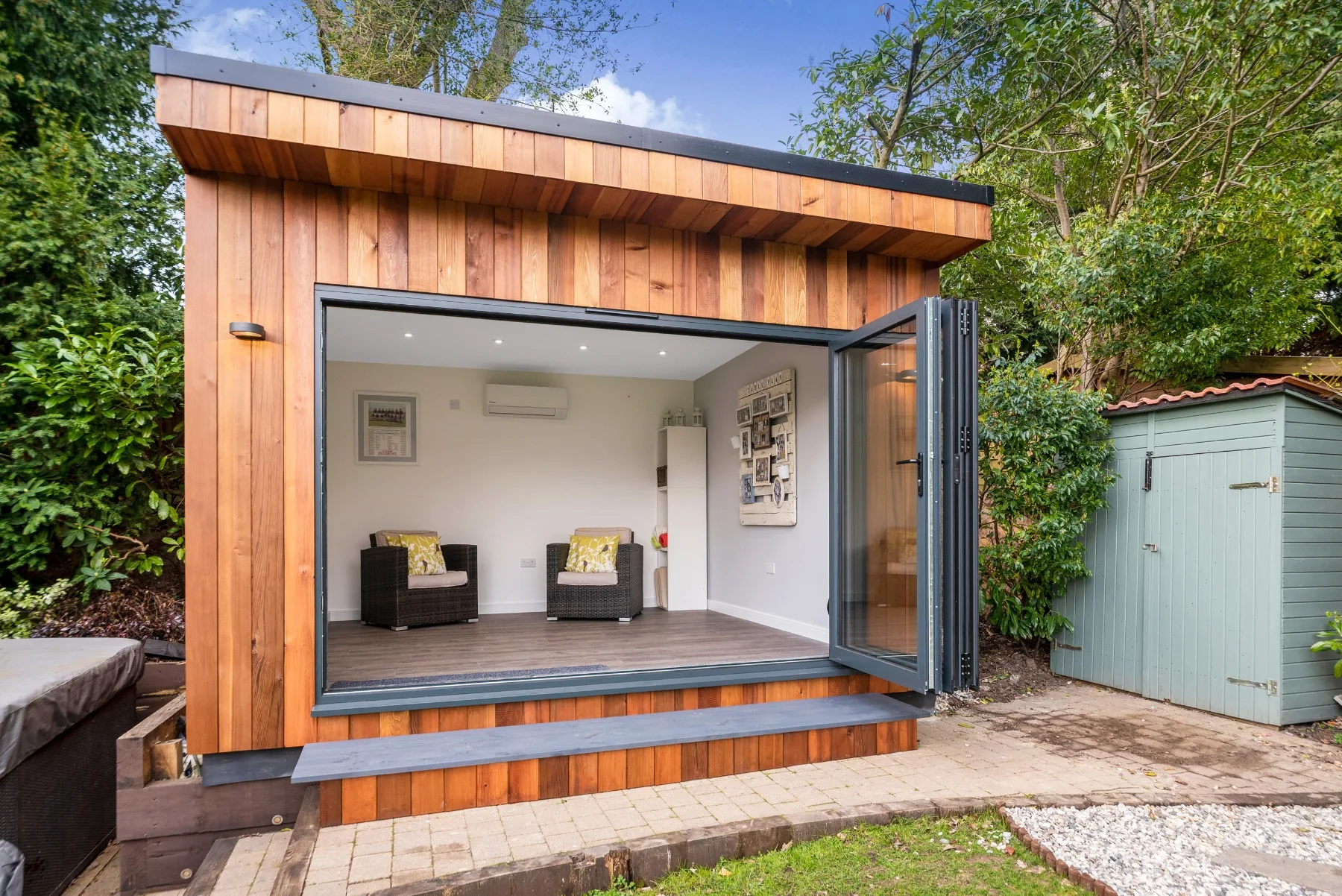
Many garden rooms can be built under permitted development rights, but this depends on factors such as size, height, position, boundary distances, land designation and intended use. A simple private meditation room is often more straightforward than a building used commercially or visited by clients, but assumptions should always be checked before work begins.
If the room will be used for professional therapy, coaching, group classes or regular client appointments, there may be additional planning, access, parking, insurance or building regulation considerations. The same applies if plumbing is required, if the building is unusually large, or if your property is listed or in a conservation area.
Hawksbeck can help you think through these issues at the design stage so the room is not only beautiful, but also practical, compliant and suited to your long-term plans.
A meditation room that is only pleasant in May and September will quickly become underused. Year-round comfort should be designed in from the beginning. This means proper insulation, quality doors and windows, reliable heating, ventilation and carefully considered solar gain.
In winter, the space should warm up quickly and retain heat well enough for stillness. In summer, it should not become a glass box that overheats. Orientation, shading, opening windows, blinds, air conditioning and ventilation can all help the room remain calm and usable throughout the year.
The building is only part of the experience. The short walk from the house can become a ritual if it is designed well. Simple stepping stones, soft planting, low-level lighting or a gravel path can help create a sense of arrival. Even in a small garden, the approach can make the meditation room feel separate from everyday life.
Planting can also support privacy and atmosphere. Grasses, bamboo-style screening, evergreen shrubs, pleached trees, scented planting or a small courtyard garden can soften the view from inside. If the room has large glazing, what you see from the cushion or chair becomes part of the design.
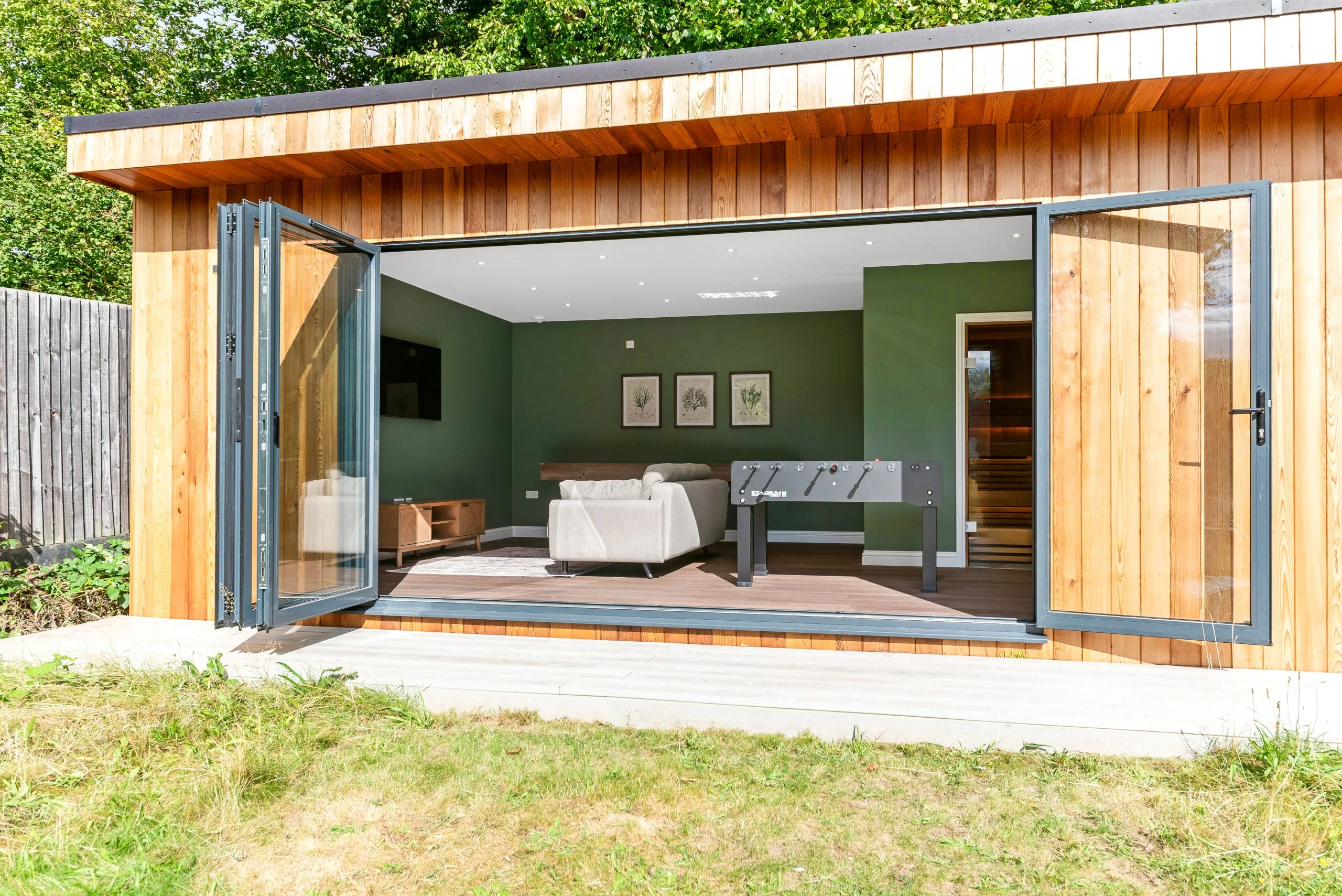
A simple, uncluttered space for seated practice, journaling and quiet thinking. This might include one comfortable chair, a meditation cushion area, concealed storage and soft natural light. It works well for people who want a private retreat without needing a large building.
Breathwork sessions need good ventilation, acoustic comfort and enough floor space to lie down. If sound bowls, chanting or guided audio are part of the practice, the internal acoustics should be considered carefully so the room feels warm and full rather than echoey.
A dual-purpose yoga and meditation room needs open floor space, mat storage, comfortable flooring and enough headroom for movement. Lighting should be flexible enough for both active practice and stillness.
If the building will be used professionally, the design should feel welcoming and private without becoming too clinical. Seating, heating, acoustic privacy, access, WC facilities and client arrival all become more important.
Some clients want a room deliberately designed without a television, desk or work setup. It may still have hidden sockets and subtle speakers, but the layout discourages laptop use and creates a boundary from work and screens.
A meditation room is a subtle brief.
It is not just a request for four walls and a roof; it is a request for a feeling.
Hawksbeck’s bespoke approach allows the building to be designed around that feeling from the outset, with the quality of construction, detailing and finish expected from a premium garden room specialist.
Whether you want a small private sanctuary, a luxurious wellness retreat or a flexible garden building that combines meditation with yoga, therapy or relaxation, the design can be tailored to your space, your property and your routine. The result is a garden room that looks beautiful, performs throughout the year and genuinely supports the way you want to live.
Many garden rooms fall under permitted development, depending on size, height, position, boundary distances, land designation and intended use. A private meditation room is usually more straightforward than one used for therapy, coaching or client appointments, so it is worth checking before work begins.
Not necessarily large. A compact room suits seated practice for one person, a medium footprint adds space for a yoga mat and floor-based breathwork, and a larger building makes sense for teaching, small groups or a professional practice with a WC or kitchenette.
Yes, provided year-round comfort is designed in from the start: proper insulation, quality doors and windows, reliable heating and ventilation. Underfloor or efficient heating matters particularly here, because sitting still makes you more aware of temperature.
As a broad guide, compact rooms often sit around £30,000 to £45,000+, medium meditation and yoga rooms around £45,000 to £70,000+, and larger wellness retreats around £70,000 to £100,000+. Size, glazing, heating, joinery, plumbing and groundworks all move the figure.
Tell us how you practise, when you practise and how you want the room to feel, and we will design a retreat that removes the friction between you and your stillness.
These completed retreat-style projects show how a bespoke garden room can create a calm, high-quality space away from the main house. Each one can offer useful inspiration for a meditation room, wellness studio or private garden sanctuary.
A refined garden retreat demonstrating how a beautifully detailed bespoke building can provide a private, peaceful space separate from the main home.
View project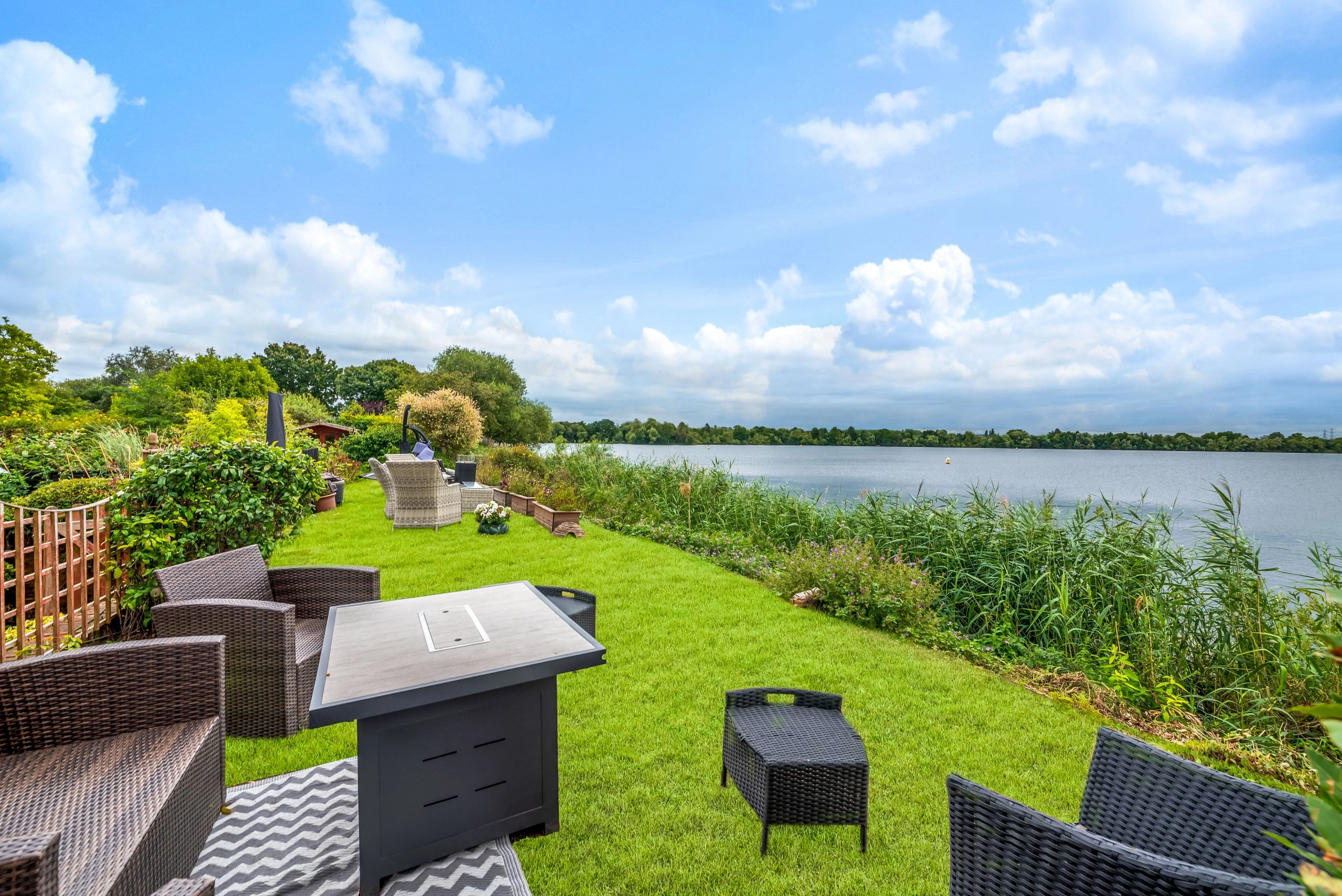
This retreat-style garden room shows how privacy, comfort and a carefully planned layout can create a versatile space for relaxation, hobbies and quiet time.
View project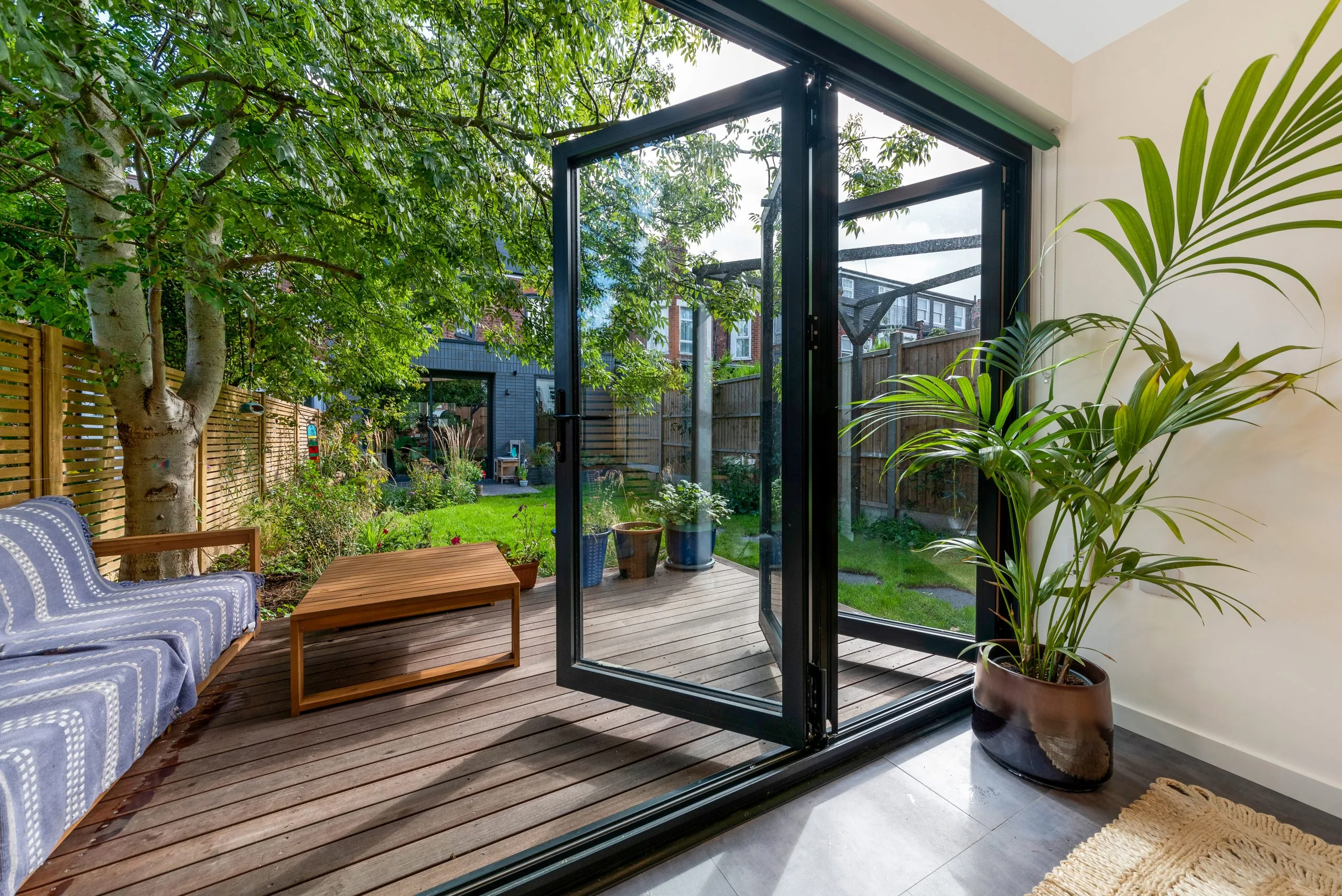
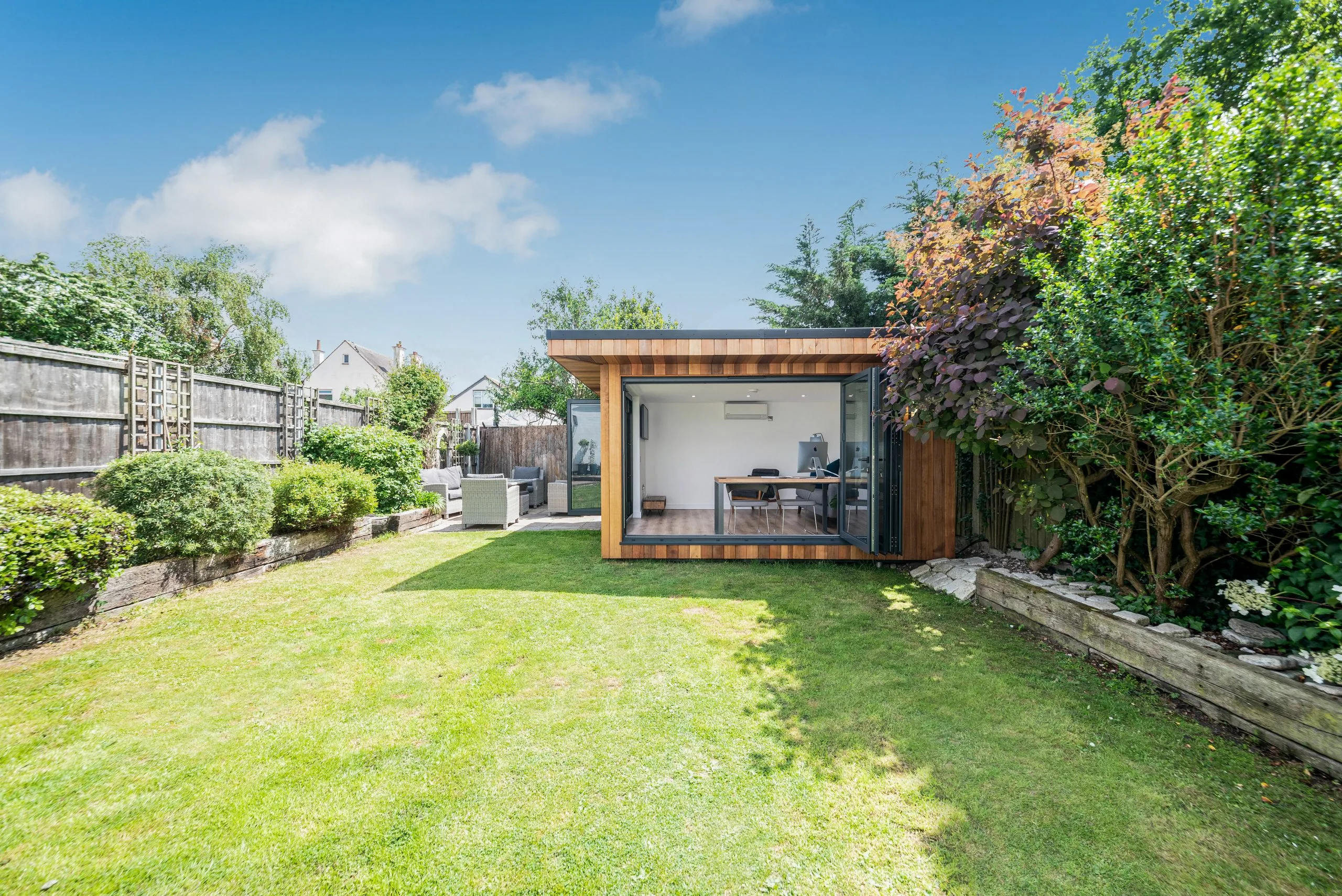
A premium London garden retreat highlighting how a bespoke building can make excellent use of outdoor space while creating a calm, self-contained room at home.
View project