
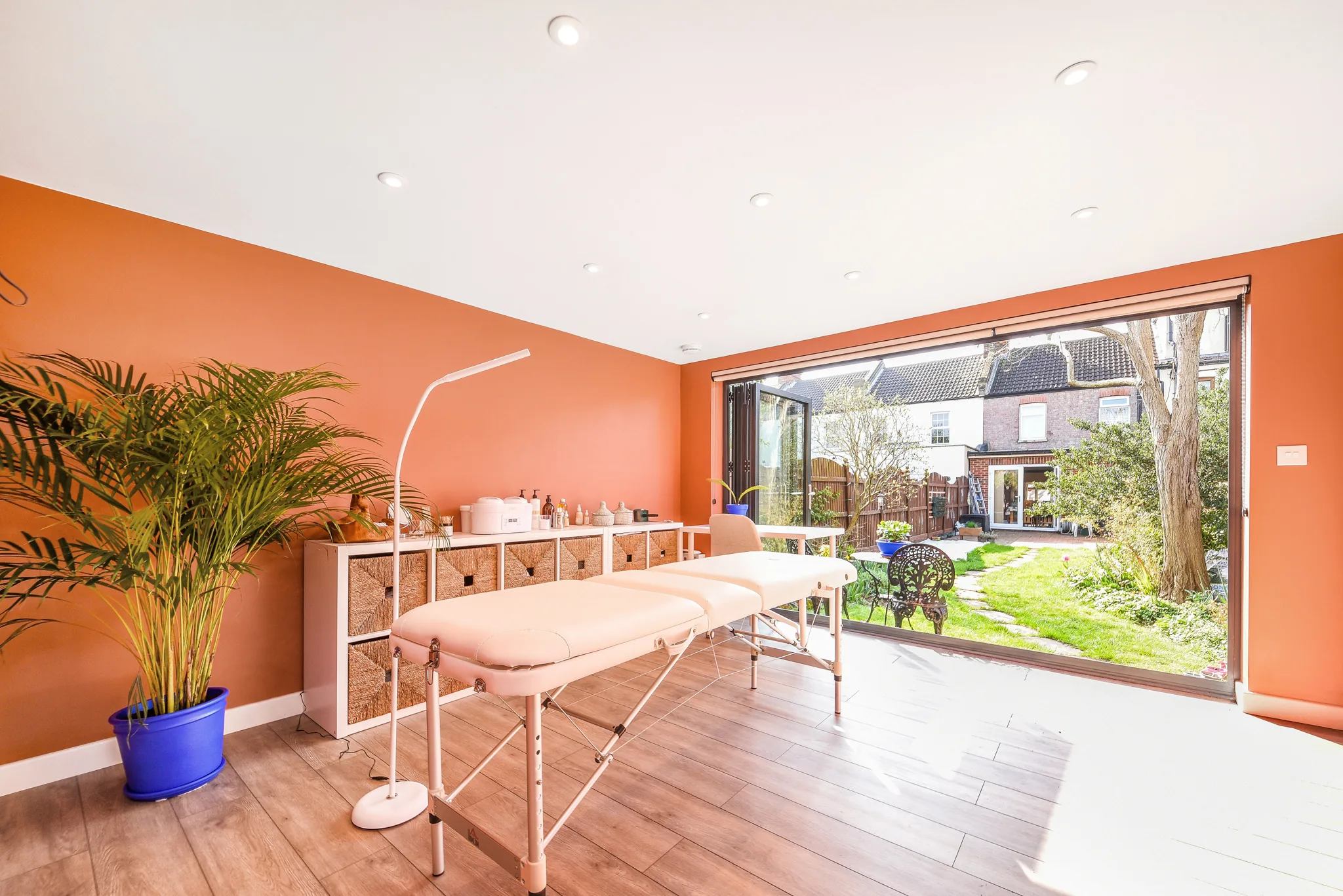
Hobby Garden Room Studio
A beautifully considered hobby garden room showing how a bespoke building can provide a calm, practical and personal space for creative interests, collections and year-round use.
View project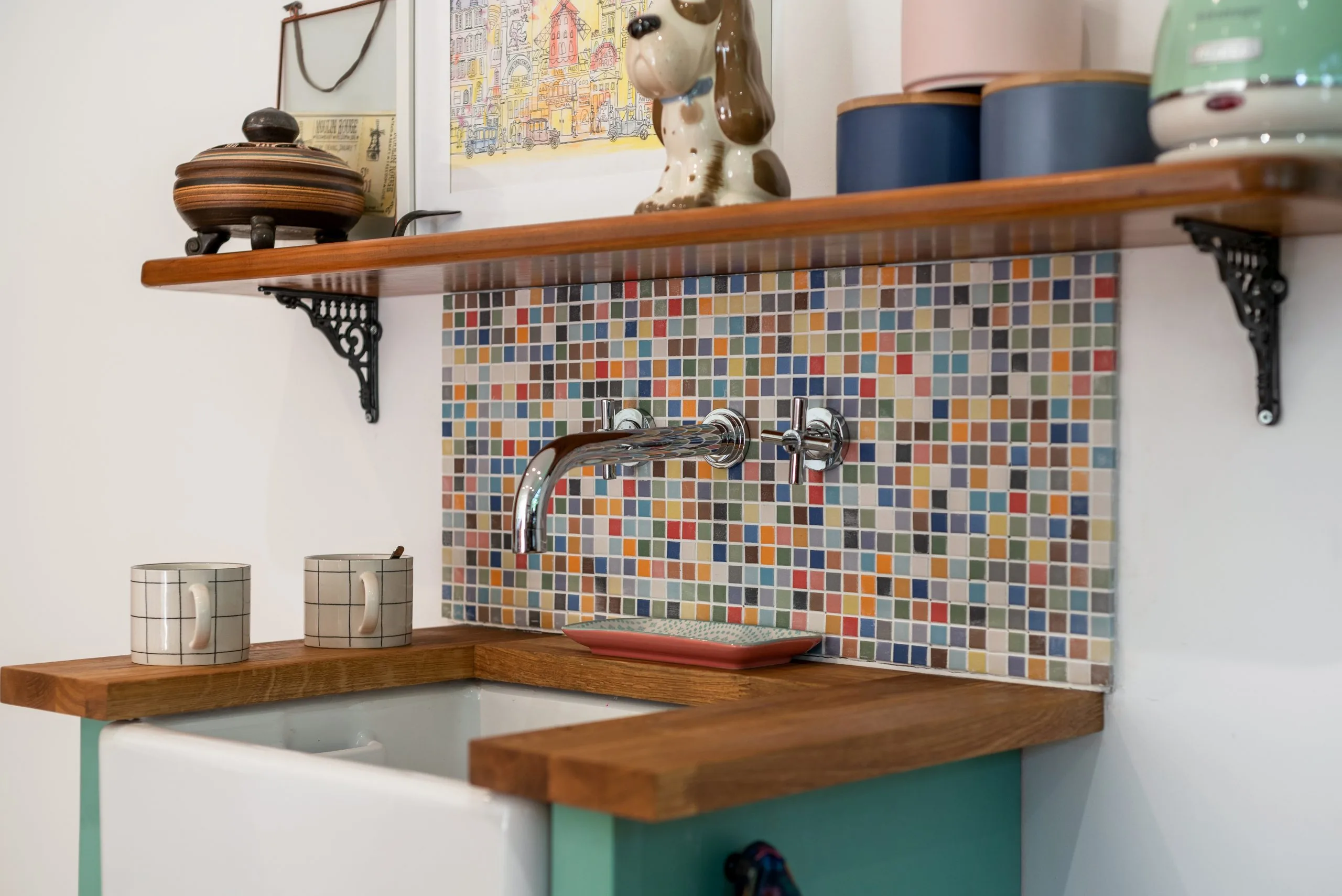
A signed shirt deserves better than a spare bedroom wall. A record collection should not be squeezed beside the washing basket. Film props, model collections, trophies, guitars, medals, programmes, rare books, whisky, art, photography, motorsport pieces, military history, comics, trainers, watches or family archives all need something most homes rarely have: a calm, controlled, beautifully designed room where the collection can be seen, protected and enjoyed.
A bespoke garden memorabilia room gives your collection its own setting. It can feel like a private gallery, a sports bar, a screening room, a collector’s archive, a music lounge or a personal museum at the end of the garden. Because Hawksbeck garden buildings are designed around the client, the room does not need to follow a standard layout. The proportions, glazing, lighting, wall space, display cases, seating, security, heating, storage and finishing details can all be considered from the beginning.
If you are comparing different garden room ideas, a memorabilia room is one of the most rewarding because it combines practical storage with genuine personal enjoyment. It is not just somewhere to put things. It becomes a place to spend time.
Collections often outgrow the home gradually. A few framed shirts become a wall of sporting history. A record collection turns into listening equipment, shelving, seating and artwork. A passion for film becomes posters, props, Blu-rays, projectors and display cabinets. Before long, valuable and sentimental items are split across lofts, cupboards and rooms where they cannot be appreciated properly.
A dedicated garden room changes that. It gives the collection a clear identity and allows the space to be planned properly from the start. Instead of adapting a spare room with compromises, the building can be created around the contents, the way you want to use the room and the overall style you want it to have.
Ideal for framed shirts, signed prints, artwork, guitars, posters, medals and display boards.
A separate room feels more immersive than a corner of the house.
Collections can be categorised, displayed and stored intelligently.
Insulation, heating, lighting and ventilation make the room enjoyable in every season.
Your memorabilia room can also work as a music room, office, cinema room, games room, lounge or hobby space.
Everything from flooring to lighting can match the tone of the collection.
The best memorabilia rooms are designed backwards from the collection. What needs to be displayed? What needs to be protected from light? What should be shown as a centrepiece? What should be kept in archival storage? Will guests use the room, or is it a more private retreat?
Before thinking about colours and furniture, it is worth separating the collection into zones. This helps establish the size, wall layout, lighting plan and storage requirements of the building.
Most collections have a few items that deserve special treatment: a signed guitar, match-worn shirt, framed film poster, first pressing, trophy, rare model, personal achievement or family heirloom. These pieces can be positioned as focal points with dedicated lighting, feature walls or bespoke display cabinetry.
A garden room memorabilia space often needs uninterrupted wall runs. This is where a bespoke building becomes valuable. Window and door positions can be planned so that the room has enough natural light without sacrificing the display walls you need for frames, shelves, peg systems or acoustic panels.
Smaller items often look best when grouped in glass cabinets, recessed shelving or lit display units. Sports programmes, signed balls, medals, die-cast models, film props, watches, collectibles and books can all be displayed neatly without cluttering the room.
Not everything needs to be on show all the time. Drawers, flat storage, cupboards and concealed shelving can protect more delicate pieces while keeping the room calm and easy to use. For paper-based collections, vinyl, photography or textiles, storage depth and temperature stability are particularly important.
A memorabilia room should be enjoyable, not just impressive. Comfortable seating, a listening chair, a bar area, a desk, a games table or a small cinema-style layout can turn the room into somewhere you actually spend time, rather than a room you only show to visitors.
No two collections are identical, but many dedicated memorabilia rooms fall into a few broad categories. Each one benefits from a slightly different design approach.
A sports memorabilia garden room can be designed around framed shirts, signed boots, balls, programmes, tickets, medals, trophies, photography and big-screen viewing. For football, rugby, cricket, golf, boxing, motorsport or athletics collections, the key is balance: enough display space to show the collection properly, without making the room feel like a storeroom.
Useful features may include:
For film collectors, the room may be part gallery and part viewing space. Original posters, lobby cards, props, scripts, figures, steelbooks and signed photographs can sit alongside a projector, surround sound and comfortable seating. Lighting control becomes especially important here, both for viewing and for protecting delicate printed material.
Blackout blinds, carefully positioned spotlights, dimmable lighting, acoustic treatment and concealed cabling can help create a room that feels polished rather than improvised.
A music memorabilia room might include vinyl storage, hi-fi equipment, guitars, framed records, photography, tour posters, awards, books and seating. Unlike some display rooms, sound matters here. The shape of the room, floor finishes, soft furnishings and acoustic panels can all influence how comfortable the space is for listening.
For vinyl collections, storage needs to be strong, accessible and away from extremes of heat, cold and direct sunlight. A bespoke garden music room can combine proper shelving with a listening area, display walls and an atmosphere that suits the era or genre of the collection.
Not every memorabilia room is based around fame or collectability. Some of the most meaningful rooms are built to display family photographs, military history, awards, travel memories, books, documents or generational keepsakes. In this type of room, the design can be quieter and more refined, with archive storage, reading space and soft gallery lighting.
For model cars, watches, coins, comics, figures, art, photography, rare books, trainers, whisky or luxury objects, the garden building can become a private showroom. Display cases, controlled lighting, high-quality finishes and security are central to the design.
A memorabilia room should look impressive, but it also needs to protect the collection. Many items are vulnerable to the same basic risks: damp, heat, UV, poor ventilation, dust, accidental damage and insecure storage.
A premium garden room should be designed to feel like a proper room, not a shed with lights.
Year-round comfort is essential if the room is going to house valuable or delicate items. Quality insulation helps reduce temperature swings, making the room more stable and more pleasant to use. Heating can be specified so the space remains comfortable in winter, while smart controls can help maintain a sensible environment without leaving systems running constantly.
Collections need fresh air, especially if the room contains textiles, paper, books, vinyl, leather, framed items or electronics. Ventilation should be thought about early so the room does not feel stale when closed for long periods.
Direct sunlight can fade signatures, posters, fabrics, photographs and album sleeves. This does not mean the room must be dark. It means glazing, blinds, films, display positioning and lighting should work together. In many cases, a combination of natural light and carefully controlled artificial lighting gives the best result.
Memorabilia can carry financial value, emotional value or both. A bespoke garden memorabilia room can be designed with security in mind, including suitable doors, locks, glazing choices, lighting, alarm considerations and discreet placement within the garden. If your collection is insured, it is sensible to check whether the insurer has any requirements for storage, locks or alarm systems.
Heavy frames, cabinets, shelves and wall-mounted items need proper fixing. Planning the internal structure and display positions at the design stage avoids future compromises. It also gives a neater finish because wiring, lighting and fixings can be considered as part of the room rather than added afterwards.
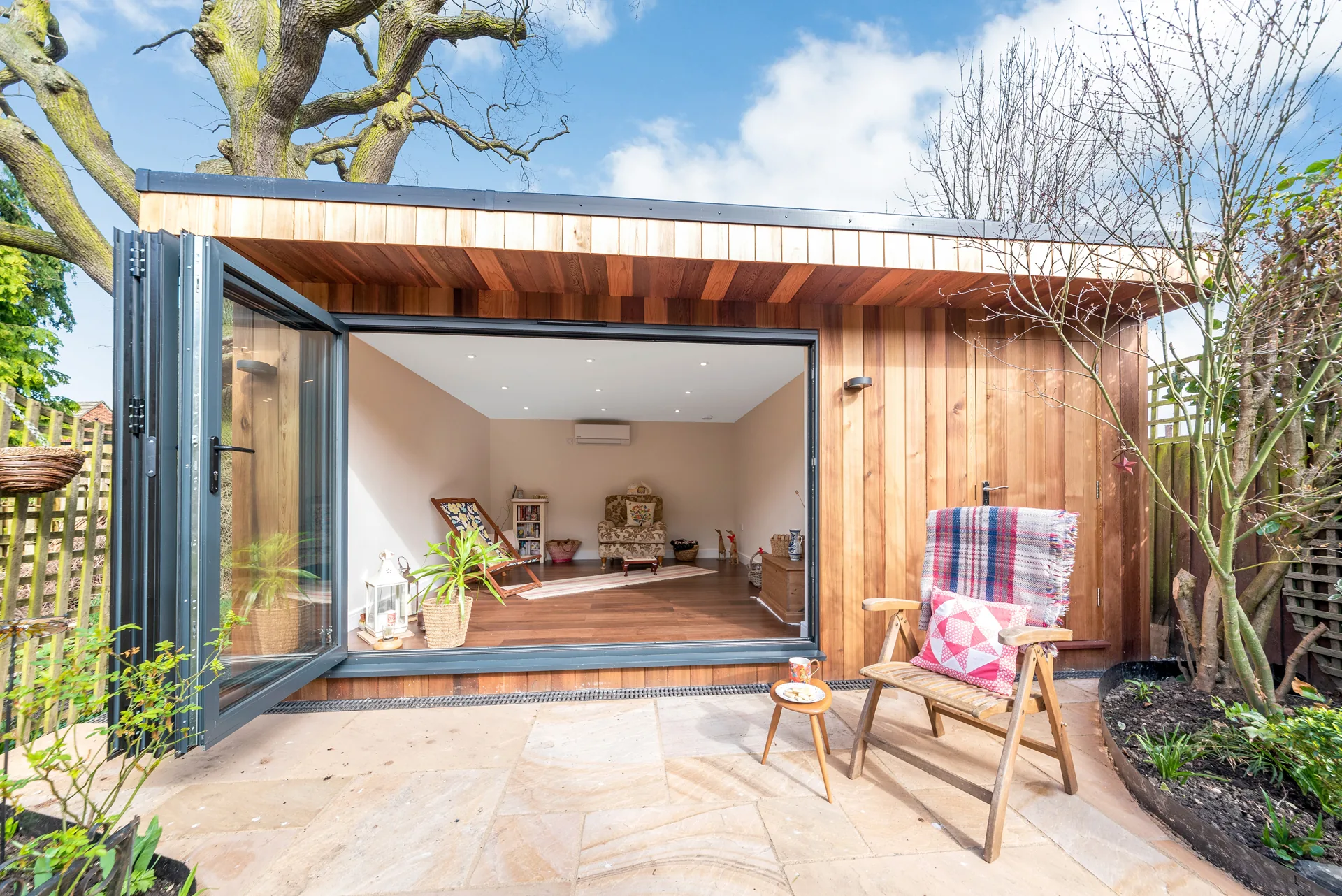
The ideal layout depends on whether you want the room to feel like a gallery, lounge, archive, cinema, listening room or a blend of several uses. Below are practical layout approaches that often work well.
This layout uses one or two long, uninterrupted walls for framed items. It works well for signed shirts, artwork, sports photography, film posters, records, guitars or family portraits. The opposite side can include seating, low storage or a media unit. The room feels open and easy to view.
Ideal for sports and music memorabilia, this style combines display walls with a bar, sofa, armchairs, screen and atmospheric lighting. It feels sociable and is designed for evenings, matches, listening sessions or time with friends.
For smaller valuable objects, glass display cabinets and recessed shelving create a more curated look. Lighting can be integrated within cases, and the room can be kept clean and minimal so the items stand out.
This suits books, paper collections, photographs, documents and family history. It may include a desk, map drawers, cupboards, bookshelves, display frames and comfortable reading space. The feeling is calmer and more library-like.
For film memorabilia, the screen or projector becomes a major feature. Posters and props can frame the viewing area, with darker finishes, acoustic treatment, dimmable lighting and discreet storage for media equipment.
Although every collection is different, this video shows how adaptable a high-quality garden room can be. The same level of design flexibility that works for studios, leisure rooms and workspaces can be applied to a private memorabilia room.
A memorabilia room can be simple and elegant, or highly detailed and immersive. The right features depend on the collection, the available space and how you want the room to feel.
Lighting makes an enormous difference to a memorabilia room. Poor lighting can make even rare items look flat. Good lighting can turn a collection into a gallery.
Flooring should suit the mood of the room and the likely use. A refined timber-effect floor can create a warm gallery feel. Carpet or rugs can help soften sound in a music or cinema-style room. More robust flooring may suit a sports room or social space with drinks, guests and regular use.
Plain walls are often best for display, but that does not mean they need to be bland. Darker feature walls can make framed items stand out. Timber, panelling or textured finishes can add a club room or boutique gallery feel. If you expect to change displays often, a flexible hanging system may be worth considering.
Memorabilia rooms frequently need more power than expected. Display lighting, screens, speakers, turntables, amplifiers, dehumidifiers, cabinets, laptops, security systems and chargers all need to be accounted for. Planning sockets and cable routes early keeps the finished room clean and professional.
If the room is going to be used in the evening or throughout winter, heating should not be an afterthought. The goal is a space that feels comfortable enough to sit in, listen to music, watch a match, read or entertain guests without feeling separate from the standards of the main house.
Collections rarely stop. It is sensible to include more storage than you currently need, or to design the room so displays can evolve. Adjustable shelving, spare wall zones, deeper cupboards and modular display areas can help the room remain useful as the collection grows.
The right size depends less on the number of items and more on how you want to experience them. A compact room can work beautifully for a focused collection. A larger room may be better if you want seating, a screen, a bar, a desk, large cabinets or space to entertain.
| Room Style | Best For | Design Notes |
|---|---|---|
| Compact display room | Framed shirts, medals, records, photography, small collections | Prioritise wall space, careful lighting and concealed storage. |
| Gallery and lounge | Sports, film, music or personal collections with seating | Allow room for circulation so items can be viewed comfortably. |
| Entertainment memorabilia room | Big screen, bar, music system, guests and social use | Plan power, lighting zones, furniture and acoustics early. |
| Archive and collector’s room | Books, documents, paper, models, watches, comics or delicate items | Include stable storage, cabinets and protection from UV and dust. |
As a general rule, it is better to avoid filling every wall from day one. Leaving breathing space makes the room feel more luxurious and allows your collection to grow. A crowded room can make even valuable pieces feel lost, while a considered layout gives each item more presence.
A dedicated collection room can be highly personal inside, but the exterior still needs to sit naturally within the garden and the architecture of your home. Hawksbeck garden rooms are known for their bespoke, premium finish, so the building can be designed to feel refined from the outside and immersive on the inside.
For some homes, a contemporary exterior with clean glazing and crisp lines will work best. For others, a softer or more traditional finish may sit more comfortably in the landscape. The route from the house, evening lighting, privacy, planting and the view from the main home are all worth considering.
Because a memorabilia room may be used in the evening, external lighting can make the building feel inviting and safe without over-lighting the garden. Discreet path lighting, wall lights or garden lighting can all contribute to the experience of using the room.
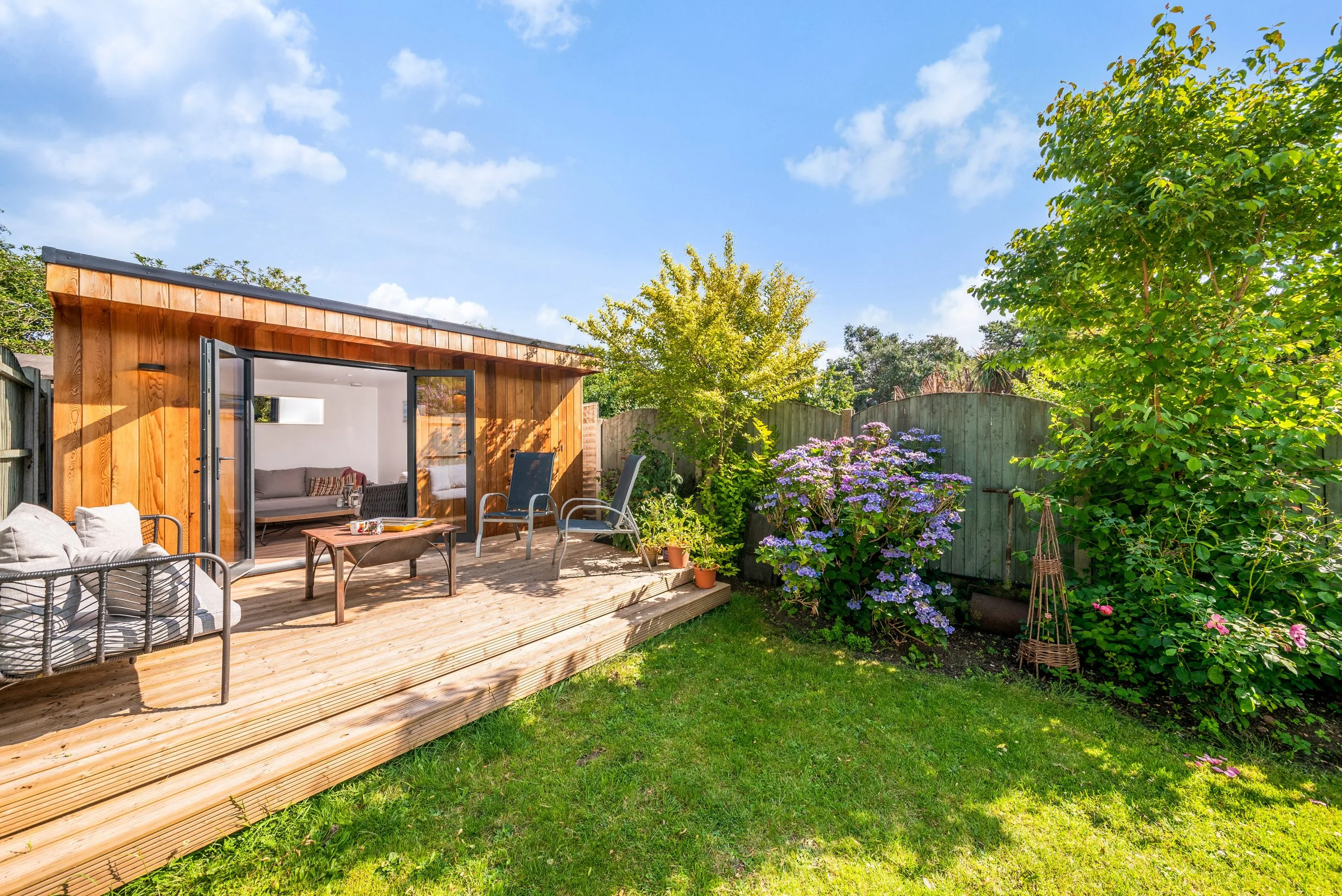
Many garden rooms can be built under permitted development, depending on the size, height, location and use of the building. However, every property is different, and some homes have restrictions such as conservation areas, listed status, previous planning conditions or boundary considerations.
For a memorabilia room, the practical details often matter as much as the planning position:
Thinking through these questions before the design is finalised helps create a room that works naturally once it is built.
The cost of a garden memorabilia room varies because the building, specification and internal requirements are bespoke. A simple, beautifully finished display room will usually cost less than a larger entertainment-style memorabilia room with extensive glazing, integrated media, specialist lighting, heating, cabinets, security and a bar or lounge area.
As a broad guide, many premium garden rooms suitable for memorabilia and hobby use may start from the lower tens of thousands, with more substantial bespoke buildings often moving into the £40,000–£80,000+ range depending on size, specification and complexity. Highly tailored projects with specialist interiors, premium finishes, extensive electrical work, climate considerations or significant groundworks can exceed this.
Cost factors can include:
For the clearest starting point, it is worth viewing the Hawksbeck range and then discussing how your collection would influence the final specification. A memorabilia room is often a very personal project, so the most useful price is one based on the actual items, layout and finish you want rather than a generic square metre figure.
Browse the range, then bring us a rough list of what goes on the walls, in the cabinets and into storage, and the specification can be built from that.
A memorabilia room does not have to feel like a novelty space. In fact, the most successful rooms are often restrained. They let the collection create the character while the architecture, lighting and finishes provide a calm backdrop.
For example, a football memorabilia room does not need artificial turf and club colours on every wall. A music memorabilia room does not need to look like a rehearsal studio. A film room does not need to be completely black. Sometimes a more elegant approach gives the collection greater impact and makes the room more enjoyable long term.
Ways to keep the design refined include:
One of the reasons a bespoke garden room is particularly well suited to memorabilia is that it can evolve. Your interests may change. New pieces may be added. A room that begins as a sports memorabilia space may later include a bar and media wall. A vinyl room may become a music and reading room. A family archive may grow into a private study.
Planning flexibility into the build makes this easier. Adjustable shelving, flexible lighting, sensible power locations and usable wall space all help the room adapt without needing major changes later.
If you are at the early stage of planning, the following questions can help shape the brief:
These answers help establish the room size, layout, glazing, lighting, storage and overall specification. They also make the design conversation more productive because the room can be shaped around real use rather than assumptions.
Many garden rooms can be built under permitted development, depending on the size, height, location and use of the building. Conservation areas, listed status, previous planning conditions or boundary considerations can change that, so each property needs checking.
The room does not have to be dark. Glazing, blinds, films, display positioning and lighting are planned together, with low-UV lighting helping to preserve the most delicate items.
It depends less on the number of items and more on how you want to experience them. A compact room suits a focused collection, while seating, a screen, a bar or large cabinets call for a larger building.
Premium garden rooms for memorabilia may start from the lower tens of thousands, with more substantial bespoke buildings often in the £40,000–£80,000+ range depending on size, specification and complexity.
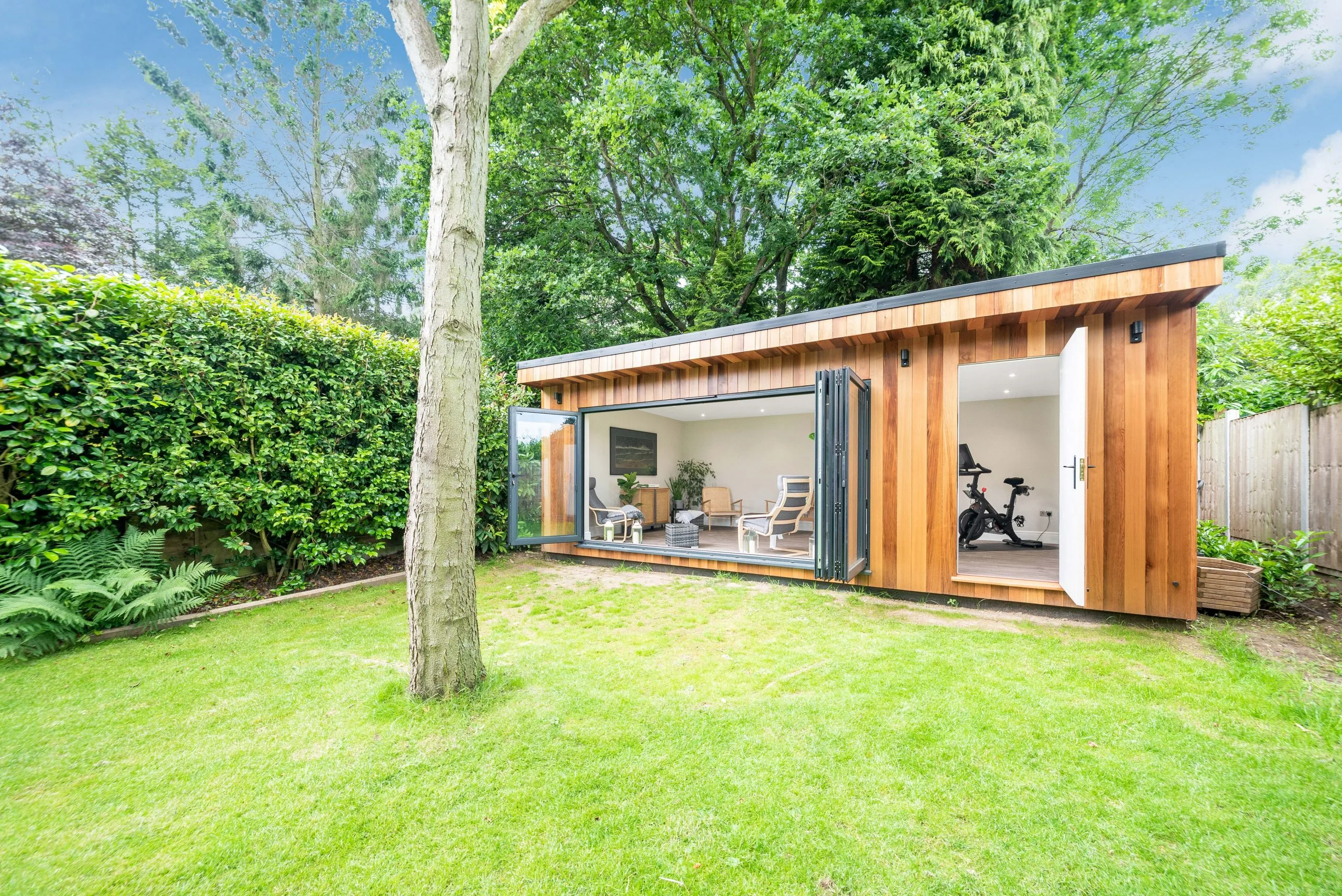
A collection is rarely just a collection. It often represents years of effort, memories, travel, achievements, relationships and personal taste. A bespoke garden memorabilia room gives those items the setting they deserve, while adding a highly usable and distinctive space to your home.
Whether you want a sports memorabilia room, a film and cinema collection space, a music listening room, a collector’s gallery or a personal archive, Hawksbeck can design a premium garden building around the way you want to display, protect and enjoy your collection.
A beautifully considered hobby garden room showing how a bespoke building can provide a calm, practical and personal space for creative interests, collections and year-round use.
View project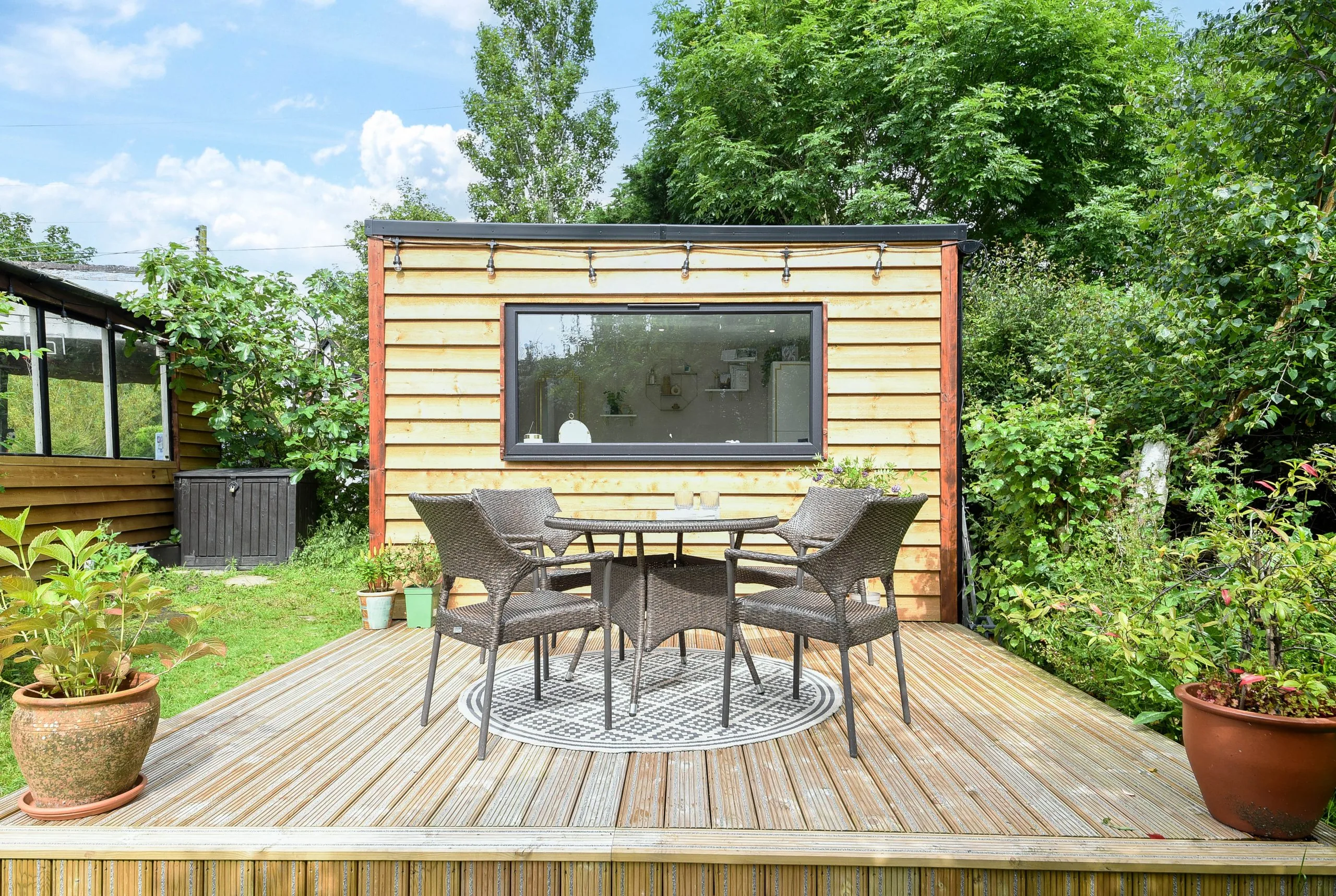
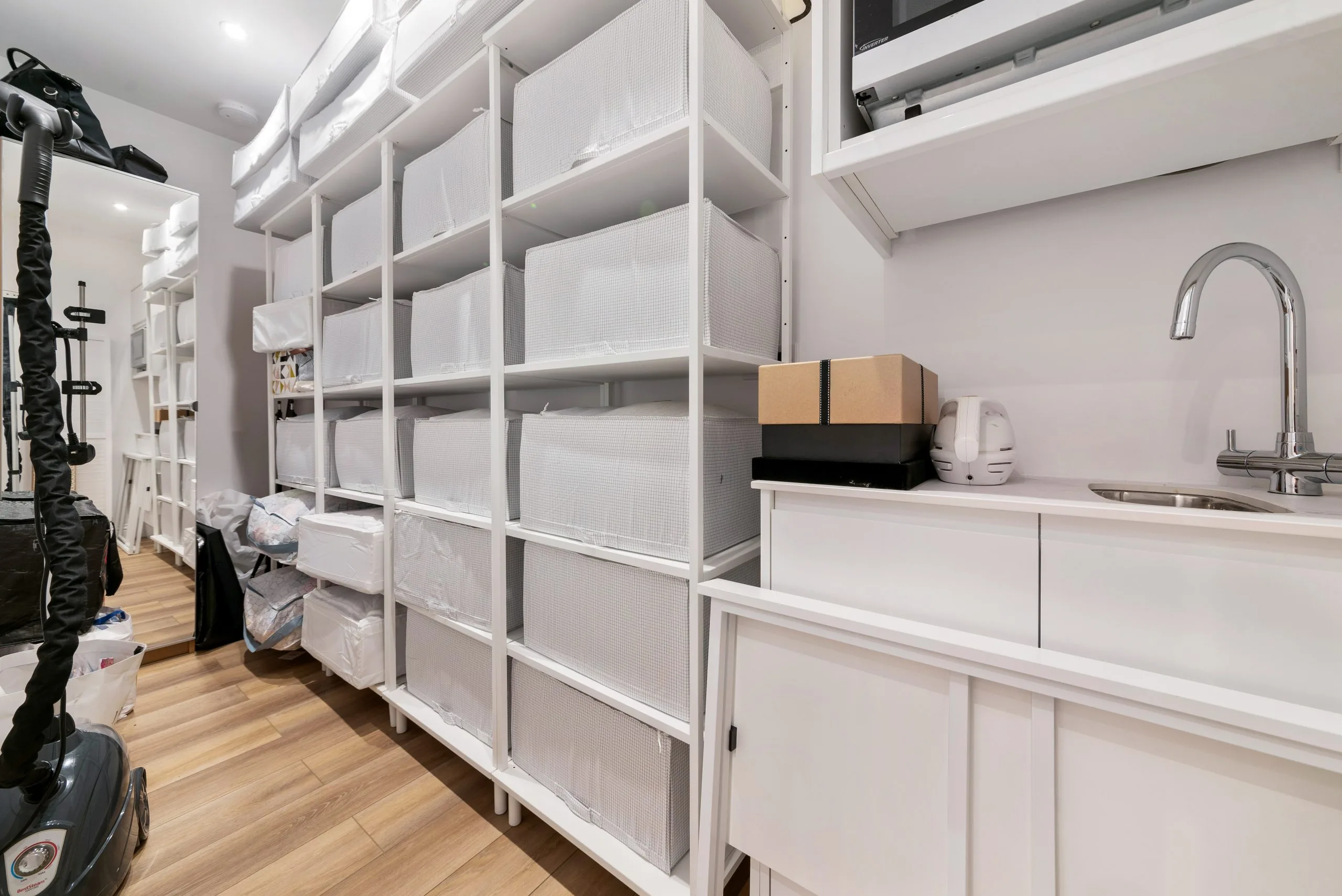
This project highlights the value of combining a dedicated hobby space with practical storage, an approach that works especially well for collectors who need both display and organisation.
View project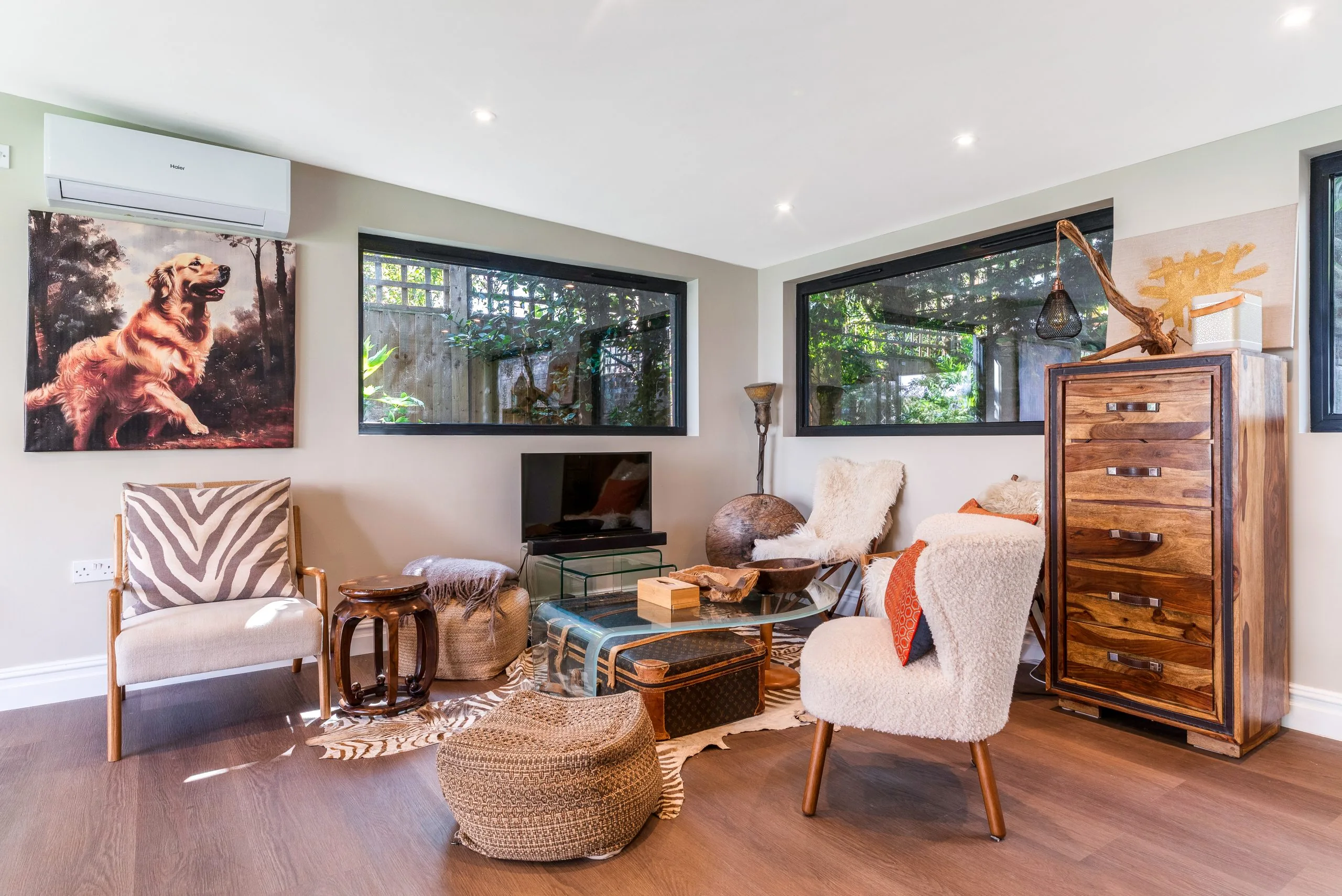
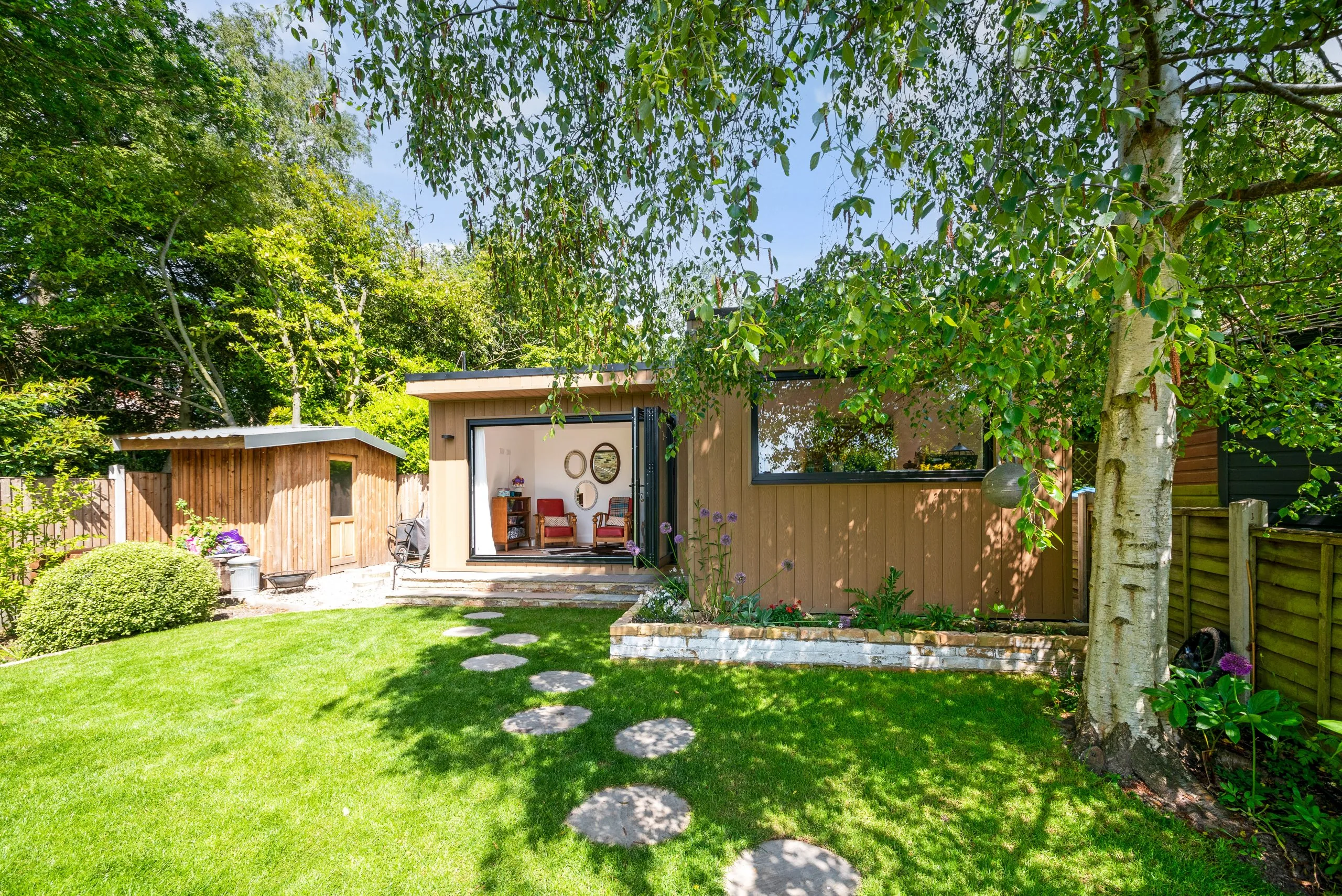
A tailored garden building demonstrating how Hawksbeck can create a highly practical, premium space around a specific personal use, from workshops and hobbies to specialist collection rooms.
View project