

Luxury Garden Music Studio, Colchester
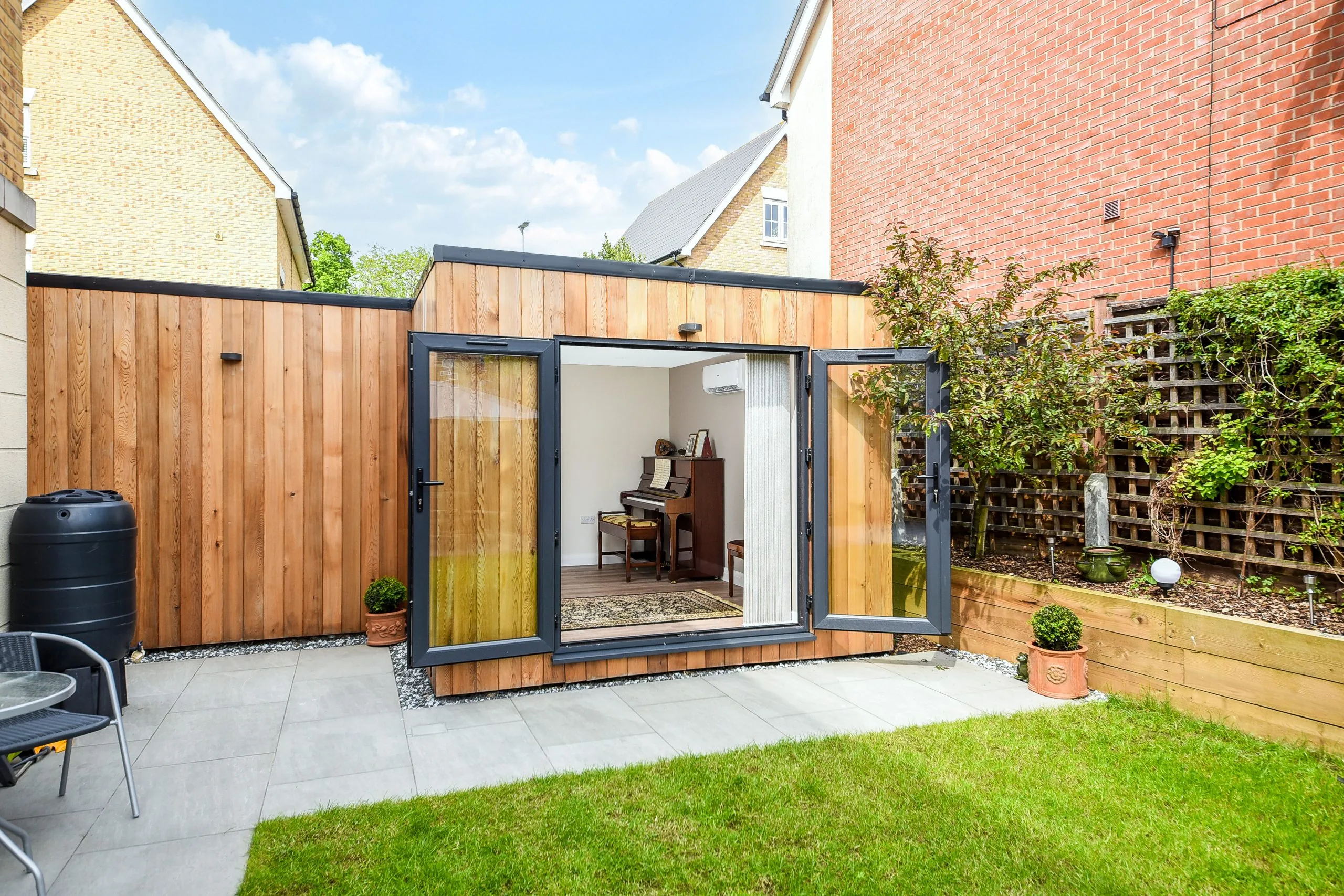
A premium bespoke garden music studio designed to provide a dedicated creative space with the comfort, finish and practical detailing expected from a Hawksbeck building.
View project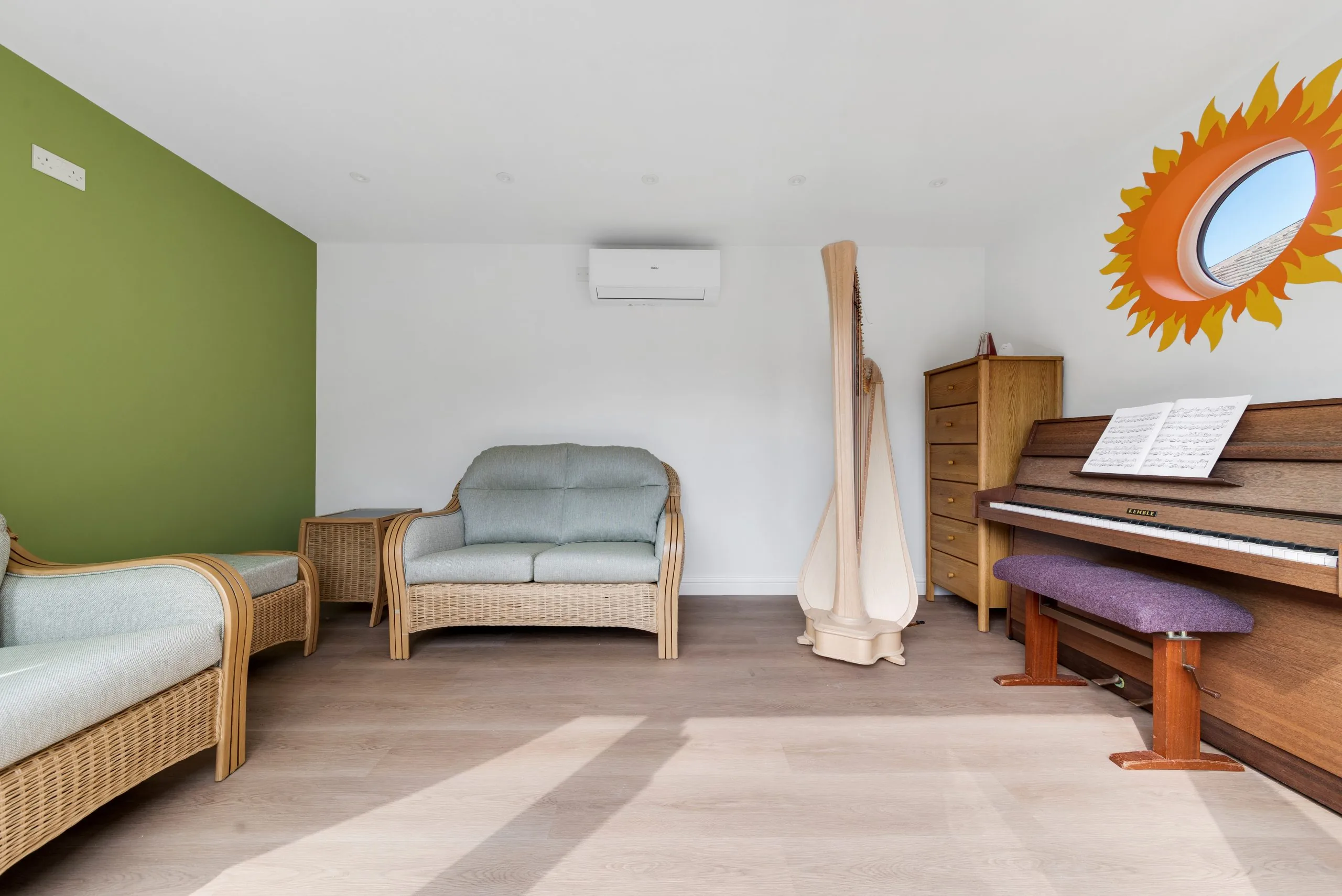 Garden music studio
Music is unforgiving of compromised spaces. A spare bedroom can work until the room modes exaggerate the low end, the neighbours hear every kick drum, the boiler clicks into a vocal take, or the guitars, stands and cables slowly take over the house. A bespoke garden music studio gives you something different: a purpose-made, private, comfortable room where sound, storage, temperature, lighting and day-to-day use are considered from the start.
For homeowners, musicians, producers, tutors and serious hobbyists, a Hawksbeck garden room can be designed as a refined music space rather than a generic outbuilding with a desk and speakers added afterwards. Whether you need a calm piano room, a writing studio, a drum practice room, a podcast and recording suite, a teaching space, or a hybrid studio that also works as a home office, the specification can be shaped around how you play, record and live.
The best music rooms do not happen by accident. They feel easy to use because a lot of practical thinking has already been built in: where the instruments live, where speakers sit, how the room is ventilated, where cables run, how loud the space may become, and whether the goal is practice, production, recording, teaching or all of those things.
A bespoke garden music studio can be planned with acoustic upgrades, upgraded insulation, premium glazing choices, careful internal finishes, dedicated power, climate control and built-in storage. It can also be designed to look beautiful from the garden, so the building still feels like a luxury addition to your home rather than a purely functional studio box.
If you are still exploring different ways to use a bespoke building, our main garden room ideas guide offers wider inspiration. This page focuses specifically on what makes a garden room work well as a music studio.
Isolation vs treatmentWhen people search for a “soundproof garden room”, they are often thinking about two different things at once. Both matter, but they are not the same.
Sound isolation is about reducing how much sound travels in or out of the studio. This is especially important for drums, amplified guitars, bass, brass instruments, loud vocal work and late-night practice. It can also help keep traffic, wind, rain, birds, garden machinery and household noise out of recordings.
Isolation is influenced by mass, airtightness, decoupling, glazing, door specification, construction detailing and ventilation routes. A weak point in one area can undo effort elsewhere. For example, a heavily upgraded wall build-up will not perform as intended if the door, window or air path is under-specified.
Internal acoustics are about how sound behaves inside the room. A room can be well insulated and still sound boxy, boomy or harsh. For production and mixing, the aim is usually a balanced listening environment. For piano, strings or acoustic guitar, you may want warmth and liveliness without excessive reflections. For drums, you may need controlled energy that does not become overwhelming.
Depending on the intended use, a garden music studio may include space for acoustic panels, bass traps, diffusers, soft finishes, angled surfaces, curtain options or a layout that allows treatment to be added in the right positions. The benefit of a bespoke building is that these requirements can influence the design early, rather than being treated as an afterthought.
Not every music room needs the same level of specification. A garden studio for teaching piano has different priorities from a drum practice room or a production studio. Below are some of the most common approaches.
A recording-focused garden room may need a quiet background noise level, clean electrical planning, space for monitors and screens, controlled lighting, comfortable ventilation and a layout that separates performance, equipment and relaxation areas. Some clients want one well-treated live room. Others prefer a compact control area with a vocal booth-style zone or a flexible open plan arrangement that can adapt to different sessions.
Drums place more demand on a garden building than many instruments because of low-frequency energy and impact vibration. The design may need enhanced acoustic upgrades, resilient detailing, careful positioning within the garden, upgraded doors and glazing, and a realistic conversation about playing times and neighbouring properties. A drum room should also feel physically comfortable, with enough space around the kit for movement, mic stands and storage.
A piano garden room can be a beautiful addition to a home, particularly when designed with natural light, stable temperature and humidity, and an interior finish that feels calm and elegant. For acoustic piano, climate control and sensible glazing choices are especially important. For digital piano or keyboard work, power, lighting, speaker positioning and integrated storage may be higher priorities.
If you teach from home, a separate garden studio can create a more professional boundary between family life and work. It can include a welcoming entrance, waiting space, WC options where appropriate, instrument storage, good lighting, heating and cooling, and acoustic privacy. The building should be comfortable for repeated daily use, not just occasional practice.
For producers and songwriters, the space needs to support concentration. Speaker placement, desk position, cable routes, screen glare, acoustic panel locations, background noise and temperature all influence how enjoyable the room is to use. A bespoke design can also accommodate synth racks, guitars, vinyl, keyboards, controllers, outboard gear and a compact sofa or listening area.
A music studio should not simply be “a room at the end of the garden”. The most successful designs start with the practical realities of how the space will be used. These are the areas worth thinking about early.
Size affects comfort, equipment layout and sound. Very small rooms can be challenging for mixing because low frequencies build up quickly. Larger rooms give you more flexibility for instruments, seating, treatment and storage, but they also increase the construction and finishing costs.
For a compact writing room, you may only need space for a desk, chair, monitors, guitar rack and storage. For a live practice room, you might need space for a drum kit, amps, keyboard, multiple performers and safe cable routes. For a teaching studio, circulation space matters because students need to come in and out with instruments and bags.
Ceiling height can influence how a studio feels and sounds. A higher ceiling can make a music room feel less compressed and more comfortable, particularly for singing, strings, drums and piano. It may also allow more effective acoustic treatment. Where planning or permitted development height limits apply, this should be considered as part of the overall design.
Glazing makes a garden room enjoyable, but it must be considered carefully for music use. Large areas of glass can create reflections and may affect acoustic performance if not specified appropriately. That does not mean a music studio has to be dark or closed-in. It means window placement, size, orientation and performance should be balanced with the acoustic purpose of the room.
Doors are another key area. If sound isolation is a priority, the entrance needs to be specified with that in mind. A beautiful studio should still perform well at the points where sound is most likely to escape.
A well-planned garden music studio needs more sockets than a typical leisure room. Think about monitors, interfaces, amplifiers, keyboards, charging points, lighting, computers, screens, dehumidifiers, heating or cooling, and future equipment you have not bought yet.
Power placement is particularly important if you want to avoid trailing leads across the floor. A bespoke build allows desk positions, rack locations and wall-mounted equipment to be considered before the electrical plan is finalised.
Lighting has a real effect on how a music room feels. Bright, practical light helps with teaching, instrument maintenance and reading charts. Softer lighting supports writing, listening and late evening practice. Many clients prefer layered lighting: dimmable ceiling lighting, wall lights, task lighting near desks or pianos, and exterior lighting for safe access after dark.
Music studios often hold people, equipment and electronics in a relatively enclosed space. That means temperature control and airflow matter. A room that becomes too hot in summer or too cold in winter will not be used as much as intended.
Climate control is also important for instruments. Guitars, pianos, strings, woodwind and some electronic equipment benefit from a stable, dry environment. Ventilation should be considered carefully because simple vents can become sound leakage points. For higher acoustic requirements, the ventilation strategy may need to be planned with isolation in mind.
The right acoustic specification depends on instrument type, volume, neighbours, use pattern and expectations. For some clients, premium insulation and careful construction detailing may be sufficient. For others, a more advanced acoustic package may be appropriate.
It is important to be realistic: no garden studio should be described as completely soundproof in every situation.
Low frequencies, drums and high-volume amplified instruments are demanding. The correct aim is to design the building intelligently for your use, your site and your required level of performance.
Drums at night or a quiet vocal booth? Tell us how loud the room needs to get.
Talk to UsThe layout should support the way you use the room on a normal day, not just how it looks on a plan. A beautifully built studio will feel frustrating if you constantly have to move cases, unplug equipment or step around stands.
This layout usually centres on a fixed desk position with monitors placed for accurate listening. Storage can be built around the edges for guitars, controllers, cables and accessories. Acoustic treatment can be planned at first reflection points, with bass management in corners where appropriate. The space may include a small sofa or chair for writing, listening or client playback.
A live room needs floor space. Instruments, singers and players need to move comfortably. Wall-mounted storage can keep cases and stands off the floor. Durable flooring, practical lighting and robust finishes become more important. If multiple musicians will use the room at once, ventilation and heat build-up should be taken seriously.
A teaching studio benefits from a clear entrance, uncluttered circulation and a professional but relaxed atmosphere. You may want a piano or keyboard zone, a second chair, music stand storage, shelving for books, a secure place for instruments and good exterior lighting for evening lessons.
Many homeowners want a room that works hard during the day and becomes a creative space in the evening. A bespoke garden music room can include concealed storage, a smart desk wall, instrument display, acoustic treatment that looks intentional, and lighting scenes for work, practice and relaxation.
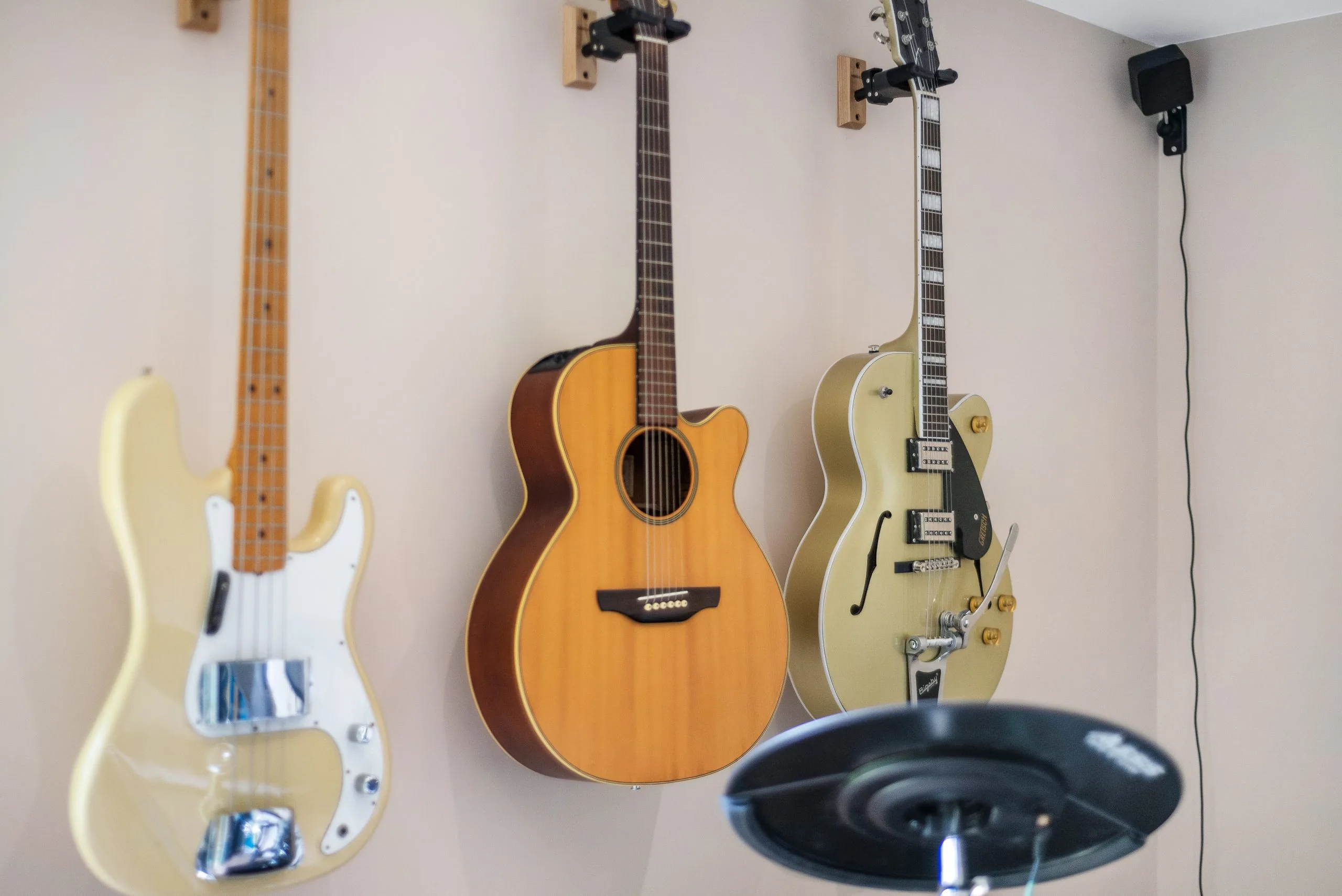
Instrument storage is one of the details that can make a music studio feel calm rather than chaotic. A bespoke room can include storage that is practical, attractive and designed around your collection.
Storage is also an acoustic decision. Too many reflective surfaces can make a room harder to control. Soft furnishings, curtains, carefully placed shelving and acoustic finishes can all contribute to a more balanced environment.
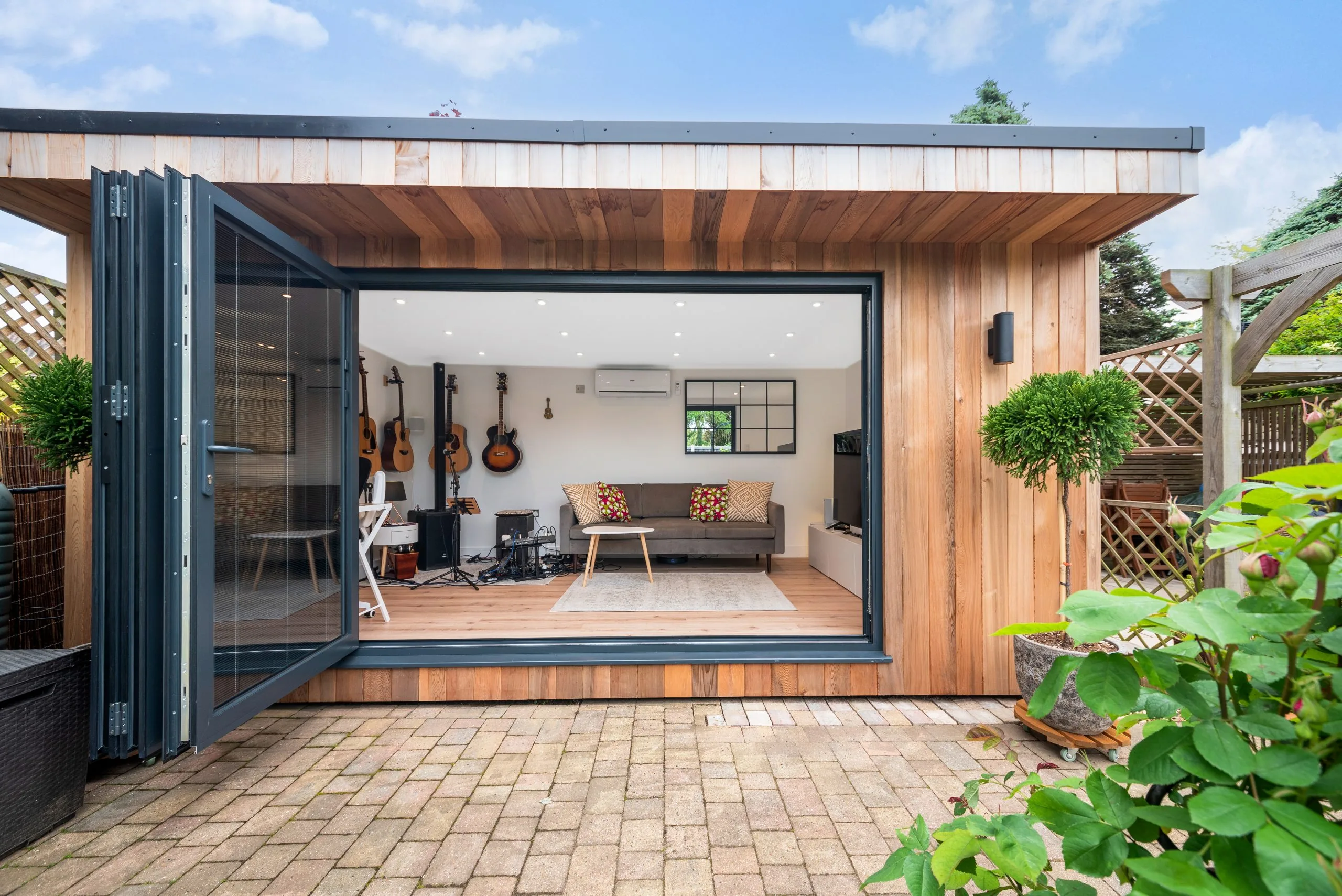
Positioning affects access, light, views, sound transfer and how naturally the building sits within your garden. A music studio does not always need to be tucked into the farthest corner, although that might be sensible for some sites. The right position depends on the house, neighbouring boundaries, existing landscaping and how often the building will be used.
For regular evening use, a clear lit route from the house is important. If students or collaborators will visit, access may need to feel professional and easy to understand. If sound levels are likely to be high, orientation and distance from sensitive boundaries should be considered carefully.
A premium garden music room should also enhance the garden visually. Exterior materials, roof style, glazing proportions, cladding colours and planting can help the building feel integrated rather than imposed.
Many garden rooms can be built under permitted development, but not all projects qualify. Height, position, intended use, site restrictions, conservation considerations and proximity to boundaries may all affect what is possible. A music studio can introduce additional considerations if it will be used commercially for teaching, recording clients or regular business activity.
Noise is also worth approaching sensibly. Even when planning permission is not required, homeowners should consider neighbours and local conditions. If the space will be used for drums, loud amplified music or frequent teaching, the design conversation should include acoustic expectations and practical use patterns from the beginning.
Hawksbeck can discuss the likely route for your project and help you understand what may be required before the build progresses.
Pricing depends on size, specification, acoustic requirements, access, groundworks, glazing, finishes, electrical design, climate control and any additional options such as WC facilities, storage, decking or landscaping. A simple creative room will cost considerably less than a high-performance drum or recording studio with extensive acoustic upgrades.
As a broad guide, premium Hawksbeck garden rooms sit in the higher-quality bespoke market rather than the budget cabin category. A music studio project will commonly fall somewhere from the mid tens of thousands for a smaller, well-specified music room, with more advanced or larger studios often moving into the £40,000 to £80,000+ range. Highly bespoke projects with substantial acoustic detailing, larger footprints, premium glazing, complex groundworks, WC facilities or extensive interior fit-out can exceed this.
The most useful way to approach budget is to separate the must-haves from the nice-to-haves:
Appropriate structure, insulation, safe electrical installation, heating, lighting, secure doors, practical layout and acoustic performance suited to your use.
Climate control, upgraded acoustic detailing, considered glazing, durable flooring, storage and low-noise ventilation.
Bespoke cabinetry, premium exterior finishes, specialist acoustic treatment, audio wall plates, integrated desk design, decking, canopies, exterior lighting and landscaping.
Because every Hawksbeck building is bespoke, an accurate cost is best developed from your brief, garden conditions and preferred finish. If you already know your ideal size, main instruments and expected use, that gives a very strong starting point for a meaningful discussion.
Before speaking to us, it can help to make a simple list of what the studio needs to do. You do not need architectural drawings or technical acoustic knowledge. The more honest the brief, the better the design can be.
These answers help shape the building size, acoustic specification, glazing, service plan and internal layout. They also help avoid overspending on features that are not necessary for your particular use.
A music studio asks more of a garden building than a casual lounge or summer room. It needs to be comfortable, quiet enough for its purpose, robust, beautiful and practical for repeated use. Hawksbeck’s bespoke approach is particularly well suited to music rooms because the design can respond to the specific instruments, space requirements and finish level you have in mind.
Instead of forcing your studio into a standard template, the building can be tailored around:
The result is a garden building that feels like a genuine extension of your home and your creative life, not a compromise.
Yes, a garden room can be designed as a professional or semi-professional music studio, provided the specification supports the intended use. Recording, mixing, teaching and practice all have different requirements, so the design should consider acoustics, electrics, lighting, climate control, storage and access from the start.
“Completely soundproof” is rarely a realistic claim, especially where drums, bass frequencies or amplified instruments are involved. However, a garden music studio can be built with acoustic upgrades that significantly improve sound isolation and reduce disturbance. The level of performance depends on the design, construction, openings, ventilation and the type of sound being produced.
Yes, but drums require a more considered specification than many other instruments. Low-frequency sound and impact can travel easily, so acoustic upgrades, room placement, construction detailing and neighbour considerations are important. If drums are central to your brief, they should be discussed at the very beginning.
A high-quality, insulated garden room with appropriate heating, cooling, ventilation and security can provide a very suitable environment for instruments. Climate stability is especially important for wooden instruments and pianos, so temperature and humidity should be considered as part of the design.
Yes. Many bespoke garden music studios are designed as hybrid spaces. With good storage, a considered desk position, acoustic treatment and flexible lighting, the building can work as a productive home office during the day and a creative studio in the evening.
Timescales vary depending on design complexity, specification, site conditions and lead times. A more detailed acoustic studio or large bespoke building will usually require more design planning than a simple garden room. Hawksbeck can advise on realistic timings once the brief and specification are understood.
If you want a dedicated space to play, record, teach or create without compromising the house, a bespoke garden music studio can be one of the most rewarding investments you make at home. The key is to design it properly: not just as a room with insulation, but as a comfortable, premium, practical studio built around the way you use music every day.
Speak to Hawksbeck about your instruments, sound requirements, budget and preferred finish, and we can help you explore what is possible in your garden.
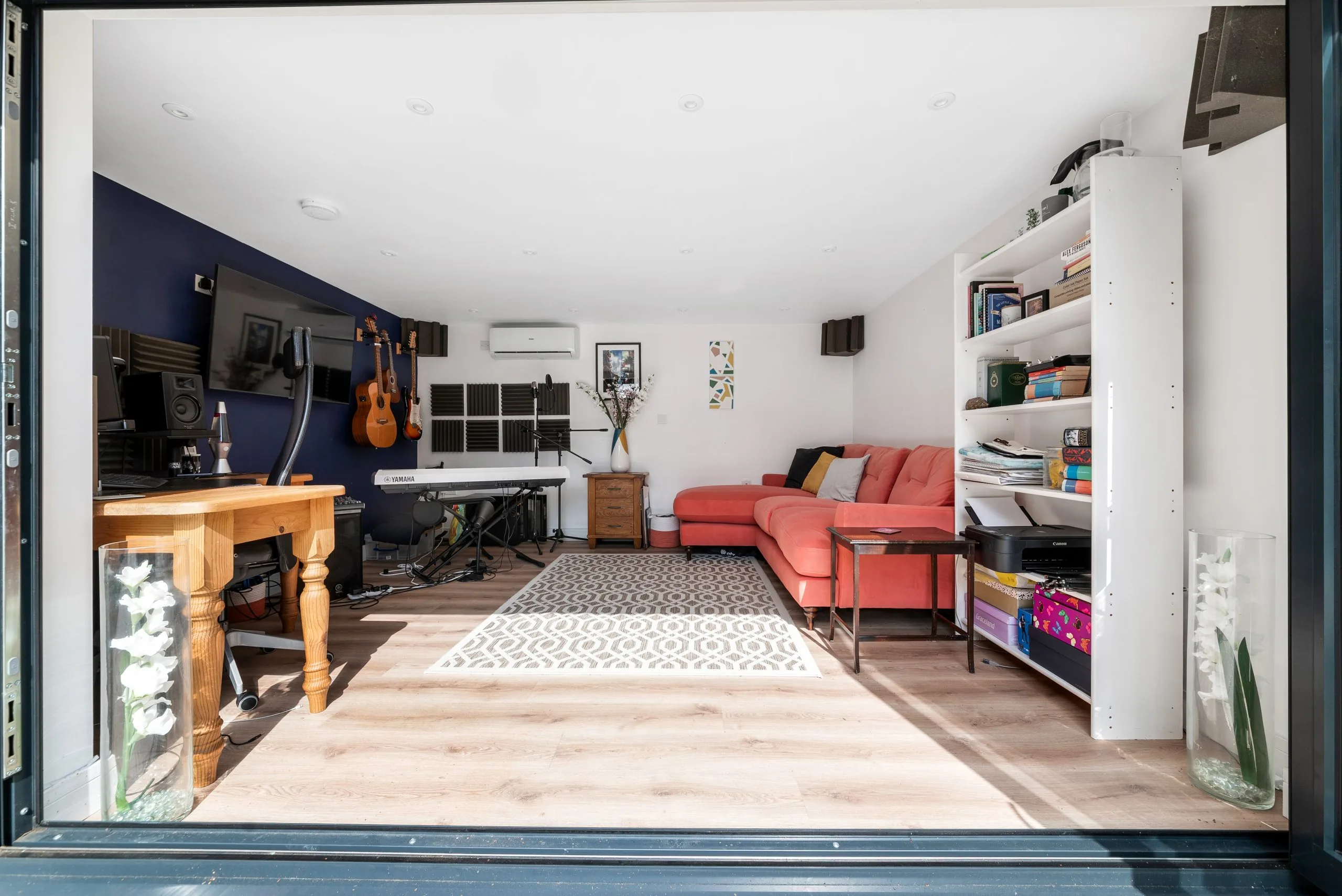
Send us your answers to the brief questions and we will start on a studio that suits the way you play, record or teach.
From Colchester to Brentwood: finished garden studios built for practice, recording and the gear that comes with both.
A premium bespoke garden music studio designed to provide a dedicated creative space with the comfort, finish and practical detailing expected from a Hawksbeck building.
View project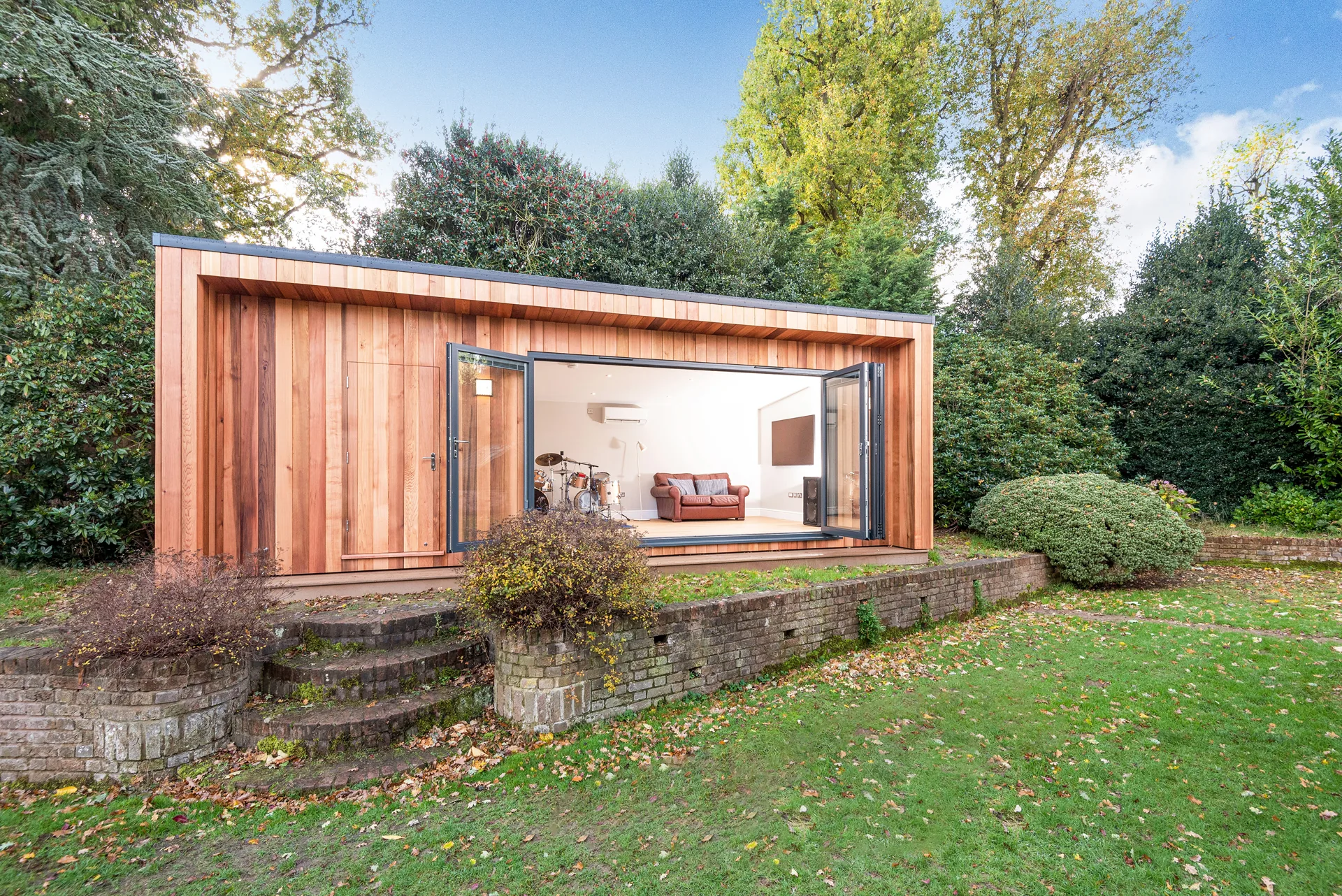
This project shows how a garden room can be tailored for music use, creating a separate space for practice and creativity while retaining a refined residential feel.
View project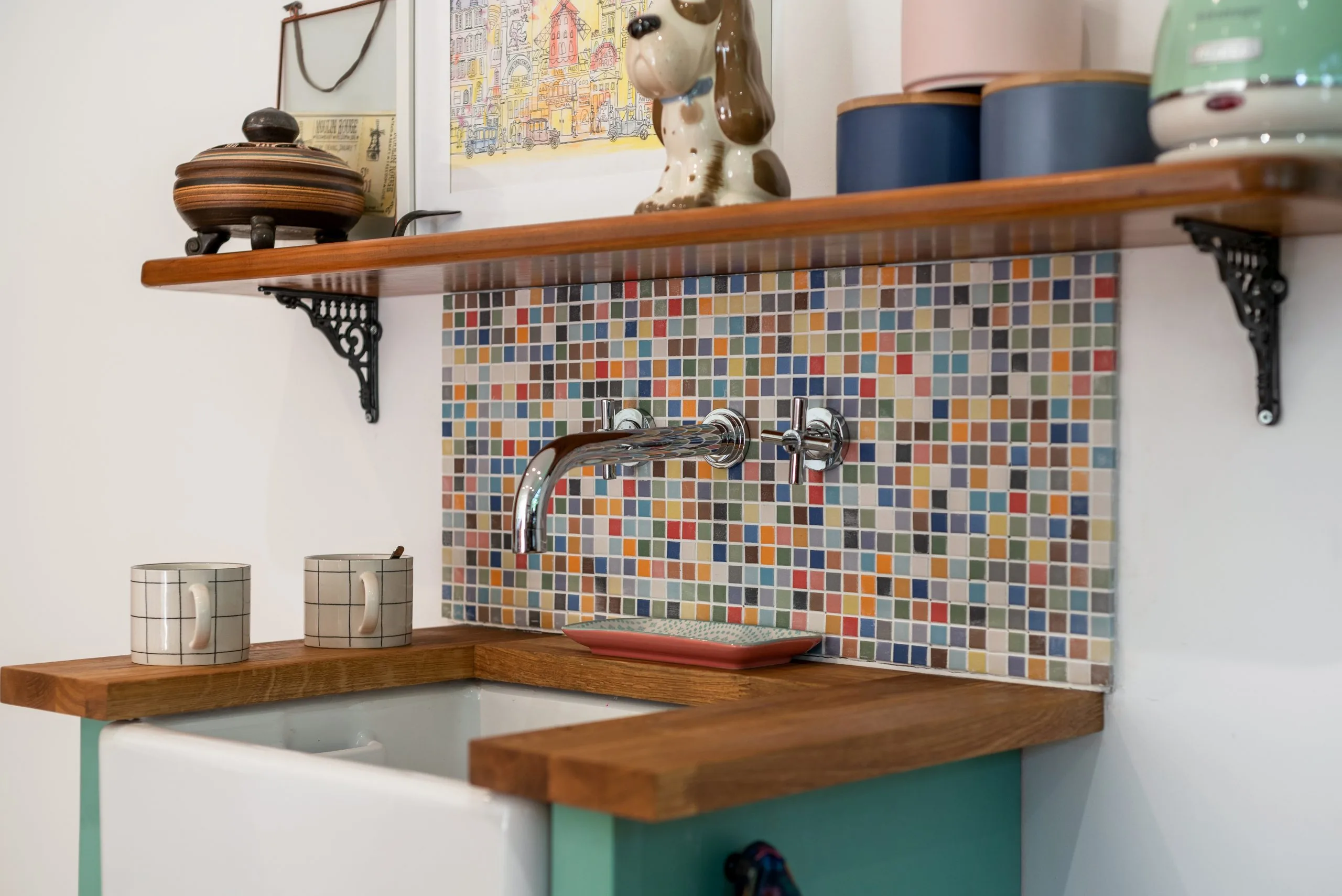
A bespoke music studio garden building in Brentwood, demonstrating how a high-quality external room can support focused practice, recording and year-round creative use.
View project