
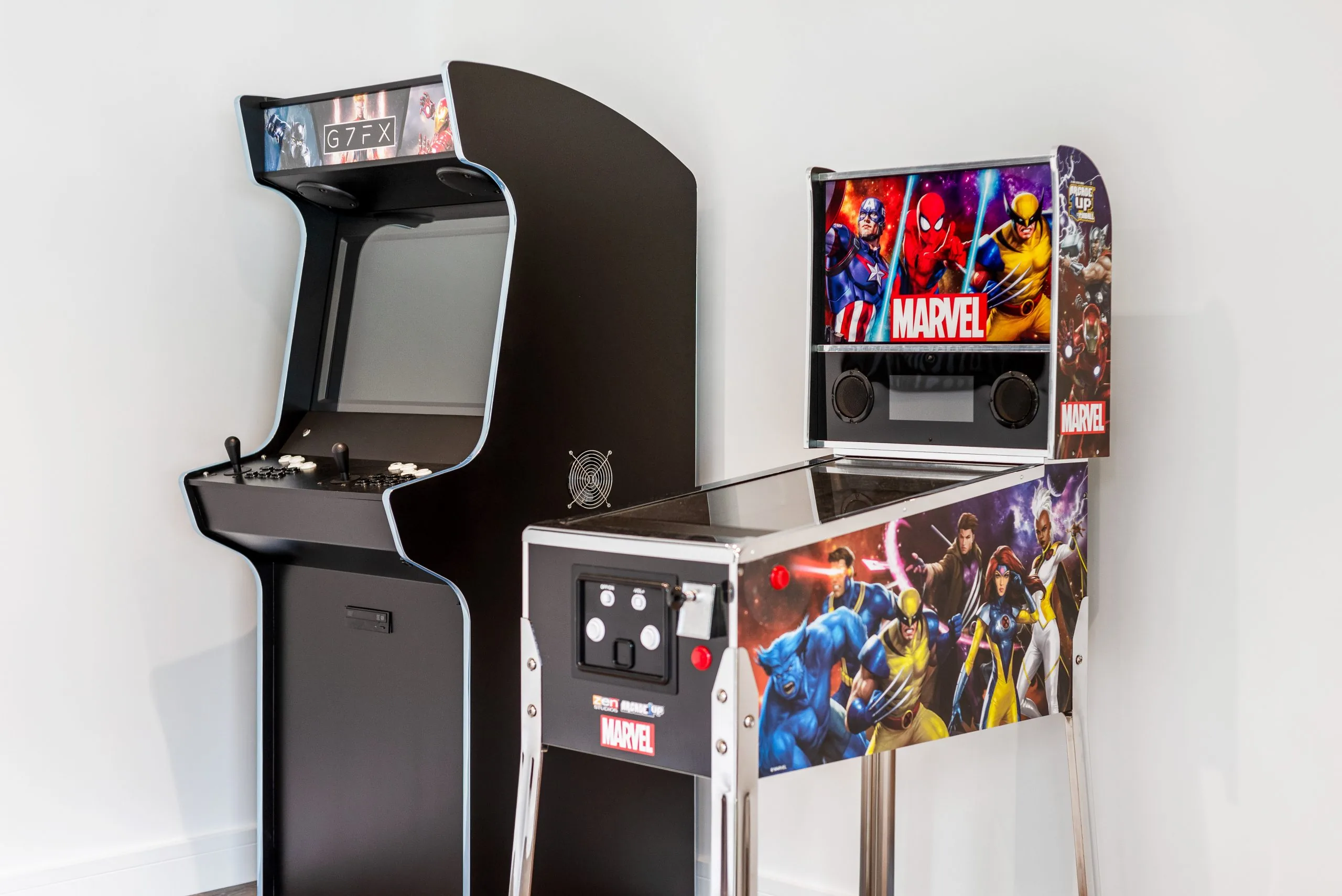
Luxury Garden Music Studio, Colchester
A bespoke music studio designed to give the client a dedicated creative space at home, combining premium garden room construction with a practical layout for music, comfort and regular use.
View project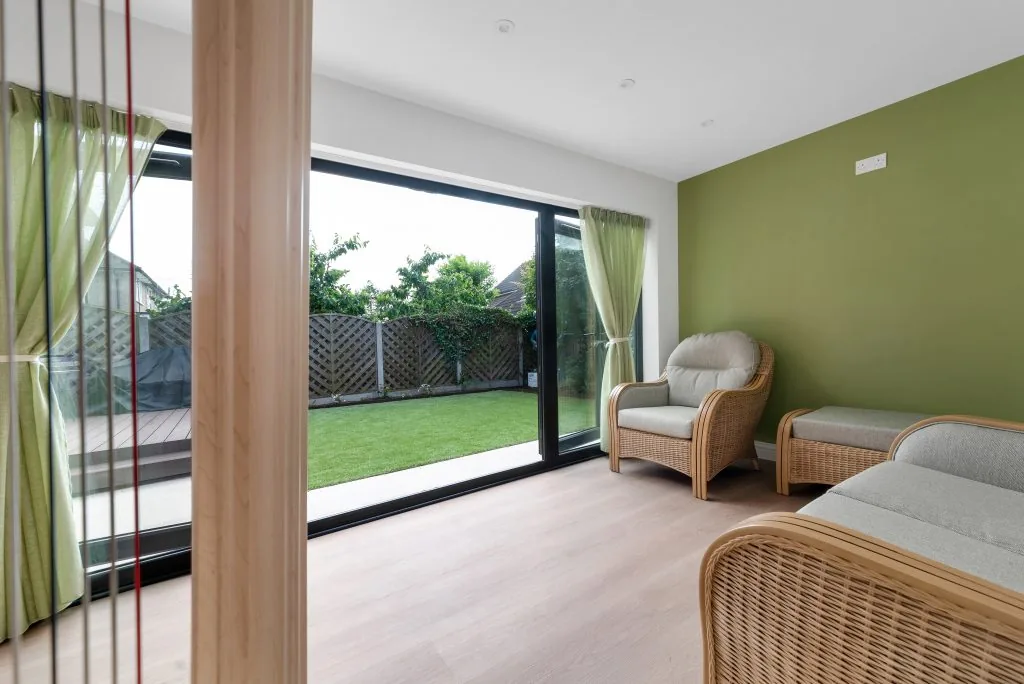
A music studio in the garden should not feel like a compromise: not a spare-room setup with cables hidden behind a sofa, and not a cold outbuilding that only works for short practice sessions.
The best music studio and lounge garden rooms are designed around the way you actually use sound: writing, rehearsing, recording, mixing, teaching, listening, relaxing and occasionally inviting others in to enjoy the space with you.
That is where a bespoke Hawksbeck garden room becomes especially useful. The room can be planned around instruments, audio equipment, seating, storage, lighting, power, ventilation, comfort and the level of acoustic consideration you need. It can be a refined private listening lounge, a serious practice and recording studio, or a multi-purpose music room that still looks beautiful from the house and garden.
If you are exploring different ways to use a bespoke building at home, our wider guide to garden room ideas is a useful place to compare music studios with other lifestyle, leisure and work-from-home options.
A standard garden room may be perfectly comfortable for an office, gym or hobby space, but music places different demands on a building. Sound behaves physically. It reflects, travels, vibrates, leaks through weak points and can become tiring if the room is not considered properly. A piano, drum kit, guitar amp, vocal microphone or set of studio monitors all influence the way the building should be designed.
For a music studio and lounge, there are usually two connected aims:
Those two aims are related but not identical. Acoustic treatment helps the sound inside the room. Sound reduction helps limit sound escaping from the room. A good design conversation should discuss both, because a wall full of foam panels might reduce echo but will not necessarily stop bass travelling outside, while a heavily built shell can still need internal treatment to sound pleasant.
Your briefBefore choosing finishes or furniture, it is worth being specific about what “music studio” means for you. A singer-songwriter’s writing room, a drummer’s practice studio, an electronic production space and a relaxed vinyl listening lounge all need different decisions.
If the primary use is practice, the focus is usually comfort, durability and sensible sound reduction. You may need space for a drum kit, keyboard, amps, music stands, instrument storage and perhaps one or two chairs. For regular evening or weekend use, lighting and ventilation matter just as much as the acoustic build-up. A practice room should be somewhere you want to spend time, not somewhere that feels shut away from the rest of the home.
A recording-focused garden room needs more detailed planning. You may want a clear wall for studio monitors, carefully placed sockets, hidden cable routes, a small vocal area, rack space, desk positioning and controlled lighting. The room does not have to be huge, but the layout must be intentional. Even compact studios can work beautifully when the dimensions, furniture and listening position are considered from the beginning.
For producers, DJs and mix engineers, the listening position becomes central. The aim is to create a comfortable working environment where monitors can be positioned correctly and the room can be treated to reduce strong reflections. The lounge element can sit behind or to the side of the production area, giving you somewhere to take breaks, listen back casually or host collaborators.
Not every music garden building has to be a technical studio. Some clients want a beautiful, private listening lounge: a place for vinyl, hi-fi, books, relaxed seating, low lighting and an evening drink. This type of room can be warmer and more interior-led, with attention given to ambience, glazing, views, comfort and the feeling of escape.
If you plan to teach music or invite bandmates, students or clients, access and layout become important. Consider where people will enter, where coats and instrument cases will go, whether there is enough turning space, how many sockets are needed and whether a WC or kitchenette would make the building more convenient for longer sessions.
Acoustics should be discussed early, because they affect construction, glazing, doors, ventilation, linings, internal finishes and budget. The right specification depends on the instruments, volume levels, the distance from neighbouring properties and how often you intend to use the room.
Sound reduction is about limiting the amount of noise that escapes the building. This can involve heavier construction, upgraded insulation, attention to junctions, high-performance doors and windows, and minimising weak points where sound can leak. Bass frequencies are particularly challenging because they travel through structure more easily than higher frequencies, which is why a drum kit or bass amp needs more careful discussion than quiet acoustic guitar practice.
For many domestic music rooms, the goal is not necessarily to create a fully isolated commercial recording studio. Instead, the aim may be to make the space far more suitable for regular use than a normal room in the house, while remaining elegant, practical and proportionate to the property. Where very high isolation is required, the specification and cost can increase significantly.
A room can be well insulated and still sound harsh internally if hard surfaces create excessive reflections. Acoustic treatment helps control the listening experience. Depending on your use, this may include:
A lounge-style studio gives you an advantage because comfortable furnishings can contribute to the acoustic feel. Sofas, armchairs, rugs, bookshelves and fabric finishes can all help soften the room, provided they are integrated thoughtfully rather than added as an afterthought.
Large glazing can make a garden room feel luxurious, but music rooms need balance. Glass is reflective, and doors and windows are often weaker points for sound transfer. That does not mean you cannot have a beautiful glazed elevation; it simply means the design should weigh openness, views, privacy and acoustic performance together.
Some clients prefer a more enclosed studio zone with controlled daylight and a separate lounge-facing elevation. Others want a calm, open listening space with garden views and moderate acoustic treatment. Bespoke design allows those priorities to be balanced properly.
The lounge element is what can turn a functional studio into a room you use every day.
It might be a small sofa and coffee table for listening back to recordings, or it might be the heart of the building: a relaxed music room with premium seating, display shelving and an immersive sound system.
Useful lounge features include:
For a premium result, the lounge should not feel bolted onto the studio. It should be planned as part of the same interior: practical enough for creative work, refined enough for guests, and calm enough to enjoy when no one is playing.
Because Hawksbeck garden rooms are bespoke, the layout can be tailored around the garden, the view, the sound requirements and the way you move through the space. These concepts are common starting points.
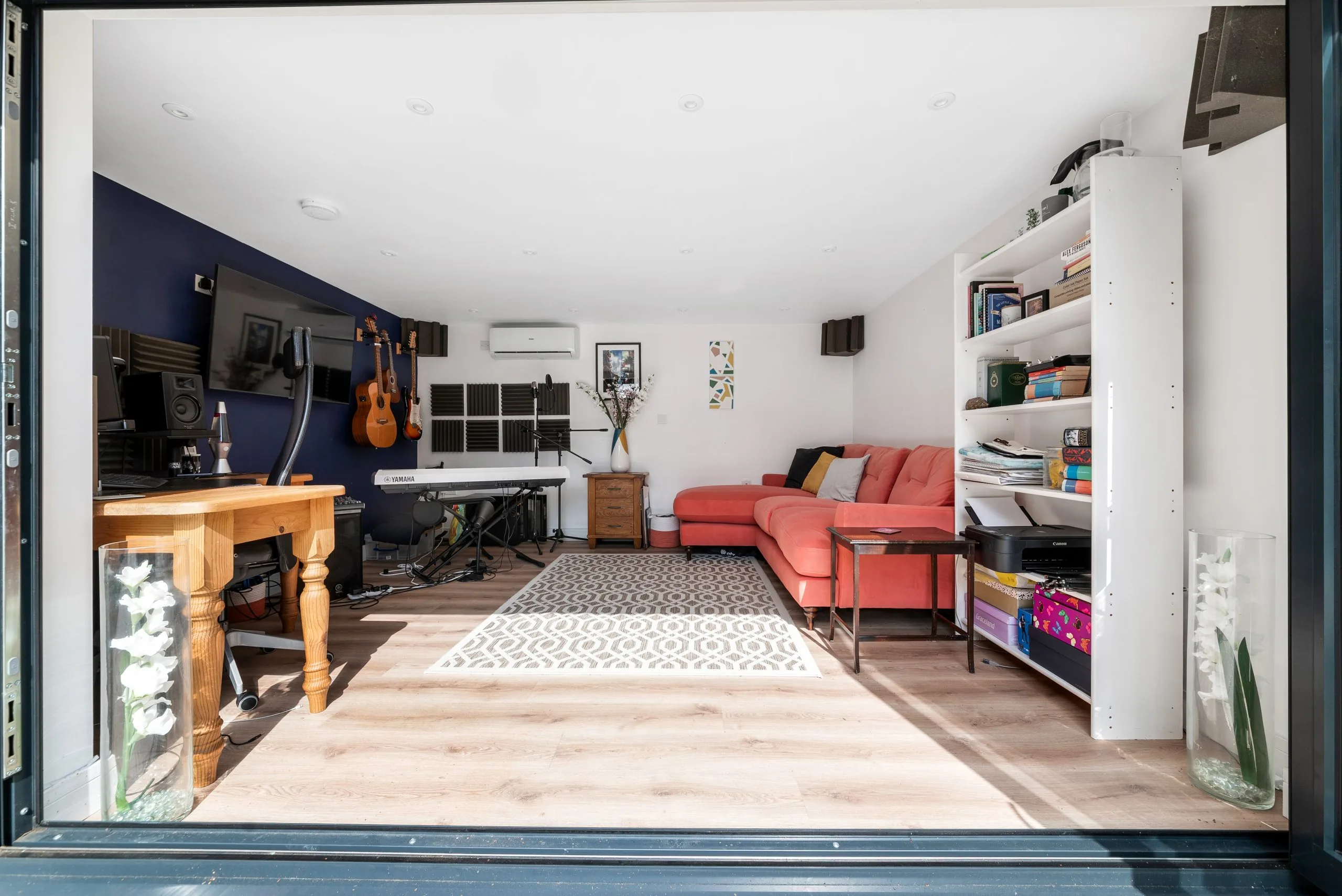
An open-plan layout suits musicians who want flexibility. One side can hold instruments or a production desk, while the other becomes a lounge and listening area. This works particularly well for solo musicians, producers, acoustic players and relaxed hi-fi rooms.
For a production or recording setup, placing the main desk and monitors on one wall with a sitting area behind can work well. The lounge then becomes a listening position, writing area or place for clients and collaborators to sit during playback.
Where the room is larger, a partial division can help separate a more technical recording or practice area from a softer lounge. This may be useful if the room doubles as a family space, games room or evening retreat.
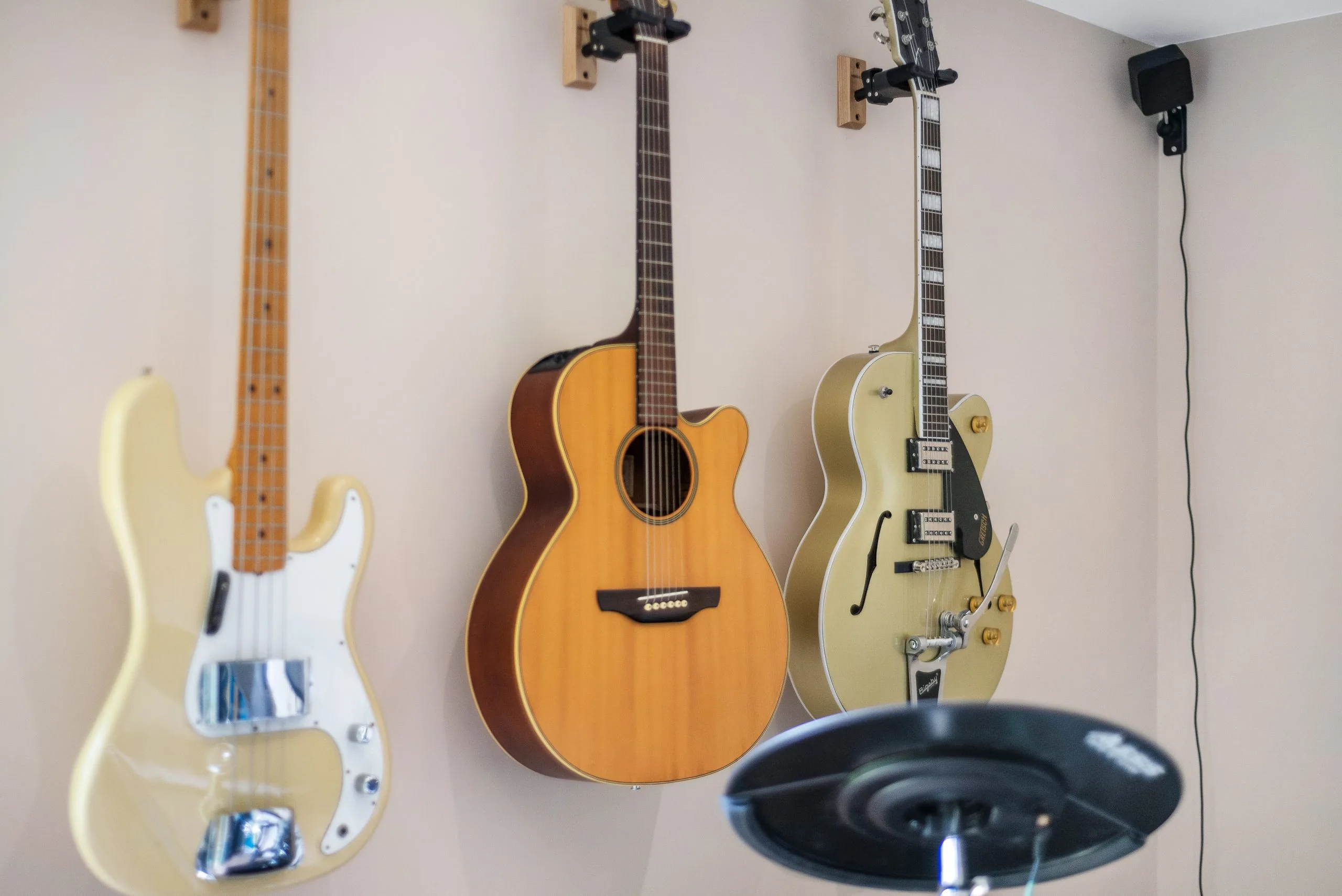
Musicians often underestimate storage. Cases, cables, pedals, stands, spare strings, microphones and sheet music all need a home. A bespoke storage wall keeps the room looking premium and makes sessions easier to set up and pack away.
If you plan to spend long days recording, teach from home or host bandmates, adding facilities can make the building more self-contained. This can affect size, services, budget and sometimes planning considerations, so it is best discussed early.
A music studio is power-hungry in a more detailed way than many garden rooms. It is not just about having enough sockets; it is about sockets in the right places, avoiding messy extension leads and planning for how equipment will be used.
Consider power for studio monitors, audio interfaces, amplifiers, keyboards, computers, charging points, pedalboards, lamps, heating, ventilation, speakers and any kitchenette equipment. Multiple socket positions around the room can prevent one overloaded corner and help keep cables tidy.
If you produce, teach online, stream, upload recordings or use cloud-based software, reliable connectivity is important. Hard-wired data is often preferable to relying solely on Wi-Fi from the house, especially if the garden room is some distance away.
Lighting can completely change how a music studio feels. Bright, even lighting is useful for setting up equipment, reading music or teaching. Softer layered lighting creates a lounge atmosphere for listening and relaxing. Dimmable lighting, wall lights, LED strips and feature pendants can all be considered depending on the style of the room.
Garden music rooms should be comfortable throughout the year. Good insulation, heating and ventilation make the room usable in winter and help prevent it feeling stuffy during long sessions. Ventilation deserves particular attention in acoustically considered rooms, because simply opening windows may not be ideal during recording or louder practice.
Although your brief may be focused on a music studio and lounge, it is useful to see how flexible a bespoke garden building can be. The video below shows the quality, finish and range of uses that can be achieved when the building is designed around the client rather than selected from a fixed template.
There is a particular pleasure in a music room that feels crafted, calm and personal. The finishes should support the use of the room without turning it into something clinical. A luxury music studio can still feel warm and relaxed.
Popular finish considerations include:
The interior can be designed to match the house, contrast with it, or create a completely separate retreat. Some clients want a dark, atmospheric studio where the garden disappears at night. Others prefer a light, calm lounge with discreet musical features. Both can work beautifully.
The best position depends on practical access, the outlook, privacy, distance from neighbours and how the building relates to the house. Music studios often benefit from being slightly separated from the main home, giving a sense of escape and helping reduce disruption to family life.
Things to consider include:
A well-positioned garden studio feels intentional from both inside and outside. It should improve the garden, not simply occupy a corner of it.
Many garden rooms can be built under permitted development rights, but this always depends on the property, location, building size, height, position and intended use. If you live in a conservation area, listed property, flat, maisonette or a home with previous planning restrictions, the rules may differ.
For a music studio, the use of the room can also be relevant. A private domestic music room is usually different from running a commercial studio with frequent visitors, regular clients or amplified activity for long periods. If the building will be used for teaching, recording clients or business purposes, it is sensible to discuss this early so the right approach can be taken.
Hawksbeck can help you think through the practical implications, but every project should be assessed on its own circumstances.
Pricing depends heavily on size, specification, finishes, access, services and acoustic requirements. A simple music lounge will usually cost less than a heavily acoustically upgraded recording or drum studio, even if the buildings are similar in size.
As a broad guide, a premium Hawksbeck garden room suitable for a music studio and lounge may commonly fall into these approximate ranges:
These figures are only a guide. A bespoke garden music studio can change significantly in price once the acoustic ambitions, internal layout, finishes and service requirements are confirmed. The most useful next step is to discuss how you intend to use the room, how loud the use will be, and what level of comfort and finish you want to achieve.
How loud the room will be shapes both the acoustic specification and the budget, so tell us early and we can talk through the right level of sound reduction.
You do not need to arrive with a technical specification. However, a few clear answers will help shape the right design and budget.
Those details allow the building to be shaped around real use rather than assumptions. The result is a room that works on a Tuesday evening practice session, a Saturday recording day and a quiet Sunday listening session.
Music equipment takes up more room than expected. A sofa, desk, guitar stands, amps, keyboard, microphone stands and storage can quickly make a compact room feel crowded. It is better to plan circulation and storage early than to squeeze everything in later.
Cables are part of every studio, but they do not need to dominate the room. Planning power, data and equipment positions from the beginning helps create a cleaner, safer and more premium space.
Foam, panels, insulation, mass, air gaps and sealed junctions all behave differently. Internal acoustic comfort and external sound reduction are not the same, so the design should be guided by your actual priorities.
Studios benefit from controlled light, but a garden building should still be enjoyable during the day. The best designs balance atmosphere with comfort, using glazing, blinds, dimming and layered lighting intelligently.
If the space is also a lounge, it should feel like one. Comfortable seating, warm lighting, considered finishes and a relaxed layout will make the room far more usable beyond technical music sessions.
A music studio garden room asks more from the design process than a simple outbuilding. It needs to look exceptional, feel comfortable, support creative work and suit the realities of your garden and home. Hawksbeck’s bespoke approach means the building is designed around your brief rather than adapted from a fixed model.
That flexibility is particularly valuable for music spaces. You may need an acoustically considered shell, a high-end lounge finish, extensive electrical planning, storage for instruments, a carefully positioned production desk, or a building that looks understated from the outside but feels immersive inside. Each of those decisions can be built into the design from the start.
The end result should be a garden room that feels personal: part studio, part retreat, part listening room, and entirely suited to the way you enjoy music.
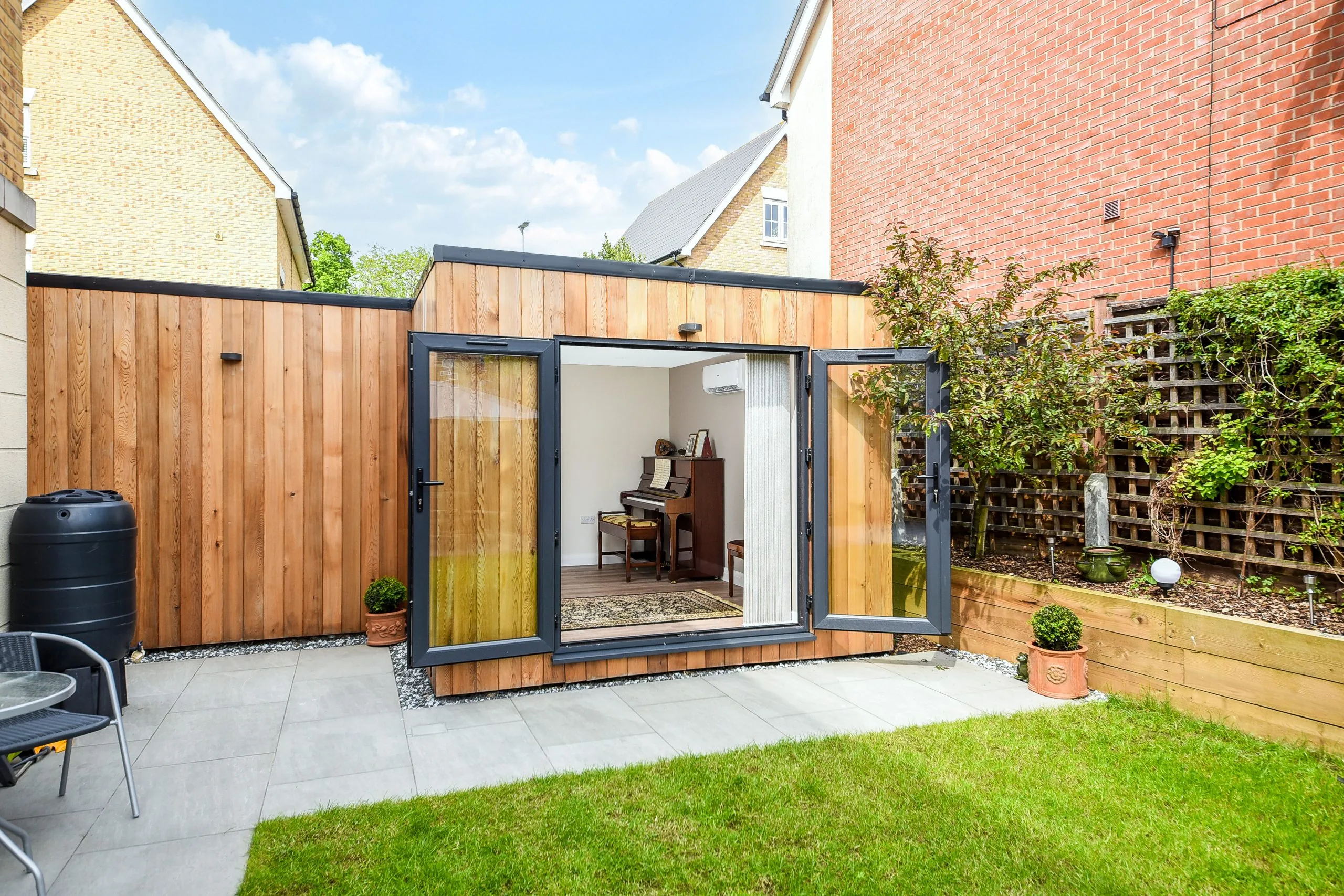
If you are considering a bespoke music studio and lounge, the best first step is a conversation about how the room will be used. From there, Hawksbeck can help explore size, specification, acoustic considerations, finishes and budget, so the final building is both practical and beautifully finished.
Explore these Hawksbeck music studio projects for examples of how bespoke garden buildings can be designed for practice, recording, relaxing and year-round creative use.
A bespoke music studio designed to give the client a dedicated creative space at home, combining premium garden room construction with a practical layout for music, comfort and regular use.
View project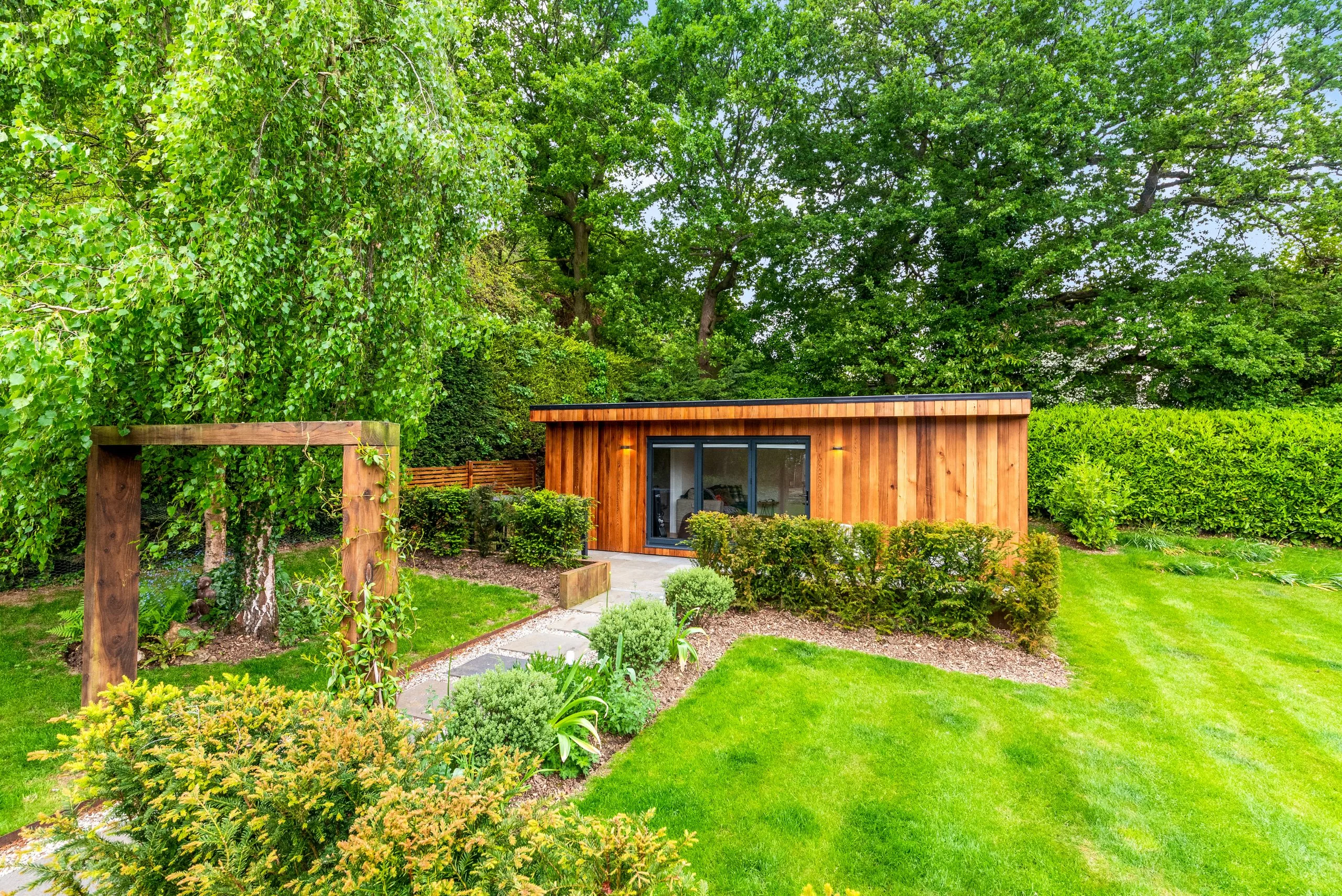
This project shows how a garden room can be tailored into a dedicated music environment, with the comfort, finish and usability expected from a premium bespoke Hawksbeck building.
View project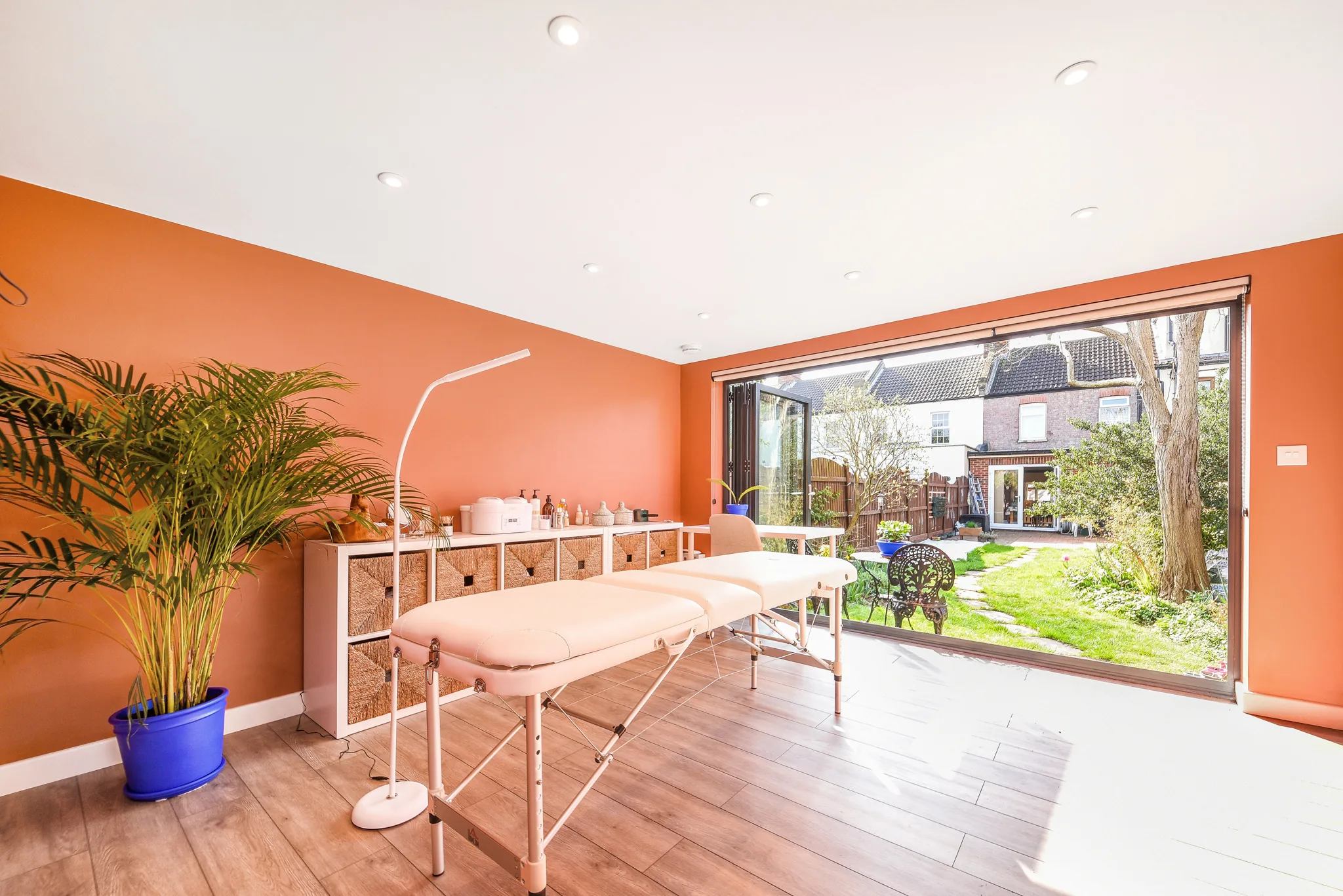
A Brentwood music studio project demonstrating how a bespoke garden building can create a private, comfortable and well-finished space for playing, recording and enjoying music at home.
View project