
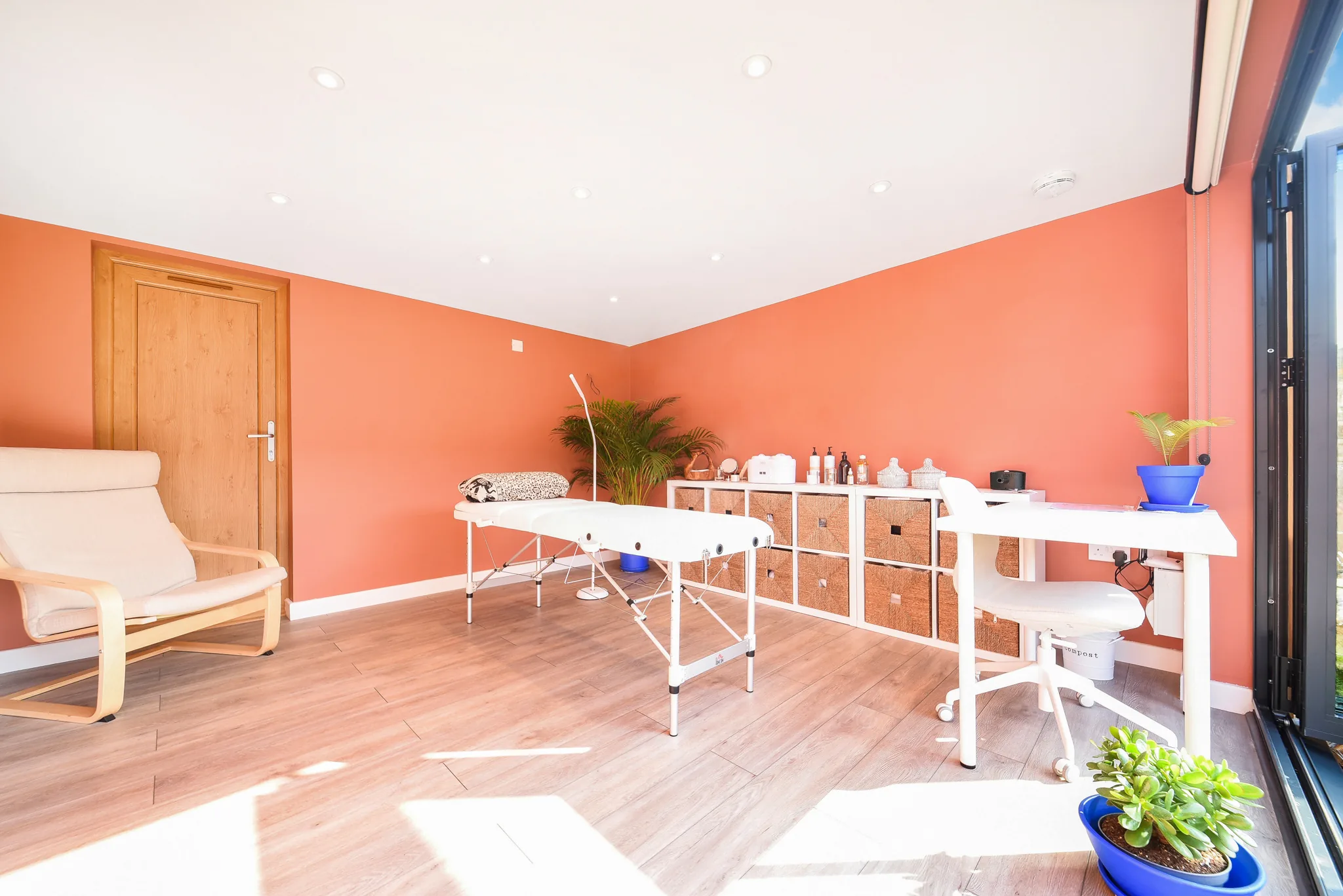
Luxury Garden Studio Room
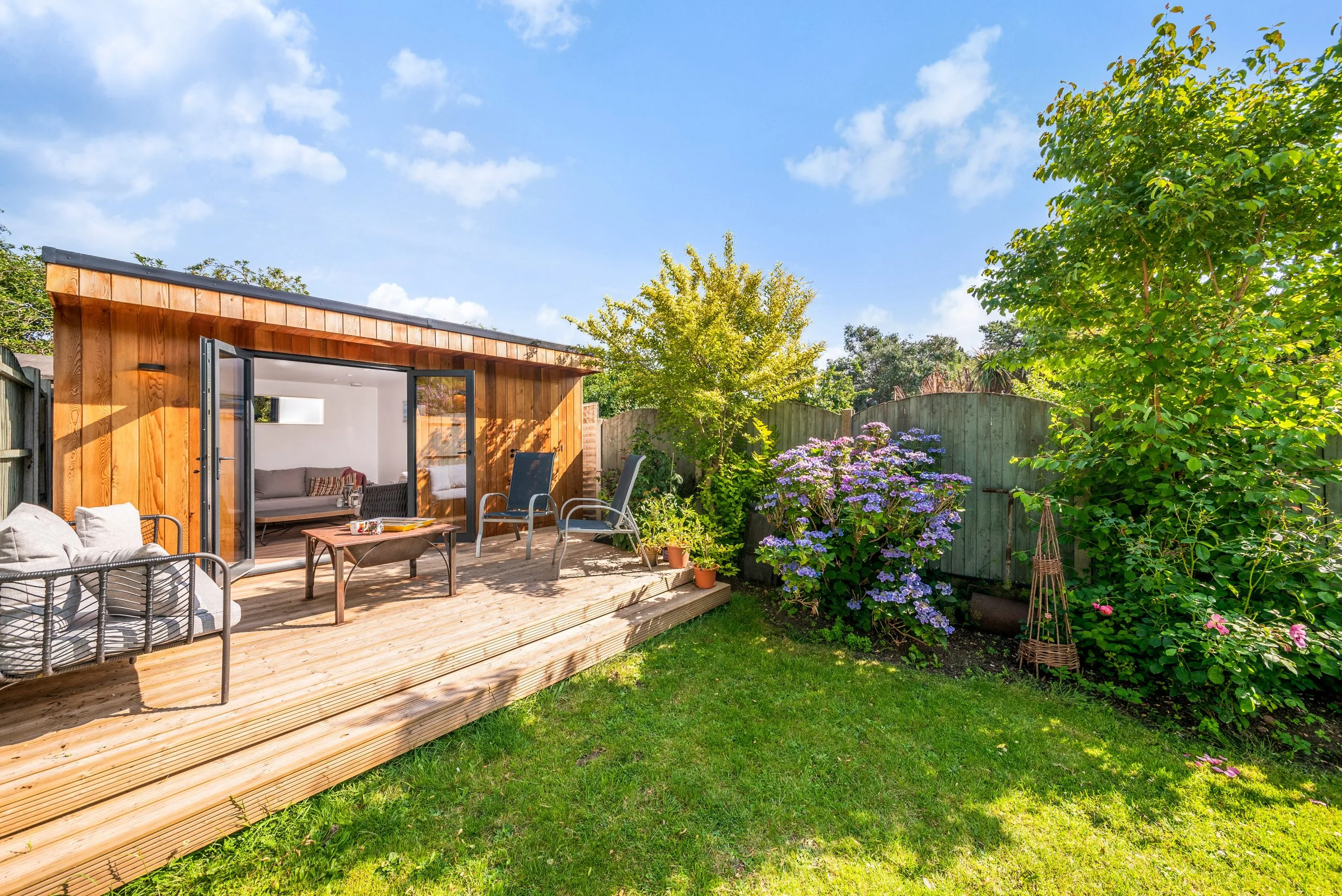
A beautifully finished garden studio showing how a refined, bespoke building can create a comfortable and private space with the quality expected from a premium client-facing environment.
View project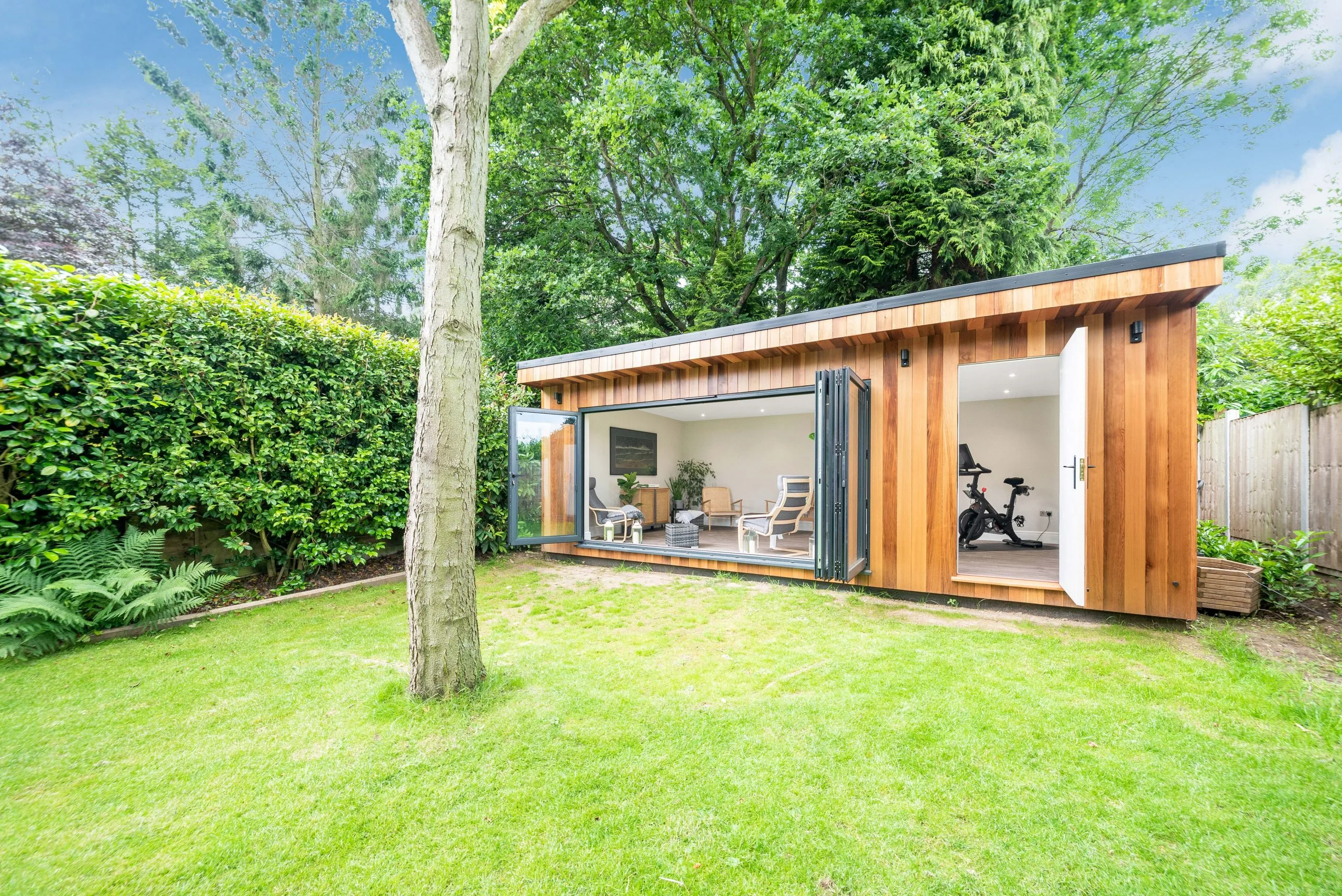
A nail studio works best when it feels calm for the client, efficient for the technician and deliberately separate from the rest of the home.
The treatment itself happens in a relatively small footprint, but the details around it matter enormously: the direction of natural light, how fumes are removed, where gels and tools are stored, how a client moves from the garden gate to the chair, and whether the space still feels boutique after a full day of appointments.
A bespoke Hawksbeck garden room can turn an underused area of garden into a premium, purpose-made nail room: insulated for year-round comfort, designed around your treatment style and finished to a standard that reflects the quality of your brand. Whether you offer BIAB, gel manicures, nail art, pedicures, luxury hand treatments or one-to-one beauty appointments, the building can be planned around the way you actually work.
For many nail technicians and beauty business owners, the challenge is not simply finding space; it is creating the right type of space. A spare bedroom may be convenient, but it can feel domestic. A rented salon chair may bring visibility, but it usually comes with overheads, travel and less control. A garden nail studio sits in the middle: close to home, but with the feel of a dedicated business premises.
Done well, it can give you:
If you are exploring wider ways to use an outdoor building, our main garden room ideas guide is a useful place to compare different layouts and use cases.
Gate to chairA successful nail room is as much about atmosphere as it is about square footage. Clients are often sitting for 45 minutes to two hours, sometimes longer for detailed nail art or infills. The room therefore needs to feel comfortable, hygienic and quietly luxurious without becoming cluttered.
One of the advantages of a bespoke garden building is that the client journey can be considered from the first sketch. This might include a lit pathway from the house or side gate, attractive glazing that gives the studio a welcoming feel, a discreet waiting or consultation chair, and carefully placed storage so the working area stays clean and uncluttered during appointments.
For a premium home-based beauty business, small details can shape the perception of your service:
A single-technician nail studio does not always need to be large, but it does need to be intelligently planned. The key is allowing enough room around the manicure desk for the technician to move comfortably, the client to sit without feeling cramped, and storage to be easy to access without interrupting the treatment.
A smaller garden room can work very well for one manicure station, particularly if the layout is simple and storage is built in. This type of studio may suit a technician who focuses on gel manicures, BIAB, natural nail care or nail art appointments rather than multiple beauty services.
Typical features might include:
If you want to offer pedicures, brow treatments, lash appointments, retail products or occasional training, a larger building can provide more flexibility. With a bespoke design, zones can be created without making the room feel divided or clinical.
A larger studio could include:
Nail work is detailed and colour-sensitive, so lighting should be planned more carefully than in a typical garden office. You need lighting that is flattering for clients, accurate for colour matching and bright enough for precise application.
A strong nail studio lighting plan usually combines:
Colour temperature and colour rendering are worth considering. Very warm lighting can make shades look different, while harsh cool lighting may feel clinical. Many nail technicians prefer a balanced, natural white task light at the manicure desk, with warmer ambient lighting elsewhere to maintain a boutique atmosphere.
A nail studio needs to manage more than comfort. Fine nail dust, product odours and general salon air quality all need attention, particularly if you work long days or use acrylic, gel, acetone and other professional products.
Ventilation should be considered as part of the building design, not added as an afterthought.
Depending on your treatments and working pattern, this may include opening windows, background ventilation, mechanical extraction, air purification and a manicure desk with built-in dust extraction.
Good ventilation helps to:
If you use higher-odour products or carry out treatments that produce significant dust, it is sensible to discuss your specific services at the design stage so ventilation and extraction can be properly planned.
Nail products multiply quickly. Gels, top coats, base coats, prep products, files, buffers, e-files, towels, gloves, wipes, lamps, retail oils and seasonal colours can take over a room if storage is not built around the workflow.
For a premium nail room, the aim is not simply to hide everything; it is to make the products you use daily easy to access while keeping the space visually calm for the client. A carefully designed garden studio can include storage that looks like part of the interior rather than an afterthought.
For files, tools, wipes and everyday essentials.
For polish and gel shades, positioned away from direct sunlight where required.
For chemicals, stock, cleaning products and higher-value equipment.
For towels, disposables and spare client supplies.
For cuticle oils, hand creams and aftercare products.
To keep bins discreet but accessible.
It is also worth planning stock rotation. If you run seasonal collections, nail art ranges or retail offers, having a defined display space makes it easier to promote products without the studio feeling crowded.
A nail studio floor needs to be attractive, easy to clean and hard-wearing. Carpet is rarely the right choice for a working nail space because dust, glitter and product spills are harder to manage. A premium hard floor finish is usually more suitable, particularly when paired with underfloor comfort, rugs in non-treatment areas or carefully chosen interior textures.
Good finish choices can help with hygiene and durability while still feeling luxurious. Consider:
Nail appointments often involve sitting still, so temperature matters. A room that is too cold will make clients tense and uncomfortable; a room that overheats in summer can make treatments unpleasant and may affect product storage.
Hawksbeck garden rooms are designed for year-round use, with insulation and specification choices that help create a proper room rather than a seasonal outbuilding. For a nail studio, comfort can be improved further with well-planned heating, cooling, glazing placement and ventilation.
Practical considerations include:
A nail technician’s equipment list is often longer than expected. UV/LED lamps, e-files, extraction systems, phone chargers, card machines, music, Wi-Fi boosters, photography lights and heating or cooling equipment all need reliable power in the right places.
Instead of relying on extension leads, a bespoke garden nail room allows the electrical layout to be planned around the furniture and treatment flow. Socket positions can be placed near the manicure desk, retail area, cleaning station and consultation space, with cable routes kept discreet.
Technology may also be part of the business setup:
Watch how Hawksbeck buildings are finished inside and out, the same care that lets a garden nail room feel like a salon rather than a shed.
The best layout depends on how you work. Some technicians prefer the manicure desk to face the garden, creating a calm view for the client. Others prefer a backdrop wall behind the client for content creation. Some want colours displayed prominently; others prefer a minimalist aesthetic with products tucked away.
Here are three practical layout concepts to consider.
This layout is focused on one luxurious client experience at a time. The manicure desk is the centrepiece, with elegant storage behind or beside the technician. It suits a premium appointment-only nail business where calm, privacy and attention to detail are part of the service.
Include:
If pedicures are a core service, the room needs a slightly different rhythm. Clients may move from one chair to another, towels and water may be involved, and the pedicure area should feel relaxed rather than squeezed into a corner.
Consider:
If your nail business is developing, it can be wise to design for where you want the business to be in a few years. That might mean space for a second nail desk, a teaching setup, a beauty couch, more retail display or additional storage.
A future-ready space may include:
Not every nail studio requires plumbing, but it is worth considering carefully. For simple manicure services, some technicians manage with appropriate hygiene procedures and access to facilities in the home. However, if you want a hand-wash basin, pedicure services, beauty treatments or a more independent salon setup, plumbing may be desirable.
Adding water and waste can affect design, cost and installation requirements, so it should be discussed early. The location of the garden room, the distance from existing services and the intended use will all influence what is practical.
Questions to ask at the planning stage include:
Running a nail business from a garden room can be a brilliant solution, but it is important to check the practical and regulatory side as well as the design. Requirements can vary by local authority, property and business model, so professional advice is always sensible before committing to a final plan.
Points to consider include:
These checks are not intended to put you off; they simply help ensure the studio is set up properly from the beginning. A premium space should feel beautiful, but it should also support a professional, compliant business.
The cost of a garden nail studio depends on size, specification, groundworks, access, glazing, electrics, heating, interior finishes, plumbing requirements and the level of bespoke detail. A simple single-station nail room will usually cost less than a larger, fully serviced salon-style building with plumbing, extensive cabinetry and additional treatment zones.
As a broad guide, many premium Hawksbeck garden rooms suitable for a compact professional studio are likely to start from the mid-to-late tens of thousands, with larger bespoke buildings and higher specifications moving upwards from there. A small, elegant nail room with insulation, electrics, heating and a quality finish may sit in a different bracket to a more substantial luxury salon building with plumbing, enhanced glazing, integrated storage and a more complex interior fit-out.
For planning purposes, it is useful to think in three approximate levels:
Every Hawksbeck garden room is bespoke, so pricing can change significantly once the brief, site and specification are understood. The most accurate route is to discuss how you will use the studio day to day, what services you want to offer and what level of finish you want clients to experience.
When budget decisions need to be made, it helps to separate features that are purely decorative from those that improve the daily running of the business. For a nail studio, the following upgrades often make a noticeable difference.
Natural light can make the room feel more spacious and inviting, but too much direct sun on products or the treatment desk can be problematic. Glazing should be attractive from the garden while still supporting the internal working layout.
Freestanding units can work, but built-in storage gives a more premium feel and can be tailored to products, tools, retail and cleaning supplies. It also helps keep the client-facing area calm.
Fresh air and odour control are essential for comfort. This is especially important if you work long days, use products with noticeable odours or carry out treatments that create dust.
A beautiful pendant is not enough on its own. Task lighting, ambient lighting and display lighting should work together so the space is practical and flattering.
Premium does not have to mean delicate. The best salon interiors are attractive, durable and easy to maintain between appointments.
Your garden nail studio can become part of your brand. It may be where clients first experience your business, where you photograph your best work and where you create the atmosphere that justifies premium pricing.
Brand-led design does not have to be loud. It could be as simple as a calm neutral palette, a statement colour wall, warm lighting, elegant shelving and beautiful handles on cabinetry. For some businesses, a hotel-spa feel will be right. For others, the space may be modern, minimal and editorial. Because the building is bespoke, the exterior and interior can be developed together rather than treated as separate projects.
Ideas to elevate the experience include:
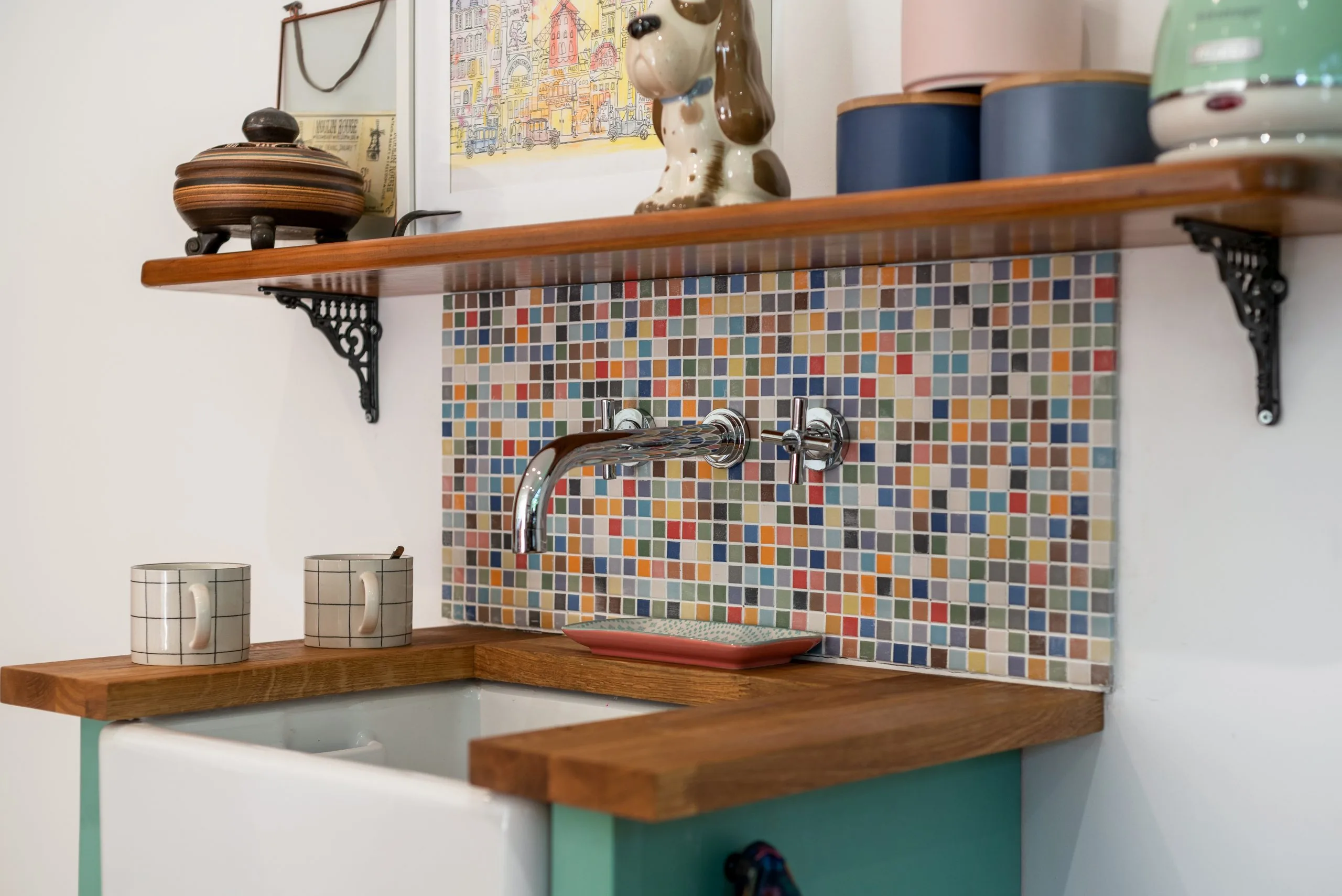
Before finalising the design, it is worth writing down exactly how the studio will be used. This helps avoid common mistakes such as too few sockets, not enough storage or a manicure desk placed where glare becomes a problem.
A nail studio has different requirements from a standard garden office. It needs to be beautiful enough for clients, practical enough for professional treatments and robust enough for daily business use. A bespoke approach allows those priorities to be built into the design from the start.
With Hawksbeck, the building can be tailored around your space, your garden, your brand and your treatment menu. That means the position of doors and windows, the size of the room, the exterior finish, the internal layout and the specification can all be considered as part of one complete project.
The result is a garden building that does more than provide extra space. It can help you present your nail business at a higher level, improve your working day and create a client experience that feels polished from the moment they arrive.
If you are ready to move from a spare room, rented salon space or improvised home setup into a dedicated studio, a bespoke garden room can be a long-term investment in both your home and your business. The best next step is to discuss the type of nail services you offer, the experience you want clients to have and the level of finish you want to achieve.
Hawksbeck can help you explore what is possible, from a compact luxury nail room to a larger salon-style garden building with space for future growth.
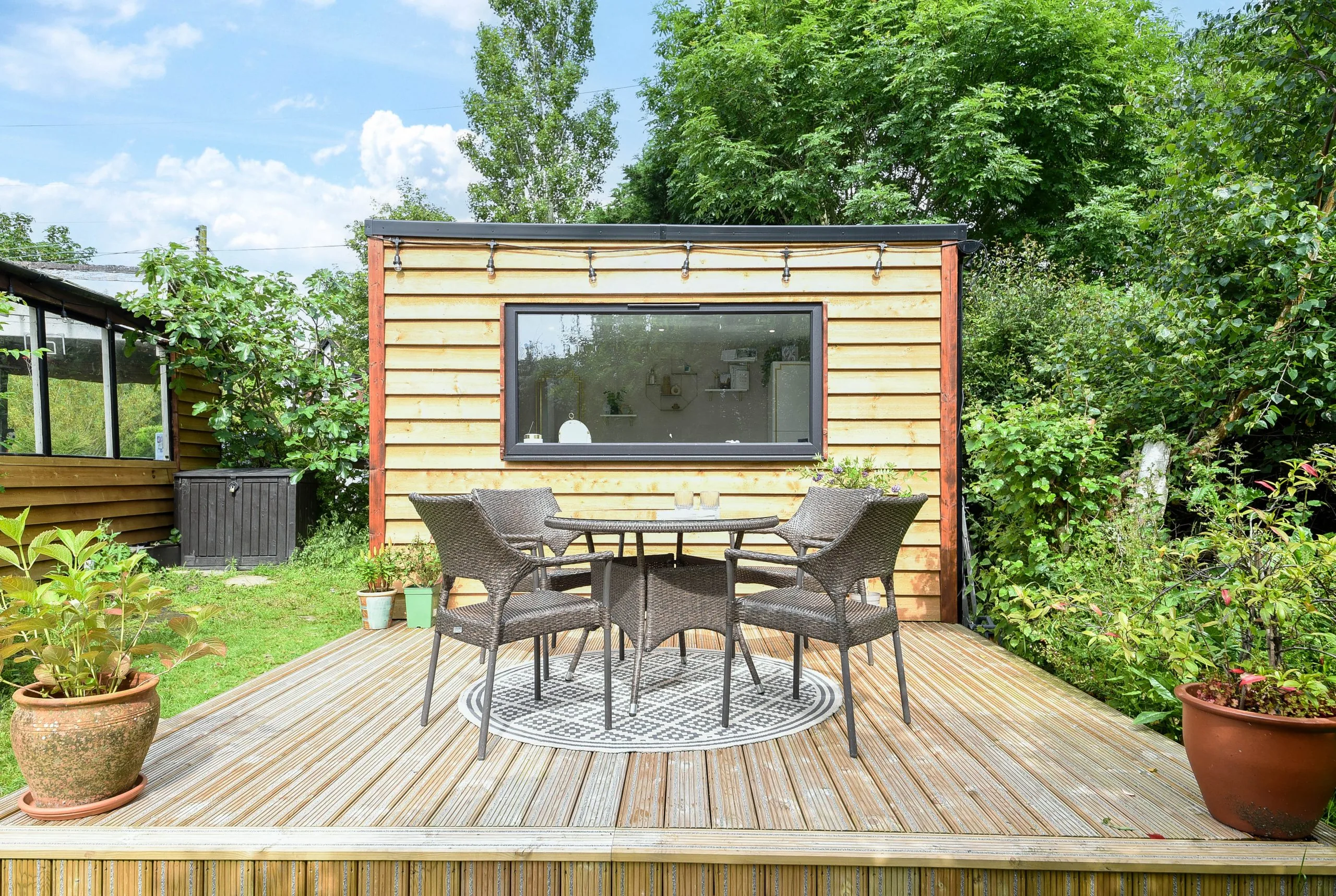
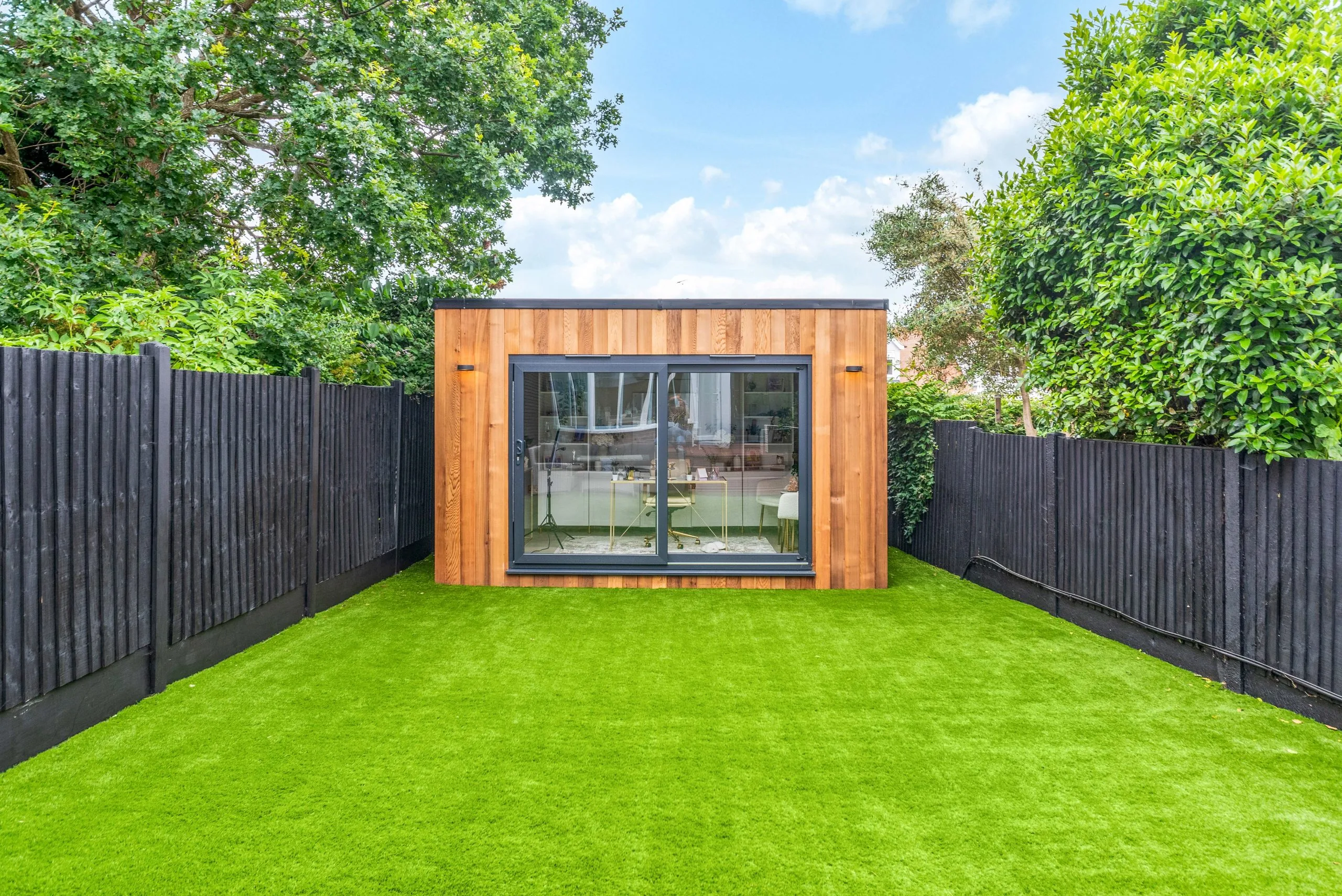
Three finished studios whose privacy, glazing and polish translate naturally to a client-facing nail room.
A beautifully finished garden studio showing how a refined, bespoke building can create a comfortable and private space with the quality expected from a premium client-facing environment.
View project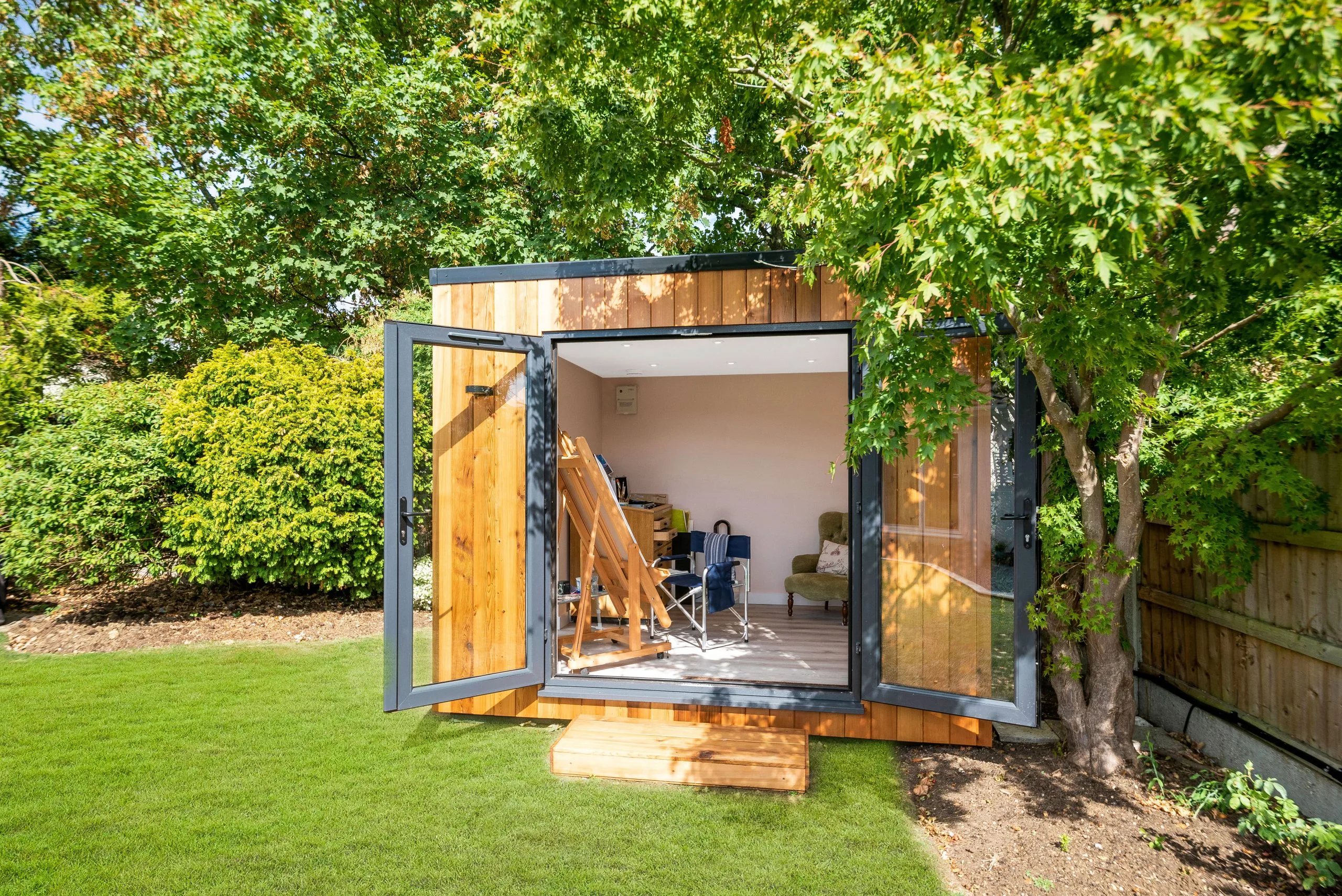
This project highlights the flexibility of a tailored studio space, with a clean contemporary design that could be adapted for focused work, creative use or a professional beauty setup.
View project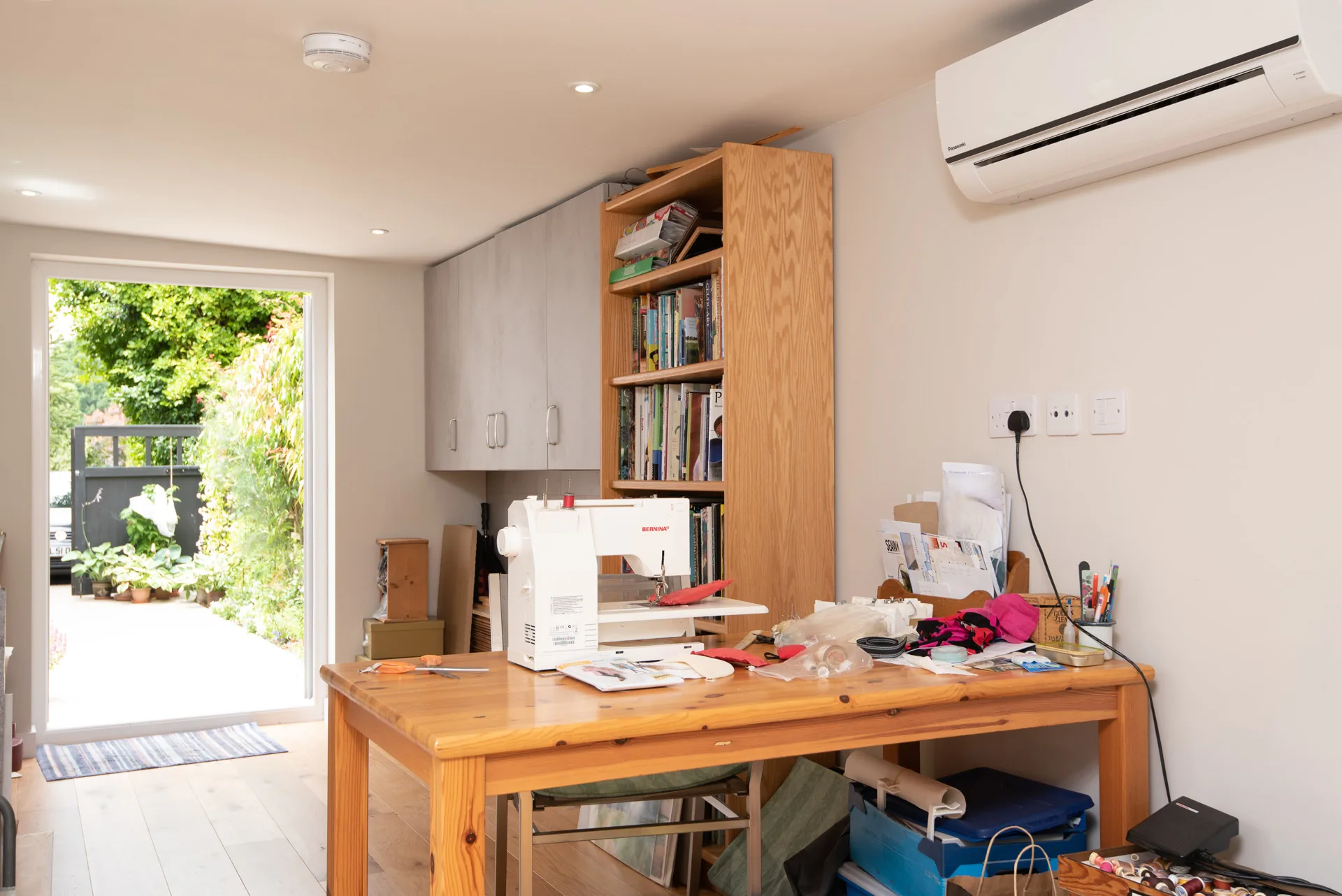
A versatile Hawksbeck garden building demonstrating how a high-quality outdoor room can be designed around daily use, comfort and a polished finish.
View project