Orchid & Plant Garden Rooms for Year-Round Growing
For collectors and growers
Orchids, specialist houseplants and rare botanical collections rarely thrive by accident.
They respond to small details: the angle of the light, the steadiness of the temperature, the way air moves after watering, how quickly humidity rises and falls, and whether there is somewhere practical to repot, isolate and display each plant properly. A bespoke garden room can turn that level of care into something enjoyable rather than improvised.
Instead of trying to squeeze valuable plants onto windowsills, under temporary grow lights or into a conservatory that overheats in summer and chills in winter, a dedicated orchid and plant room gives you a calm, controlled environment designed around the collection itself. It can feel part botanical studio, part private glasshouse and part beautiful garden retreat: a place to display prized specimens, bring on young plants, propagate cuttings, overwinter tender varieties and spend unhurried time with your collection.
Why create a dedicated orchid or plant room in the garden?
A standard room in the house is usually designed around people first. A successful orchid room has to consider plants as carefully as it considers comfort. Many orchids and specialist plants want bright but filtered light, reliable warmth, good air movement and elevated humidity, but not stagnant dampness. A well-designed garden building gives you the opportunity to plan all of this from the start.
For collectors, this can make a significant difference. Phalaenopsis, Cattleya, Paphiopedilum, Dendrobium, Vanda, Miltoniopsis and Cymbidium orchids can all have different preferences. Add in aroids, carnivorous plants, ferns, citrus, bonsai, succulents or tropical foliage plants, and the need for a thoughtful layout becomes even clearer. The room does not need to be clinical or complicated, but it does need to be intentional.
A bespoke Hawksbeck garden room can be designed as a refined plant room that sits beautifully within the garden, while still offering practical features such as insulated construction, premium glazing, electrical provision, lighting design, heating, storage, shelving, work surfaces and space for specialist equipment where required.
Orchid room, greenhouse, conservatory or garden room: what is the difference?
A traditional greenhouse is excellent for propagation and growing, but it is often harder to make comfortable, secure and visually integrated with a home. A conservatory can be attractive, but many become too hot in direct sun and too cold overnight, especially for plants that dislike dramatic temperature swings. A bespoke garden room sits in a different category: it can combine the comfort and finish of a high-quality room with the plant-focused features you would normally associate with a specialist growing space.
The result can be far more versatile. One side might be arranged for orchid display, with elegant shelving and filtered light. Another zone might include a potting bench, sink, storage and plant care equipment. A comfortable chair or small table can turn the room into a peaceful place to sit among the plants. With the right design, it becomes a space you use daily, not just a place to store pots.
Light, warmth, air and water
Designing the right environment for orchids and specialist plants
The key to a valuable orchid and plant room is balance. Orchids generally dislike extremes: too much direct sun can scorch leaves, poor ventilation can encourage fungal issues, and excessive moisture without air movement can cause root problems. A bespoke building allows these considerations to be built into the room rather than patched in later.
1
Light without scorch
Light is one of the most important decisions. Many orchids enjoy bright, indirect light rather than harsh direct sun. The building’s orientation, glazing, roof overhangs, blinds, internal layout and optional grow lighting should all be considered together.
For example, an east-facing room may offer gentle morning light that suits many plants, while a south or west-facing position may need careful shading, solar control glazing, blinds or a layout that keeps sensitive plants away from the strongest sun. If the room will hold a mixed collection, you may want different light levels within the same space: brighter display areas for high-light orchids and more sheltered shelves for shade-loving varieties.
2
Reliable warmth and temperature management
Many orchid collections benefit from stable temperatures, especially in winter. Some prefer intermediate warmth, while others need cooler nights to trigger flowering. A fully insulated garden room makes temperature management easier than in an uninsulated outbuilding, particularly when combined with suitable heating, ventilation and monitoring.
For year-round use, we would discuss how warm the room needs to remain overnight, whether you want a background temperature for plant safety, and whether there are different requirements for display plants, propagation areas or overwintering tender specimens. The aim is not simply to make the room warm; it is to make it predictable.
3
Humidity with airflow
Many orchids appreciate higher humidity, but humidity alone is not enough. Still, damp air can create problems. A good plant room needs air movement, sensible ventilation and finishes that can handle the environment.
This may involve opening windows, trickle ventilation, mechanical ventilation or space for circulating fans, depending on the specification. Some plant owners may want a humidifier or automated misting system, while others prefer manual watering and humidity trays. A bespoke design allows the room to support your preferred routine.
4
Watering, drainage and practical plant care
Watering orchids in a house can become awkward quickly. Pots are carried to sinks, drips end up on furniture, and compost, bark and perlite somehow find their way everywhere. A dedicated plant room can include proper working space: a potting bench, wipe-clean surfaces, closed storage, open display shelves, a water point, drainage provision or a neat area for trays and tools.
Even if you do not want full plumbing, the room can be planned to make plant care easier. Durable flooring, sensible storage and a clear wet-work zone can save time and reduce mess. For serious collectors, these details often matter as much as the visual design.
Possible layouts for a bespoke orchid and plant room
There is no single perfect layout, because collections vary. A room for a handful of treasured orchids will look different from one built for hundreds of plants, propagation trays and specialist lighting. The advantage of a bespoke garden building is that the layout can be planned around the way you actually care for your plants.
A display-led plant room
This layout suits collectors who want the room to feel elegant and restful. Plants are displayed on open shelving, plinths, benches or wall-mounted systems, with comfortable seating and careful lighting. The room might have large areas of glazing, soft internal finishes and concealed storage so the focus remains on the plants themselves.
This approach works particularly well if you want the space to feel like a private botanical retreat: somewhere to enjoy flowering orchids, tropical foliage and seasonal changes without it becoming purely functional.
A grower’s room with workbench and equipment
For hands-on growers, practicality comes first. You may want a generous potting bench, strong shelving, a propagation area, space for fertilisers and bark mixes, wall storage for tools, a sink, durable flooring and lighting that supports year-round growth.
In this type of room, the design should separate clean display areas from wet, messy plant care areas. The room can still look beautiful, but it should be robust enough for regular watering, repotting and moving plants around.
A zoned room for mixed collections
If your collection includes orchids, ferns, succulents, bonsai, carnivorous plants or tropical species, zoning is particularly useful. You may want a humid, warmer area for tropical plants, a brighter bench for succulents, a shaded fern corner, or a cooler area for plants that need seasonal variation.
This does not necessarily mean physical walls. Zoning can be created through shelving height, distance from windows, lighting, blinds, benches and airflow. A well-designed room gives each plant group a more suitable place to live.
A combined plant room and quiet retreat
Many clients want a space that supports a hobby while still feeling like a luxury escape. A plant room can include a reading chair, desk, coffee area or small table, allowing it to work as a quiet retreat as well as a growing space. This is where a Hawksbeck garden room differs from a purely utilitarian outbuilding: the craftsmanship, materials and finish can make the room feel genuinely special.
If you are comparing different uses for a garden building, our main garden room ideas guide includes a wider range of ways a bespoke room can be designed around hobbies, work, leisure and lifestyle.
Features worth considering for an orchid or specialist plant room
The specification can be simple or highly detailed depending on the collection, but the following features are often worth discussing early in the design process.
Glazing and solar control
Glazing affects both the look of the room and the growing conditions inside it. Large windows and doors can create a beautiful connection with the garden, but they also influence light levels and heat gain. For plant rooms, it is important to think beyond appearance and consider how the sun moves across the building throughout the year.
Options such as considered orientation, shaded elevations, roof overhangs, blinds and appropriate glazing choices can help reduce harsh conditions while still allowing the room to feel bright and open.
Insulation for year-round stability
A plant room should not feel like a temporary summer structure. High-quality insulation helps maintain a more consistent internal environment and makes the room more comfortable for you as well as the plants. This is particularly valuable for orchids and tropical plants that can suffer from cold nights or sudden winter drops.
Ventilation and air circulation
Air movement is vital in a room with plants, especially where humidity is higher. Ventilation can help reduce condensation, manage temperature and keep the environment healthier. Depending on the room and collection, this may include opening windows, background ventilation or allowance for small circulation fans.
Grow lights and task lighting
Some plant rooms benefit from dedicated grow lighting, particularly in winter or for plants placed away from windows. Lighting can be designed to be practical without making the room feel harsh. You might use beautiful ambient lighting for the room itself and separate plant lighting for shelves, propagation zones or display areas.
Durable flooring and finishes
Water, compost and plant feed are part of the hobby. Flooring should be attractive but practical, easy to clean and suitable for the way the room will be used. Wall finishes, worktops and storage should also be chosen with plant care in mind.
Storage that keeps the room elegant
Even the most beautiful orchid collection comes with accessories: pots, trays, clips, bark, sphagnum moss, labels, fertilisers, sprayers, secateurs and cleaning cloths. Built-in cupboards, drawers or a discreet storage wall can keep the room calm and uncluttered.
Video: see how flexible a bespoke garden room can be
Although every plant room has its own technical considerations, the wider benefit of a bespoke garden building is flexibility. The same quality of design and craftsmanship can be adapted for hobbies, studios, wellness spaces, entertainment rooms and specialist collections.
Budgeting
How much does a bespoke orchid or plant garden room cost?
Pricing depends on size, specification, access, finishes and the level of plant-focused equipment required. A compact, premium insulated garden room for plant display will usually cost less than a larger specialist building with plumbing, extensive glazing, bespoke cabinetry, enhanced electrical provision, grow lighting, climate control and multiple functional zones.
Smaller insulated plant room
From around £30,000 – £45,000+
Comprehensive specialist plant room
Around £50,000 – £90,000+
As a broad guide, many luxury bespoke garden room projects begin in the tens of thousands of pounds. For an orchid or plant room, a smaller but high-quality insulated space may start from around £30,000 to £45,000+, while a more comprehensive specialist plant room with upgraded finishes, larger footprint, built-in storage, plumbing allowances, enhanced lighting and climate-related features could sit around £50,000 to £90,000+. Larger or highly specified buildings can exceed this.
Those figures are only a guide. The final price can change significantly depending on the brief. For example, the following choices can all affect cost:
Size and layout
A display room for a modest collection requires less space than a grower’s studio with benches, storage and propagation zones.
Glazing
Larger glazed areas, sliding doors and specialist solar considerations can influence both budget and performance.
Electrical specification
Grow lights, heating, sockets, timers, control systems and exterior lighting all need to be planned properly.
Water and drainage
Adding a sink, water supply or drainage provision increases practicality but also affects installation complexity.
Interior finish
Cabinetry, shelving, worktops, flooring and display features can be kept simple or designed as premium bespoke joinery.
Climate requirements
A room needing tighter temperature or humidity control may require additional equipment and design consideration.
The best way to approach budget is to start with the plants and how you want to use the room. A beautiful orchid display space, a practical grower’s room and a high-spec controlled botanical studio are all different briefs. Once the priorities are clear, the design and specification can be shaped around them.
Display room, grower’s studio or both? Tell us what you keep and we can start shaping the brief.
Before commissioning an orchid or plant room, it helps to think carefully about the collection you have now and the one you are likely to have in the future. Serious plant collections have a habit of expanding. A room that feels generous on day one can quickly fill with new divisions, seedlings, rescue plants and seasonal purchases.
Questions worth asking before the design stage
How many plants do you currently own, and how many might you want space for in three years?
Are the plants mainly for display, propagation, overwintering or active growing?
Do you need different zones for warm, cool, bright or shaded plants?
Will you water by hand, use trays, install a sink or consider automated systems?
Do you need quarantine space for new plants or pest treatment?
Will the room also be used for relaxing, reading, working or entertaining?
How much storage do you need for pots, compost, bark, tools and feed?
Do you want the room to feel like a refined living space, a working studio or a blend of both?
These details help shape a room that feels easy to use.
The best plant rooms do not simply look impressive in photographs; they make everyday care more enjoyable.
A strong link to the garden is part of the pleasure, as long as the light reaching the orchids is planned as carefully as the view.
Making the plant room beautiful as well as practical
A plant room does not have to look like a utility space. In fact, specialist plants often look their best when the backdrop is simple and well considered. Natural textures, calm colours, discreet storage and elegant lighting can allow the plants to become the main visual feature.
For orchids, display height is particularly important. Flowers can be appreciated more easily when plants are not all placed at floor level. Tiered shelving, wall-mounted rails, freestanding benches and hanging opportunities can create depth and make better use of the room. If you grow trailing plants or mounted orchids, the structure can allow for vertical display without making the space feel crowded.
Seating is also worth considering. A small chair or bench can change the way the room is used. Instead of only going in to water or check plants, you may find yourself using the room as a quiet morning space, an evening retreat or a peaceful place to observe flowering cycles and new growth.
Common mistakes to avoid
Because plant rooms are specialist spaces, small design mistakes can become frustrating over time. The most common issues are usually caused by treating the room like an ordinary garden office and adding plant equipment later.
Too much direct sun
Large glazing looks attractive, but too much intense sun can make the room difficult to manage. Orchids and tropical plants can scorch quickly behind glass. Shading, orientation and plant placement should be planned from the beginning.
Not enough sockets
Plant rooms often require more electrical points than expected. Grow lights, heat mats, fans, humidifiers, timers, monitoring equipment and general task lighting all need power. Planning sockets properly keeps cables tidy and safer.
No clear wet area
Repotting and watering can be messy. Without a practical bench or designated care area, the whole room can become cluttered. A clear wet zone helps preserve the room’s premium feel.
Poor airflow
Humidity without airflow can be problematic. Air movement should be discussed early, especially if the room will contain dense plant displays or be kept warm and humid.
Underestimating storage
Attractive plant rooms can quickly lose their calm appearance if there is nowhere to store supplies. Closed storage is especially useful for keeping fertilisers, spare pots and growing media out of sight.
Can a plant room add value to your home?
A bespoke garden room can add meaningful lifestyle value because it creates additional usable space without relying on an extension to the main house. A specialist orchid or plant room is a more personal brief than a conventional office or gym, but the underlying qualities still matter to future buyers: premium construction, year-round usability, elegant design, insulation, power, comfort and a strong connection to the garden.
If designed with flexibility in mind, the room can also be adapted over time. Shelving can be reconfigured, a potting area can become a hobby bench, and a display room can become a studio, office, reading room or creative retreat. This flexibility is one of the reasons a high-quality bespoke garden building is often a more attractive long-term investment than a single-purpose temporary structure.
Why choose Hawksbeck for a bespoke orchid or plant room?
A specialist plant room requires more than placing plants in a nice-looking building. It needs careful thought about comfort, craft, layout, light, heating, ventilation, storage and how the space will be used throughout the seasons. Hawksbeck garden rooms are bespoke, which means the room can be designed around your collection, your garden and the way you want to enjoy the space.
Whether you want a refined orchid display room, a tropical plant retreat, a propagation studio, a luxury potting room or a multi-purpose garden building with a dedicated plant zone, the design can be tailored to suit. The result should feel practical enough for daily plant care and beautiful enough to enjoy as part of your home.
Start planning your bespoke plant room
If you have a valuable orchid collection, a growing interest in rare plants or simply want a beautiful space dedicated to greenery, a bespoke garden room can be designed around the details that matter. From light and layout to storage, finishes and year-round comfort, the room can be shaped around your plants and your lifestyle.
Speak to Hawksbeck about your ideas, the type of plants you keep and the level of control you want from the space. We can help you explore what is possible and create a premium garden building that feels considered, elegant and genuinely useful.
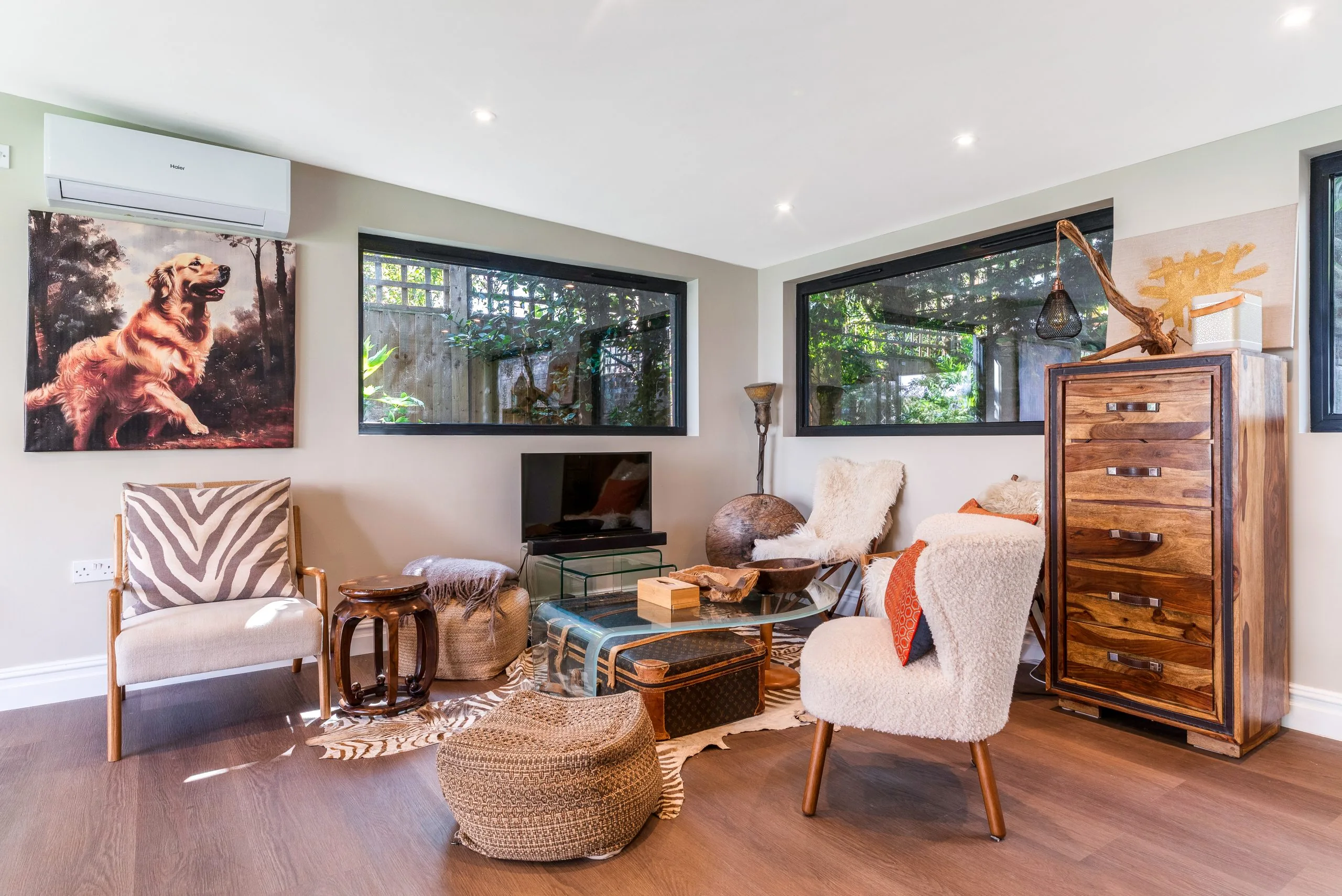
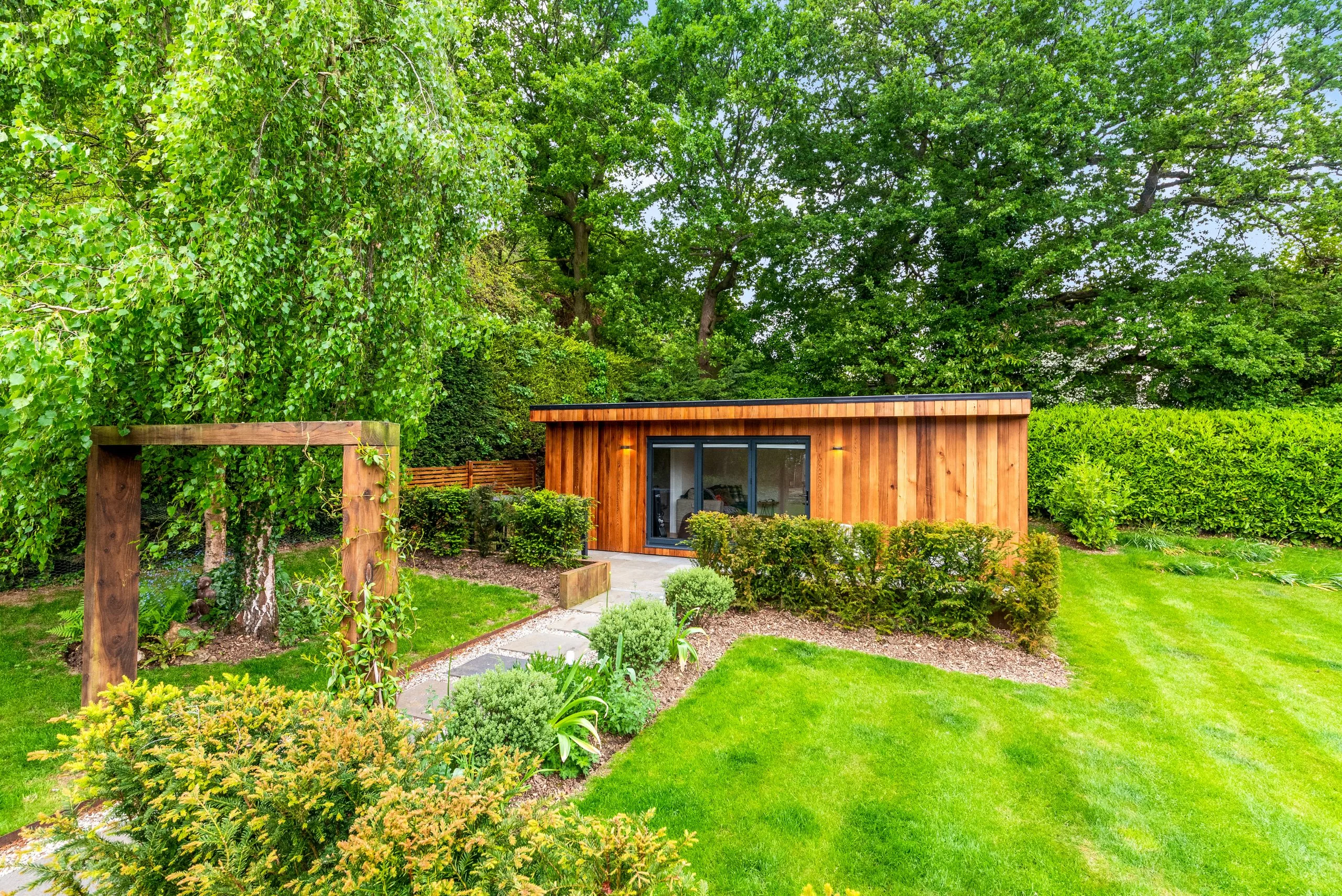
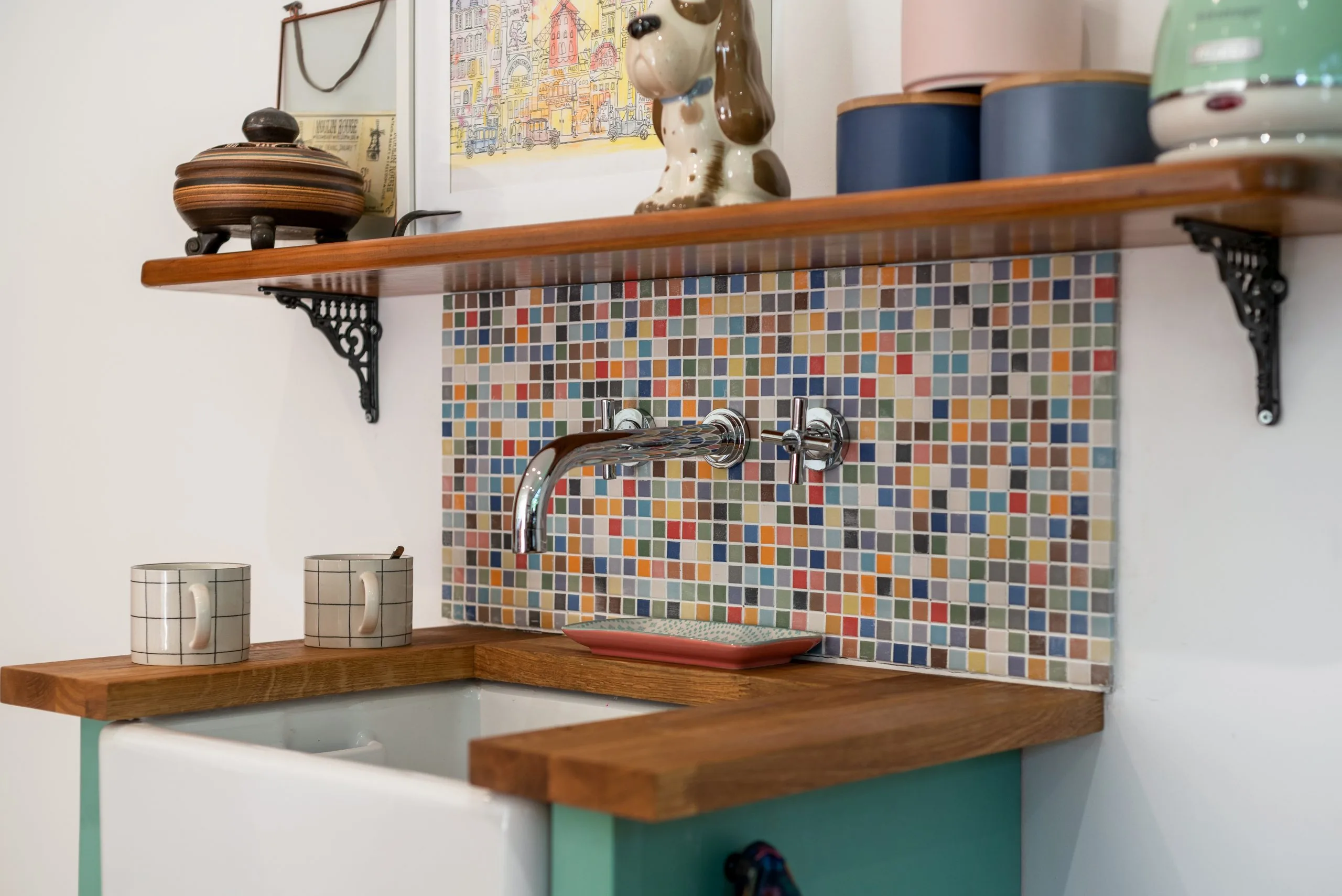
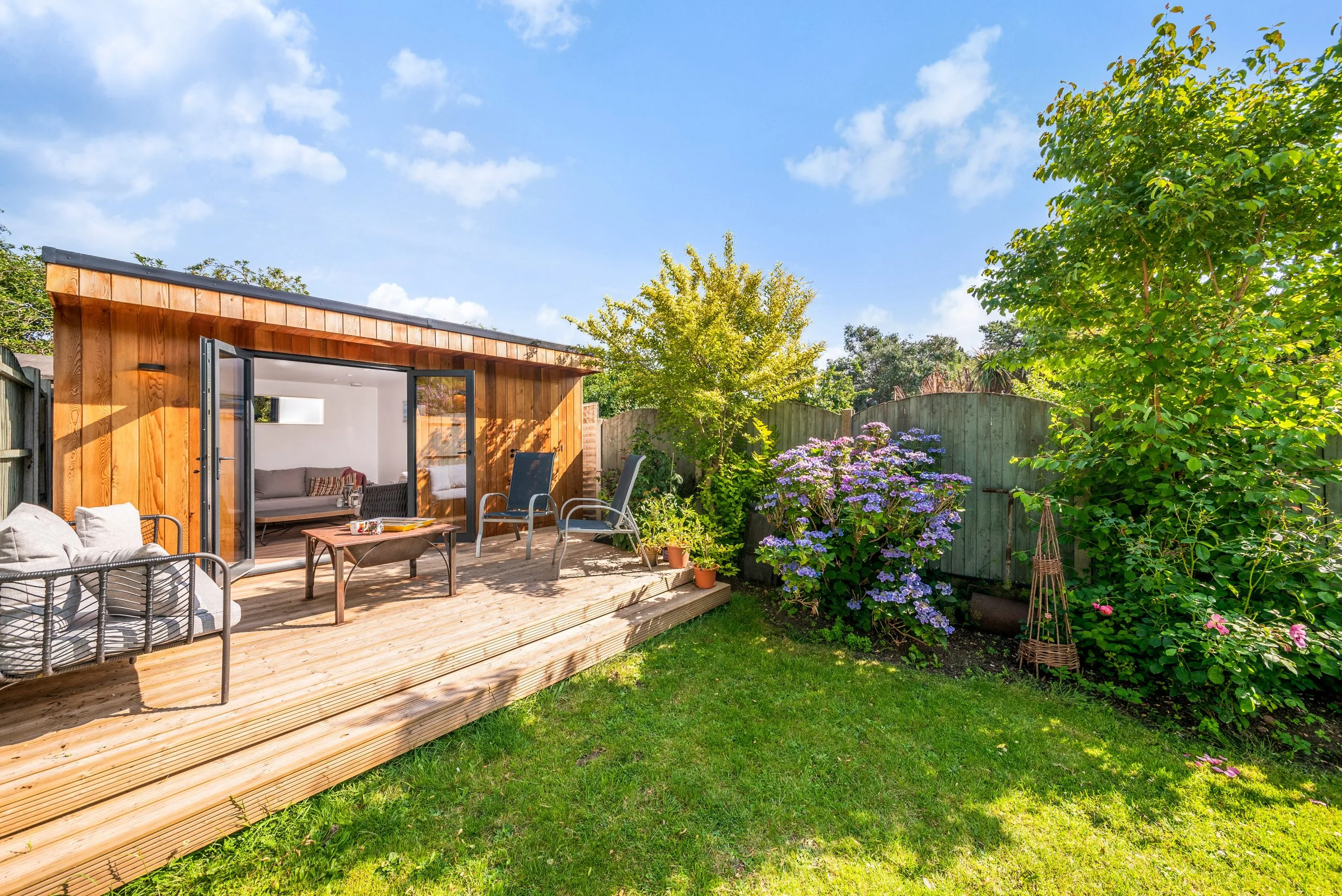
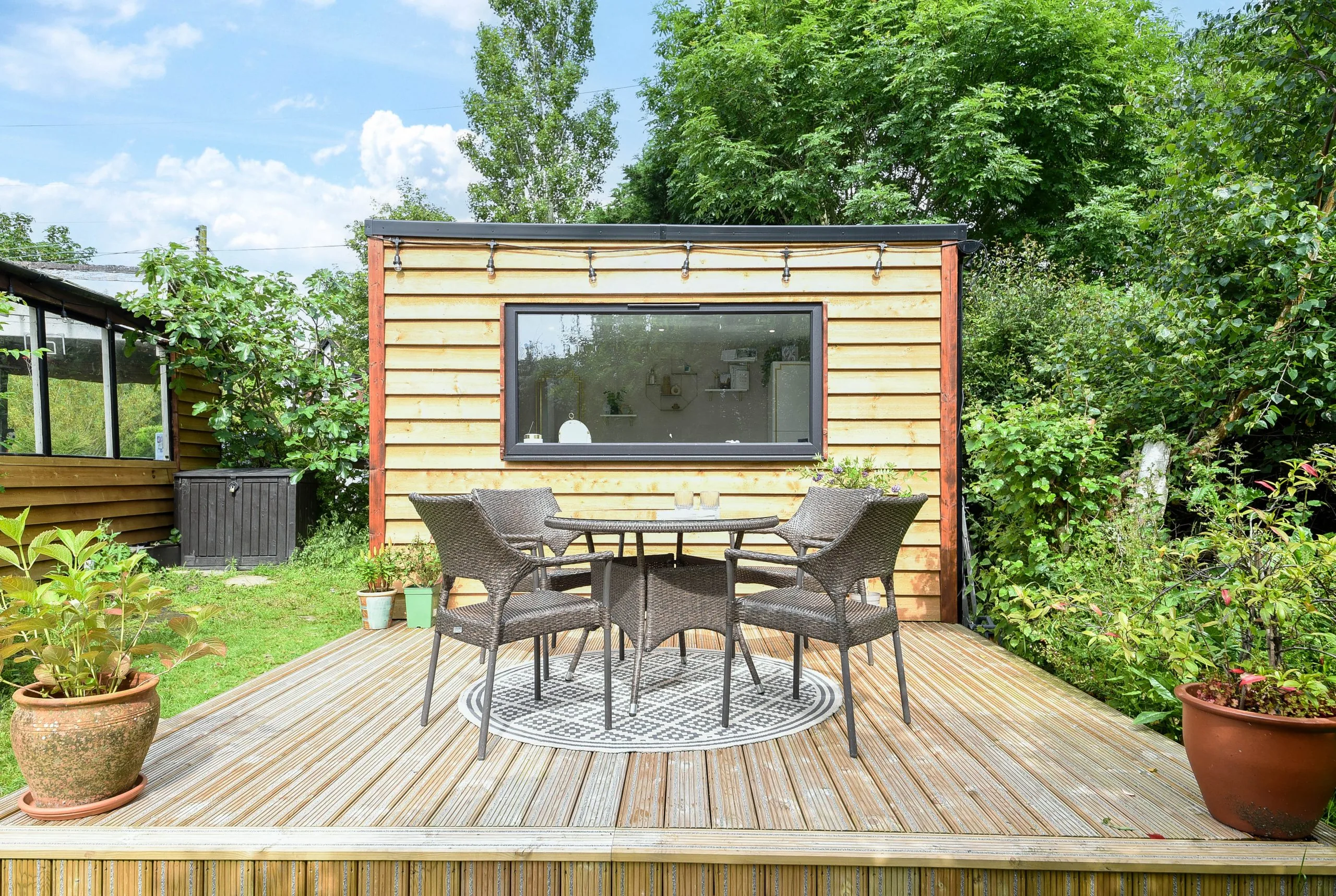
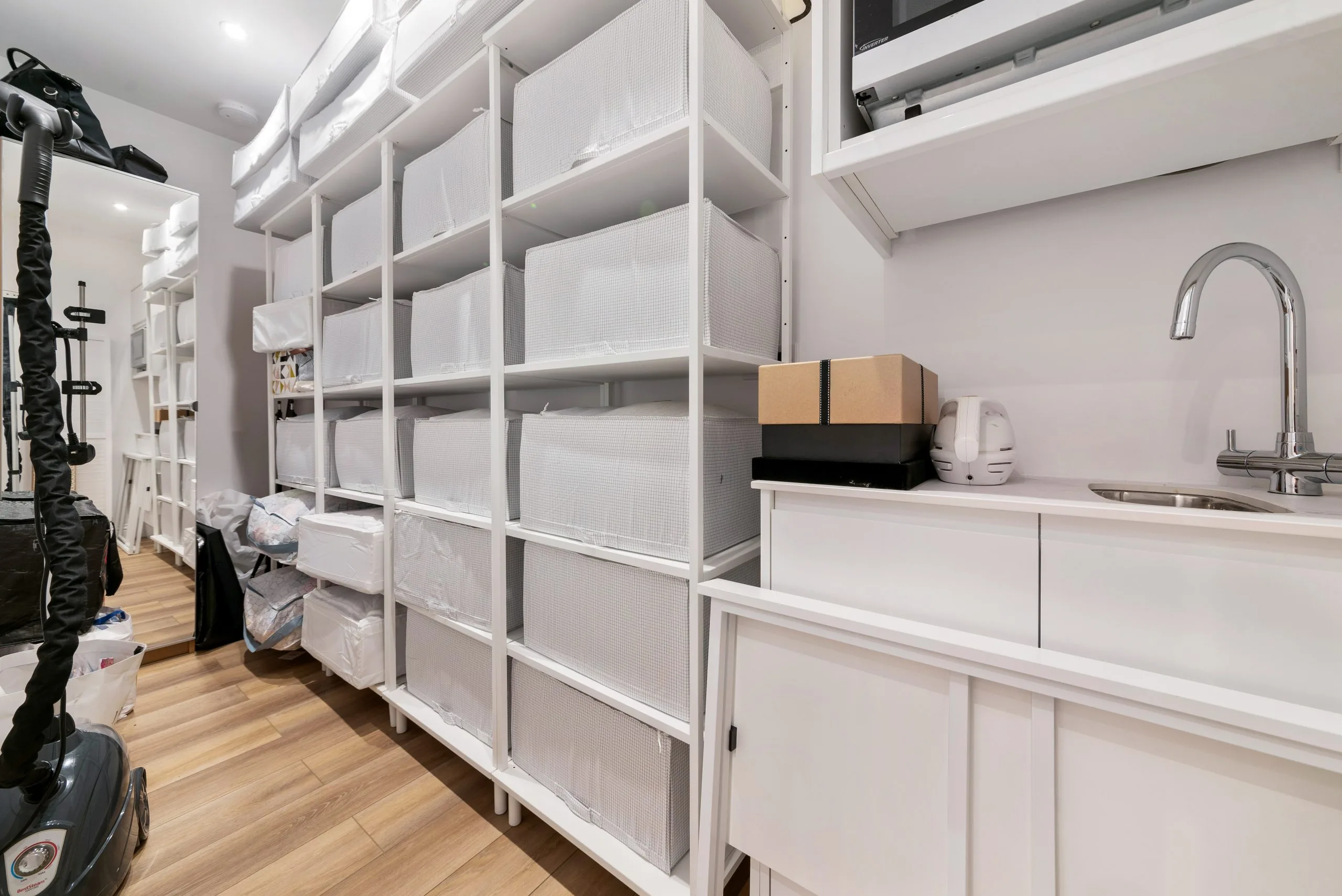
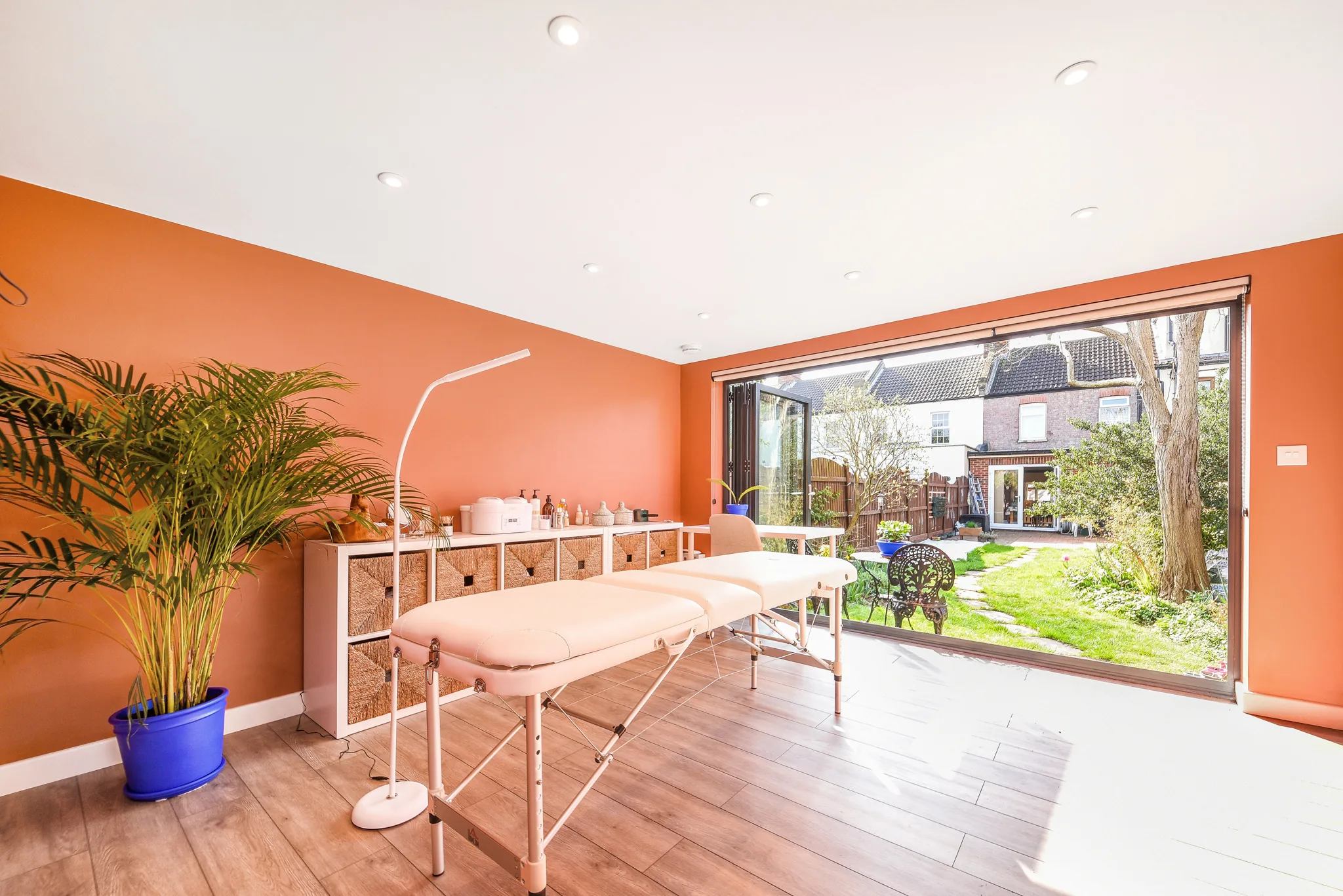
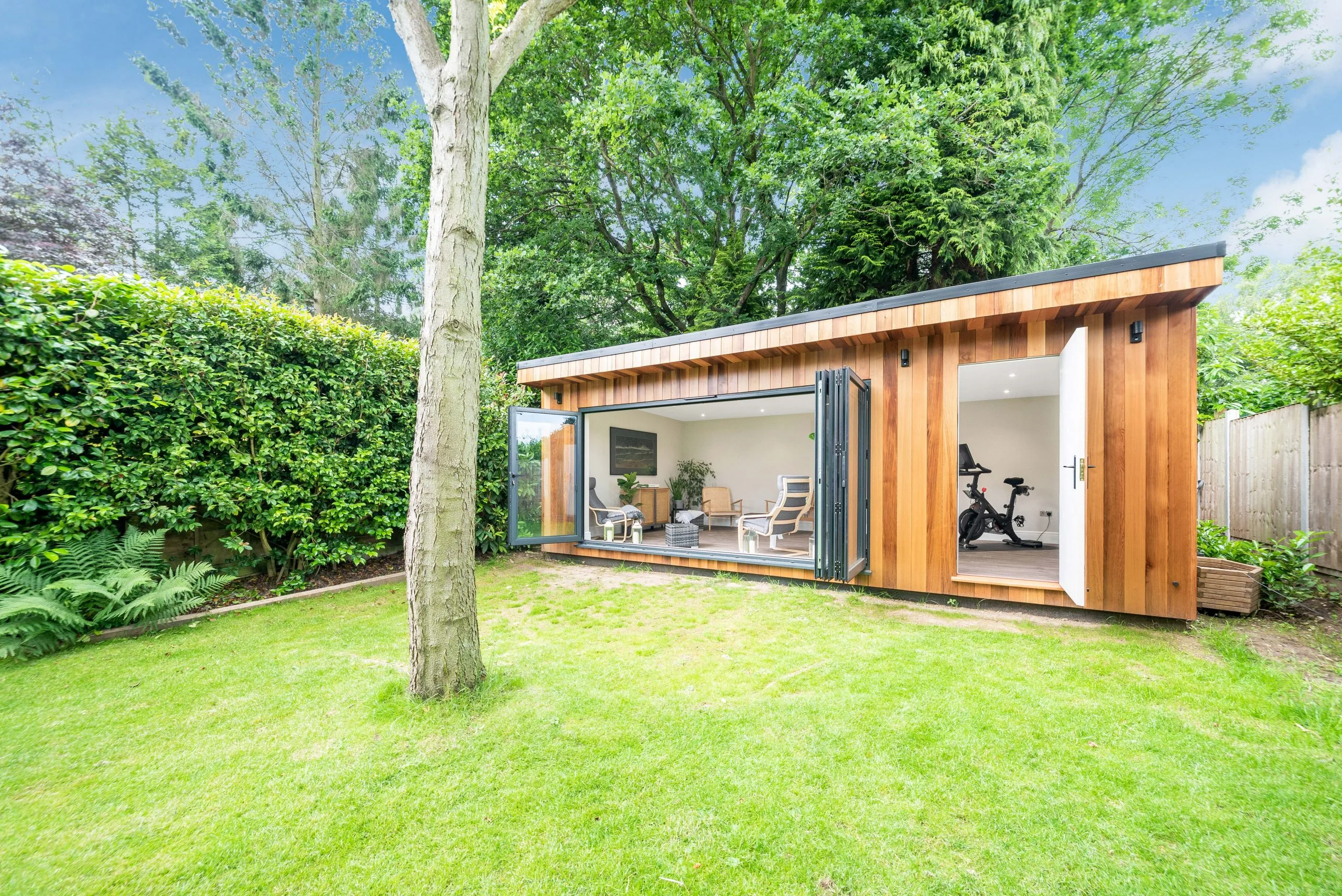
None of these was built as an orchid house, but each shows a garden building shaped around a quiet personal pursuit, which is exactly the starting point for a plant room.
A beautifully considered garden room showing how a bespoke building can support more than one use, with the comfort, finish and flexibility that could be adapted for plants, hobbies and quiet relaxation.
This studio retreat highlights how a garden building can become a calm, purposeful space away from the main house, ideal inspiration for a plant-focused room with carefully planned zones and premium detailing.
A characterful hobby garden room demonstrating how a bespoke building can be tailored around a personal passion, whether that is creative work, collecting, making or caring for specialist plants.