
Cosy Artist Garden Room Studio
A dedicated creative garden studio designed to give the homeowner a calm, comfortable and inspiring place to paint away from the distractions of the main house.
View project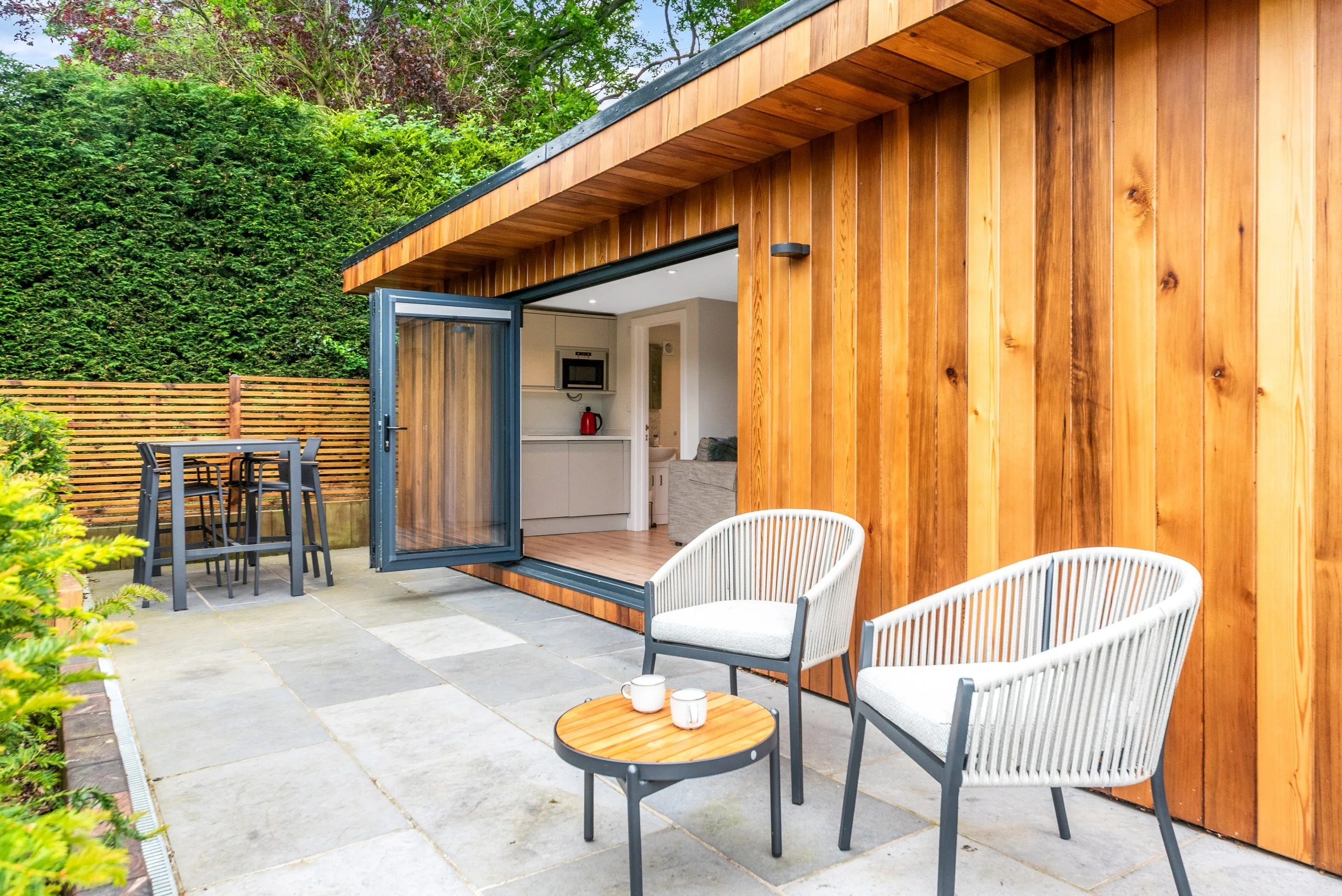
A painting studio succeeds or fails long before the first brushstroke.
It is shaped by the quality of the light, the way canvases can be moved around the room, whether wet work can be cleaned without fuss, and whether materials can be stored safely without taking over your home. A spare bedroom can work for a while, but it rarely gives an artist the separation, scale, ventilation, wall space or permanence needed for regular creative work.
A bespoke garden room can solve that beautifully. Positioned away from household noise, tailored around your process and finished with materials that can cope with creative mess, a garden painting studio gives you a dedicated place to draw, paint, prepare, store, think, photograph work and welcome clients or collectors when needed.
At Hawksbeck, our garden rooms are designed and built as premium, fully bespoke spaces, so a painting studio does not need to start from a standard template. It can be planned around the way you work: large canvases, oils, acrylics, watercolours, mixed media, easels, drying racks, framing equipment, natural light preferences, storage needs and even how you want the space to feel when you step inside.
A bespoke garden room can be designed around light, comfort, storage and the practical realities of painting year-round.
Painting is difficult to separate from environment. Light changes colour perception, temperature affects comfort and drying times, clutter interrupts concentration, and poor ventilation can make certain materials unpleasant or unsuitable to use for long periods. A purpose-built garden studio gives you control over these details in a way that an adapted room inside the house often cannot.
For many artists, the most valuable benefit is simple: the studio remains a studio. You can leave work in progress on the easel, pin studies to the wall, keep palettes and tools organised, and return the next day without having to clear everything away for family life, guests or household routines. That continuity can make an enormous difference to creative output.
A well-designed garden painting studio can provide:
If you are exploring wider ways to use a bespoke garden building, our main garden room ideas guide brings together a broad range of possible uses, from creative studios to workspaces, wellness rooms and entertainment spaces.
Light firstLight is usually the first topic to discuss when designing a garden room for painting. Not simply “more glass”, but the right light in the right place. A beautiful wall of glazing may look impressive, but if it floods the studio with direct sunlight at the wrong time of day, it can create glare, heat build-up and rapidly shifting shadows. For painters, that can make colour judgement harder and the room less comfortable to work in.
The ideal approach depends on how you paint. A portrait painter may want a very different light arrangement from a landscape artist working from reference photographs, or an abstract painter producing large canvases. The aim is to design a studio that supports your practice rather than forcing you to adjust to the building.
Many artists favour north-facing light because it is softer and more consistent throughout the day. Where the garden layout allows, a studio can be positioned or glazed in a way that favours this steadier natural light. In other settings, a combination of carefully placed windows, rooflights, overhangs, blinds and artificial lighting can create a controlled working environment.
Rooflights can be especially useful in a garden painting studio because they introduce daylight without sacrificing too much wall space. However, they need to be specified thoughtfully. The wrong placement may create direct glare or bright patches across a canvas. The right placement can wash the room with daylight while keeping the main working walls usable.
For an artist, glare is not just an annoyance; it can alter how work is perceived. Gloss mediums, varnished surfaces, wet oil paint and framed work behind glass can all reflect light. A bespoke studio allows glazing to be balanced with shaded areas, display walls and artificial lighting so that you can view work accurately.
Colour temperature also matters. If artificial lighting is added, it should be chosen with care. High-quality LED lighting with suitable colour rendering can help you work during darker months or evenings without making reds, blues, greens and neutrals appear misleading. For many studios, a combination of ambient light and adjustable task lighting gives the most flexibility.
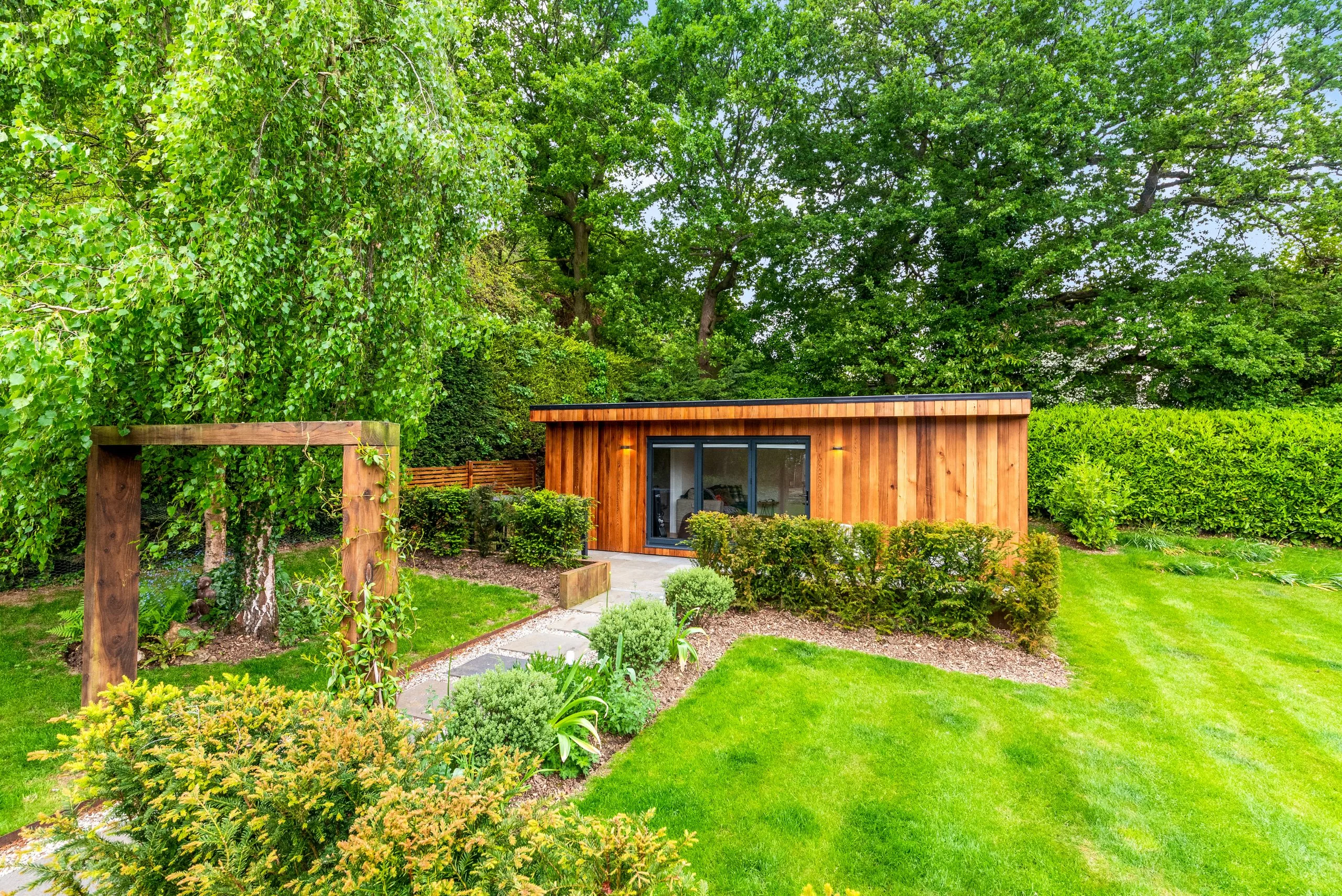
A painting studio needs more than an open floor area. It needs zones. Even in a compact building, thinking about separate activities helps the room remain organised and enjoyable to use. A good layout considers how materials enter the room, where canvases are stored, how you move around an easel, where finished work dries, and how the space looks if a client visits.
Typical zones might include:
When people imagine a studio, they often focus on the size of the room. Floor area is important, especially if you work at scale, but uninterrupted wall space is just as valuable. A studio with too much glazing can leave very few places to hang canvases, lean boards, fix paper or view work from a distance.
This is where bespoke design becomes particularly important. We can help balance glazing with solid elevations, ensuring the room feels bright without losing the practical surfaces an artist needs. Full-height cupboards can be positioned on one wall, a large viewing wall can be kept clean and uncluttered, and windows can be placed to support the working arrangement rather than interrupt it.
If you paint on larger canvases, the studio should be planned around the biggest work you realistically produce, not just your current average size. Consider whether you need to turn a canvas around, lay work flat, step back several metres to judge a composition, or transport finished pieces through the doorway without awkward angles.
Wider doors, double doors, increased ceiling height where appropriate and a more generous floor plan can make the studio feel dramatically easier to use. It is much better to plan for this at the design stage than to discover later that a favourite canvas size is difficult to manoeuvre.
A garden room for painting should be beautiful, but it cannot be precious in the wrong places. Creative work brings splashes, dust, pigment, water, solvents, tape, charcoal, paper trimmings and the occasional dropped brush. The best studios combine a refined overall finish with practical surfaces where they matter most.
Suitable design considerations include:
Some artists prefer a pristine gallery-like studio, while others want a space that feels more like a working atelier. Both are possible. The key is to decide which areas should look refined, which areas should be highly practical, and where the two need to overlap.
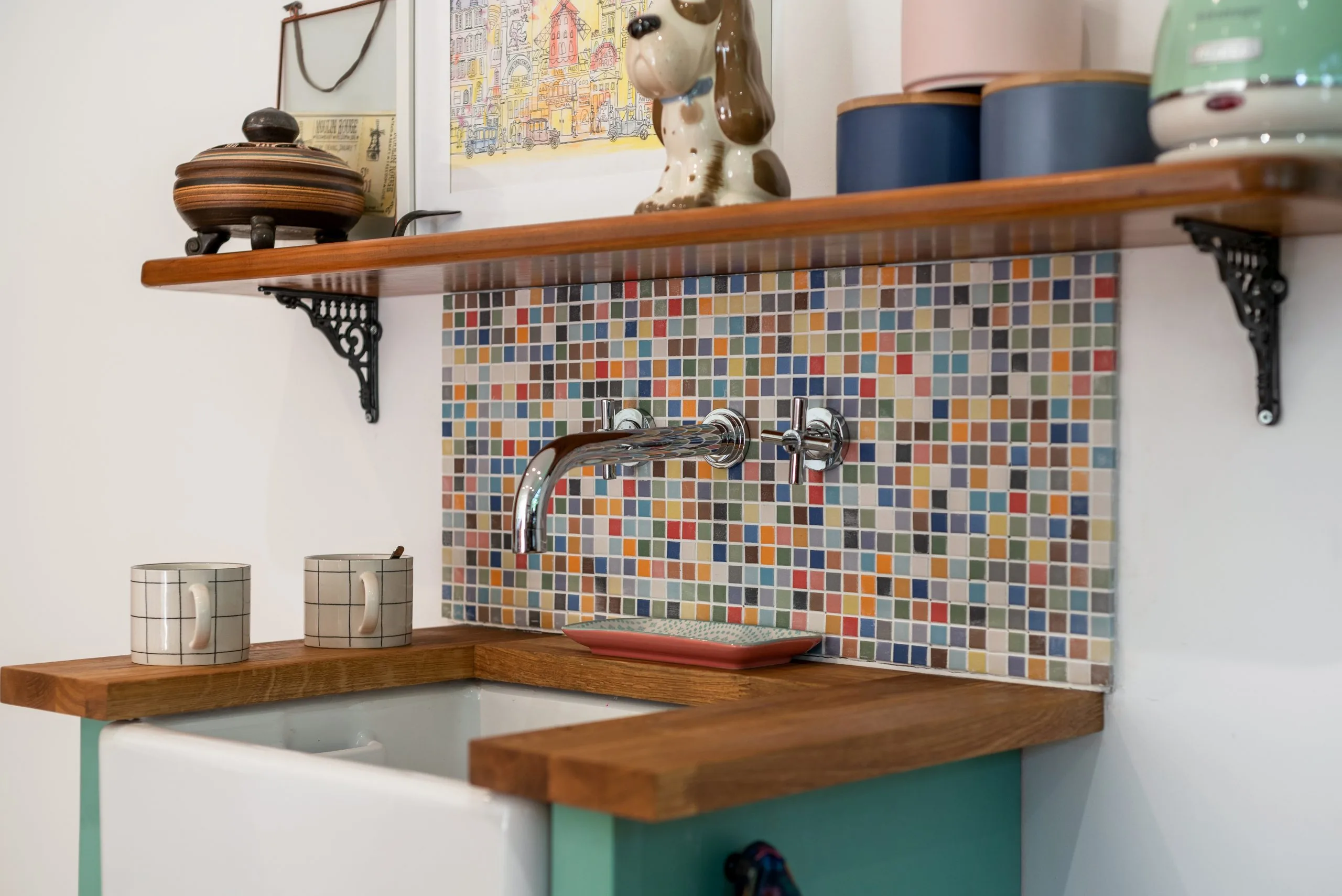
For many artists, a sink is one of the most useful upgrades in a garden studio. If you use watercolours, acrylics, inks, gouache or mixed media, being able to rinse brushes and clean tools without walking back into the house is a major convenience. It also keeps paint residue, mess and odours away from domestic sinks.
For oil painters, the decision depends on your process. Even if solvents are handled separately and responsibly, a sink can still be valuable for general cleaning, handwashing and studio maintenance. Where plumbing is possible, it should be planned early so that water supply, drainage, cabinetry and internal layout all work together.
If a sink is not required, a dry studio can still be extremely functional with a well-planned worktop, sealed storage, portable cleaning arrangements and robust surfaces. The right choice depends on the materials you use and how self-contained you want the studio to be.
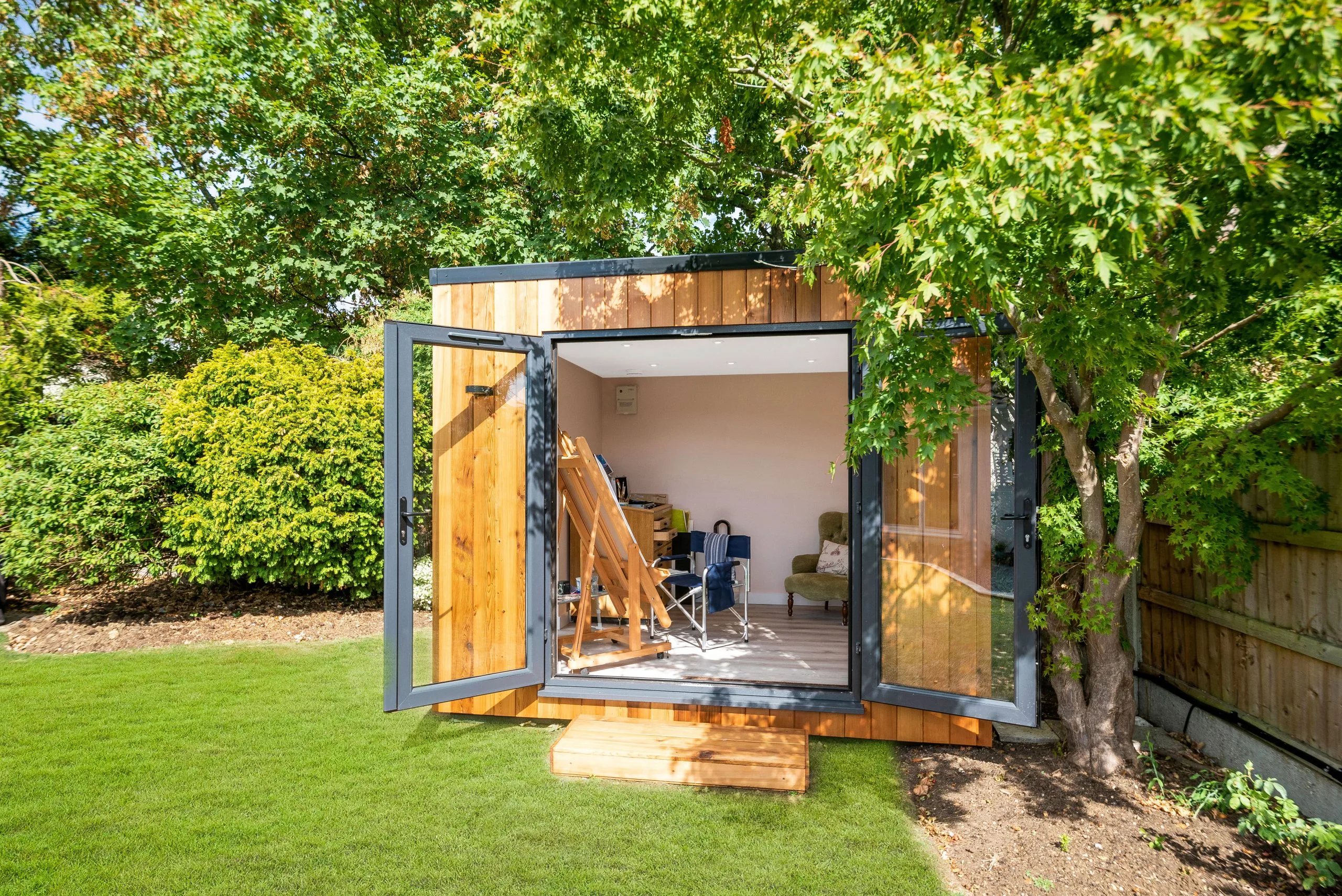
Materials storage is often underestimated. A few tubes of paint and brushes can quickly become drawers of mediums, rolls of paper, sketchbooks, masking tape, varnishes, rags, palettes, frames, fixings and reference material. Large canvases need upright storage. Paper needs protection from damp and damage. Finished pieces need somewhere safe while they dry, cure or wait to be collected.
A bespoke garden painting studio can include storage that suits the way artists actually work, such as:
Well-planned storage makes the studio more enjoyable to use, but it also protects your work. Canvases leaning against every wall may feel romantic for a week; over time, they can become vulnerable to knocks, dust and accidental damage. Dedicated storage keeps the room clear, safe and productive.
A painting studio should feel comfortable in winter, summer and the in-between months. It should also support the materials being used inside it. Temperature and ventilation affect personal comfort, drying times, odour control and the storage of paper, canvas and finished work.
High-quality insulation is essential for year-round use. A cold outbuilding may be acceptable for occasional hobby use, but it is not ideal for regular painting, especially when storing work and materials. A premium garden room should feel like a genuine extension of your home’s usable space, not a compromise.
Ventilation should be considered carefully, particularly if you use oils, varnishes, fixatives, solvents or spray products. Depending on your practice, options may include opening windows, trickle ventilation, extraction, or a more tailored approach. The aim is to keep the studio fresh without creating uncomfortable draughts or uncontrolled temperature swings.
Working in oils, or at a scale that needs double doors? Tell us about your process and we will plan the glazing, extraction and storage around it.
Talk to UsAlthough every artist’s studio is different, this video shows the breadth of what a bespoke garden building can become. The same level of design thinking, craftsmanship and finish can be applied to a painting studio, whether you need a compact creative retreat or a larger multi-purpose studio for work, storage and client visits.
The right size depends on your medium, working style and whether the studio is purely private or also used for teaching, sales or client meetings. A small studio can be excellent for drawing, watercolours, illustration or focused easel work. A larger studio becomes more appropriate if you paint at scale, need storage for many canvases, want a sink and workbench, or plan to invite others into the space.
As a guide, consider the following:
Suitable for one artist, an easel or desk, modest storage and focused work.
Allows a more comfortable painting zone, storage wall, worktop and viewing area.
Better for large canvases, multiple workstations, teaching, client visits or combined studio and gallery use.
Useful when you want a separate clean viewing area, cloakroom, storage room or office corner.
It is worth thinking beyond the footprint and considering proportions. A long, narrow studio may suit wall-hung work or storage. A more square plan may give better movement around a central easel. A deeper room may allow you to step back and assess large work properly. A bespoke design allows these details to be resolved around your process.
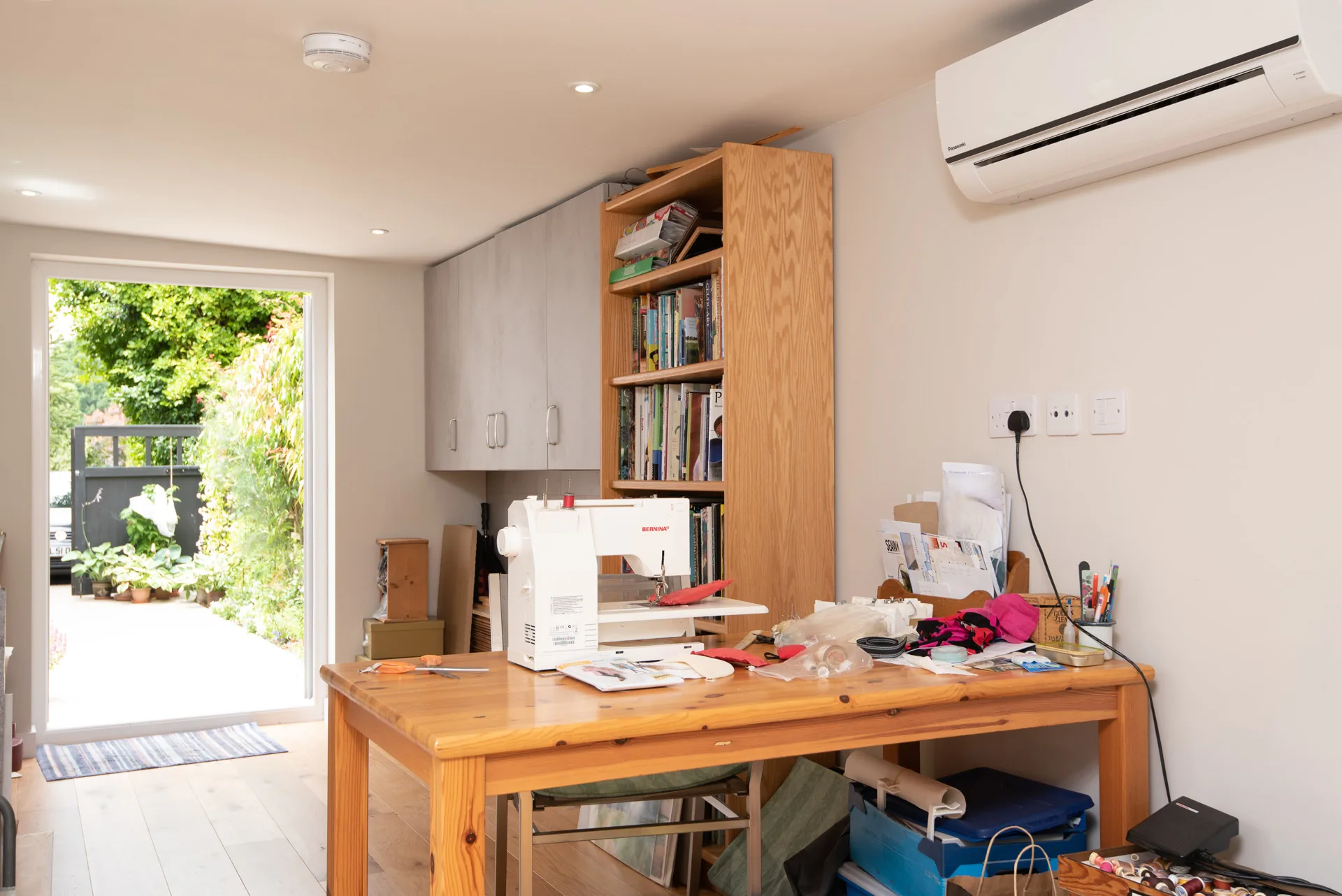
Some painting studios are private working spaces. Others need to feel polished enough for collectors, commission clients, students or collaborators. A garden room can be designed to do both: practical where you work, composed and welcoming where visitors arrive.
If you plan to host visitors, useful features might include:
For artists selling work, this can make a meaningful difference. Clients experience the work in a calm, dedicated setting rather than a hallway, kitchen or spare room. The studio becomes part of the story of the work, while still functioning as a serious creative environment.
Art materials, tools, frames and finished pieces can represent a significant investment. A garden studio should therefore be designed with security in mind. High-quality doors and windows, secure locking, considered placement within the garden and suitable lighting can all contribute to peace of mind.
Where a studio contains valuable work, it is also sensible to think about privacy. Strategic glazing, blinds, planting, screening and entrance positioning can help the room feel open and light from inside without putting everything on display from outside.
Many garden rooms can be built under permitted development, but this depends on factors such as height, position, land designation, intended use and the specifics of your property. A painting studio used for personal creative work is often more straightforward than a building used for regular commercial teaching or public visits, but it is always worth checking properly at the design stage.
As part of a bespoke process, details such as foundations, access, services, drainage, electrics, heating, glazing and external finishes are all considered together. This is particularly important for artist studios because the building is not just a shell; it is a controlled working environment.
Pricing for a garden painting studio varies considerably because the specification can be simple and elegant or highly detailed, with plumbing, built-in storage, specialist lighting, larger glazing arrangements and premium finishes. Hawksbeck garden rooms are bespoke, so the final cost depends on the size, design, site requirements and the exact features you choose.
As a broad guide, a compact premium garden studio may sit in the lower part of the Hawksbeck range, while a larger, fully equipped artist’s studio with enhanced glazing, integrated storage, heating, electrics, a sink, upgraded finishes and more complex site works will naturally require a higher investment.
For planning purposes, many clients considering a high-quality garden painting studio should expect a bespoke project to be in the tens of thousands of pounds, with smaller studios potentially starting from the lower advertised range and larger luxury studio buildings moving significantly higher depending on specification. The most accurate way to understand cost is to discuss your intended use, preferred size, site access and required features so that the building can be priced around your actual brief.
Cost factors that commonly affect a painting studio include:
A cheaper off-the-shelf structure may look appealing initially, but for a space used regularly to create, store and present artwork, specification matters. Comfort, durability, light quality and layout all affect how much you will actually use the studio.
Small details, daily differenceThe most successful painting studios tend to include small, practical decisions that make daily use easier. These are the details that may not seem dramatic in a brochure but matter every time you work.
No two artists use a studio in exactly the same way. One person may need quiet north light, a single easel and careful paper storage. Another may need a robust mixed-media workspace with a sink, extraction, large doors and room for oversized canvases. Someone else may want a calm creative retreat that also doubles as a private gallery for finished work.
That is the advantage of choosing a bespoke Hawksbeck garden room. The building can be shaped around the details that matter to you, rather than asking you to compromise around a standard layout. From the first conversation, the focus can be on how you paint, what you store, when you use the space, how the light behaves in your garden and what the studio needs to become over time.
If you are ready to explore a dedicated painting studio in your garden, Hawksbeck can help you create a space that feels inspiring, practical and beautifully made.
Every studio conversation starts with where the sun falls, what you paint and how big the work gets. Bring those three things and we can begin sketching a building around them.
Explore these Hawksbeck projects for more inspiration, including garden rooms created specifically for artists and creative work.
A dedicated creative garden studio designed to give the homeowner a calm, comfortable and inspiring place to paint away from the distractions of the main house.
View project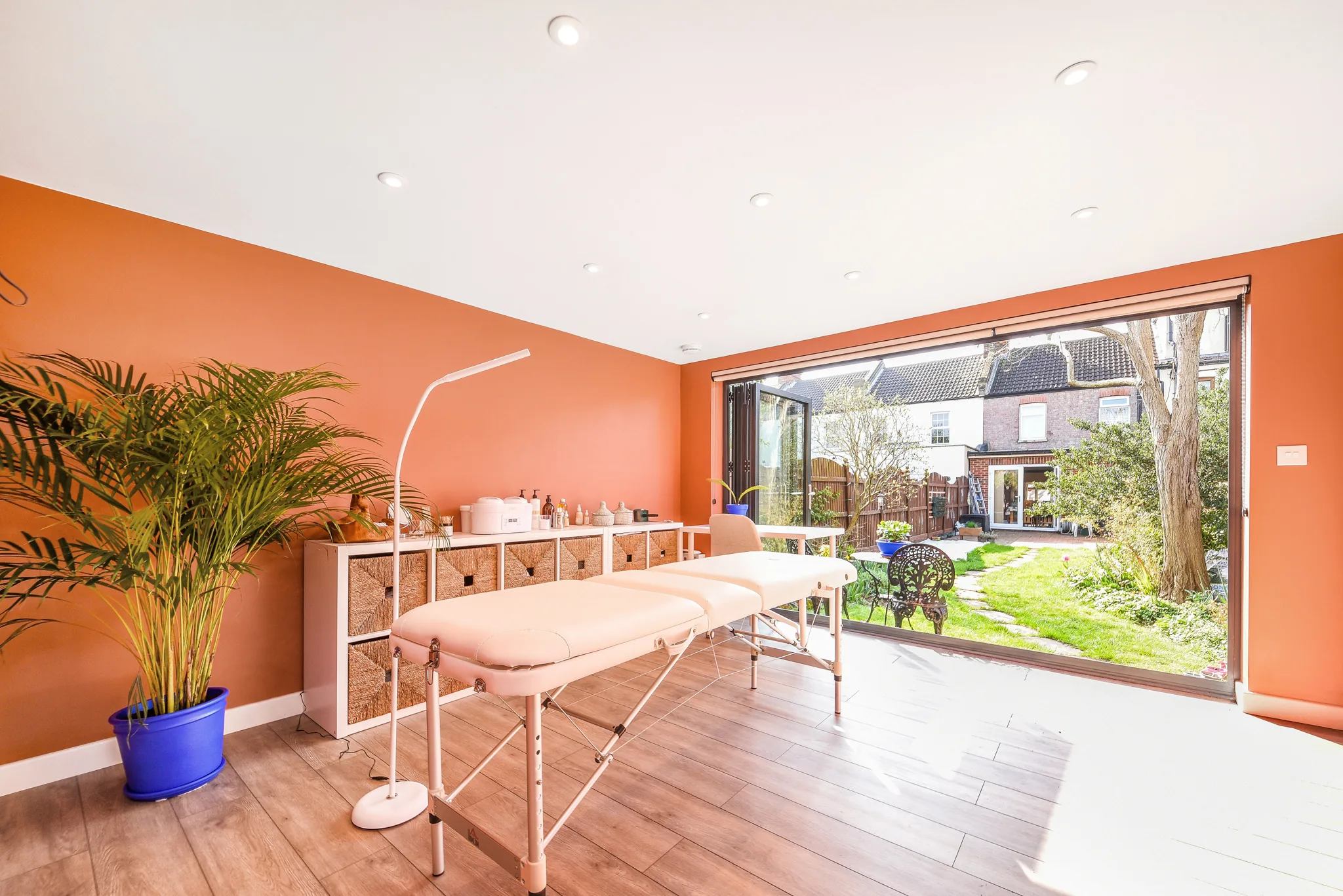
This bespoke studio demonstrates how a garden building can become a practical, year-round workspace for painting, creativity and focused artistic practice.
View project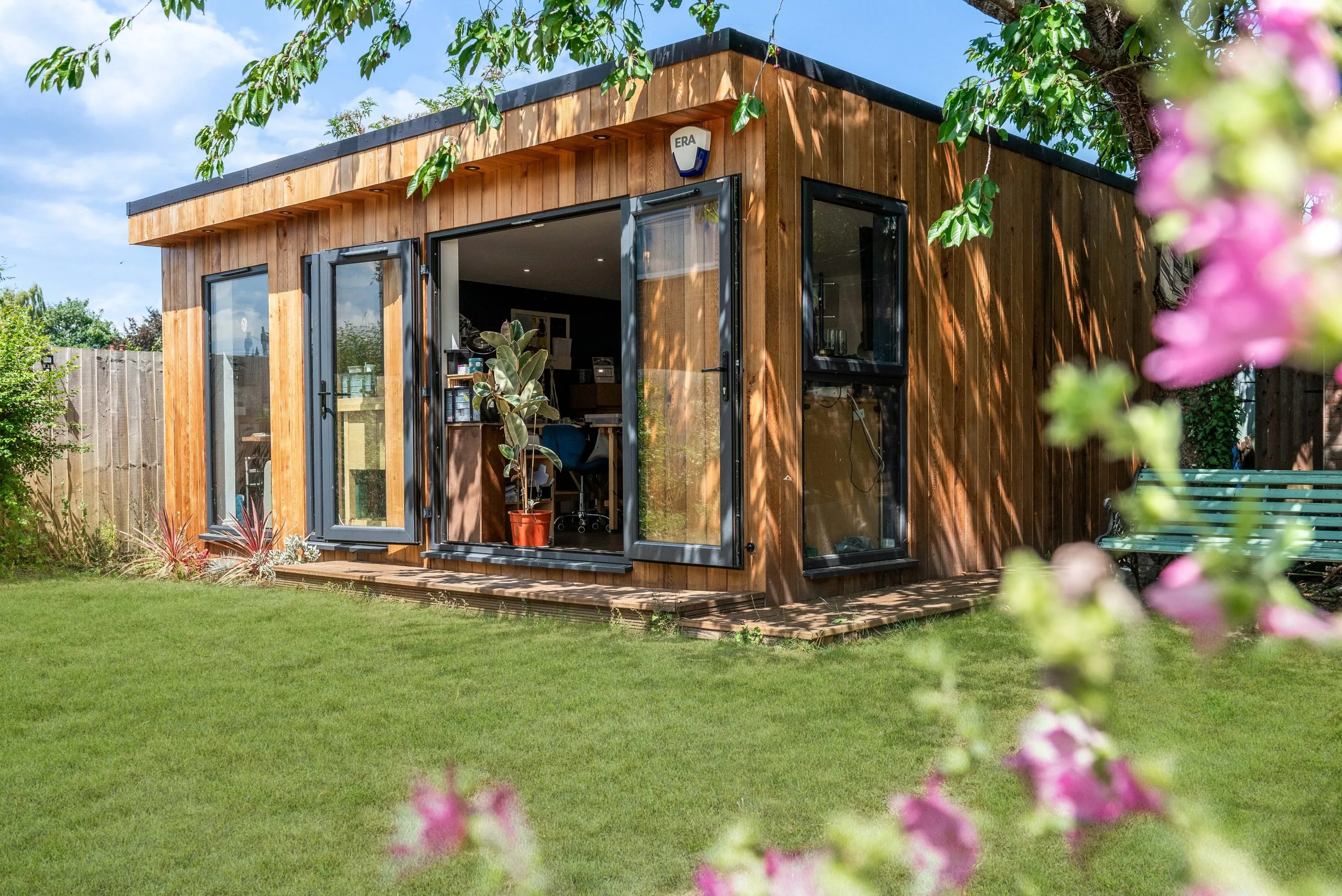
A beautifully finished creative retreat showing how a premium garden room can provide separation, comfort and inspiration for artistic work at home.
View project