
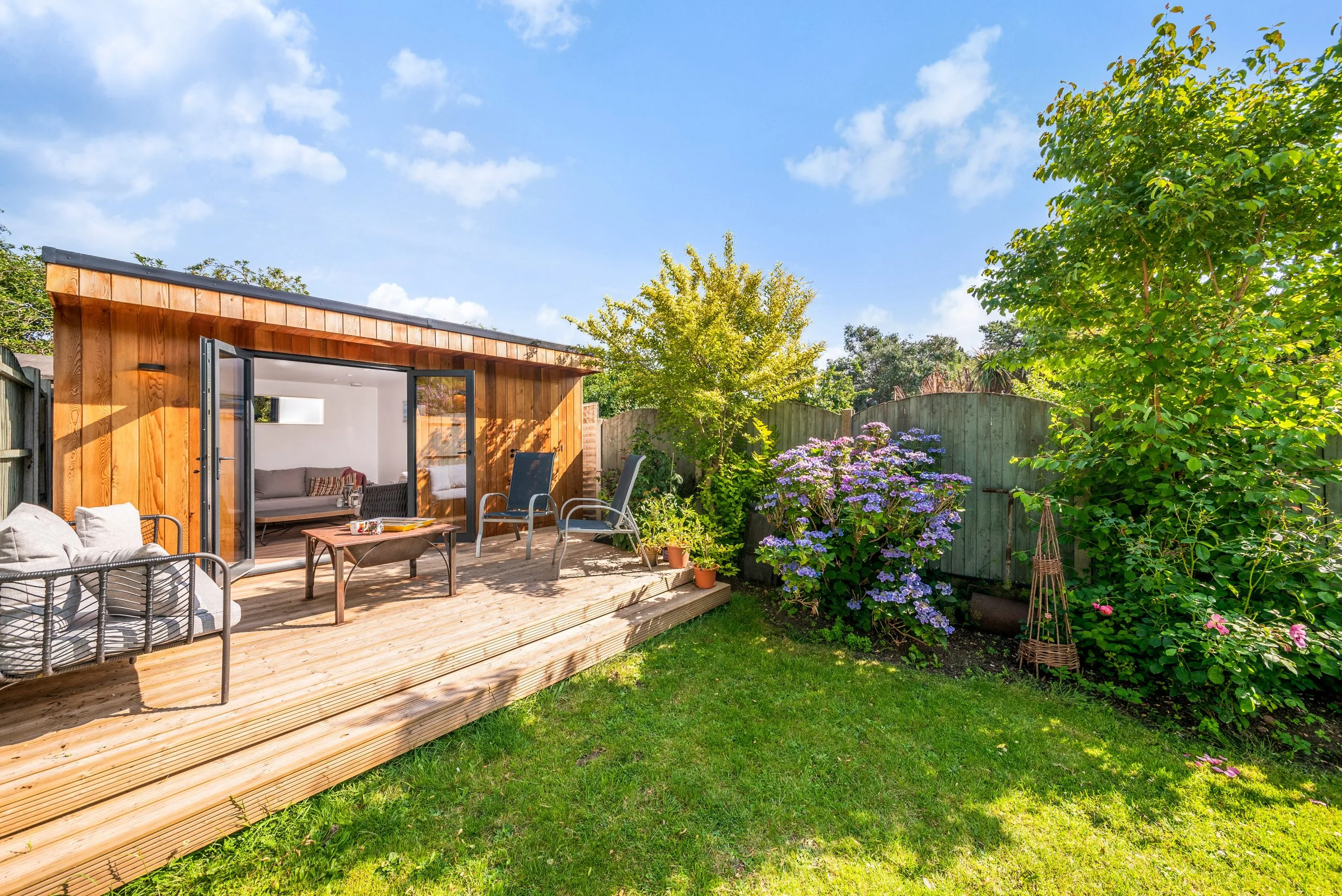
Creative Studio Retreat, Chelmsford
A refined creative garden studio showing how a bespoke building can provide a calm, practical and inspiring space for focused work, making and creative projects at home.
View project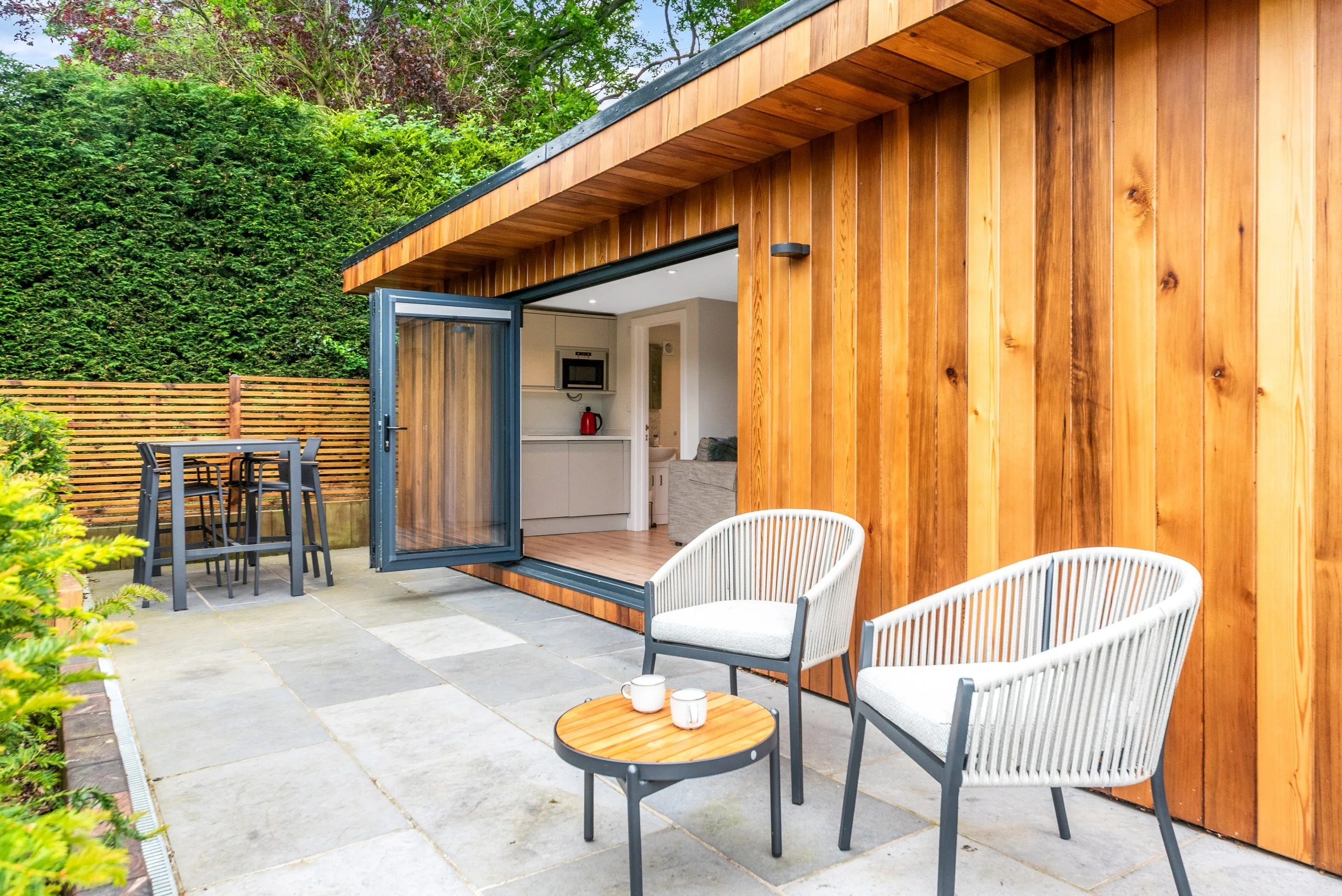 Shoot, edit and meet clients at home
A photography studio succeeds or fails on control: control of light, clutter, power, temperature, client flow and the tiny practical details that make a shoot run smoothly. A spare room can work for editing or product flat lays, but it rarely gives enough space for full-length portraits, controlled lighting, backdrops, equipment storage and a comfortable place for clients to sit. A bespoke garden room can solve that problem by creating a dedicated studio just a few steps from home, designed around the way you shoot rather than forcing your work around an awkward room.
For photographers, content creators, makers, stylists and small creative teams, a garden photography studio can be far more than a “room at the end of the garden”. It can be a controlled shooting space, a working edit suite, a client consultation area, a storage hub for cameras and stands, and a calm professional environment that separates work from home life. Because Hawksbeck garden rooms are bespoke, the internal layout, glazing, lighting, electrics, heating, finishes and storage can all be planned around your equipment, your workflow and your preferred style of photography.
Photography is one of the best uses for a premium garden building because the space can be planned with precision from the start. Instead of adapting a dining room, garage or office, you can create a studio with the correct proportions, power points, storage positions, client seating and lighting control built into the design.
A well-designed garden photography studio can be used for:
The key advantage is that everything can be intentional. A photographer may need fewer windows than a home office, more sockets than a typical garden room, flexible wall space, blackout options, a comfortable ambient temperature, additional security, and enough clear floor area to move lights and backdrops without constantly rearranging the room. Those details are much easier to get right when the studio is designed specifically for that purpose.
Three working zonesThe most successful garden photography studios are not designed as one empty box. They are usually planned as a series of working zones, so the space feels calm, efficient and professional even when equipment is out.
This is the heart of the studio. For portrait and product work, you will usually want a clear wall or backdrop zone with enough distance between the subject and camera. The required depth depends on the type of photography you do, but as a general guide:
In a bespoke Hawksbeck studio, the shooting area can be positioned to give you a strong working wall, a clean backdrop section, room for softboxes or umbrellas, and enough space to move around the subject. If you use paper rolls, muslin backdrops, canvas drops or fixed rails, these can be considered early so the walls and ceiling are planned accordingly.
Many photographers want their studio to double as a post-production suite. This can be as simple as a built-in desk with a colour-accurate monitor, or a more substantial editing area with drawers, file storage, camera tethering space, charging points and shelves for hard drives.
Separating the edit area from the active shooting zone helps maintain a professional workflow. You can finish a session, seat the client, review images, manage bookings or edit without carrying equipment back into the house.
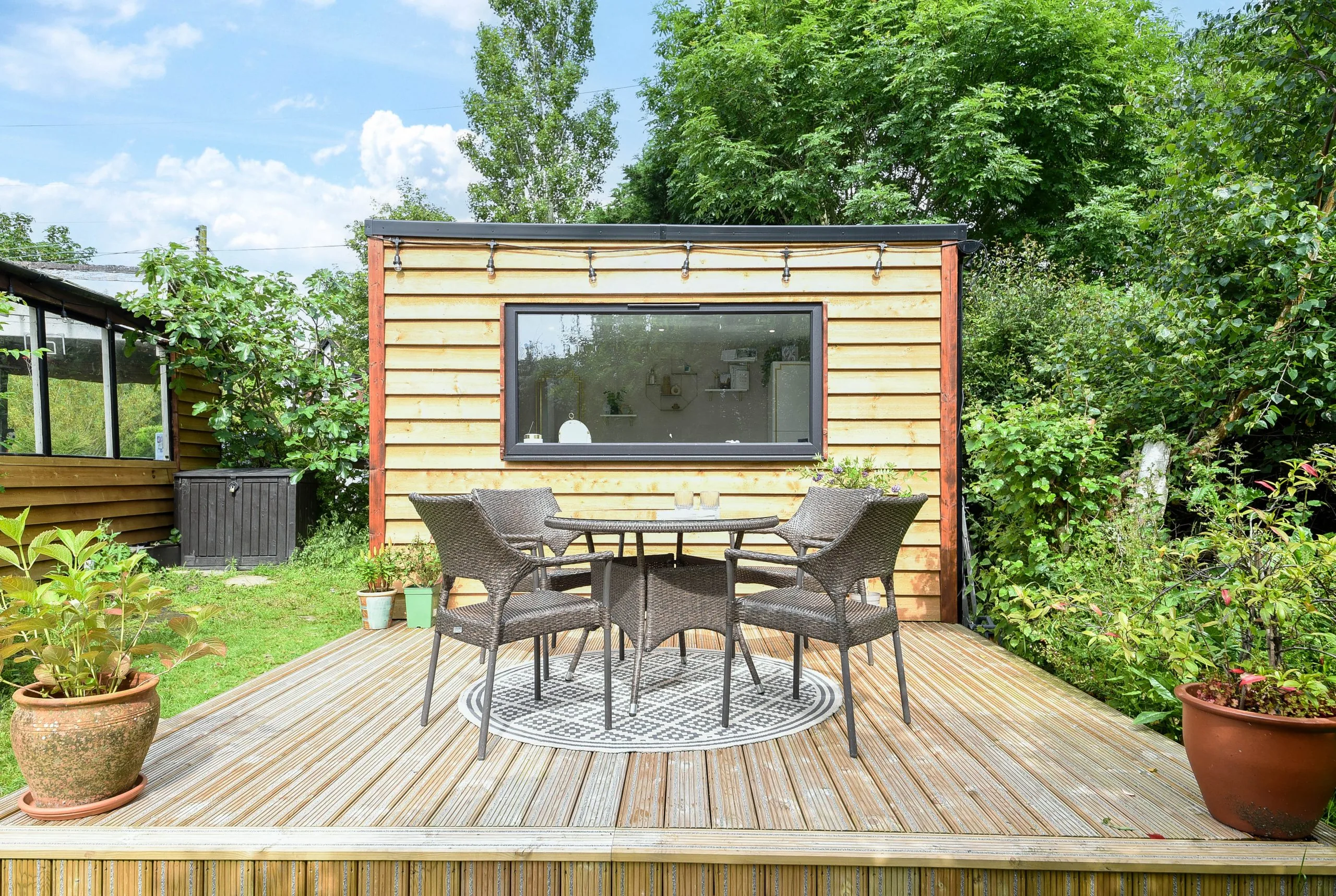
Client experience matters, especially for family, portrait, personal branding and commercial photography. A small seating area gives clients somewhere to wait, change shoes, review shots or have a relaxed consultation. In a premium garden studio, this area can feel more like a boutique creative space than a converted outbuilding.
Depending on how you work, you may want space for:
Natural light can be beautiful, but uncontrolled light can be a problem. A garden room used for photography needs to balance daylight, privacy and blackout control according to your shooting style.
You may prefer fewer windows, carefully positioned glazing and high-quality blackout options. This gives you consistency throughout the day and across different seasons. You can shoot at 9am or 7pm and know your lighting setup will behave in the same way.
For studio flash, the design should consider:
A garden photography studio can also be designed as a soft daylight studio. Larger glazing, roof lights or carefully oriented windows can help bring in attractive natural light, especially for portraits, lifestyle products, newborn photography or content creation.
The important point is control.
You may want sheer curtains, blinds, blackout lining or moveable diffusion so you can soften, shape or block the light when needed. Window placement should be discussed in relation to the garden’s orientation, neighbouring properties, privacy, sun path and the time of day you usually shoot.
Many photographers need the best of both worlds. A bespoke layout might include a bright consultation or lifestyle area with glazing, plus a more controlled shooting wall that can be blacked out. This gives the studio greater versatility while still feeling comfortable and premium.
The backdrop area is often where a photography studio either works beautifully or becomes frustrating. A purpose-built garden room allows this to be planned properly from day one, rather than relying on temporary solutions in a room that was never designed for shoots.
Popular options include:
If you are considering a smooth white cove or infinity-style wall, the design becomes more specialist and will need careful discussion around space, lighting, finish, durability and maintenance. It can be transformative for certain types of photography, but it is not always necessary. For many photographers, a flexible backdrop system and a strong, clean wall will provide more day-to-day value.
The ideal size depends on what you photograph, how many people are involved in a typical shoot and whether the room also needs to function as an office, editing space or consultation studio. A product photographer working mostly with small items will have different needs from a portrait photographer shooting full-length branding sessions.
As a practical starting point:
It is worth thinking beyond the camera position alone. You need space for the subject, the photographer, light stands, modifiers, cables, backdrops, bags, props, seating and movement. If your studio feels too tight, shoots can become slower and less enjoyable. If it is planned well, it can make your working day feel calmer, more efficient and more professional.
If you are still exploring other ways to use a bespoke garden building alongside your studio plans, our main garden room ideas guide includes wider inspiration for creative, leisure and work-focused spaces.
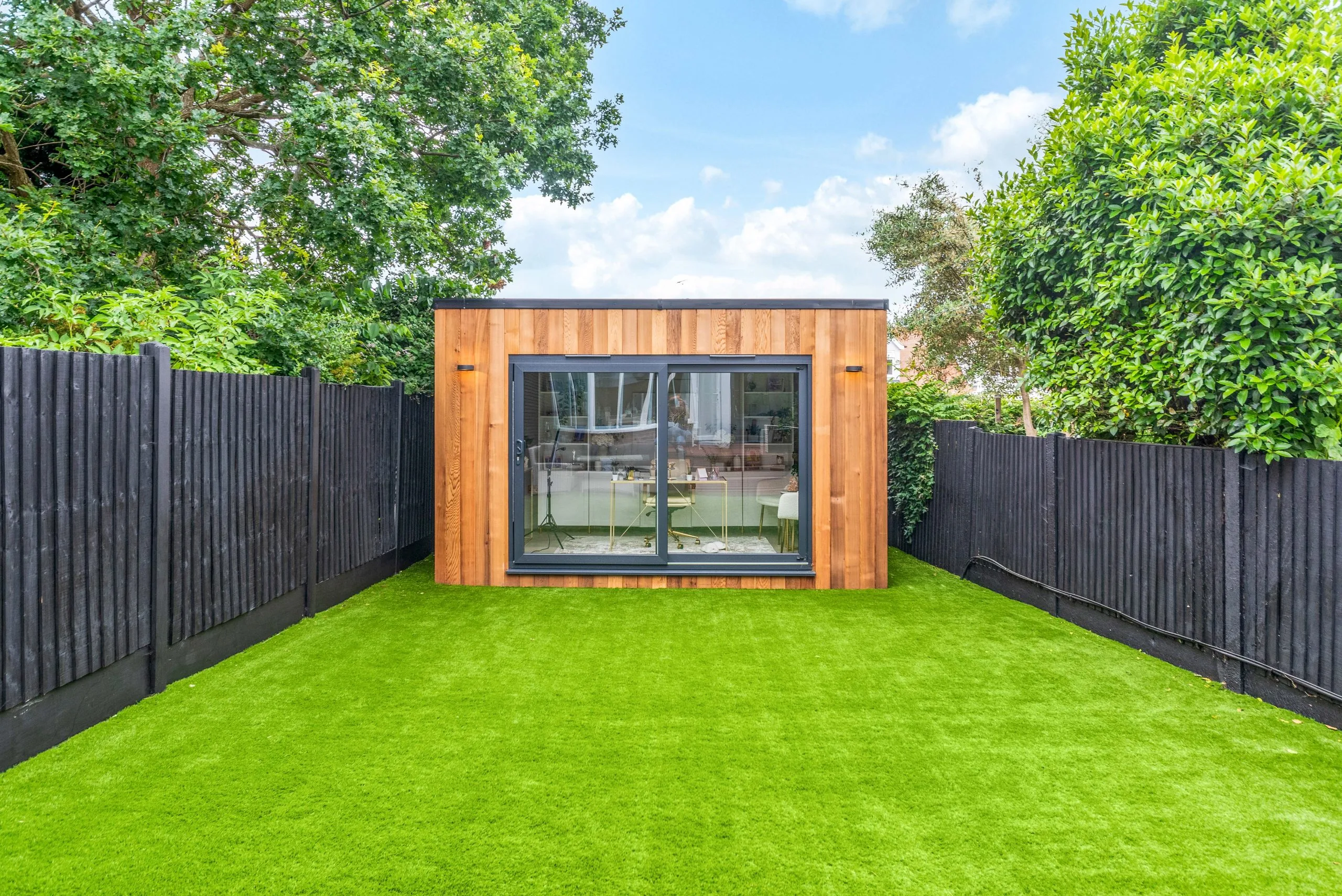
A photography studio usually needs more electrical planning than a typical garden room. Cameras, chargers, monitors, computers, printers, lights, hard drives, speakers, heaters, dehumidifiers and refreshment appliances can quickly fill every available socket. Planning generously at the design stage is much better than relying on extension leads later.
Useful considerations include:
For commercial photographers, reliable connectivity is particularly important. Uploading galleries, sending proofs, backing up RAW files and running online consultations all depend on a stable connection. A bespoke garden room can be planned with data requirements in mind, so the studio supports the business rather than slowing it down.
A studio has to be comfortable for clients, models and the photographer. It also needs to be suitable for equipment, props, printed products and electronic storage. A cold, damp or overheated space can be uncomfortable and potentially unsuitable for valuable kit.
Hawksbeck garden rooms are designed as high-quality, year-round spaces, making them well suited to professional use. For a photography studio, comfort planning may include:
Continuous lighting, computers and multiple people in one room can raise the temperature quickly, so ventilation and cooling are worth discussing early. This is especially true for photographers filming video content, running workshops or doing longer commercial sessions.
Photography equipment has a way of spreading. A few light stands become a corner full of tripods, clamps, reflectors, modifiers, rolls of paper, props, stools, fabric, packaging, cables, batteries and bags. One of the biggest benefits of a bespoke studio is the ability to design storage that suits your kit.
The aim is not simply to hide everything away. It is to make the studio faster to use. When your equipment has an obvious home, setup time reduces, pack-down is easier and the room still looks professional when a client arrives.
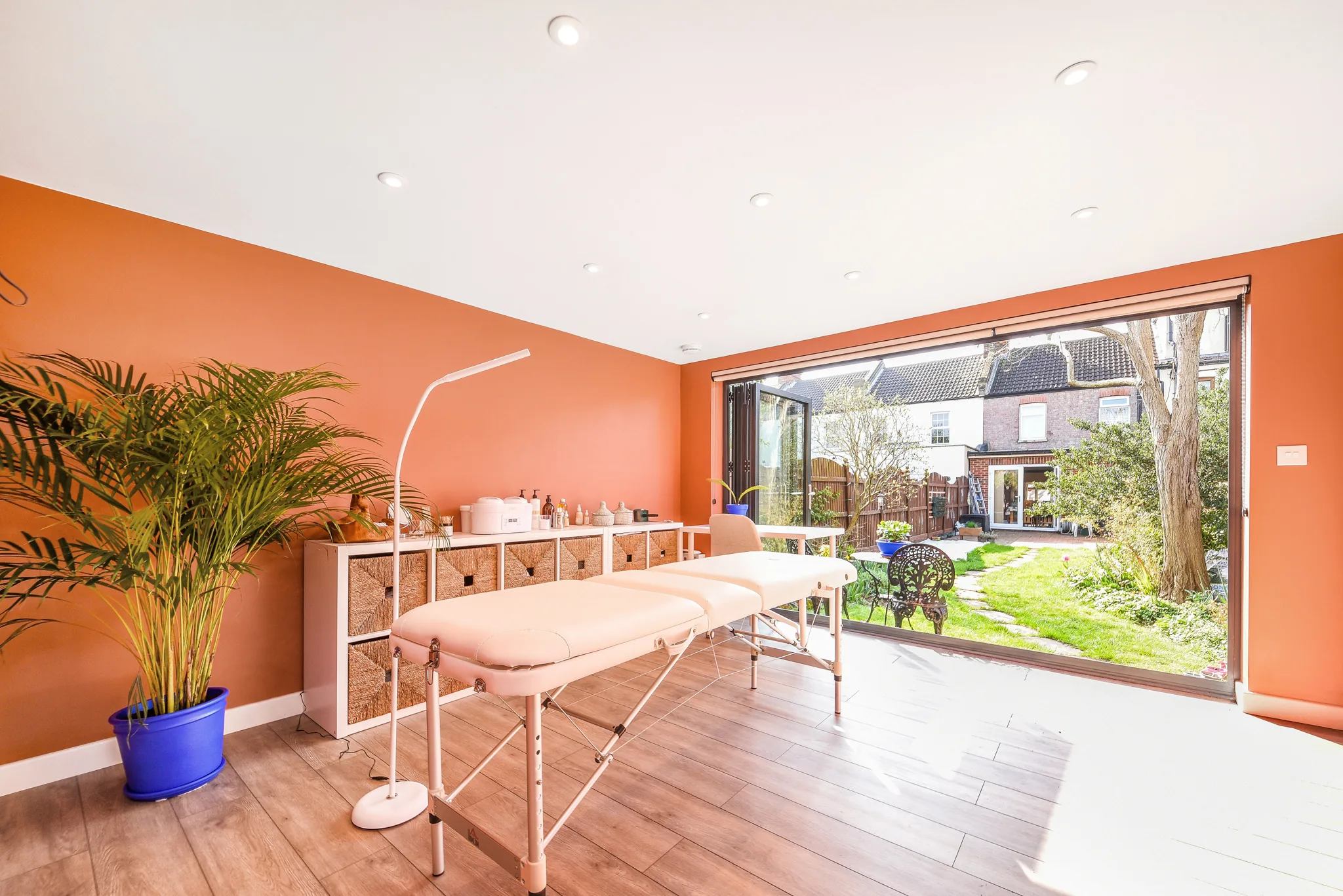
A photography studio is also part of your brand. If clients visit you, the room should reassure them that they are in the right place. That does not mean it has to look like a commercial high street studio. In fact, many photographers prefer a warmer, more personal environment that still feels polished and considered.
Interior choices can be tailored around the type of photography you offer:
Flooring is also worth considering carefully. It needs to look good, photograph well if it appears in shot, and withstand regular movement of stands, stools, tables and props. A finish that is too glossy may reflect light in ways you do not want. A very delicate finish may not suit heavy studio use. The right choice should balance appearance with day-to-day practicality.
Professional photography equipment is valuable, compact and often essential to your income. Security should therefore be part of the conversation when planning a garden photography studio.
Depending on the project and your requirements, you may want to discuss:
Security is not only about preventing theft. It also helps the studio feel more professional and gives peace of mind when expensive equipment is stored away from the main house.
For portrait, family, fashion, maternity or personal branding work, a changing area can make sessions much smoother. This might be a small screened section, a curtained recess, a separate internal zone or a compact area with a mirror, hooks and a clothes rail.
Some clients also ask whether a WC can be included. This depends on the project, location, services and budget, but it can be discussed as part of a bespoke design. For photographers who regularly welcome clients, run workshops or carry out longer shoots, having facilities close to the studio can improve the experience significantly.
Even where a WC is not included, the layout can still be planned around client comfort: a welcoming entrance, good lighting, seating, coat hooks, discreet storage and an easy route from the house or driveway.
Many garden rooms can be built within permitted development rights, but this depends on the size, height, position, property type, location and intended use. If the studio will be used for business with visiting clients, noise, parking or frequent appointments, it is especially important to take proper advice before assuming permitted development applies.
Considerations may include:
Hawksbeck can talk through these practicalities during the design process and help you understand what may be needed for your specific site and intended use. The earlier these points are considered, the easier it is to design a studio that is both beautiful and appropriate.
The cost of a garden photography studio depends on size, specification, access, groundworks, glazing, internal finish, electrical requirements, heating, storage, plumbing, security and the level of bespoke detail required. A simple creative workspace will cost less than a large professional studio with extensive glazing control, integrated cabinetry, client facilities and specialist finishes.
As a broad guide, Hawksbeck’s published range pricing provides useful starting points, with premium garden rooms commonly beginning in the mid-to-upper tens of thousands and larger, higher-specification bespoke studios often moving into higher budgets. For a photography studio, many clients should expect the overall investment to vary significantly depending on whether the room is designed as a compact home studio, a dual studio and office, or a more comprehensive client-facing creative building.
Typical factors that can affect the price include:
The best way to approach pricing is to start with the way you want the studio to work. A photography studio is a business asset as well as a home improvement, so the right design can save time, improve client experience and support better-quality work for years to come.
Send us the numbers and the way a typical session runs, and we will work out the depth, glazing and socket plan your studio needs.
Before committing to a design, it helps to think through a typical shoot from beginning to end. This often reveals small details that make a big difference once the studio is in daily use.
Where will clients park? How will they walk to the studio? Is the entrance visible, well lit and easy to access in bad weather? A premium garden studio should feel welcoming before the client even steps inside.
Where do camera bags go? Can you open cases without blocking the shooting area? Are light stands stored close to where they are used? Are cables easy to reach but not visible to clients?
Can you move between portrait, product and content setups without completely resetting the room? Are sockets in useful locations? Is the ceiling high enough for your modifiers? Can you control daylight quickly?
If you show clients images during or after a session, where will they sit? Will you use a monitor, wall-mounted screen or printed samples? Is the review space lit in a way that feels comfortable but does not interfere with the shoot?
After the session, can everything go back into storage quickly? The easier pack-down is, the more likely the studio is to remain calm, tidy and ready for the next booking.
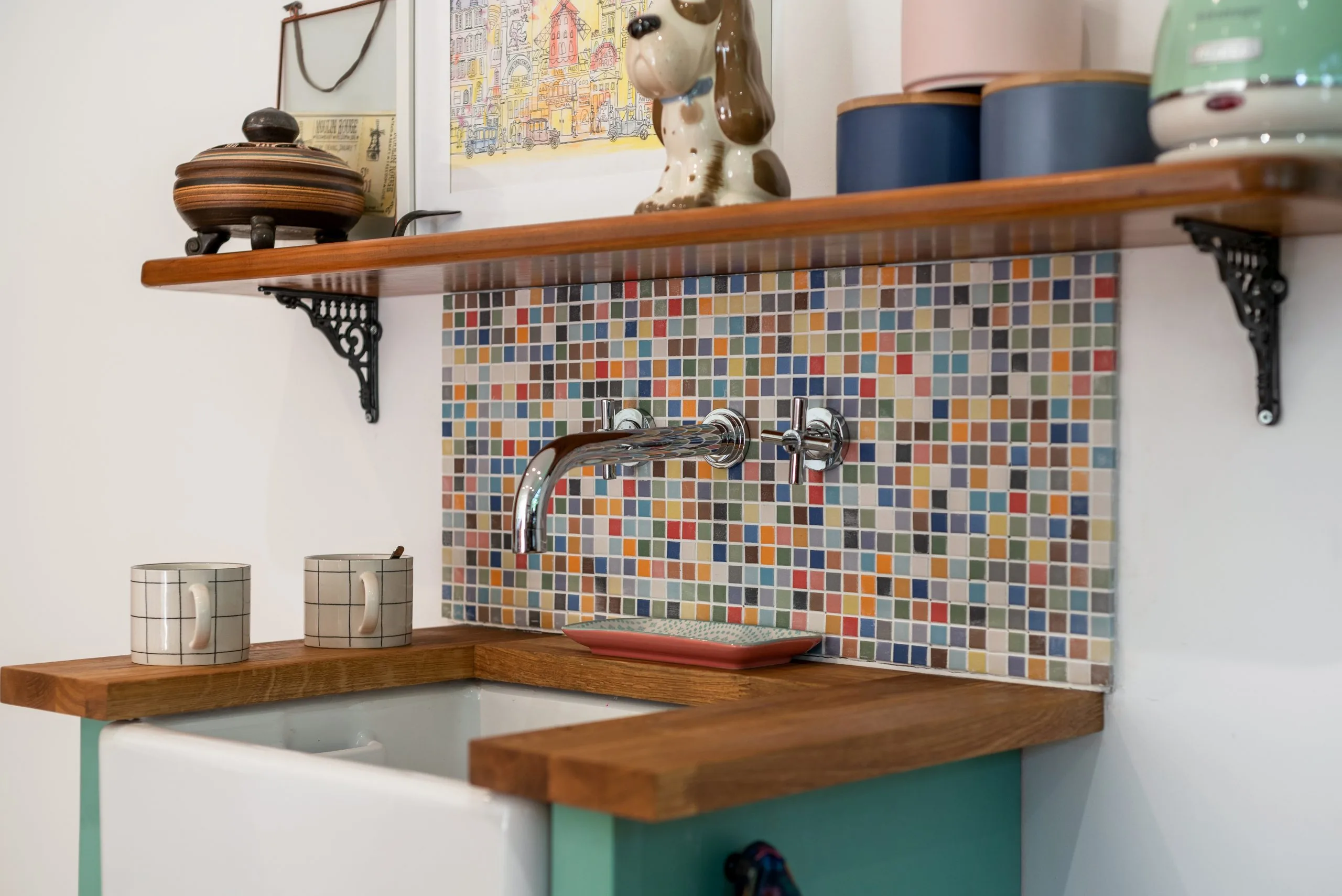
A portrait studio needs enough depth for flattering focal lengths, a controlled backdrop area, reliable lighting and a clean client experience. Consider neutral wall colours, blackout control, a compact styling area and comfortable seating for consultations.
Product photographers usually benefit from worktops, tables, shelving, prop storage and strong task lighting. You may want a clean white shooting zone, flexible surfaces, nearby charging points and plenty of space for packaging and samples.
Comfort and warmth are especially important. Storage for blankets, baskets, soft props and outfits should be easy to access but hidden when not in use. Soft finishes, gentle lighting and a relaxed seating area can help clients feel comfortable.
This type of studio can benefit from multiple “sets” or lifestyle corners: a desk scene, a relaxed seating area, a clean backdrop wall and a more editorial section. With a bespoke layout, these can be planned so the space feels cohesive rather than cluttered.
If you also film content, consider acoustics, lighting control, background variety, camera mounting positions, cable management and space for tripods. You may also want a dedicated storage area for microphones, stands, teleprompters and video lights.
A photography studio has more demands than a standard garden room. It needs to look good, feel comfortable, work technically and support a professional creative workflow. Hawksbeck’s bespoke approach is well suited to this because the building is designed around the customer, not selected from a one-size-fits-all template.
That means your studio can be planned around the practical details that matter most to you: the direction of light, the amount of glazing, the location of sockets, the position of storage, the depth of the shooting area, the feel of the client zone and the finish of the exterior in your garden.
Whether you need a quiet editing studio, a compact portrait room, a full creative workspace or a premium client-facing photography studio, a bespoke Hawksbeck garden room can be designed to support the way you work now and give you room to develop your business in the future.
Flash or daylight, headshots or product tables, we will shape the glazing, power and storage around your kit before a single wall goes up.
Yes, provided it is designed properly. A photography studio garden room should consider light control, insulation, power, ventilation, storage, security and enough working space for your chosen style of photography. A bespoke design is often the best option because photographers have very specific practical requirements.
Yes. The key is planning the electrical layout, working distances, ceiling height and blackout control. Sockets should be positioned where lights are likely to be used, and the room should allow safe movement around stands and cables.
It depends on whether you shoot headshots, seated portraits, full-length work, families or branding sessions. More depth gives greater flexibility, especially if you prefer longer lenses or larger backdrops. During the design stage, it helps to map out your typical camera-to-subject and subject-to-background distances.
A high-quality garden room can be designed for year-round use with suitable insulation, heating, ventilation and finishes. This is particularly important for client comfort and for protecting cameras, lenses, backdrops, prints and electronic equipment.
Yes. Bespoke storage is one of the major advantages of a purpose-built studio. Tall cupboards, lockable cabinets, backdrop storage, charging drawers and shelving can all be incorporated into the design.
Many photographers design their garden studio with client visits in mind, but business use should be considered carefully in relation to planning, parking, access, neighbours and insurance. It is sensible to discuss your intended use early so the design and practical requirements are properly considered.
These case studies show how bespoke garden buildings can be shaped around creative, studio and work-focused uses, with premium finishes and layouts tailored to the client’s needs.
A refined creative garden studio showing how a bespoke building can provide a calm, practical and inspiring space for focused work, making and creative projects at home.
View project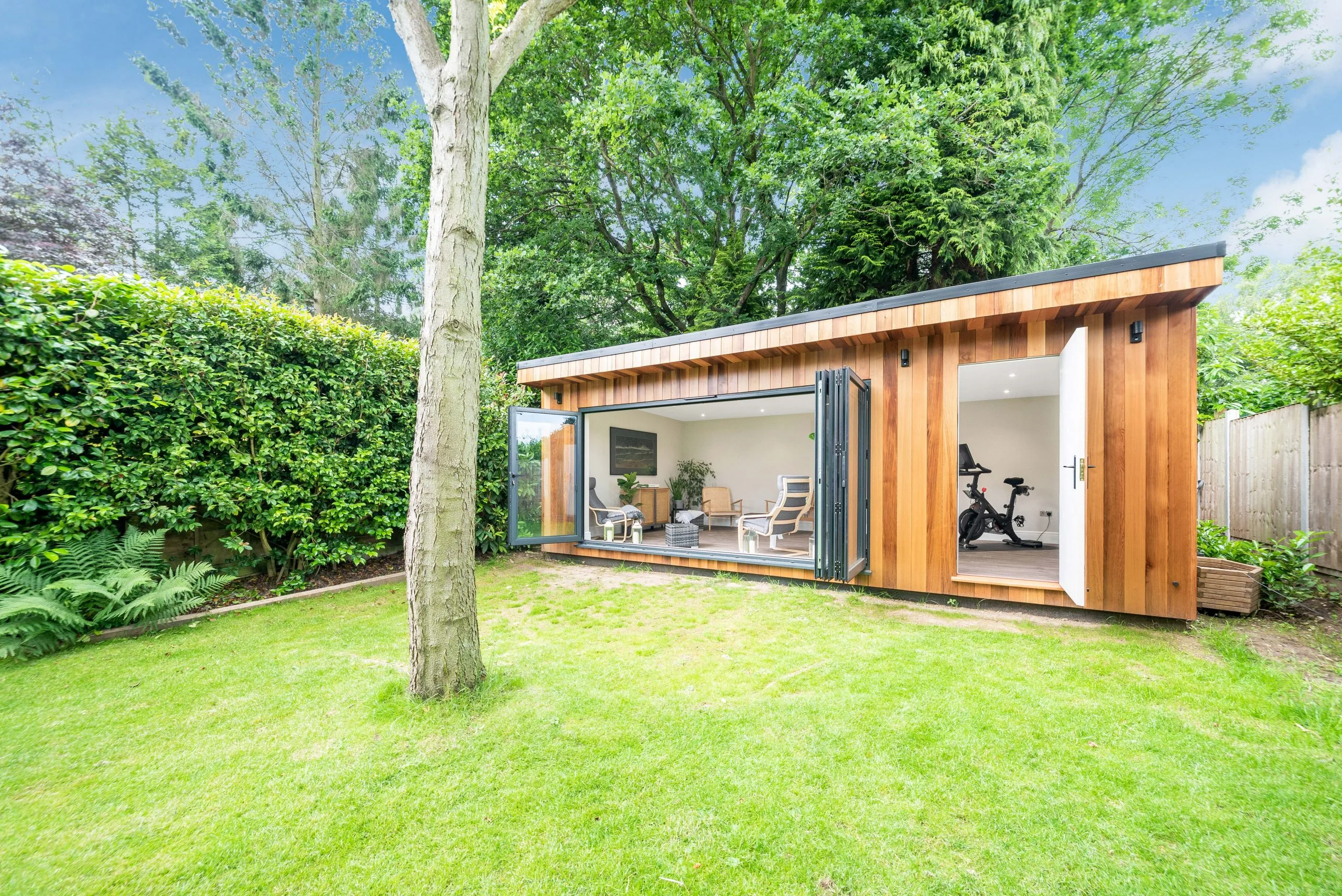
This studio office project highlights the flexibility of a purpose-designed garden building, with a high-quality finish and a layout suited to productive professional use.
View project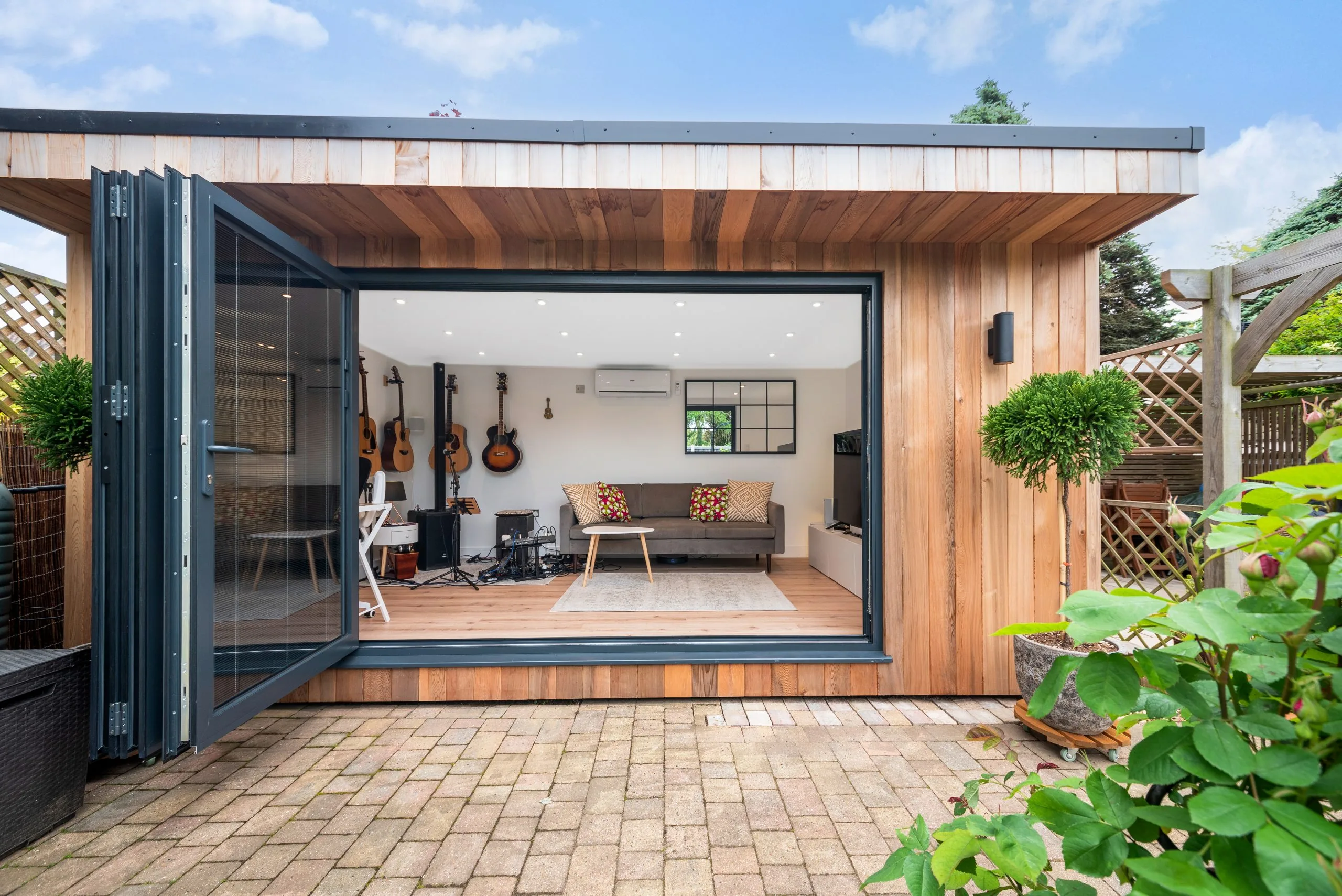
A premium garden room office and studio demonstrating how bespoke design can create a comfortable, polished and highly usable space for work, creativity and client-ready presentation.
View project