
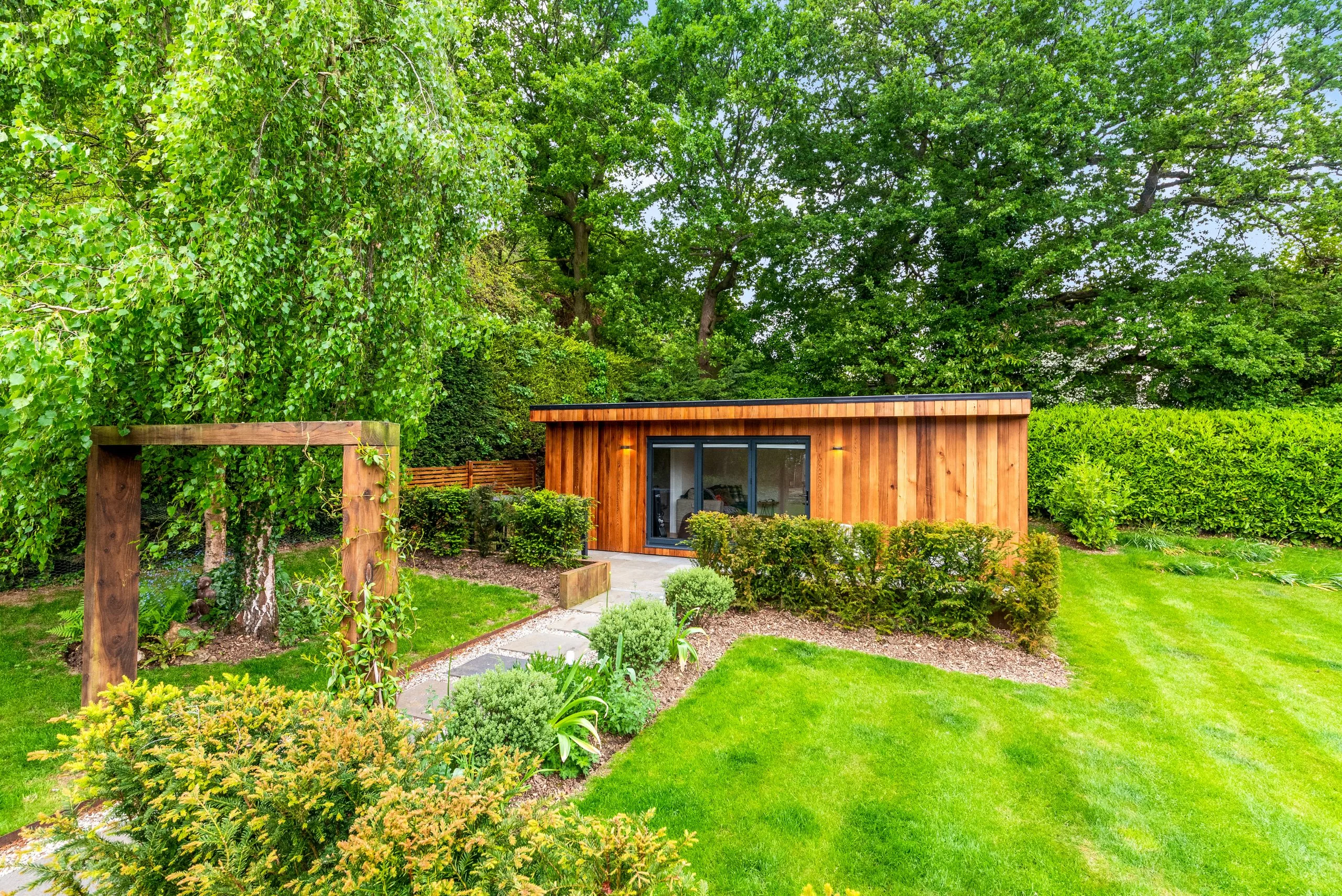
Luxury Garden Studio Room
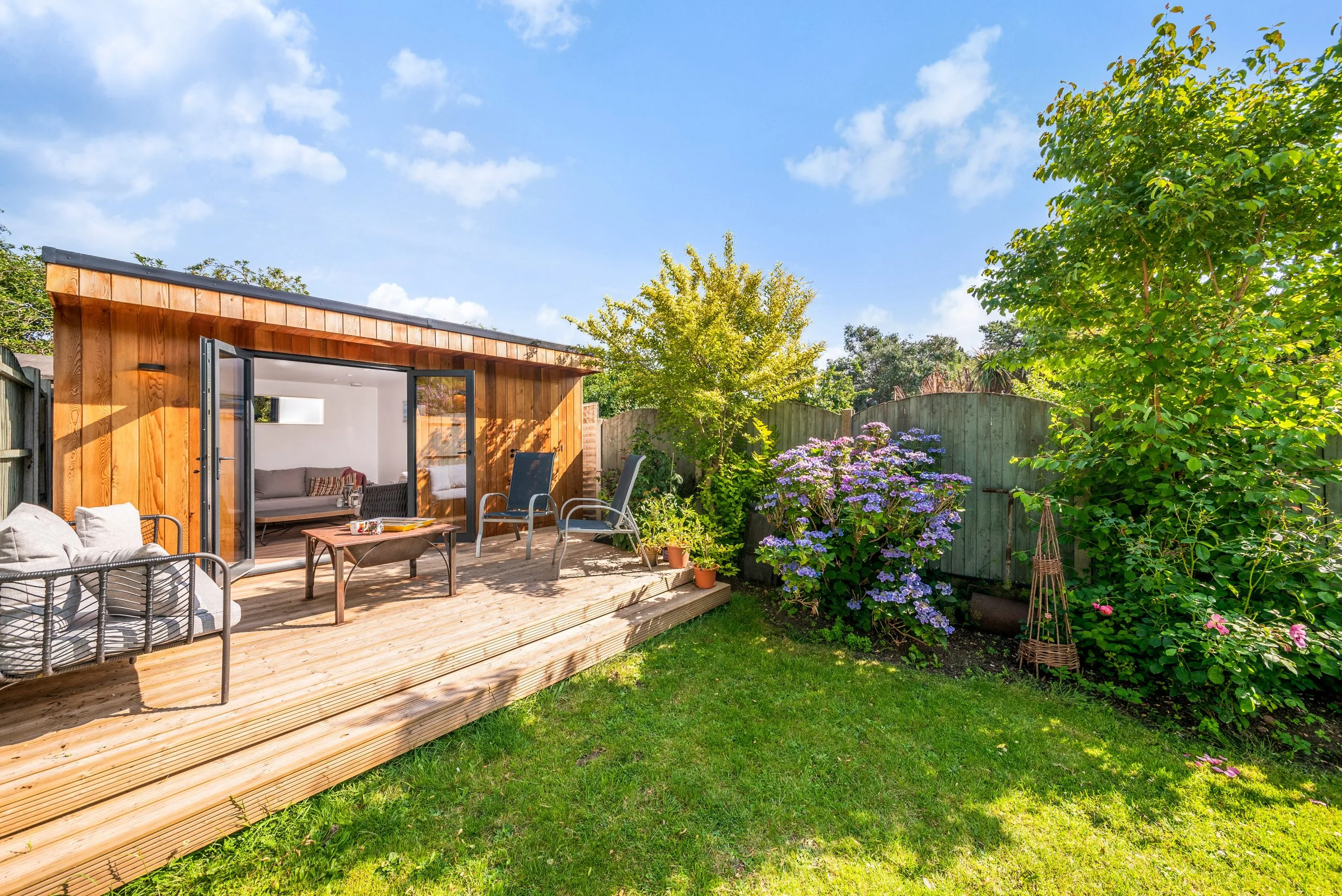
A refined bespoke garden studio showing how high-quality finishes, generous glazing and a carefully considered layout can create a private space for creative work, hobbies and relaxation.
View project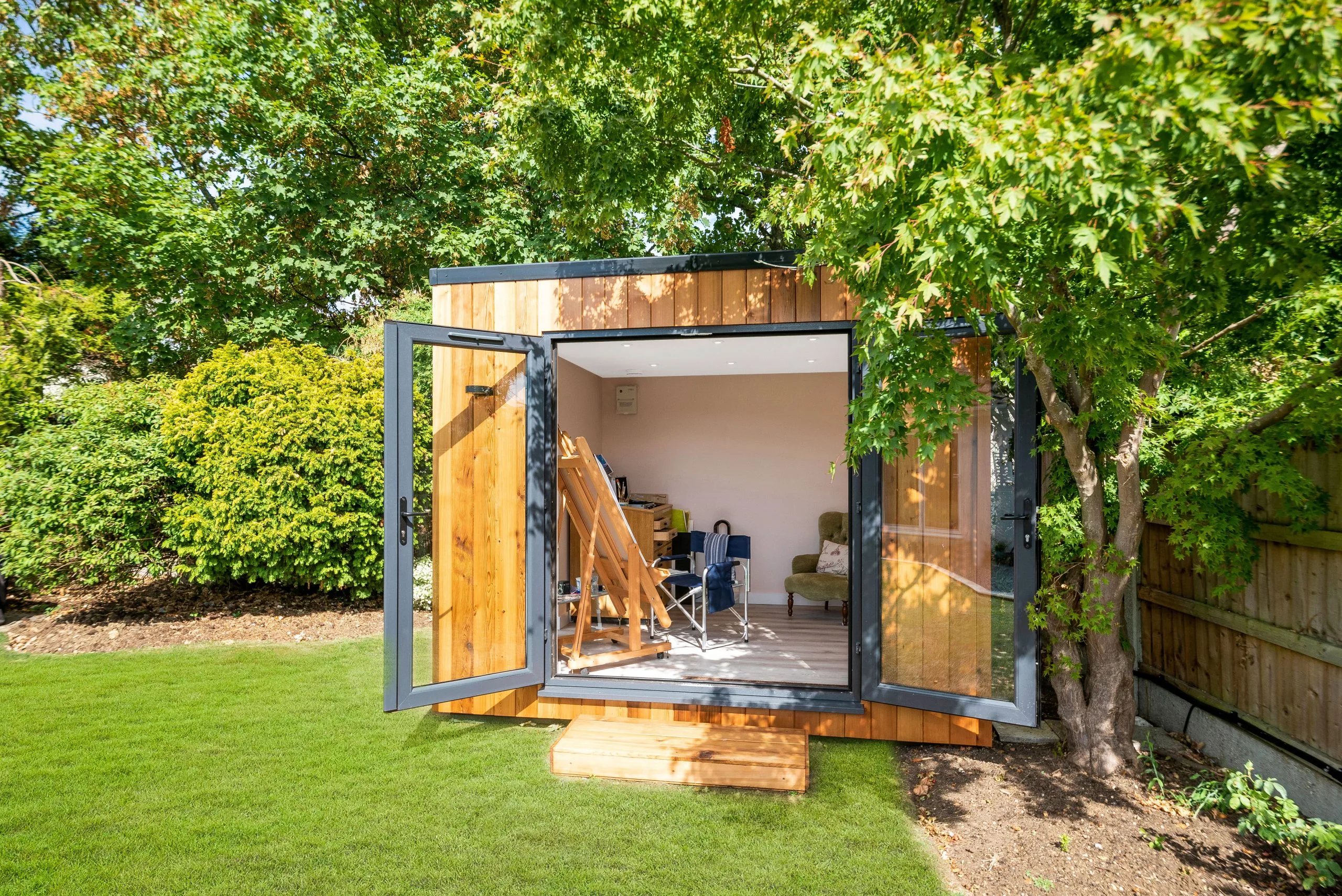
A pottery studio works best when it feels calm enough for creative work, but tough enough to cope with clay, water, tools, shelving, glaze testing and heat.
A spare room in the house rarely gives you that combination. A garage is often cold, dark and awkward. A purpose-designed garden pottery studio can be planned around the way you actually make: where you wedge clay, where greenware dries, where glazes are stored, where the kiln sits, how you clean down, and how natural light falls across the bench.
For makers, artists, tutors and serious hobbyists, a bespoke Hawksbeck garden room can become a dedicated ceramics space with the comfort of a premium studio and the practical detailing of a working room. Instead of trying to adapt a standard outbuilding, the layout, services, finishes and specification can be designed specifically for pottery, ceramics, sculpture and mixed-media craft.
Good pottery studio design is not simply a table in a nice garden building. Clay work has a rhythm: preparing, throwing or hand-building, drying, trimming, bisque firing, glazing, glaze firing, storing and packaging. If those stages have not been considered, the room can quickly become cluttered or frustrating.
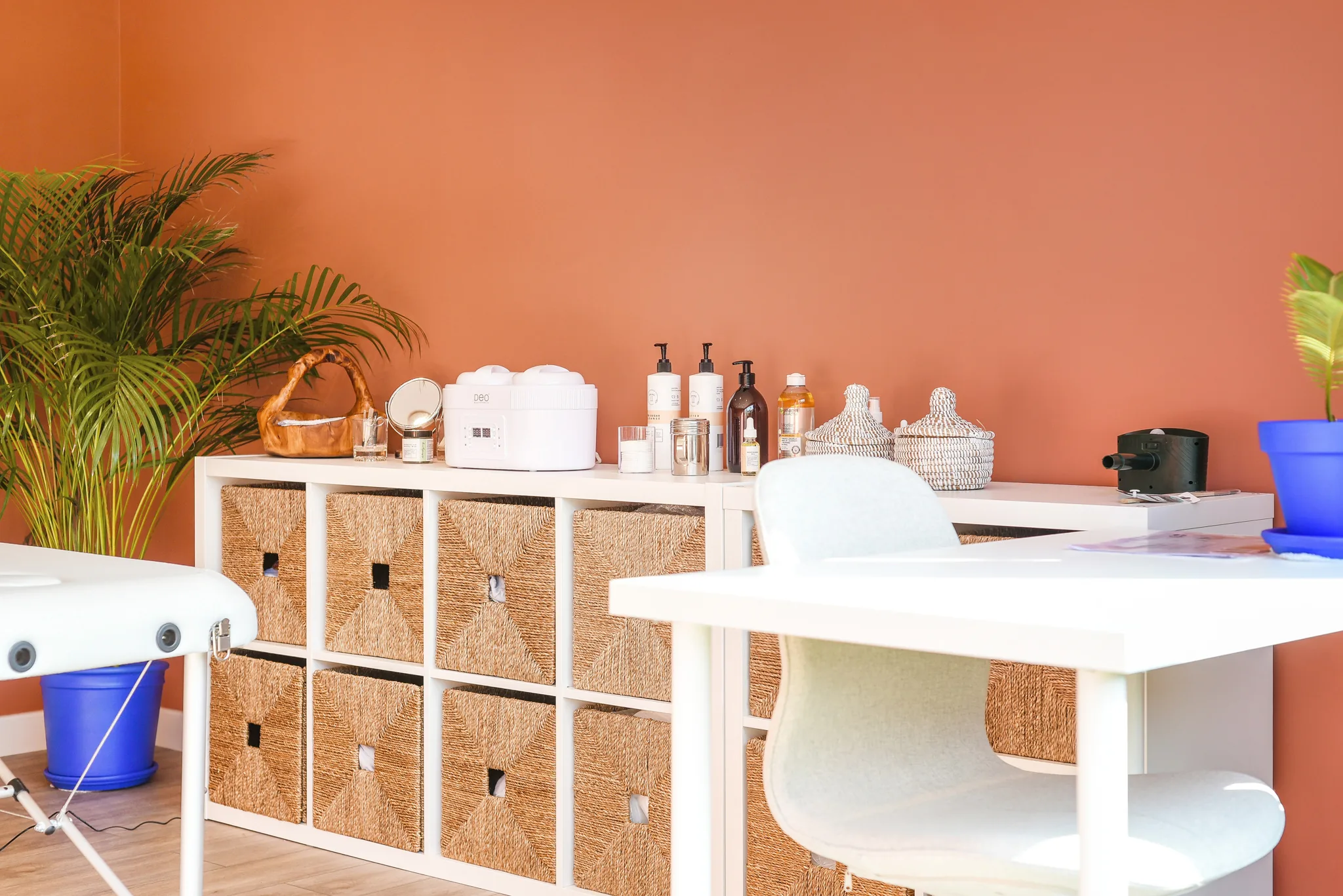
With a bespoke garden room, the internal arrangement can be planned to support the way you work. A compact studio might prioritise one generous workbench, a sink, open shelving and a small kiln zone. A larger building could include a throwing area, separate glazing bench, drying racks, tall storage, a photography corner, teaching space or a quiet desk for admin and online sales.
If you are still comparing possible uses for a garden building, our main garden room ideas guide includes a wide range of practical and creative ways to use a bespoke garden room.
View Our Full RangeThe best specification depends on the type of ceramics you create, how often you use the room and whether it is purely personal or partly commercial. These are the details that usually make the biggest difference.
Pottery work is physical. You need surfaces that feel solid under pressure when wedging clay, rolling slabs or assembling larger pieces. A bespoke studio can include fixed workbenches at the right height for you, with space beneath for clay boxes, tools, stools or mobile storage.
For throwing, the layout should allow comfortable space around the wheel, easy access to water and enough room to lift work away without knocking into shelves or furniture. If you hand-build, sculpt or teach, a longer central bench or wall-mounted bench may be more useful than a domestic-style desk arrangement.
A sink is one of the most important features in a ceramics studio, but it needs to be considered carefully. Clay should not simply be washed down a standard drain without thought, as it can settle and cause blockages. Many ceramicists use a clay trap or sediment system to help manage wastewater more responsibly.
A Hawksbeck garden room can be designed with provision for plumbing, a practical sink position and space for the kind of clay management system you prefer. The sink area can also be finished with wipe-clean, hardwearing materials so that regular clean-downs are quick and straightforward.
Ceramics can be messy. You may be dealing with clay splashes, glaze drips, damp sponges, dust, tools and occasional knocks from boards or buckets. The finishes should suit that reality.
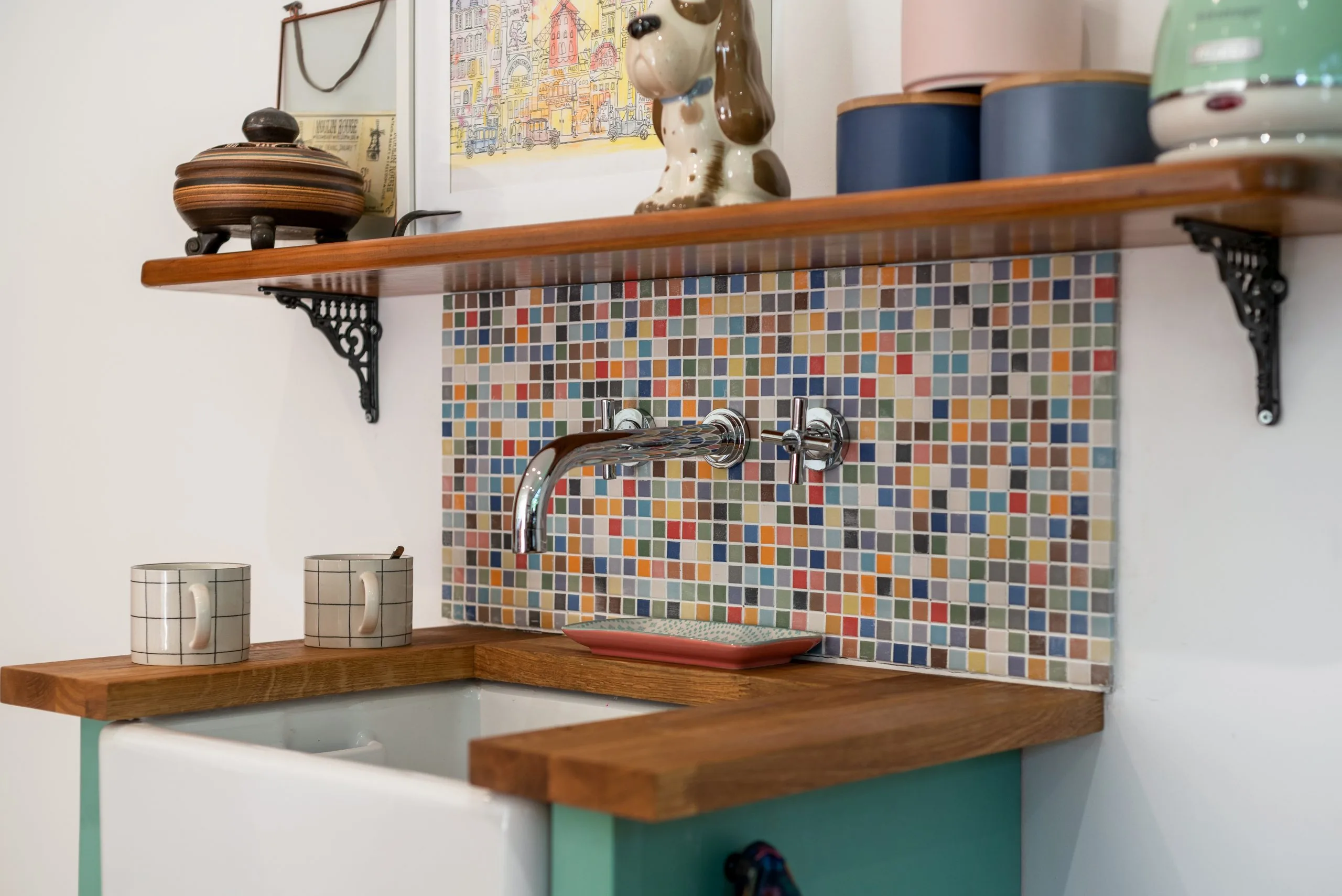
For a garden pottery studio, many clients prefer durable flooring that is easy to sweep and mop, rather than delicate finishes that require constant care. Wall finishes can also be selected for long-term practicality, with splashback areas near the sink or glazing bench and robust skirting details where clay and water are likely to gather.
Light changes the whole working experience. Large areas of glazing can make the studio feel inspiring and connected to the garden, while carefully positioned windows can bring daylight onto benches without making the space too hot or bright to use comfortably.
Task lighting is equally important. Throwing, trimming, carving and glazing all benefit from clear, even illumination. A well-designed ceramics room may include a blend of ceiling lighting, directional task lights and specific lighting above benches or display shelving.
Storage is often underestimated. Clay is heavy, glazes need safe organisation, tools multiply quickly, and finished work needs protected space before firing or collection. Bespoke storage can be incorporated into the room from the start, rather than added awkwardly later.
Useful options include:
The kiln is the feature that most clearly separates a ceramics studio from a general craft room. It needs the right electrical provision, sensible positioning, appropriate clearances and consideration of heat, ventilation and safe day-to-day use.
Different kilns have different requirements, so the exact specification should always be discussed early. A small hobby kiln may have very different needs from a larger kiln used for regular production. A bespoke garden building can be designed with provision for the relevant kiln requirements, including the electrical route, location, ventilation strategy and internal layout.
Important kiln considerations include:
For anyone considering a serious home ceramics setup, it is wise to choose the kiln early or at least know the likely size and power requirements. That information helps shape the building specification and prevents expensive changes later.
Clay dust is a genuine studio consideration. A pottery room should be easy to clean and designed to reduce awkward dust traps wherever possible. Smooth, practical surfaces, sensible storage and a mop-friendly floor all help keep the environment healthier and easier to maintain.
Ventilation also matters, particularly if you are glazing, using certain materials or firing in the studio. The right approach will depend on your equipment, materials and working habits, but it should be discussed at the design stage rather than treated as an afterthought.
The brochure is a good place to weigh up glazing, finishes and room sizes before you decide where the clay, glaze and firing zones should sit.
A cold shed can make pottery feel like a chore.
A well-insulated garden room gives you a far more comfortable working environment throughout the year, helping clay behave more consistently and making longer making sessions much more enjoyable.
Heating, insulation, ventilation and glazing all affect how usable the studio feels in winter and summer. If you plan to work early in the morning, late at night or for long weekend sessions, year-round comfort is not a luxury detail; it is central to how much you will actually use the space.
Because Hawksbeck garden rooms are bespoke, there is no need to force your studio into a standard template. The following layouts are examples of how different makers might use the space.
A compact studio can work beautifully for a hobby potter who wants to move clay work out of the house and into a dedicated, tidy, inspiring space. This layout might include a throwing wheel, one main workbench, sink, clay storage, small shelving area and provision for a compact kiln if required.
This type of building suits people who make regularly but do not need large teaching areas or extensive stock storage. The key is to avoid overfilling the room. A calm, practical layout with a few well-chosen features will often be more enjoyable than trying to fit in everything at once.
For an artist producing work for exhibitions, commissions or online sales, the studio may need more defined zones. One wall could be dedicated to shelving and drying racks, with a separate glaze bench, photography area and packing station. Generous natural light can help with surface detail and colour work, while robust storage keeps materials organised.
If you plan to teach one-to-one sessions or small classes, circulation becomes more important. Students need space to sit, stand, move around a bench and access tools without crowding the kiln or sink area. You may also want an entrance area for coats and bags, a display wall, extra ventilation and more generous WC or refreshment arrangements depending on how the studio will be used.
Some clients want a pottery studio that feels closer to a private retreat: a beautiful garden building where making, thinking and relaxing all happen in one place. This might include a ceramics zone, comfortable seating, library shelving, music, premium finishes and large glazed doors opening onto a terrace. The practical specification still matters, but the atmosphere is softer and more immersive.
Pottery studios can require more electrical planning than many other garden room uses. Alongside lighting and everyday sockets, you may need power for a wheel, slab roller, pugmill, extractor, heated drying cabinet, photography lighting, computer, printer, small tools and a kiln.
Having enough sockets in the right places is essential. Extension leads trailing across a clay studio are inconvenient and can become a hazard. A bespoke design allows socket positions, lighting circuits and specialist electrical allowances to be thought through from the beginning.
If you already know your kiln model, wheel type or other core equipment, those details can be factored into the design conversation. If you are still deciding, the studio can be planned with flexibility, making it easier to upgrade your equipment later.
A pottery garden room needs to work beyond the day it is completed. Clay deliveries, kiln delivery, glaze materials, finished pieces, packaging and occasional large tools all need a practical route into the building. Door width, path access, step-free entry and the distance from the house can all affect how easy the studio is to use.
For many ceramicists, wide doors or double doors are valuable. They help with moving furniture, receiving materials, carrying boards of work and opening the studio to the garden in warmer weather. A small covered entrance or canopy can also be useful when transferring work between house, car and studio.
Yes, a garden pottery studio can be designed with plumbing and drainage where suitable. This needs to be assessed as part of the project because the position of the building, distance from existing services, ground conditions and intended use will all influence the best approach.
For ceramics, the sink setup should be more carefully considered than in a typical office or hobby room. Clay sediment, cleaning routines and water usage all need to be planned sensibly. If you want a sink, handwashing point or more extensive facilities, raise this early so the layout and service routes can be designed accordingly.
Many garden rooms can fall within permitted development rights, but this depends on factors such as size, height, position, location and intended use. A pottery studio used privately as a hobby space may be treated differently from a building used for regular teaching, retail or business activity.
If you plan to run classes, welcome customers, operate commercially or fire a kiln regularly, it is sensible to discuss the details before making assumptions. Planning requirements can vary, especially for listed properties, conservation areas or homes with restricted permitted development rights.
Pricing depends heavily on size, specification, services and how specialist the studio needs to be. A simple creative garden room without plumbing or kiln provision will usually cost less than a fully equipped ceramics studio with upgraded electrics, sink, durable finishes, extensive storage and a carefully planned kiln area.
As a broad guide, a premium Hawksbeck garden room suitable for a compact creative studio may start from the low-to-mid £30,000s, depending on the size and specification selected from the range. A more developed pottery studio with plumbing, enhanced electrical planning, hardwearing finishes and bespoke storage might commonly sit around £45,000 to £70,000+. Larger luxury studios, teaching spaces or buildings requiring more complex service connections, landscaping interfaces or high-end internal detailing can exceed this.
These figures are only a guide. Every Hawksbeck building is bespoke, and the final price can change significantly depending on the brief. The most accurate route is to discuss how you want to use the studio, what equipment you already own, whether you need kiln provision, and what level of finish you want inside and out.
Before commissioning a pottery studio, it helps to think through the practical details. You do not need to have every answer, but the following questions will make the design process more productive:
A ceramics studio is a demanding room. It needs beauty, comfort and craftsmanship, but it also needs to cope with water, clay, heat, storage, weight, equipment and regular clean-downs. That is why a bespoke approach is so valuable.
Hawksbeck garden rooms are designed around the client, the property and the intended use of the building. For a pottery or ceramics studio, that means the room can be shaped around your creative process rather than forcing your work into a generic garden office layout.
The result can be a studio that feels like a natural extension of your home and garden, while giving you a dedicated place to make, experiment, fire, display and enjoy your work all year round.
Yes. The building can be designed with provision for the kiln, including the electrical route, location, ventilation strategy and working space for loading and unloading. Knowing the likely kiln size and power requirements early helps avoid expensive changes later.
Clay can settle in a standard drain and cause blockages, so many ceramicists fit a clay trap or sediment system. The sink position and space for that system can be planned into the room from the start.
A teaching studio needs more circulation, ventilation and space around the kiln and sink. Regular classes or business use may be treated differently for planning than a private hobby room, so it is worth discussing before making assumptions.
If you are imagining a quiet place for weekend throwing, a professional ceramics studio, a small teaching space or a luxury creative retreat, the most useful next step is to talk through the details. The more we understand how you work, the more precisely the building can be designed around you.
Think about your equipment, your ideal layout, your storage needs and whether kiln provision is essential from day one. From there, Hawksbeck can help shape a bespoke garden room that is practical, elegant and built for the way you create.
Three creative studios with the light, calm and finish a ceramics room can be built from, ready for the practical layer of sink, shelving and kiln.
A refined bespoke garden studio showing how high-quality finishes, generous glazing and a carefully considered layout can create a private space for creative work, hobbies and relaxation.
View project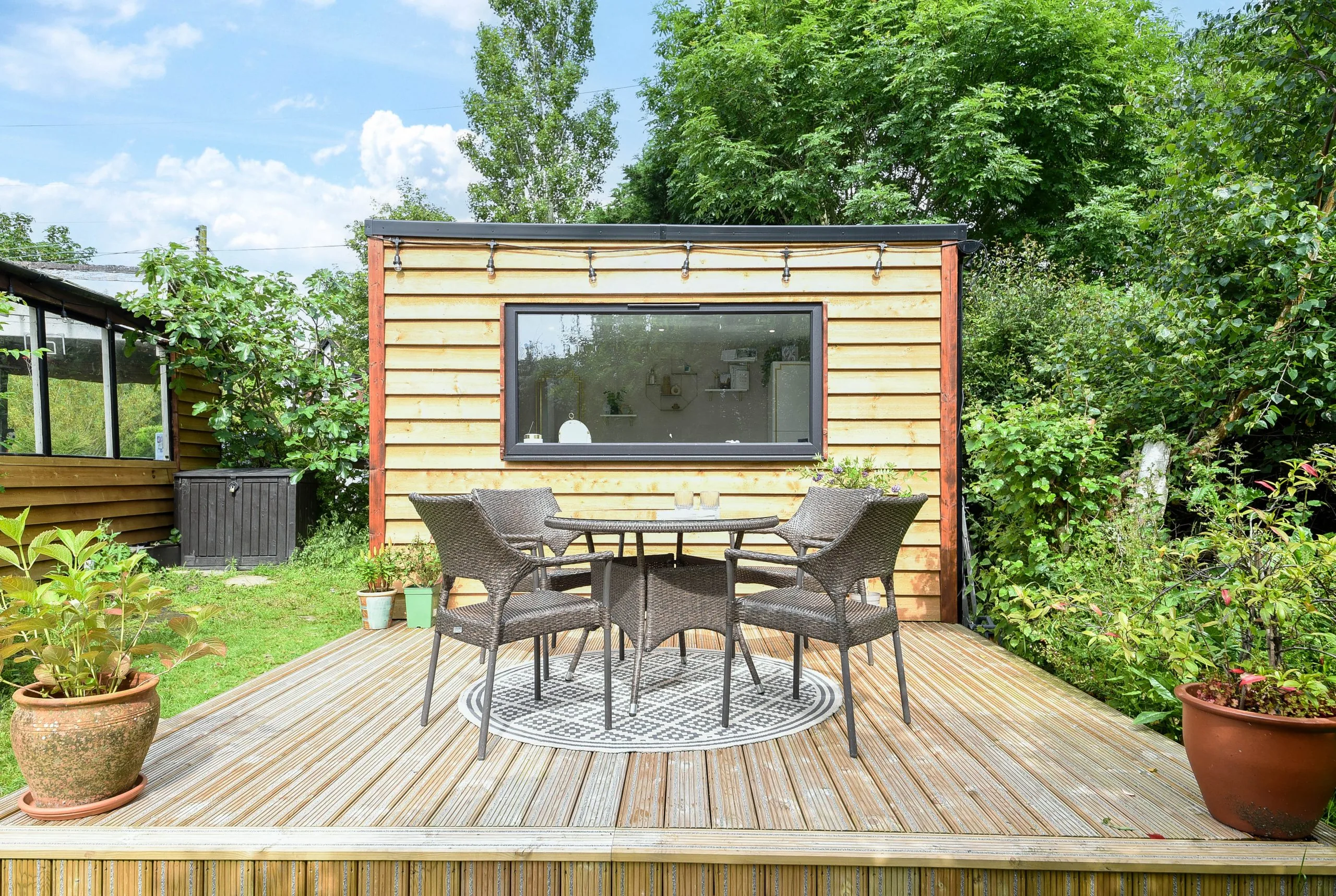
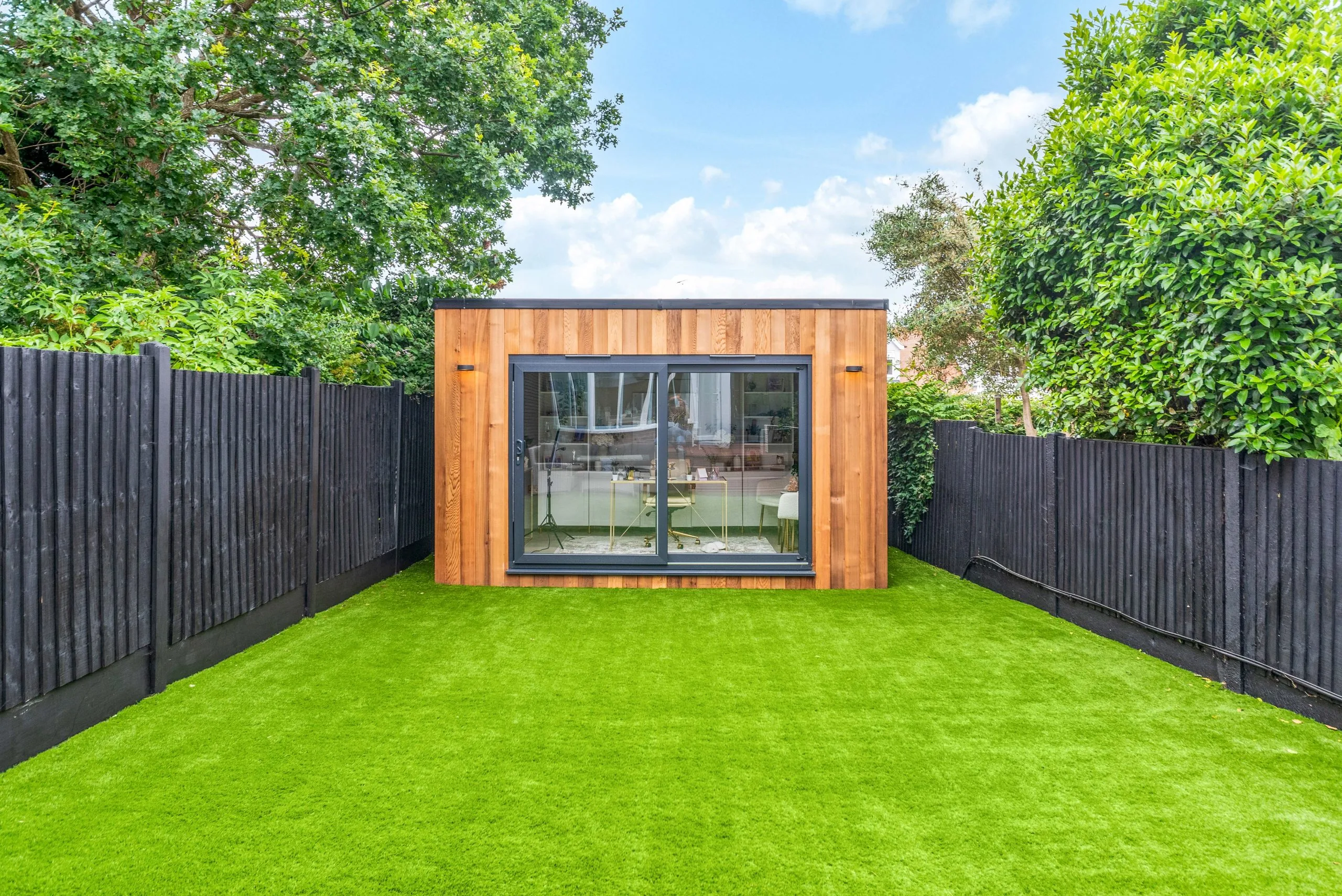
This project highlights the value of a dedicated garden studio for creative focus, with a calm, beautifully finished environment that can be adapted for making, designing and artistic practice.
View project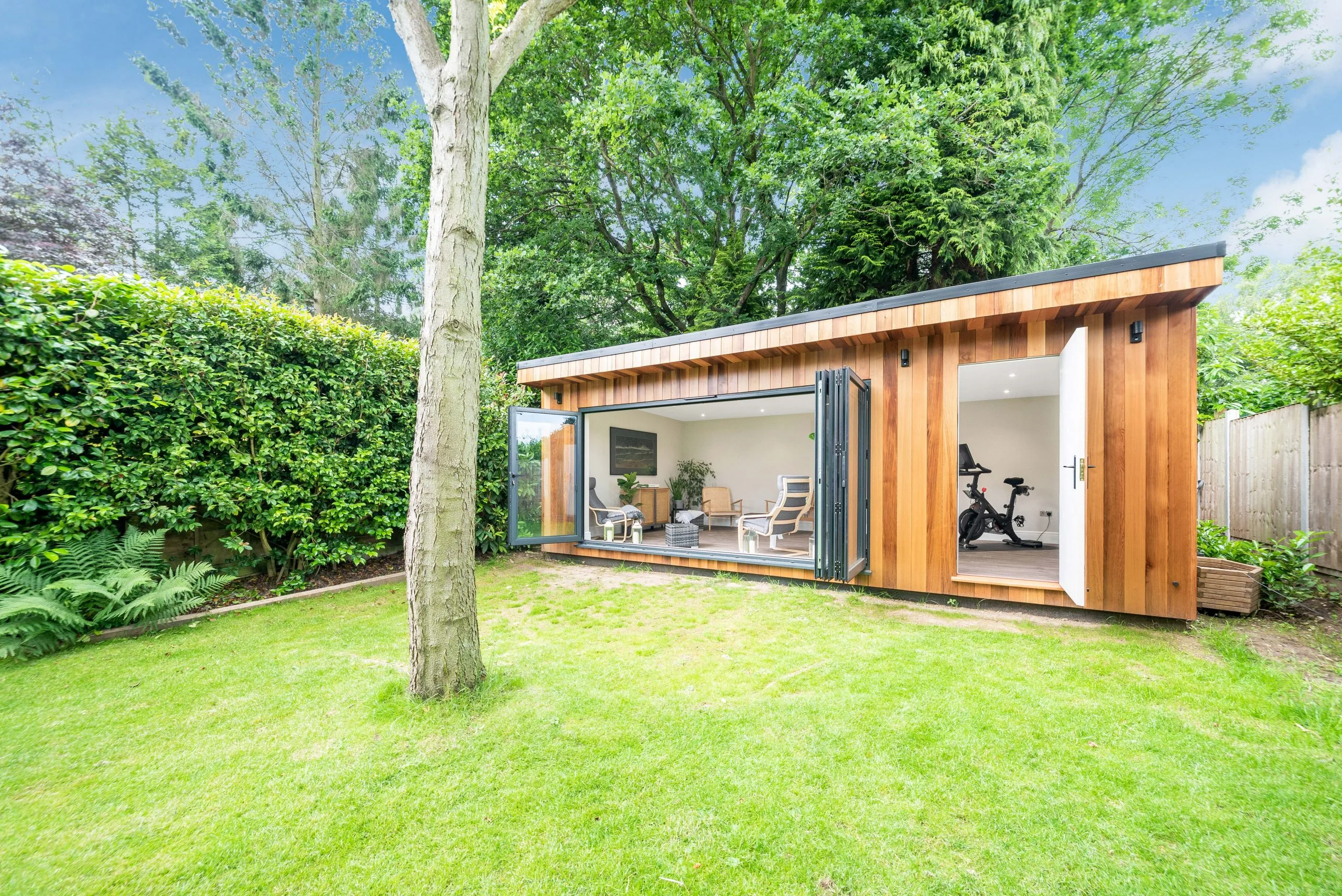
A warm and inviting artist’s studio demonstrating how a bespoke garden room can provide a peaceful, practical and inspiring space for creative work at home.
View project