
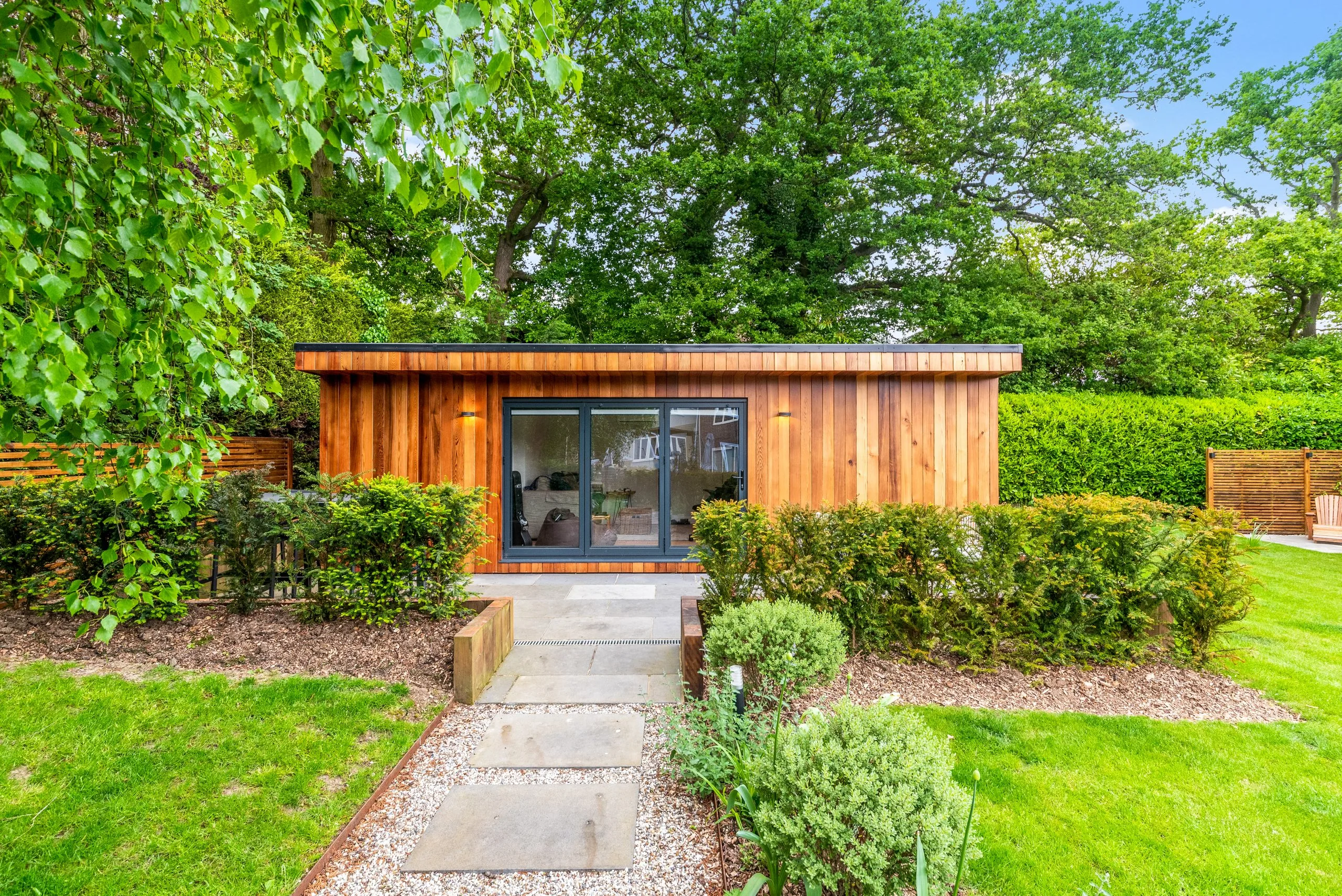
Creative Studio Retreat, Chelmsford
A refined studio space showing how a garden room can become a calm, inspiring setting for creative work, hobbies and quiet time away from the main house.
View project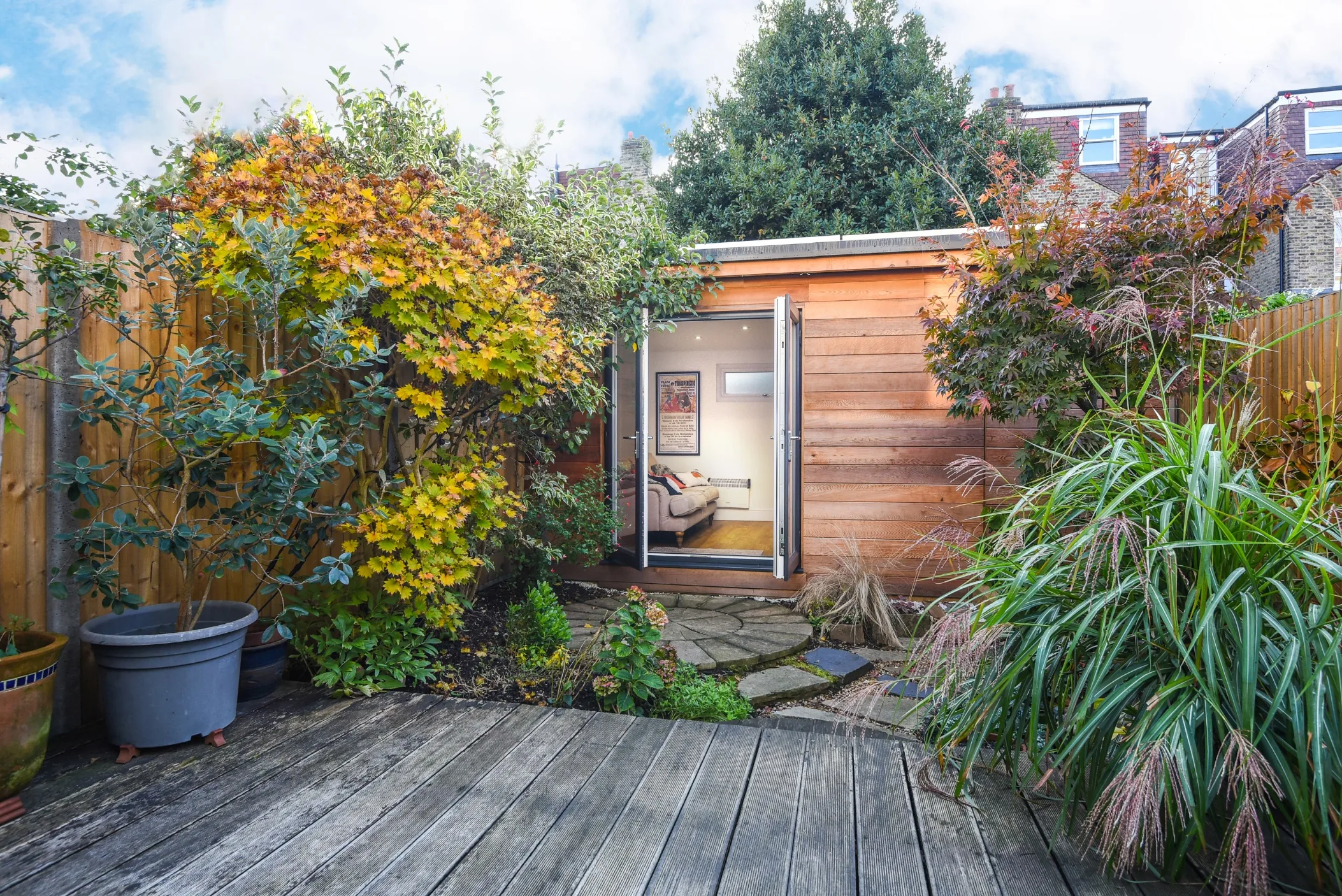
The most useful potting and garden studios are neither ordinary sheds nor overly delicate lounges. They need to handle compost, seed trays, watering cans, tools and damp outerwear, while still offering a calm, beautiful indoor space for planning borders, arranging flowers, reading seed catalogues or enjoying the garden when the weather turns.
That balance is where a bespoke Hawksbeck garden room becomes especially valuable. Instead of trying to make a standard garden building fit your routine, the room can be planned around the way you actually garden: where you enter with muddy hands, how much bench space you need, whether you want a sink, where bulbs and pots should be stored, and how comfortable the seating area should feel in winter.
A refined potting studio might include a practical working zone with durable surfaces, concealed storage and water supply, then a warmer interior area with glazing, heating, lighting and comfortable furniture. It can be a gardener’s workshop, a flower arranging room, a seed starting space, a quiet retreat and a beautiful garden feature all in one.
A potting studio has different demands from a home office, gym or entertainment room. It needs to be elegant, but not precious. Comfortable, but not impractical. The best designs usually consider three distinct areas:
A working area for sowing, potting, pricking out seedlings, preparing cuttings, cleaning tools and arranging flowers.
A storage area for compost, pots, labels, bulbs, seed trays, hand tools, string, fertilisers, watering cans and seasonal garden items.
A retreat area with seating, heating, lighting and views across the garden, so the space remains enjoyable beyond purely practical tasks.
In a bespoke build, these areas do not have to compete with one another. A long potting bench can sit beneath a window for natural light, storage can be made full-height along one wall, and a more refined seating area can be positioned to enjoy the best view back towards the house, borders or wider landscape.
Where the work happensThe potting bench is where the studio earns its keep. For keen gardeners, it should be more than a narrow shelf. It needs enough depth to hold seed trays, compost, hand tools and young plants without everything feeling cramped.
Useful considerations include:
If you grow from seed, take cuttings or propagate plants through the year, the bench can also be designed with task lighting, power sockets, heated propagator space and shelves for seed trays. If your focus is flower arranging, you may prefer a wider preparation surface, a sink close by and storage for vases, buckets, secateurs and floral supplies.
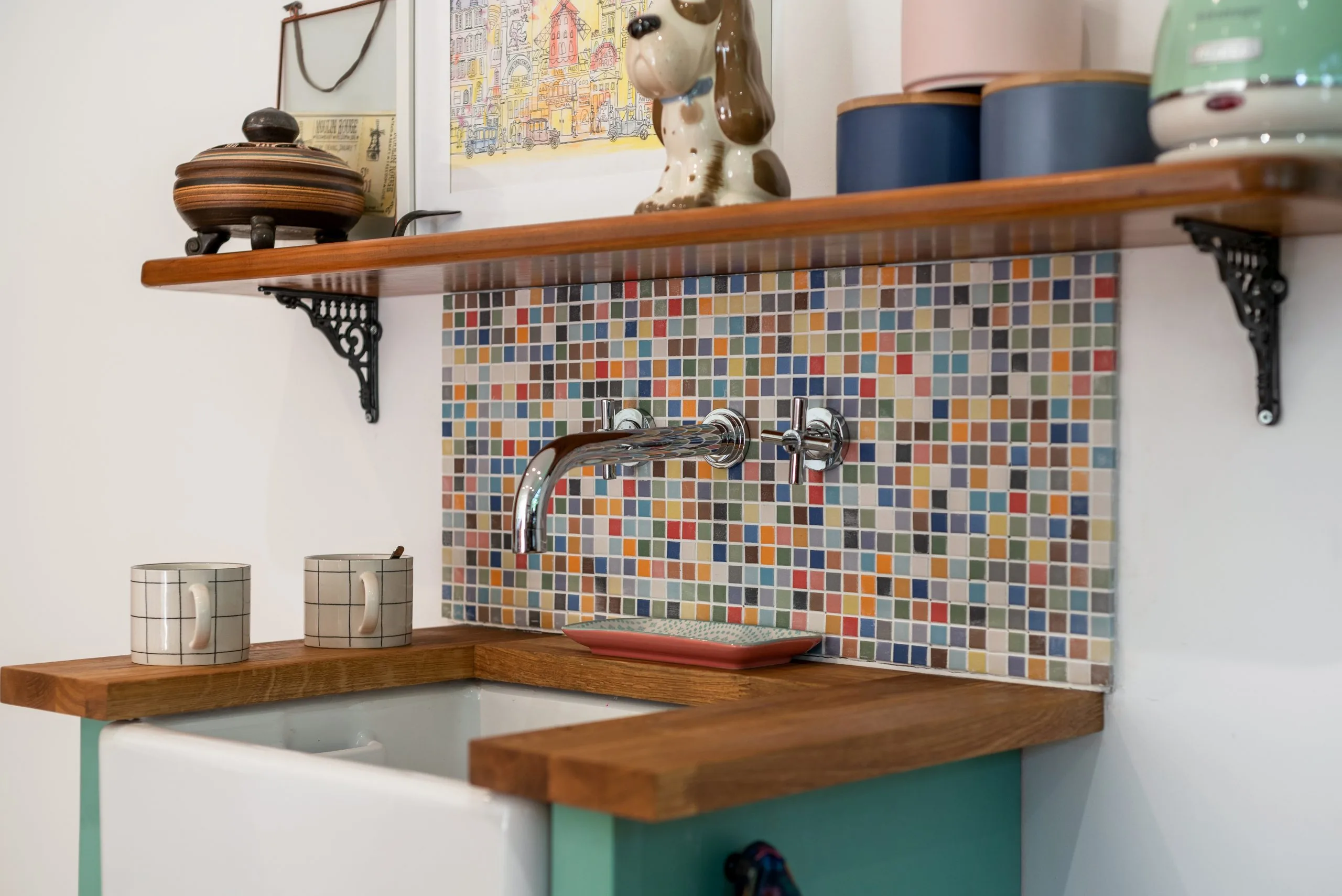
For many gardeners, a sink is one of the most useful upgrades. It makes the space far more self-contained, especially if the garden room is positioned some distance from the house. You can wash hands, rinse small tools, fill watering cans, clean pots, condition cut flowers and deal with compost without repeatedly walking indoors.
A sink can be planned in several ways depending on the intended use of the building, the site and the services available. Early discussion is important because plumbing, drainage and water supply need to be considered properly during the design stage.
A well-planned sink area might include:
If plumbing is not practical or not required, there are still ways to create a useful potting area. Some clients may choose external taps, water butts nearby, or a more storage-led studio without internal water. The right answer depends on how intensely the room will be used and how polished you want the final space to feel.
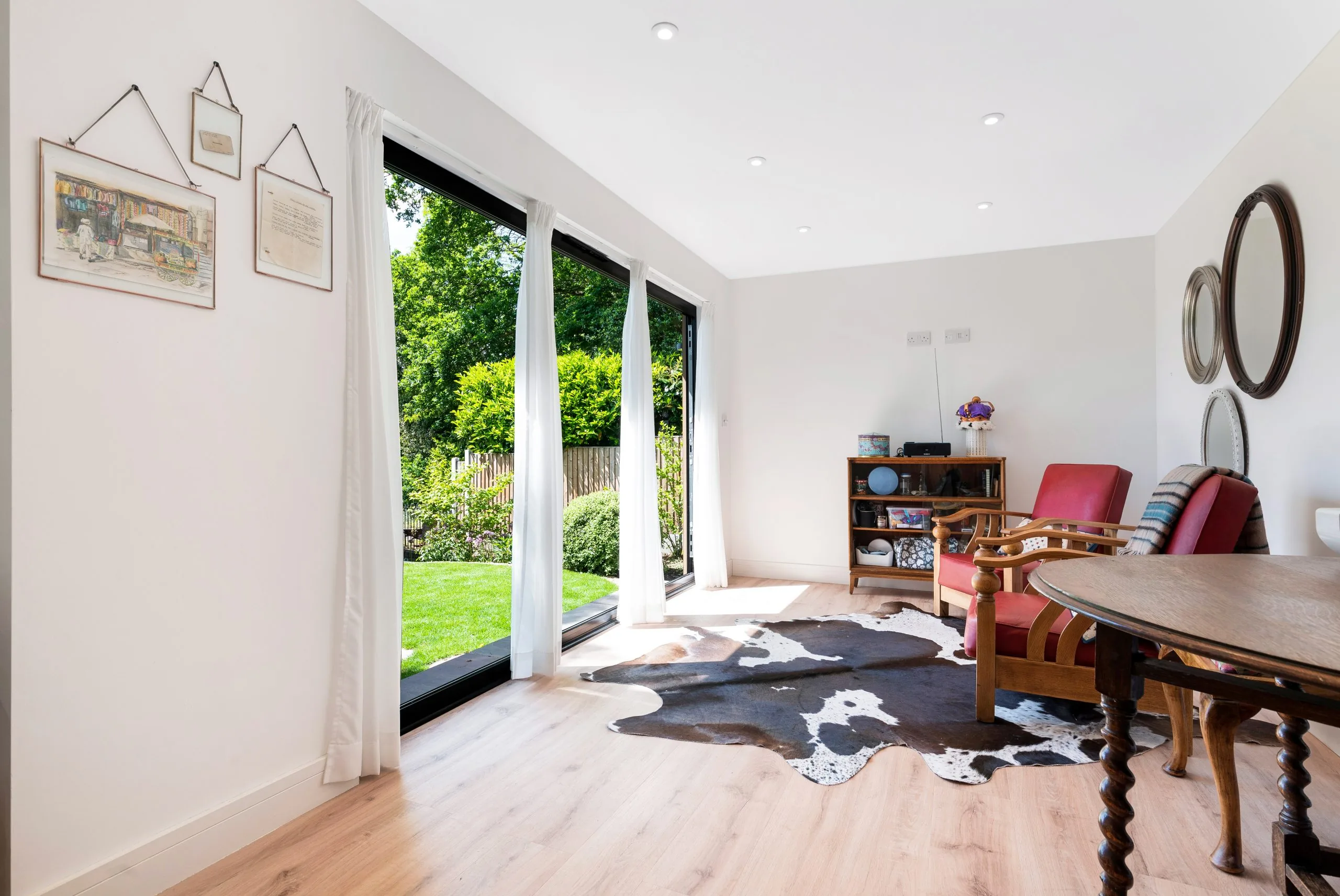
The pleasure of a premium potting studio is that it can be used even when you are not actively working with plants. After the practical tasks are finished, the space can become somewhere to sit with a coffee, sketch planting plans, sort seeds, browse gardening books or simply enjoy being close to the garden.
Comfort-focused details can include:
This is also where a garden studio can become part of your lifestyle, not merely a place to store compost. If you are comparing different garden room ideas, a potting and garden studio is one of the most rewarding because it supports a real passion while adding a beautiful, usable room to the garden.
Garden-related storage can quickly become chaotic if it is not designed in from the beginning. Pots multiply, compost bags are bulky, bamboo canes are awkward, and small items such as plant labels, seed packets and ties are easily lost. Bespoke storage keeps the studio calm and efficient.
There is also an aesthetic benefit. A potting studio can look beautiful when practical items are given their place.
Terracotta pots, baskets, timber shelves, seed boxes and ceramic labels can all become part of the room’s character rather than visual clutter.
The ideal size depends on how you plan to use the building. A compact potting studio can work beautifully for seed sowing, storage and occasional seating. A larger garden room can include a generous working bench, sink, built-in cabinetry, armchairs, a desk, display shelving and even a small area for garden design work or creative hobbies.
A potting and garden studio is just one example of what a bespoke garden building can become. This video shows the quality, adaptability and range of uses possible with a Hawksbeck garden room.
A potting studio needs finishes that look refined but can tolerate real use. The materials should feel at home in a premium garden room while being sensible for soil, water, tools and changing seasons.
Flooring should be durable, stable and easy to clean. If you intend to walk in directly from the garden, wipeable flooring is usually more practical than anything too delicate. Rugs can still be added to the seating area to soften the room, but the working zone should be able to cope with compost and water.
Potting benches and worktops should be chosen for longevity and ease of maintenance. Some clients prefer a more utilitarian surface in the working area and a more furniture-like finish elsewhere. This contrast can work well: practical where needed, elegant where visible.
Painted cabinetry, timber shelving, moisture-resistant finishes and well-positioned hooks can all help the room feel ordered. The aim is not to make the studio sterile; it should still feel connected to gardening. But the details should be robust enough to remain attractive after regular use.
Natural light is especially important in a garden studio. It helps with detailed work, improves the feel of the room and can support plant-related tasks such as seed sowing and propagation. However, the brightest possible position is not always the best answer. Too much direct heat can make a working area uncomfortable or dry out seedlings quickly.
When planning your studio, think about:
Glazing placement can be tailored so the studio feels open without sacrificing wall space for storage. This is particularly important in a potting room, where too much glass can leave too little room for benches, shelving and cupboards.
One of the advantages of a high-quality garden room over a traditional potting shed is comfort throughout the year. Gardeners often have important tasks in colder months: ordering seeds, cleaning tools, planning planting schemes, sowing early crops, overwintering tender plants and preparing for spring.
Heating allows the studio to remain usable in winter, while ventilation helps manage moisture, especially if the room includes a sink, damp pots, wet coats or plants. The right approach depends on how the space will be used. A studio mainly used for sitting and planning may need a different setup from one used for active propagation and plant care.
Good ventilation also helps the room feel fresher after practical gardening tasks. Opening windows, appropriate airflow and thoughtful layout all contribute to a more pleasant working environment.
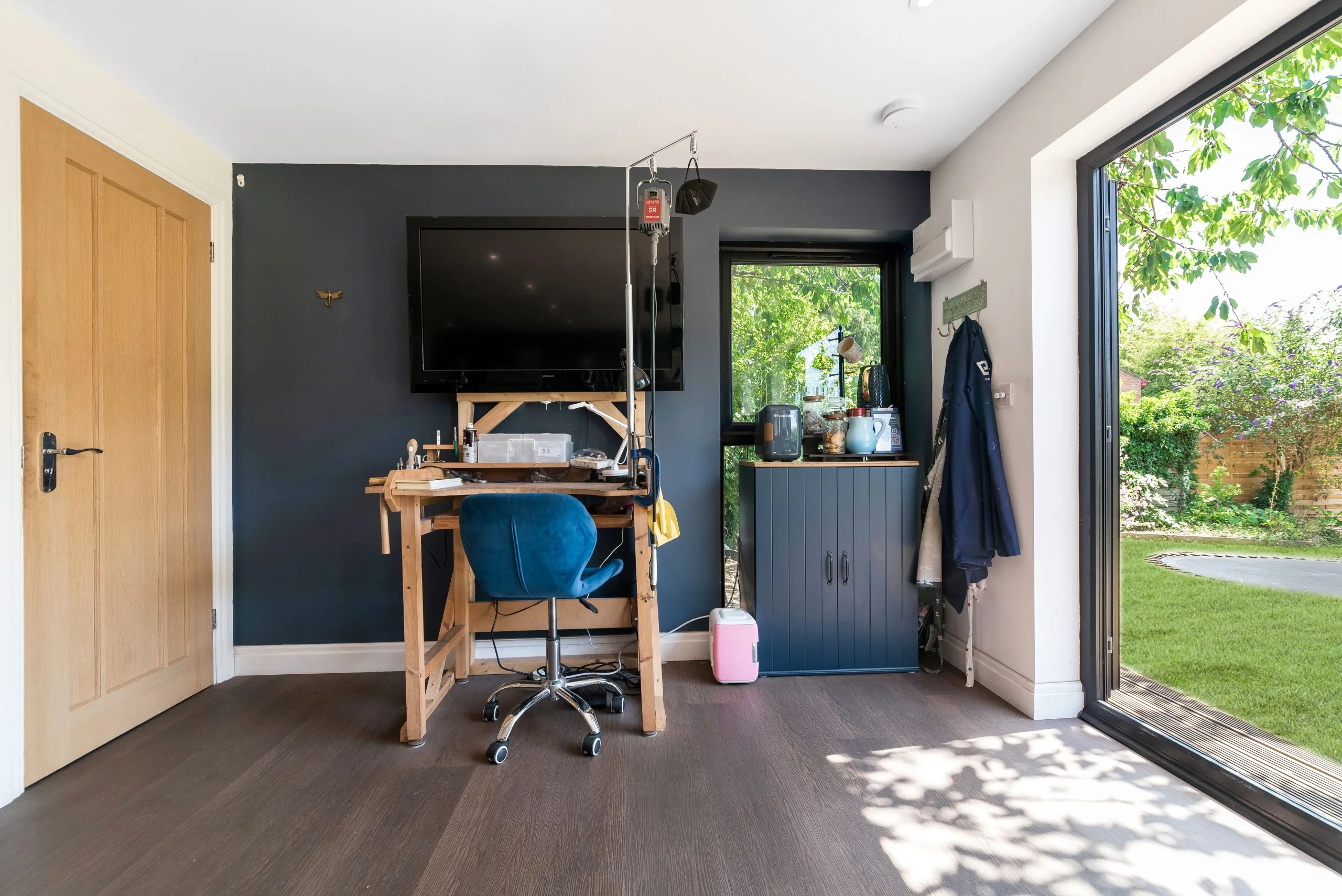
Yes, and for many people this is what makes the space truly special. Gardening is not only physical work; it involves planning, drawing, note-taking, research and creativity. A desk area can be used for garden design, seed records, flower arranging plans, botanical illustration, writing or running a gardening-related business from home.
If the studio will include both practical and clean activities, zoning becomes important. The potting bench and sink can occupy one side of the room, while a desk or seating area remains cleaner and calmer. Storage can act as a visual divider, or the layout can naturally separate wet, dry and relaxed areas.
Many garden rooms can be created under permitted development, but this depends on factors such as height, location, boundary position, overall garden coverage, intended use and property restrictions. Some homes, including listed buildings or properties in conservation areas, may need additional checks.
A potting and garden studio may also involve services such as electrics, heating, lighting, water and drainage. These details should be considered early because they can influence the position, foundations, internal layout and final specification.
Hawksbeck can guide you through the practical design considerations so the finished building is not only beautiful, but appropriate for its site and purpose.
Pricing depends on the size of the building, specification, site conditions, glazing, internal finishes, electrics, heating, plumbing, bespoke cabinetry and whether you want a simple potting space or a larger luxury garden studio.
As a broad guide, a premium bespoke garden room suitable for a refined potting studio will usually sit above the cost of a basic shed or off-the-shelf garden building because it is designed for comfort, longevity and year-round use. Smaller, simpler garden rooms may start from the lower end of Hawksbeck’s range, while a more developed potting studio with a sink, tailored storage, premium finishes and a comfortable seating area can move significantly higher.
For planning purposes, many clients considering this type of use should expect a professionally built, insulated garden room to be a serious home improvement investment rather than a low-cost outbuilding. A compact studio may be suitable for a more modest budget, while larger bespoke designs with plumbing, extensive glazing and fitted interiors can reach considerably higher figures. The most accurate way to understand cost is to discuss your preferred size, features and finish level so a tailored proposal can be prepared.
If budget is a key consideration, it is helpful to prioritise the features that will affect everyday use most:
Insulation, electrics, lighting, secure doors, practical flooring and a usable potting bench.
Heating, built-in storage, external tap or internal sink, task lighting and easy-clean finishes.
Bespoke cabinetry, premium glazing, integrated seating, display shelving, upgraded interior finishes and full plumbing.
Tell us what you grow, whether you want water inside and how long you like to linger, and we can weigh up which features belong in your first phase.
The success of a potting studio often comes down to small decisions. These are the details that may not seem exciting on a moodboard, but make the finished room far more enjoyable:
These practical touches are where bespoke design shows its value. Instead of adapting your routine around the building, the building is created around your routine.
A potting studio does not necessarily replace a greenhouse or storage shed. In many gardens, each has a different role.
A greenhouse is primarily for growing plants in controlled light and warmth.
A shed is usually for storage and robust utility.
A potting and garden studio combines practical gardening tasks with comfort, design and year-round usability.
If you are a serious grower, a greenhouse may still be valuable. But if you want somewhere beautiful to work, store, plan and relax, a bespoke potting studio offers much more comfort and refinement than a traditional shed. It can sit alongside a greenhouse, connect visually with a kitchen garden, or become the main destination point within the garden.
This type of garden room is particularly well suited to:
Because Hawksbeck garden rooms are bespoke, the building can lean more towards whichever side matters most to you: practical potting room, elegant garden retreat, creative studio, flower room, hobby space or a carefully balanced combination.
Yes. A sink is one of the most useful upgrades, but plumbing, drainage and water supply need to be considered at the design stage. Where internal water isn’t practical, an external tap or nearby water butts can still make a potting area work.
They do different jobs: a greenhouse is for growing plants in controlled light and warmth, and a shed for storage and utility. A potting and garden studio combines practical gardening tasks with comfort and year-round use, and can sit alongside a greenhouse.
With insulation, heating and good ventilation, it stays usable for colder-month tasks such as ordering seeds, cleaning tools, planning planting schemes and overwintering tender plants.
Many garden rooms can be built under permitted development, depending on height, location, boundary position, garden coverage, intended use and property restrictions. Listed buildings and conservation areas may need additional checks.
A well-designed potting studio can change the way you use your garden. It gives tools and materials a proper home, makes seasonal tasks more enjoyable, and creates a comfortable place to spend time surrounded by the garden you are shaping.
Whether you are imagining a compact workspace with a bench and storage, or a luxury garden studio with a sink, fitted cabinetry and relaxing interior zone, Hawksbeck can design and build a garden room around your exact requirements.
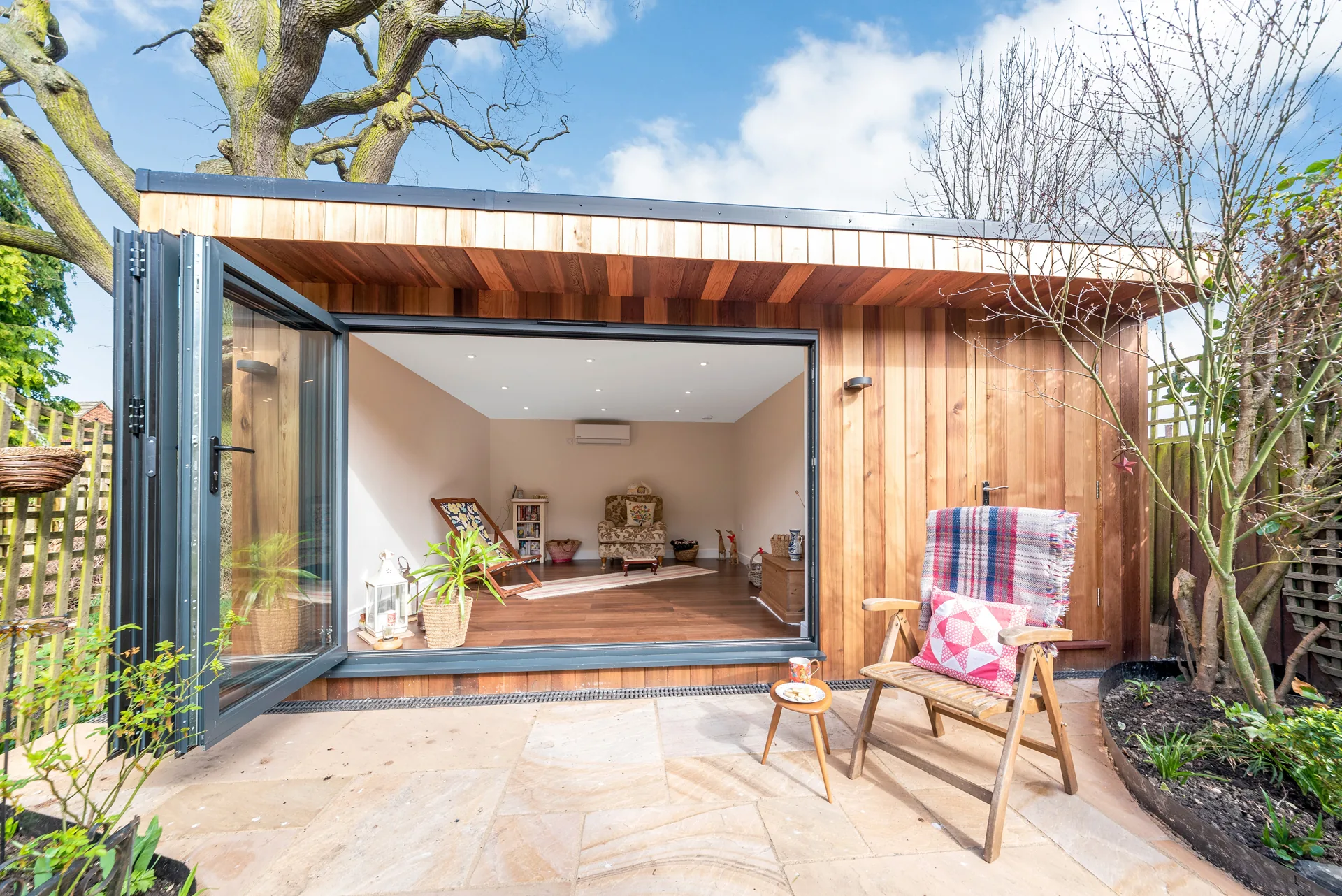
Leaf through finished Hawksbeck buildings in the brochure while you picture where the potting bench, the sink and your seat by the glazing would go.
These projects show how beautifully a bespoke garden room can support creative, practical and studio-based uses at home.
A refined studio space showing how a garden room can become a calm, inspiring setting for creative work, hobbies and quiet time away from the main house.
View project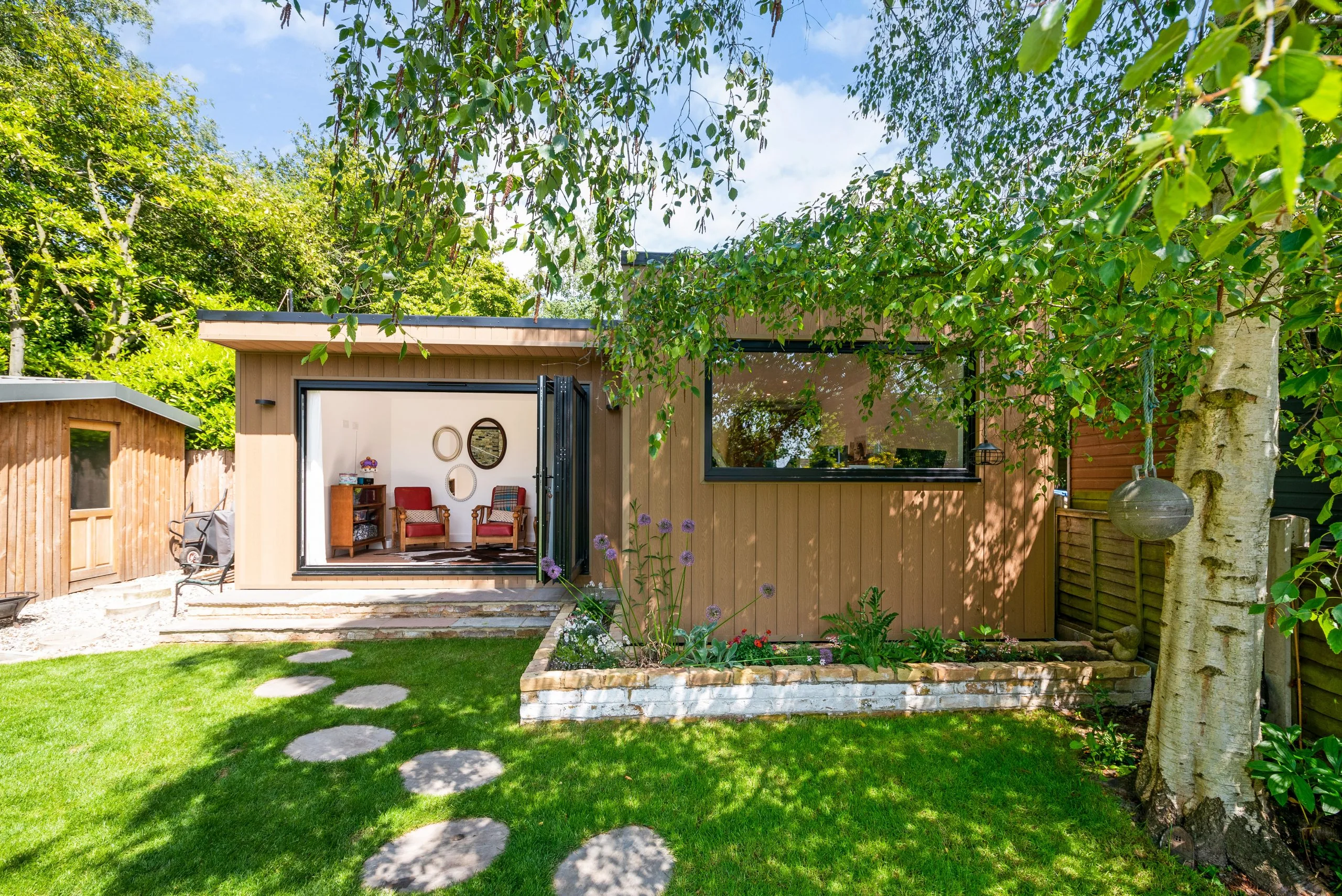
This bespoke hobby studio demonstrates the value of a tailored garden building for practical interests, creative projects and enjoying a dedicated space at home.
View project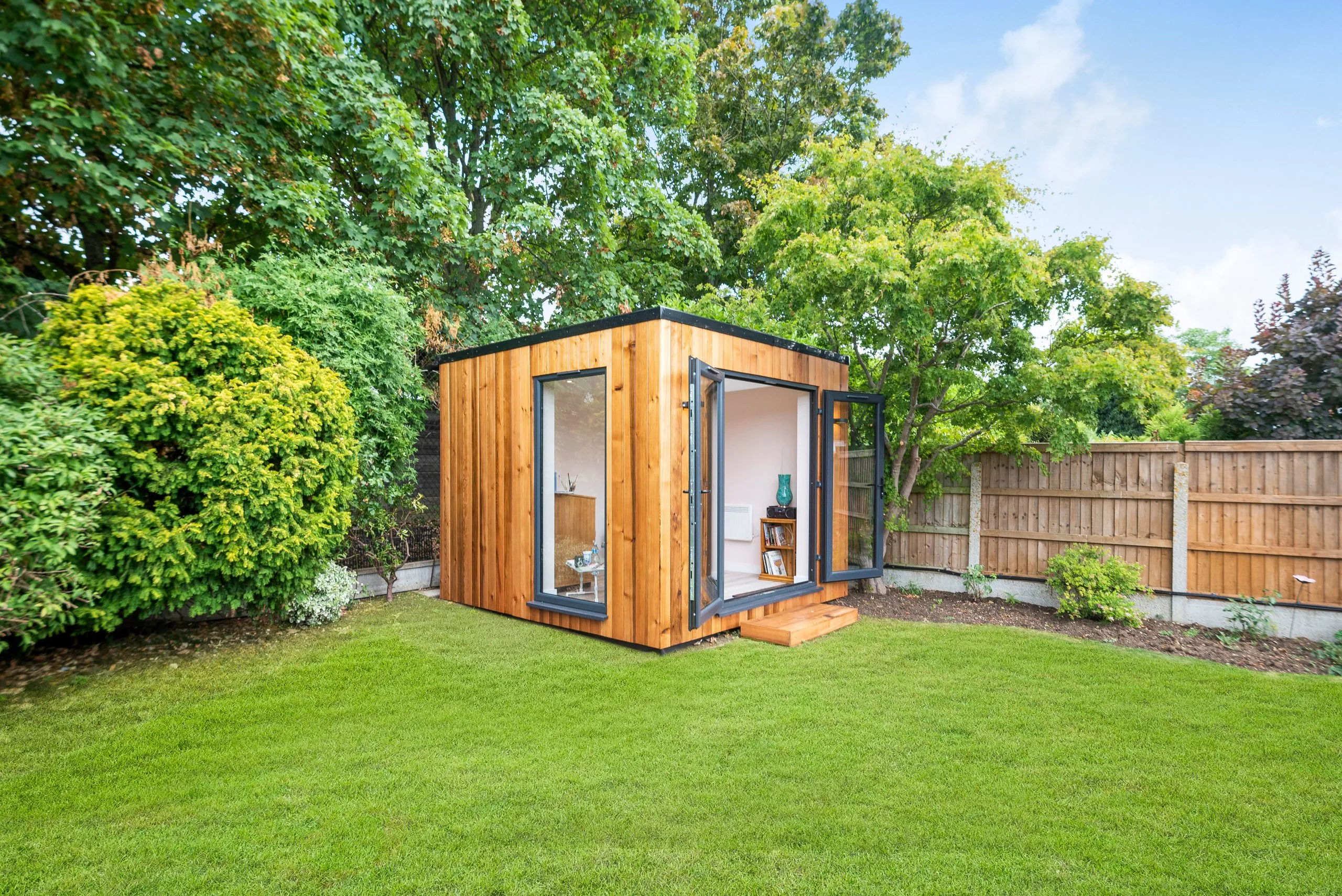
A warm and characterful studio that offers inspiration for anyone considering a garden room for art, gardening, planning, making or peaceful retreat.
View project