
Creative Studio Retreat
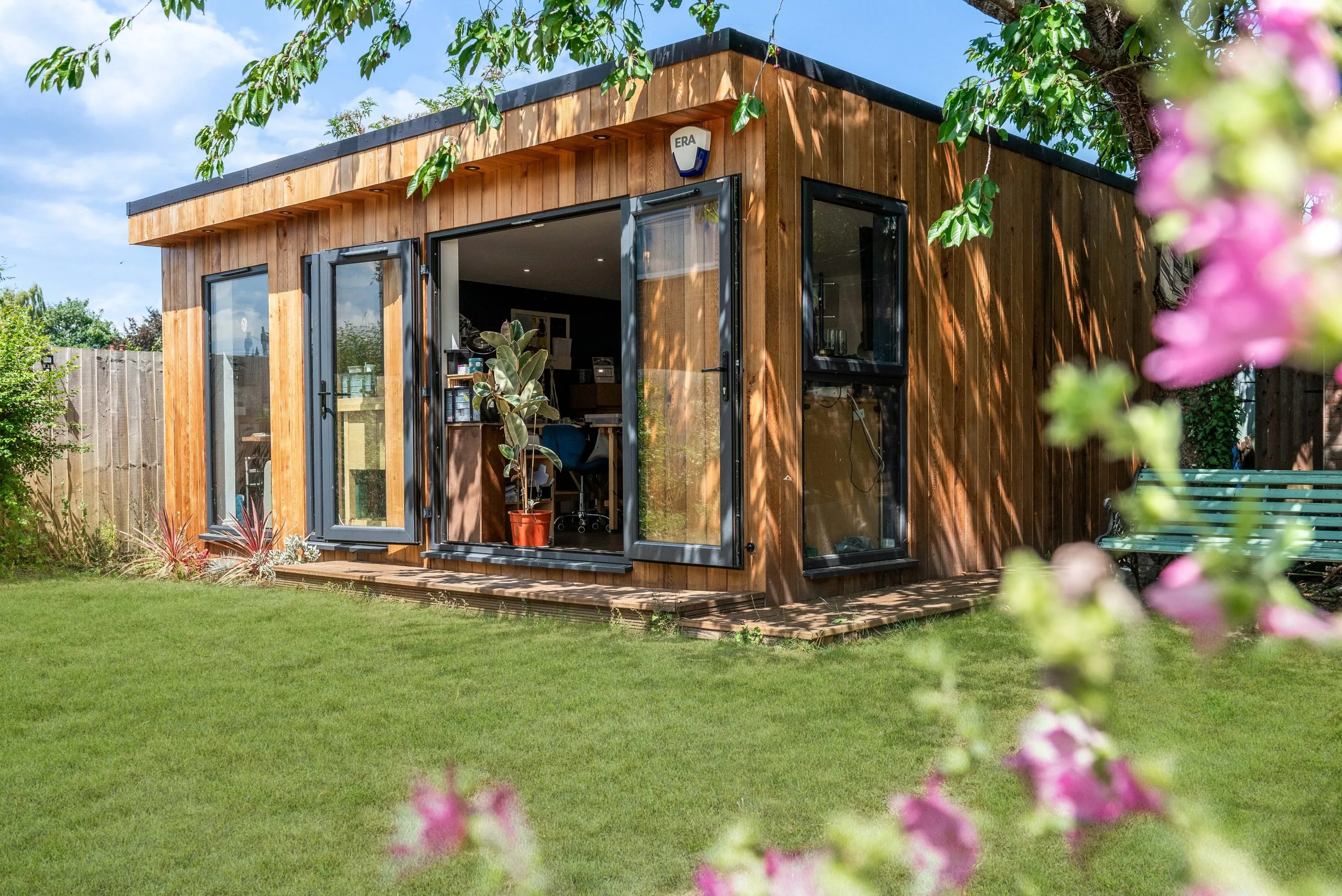
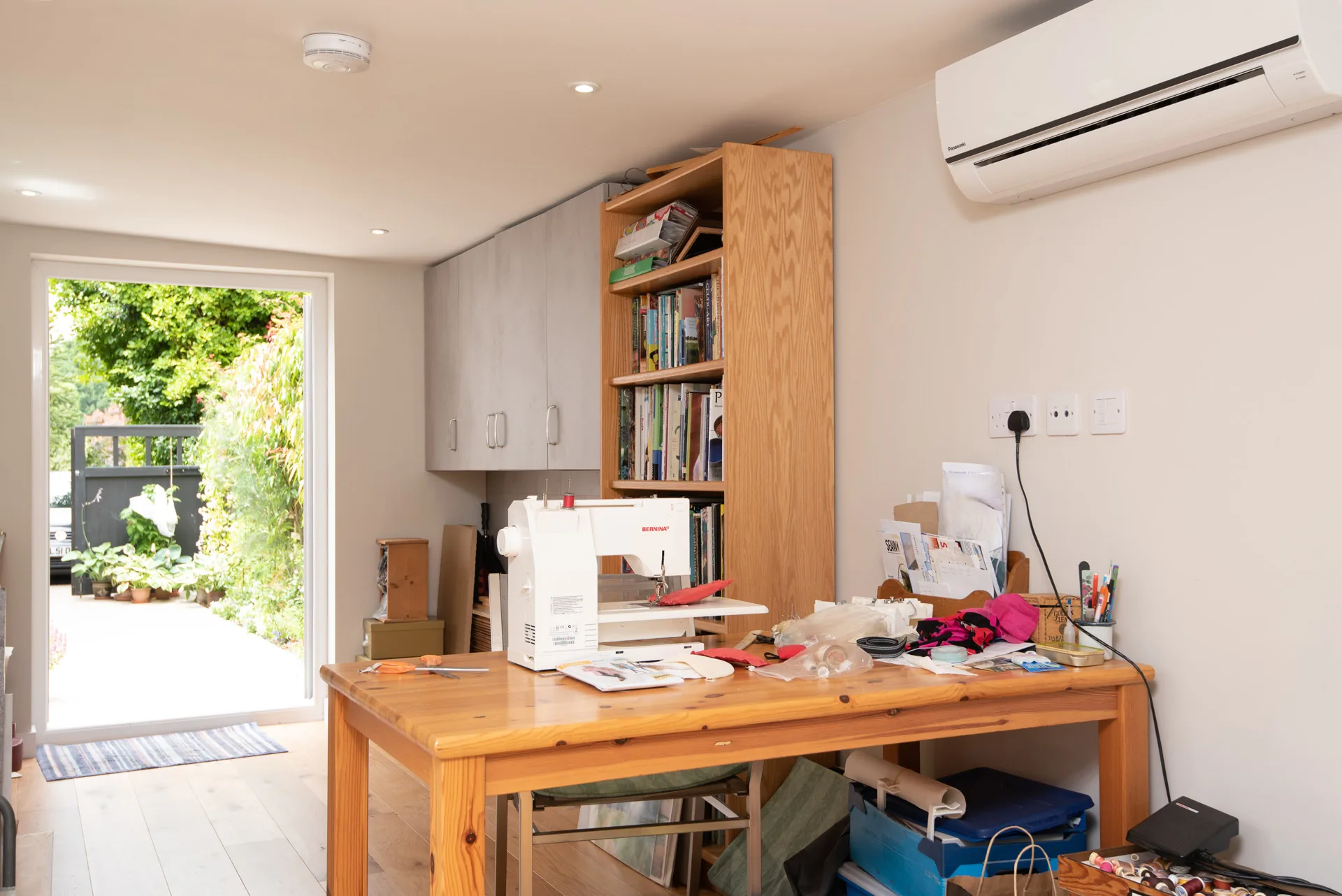
A creative garden studio showing how a carefully designed Hawksbeck building can provide a calm, refined and practical space for focused artistic work at home.
View project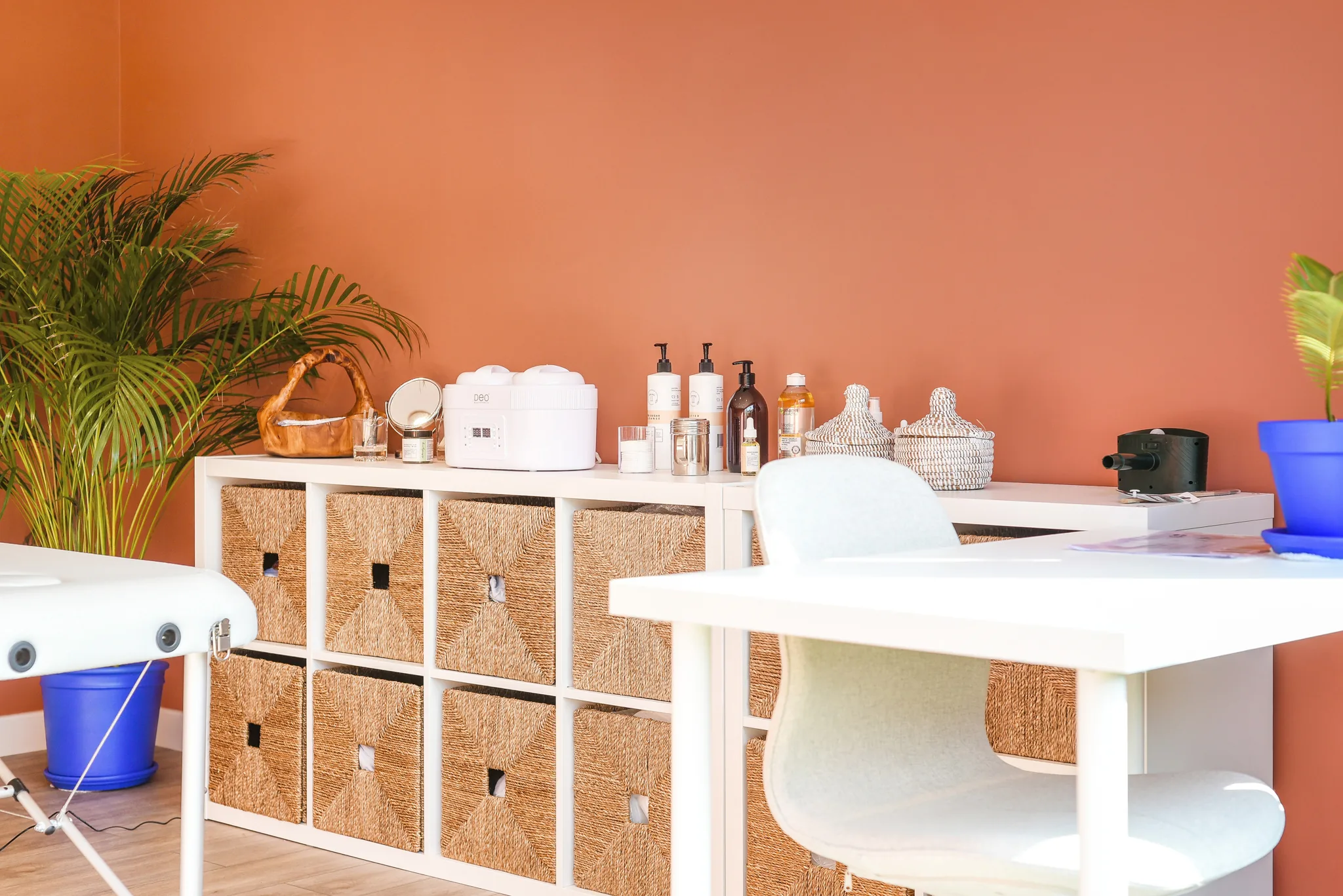
Printmaking asks more of a studio than many other creative disciplines.
You need a surface that can take pressure, storage that keeps paper flat and clean, a wash-up area that does not interrupt your working flow, lighting that reveals fine marks without glare, and enough comfort to spend long sessions proofing, inking, drying and editioning. A bespoke Hawksbeck garden room can be designed around exactly that: a refined, highly practical printmaking studio in the garden, built for the way you work rather than forcing your process into a spare room, garage or dining table.
Whether your focus is linocut, screen printing, etching, collagraph, monotype, letterpress, drypoint, woodcut or mixed-media print, the aim is the same: a calm, durable, well-planned garden studio where tools are easy to reach, materials stay organised, and your work can remain set up between sessions.
A successful printmaking studio is not simply a beautiful garden room with a desk inside. It needs to support a sequence of tasks: preparing plates or blocks, mixing ink, printing, drying, cleaning, cataloguing, storing paper, photographing work and packaging finished editions. When those stages are considered at design stage, the room becomes easier to use every day.
Typical requirements for a garden print studio may include:
Because Hawksbeck garden buildings are bespoke, these practical details can be designed into the room from the beginning. That is especially important for printmaking, where small layout decisions can make a large difference to how efficiently the studio works.
Printmaking benefits from a studio layout that separates the room into working zones. This does not necessarily mean walls or partitions; often it is about positioning benches, storage and services intelligently.
This is where lino, woodblocks, plates, stencils or screens are prepared. It needs comfortable seating or standing height, good task lighting, nearby tool storage and a surface that can cope with blades, cutting mats, clamps and repeated handling. For many printmakers, this area works best close to natural light, but not in a position where direct sun causes glare or dries materials too quickly.
This zone may include a central bench, a wall bench, a press table or a freestanding press. If you use a small etching press, relief press or tabletop press, the bench needs to be sufficiently stable. If you own or plan to purchase a larger press, the footprint, access route and floor structure should be discussed early. A bespoke garden building gives you the opportunity to plan for the equipment you use now and the equipment you may invest in later.
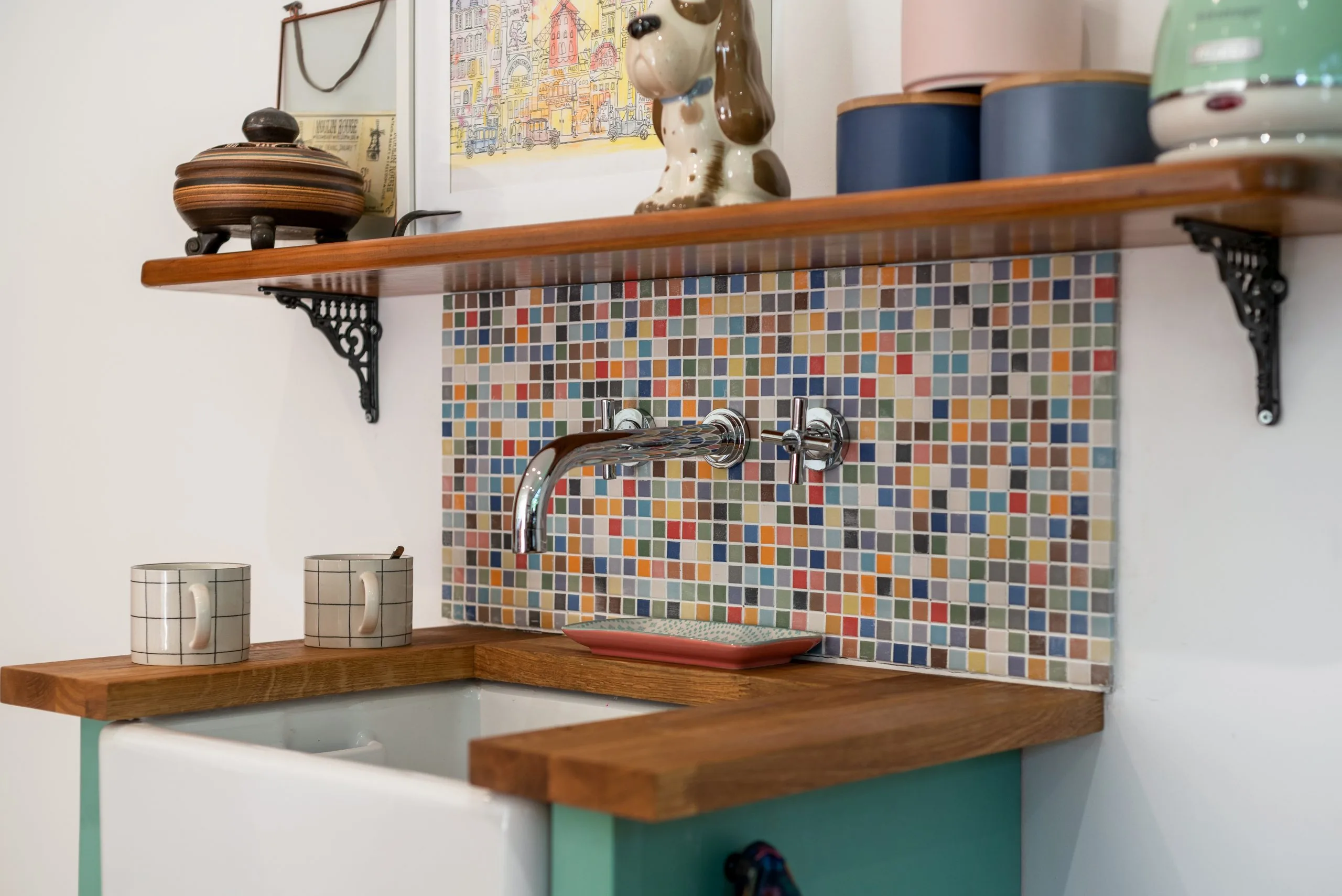
A practical wash-up area can be one of the biggest upgrades compared with using a room inside the house. Depending on the type of printmaking, this could include a sink, splashback, wipeable wall finishes, nearby drying space and storage for cleaning products. Plumbing requirements vary by site, garden position and intended use, but a wash-up provision can be incorporated into the design where suitable.
Drying racks, hanging systems or clean shelves are essential if you produce editions. They should sit away from the wettest and messiest part of the studio, with enough airflow and protection from dust. For screen printing, drying space may become a key part of the layout. For fine art relief printing, flat storage and clean handling may be the greater priority.
Finished prints need protection. A planned storage area for tissue, sleeves, plan chests, tubes, mounts, envelopes and labels can keep your studio professional and calm. If you sell your work online or at exhibitions, it is worth including a dedicated packing surface so finished pieces can be prepared without clearing the main printing bench.
For printmaking, a bench is not just a desk. It is a working tool. The best specification depends on the processes you use, but most print studios benefit from a combination of robust surfaces rather than one generic worktop.
In a bespoke Hawksbeck printmaking studio, bench positions can be planned alongside sockets, lighting, wall storage, under-counter cupboards and circulation space. This avoids trailing cables, awkward corners and wasted floor area.
Paper, ink, rollers, squeegees, screens, blocks, tools, reference books and finished work all have different storage needs. A printmaking garden room should make it easy to move between creative stages without clutter building up.
Useful storage ideas include:
The key is to avoid designing storage as an afterthought. When it is integrated into the studio plan, the space looks more refined and works far better.
Lighting can make or break a printmaking studio. Fine details, ink density, paper tone and colour balance all depend on being able to see clearly. A luxury garden studio gives you the opportunity to combine natural light with carefully planned artificial lighting.
For a high-quality printmaking environment, consider:
Many printmakers prefer a bright studio that still feels calm. Large areas of glass can be beautiful, but they should be balanced with usable wall space for storage, hanging, shelving and equipment. A bespoke design allows that balance to be carefully judged.
A garden printmaking studio should feel inviting in January as well as June. Insulation, heating, ventilation and glazing choices all affect how comfortable the space is for long creative sessions.
Printmaking can involve odours, moisture, cleaning products and drying materials, so ventilation deserves proper attention. The exact approach will depend on your processes and materials, but the design may consider opening windows, airflow across wet areas, extractor options, heating, and the position of doors and glazing. If you work with specialist inks, solvents, acids or chemicals, you should also consider the appropriate safety guidance for those products and discuss the implications when planning the studio.
For many artists, the goal is a room that feels more like a professional studio than a shed: warm, dry, bright, secure and pleasant to spend time in for several hours at a stretch.
Ink happens. Water happens. Tools get put down quickly.
A printmaking garden building should look beautiful, but it also needs finishes that support practical work.
Popular considerations include:
There is no single correct finish for every printmaker. A linocut artist producing small editions may need a different interior specification from a screen printer producing posters or textiles. The advantage of a bespoke Hawksbeck studio is that the building can be tailored to your creative practice rather than built to a generic template.
Even traditional printmaking studios now often involve technology. You might use a laptop for reference imagery, a tablet for drawing, a camera setup for documenting work, a printer for positives or admin, a scanner, a heat source, specialist lamps or small machinery. Socket planning should reflect how you actually work.
Useful electrical considerations include:
Planning these details early helps the finished room feel considered and uncluttered.
How Hawksbeck buildings are shaped around the people who use them, from working studios to quieter rooms.
The right size depends on the type of printmaking, the equipment you use and whether the space is purely personal or semi-professional. A compact studio can work beautifully for relief printing and drawing, while screen printing or press-based work usually benefits from more generous circulation.
A smaller garden studio can suit linocut, drypoint, monotype, sketching and small-edition work. You might include one main bench, tool storage, shelves, a small drying rack and a clean paperwork area. This can be ideal for artists moving up from a spare room but not needing a full production studio.
A mid-sized printmaking garden room gives room for more defined zones: inking bench, clean bench, storage, drying area and possibly a small press. This is often the sweet spot for artists who want to work regularly, sell prints or keep several projects active at once.
A larger bespoke garden building can support bigger presses, screen printing, teaching, workshops, framing, packaging space or a combined studio and consultation area. It may include enhanced storage, a more developed wash-up area and a layout that lets more than one person work comfortably.
If you are collecting inspiration, our main garden room ideas guide shows the breadth of what a bespoke garden building can become, from creative studios to leisure spaces and professional home working environments.
Browse the guidePricing for a Hawksbeck garden room depends on the size, specification, access, foundations, services, glazing, internal finishes and any specialist requirements. A printmaking studio may also involve additional considerations such as plumbing for a sink, upgraded benching, extra storage, specialist lighting, ventilation and a more durable interior finish.
As a broad guide for a premium bespoke printmaking studio:
These figures are only a realistic starting point, not a fixed quotation. Plumbing, drainage, access, groundwork, studio equipment requirements and bespoke interior details can all change the final cost significantly. The best way to understand the right budget is to talk through your printmaking process, your garden, and how you want the room to perform day to day.
Tell us whether you print by hand or on a press, and how much paper you need to keep flat, and we can suggest where your budget is likely to sit.
The more specific you can be about your working habits, the better the studio can be tailored. Before commissioning a printmaking garden room, it is worth thinking through the following questions:
These answers shape the room in a meaningful way. A studio for quiet linocut and hand-burnishing will not have exactly the same layout as a space used for screen printing, large-format work or editioning with a press.
Yes, and many artists prefer a flexible studio that can support more than one practice. A printmaking garden room can also be designed for drawing, painting, illustration, textiles, photography, framing, online shop admin or client consultations. The important part is prioritising the messiest and most technical activities first, then building flexibility around them.
For example, a wide central table might be used for paper sorting, drawing, workshop teaching and packaging. A clean wall area could display finished prints for review. Built-in cupboards could conceal less attractive supplies, helping the room feel presentable if buyers, students or collaborators visit.
Many garden rooms can be built under permitted development, but this depends on the property, garden, location, height, boundaries and intended use. If the studio includes plumbing, extensive services, commercial activity or unusual site constraints, those details should be reviewed carefully. Hawksbeck can discuss the practical considerations with you and help establish what may be involved for your specific garden and brief.
Access is also important. Large glazing, studio equipment, presses, groundwork materials and internal fittings all need to reach the build area safely. If you already own a heavy press, it is sensible to discuss how it will be moved into the studio and where it will sit before the building is finalised.
A printmaking studio calls for an unusually careful mix of beauty and function. It should be inspiring, but not delicate. It should feel premium, but still welcome ink, tools and work in progress. Hawksbeck’s bespoke approach is well suited to that balance, because the building can be shaped around your creative requirements rather than restricted to a standard layout.
Your studio can be designed with the right proportions, high-quality materials, comfortable insulation, considered glazing, practical electrics, storage, work surfaces, lighting and finishes. The result is a garden building that feels like a natural extension of your creative life: close to home, separate enough to focus, and made properly for long-term use.
In many cases, yes, but it must be planned properly. The press size, weight, operating clearance, access route and floor requirements should be discussed early so the studio can be designed around it.
A wash-up area may be possible depending on the site, drainage, water supply and specification. If you need a sink for screens, rollers, brushes or general cleaning, this should be part of the initial brief.
Yes, provided the building is properly insulated, dry and designed with suitable storage. Flat storage, plan chests, cupboards and clean shelving can all help protect paper and finished work.
A combination of good natural light, even ambient light and focused task lighting usually works best. Colour accuracy, glare control and shadow reduction are all important for detailed print work.
A premium insulated garden room can be designed for comfortable year-round use. Heating, ventilation, glazing and insulation all contribute to a stable working environment.
It can be, but the layout should be planned for additional people, circulation, storage, safety and access. If you intend to teach regularly, make this clear at the design stage.
If you are ready to move your printmaking practice into a purpose-built space, Hawksbeck can help you explore what is possible. From compact personal studios to larger professional creative buildings, your garden room can be tailored around the way you print, store, clean, dry, display and sell your work.
Tell us about your process, the equipment you use, the materials you need to store and how you want the studio to feel. We can then discuss the right size, specification and budget for a bespoke printmaking garden room that is practical, beautiful and built to last.
Press or no press, sink or no sink: a short conversation about how you print is the quickest way to the right studio.
A creative garden studio showing how a carefully designed Hawksbeck building can provide a calm, refined and practical space for focused artistic work at home.
View project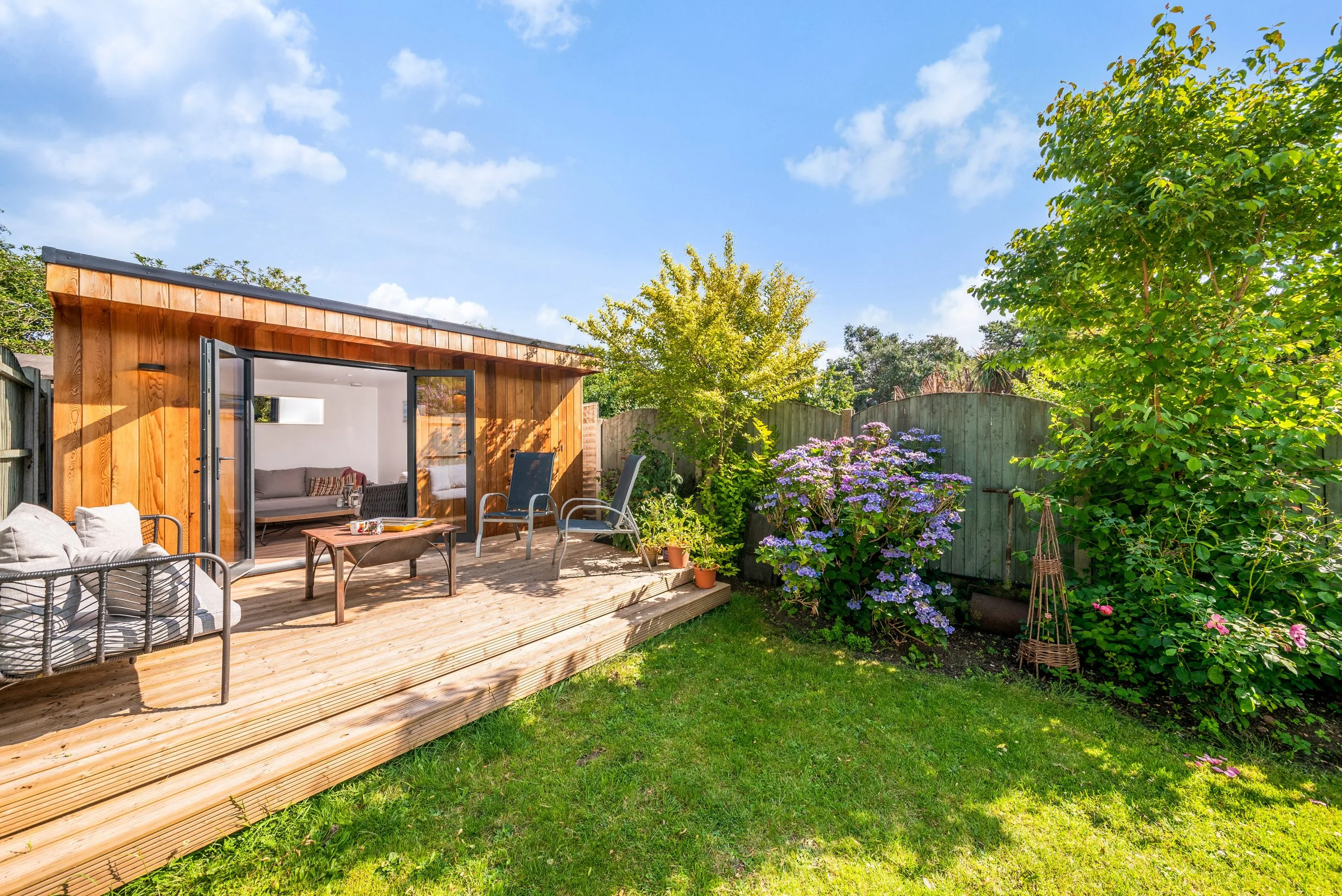
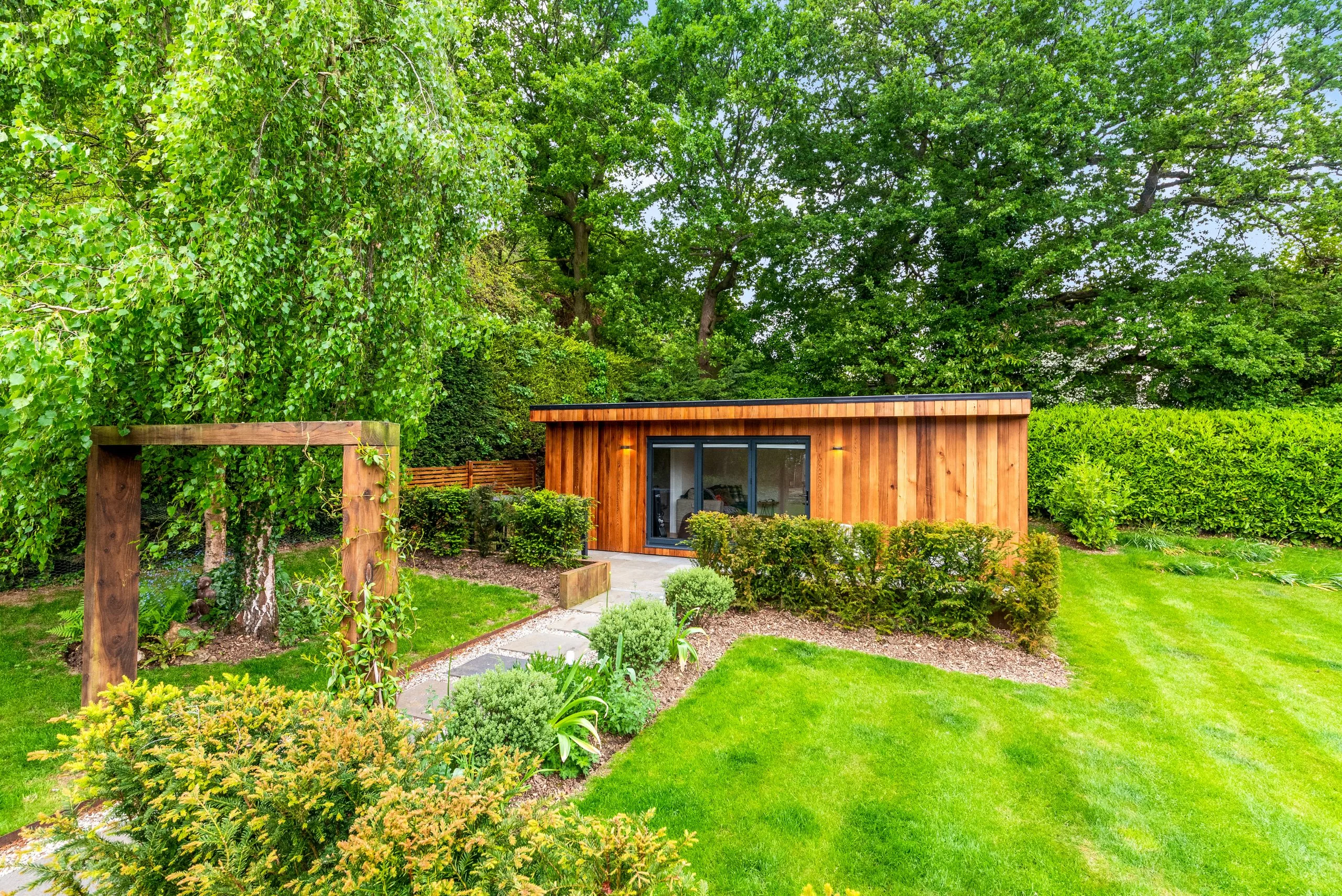
This luxury garden studio demonstrates the quality, comfort and finish that can be adapted for a specialist creative workspace such as a printmaking studio.
View project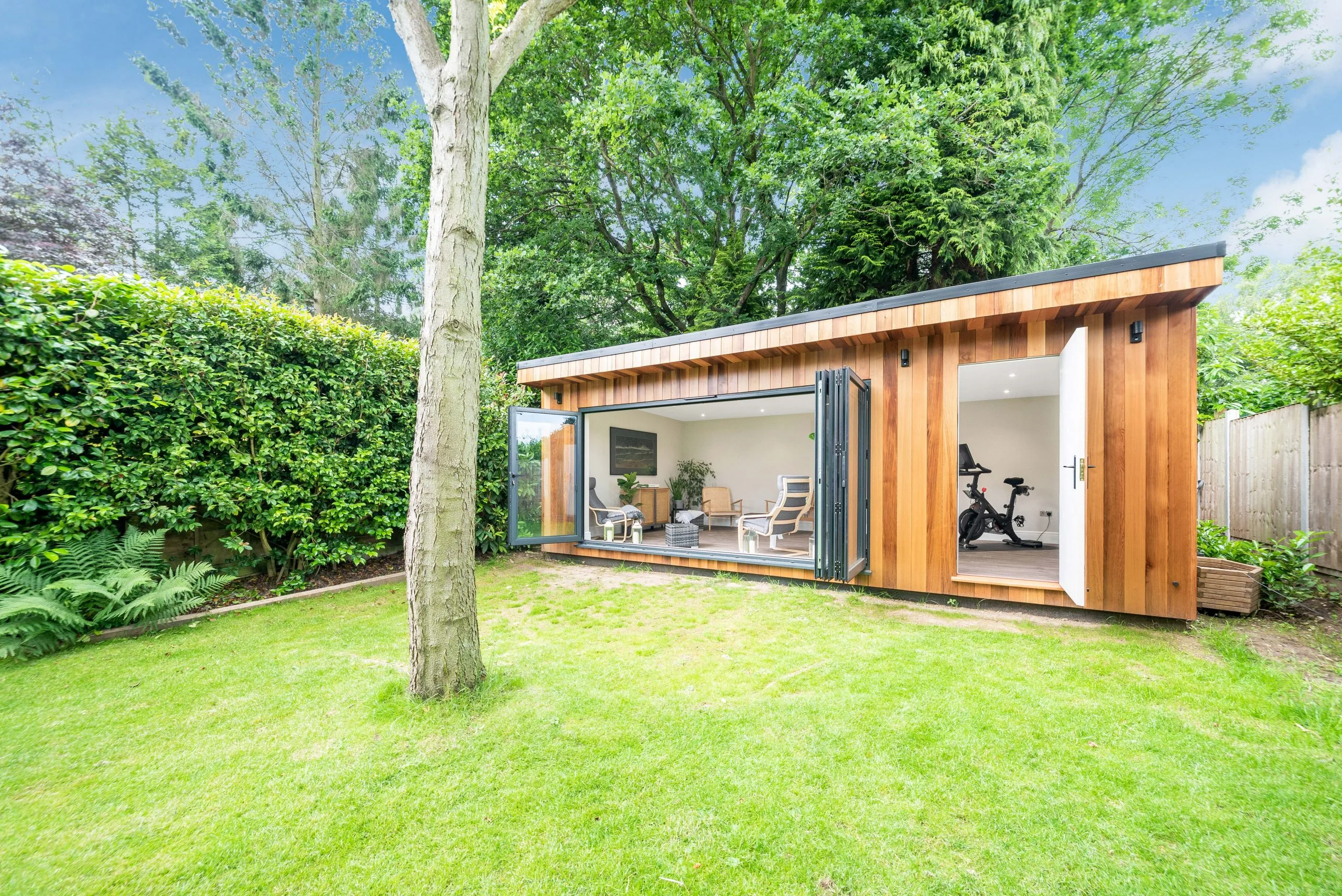
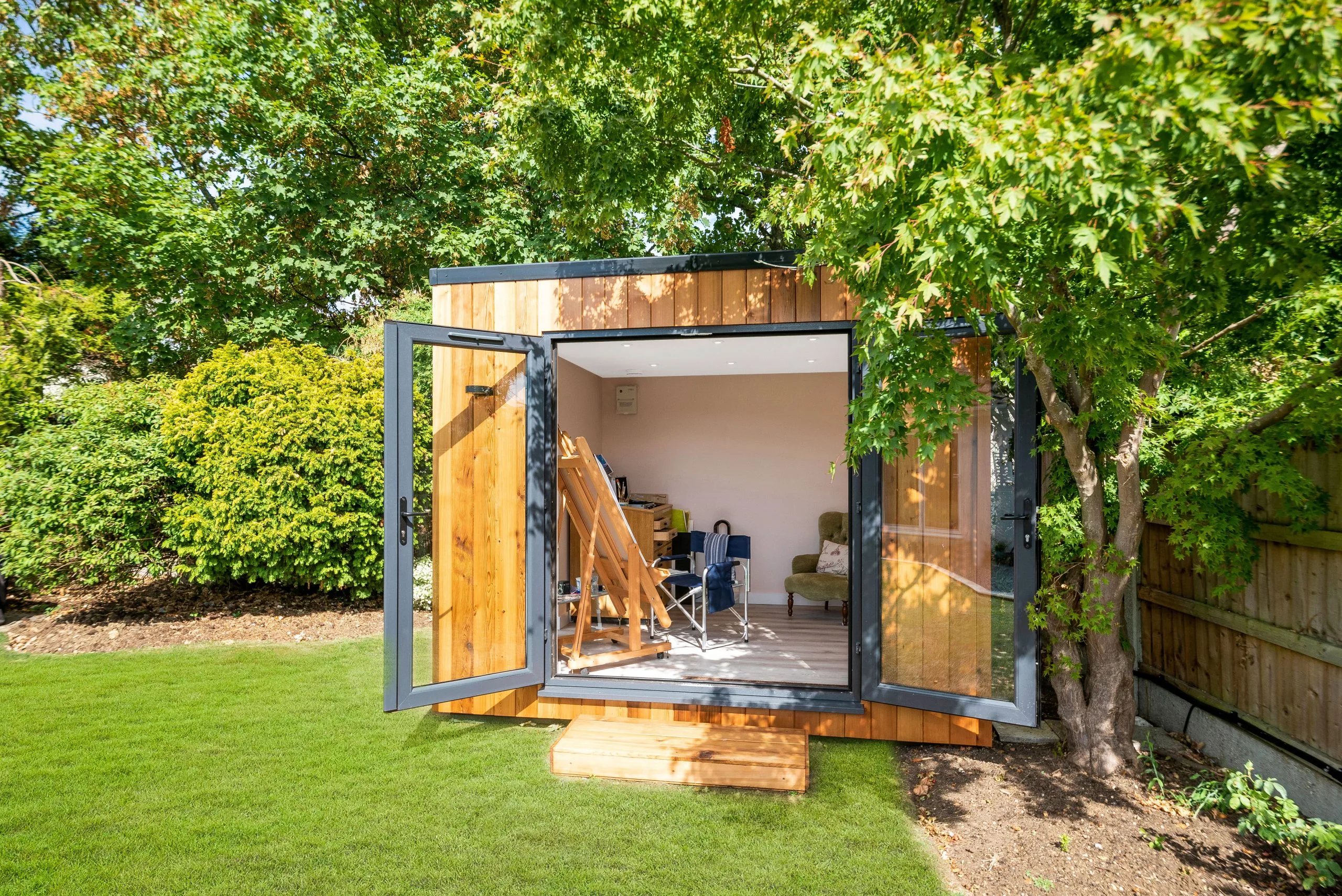
A dedicated artist studio in the garden, offering useful inspiration for anyone planning a comfortable and personal space for printmaking, drawing or creative practice.
View project