
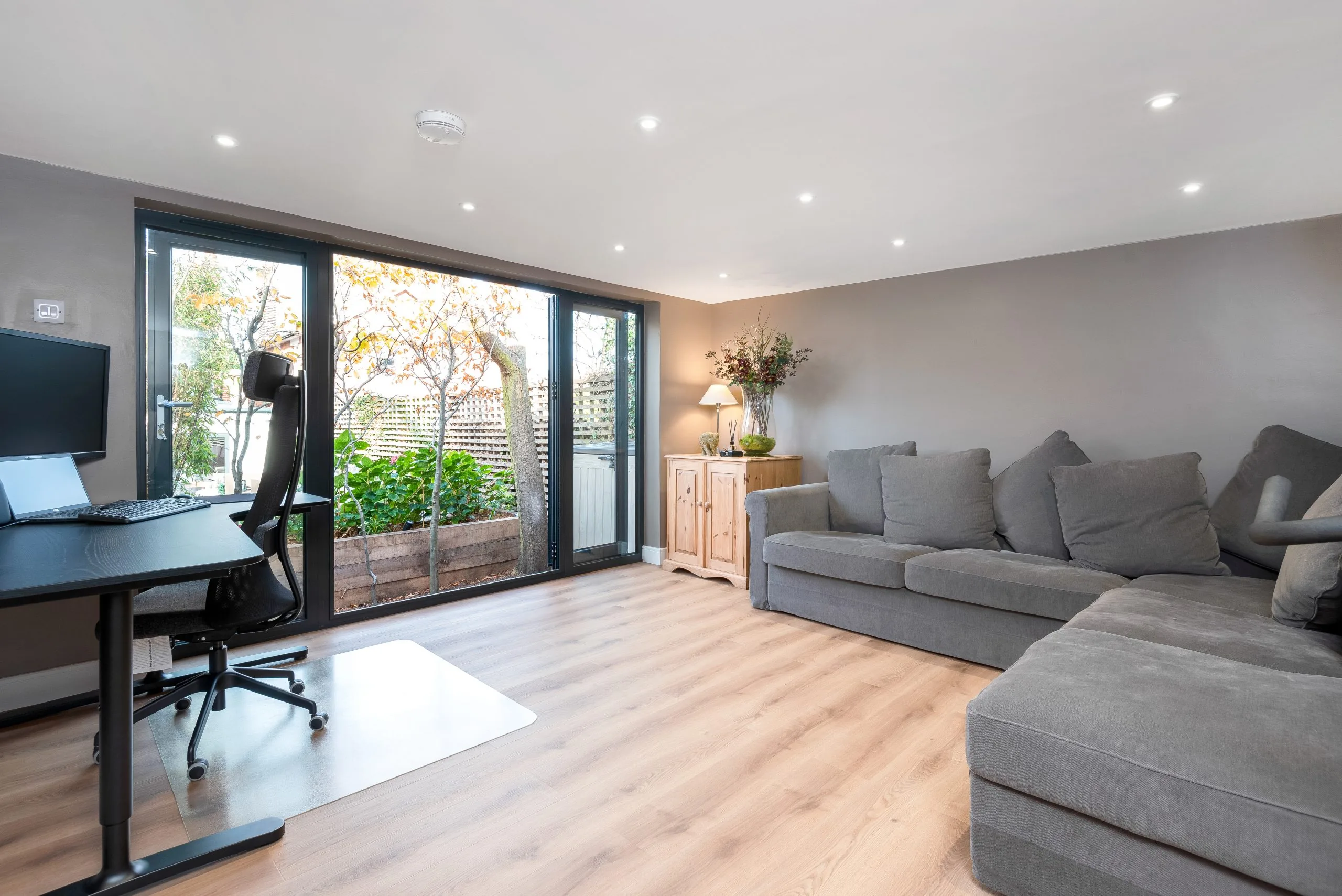
Zen Garden Room Office Space
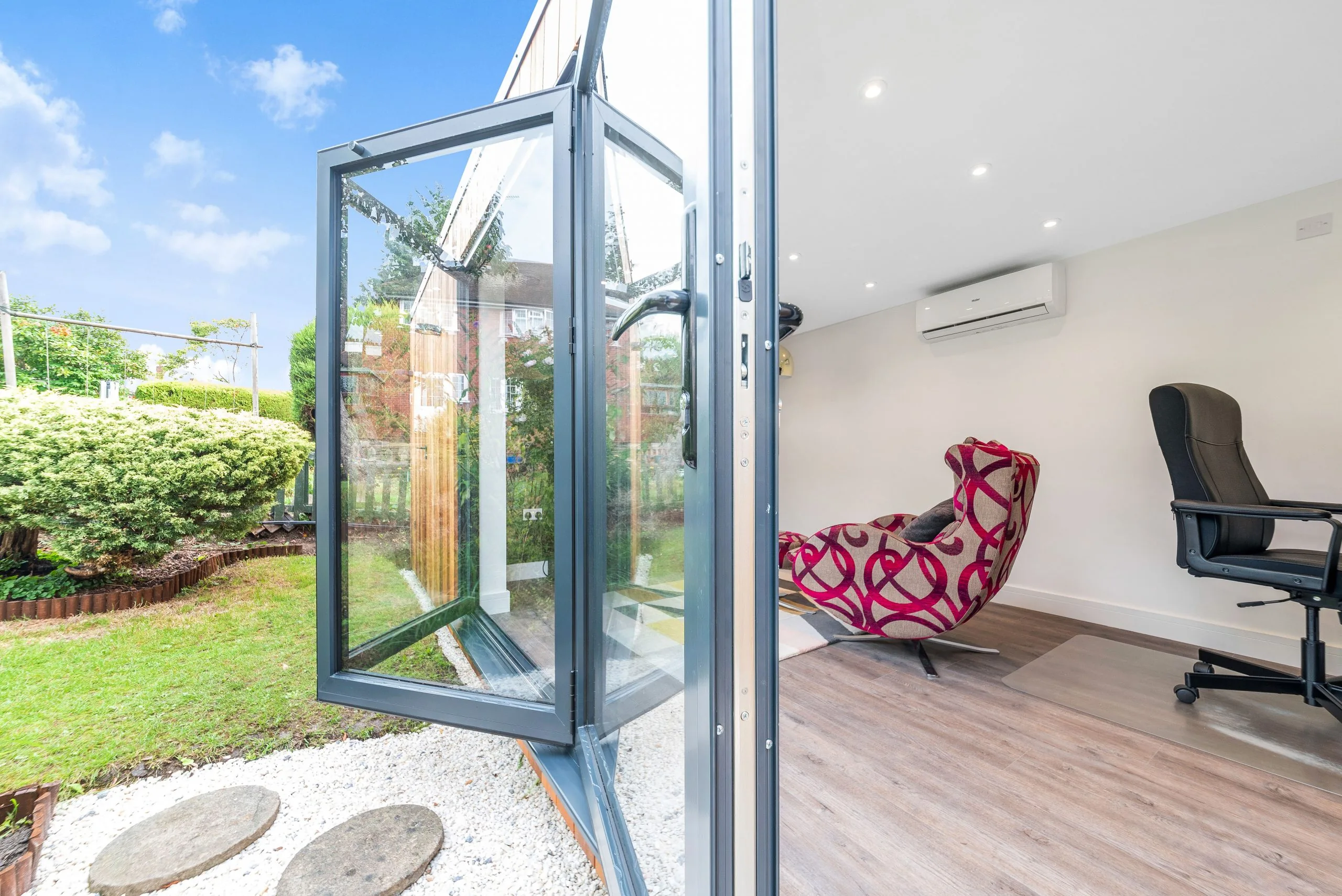
A calm and beautifully finished garden room project showing how a separate building can create a focused retreat for work, reading and quiet time away from the main house.
View project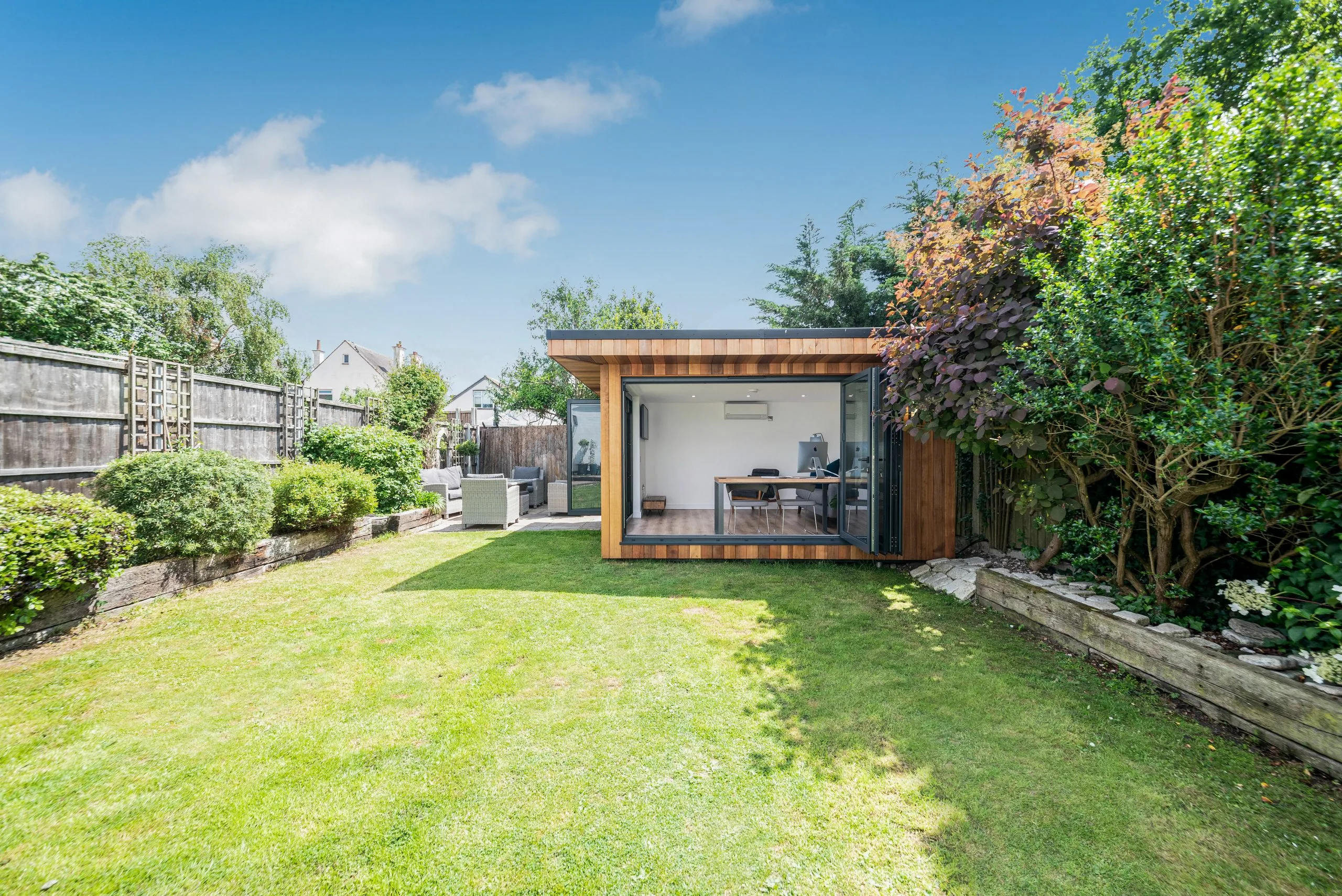 Bespoke fitted interior
There is a particular pleasure in reading somewhere that has been designed for quiet from the beginning: shelves measured around the books you actually own, a chair placed where the afternoon light falls, warm timber underfoot, and enough separation from the house for the room to feel like a genuine retreat.
A private library garden room is not simply a storage space for books; done well, it becomes one of the most personal rooms on the property.
For homeowners who want a bespoke, book-lined sanctuary, a garden library offers something the main house often cannot: calm, order and a defined atmosphere. It can be traditional and enveloping, contemporary and minimal, or somewhere in between, with fitted shelving, comfortable seating, display space, reading lamps, a writing desk, hidden storage and year-round comfort all designed into the building from the outset.
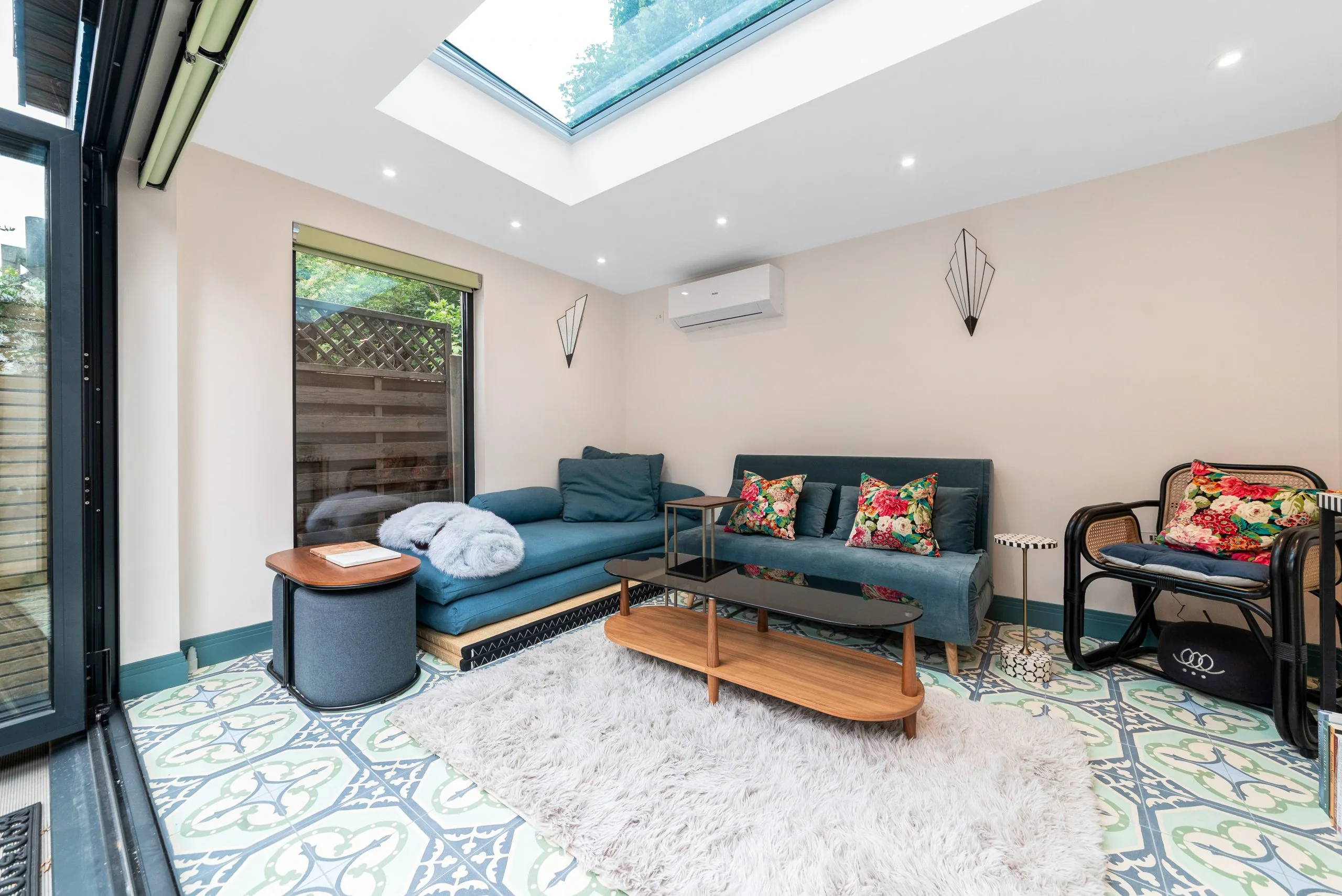
Because Hawksbeck garden rooms are bespoke, a private library can be planned around your collection, your reading habits and the character of your garden. Some clients want a compact, focused reading room with wall-to-wall shelving and one exceptional armchair. Others prefer a larger garden building that combines a private library with a study, music room, writing space or occasional guest retreat. The important point is that the building is not adapted afterwards to suit the purpose; it is designed for books, comfort and peaceful use from day one.
If you are comparing different garden room ideas, a private library is one of the most elegant and enduring options. It adds more than usable floor space. It creates a destination at home: somewhere to read, think, work, collect, display and escape daily noise without leaving the property.
A home library needs a slightly different design approach to many other uses. A gym needs resilience and ventilation. A cinema room needs darkness and sound control. A home office needs practicality and connectivity. A private library needs all of those things in moderation, but with an added focus on atmosphere, storage, light control and long-term protection for books.
Moving the library into the garden gives the space a sense of ceremony. Instead of being a corner of the living room or a hallway lined with shelves, it becomes a room with a clear purpose. Walking to it through the garden creates a mental transition, which is one of the reasons garden rooms work so well for reading, writing and quiet thought.
The shelving is usually the defining feature of a garden room library. It should be beautiful, but it also has to be practical. Books are heavy, collections grow, and the proportions of shelving have a major influence on how the room feels. Too shallow and larger books will overhang. Too deep and standard paperbacks can feel lost. Too many open shelves can become visually busy, while too many cupboards can remove the charm of the library completely.
A bespoke Hawksbeck garden library allows the shelving to be designed as part of the architecture of the room. You may want full-height fitted bookcases on one or two walls, a feature wall behind a reading chair, lower shelving beneath windows, or a combination of open shelving and closed cabinetry. The design can also incorporate ladders, integrated lighting, cabinet doors, display niches, archive drawers or a hidden desk.
For larger collections, it is also sensible to consider the structure behind the walls and the load involved. Books have considerable weight when stored floor to ceiling. A bespoke building can be planned with appropriate support, wall construction and flooring specification, giving you confidence that the room is suitable for its intended use.
The best library rooms are not just impressive to look at; they feel right when you sit down. The acoustic quality, temperature, light level, chair position and even the view from the window all affect whether you can comfortably spend an hour reading without distraction.
In a garden setting, there is an opportunity to design a room that feels connected to nature without being exposed to glare, heat or visual distraction. You might prefer a large glazed elevation overlooking planting, or you may want smaller, carefully placed windows to create a more intimate, cocooned library. The right answer depends on the garden, the orientation and the kind of reader you are.
Seating should be considered before the layout is finalised. A private library might include one generous armchair and footstool, a pair of reading chairs, a compact sofa, a window seat or a built-in bench with storage beneath. If the room will also be used for writing or study, a desk chair and work surface need to be planned without compromising the relaxed atmosphere.
It is worth thinking about how the room will be used at different times of day. A chair positioned beautifully for morning light may be too bright in the afternoon. A sofa under a window might look inviting, but if you read mainly in the evening, the lamp position and socket locations become more important than the view.
A library should feel settled. Hard surfaces, large glass areas and minimal furniture can sometimes make a room feel echoey, so the internal specification matters. Books themselves help soften sound, but rugs, upholstered seating, curtains, acoustic panels or timber finishes can all contribute to a quieter, warmer feel.
Because the building is detached from the house, you already gain a degree of separation. However, if your garden is near a road, neighbouring properties or a busy family space, the glazing choice, insulation, door specification and orientation of the building can make a noticeable difference to internal calm.
Natural light is wonderful for reading, but direct sunlight can be unkind to books. It can fade spines, heat the room and create glare on pages or screens. A private garden library therefore needs a considered lighting strategy: enough daylight to feel uplifting, enough shade to protect the collection, and enough artificial lighting to make the room inviting after dark.
There are several ways to achieve this balance. Rooflights can bring in soft overhead light, but may need careful placement and blinds. Large sliding or bifold doors can open the room beautifully to the garden, but might be better positioned away from the main book wall. Side windows can be used to frame a view without flooding the shelves with direct sun. Overhangs, brise soleil, planting and internal blinds can all help manage brightness throughout the year.
A single central ceiling light is rarely enough for a library. Layered lighting works far better. This might include:
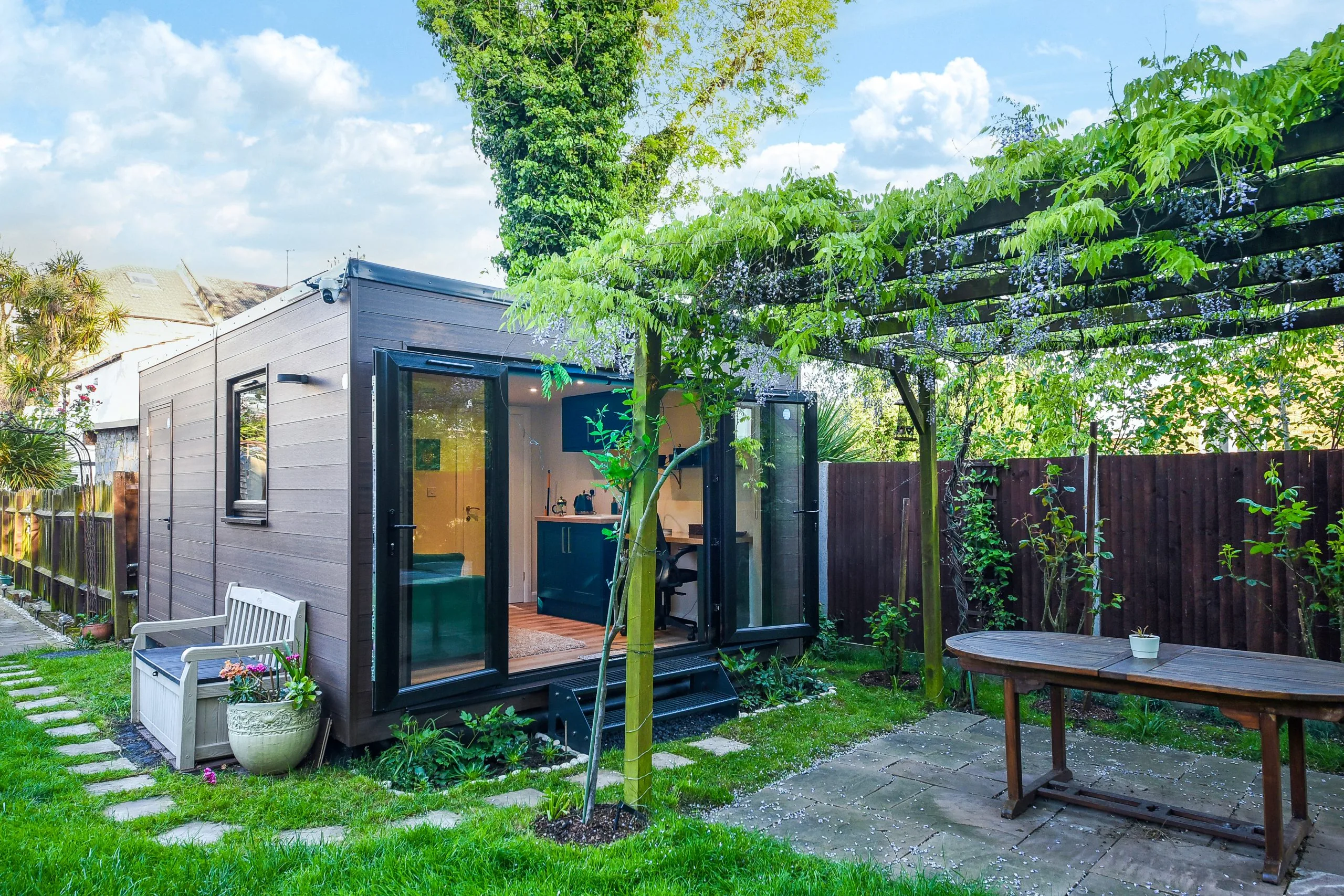
Books are sensitive to damp, heat, sunlight and poor air circulation. A garden room used as a private library therefore needs to be specified as a proper year-round building, not a seasonal summerhouse. Insulation, ventilation, heating and construction quality are essential if the room is going to house a valued collection.
A premium garden library should avoid extremes. The aim is steady comfort: not too hot in summer, not cold and damp in winter, and not closed up for long periods without air movement. This is one of the reasons a bespoke, high-quality garden room is so important for this use. The building fabric does a lot of the work before you add furniture or shelving.
Helps maintain a stable internal temperature and makes the room comfortable to use all year.
Electric heating, underfloor heating or climate control can keep the room pleasant during colder months.
Fresh air and controlled airflow help avoid stale, damp conditions.
High-quality glazing improves comfort and can help manage heat loss and solar gain.
Blinds, overhangs or planting can protect books from prolonged direct sunlight.
Shelving should be designed sensibly, with plinths and construction details that suit the building environment.
For particularly valuable or delicate collections, it may be worth discussing additional climate control, specialist blinds, low-UV glazing options and tailored ventilation. Not every library requires this level of specification, but it is better to discuss the collection early than to retrofit solutions later.
Many private garden libraries naturally become places to write, research, plan or work quietly. A desk can be a useful addition, but it should not dominate unless the room is intended to be a true library-office hybrid. The difference is subtle but important.
A home office is usually designed around productivity; a library is designed around focus, reflection and pleasure.
If you do want a desk, consider a design that feels integrated rather than corporate. A built-in writing surface between shelving bays, a freestanding timber desk facing the garden, or a compact reading table can all work beautifully. Sockets, data points, Wi-Fi provision and charging drawers can be concealed so the space remains calm and uncluttered.
For some clients, the ideal arrangement is a dual-zone layout: one side book-lined and restful, the other set up as a discreet study area. This can be especially effective in a larger garden building where the library needs to support both leisure reading and occasional focused work.
Tell us about the collection, how you like to read and where the light falls in your garden, and we will shape the shelving, seating and glazing around it.
Although a private library has its own unique design requirements, the video below shows how flexible a bespoke garden room can be. The same principles of craftsmanship, careful planning and premium finish can be adapted to create a library, office, studio, wellness room, entertainment space or multi-use retreat.
A garden library can take many forms. Some homeowners imagine a richly coloured, traditional room with darker cabinetry, leather seating, brass picture lights and deep-toned walls. Others want a bright, architectural reading space with pale oak shelving, minimal furniture and a strong connection to the garden. Both can work exceptionally well in a bespoke garden building.
The style should suit the property, the garden and the collection. Older homes may call for a more classic, heritage-inspired interior, while contemporary properties often suit clean lines, full-height glazing and understated joinery. The exterior can also be designed to harmonise with the setting, whether that means a discreet garden structure tucked into planting or a more confident architectural feature.
Fitted shelving, warm colours, reading lamps, rich upholstery and a quiet study-like feel.
Clean joinery, slim profiles, soft neutral tones, large glazing and carefully framed garden views.
Book storage combined with a desk, reference shelving and excellent task lighting.
Designed for books alongside records, art, maps, wine literature, photography archives or specialist collections.
A more relaxed space with shelving, comfortable seating, a small drinks area and a refined evening atmosphere.
The best layout depends on the size of the room and the way the shelves, seating and glazing interact. A very small library can still feel luxurious if the proportions are handled carefully. A larger room gives more freedom, but it also needs structure; otherwise it can become a general-purpose sitting room with books around the edge.
One effective approach is to identify the main reading position first. Where will you sit most often? What will you look at? Where will the light come from? Once that focal point is understood, the shelving can be arranged around it. In some rooms, the chair sits facing the garden with books behind and beside it. In others, a central seating area is surrounded by shelving on three walls, creating a more traditional private library feel.
Door placement matters too. If the entrance cuts through the most useful wall, it can reduce shelving capacity. If the doors face directly into bright sun, the room may need additional shading. With a bespoke design, these decisions can be resolved at the planning stage rather than accepted as compromises.
A private library should not feel dominated by technology, but it still needs to support modern use. You may want Wi-Fi for research, discreet speakers for music, a charging point beside the reading chair, lighting controls, heating controls, security, or a small screen for lectures and online talks.
The key is integration. Sockets can be positioned behind furniture, within desk areas or inside cabinetry. Lighting circuits can be separated so shelf lighting, reading lamps and ceiling lights are controlled independently. If you want music, speakers can be designed in without visible clutter. If you want the room to double as a quiet working space, data and power can be planned around the desk from the beginning.
Many garden rooms can be installed under permitted development rights, provided they meet the relevant rules around height, position, use and overall coverage of the garden. However, every property is different. Listed buildings, conservation areas, flats, maisonettes, previous extensions and boundary positions can all affect what is allowed.
A private library is generally an ancillary use to the main house, which is usually helpful from a planning perspective, but assumptions should be avoided. The size, height, location and intended facilities all matter. If the building includes sleeping accommodation or independent living facilities, the planning position may change significantly.
Hawksbeck can help guide the conversation and advise what is likely to be appropriate for your site. For a premium bespoke garden building, it is always worth getting the planning and positioning right before finalising the design.
Budget guideThe cost of a private library garden room depends on size, specification, groundworks, access, glazing, heating, electrical requirements and, importantly, the amount and quality of fitted joinery. A simple reading room with limited shelving will sit at a different price point from a fully book-lined bespoke library with integrated lighting, custom cabinetry and premium internal finishes.
As a broad guide, a compact premium garden building suitable for use as a private reading room may begin from the lower end of Hawksbeck’s published garden room range, but most dedicated library projects will require additional investment for bespoke shelving, lighting and interior detailing. For a smaller bespoke library, it would be sensible to budget from the mid £30,000s upwards. A larger, highly finished garden library with extensive fitted bookcases, upgraded glazing, heating, electrical design and luxury finishes may fall in the £50,000 to £80,000+ range, with more substantial or complex buildings exceeding that.
These figures are only indicative. The final cost can change considerably depending on the project. For example, full-height hardwood joinery, specialist climate control, large sliding doors, complicated ground conditions or restricted access can all affect the price. Conversely, a more compact room with carefully planned shelving and a restrained specification may achieve the desired result at a lower budget.
The most useful first step is to define how the room should feel and function. From there, the design and specification can be shaped around your priorities and budget rather than reducing the library to a standard garden room with shelves added later.
A bespoke garden library can be as simple or layered as you wish. The following ideas can help elevate the room from practical book storage to a genuinely special retreat.
Instead of trying to fill the room with furniture, choose the primary reading position and design around it. Place a lamp exactly where it is needed, position a side table within reach, add a footstool, and ensure the view, temperature and acoustics all support long periods of comfortable reading.
Deep greens, blues, charcoals, warm browns and muted reds can work beautifully in a private library. Darker colours make shelves feel richer and help the room feel calm in the evening. When balanced with good lighting and natural texture, the result can be extremely refined.
A window seat can turn a small elevation into a useful reading nook. With drawers beneath, it also provides hidden storage for blankets, cushions or less frequently used items. The window should be positioned carefully to avoid glare while still capturing a pleasing garden view.
Most personal libraries contain more than books. Framed photographs, ceramics, sculpture, travel objects, awards or inherited pieces can all be incorporated into the shelving. Varying shelf heights and adding lit display niches can prevent the joinery from feeling too uniform.
A discreet cabinet for tea, coffee, glassware or a small wine fridge can make the library more enjoyable without turning it into an entertainment room. This works particularly well if the space is used in the evening or shared with guests.
The path to the library matters. Planting, lighting and the position of the door all influence how the room feels before you enter. A softly lit garden route can make the library feel like a retreat, especially in autumn and winter.
A garden library is a long-term investment, so it is worth avoiding decisions that limit comfort or usability later.
A private library is a highly personal brief. It is not a room that should feel standardised, and it should not be designed around a fixed template. Hawksbeck’s bespoke approach allows the building, exterior, interior layout and finishing details to be developed around the way you want to use the space.
That might mean traditional fitted shelving, a contemporary glazed reading room, a compact book-lined retreat, or a larger garden building combining a library with a home office or relaxation space. The value lies in designing the room properly from the outset: the right proportions, the right materials, the right lighting, the right level of insulation, and the right atmosphere.
If you already have a clear vision, Hawksbeck can help turn it into a practical design. If you only know that you want somewhere quiet, beautiful and book-lined, the process can begin there too. The result should feel like a natural extension of your home and garden, while offering the privacy and calm that only a separate garden building can provide.
Share a rough shelf count, the way you like to read and the style you have in mind, and we will take it from there.
Yes, provided the building is designed properly. Books are heavy, so the structure, wall construction, flooring and shelving design should be planned around the collection. A bespoke garden room is ideal because these requirements can be built into the specification from the start.
A high-quality, insulated garden room with suitable heating and ventilation can provide a comfortable environment for books. Damp problems are more likely in poorly insulated or seasonal garden buildings. For valuable collections, it is worth discussing additional ventilation, heating and solar control options.
Yes. A premium garden library should be designed for year-round use, with insulation, heating, electrics, lighting and glazing specified for comfort in both winter and summer.
Hawksbeck provides bespoke garden buildings, and the design can allow for fitted shelving, cabinetry and internal detailing as part of the overall concept. The exact joinery specification can be discussed around your collection, preferred style and budget.
It depends on the size of your collection and whether the room is purely for reading or also needs a desk, sofa or multi-use area. A compact library can work beautifully with one strong book wall and a reading chair, while larger rooms can include multiple shelving elevations, a writing desk and lounge seating.
Yes. Many clients choose a hybrid library and study. The key is to keep the design calm and avoid making the space feel like a standard office. Integrated power, discreet data connections and a carefully positioned desk can make the room practical without losing the private library atmosphere.
Three Hawksbeck projects whose calm, finished interiors translate naturally to a library brief.
A calm and beautifully finished garden room project showing how a separate building can create a focused retreat for work, reading and quiet time away from the main house.
View project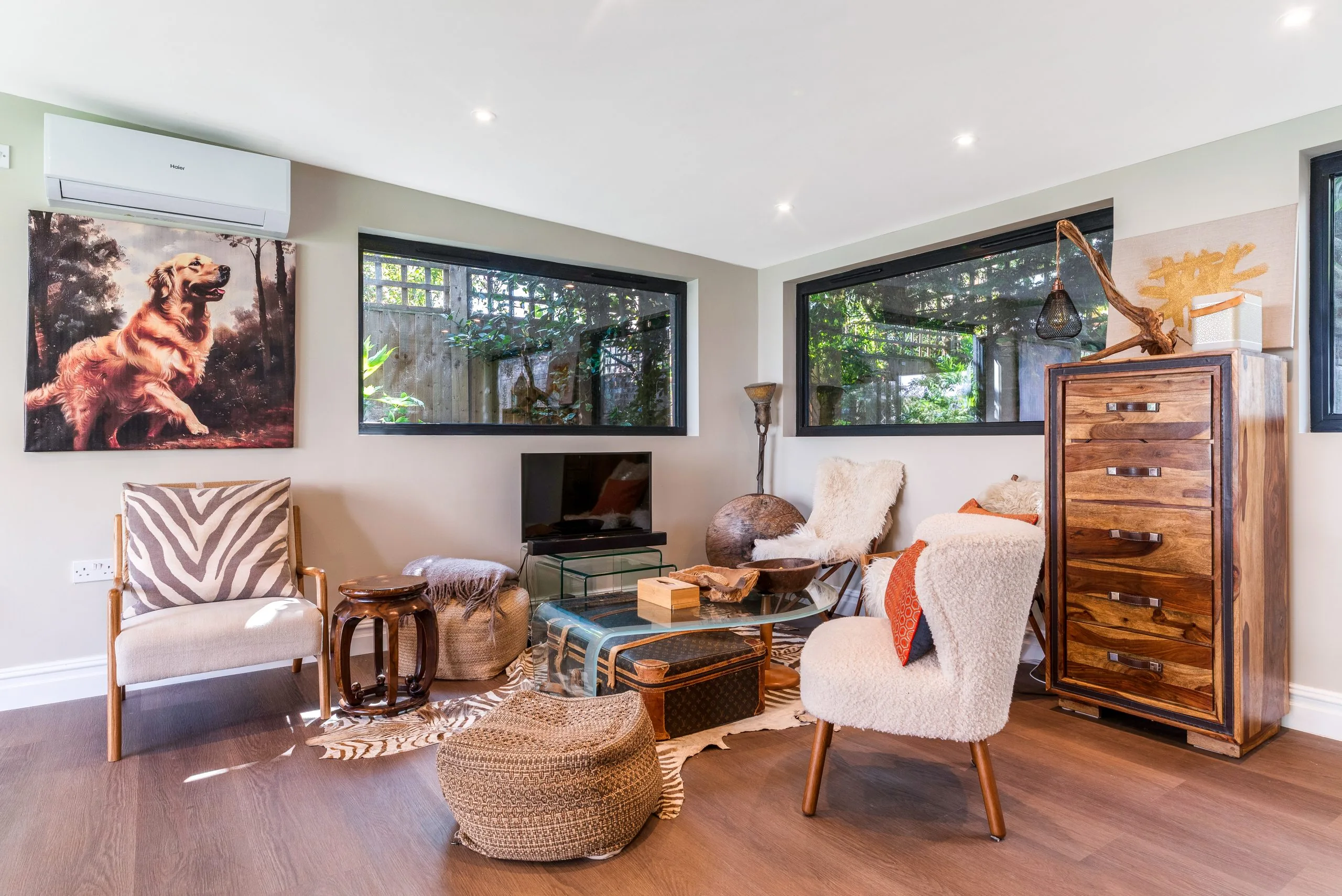
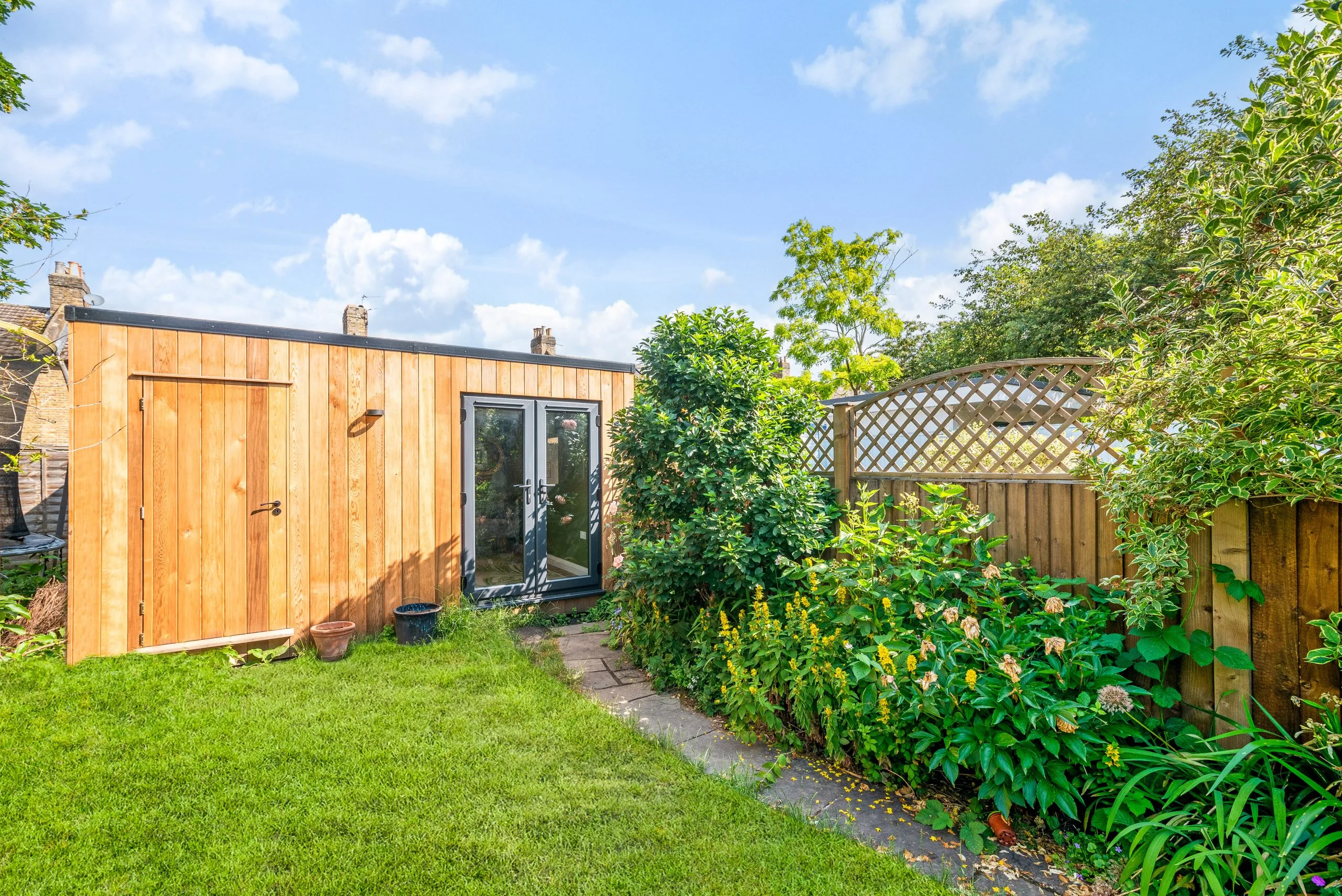
This London project demonstrates how a bespoke garden room can feel private, refined and highly usable, with design principles that translate well to a book-lined library or study space.
View project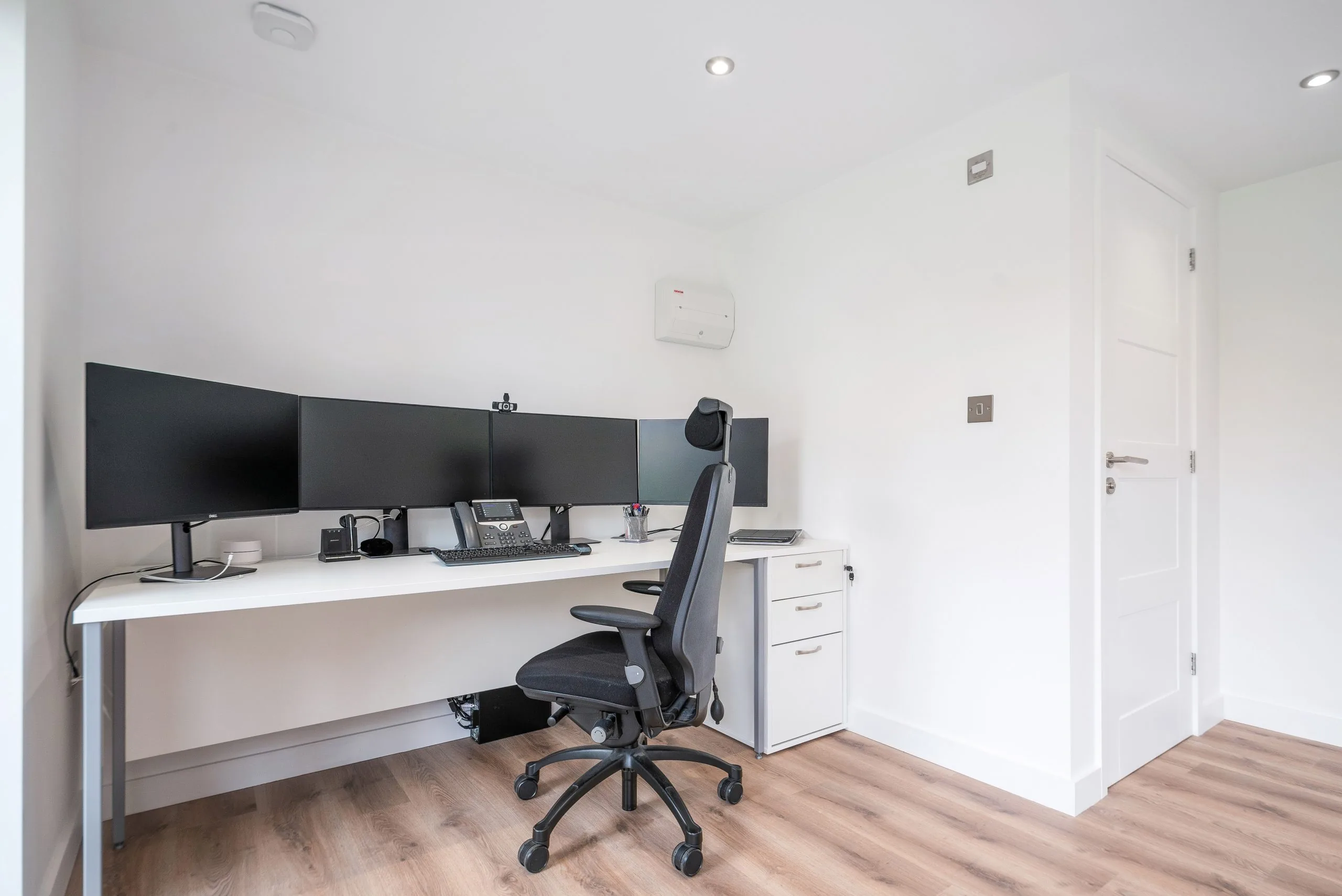
A flexible bespoke garden building designed for both productivity and relaxation, offering useful inspiration for homeowners planning a private library with more than one purpose.
View project