
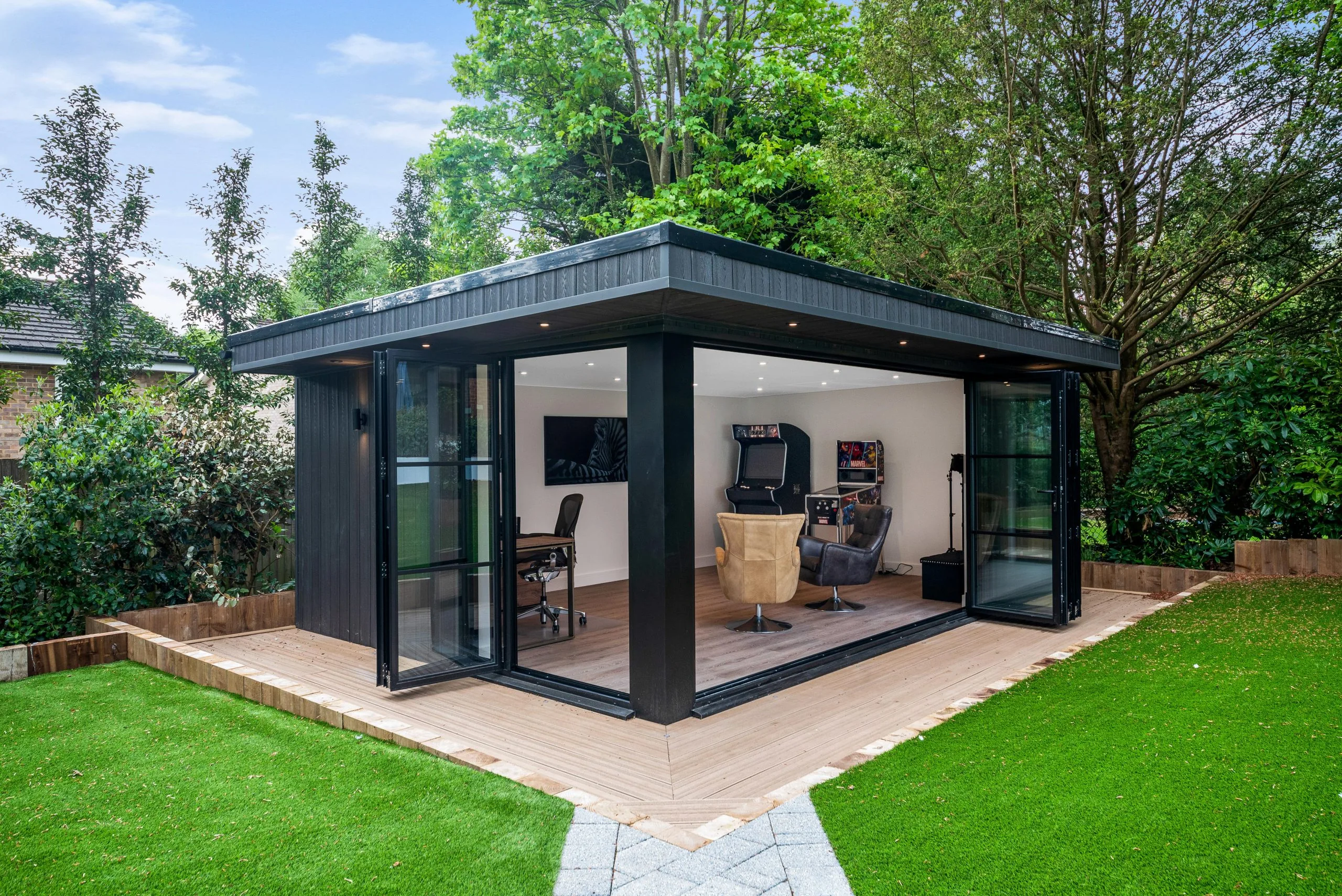
Garden Games Room & Recording Studio
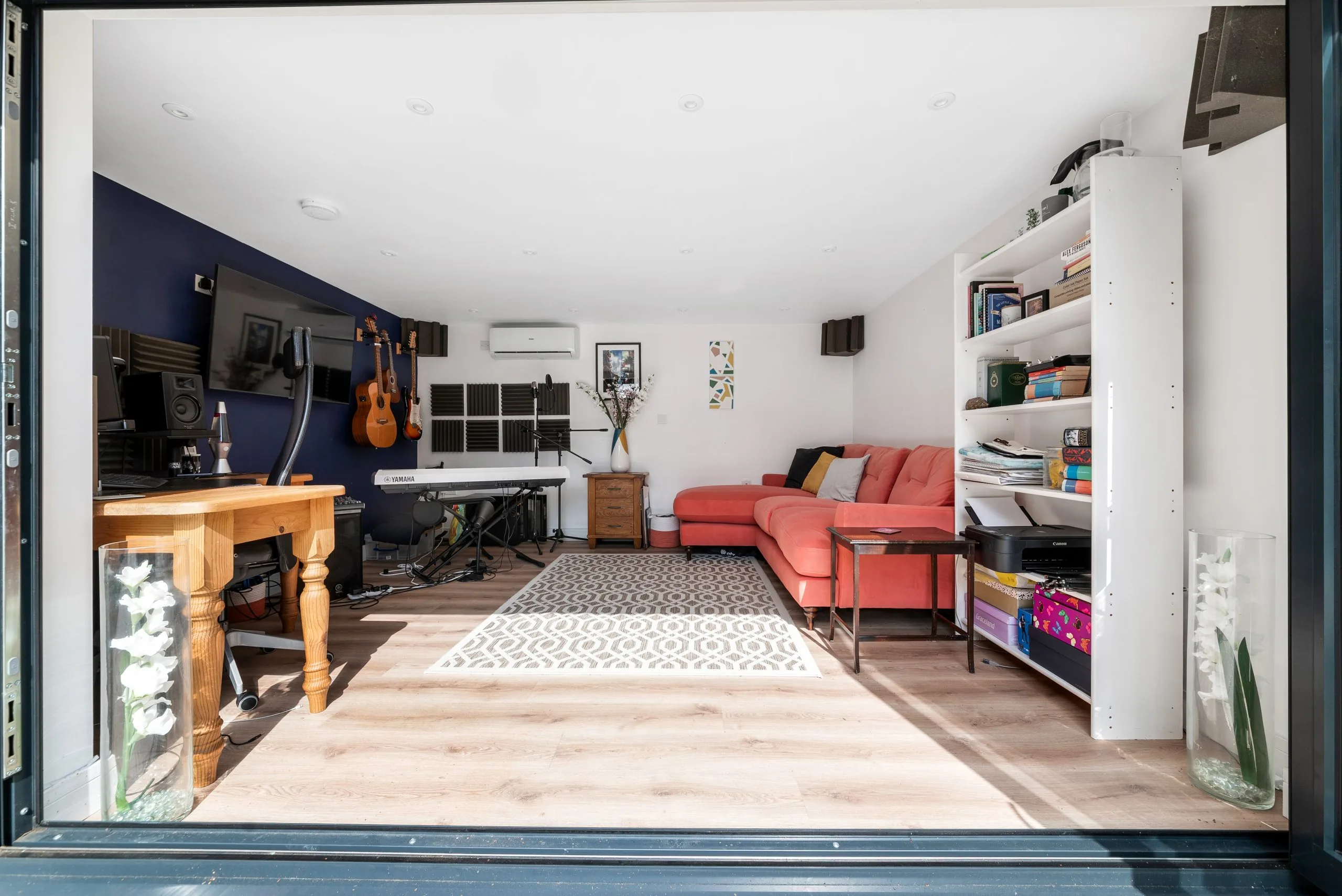
A bespoke garden building designed to combine leisure and recording use, showing how a premium outdoor space can support music, relaxation and family enjoyment in one carefully planned layout.
View project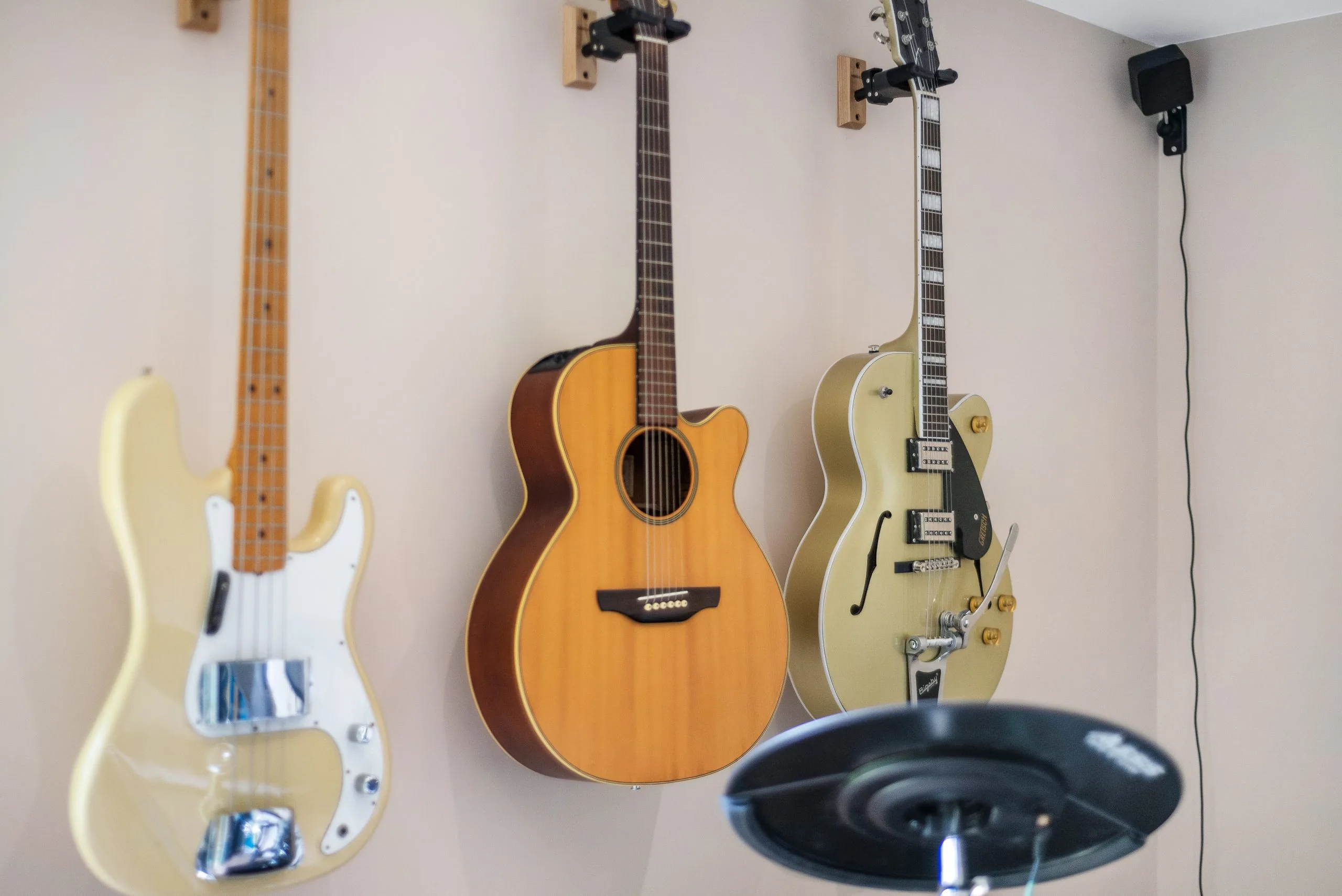
A good garden recording studio is not simply a quiet office with a microphone in it. The building has to manage sound in three directions at once: the sound you are creating inside the room, the sound you do not want entering from outside, and the practical noise created by the studio itself, such as ventilation, computers, amplifiers and power supplies.
That is where a bespoke garden building becomes such a strong option. Instead of adapting a spare bedroom, garage or loft after the event, the studio can be planned around the way you record, mix, rehearse or produce music from the beginning. The room size, ceiling height, glazing, door position, electrical layout, cable routes, acoustic finishes, storage and even the relationship between a live room and control area can all be considered before the build starts.
For musicians, producers, voiceover artists, podcasters and engineers, a Hawksbeck recording studio garden room can be designed as a premium, self-contained creative space that feels separate from the house but remains close enough for daily use. Whether you need a compact vocal booth and production room, a writing studio with high-quality monitoring, a drum-friendly rehearsal space or a more technical two-zone studio with control-room options, the specification can be tailored to the way you actually work.
If you are still comparing different uses for a garden building, our wider guide to garden room ideas is useful for seeing how a bespoke space can be shaped around work, leisure, fitness, music and entertainment. This page focuses specifically on what matters when that space needs to perform as a serious audio environment.
The right specification depends heavily on the work you plan to do. A podcast studio has different priorities from a drum tracking room. A space for electronic production may need accuracy at the listening position more than extreme sound separation. A full band rehearsal room needs durability, comfort and far greater control over low-frequency energy.
Before looking at layouts or finishes, it helps to identify the main use of the room.
For producers, composers and mixing engineers, the listening position is everything. The room shape, speaker placement, desk position and early reflection points all affect how accurately you hear low end, stereo imaging and detail. In this type of studio, the design usually prioritises:
A production studio does not always need to be large, but it does need to be planned carefully. A beautifully finished room that sounds boxy or uneven can become frustrating very quickly. With a bespoke Hawksbeck design, the practical studio workflow can be built into the layout rather than added awkwardly later.
Vocalists, audiobook narrators, content creators and voiceover artists often need a controlled, quiet recording environment with minimal external interruptions. The brief may include a main editing area with a small booth, or a single highly treated room that can be used for both recording and editing.
Important details include ventilation that does not rumble into the microphone, low-noise lighting, solid doors, well-sealed junctions, and internal finishes that avoid a cramped, dead or uncomfortable feel. A vocal room should be controlled, but it should not feel like a cupboard.
Drums and amplified instruments create much higher sound pressure levels than speech or nearfield mixing. They also produce low-frequency energy that travels easily through lightweight structures. If you want to rehearse with drums, record loud guitar cabinets or run band sessions in the garden, the building specification needs to be approached much more seriously.
For these projects, sound separation, mass, structural detailing, door specification, glazing choices, ventilation strategy and internal acoustic treatment all become more important. The aim is not just to make the inside sound better, but to consider the experience for the house, neighbours and surrounding outdoor space.
Some clients want a live room and a separate control room, or a flexible studio where one section can be used for tracking and another for monitoring, editing or production. This is particularly useful if you record other musicians, want visual separation, or need a more professional workflow.
A two-zone studio may include internal glazing, talkback facilities, cable pass-throughs, separate lighting circuits, rack storage, desk space, and carefully considered doors between spaces. It can also be designed so the second zone works as an office, writing room or relaxed client area when not in use.
The word “soundproofing” is often used loosely, but in studio design it is helpful to separate two different goals.
You normally need both, but the balance depends on the use. A mixing room may need substantial internal treatment even if external sound levels are moderate. A drum room may need a more robust isolation strategy before you even start thinking about wall panels and bass traps.
Sound travels through weak points. A high-quality wall build-up is compromised if the doors, glazing, roof junctions, floor structure, vents or cable penetrations are not considered. In a recording studio garden room, details that might be minor in a standard garden office can have a noticeable effect.
Examples include:
This does not mean every music studio needs the same heavy-duty construction. It means the building should be specified honestly around the intended level of use.
Recording acoustic guitar and vocals is very different from tracking drums at night.
A bespoke garden studio gives you the chance to avoid some of the awkward compromises found in spare-room setups. You can place the entrance where it does not interfere with the listening position, allow space behind the desk, include discreet storage, and choose a layout that supports your workflow.
A smaller building can work extremely well for electronic music production, editing, podcast production or writing. The key is to avoid overfilling it. A desk, monitors, chair, rack, keyboard, guitar stands and acoustic treatment all need breathing room.
For a compact studio, consider:
A larger footprint gives more flexibility. You may be able to create a comfortable production position and still leave usable space for guitars, keyboards, vocal recording or small ensemble work. This is often the ideal route for musicians who want one beautiful, practical room rather than a highly divided technical suite.
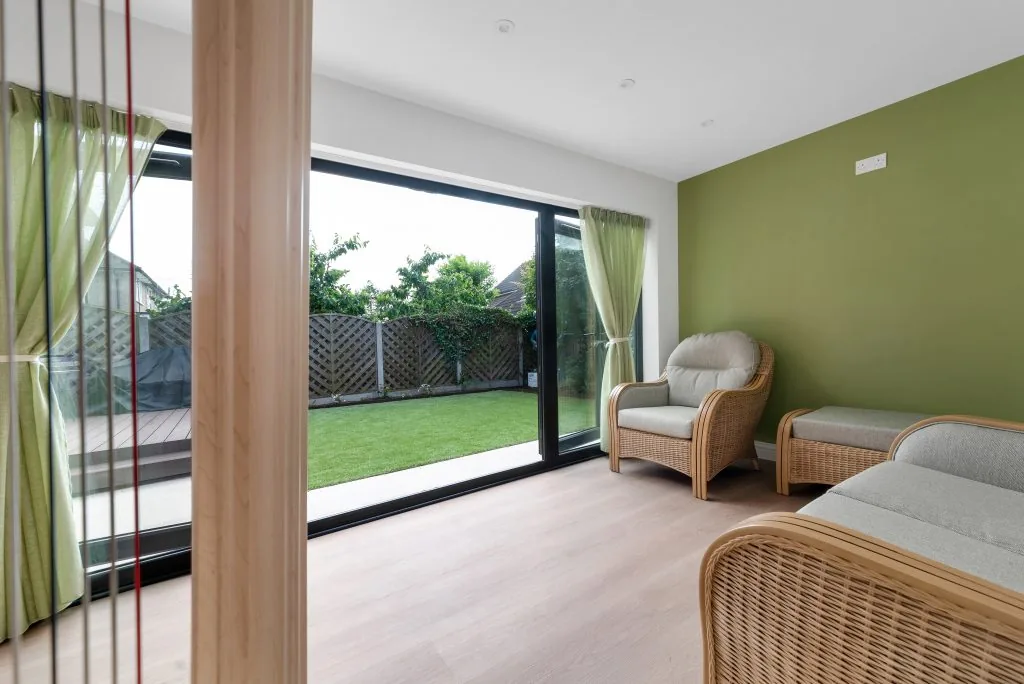
In this style of garden recording studio, the interior can feel more like a relaxed creative lounge while still being designed around audio performance. Materials, lighting and furniture choices matter because they influence how comfortable the room feels during long sessions.
For a more technical studio, the layout may include a control room, a separate live area, an isolation zone, internal acoustic glazing, equipment racks and dedicated cable paths. This kind of brief benefits from early collaboration because each design choice has a knock-on effect.
For example, a control room needs good sightlines into the live room, but glazing introduces acoustic considerations. A separate booth helps with isolation, but it also needs ventilation and lighting. Rack equipment may be convenient near the desk, but fan noise may need to be kept away from microphones.
A garden recording studio usually needs more electrical planning than a typical garden room. Audio equipment, computers, interfaces, preamps, instruments, lighting, chargers, screens, network equipment and heating or cooling systems all place demands on the room.
Rather than relying on extension leads, it is better to plan the studio’s power and connectivity properly. Depending on your setup, this may include:
For serious recording environments, cable planning is not just about convenience. It affects noise, reliability and how quickly you can work. A tidy, well-labelled studio makes sessions smoother and reduces the temptation to leave temporary cables trailing across the floor.
One of the most common problems in DIY recording spaces is fresh air. A sealed room can become warm and uncomfortable very quickly, especially with computers, people, amps and lighting running. Opening a window may solve the temperature problem, but it defeats the purpose of sound separation.
A well-designed garden recording studio should consider comfort for long sessions. Depending on the brief, this could include heating, cooling, ventilation, opening elements, climate control and careful positioning of any mechanical systems so they do not introduce unwanted noise into recordings.
If you regularly use microphones, ventilation noise matters. If you mix for several hours at a time, temperature stability matters. If clients visit, comfort and presentation matter. These are not luxuries in a working studio; they are part of making the room usable year-round.
Tell us what will be recorded and when. That answer sets the wall build-up, the doors and the ventilation strategy before anything else is drawn.
The video below shows the range and quality of Hawksbeck garden rooms and how a bespoke building can be adapted for different uses. A recording studio has its own technical requirements, but the same principle applies: the building should be shaped around how you want to live, work and create.
A technical studio does not have to feel clinical. Many of the best creative spaces combine proper audio planning with a warm, inspiring interior. Because Hawksbeck garden rooms are bespoke, the studio can be designed to feel like an extension of your creative identity rather than a generic black box.
Timber finishes, fabric-wrapped acoustic panels, slatted details, soft furnishings, rugs and carefully chosen furniture can all contribute to a space that feels inviting. The aim is to create a room that looks refined while avoiding excessive hard, reflective surfaces.
Recording, mixing, writing and relaxing all benefit from different lighting. Bright, even lighting is useful when setting up microphones or finding cables. Softer dimmable lighting helps create a comfortable mood for writing, vocal takes or late-night production.
Useful lighting ideas include:
Studios collect things: cables, stands, headphones, instruments, cases, pedals, microphones, music books, hard drives and accessories. Storage is often forgotten, but it has a big impact on how professional and enjoyable the room feels.
Built-in cupboards, wall-mounted guitar storage, under-desk cable management, rack spaces and hidden compartments can help keep the studio easy to use without cluttering the creative environment.
This is one of the most important questions to ask early. The answer depends on the type of sound, the volume, the time of day, the distance to boundaries, the surrounding buildings, and the level of construction required.
Speech, podcasting and light music production are usually much easier to manage than drums, bass amps or loud rehearsals. Low frequencies are particularly difficult because they travel through structures and can be felt as much as heard.
If neighbour disturbance is a major concern, the specification should be discussed honestly from the outset. Potential considerations include:
No responsible studio builder should promise unrealistic “total soundproofing” without understanding the brief and environment. A well-considered design, however, can make a significant difference and give you a far more controlled space than a standard room in the house.
Many garden rooms can be built under permitted development rights, provided they meet the relevant rules on height, position, use and overall site restrictions. However, recording studios can raise additional considerations depending on how the building will be used.
If the studio is for personal use, writing, recording, practice or occasional creative work, the route may be relatively straightforward. If you plan to run a commercial studio with regular clients visiting, parking requirements, business use and potential noise could become more relevant.
Factors that may affect permissions include:
Because each property and brief is different, it is best to discuss the intended use properly before assuming the correct route. Hawksbeck can help you think through the practical implications of your garden studio at the design stage.
Pricing for a garden recording studio varies more than many other garden room uses because the technical specification can change so much. A simple creative production room and a high-isolation drum studio are not the same project, even if the external size looks similar.
As a broad guide, Hawksbeck garden rooms sit in the premium bespoke market, and the final cost is influenced by size, range, foundations, finishes, glazing, doors, electrics, heating, cooling, acoustic upgrades, internal layout and any specialist studio requirements.
For budgeting purposes, the following ranges can be a useful starting point:
Specialist acoustic treatment, studio furniture, recording equipment, monitors, instruments, outboard gear and acoustic consultancy may be separate from the garden room build itself, depending on the agreed scope. The most accurate way to price the project is to start with your intended use, sound requirements, room size and desired finish, then build the specification around that.
The better the brief, the better the studio. You do not need to have every technical answer before speaking to Hawksbeck, but it helps to think about your priorities in advance.
These answers guide the shape of the building as much as the acoustic specification. A studio should fit naturally into your garden, look beautiful from the house, and perform properly when you close the door and start working.
A recording studio is a very personal space. It has to support concentration, creativity and technical accuracy, but it also has to be somewhere you enjoy spending time. Off-the-shelf layouts can be limiting because studio work is rarely generic. Your desk, instruments, workflow, monitoring position, preferred finishes and privacy requirements all matter.
With a bespoke Hawksbeck garden building, the studio can be designed around:
For some clients, the result is a private creative retreat at the end of the garden. For others, it is a professional studio that supports their business, content, music or production work every day. The value of a bespoke approach is that both outcomes can be designed properly.
Bring your equipment list, your loudest source and your usual hours, and we can start shaping a garden studio that sounds right inside and stays considerate outside.
Yes, provided it is designed with the right specification. A standard garden room may be suitable for light creative use, but a proper recording studio needs additional thought around acoustics, sound separation, ventilation, cabling, doors, glazing and internal layout.
Yes, but drums require a more robust approach because they are loud and produce low-frequency energy. If drums are part of the brief, this should be discussed early so the building can be specified appropriately.
This depends on the agreed specification. Some clients want the building prepared for specialist panels and bass traps, while others want a more complete studio-ready interior. The best approach depends on your use, budget and whether an acoustic consultant is involved.
Yes. A bespoke garden building can be designed with divided areas, internal glazing, cable routes and different zones. The available space, desired level of isolation and overall budget will determine the most practical layout.
Most modern studios benefit from reliable internet for remote sessions, file transfers, software authorisation, streaming, teaching and backups. Data cabling is often preferable to relying solely on Wi-Fi, especially if the studio is at the end of the garden.
Absolutely. Technical performance and premium design can work together. Exterior finishes, glazing, landscaping, lighting and interior materials can all be chosen so the building looks beautiful while supporting serious creative use.
Explore real Hawksbeck projects that show how bespoke garden buildings can be designed for music, recording and high-quality leisure use.
A bespoke garden building designed to combine leisure and recording use, showing how a premium outdoor space can support music, relaxation and family enjoyment in one carefully planned layout.
View project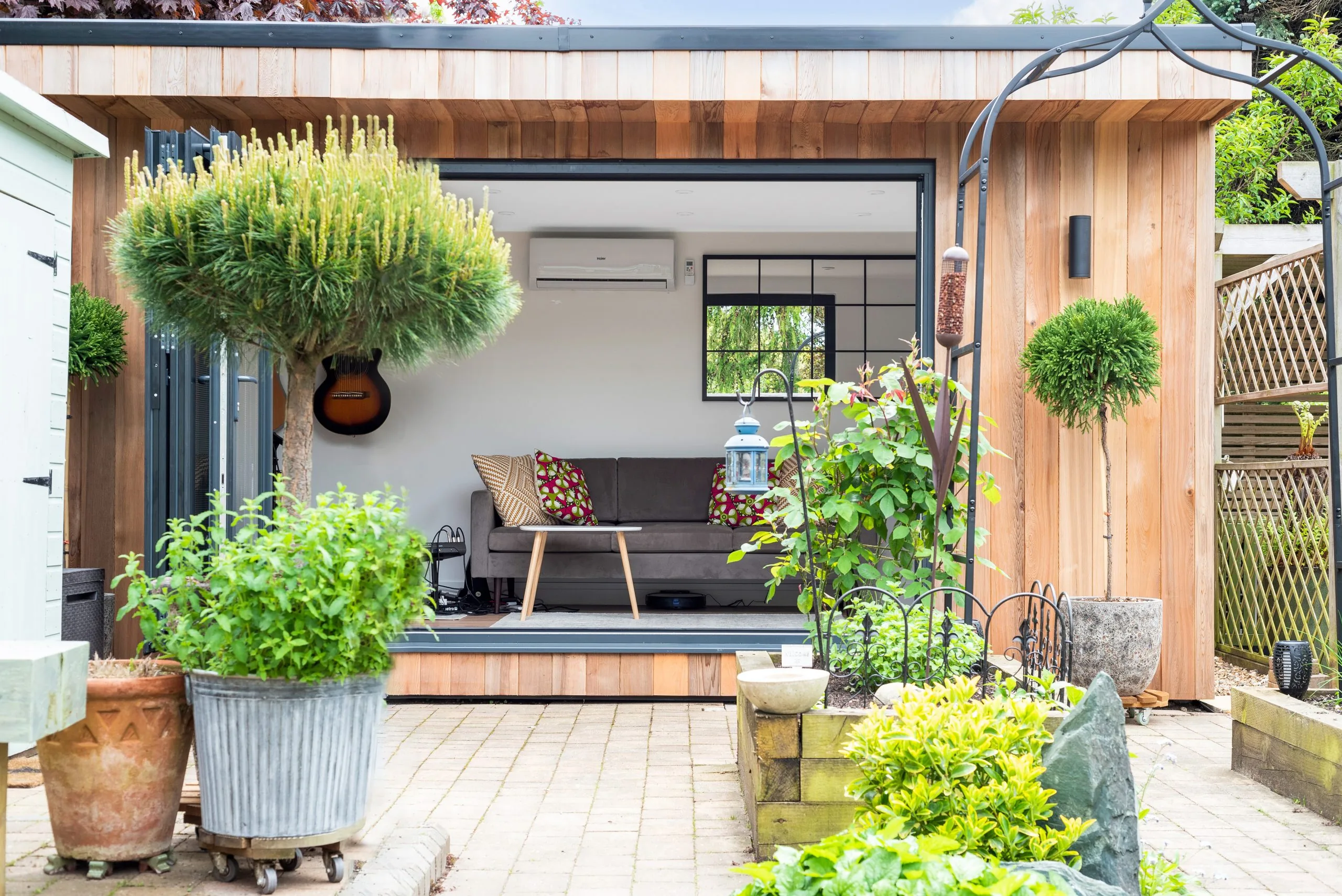
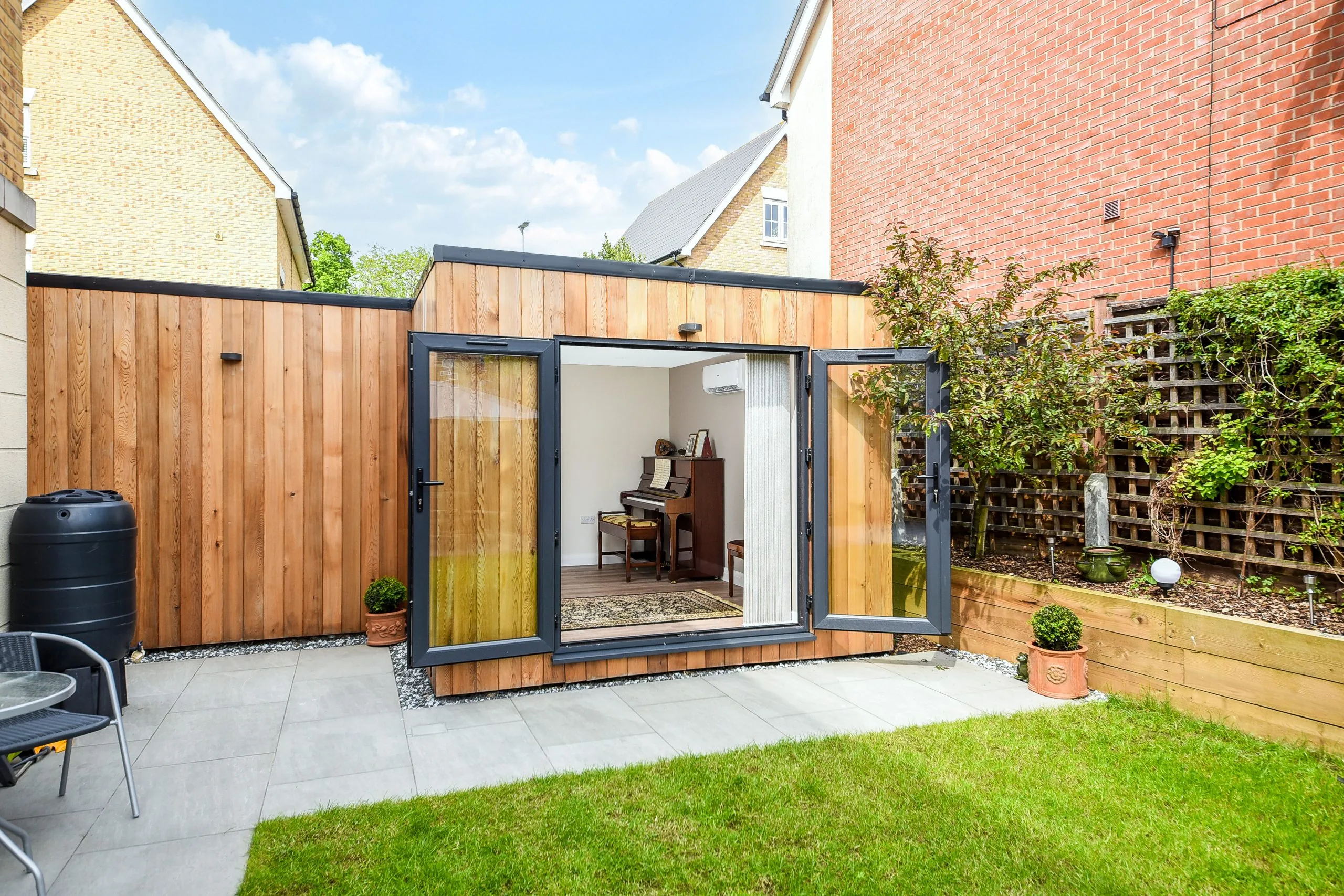
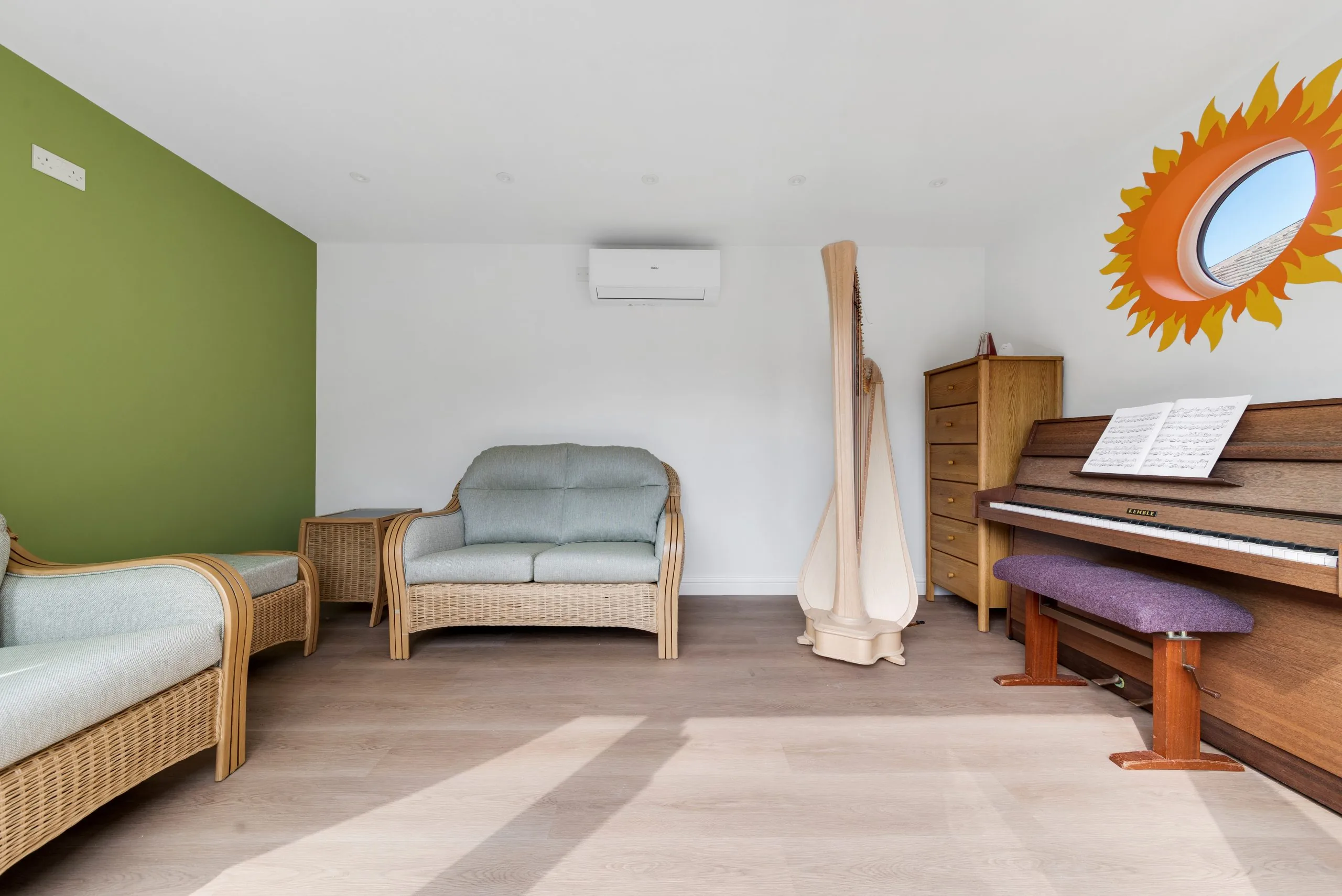
This Colchester music studio demonstrates how a high-quality garden room can be shaped into a dedicated creative space with the comfort, finish and practicality needed for regular music use.
View project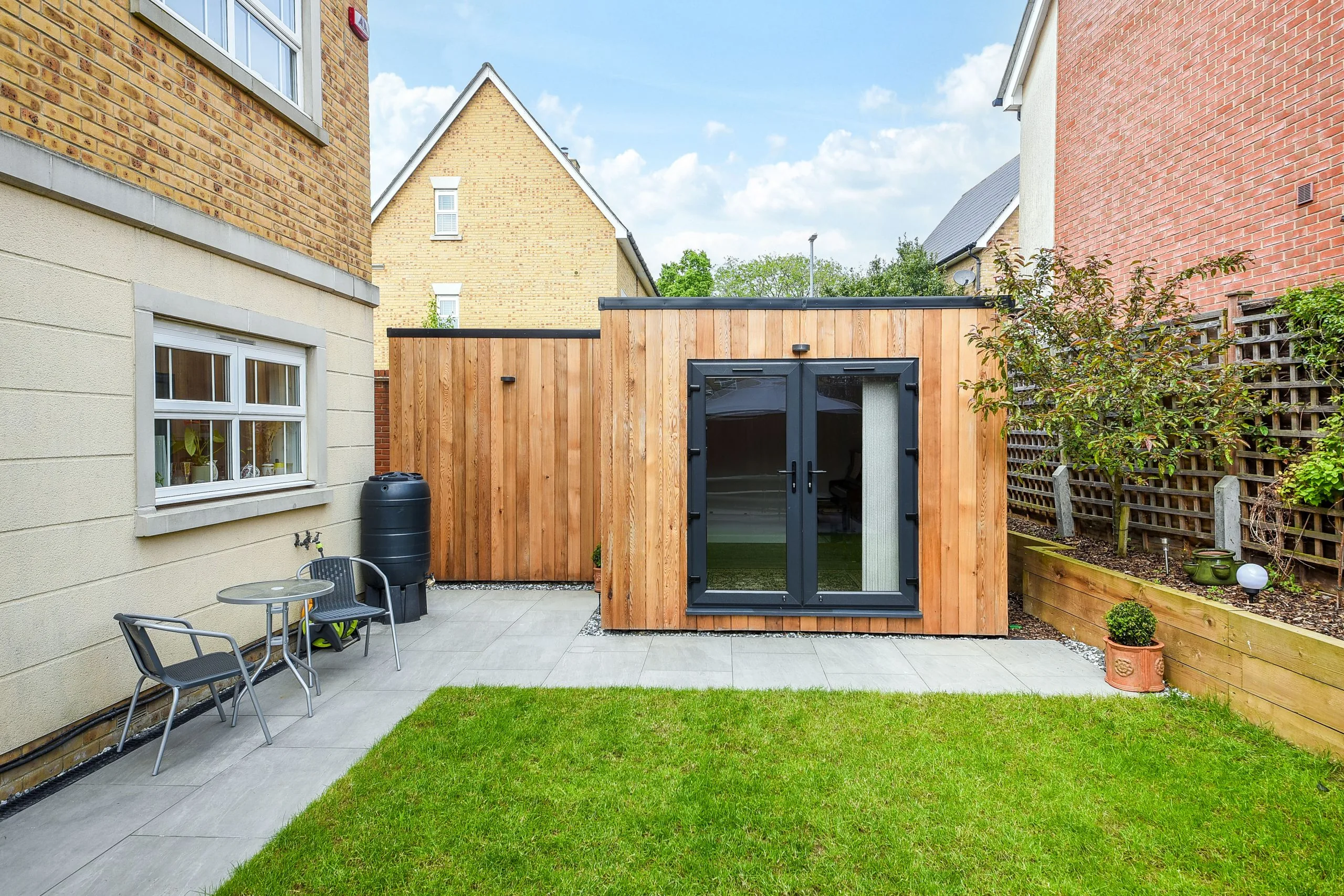
A tailored Essex garden music studio highlighting the flexibility of a bespoke Hawksbeck build for musicians who want a purpose-made space away from the main house.
View project