
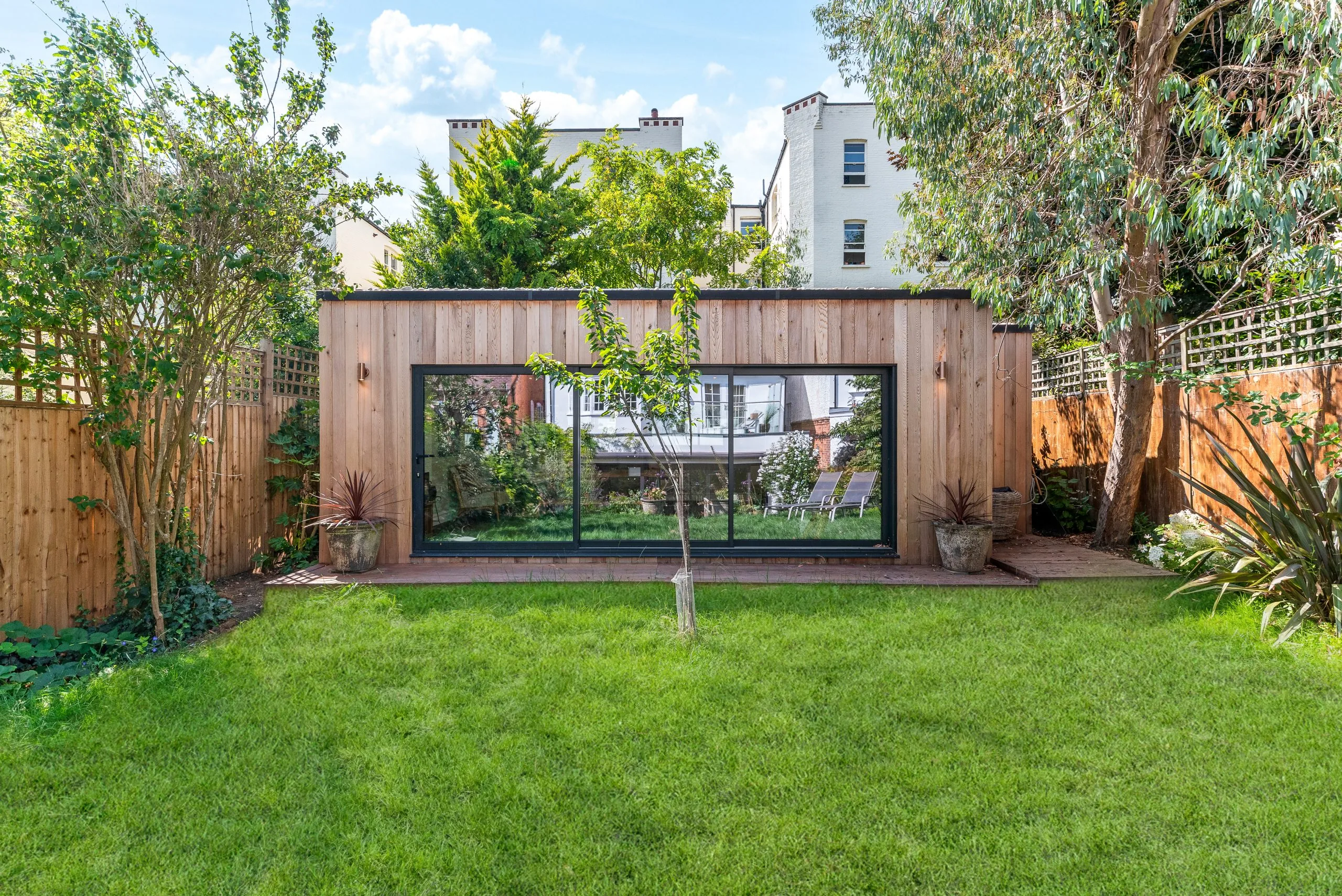
Multifunctional Garden Room Retreat
A beautifully considered garden retreat showing how a bespoke building can combine relaxation, comfort and flexible daily use, ideal inspiration for a refined tea room or private garden escape.
View project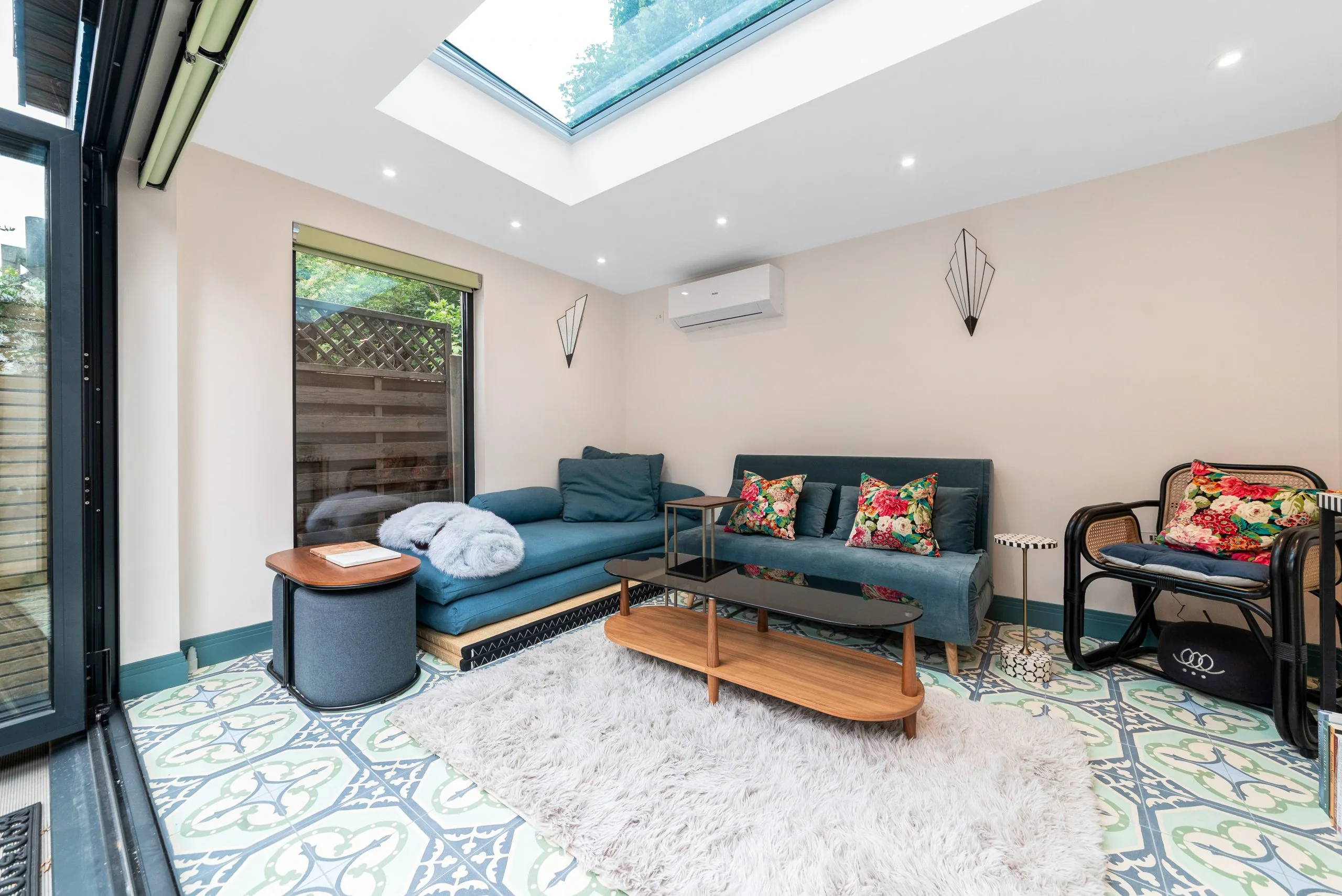
There is a particular pleasure in drinking tea where the pace of the house cannot quite reach you: morning light through the glazing, a view over the planting, a quiet table set for two, perhaps shelves of books and a comfortable chair waiting for the next chapter.
A bespoke garden tea room is a refined way to create that moment every day, without it feeling like a spare room, conservatory or summerhouse that is only comfortable when the weather cooperates.
For many homeowners, the appeal is not simply “a place to make tea”. It is a private, elegant garden retreat designed for conversation, reading, hosting, reflection and enjoying the garden properly throughout the year. With careful planning, a luxury garden room can feel calm and intimate for one person, yet generous enough for friends, family or afternoon tea at the weekend.
A successful tea room garden building should not feel over-designed or impractical. It should be easy to use, beautiful to sit in and comfortable in every season. That means thinking beyond the furniture and asking how the room will behave at different times of day: where the sun falls, what you see from the table, how the door opens when guests arrive, and whether the space still feels inviting on a grey January afternoon.
Because Hawksbeck garden rooms are bespoke, the building can be shaped around the experience you want to create. Some clients prefer a compact, jewel-box tea room with soft seating and a small preparation area. Others want a more generous garden pavilion with dining, armchairs, traditional cabinetry, display shelving, heating, lighting and wide glazing facing the best part of the garden.
If you are comparing different uses for a detached building, our wider guide to garden room ideas may also help you explore how a tea room could pair with reading, entertaining, wellness or creative hobbies.
The essentialsThe best specification depends on how formal, social or private you want the space to be. A room used for quiet morning tea and books will have a different layout to one designed for afternoon tea with guests. The advantage of a bespoke build is that both can be planned properly from the start.
Even if you do not want a full kitchenette, it is worth considering a dedicated tea station. This could include base cabinetry, a worktop, hidden storage for cups and loose-leaf teas, space for a kettle or hot water tap, small fridge, integrated bin and an attractive splashback. For a more traditional feel, painted cabinetry and natural surfaces work beautifully. For a contemporary tea room, sleek handleless storage keeps the room uncluttered.
Water supply and drainage may be possible depending on the location of the building and your requirements. If you only need a simple serving area, the specification can remain more restrained. If you want to host regularly, plumbing can make the room significantly more convenient.
A tea room can easily become cramped if the furniture is chosen after the building is complete. We recommend working backwards from how many people you want to seat and whether the room should feel more like a lounge, dining space or peaceful reading retreat.
A pair of armchairs, small table, reading lamp and low storage may be enough.
A circular table, banquette seating or a combination of dining chairs and lounge chairs can work well.
Allow space around the table for serving, sideboards and movement, not just the table itself.
Include softer seating, layered lighting and a view that encourages people to stay awhile.
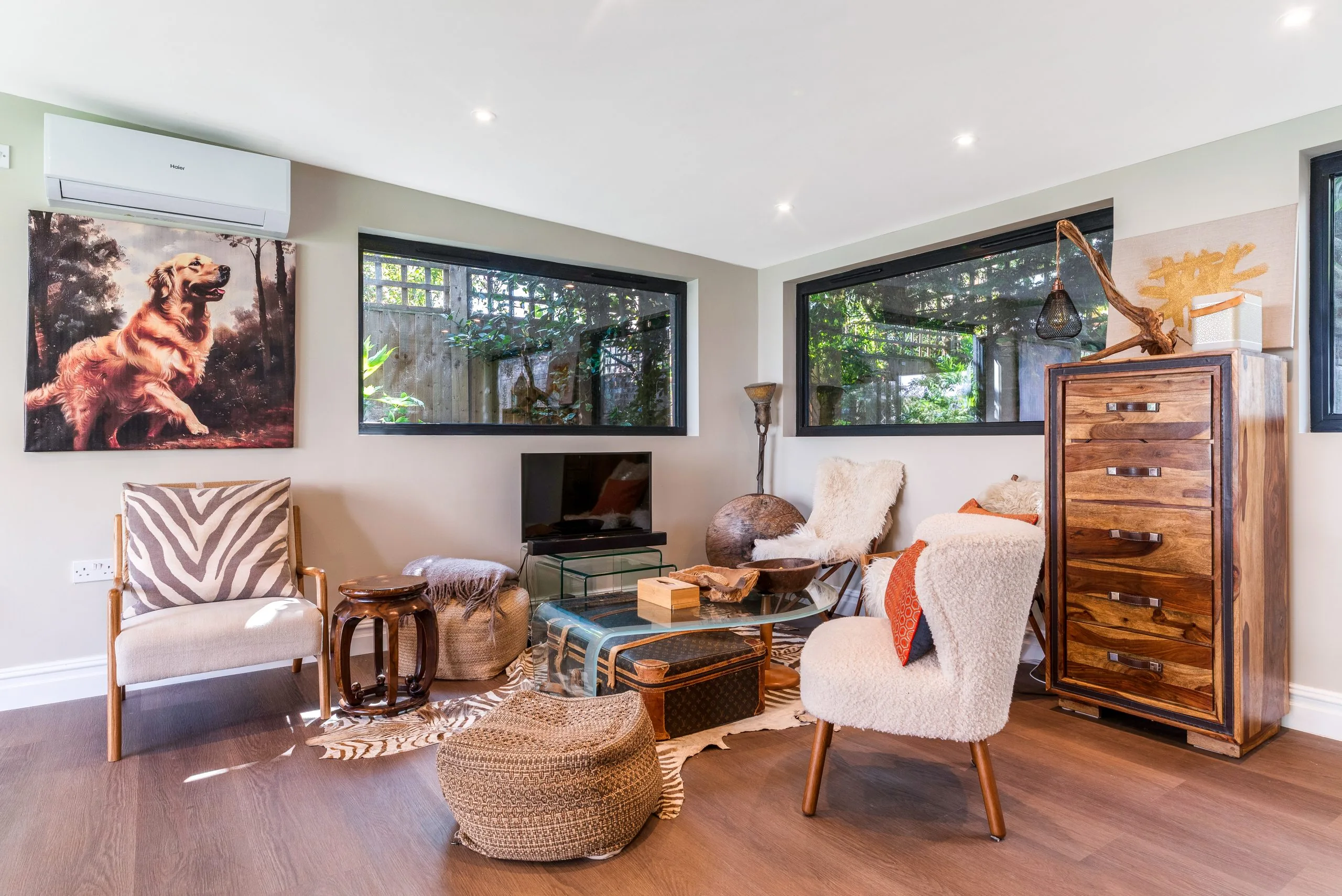
Large areas of glass can be beautiful, but a tea room needs balance. You may want generous glazing facing the lawn, trees or planting, while using more solid wall space for artwork, bookshelves or cabinetry. The result is a room that feels open to the garden without becoming too bright, too hot or lacking privacy.
The position of a garden tea room can completely change how it feels. A building placed at the end of the garden creates a sense of destination: a short walk away from the house, with the opportunity to pass through planting, trees or a pathway before arriving. A room closer to the house is more convenient for frequent use, especially if you want to serve guests without carrying items too far.
Think carefully about orientation. An east-facing tea room can be beautiful for morning light. A west-facing room may be ideal for late afternoon tea and evening conversation. South-facing glazing can make the space bright and uplifting, but shading, roof overhangs, blinds or planting may be important to control heat and glare. North-facing views can still work very well, particularly for a reading-led retreat where softer, consistent light is preferred.
A tea room is at its best when the building and garden feel connected. Consider whether the room should look towards a mature tree, a pond, a patio, a flower border or a newly landscaped seating area. Even a modest garden can feel special if the view is deliberately composed.
Some clients use the project as an opportunity to improve the garden immediately around the building, adding stepping stones, soft planting, exterior lighting or a small terrace for warmer days. This turns the tea room into more than a structure; it becomes part of a complete garden experience.
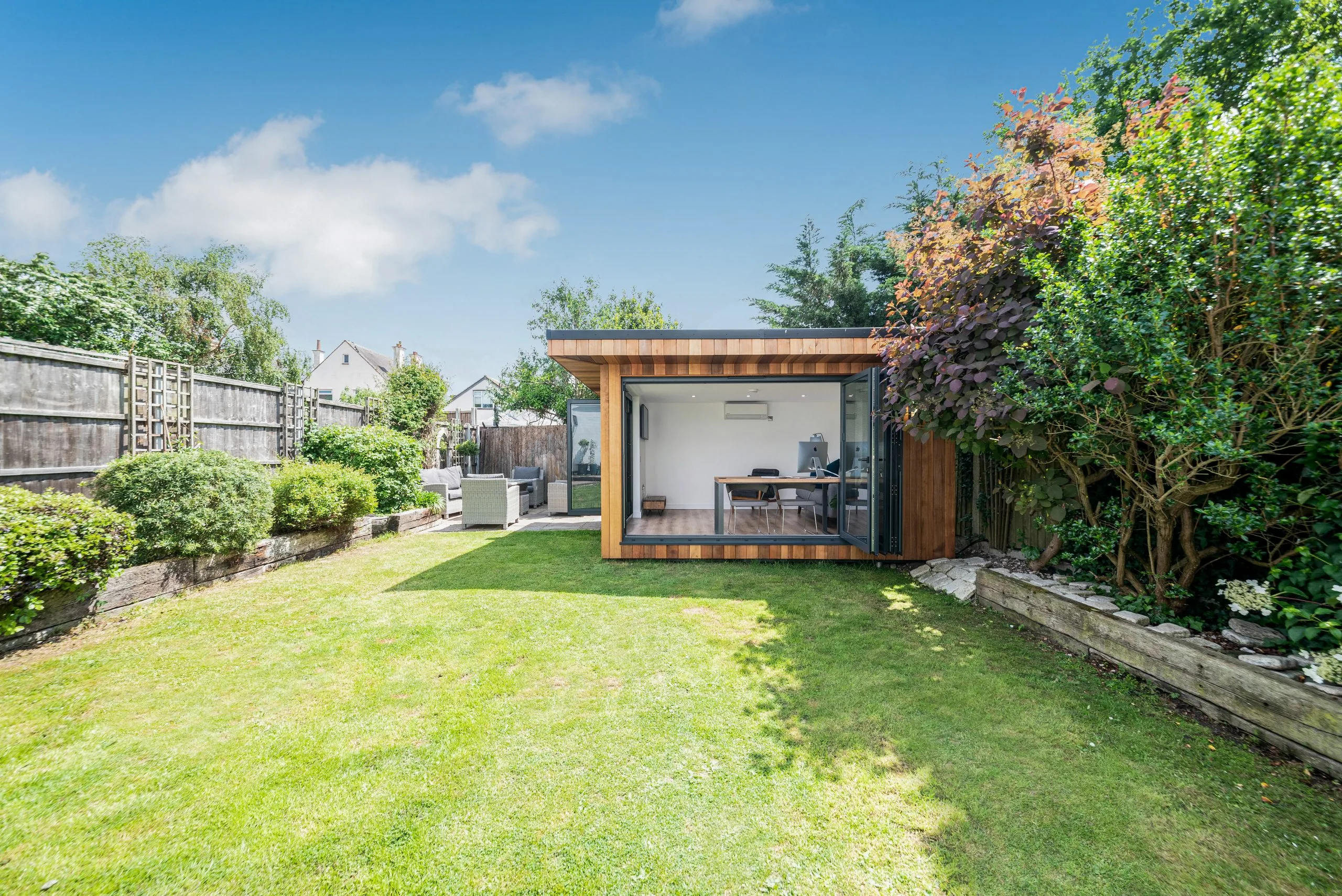
A garden tea room gives you the freedom to create an atmosphere that may not suit the rest of the house. It can be softer, quieter, more traditional, more contemporary or more indulgent. The key is to avoid treating it like a generic outbuilding. Materials, lighting and storage should all contribute to the feeling of escape.
For a more classic tea room, consider muted colours, elegant joinery, upholstered seating and traditional detailing. For a contemporary interpretation, choose clean lines, large glazing, concealed storage and a minimal palette, allowing the garden itself to become the decoration.
Yes, provided it is designed and built as a high-quality insulated garden room rather than a seasonal summerhouse. This is one of the most important distinctions when investing in the space. A tea room should feel inviting in autumn rain, winter mornings and spring sunshine, not only on warm summer days.
A premium specification may include high-performance insulation, double glazing, heating, well-sealed doors, robust flooring and carefully planned electrics. Ventilation is also important, particularly if you are preparing hot drinks regularly or using the room for longer periods.
For a tea room, comfort should feel effortless. Electric heating, underfloor heating or other discreet options can be considered depending on the building design and budget. The aim is not simply to make the room warm; it is to make it feel settled, dry and pleasant, with an even temperature and no sense of compromise compared with the main home.
Lighting is particularly important because tea rooms are often used at gentle times of day: early morning, late afternoon, quiet evenings. A good lighting plan might include ceiling lights for practical use, wall lights for atmosphere, task lighting near the preparation area and exterior lighting to make the walk to the room feel safe and inviting.
Although every project has its own purpose, this video shows how a high-quality garden building can be adapted for many different lifestyles. The same level of design flexibility, finish and craftsmanship can be applied to a private garden tea room.
Many garden rooms can be built under permitted development rights, but this depends on factors such as height, position, overall size, proximity to boundaries, the type of property and how the building will be used. If your home is listed, in a conservation area or has had permitted development rights removed, additional considerations may apply.
A tea room used for personal enjoyment is often more straightforward than a commercial building, but it still needs to be assessed properly. If the design includes plumbing, a toilet, significant height, or a location close to a boundary, it is particularly important to check the requirements before work begins.
Hawksbeck can discuss the practical design implications with you early in the process, helping you understand what is likely to be achievable in your garden and what may need a more detailed planning approach.
This depends on how independent you want the building to feel. If the tea room is close to the house and used mainly by the household, a simple tea station may be enough. If it is positioned at the far end of a large garden or used for entertaining, a toilet or more complete kitchenette can make the room feel far more self-contained.
A simple tea station suits a compact, elegant room. It may include storage, power sockets, a kettle, a small fridge and display shelving. This keeps costs and complexity lower while still making the room convenient.
A plumbed kitchenette is useful if you want a sink, hot water tap, dishwasher drawer or more frequent hosting capability. It will generally require more planning around services and budget, but it can elevate the space from occasional retreat to fully usable entertaining room.
A WC can be valuable for larger gardens, older guests or more formal entertaining. It will require sufficient space and service planning, so it should be considered early rather than added as an afterthought.
A garden tea room does not have to be huge to feel luxurious. In fact, a smaller, beautifully detailed room can feel more intimate and special than a larger space with no clear purpose. The right size depends on seating, storage, preparation facilities and the amount of circulation space you want around furniture.
It is worth allowing enough room for the building to feel composed. A tea room should not require people to squeeze past chairs or move furniture every time tea is served. Small details like door swing, table position, sideboard depth and socket placement can make a significant difference.
InvestmentPricing will always depend on size, specification, access, foundations, glazing, electrics, internal finishes, heating, plumbing and any bespoke joinery. A simple but premium insulated garden tea room will cost less than a fully equipped garden pavilion with kitchenette, WC, extensive glazing and high-end cabinetry.
As a broad guide, many quality garden room projects suitable for a private tea room begin in the tens of thousands of pounds, with smaller designs typically sitting at the lower end of the range and larger bespoke buildings moving significantly higher. More refined specifications, larger footprints, plumbing, specialist finishes, premium doors and integrated cabinetry can take a project into the £40,000–£70,000+ range, and highly bespoke or larger luxury buildings can exceed this.
The best way to approach budget is to decide what the room must achieve first. If the tea room is mainly for quiet daily use, investment may be best directed towards insulation, glazing, heating and interior atmosphere. If it is for entertaining, more budget may be needed for a kitchenette, serving space, lighting design and external landscaping around the building.
Our range gives a helpful starting point for understanding sizes, specifications and typical investment levels, but every Hawksbeck building can be tailored to the property and brief.
View Our Full RangeLuxury often comes from restraint and detail rather than simply adding more features.
In a garden tea room, the most successful choices are usually those that improve the ritual of using the space.
Because the room is separate from the house, you can also be more personal with the design. It might become a peaceful retreat inspired by Japanese tea houses, a classic English garden room, a contemporary glazed pavilion or a cosy reading room with a tea bar tucked neatly to one side.
One of the advantages of a bespoke garden room is that it does not need to be limited to a single use. A tea room can also become a library, a quiet work-free retreat, a place for cards and conversation, a small music room or an elegant space for hosting close friends.
If you want flexibility, the layout should be planned around zones. For example, a preparation wall on one side, a table near the view and a reading chair in the quieter corner. This prevents the building from feeling like a single-purpose room while still keeping the tea room identity clear.
Storage is crucial in a multi-use space. Built-in cupboards can hide practical items, seasonal textiles, serving trays or garden cushions, allowing the room to remain calm and uncluttered.
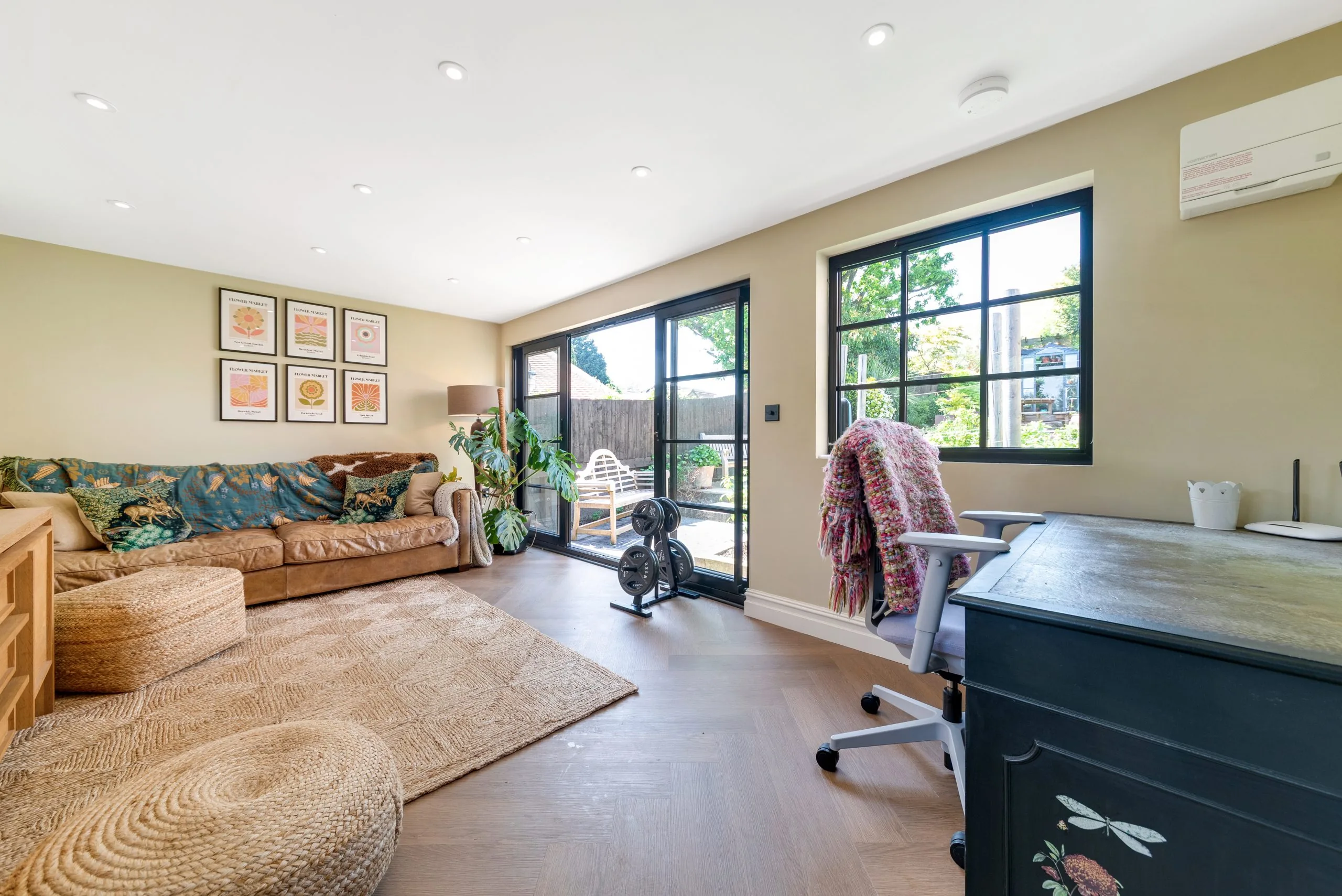
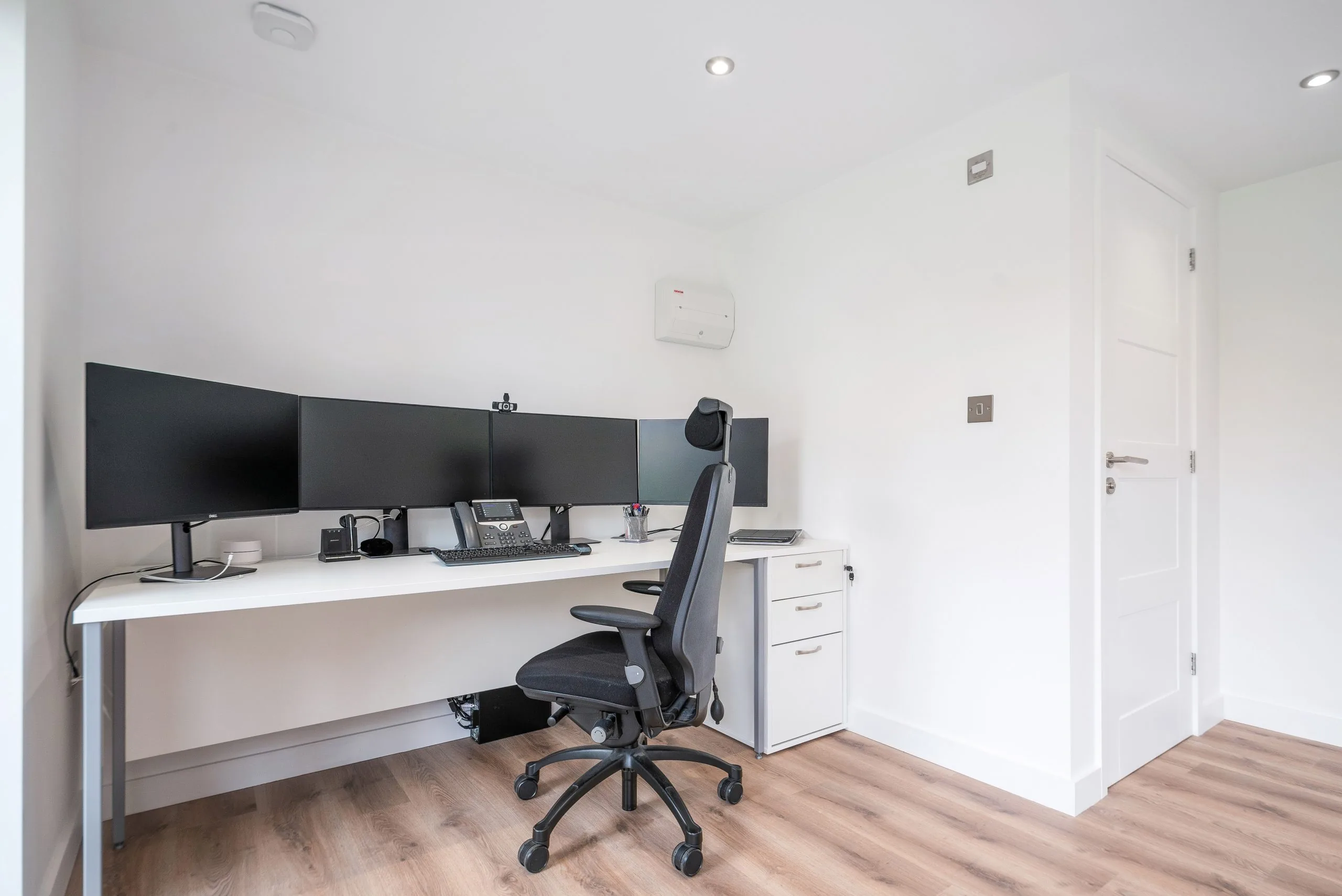
A tea room is a highly personal space. Off-the-shelf buildings can provide shelter, but they rarely provide the right combination of proportion, comfort, finish and atmosphere. A bespoke approach allows the building to respond to the garden, the house and the way you want to use it.
That might mean adjusting the door position so guests arrive naturally, increasing wall space for cabinetry, setting glazing at the right height for seated views, designing an overhang for shade, or choosing external finishes that complement the property. These decisions are subtle, but they are what make the room feel intentional rather than simply placed in the garden.
For a premium tea room, the aim should be a building that feels calm, elegant and permanent: a space that improves daily life, enhances the garden and adds a distinctive feature to the home.
Not necessarily. A simple tea station with storage, sockets, a kettle and a small fridge suits a compact room, while a plumbed kitchenette or WC makes more sense if you host regularly or the room sits at the far end of a large garden.
East-facing glazing suits morning tea, west-facing suits late afternoon and evening, and south-facing rooms are bright but may need shading. North-facing views can work well for a reading-led retreat with softer, consistent light.
It does not have to be large. A compact tea retreat suits one or two people, while a social tea room for four to six needs a central table, lounge seating or a more generous serving area.
Quality garden rooms suitable for a private tea room begin in the tens of thousands of pounds. More refined specifications, larger footprints, plumbing and integrated cabinetry can take a project into the £40,000–£70,000+ range.
If you can picture a quiet room in the garden for tea, conversation, reading and unhurried views, the next step is to explore what size, layout and specification would suit your property. Hawksbeck can create a bespoke garden building around the way you want to relax, host and enjoy your outdoor space.
Whether you are imagining a compact private retreat or a larger luxury tea pavilion with fitted cabinetry, glazing, heating and a kitchenette, the design can be tailored around your garden and your lifestyle.
These completed projects offer ideas for the light, finish and quiet that a garden tea room depends on.
A beautifully considered garden retreat showing how a bespoke building can combine relaxation, comfort and flexible daily use, ideal inspiration for a refined tea room or private garden escape.
View project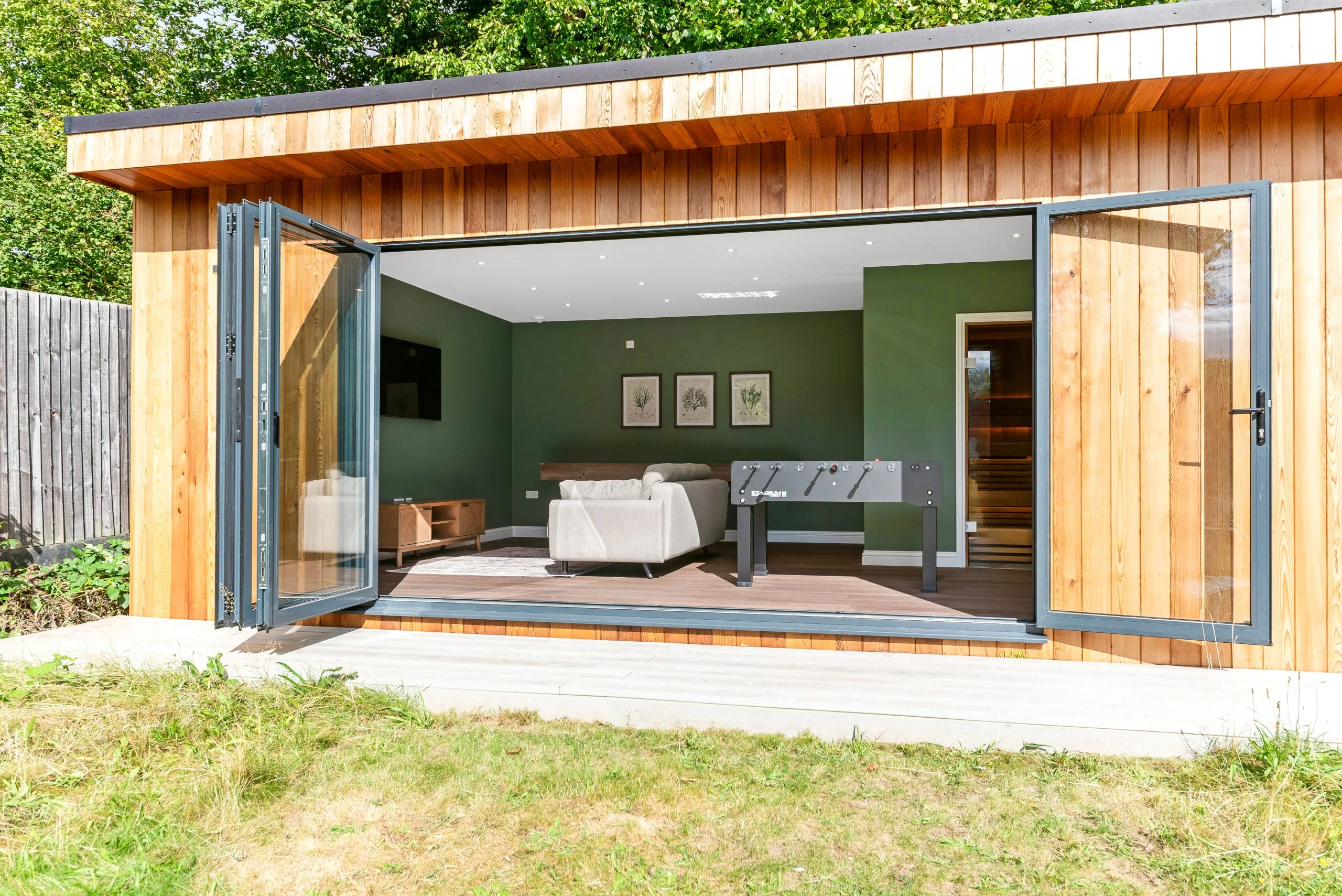
This calm, carefully finished garden room demonstrates how thoughtful design, glazing and atmosphere can create a peaceful space that feels separate from the pace of the main home.
View project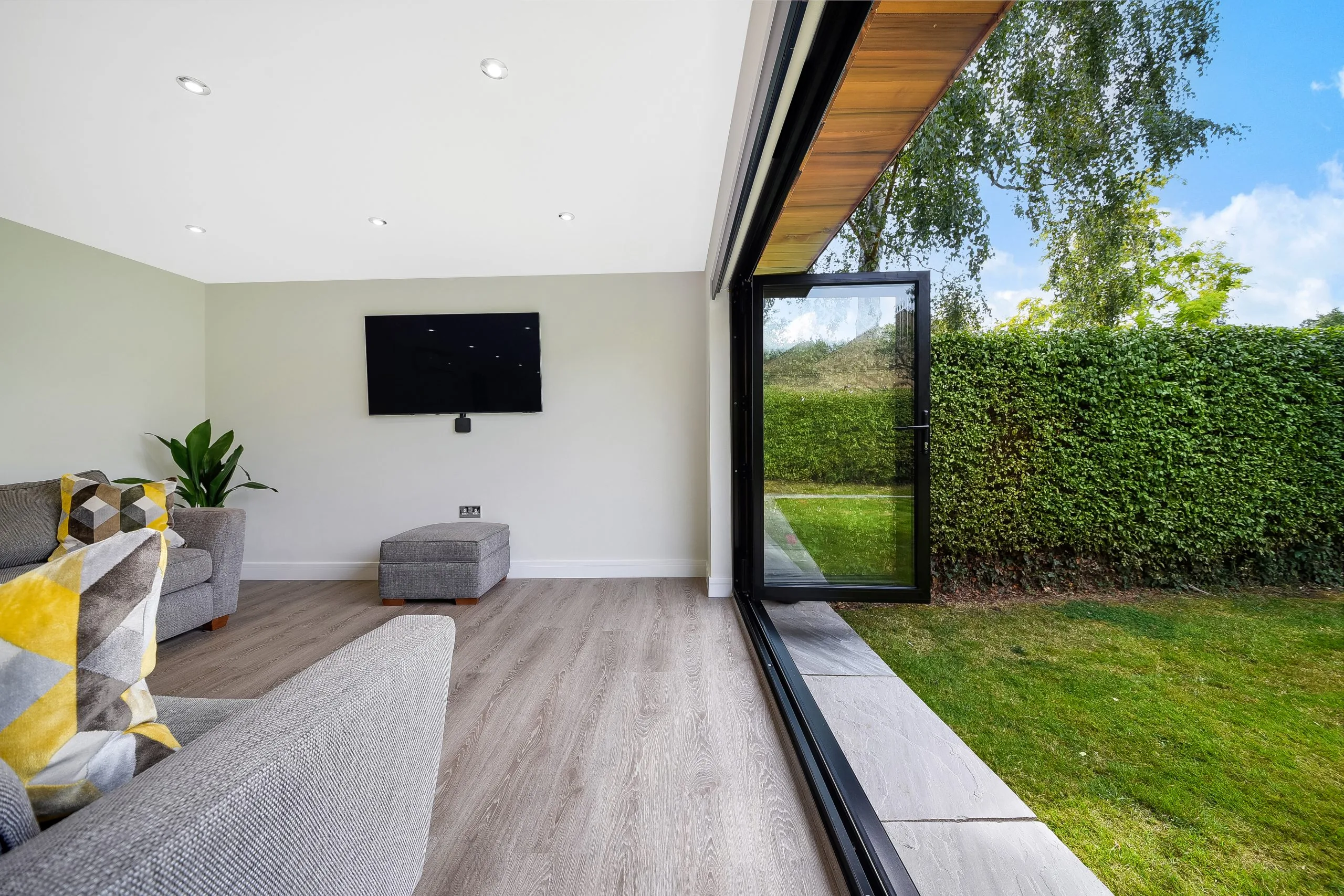
A premium outdoor garden room project highlighting the quality, comfort and versatility that can be adapted for entertaining, afternoon tea, reading or a private garden lounge.
View project