
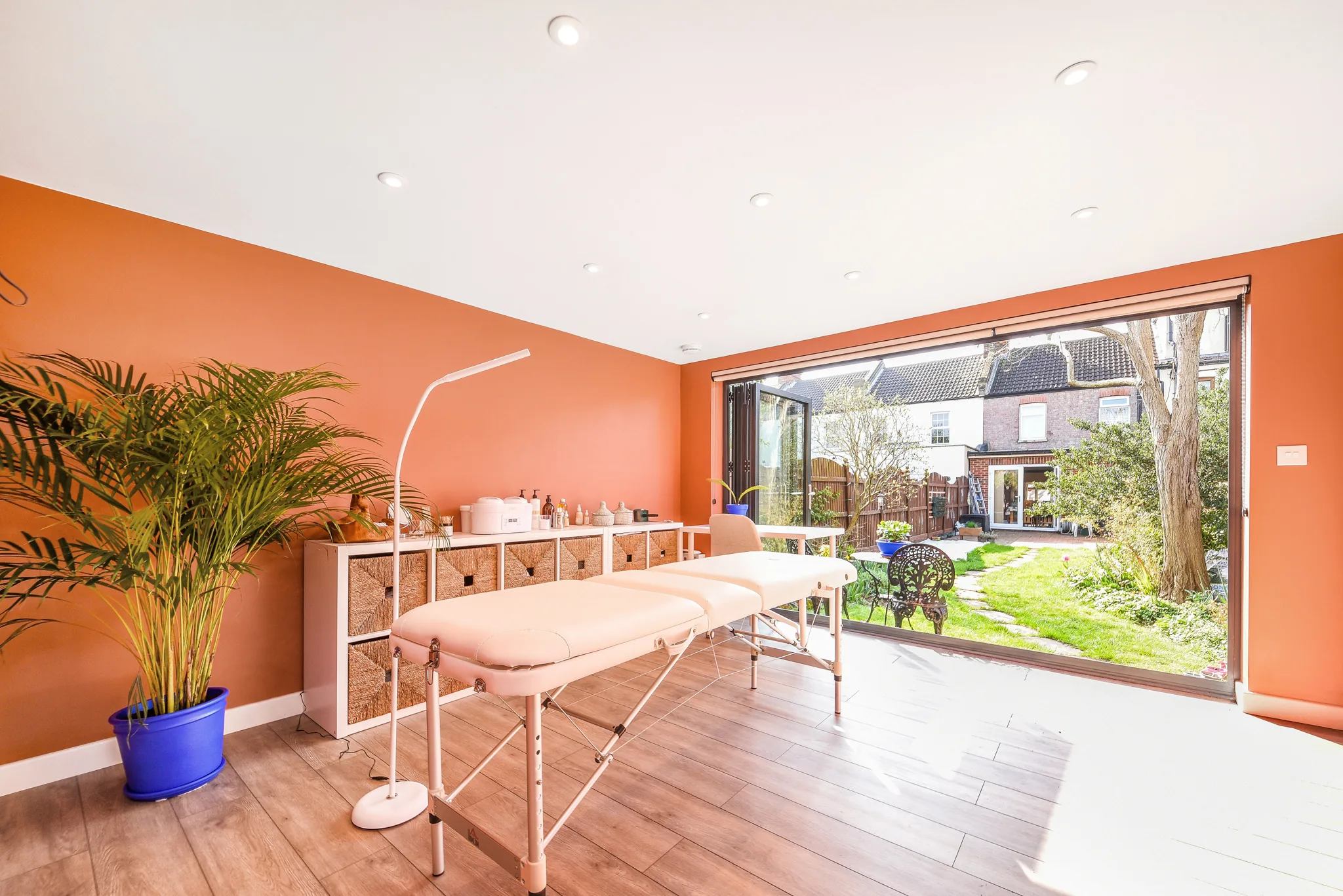
Hobby Garden Room Studio, Brentwood
A bespoke garden studio created for personal use, showing how a refined, purpose-built space can support hobbies, collections and quiet enjoyment away from the main house.
View project Designed around the collection
A trophy room deserves more than a spare shelf, a crowded hallway cabinet or a few framed shirts squeezed into the home office.
For many people, sporting achievements, competition wins, club honours, medals, signed memorabilia, awards and personal milestones tell a story that has taken years to build. A bespoke garden room gives that story its own setting: quiet, comfortable, beautifully lit and designed around the exact items you want to display.
Whether you need a private golf trophy room, a space to celebrate equestrian awards, motorsport memorabilia, rugby shirts, football medals, martial arts belts, shooting trophies, rowing achievements, school and family awards, or a mixed collection gathered over decades, a Hawksbeck garden building can be purpose-designed as a premium display room rather than adapted afterwards.
A trophy room garden building can be both a personal retreat and a showpiece. It may be somewhere to bring guests after dinner, a quiet place to relive competition memories, a refined sports room attached to a simulator or home gym, or a family space where children’s achievements sit alongside older medals, shields and framed photographs.
The benefit of a bespoke garden room is control. You are not trying to make a standard room work. The wall runs, ceiling height, glazing, lighting, sockets, heating, storage, flooring and security can all be considered around your collection from the beginning.
For a trophy room, that means:
If you are still exploring different ways to use a bespoke garden building, our wider guide to garden room ideas includes many other lifestyle, leisure, work and hobby possibilities.
Browse the GuideThe strongest trophy rooms usually begin with an inventory. Not a formal catalogue necessarily, but a sense of what needs to be displayed now and what may need to be added later. A room for 20 framed shirts feels very different from a room for silver cups, glass awards and medals. A motorsport collection needs different planning from a golf trophy display. Family sports memorabilia may call for a warmer, club-room feel, while a professional athlete or serious collector may prefer a gallery-like environment.
Useful questions to consider include:
Which pieces are most important and deserve the main focal wall?
Do you want everything visible, or a mix of display and hidden archive storage?
Will the collection grow over time?
Are any items fragile, high-value, signed, light-sensitive or awkwardly shaped?
Do you want to use the space for entertaining, watching sport or relaxing?
Should the room connect visually with the garden, or feel more enclosed and private?
From there, the room can be designed with display zones. For example, one long wall might carry framed memorabilia, a shorter wall may hold illuminated cabinets, and a central seating area could create a comfortable place to sit with guests. Larger rooms may include a bar, media wall, games table, simulator area or gym zone alongside the trophy display.
A trophy room should feel curated rather than cluttered. Good display planning makes the difference between a room that feels like storage and one that feels like a private gallery.
Glass-fronted cabinets are ideal for cups, shields, medals, glass awards and small sculptures. Built-in LED lighting can highlight the collection without making the room feel harsh. Adjustable shelves are useful because trophy sizes are rarely consistent, and deeper cabinets can accommodate larger cups or presentation pieces.
For high-value or delicate items, lockable display cabinets may be worth considering. These can be designed into the room as a full wall feature, set into alcoves, or positioned as freestanding furniture depending on the style you want.
Signed shirts, race suits, belts, flags, photographs and certificates need clean wall space and careful lighting. A bespoke garden room allows the internal layout to be planned so that the best display wall is not broken up by unnecessary doors, radiators or awkward socket positions.
For framed items, picture lights, ceiling spotlights or track lighting can work well. The aim is to avoid strong reflections on glass and reduce direct sunlight exposure where possible.
Not everything needs to be on show at once. Shallow drawers lined with velvet or felt can be excellent for medals, badges, programmes, certificates, photographs and paper memorabilia. If you have a large collection, archive-style storage gives you a way to protect items while keeping them easy to access.
Some collections include objects that deserve space around them: a championship helmet, a match ball, a saddle, a cricket bat, boxing gloves, golf clubs, a sculpture or a presentation plate. Open shelving, display plinths and backlit niches can make these pieces feel intentional.
A trophy room does not have to be only about objects. A custom honours board, engraved timeline, club-style wall panel or framed sequence of achievements can give the room structure. This works especially well for families, sports clubs, private schools, coaches, competitive athletes and collectors who want the space to tell a chronological story.
Lighting is one of the most important parts of a trophy room because it affects atmosphere, usability and preservation.
Too little light and the room loses impact. Too much direct light and the space can feel uncomfortable, with reflections on glass frames and cabinets.
A layered lighting scheme is usually best:
Warm white lighting often suits classic trophy rooms, especially where timber finishes, leather seating or darker cabinetry are used. Cooler lighting can work in a crisp gallery-style room with contemporary joinery and glass displays. Dimmable circuits are useful because the room may be used differently during the day, evening or when entertaining.
Many trophy collections include items with financial value, sentimental value or both. The garden room should therefore be designed to protect what is inside, not simply display it.
A well-insulated, year-round garden room helps avoid the damp, cold and inconsistency associated with sheds, garages or poorly converted outbuildings. Heating, ventilation and insulation all contribute to a more stable environment for paper items, frames, fabrics and metals.
Direct sunlight can fade signed shirts, paper certificates, photographs and fabrics. The building orientation, glazing position, blinds, films and internal display layout can all reduce unnecessary UV exposure. In many trophy rooms, the most sensitive items are displayed on walls away from direct sun, while less vulnerable objects can sit nearer glazed areas.
A trophy room may contain items that are irreplaceable. Depending on the collection, you may want to consider enhanced locking, security lighting, alarm integration, discreet cameras, lockable cabinets and careful positioning within the garden. Electrical planning at the design stage can make security systems neater and easier to integrate.
Good ventilation helps the room feel fresh and reduces the risk of stale air, condensation or mustiness. This is especially important if the room contains framed paper, leather goods, sportswear, books, programmes or older memorabilia.
Send us a few photos of the trophies, shirts and cabinets you want on show and we will suggest a footprint that leaves space for the next win.
The right size depends on the collection and how you want to use the room. A focused trophy room for cabinets and framed items may not need to be huge, but circulation space is important. You need to be able to stand back from displays, open cabinet doors, view framed items comfortably and add new pieces over time.
As a guide:
If the room is for private use, a more intimate layout may feel appropriate. If you regularly host guests, clients, teammates or club members, it is worth allowing more floor space so the room feels comfortable when several people are inside.
A trophy room can be designed with a very different feel depending on the person, the collection and the property. Some clients prefer a traditional club-room style, with darker finishes, comfortable seating, warm lighting and a rich, private atmosphere. Others want a modern gallery feel with clean lines, slim display cabinets, pale walls and minimalist lighting.
Both can work beautifully in a garden setting.
This approach suits silverware, sporting heritage, club memorabilia, equestrian awards, shooting trophies, cricket items, rowing honours and collections with a sense of history. Consider timber-effect flooring, warm wall colours, soft seating, framed photography, picture lights and perhaps a drinks cabinet or small bar.
This can be ideal for motorsport, cycling, football shirts, modern awards, signed memorabilia, sculpture, glass trophies and branded collections. Think large-format frames, clean display cabinets, concealed LEDs, monochrome finishes and crisp architectural detailing.
A trophy room can also become a refined sports lounge. Add a large screen for watching fixtures, comfortable seating, acoustic considerations, integrated speakers and display cabinetry around the room. This creates a space that is not only about looking at past achievements, but enjoying sport in the present.
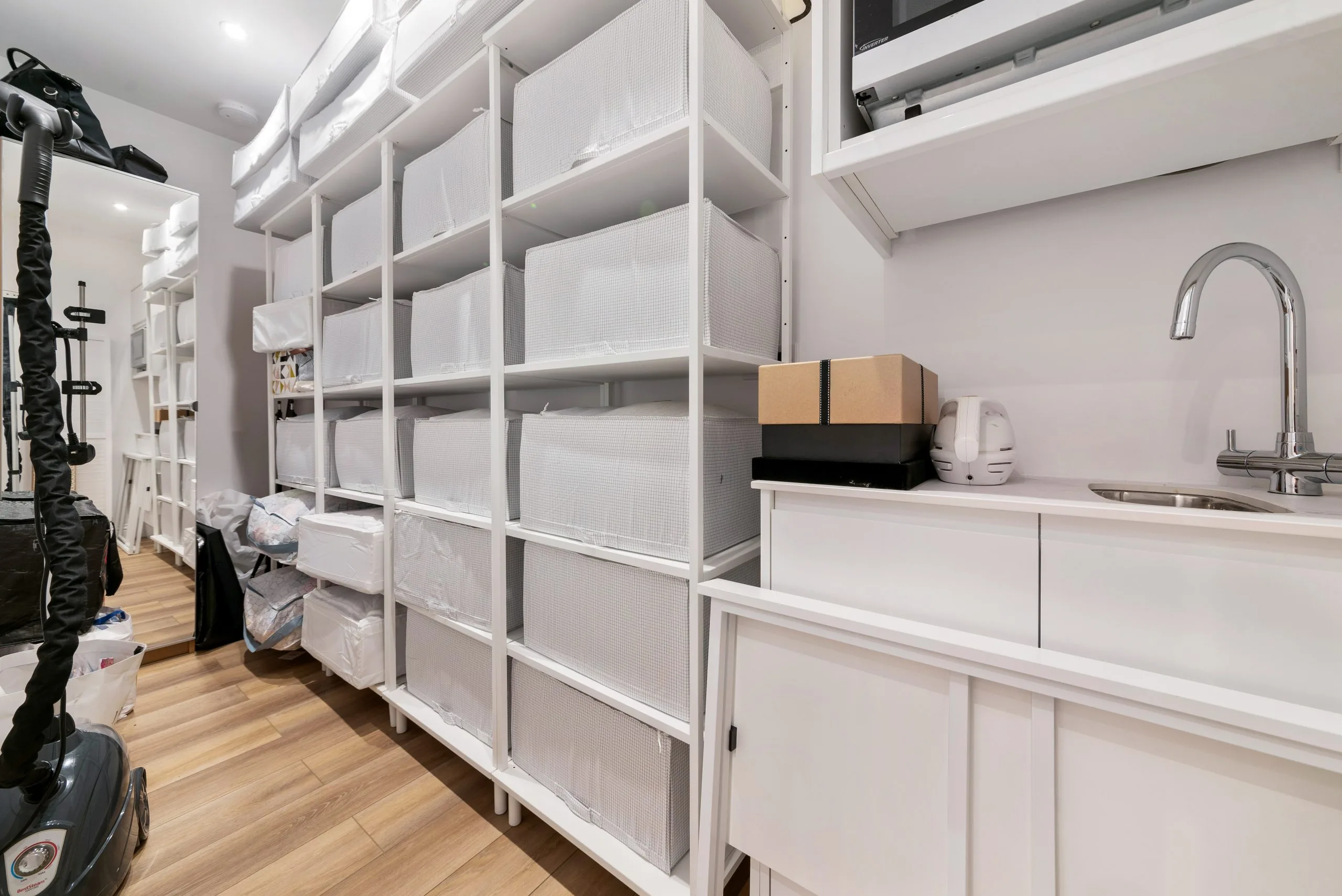
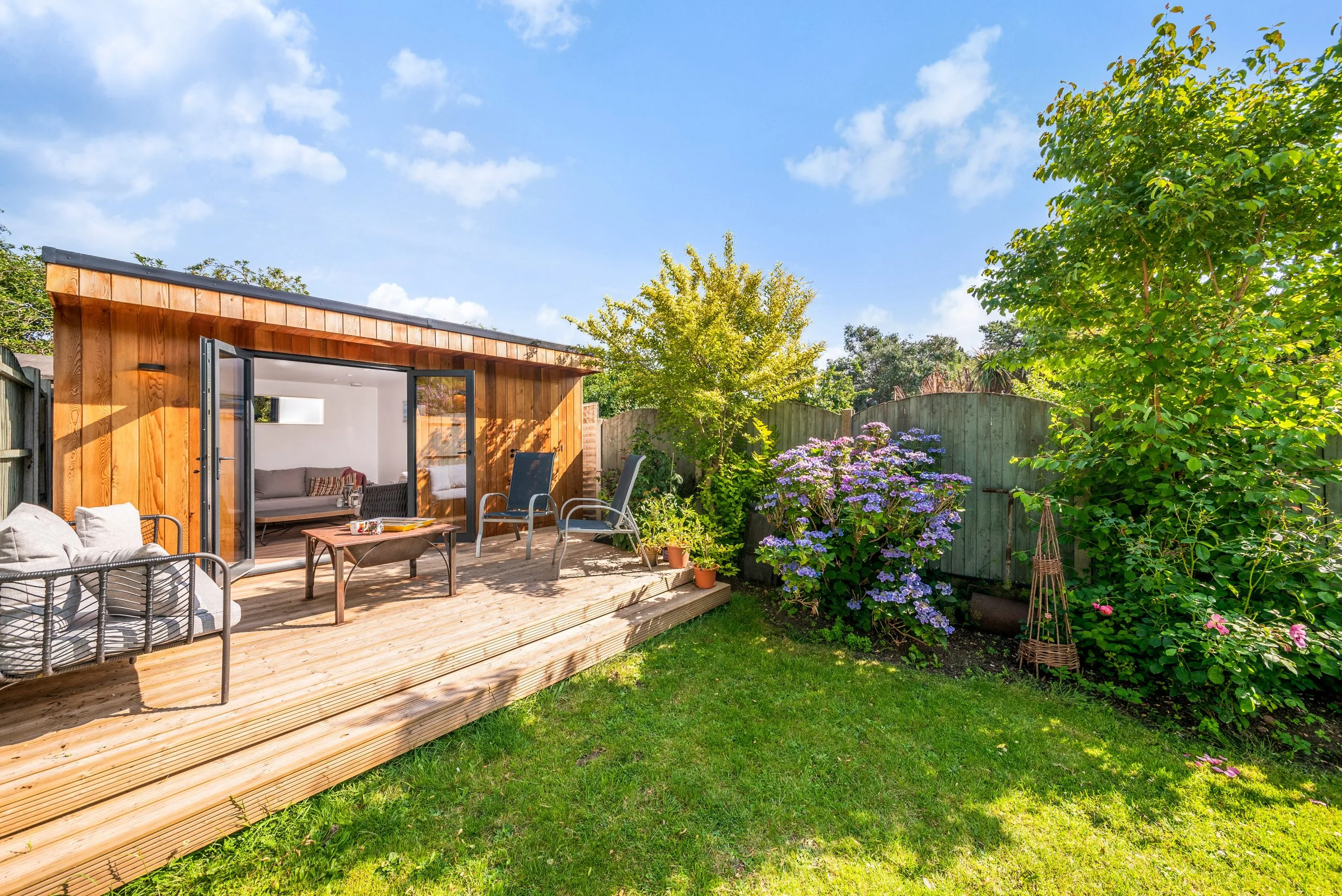
Many trophy room garden buildings work best when they are not only display rooms. The collection may be the focal point, but the room can also serve a practical lifestyle purpose.
Popular combinations include:
This is where bespoke design becomes valuable. Instead of compromising between storage, display and comfort, the building can be planned so each function has its place.
A trophy room is used differently from a basic garden office. People may stand and browse, sit and talk, open cabinets, move around displays and bring guests into the space. Finishes should feel premium but also practical.
Durable flooring is usually best, especially if guests will walk through the garden to reach the room. Timber-effect finishes, luxury vinyl, engineered flooring and high-quality laminate can all work well depending on the design. Rugs can soften the space and help create a lounge feel, but they should not obstruct cabinet access or walking routes.
Wall strength and finish matter. Large framed items, shelves and cabinetry need proper consideration. Darker walls can make silverware and illuminated cabinets stand out, while lighter walls suit a cleaner gallery look. Feature panelling can add depth and make the room feel more architectural.
Seating should be proportionate. A compact trophy room might only need two chairs and a small table. A larger sports lounge may include sofas, stools, a bar area or a meeting table. If the room also functions as an office, a desk can be positioned so the display remains visible without overwhelming the working area.
Many garden rooms can be built under permitted development rights, subject to factors such as height, position, overall garden coverage, use and property restrictions. However, planning requirements vary, particularly for listed properties, conservation areas, homes with previous planning conditions, or buildings placed close to boundaries.
A trophy room used for personal leisure, display or hobby purposes is often a straightforward use, but the building still needs to be considered properly. Size, height, location and services can all affect what is possible. If your project is larger, includes plumbing, is intended for business use, or sits in a sensitive location, further checks may be required.
Hawksbeck can talk through the practical considerations and help you understand the best route for your site.
BudgetPricing depends on the size of the building, specification, access, foundations, glazing, electrical requirements, heating and the level of internal fit-out. A trophy room can range from a relatively simple premium garden room with display furniture added later, to a fully bespoke showcase space with integrated joinery, cabinet lighting, security features and luxury finishes.
As a broad guide, a smaller high-quality garden room suitable for use as a trophy display space may start from the lower tens of thousands. More substantial bespoke trophy rooms with enhanced glazing, heating, electrics, premium finishes and display planning will commonly sit in the region of £40,000 to £80,000+. Larger luxury buildings, especially those combined with a bar, simulator, gym, cinema area or extensive bespoke cabinetry, can exceed this depending on the design.
The display element is often the biggest variable. Standard shelving and freestanding cabinets will keep the fit-out simpler, while custom-made illuminated cabinets, lockable glass displays, specialist lighting, media walls and archive storage will increase the budget. The advantage is that the room can be tailored to what matters most, rather than spending money on features you do not need.
For an accurate figure, the best approach is to discuss your collection, preferred room size and desired finish. From there, Hawksbeck can guide you towards the most suitable specification and explain the options clearly.
You do not need a finished design before getting in touch, but a few simple notes can make the conversation more productive.
It is also worth thinking about future achievements. A good trophy room should have room to grow. Leaving a little spare wall space, adjustable shelving or modular display areas can prevent the room from feeling full too quickly.
A trophy room is a highly personal project. It is not just another room in the garden; it is a space built around achievement, memory and pride. Hawksbeck’s bespoke approach suits this kind of brief because the details can be considered from the outset: the way the room is entered, the view from the doorway, the main display wall, the comfort of the seating area, the lighting of the cabinets and the long-term practicality of the building.
Our garden rooms are designed and built as premium, year-round spaces. For a trophy room, that means you can create something that feels permanent, comfortable and worthy of the collection it contains. Whether your vision is understated and private or bold and impressive, the building can be shaped around your lifestyle, your garden and your achievements.
From the main display wall to the light inside each cabinet, every detail can be planned around what you have won rather than fitted in afterwards.
These projects show how flexible a bespoke Hawksbeck garden room can be for hobbies, collections, storage, workshops and personal spaces. While each brief is different, the same attention to layout, finish and year-round usability can be applied to a dedicated trophy room.
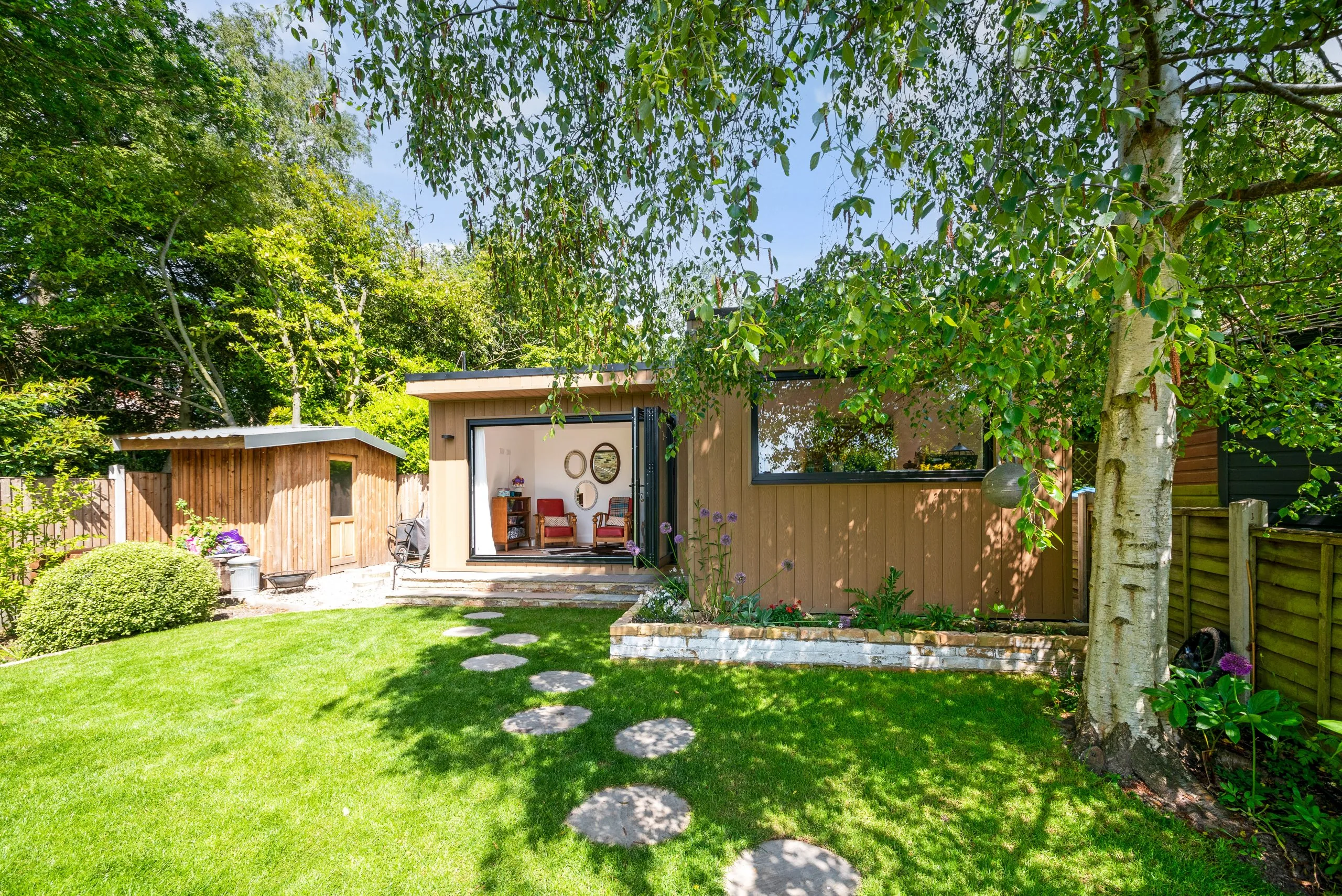
A bespoke garden studio created for personal use, showing how a refined, purpose-built space can support hobbies, collections and quiet enjoyment away from the main house.
View project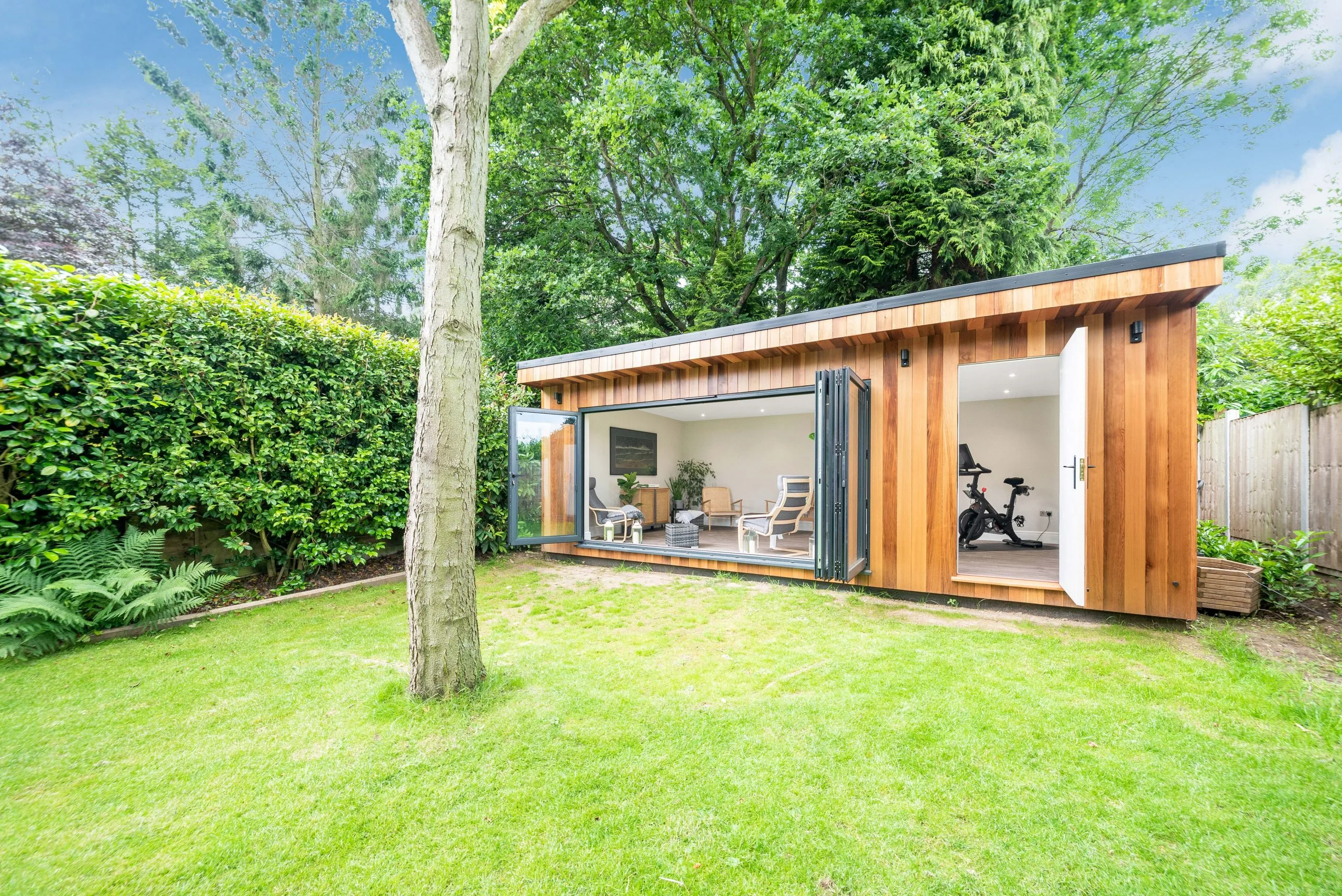
This project demonstrates the value of combining a comfortable hobby room with practical storage, an approach that can work especially well for trophy displays and memorabilia archives.
View project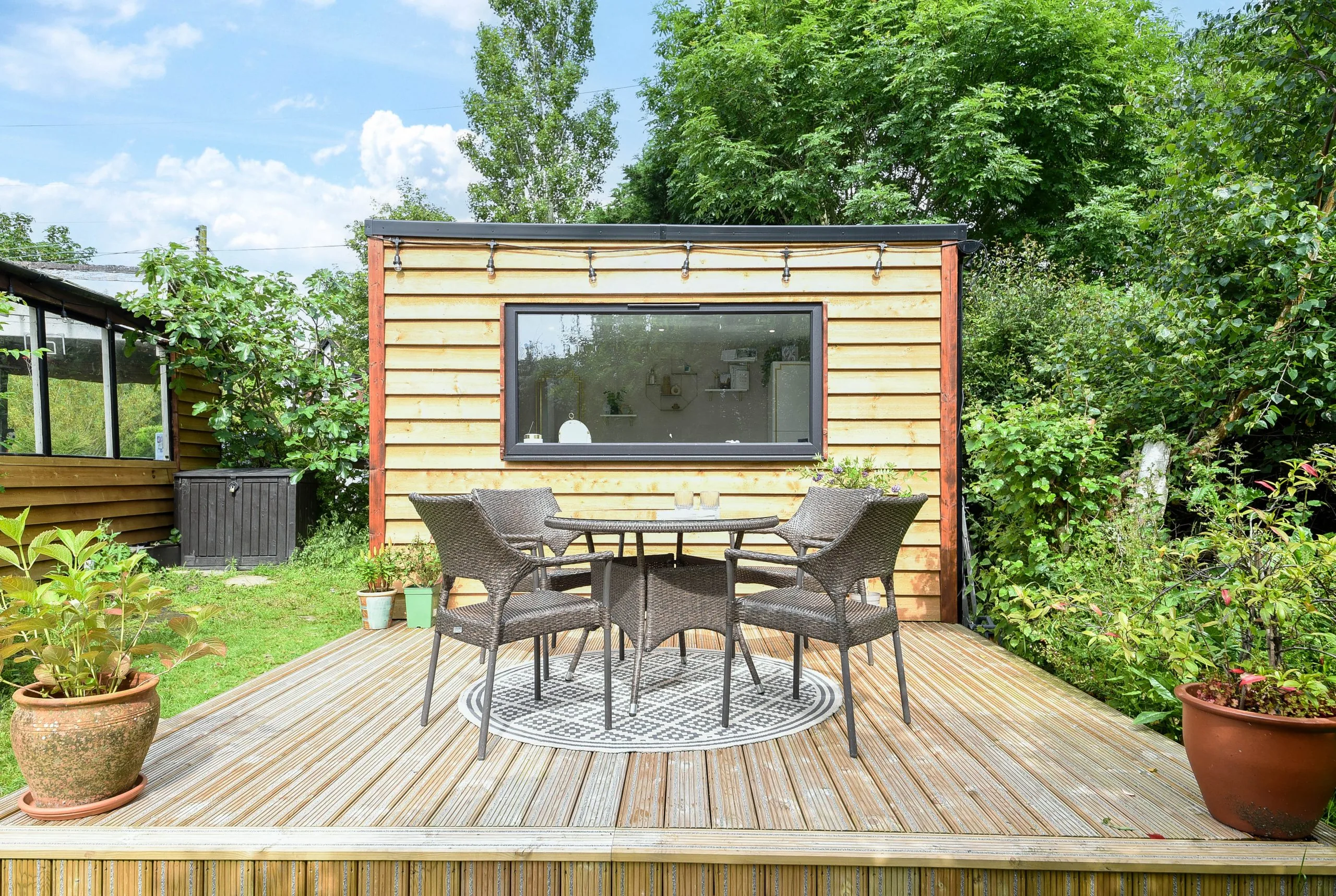
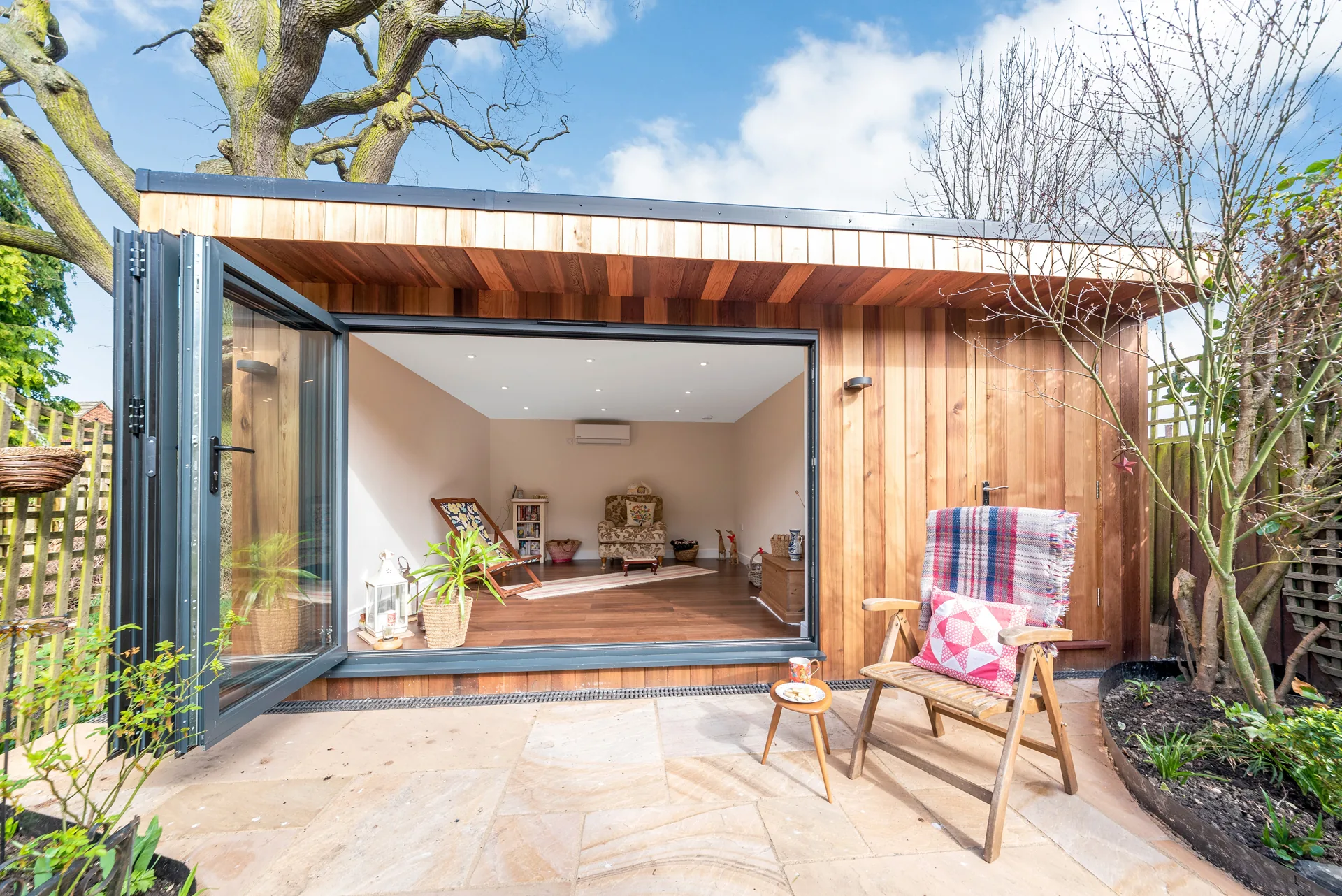
A tailored garden building showing how Hawksbeck can create a practical, high-quality space around a specific brief, with the flexibility to adapt the same thinking to a premium trophy room.
View project