
Where Creativity Meets Comfort: A Bespoke Music Room
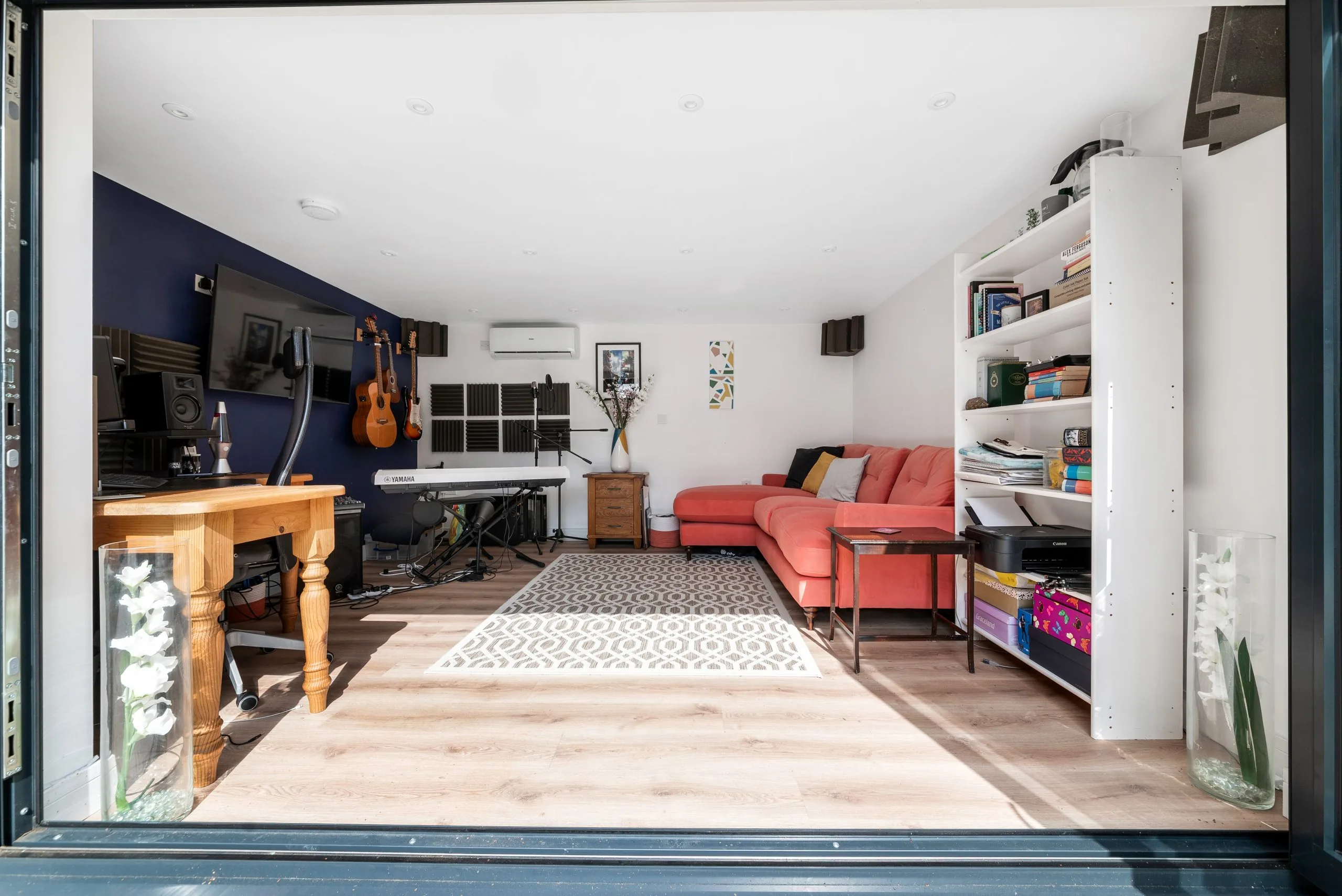
A tailored music-focused garden room showing how comfort, creativity and premium craftsmanship can come together in a dedicated space away from the main home.
View project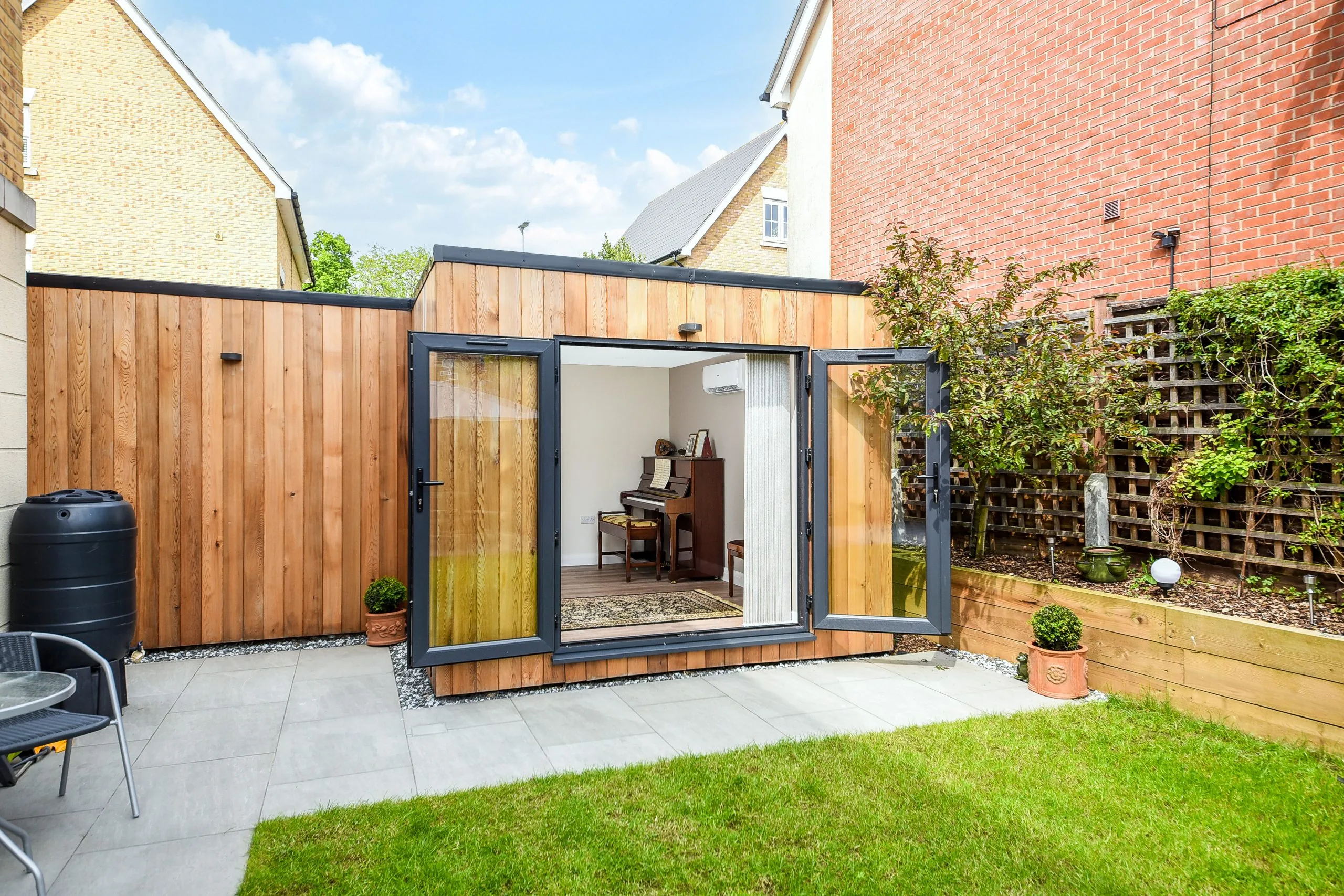
The best vinyl rooms are not loud for the sake of it. They feel settled.
The turntable has a proper home, records are stored where they can be browsed slowly, the seating is positioned with care, and the room has enough acoustic comfort that you can hear warmth, texture and detail without the space fighting back.
A bespoke garden room can be a superb setting for this. It gives you distance from the everyday noise of the house, creates a dedicated place for listening, and can be designed around the rituals that make vinyl enjoyable: choosing the record, cleaning it, lowering the stylus, sitting back, and listening without interruption.
For some people, a vinyl listening room is a relaxed music lounge with a sofa, a high-quality turntable and beautifully made record storage. For others, it becomes a more serious hi-fi room with acoustic treatment, controlled lighting, carefully positioned speakers and a listening chair placed at the ideal point in the room. Because Hawksbeck garden rooms are bespoke, the layout, finishes, insulation, electrics, heating, glazing and storage can all be considered around the way you actually listen.
A vinyl listening room is different from a general entertainment space. The aim is not simply to fit a sound system into a spare room. It is to shape the room around comfort, sound quality, storage and atmosphere.
That may mean creating a quiet corner for late-night jazz, a listening lounge for soul, rock and classical records, or a refined music room where friends can gather without the space feeling like a recording studio. The room should be practical enough for everyday use, but special enough that it feels like a destination.
Good vinyl rooms often include:
If you are comparing different ways to use a bespoke outdoor space, our main garden room ideas guide is a useful place to explore wider possibilities before deciding on the exact brief.
The layout is one of the most important decisions. A vinyl listening room is not only about where the speakers go; it is about how the whole room feels when you move through it.
A typical layout might include a feature wall with bespoke record storage, a central turntable and amplifier unit, speakers positioned with enough breathing room, and a listening sofa or chair placed to create a natural listening triangle. If the room is also going to be used as a relaxed lounge, adding a small drinks area, reading lamp or coffee table can make it feel more comfortable without cluttering the audio setup.
For a more focused hi-fi space, the design may be more symmetrical. Speaker placement, glazing, door positions, furniture height and the amount of hard surface area can all influence how the room performs. A bespoke design gives you more freedom to avoid awkward compromises, such as placing a turntable on a flimsy sideboard, cramming speakers into corners or storing records in direct sunlight.
Vinyl storage is often underestimated until the collection starts to take over the room. Records are heavy, they need to stand upright, and they are much easier to enjoy when they can be browsed naturally. In a garden listening room, storage should be part of the design from the beginning.
Bespoke units can be planned to suit the size of your collection, the format of your records and the way you organise them. Some clients prefer open cube-style storage for quick browsing. Others want a mix of display shelves, closed cupboards and a dedicated “now playing” area near the turntable.
Practical details make a big difference:
LPs need enough depth so sleeves do not overhang or warp.
Vinyl is heavy, so shelving needs to be properly supported.
Avoid layouts that force you to crouch awkwardly for your most-played albums.
Keep valuable records away from direct, prolonged sunlight.
Leave space for future purchases rather than designing only for the collection you have today.
A few forward-facing shelves can turn favourite sleeves into artwork.
For a premium finish, storage can be coordinated with the wider interior: timber finishes, darker cabinetry, soft lighting, feature panelling or minimalist shelving can all shift the atmosphere of the room. The aim is to make the records part of the architecture, not something squeezed in once the building is complete.
The turntable deserves a calm, stable position. It should be easy to use, visually pleasing and protected from unnecessary vibration. In many listening rooms, the turntable works well on a dedicated media unit positioned between the speakers, but this is not always the only option. Depending on the room, it may be better placed on a side wall or away from areas where people will walk frequently.
Important considerations include:
Some owners also want space for phono stages, headphone amplifiers, streamers, CD players or a second turntable. Planning this early prevents the room from becoming overrun with extension leads, trailing cables and temporary stands.
A vinyl listening garden room does not need to look like a heavily treated studio to sound enjoyable. In fact, many of the most comfortable listening rooms use subtle acoustic thinking rather than obvious foam panels everywhere.
Hard surfaces, large expanses of glass and empty corners can make music sound bright, echoey or uneven. At the same time, too much soft furnishing can make the room feel dull. The right balance depends on the size of the room, the speaker type, the volume you listen at and the overall design style.
Useful acoustic choices can include:
If you want a room for serious listening, the brief can go further. Additional acoustic layers, specialist internal finishes, controlled ventilation and upgraded specification can all be discussed. If your priority is a relaxed music lounge rather than a critical listening room, the design can focus more on comfort, ambience and everyday usability.
Vinyl collections and hi-fi equipment deserve a stable, comfortable environment. A garden room that is too cold in winter, too hot in summer or poorly ventilated will not feel like a premium listening space. It can also make you less likely to use the room regularly.
A well-designed Hawksbeck garden room can be specified for year-round comfort, with insulation, heating and glazing choices considered from the outset. This matters for the listener, but it also matters for the equipment and records stored inside.
For a vinyl listening room, the comfort specification may include:
The result should be a room you want to use on a rainy Sunday morning, a winter evening or a warm summer night with the doors open to the garden.
Lighting has a huge influence on the mood of a listening room. Bright overhead lighting can feel too functional, while a room that is too dark may make browsing records frustrating. The best approach is usually layered lighting, giving you different options depending on how the room is being used.
Consider combining:
Warm lighting often works particularly well in a vinyl room. It brings out the character of record sleeves, timber finishes, leather seating, textured fabrics and darker interior palettes. The space should feel calm from the moment you step inside.
The seating choice depends on the type of listener you are. A single statement chair can work beautifully if the room is mainly for focused listening. A sofa offers a more relaxed lounge feel and makes the space better for sharing music. Armchairs with a small table can create a more club-like atmosphere, especially with darker finishes and warm lighting.
The key is to avoid treating seating as an afterthought. The height, distance and position of the seat all influence the listening experience. If the room is being designed around a pair of speakers, the main seat can be positioned so the soundstage feels balanced and natural. If the room is more social, the layout can be softened so several people can sit comfortably without the space feeling too formal.
In a bespoke garden room, seating can also be integrated with storage. A window seat, built-in bench, hidden cupboard or low media wall can help maximise the room without making it feel crowded.
One of the reasons a garden room works so well for vinyl listening is separation. You can enjoy music without taking over the main living room, and the house can carry on as normal while you listen. That said, sound should still be considered carefully.
If the room will be used at modest volumes, standard high-quality construction may be suitable. If you expect to listen loudly, use subwoofers, rehearse instruments or combine the room with music production, the specification may need to be upgraded. Expectations around sound escaping the room should be discussed early, especially if neighbours are close by.
There is a difference between improving the acoustic feel inside the room and reducing the level of sound heard outside it. A bespoke approach allows both to be considered properly rather than relying on generic assumptions.
The glazing, joinery and finishes in this film are the same choices that decide how warm or bright records will sound in your own room.
Every project is different, but a strong vinyl listening room brief often develops around a few core zones. These zones do not need to make the room feel rigid; they simply help the space function well.
This is the heart of the room. It includes the main chair or sofa, speaker positioning and the area where you settle in to listen. It should feel comfortable, uncluttered and naturally orientated towards the music.
This is where the turntable, amplifier and other audio components sit. It needs power, stability, ventilation and enough surface area for the equipment you own now, plus any upgrades you may want in the future.
This is the storage area for records. It can be a full wall of shelving, a low cabinet system, a combination of open and closed storage, or a statement display feature. For large collections, strength and access are vital.
If the room is not purely for critical listening, a lounge element adds warmth. This could be a second chair, a drinks cabinet, a reading corner, artwork, plants or a small table for sleeves and coffee.
Even beautiful rooms need practical thinking. Somewhere for record brushes, cleaning fluid, spare sleeves, headphones, remote controls and cables will help the space stay tidy.
The brochure shows the cabinetry, glazing and interior finishes that can frame a record wall, a turntable and the chair in front of it.
A vinyl room can take on many different looks. Some people want the warmth of a private members’ lounge; others prefer a clean contemporary studio feel. The right style should suit your music, your home and the way you want to feel in the space.
Think darker wall tones, timber finishes, warm lighting, leather or textured fabric seating, and carefully lit record storage. This creates an intimate space that feels especially inviting in the evening.
A cleaner design with concealed storage, simple lines and a restrained colour palette can work well if your audio equipment is the main visual feature. This approach suits modern homes and contemporary gardens.
For serious collectors, the room can feel like a private archive. Records become the focus, with full-height storage, display areas, reading lighting and a central listening position.
If you want the room to connect strongly with the garden, larger glazing and a more relaxed seating layout can make the space feel open and sociable. Blinds, curtains and acoustic choices can help balance the practical demands of a music room with the beauty of the view.
Although vinyl is beautifully analogue, most listening rooms still need a modern electrical design. Amplifiers, streamers, powered speakers, subwoofers, lighting, heating, smart controls, Wi-Fi and charging points all need to be considered.
The advantage of designing from scratch is that socket positions, lighting circuits and cable routes can be planned neatly. This helps preserve the premium feel of the room and avoids the frustration of extension leads or visible cable runs.
Depending on your setup, you may want to consider:
If you have specialist equipment, it is useful to share the dimensions and requirements early. The room can then be planned around real components rather than assumptions.
Yes, but it needs to be planned carefully. Many clients want their garden room to be primarily a listening space, while also working as a reading room, whisky lounge, music studio, home office, cinema room or guest retreat. This can work very well, provided the secondary use does not compromise the core listening experience.
For example, a desk can be included without dominating the room. A TV can be concealed or positioned so it does not pull focus away from the audio setup. A sofa bed can be added for occasional guests, although it may influence speaker placement and acoustics. Storage can be designed to hide practical items so the room still feels calm when used for music.
The most successful multi-use vinyl rooms have a clear hierarchy: the music comes first, and everything else supports it rather than competing with it.
Pricing depends on size, specification, access, finishes, glazing, electrics, heating, acoustic requirements and the amount of bespoke internal work. A vinyl listening room can be relatively simple and lounge-like, or it can become a highly specified music space with upgraded acoustic detailing, custom cabinetry and a more complex electrical design.
As a broad guide, a premium bespoke garden room suitable for a compact vinyl listening lounge may start from the mid-£30,000s, depending on the chosen range and specification. A larger, highly finished listening room with generous glazing, bespoke record storage, enhanced electrics, heating and upgraded interior detailing will often sit in the region of £45,000 to £85,000+. More complex builds, larger footprints, specialist acoustic requirements and luxury finishes can increase the budget further.
The best way to approach pricing is to think in three levels:
Because Hawksbeck projects are bespoke, the final cost is shaped around what you want the room to achieve. A conversation about your record collection, audio system, preferred room size and desired finish will give a much clearer indication than a generic square-metre price.
Many garden rooms can be built under permitted development, but this depends on factors such as height, size, location within the garden, proximity to boundaries and how the building will be used. A vinyl listening room may be straightforward, but it is still important to assess the site properly.
Practical details to consider include:
For a luxury listening room, the journey to the building matters too. A well-positioned garden room with thoughtful landscaping, lighting and views can feel like a private retreat rather than simply an outbuilding at the end of the garden.
A vinyl listening room should feel effortless when finished, but that usually comes from careful planning. These are some of the most common mistakes to avoid:
Before starting the design conversation, it can be helpful to gather a few details. You do not need a fully formed technical specification, but the following information will help shape the project:
From there, Hawksbeck can help translate the idea into a practical, beautifully finished garden building that feels personal to you and your music.
A vinyl listening room is not only about equipment. It is about creating a place where music gets your full attention again. No kitchen noise, no television in the background, no need to pack everything away after each listen. Just a dedicated, comfortable, carefully designed room where your records are easy to reach and the atmosphere encourages you to stay awhile.
Whether you imagine a compact retreat for solo listening or a generous music lounge for sharing albums with friends, a bespoke Hawksbeck garden room gives you the freedom to design around the collection, the sound system and the experience you want to create.
If you are ready to explore what your own vinyl listening garden room could look like, speak to Hawksbeck about the size, specification and finish that would suit your home, garden and music.
A compact vinyl listening lounge may start from the mid-£30,000s, depending on range and specification. Larger, highly finished listening rooms often sit around £45,000 to £85,000+, and specialist acoustic work or luxury finishes can take the budget higher.
Usually on a solid, dedicated unit between the speakers, though a side wall can suit some rooms better. The aim is a stable position away from footfall and direct sunlight, with task lighting and planned cable routes.
At modest volumes, standard high-quality construction may be enough. If you listen loudly, use subwoofers or play instruments, the specification may need upgrading, and that is best discussed early if neighbours are close by.
Many garden rooms can be built under permitted development, depending on height, size, position, closeness to boundaries and use. A listening room may be straightforward, but the site still needs assessing properly.
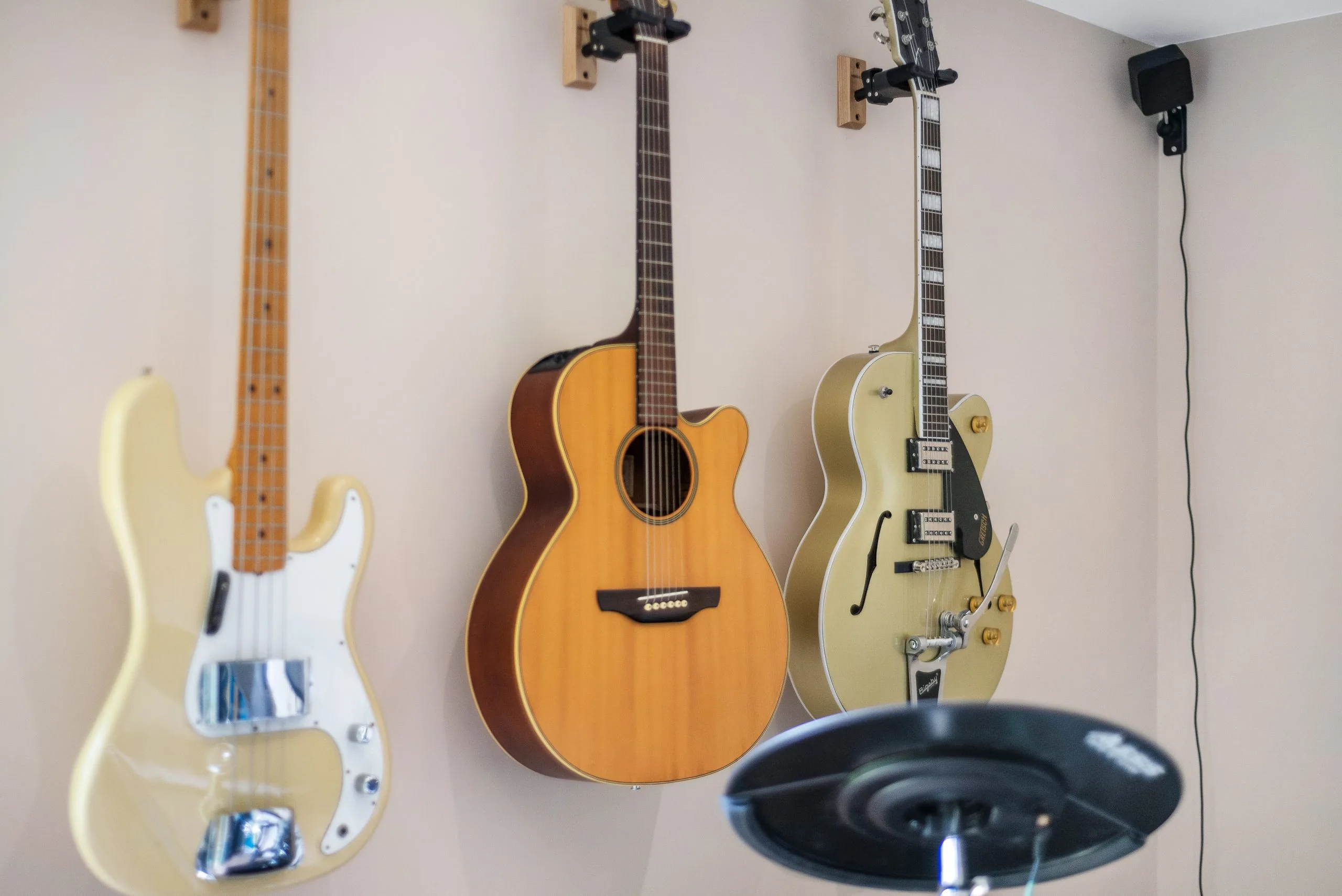
Three music-led garden buildings where sound, comfort and finish were planned together from the start.
A tailored music-focused garden room showing how comfort, creativity and premium craftsmanship can come together in a dedicated space away from the main home.
View project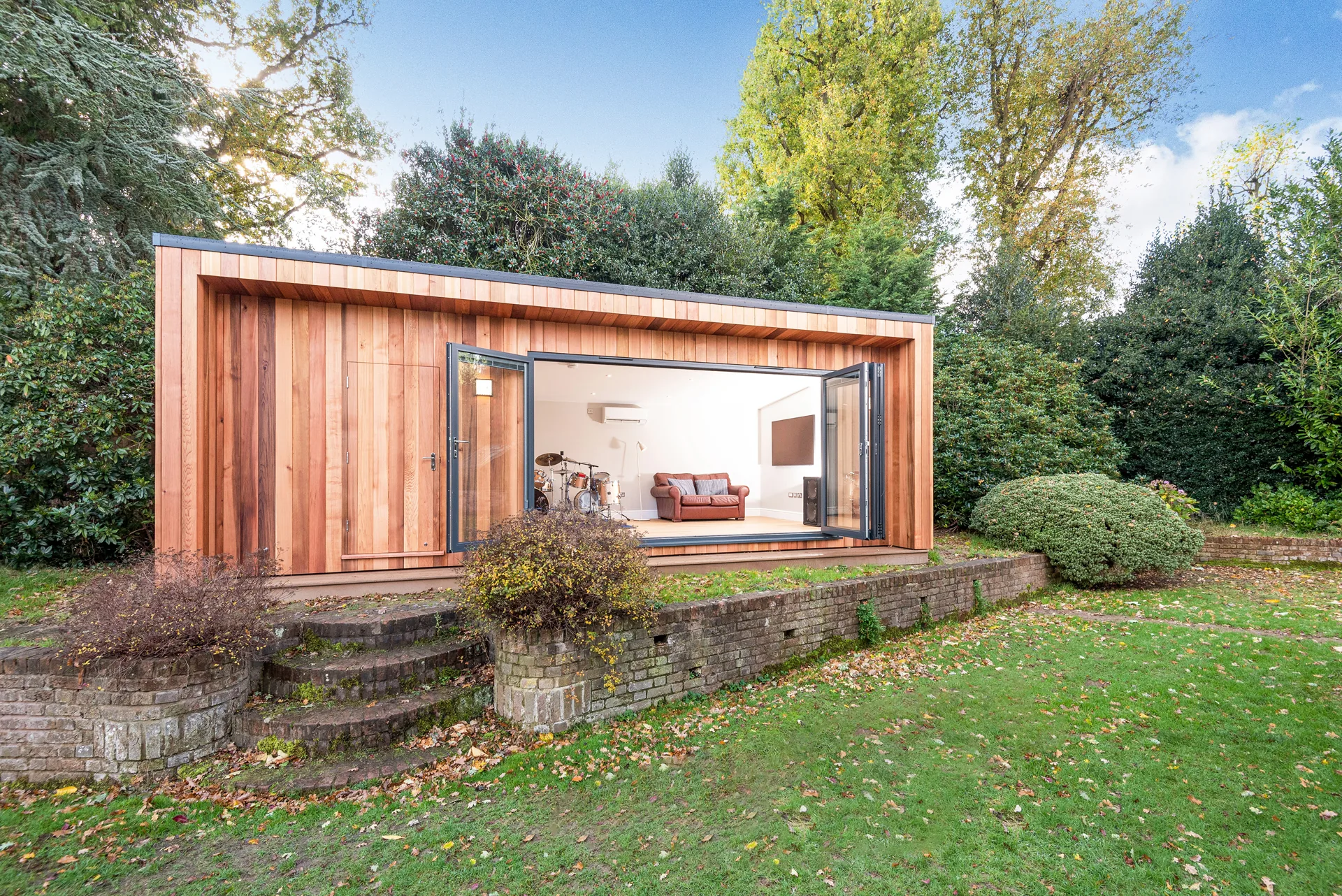
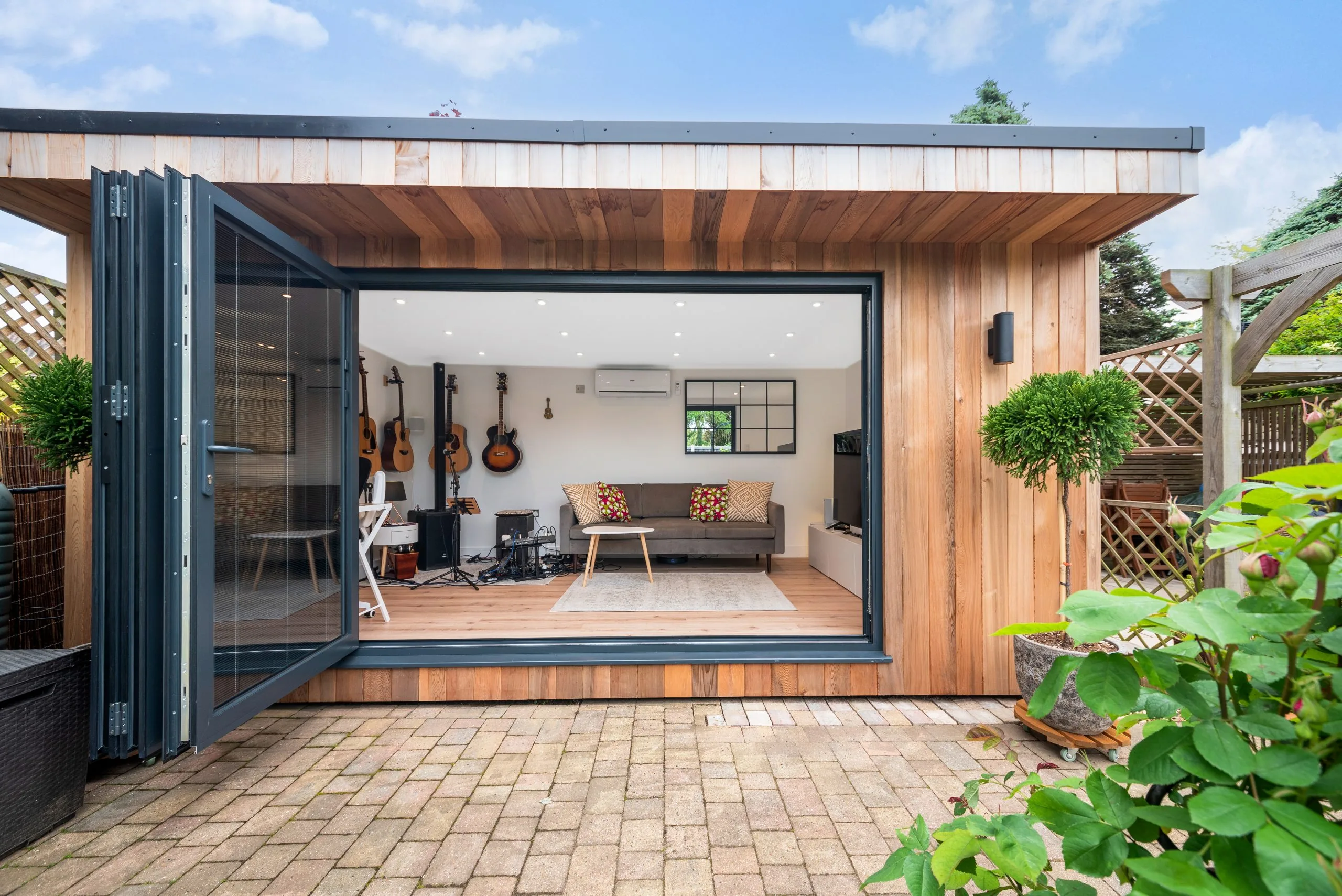
This garden music studio demonstrates how a bespoke building can be shaped around sound, comfort and a high-quality finish for clients who want a serious creative space at home.
View project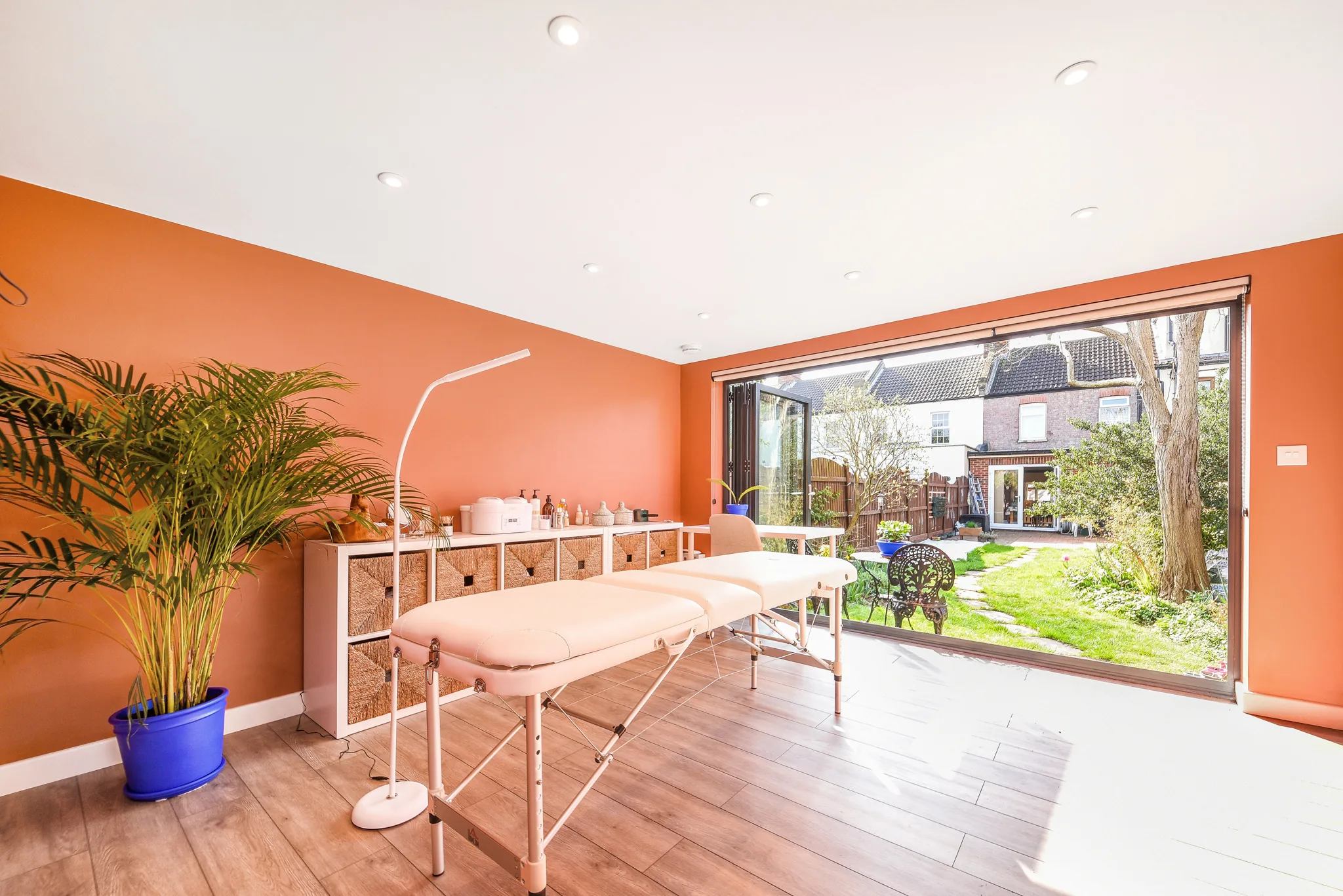
A dedicated music studio project highlighting the flexibility of a Hawksbeck garden room for audio, instruments, creative work and private enjoyment at home.
View project