
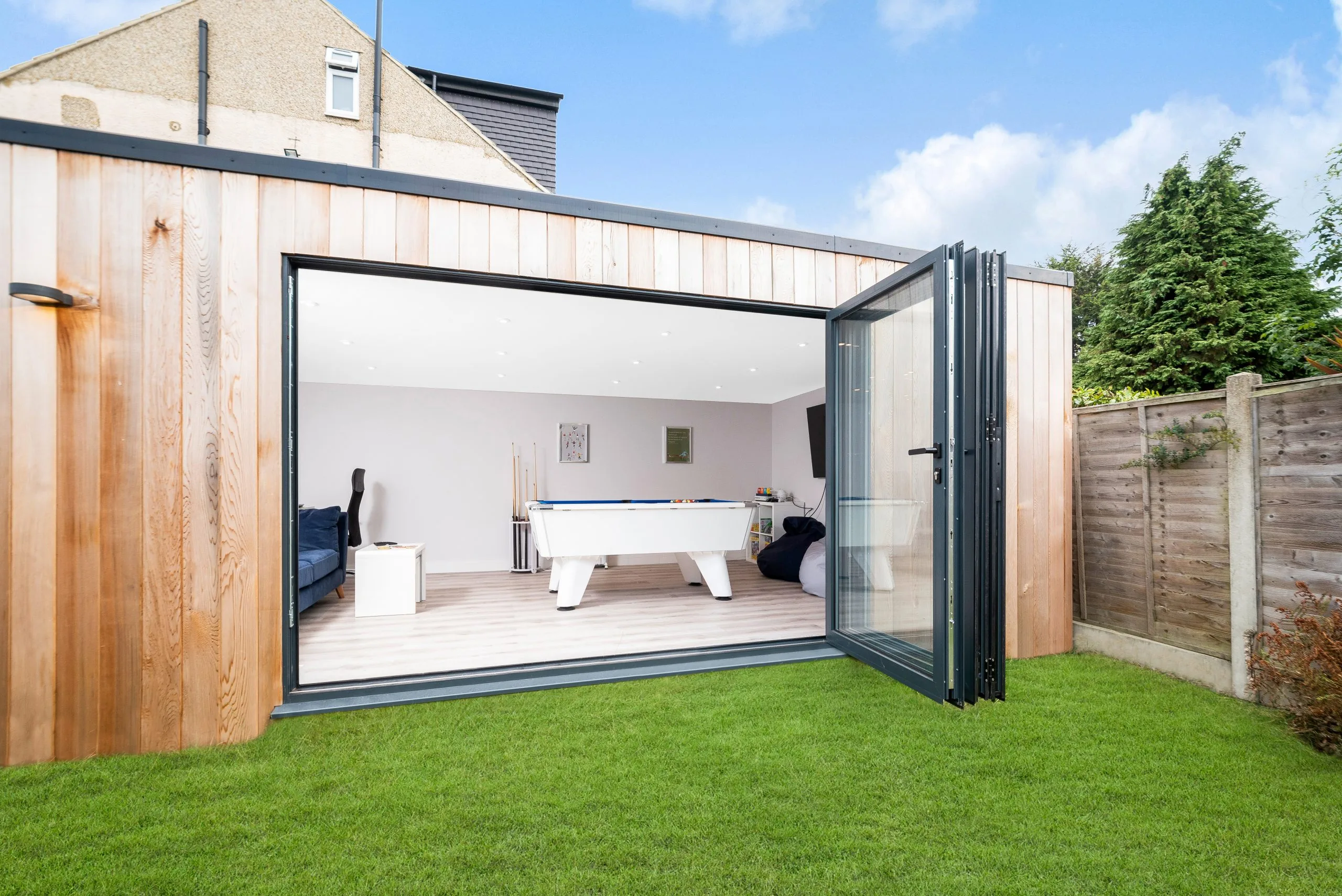
Garden Room Bar, Woodford London
A stylish garden room bar showing how a bespoke building can become a dedicated destination for drinks, hosting and relaxed evenings at home.
View project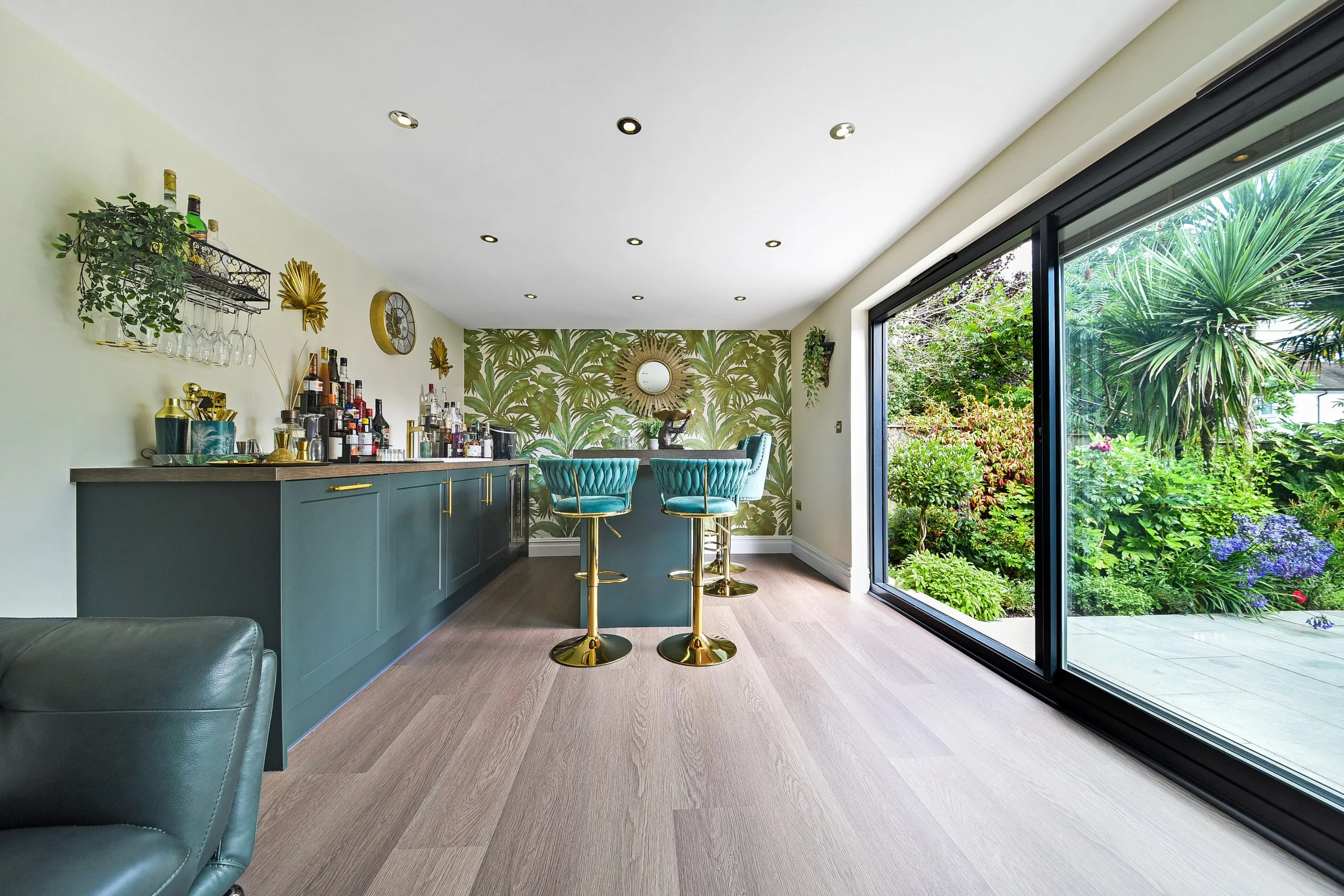
A dedicated wine tasting garden room changes the way a collection is enjoyed. Instead of bottles being stored in a kitchen rack, utility cupboard or under-stairs space, the whole ritual can have its own setting: a calm, beautifully finished room for opening, comparing, displaying, serving and sharing wine properly.
For many homeowners, the appeal is not simply “somewhere to drink wine”. It is the combination of atmosphere and control. A well-designed wine tasting room can protect a private collection, create a comfortable place to host friends, and bring a sense of occasion to evenings at home without needing to convert part of the main house. Built bespoke, it can feel like a private members’ lounge, a boutique cellar, a tasting studio or an intimate garden bar depending on how you want to use it.
Wine benefits from a room that feels considered.
The light should be flattering but not harsh. The temperature should be comfortable for guests and stable enough for the bottles being kept nearby. Seating needs to encourage conversation rather than feel like a formal dining room. Storage should be practical, but also attractive enough to make the collection part of the experience.
A bespoke garden building is ideal because it can be planned around these details from the start. Rather than trying to adapt a spare room, garage or conservatory, you can decide exactly how the room should perform: how many people it should seat, whether the wine is stored for short-term service or longer-term cellaring, whether you want refrigeration, where glasses and accessories will be kept, how close the building should be to the house, and how it should look from the garden.
This is where a Hawksbeck wine tasting garden room can become far more than an outbuilding. It can be a refined entertaining space with the craftsmanship, insulation, glazing, lighting and internal finish to feel like a natural extension of the home.
The best wine tasting rooms begin with lifestyle rather than square footage. A couple who enjoy quiet weekend tastings will need a different layout from someone who hosts clients, family celebrations or regular tasting evenings. A collector with valuable bottles will need different environmental and security considerations from someone who wants a relaxed garden lounge with wine fridges, display shelving and a tasting bar.
Useful questions to consider include:
Because Hawksbeck buildings are bespoke, these choices can be built into the plan rather than compromised later. A compact tasting room can feel luxurious if the proportions are right, and a larger garden building can be divided into zones for tasting, storage, relaxing and socialising.
If bottles are only being kept in the garden room for serving, a wine fridge or conditioned cabinet may be enough. If you want to store a valuable or developing collection for longer periods, environmental control becomes more important.
Wine is sensitive to heat, direct sunlight, temperature fluctuation and vibration. A standard outdoor bar or summerhouse is rarely suitable for serious storage because internal temperatures can swing dramatically through the seasons. A premium insulated garden room gives a much better starting point, particularly when paired with carefully specified heating, cooling, ventilation and shaded glazing.
Long-term wine storage is commonly associated with a stable, cool environment. For everyday tasting and entertaining, the room itself does not necessarily need to be kept at cellar temperature, but the storage areas should be planned intelligently. Many clients choose dedicated wine refrigeration, climate-controlled cabinets or a separate enclosed storage zone within the garden room.
Humidity can matter for cork condition and label preservation, especially where bottles are being stored for longer periods. If you have a significant collection, we can discuss options that help separate guest comfort from wine storage requirements, such as conditioned cabinets, insulated compartments or a more cellar-inspired design.
A tasting room should feel beautiful, but direct sunlight and wine do not mix well. Glazing placement, blinds, overhangs, tinted or solar-control glass, display orientation and internal lighting all play a part. This is especially important if bottles are to be visible on open shelving or glass-fronted cabinets.
Wine collections are best kept away from frequent movement and vibration. This can influence where refrigeration units are positioned, how cabinetry is built, and whether the room includes separate display and long-term storage areas.
A wine room is at its best when it has a clear rhythm: arrive, settle, serve, taste, talk, relax. That might sound simple, but the layout makes a huge difference to how enjoyable the space feels.
A central table creates a classic tasting experience. It gives each guest space for glasses, tasting notes, water and small plates. For a more formal feel, this could be a solid timber or stone-topped table under pendant lighting. For a relaxed setting, a round table or banquette arrangement can make conversation easier.
A bar works particularly well if you enjoy hosting. It gives the host a clear serving position and can include refrigeration, bottle storage, a sink, concealed bins, glass storage and preparation space. A bar also adds theatre, especially when paired with feature lighting and display shelving.
For many homes, a softer lounge feel is ideal. Comfortable chairs, a low table, an integrated media wall, warm lighting and a small service area can create an intimate setting for evening drinks. This approach works especially well where the garden room will also be used for reading, music or quiet relaxation.
If the collection is part of the pleasure, the room can be designed to showcase it. Backlit joinery, glass-fronted cabinets, label-forward displays, timber racking and feature walls can turn bottles into an architectural element. The key is balancing display with protection, so lighting and temperature are carefully considered.
Some clients prefer a more generous space with a dining table, kitchenette and doors opening to the garden. This can become a special setting for pairing menus, family occasions and long summer evenings. With the right insulation and heating, it remains comfortable throughout the year.
A wine tasting room should have warmth, texture and restraint. Too bright and it may feel like a showroom; too dark and it can become impractical. The most successful rooms usually combine layered lighting, natural finishes, comfortable furniture and carefully chosen focal points.
Popular design directions include:
Small details matter. A place to rinse glasses, somewhere to store decanters, subtle lighting over labels, acoustic comfort, enough sockets for fridges and speakers, and storage for cases or packaging can all make the room work day to day.
The relationship between a wine tasting room and the garden is one of its biggest advantages. On a summer evening, wide doors can open the room towards a terrace. In autumn or winter, the same space can feel cosy and atmospheric while still giving views out to planting and lighting.
However, glazing needs to be handled intelligently. Large areas of glass are beautiful, but they can introduce solar gain and light exposure. A bespoke design allows the best balance to be found: perhaps full-height doors facing a shaded terrace, more solid wall space behind wine storage, roof overhangs for solar protection, or carefully positioned windows that frame the garden without compromising the collection.
External lighting can also be planned as part of the experience. Soft path lighting, illuminated planting, wall lights or a discreet terrace glow can make the walk from house to garden room feel special, particularly when hosting in the evening.
Wine storage should be practical first, beautiful second, and ideally both. The right solution depends on the size and value of the collection, how often you drink from it, and whether bottles are being stored short or long term.
These are often the most practical choice for a tasting garden room. Separate temperature zones can allow whites, sparkling wines and reds to be kept at appropriate serving temperatures. Fridges can be integrated into a bar or cabinetry run for a clean, premium finish.
Label-forward displays, angled shelving or backlit bottle walls can be very striking. They work particularly well for bottles intended to be enjoyed relatively soon, or where the main long-term collection is stored elsewhere.
For more serious storage, specialist cabinets can provide controlled conditions within the room. This can be a sensible compromise where you want the tasting room to remain comfortable for guests while the wine remains protected.
Collectors often forget about cases, packaging and overflow. A bespoke garden room can include concealed low-level storage, bench seating with storage beneath, or a separate cupboard so the room stays elegant when guests arrive.
Decanters, corkscrews, Coravin systems, stoppers, tasting notebooks, water jugs, ice buckets and cleaning cloths all need a home. Drawers, shelving and display cabinets can be designed around the way you actually use the room.
Lighting should do two jobs: create atmosphere and allow the wine to be seen accurately. Overly coloured lighting can distort the appearance of wine in the glass, while harsh lighting can make the room feel clinical.
A layered lighting plan might include:
Dimming is particularly valuable. A tasting with friends may begin with brighter practical light and end with a softer lounge feel. With careful planning, the room can move easily between both.
Wine tasting is a social experience, so sound matters. A hard, echoing room can quickly become tiring, especially when several people are talking. Upholstered furniture, curtains or blinds, rugs, acoustic panels, timber finishes and soft wall treatments can all improve comfort without making the space feel overdesigned.
Heating and cooling are equally important. A premium insulated garden room should feel pleasant in every season, not just during warm weather. For a wine room, this comfort also needs to be balanced with the needs of the bottles, which is why storage strategy and climate planning should be discussed early.
A kitchenette can make a wine room much more practical, particularly if it will be used for entertaining. It reduces trips back to the house and keeps the experience self-contained. Even a compact service area can make a big difference.
Useful additions may include:
If plumbing is required, it should be considered early because it can affect positioning, groundwork and budget. The same applies to any WC, utility cupboard or more substantial kitchen specification.
If your wine collection has financial or sentimental value, security should be designed into the building rather than added as an afterthought. A bespoke garden room can include robust doors and windows, discreet external lighting, alarm integration, smart locks, internal lockable cabinetry and careful positioning within the garden.
Privacy is another form of security. Solid wall sections, considered glazing placement, blinds, planting and fencing can all reduce visibility from neighbouring properties or public viewpoints. The goal is to create a room that feels open and enjoyable to you, without putting everything on display.
Many garden rooms can be built under permitted development rights, but this depends on factors such as height, size, position, boundary proximity, land designation and how the building will be used. A wine tasting room used for domestic enjoyment will often be more straightforward than a commercial venue, but every property is different.
Important points to think about include:
Hawksbeck can help you understand which design routes are likely to be suitable for your property and brief. Where additional permissions or specialist advice are needed, these can be discussed as part of the process.
The right size depends on the number of guests and how much storage you want. A small, beautifully designed tasting room can work well for two to four people, while a more generous garden building can comfortably host larger groups and include a bar, lounge seating, display wall and kitchenette.
As a rough guide:
Compact tasting room: suitable for a table or lounge seating, wine fridge, storage and an intimate atmosphere.
Medium wine lounge: ideal for a bar area, comfortable seating, display shelving and flexible entertaining.
Larger entertaining garden building: suitable for dining, hosting, kitchenette facilities, substantial storage and a more luxurious members’ lounge feel.
It is often better to design around zones rather than simply asking for the largest possible footprint. Circulation space, chair movement, serving access and cabinet depth all affect how the room feels in use.
Material choices have a strong effect on the mood of a wine tasting room. Smooth plastered walls, timber cladding, stone-style flooring, rich paint colours, acoustic finishes and bespoke joinery can all create a sense of permanence and quality.
Flooring should be durable and easy to clean, particularly if wine, food or guests are involved. Engineered timber, luxury vinyl tile, porcelain or stone-effect finishes can all work depending on the style of the room. For comfort, rugs can soften the space, but they should be chosen carefully if spills are likely.
Joinery is where the room can become truly personal. Bespoke cabinetry can be designed around bottle sizes, magnums, glassware, fridges, decanters and decorative display. The result is a room that looks tailored rather than assembled from separate furniture pieces.
Some homeowners want a dedicated wine tasting room with a strong focus on the collection. Others prefer a more flexible garden bar or entertaining room where wine is one part of the experience. Both can work beautifully.
A dedicated wine room may prioritise storage, lighting accuracy, display and a calm tasting environment. A multi-use entertaining room may include a bar, media wall, seating area, music system, kitchenette and outdoor terrace. The decision usually comes down to how often the room will be used and whether the collection needs to be held in controlled conditions inside the building.
If you are still comparing possibilities, our wider guide to garden room ideas may help you see how a wine tasting room can overlap with a bar, lounge, dining room, studio or wellness space.
Pricing depends on the size of the building, specification, access, foundations, glazing, heating and cooling strategy, internal finish, electrics, fitted furniture, plumbing and specialist wine storage. A simple premium garden room with a wine fridge and seating area will sit at a very different level from a fully fitted, climate-conscious tasting room with bespoke joinery, a kitchenette, AV, feature lighting and extensive glazing.
As a broad guide, a compact premium garden room suitable for a private tasting space may start from around the mid £30,000s to £50,000s. A more tailored wine lounge with upgraded finishes, fitted storage, enhanced electrics, heating/cooling and a bar area may commonly fall in the region of £55,000 to £85,000. Larger or highly specified projects with extensive bespoke joinery, plumbing, specialist refrigeration, premium glazing, terrace works or more complex site requirements can move beyond £90,000 to £100,000+.
These figures are only indicative. Hawksbeck garden rooms are bespoke, so the most accurate way to understand cost is to discuss the room you want, how the building will be used and which features matter most to you. We can then help shape a specification that feels luxurious, practical and proportionate to your budget.
Know how many you would like to seat and how much wine stays on site? That is enough to begin.
Start Planning Your Wine Tasting Room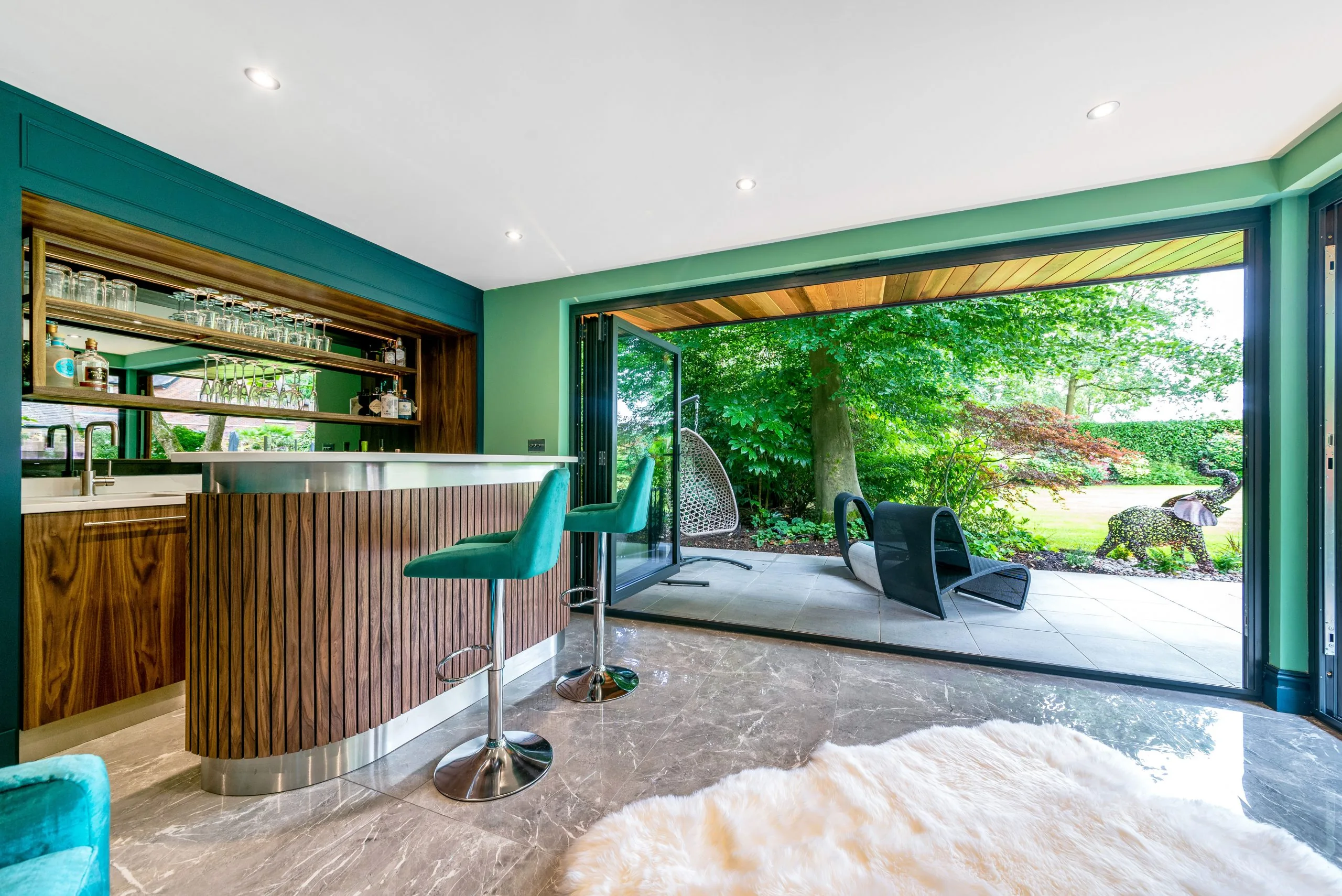
The walk to the room is part of the experience. A beautifully built garden wine room should not feel like an afterthought tucked at the end of the lawn. The approach, doors, lighting, landscaping and view back to the house all contribute to the sense of arrival.
For a luxury feel, consider a small terrace outside the room, planting that softens the building, discreet step lighting and outdoor seating for warmer evenings. Even if the garden is compact, these details can make the room feel integrated and intentional.
A wine room can look impressive on day one but become frustrating if the storage is not right. Decide early whether you are displaying, serving, cellaring or doing all three.
Opening, pouring and comparing wine requires more surface area than many people expect. A bar, sideboard or generous table can make hosting much easier.
Large glass elevations are attractive, but the wine needs protecting. Glazing, orientation, shading and storage location should work together.
Wine fridges, lighting, heating, cooling, speakers, charging points, glass washers and smart controls all need proper electrical planning.
Unless you host structured tastings all the time, comfort matters. A room that feels too rigid may be used less often than a warm, relaxed space.
A bespoke wine tasting room is partly about the wine, but it is also about how you live. It creates a reason to slow down, invite people over, enjoy the garden in the evening and make better use of your property throughout the year. For collectors, it can bring order and pride to a private cellar. For hosts, it can become the most memorable room in the home.
Because it is separate from the main house, it can also offer a different mood. You can leave the kitchen, work and everyday clutter behind and step into a space designed purely for enjoyment. That sense of separation is one of the reasons garden rooms work so well for leisure, entertaining and specialist hobbies.
A luxury wine tasting garden room should feel personal. It might be compact and intimate, generous and sociable, dark and atmospheric, or bright and contemporary. It might focus on an existing collection or give you the perfect reason to start building one. The important thing is that the building is designed around your habits, your garden and the level of finish you expect.
Hawksbeck can create a bespoke garden room that brings together premium construction, elegant design, practical storage and the right atmosphere for wine tasting and entertaining. Whether you want a refined private tasting room, a garden bar with wine storage, or a fully fitted luxury entertaining building, the design can be shaped around you.
Yes. With the right insulation, lighting, layout, ventilation, heating and storage strategy, a garden room can make an excellent wine tasting space. If you intend to store valuable wine long term, specialist refrigeration or climate-controlled storage should be considered.
Not always. If the room is mainly for tasting and entertaining, wine fridges or conditioned cabinets may be sufficient. If you want to cellar a valuable collection over many years, the environmental requirements become more important and should be discussed during the design stage.
Yes. A bar, sink, dishwasher drawer, refrigeration, glass storage and preparation area can all be incorporated into a bespoke Hawksbeck garden room. Plumbing and drainage should be considered early so the design and budget are accurate.
A premium insulated garden room can be designed for year-round use. Heating, cooling, glazing and ventilation choices will all affect comfort, especially for a room used in the evenings.
That depends on the size and layout. A compact room may suit two to four people, while a larger garden building can be designed for group tastings, dining or entertaining. The best layout will depend on whether you prefer a table, bar, lounge seating or a combination.
Yes. External finishes, glazing, proportions, internal materials and landscaping can all be tailored so the garden room feels appropriate for your property while still having its own distinct character.
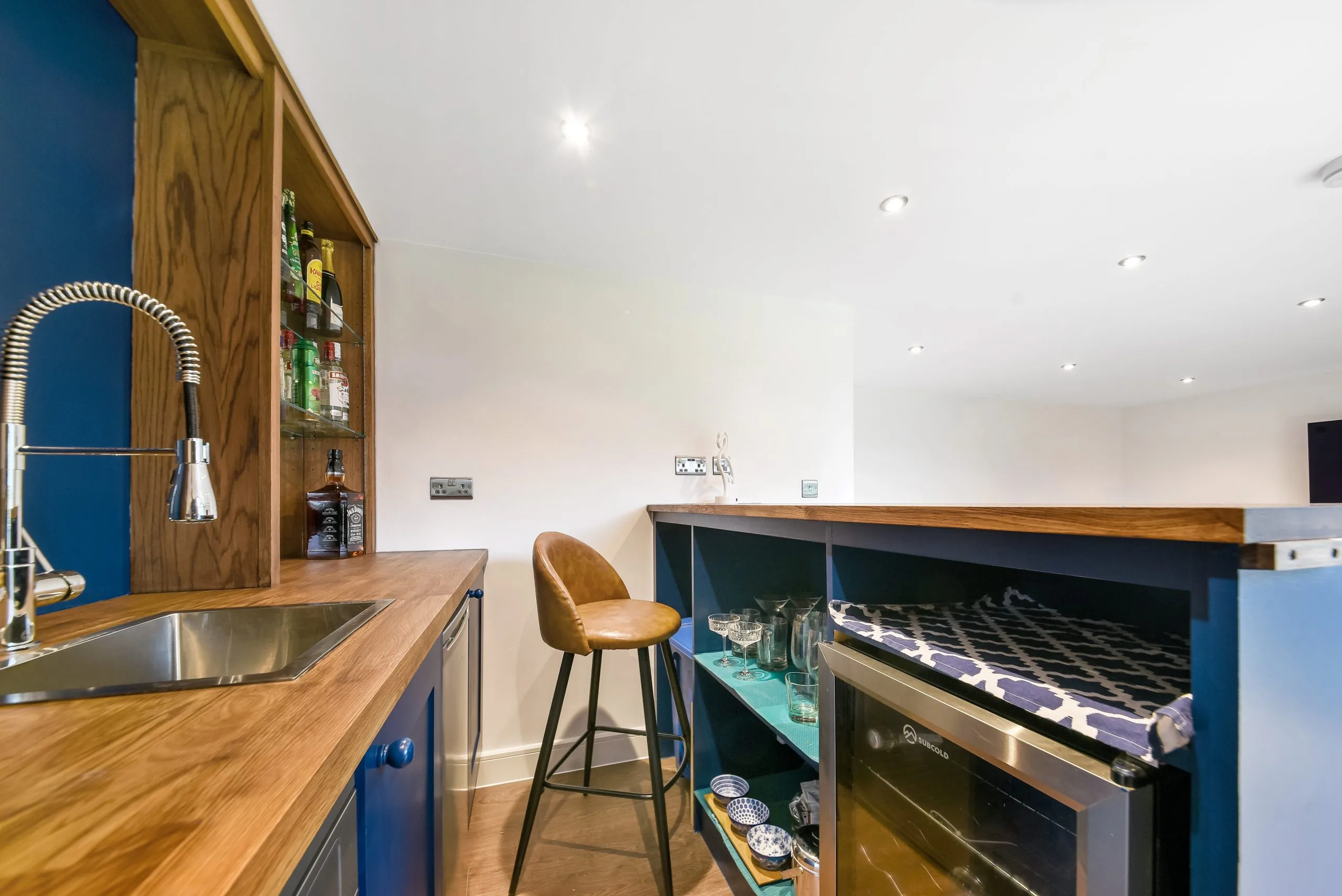
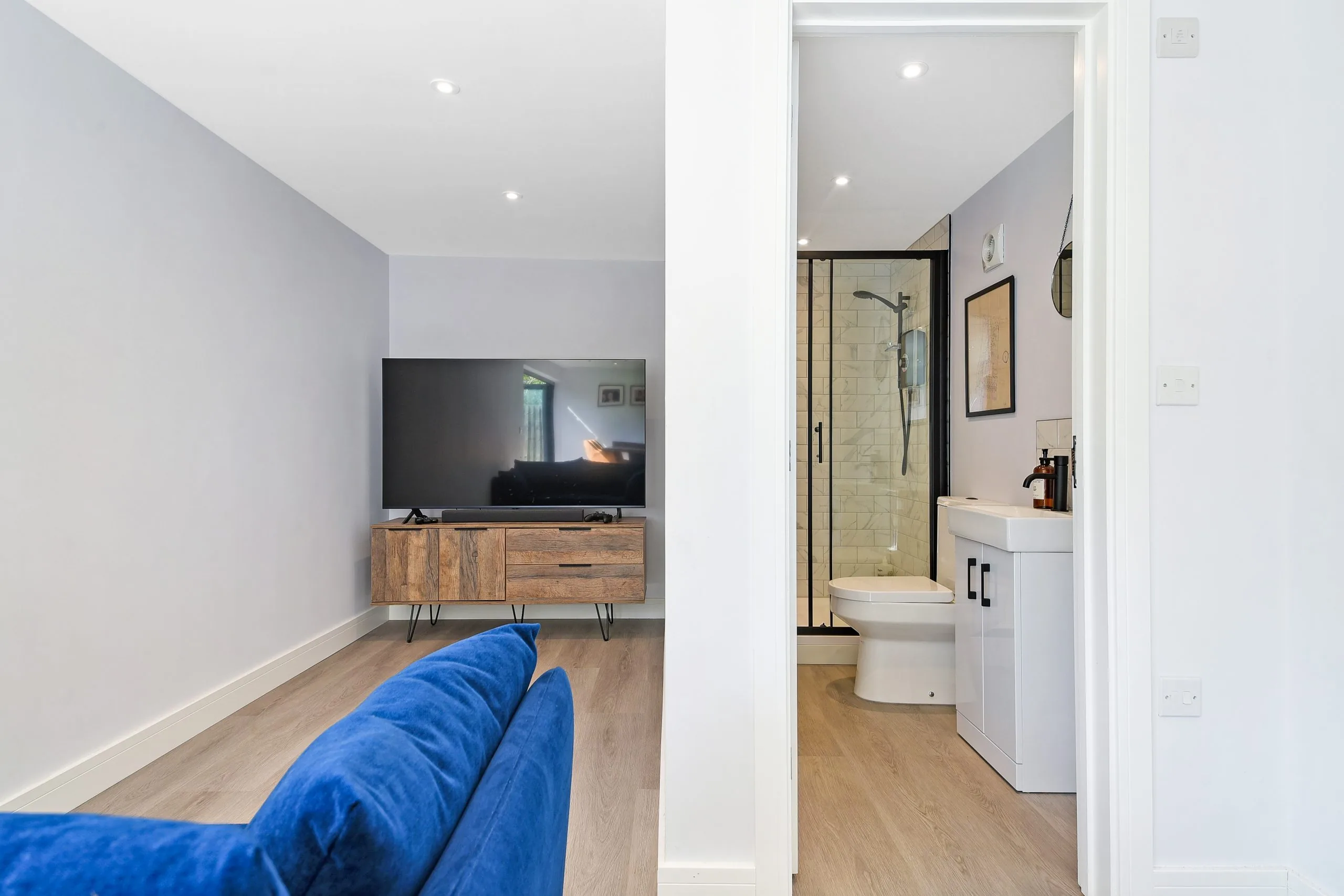
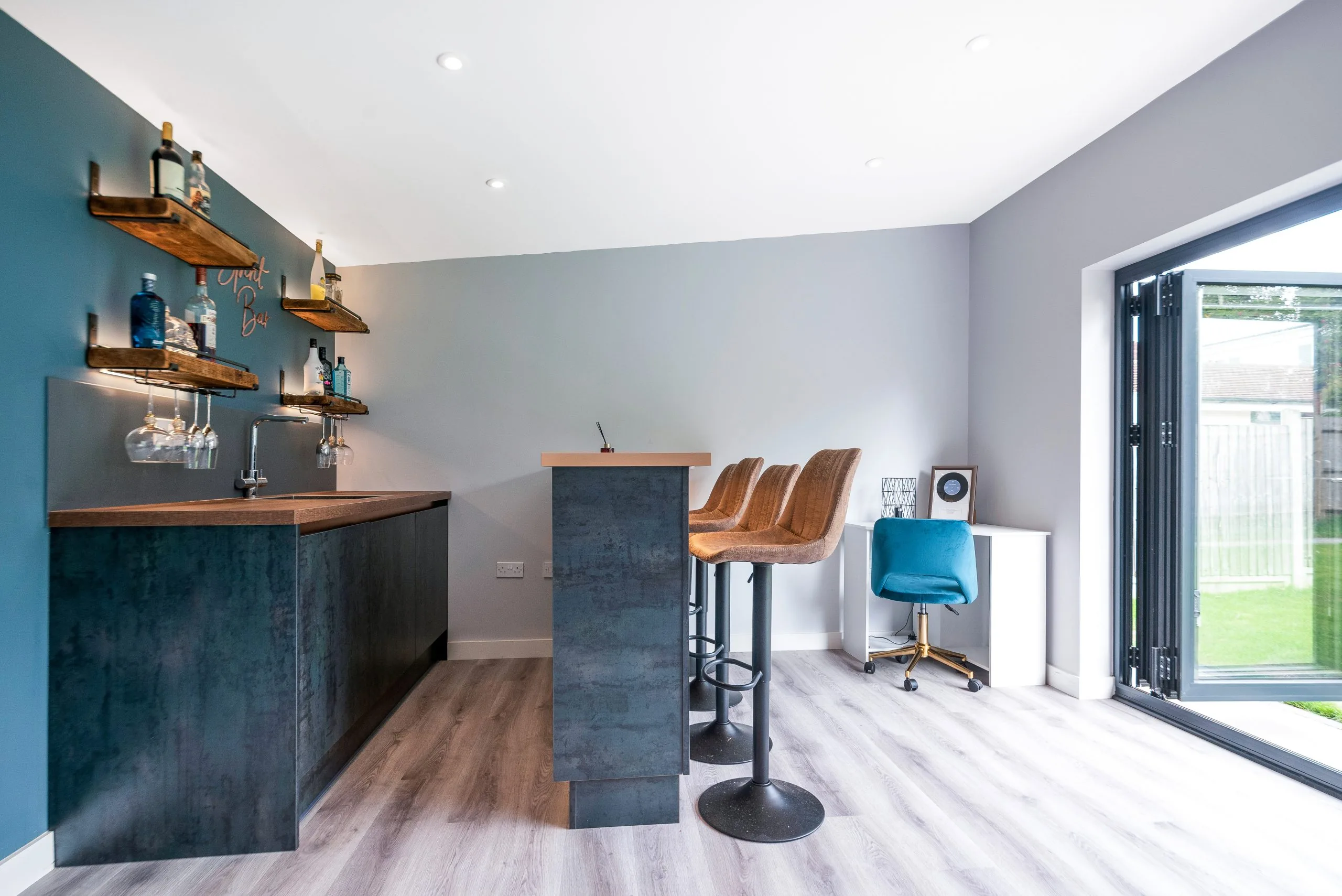
Two bar rooms and a kitchenette build, each a practical reference for the serving and hosting side of a tasting room.
A stylish garden room bar showing how a bespoke building can become a dedicated destination for drinks, hosting and relaxed evenings at home.
View project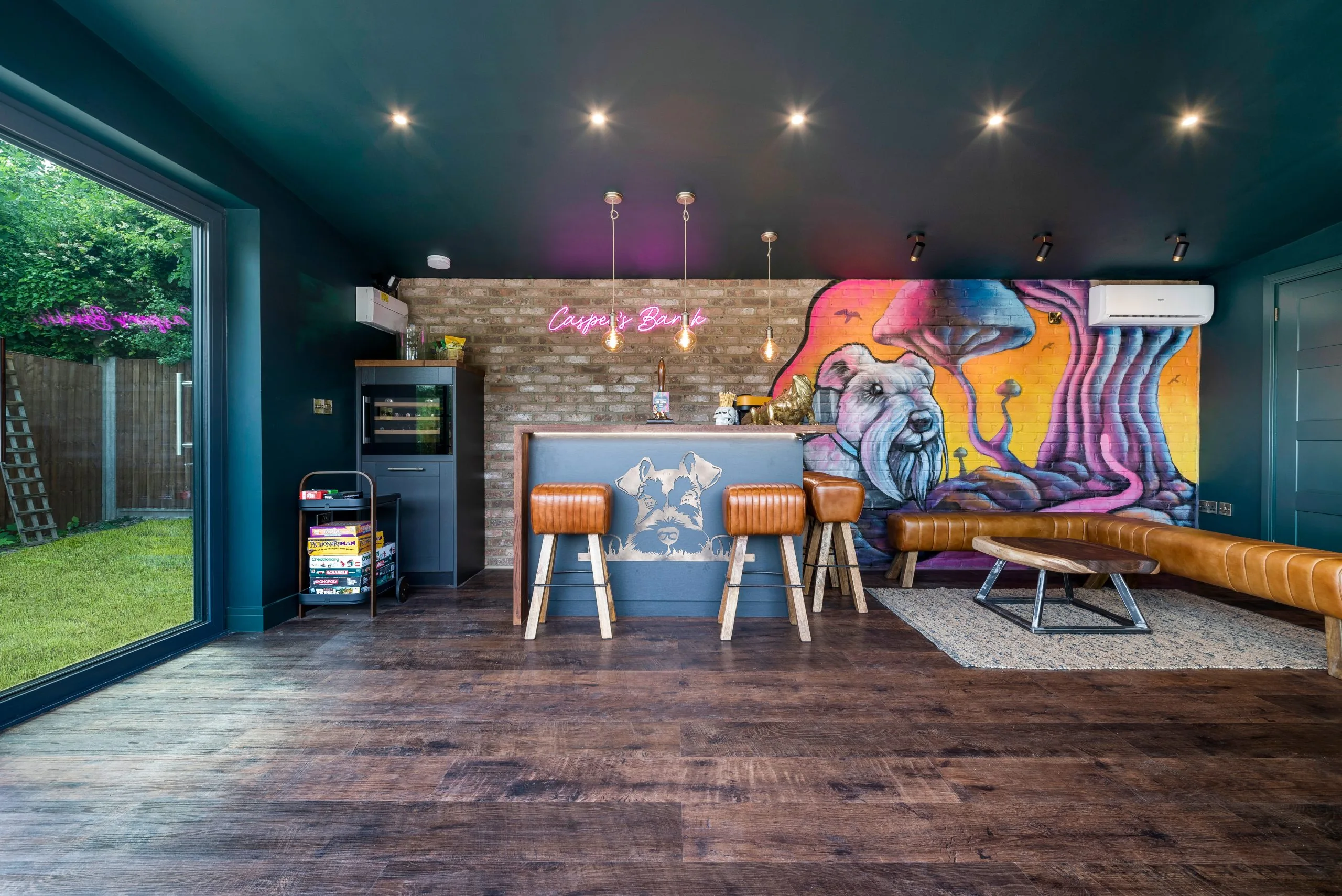
This Billericay project demonstrates how a premium garden room can combine leisure, entertaining and everyday comfort in one beautifully finished space.
View project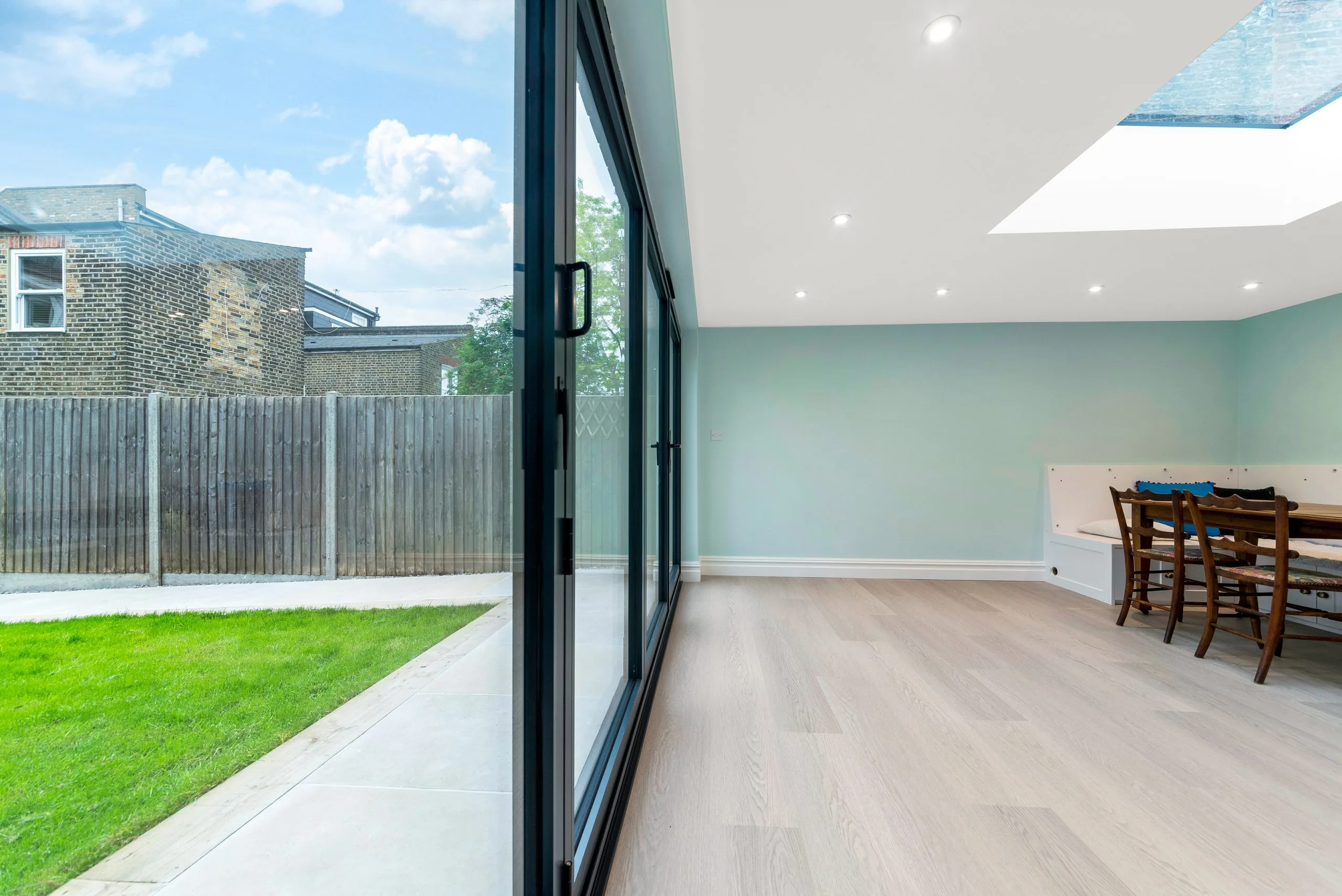
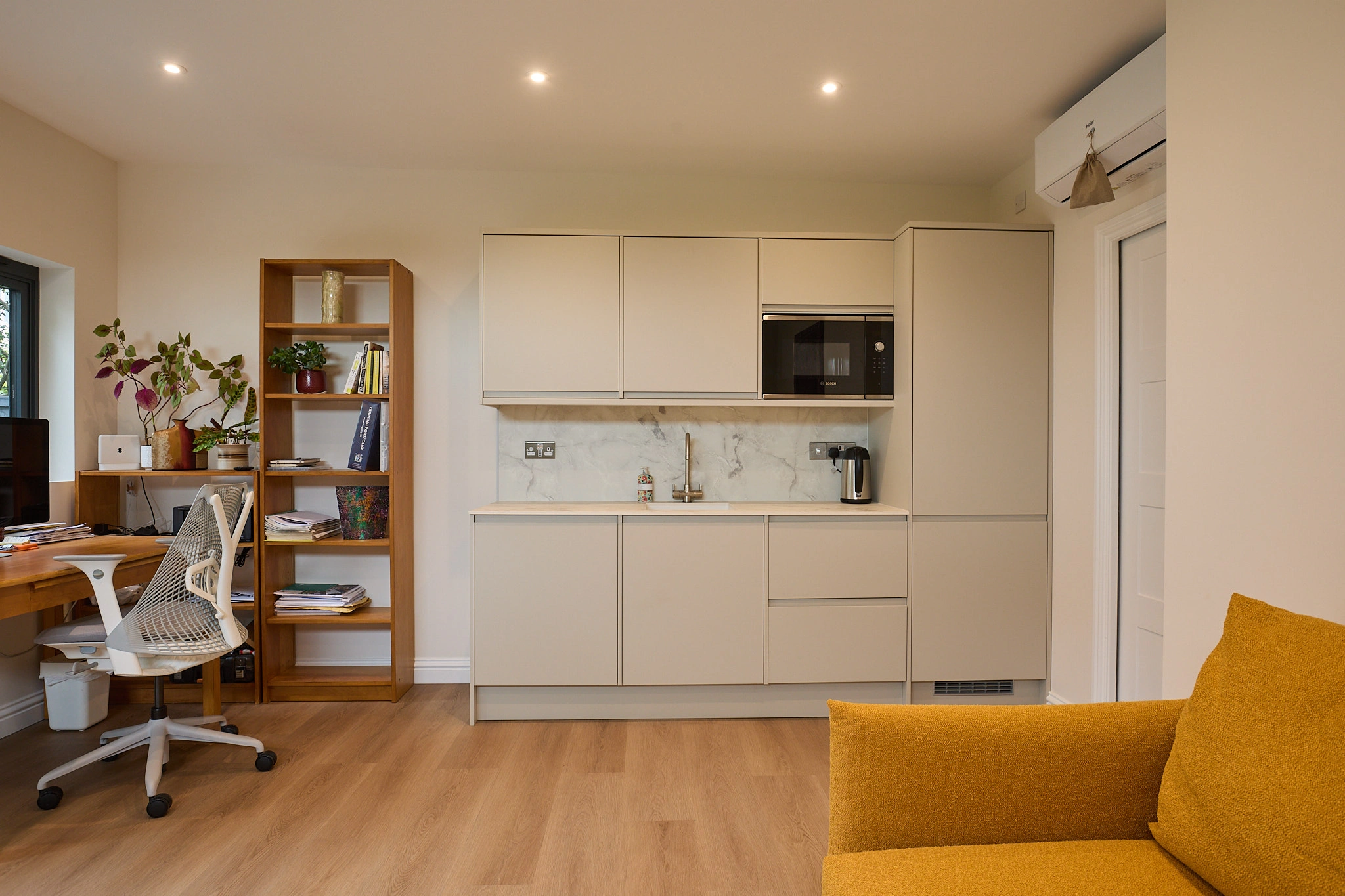
A refined contemporary garden room with kitchenette facilities, offering useful inspiration for a self-contained wine tasting, hosting or garden entertaining space.
View project