
Garden Room Office Retreat, London
A refined office retreat showing how a bespoke garden building can create a calm, professional and beautifully finished space away from the distractions of the main house.
View project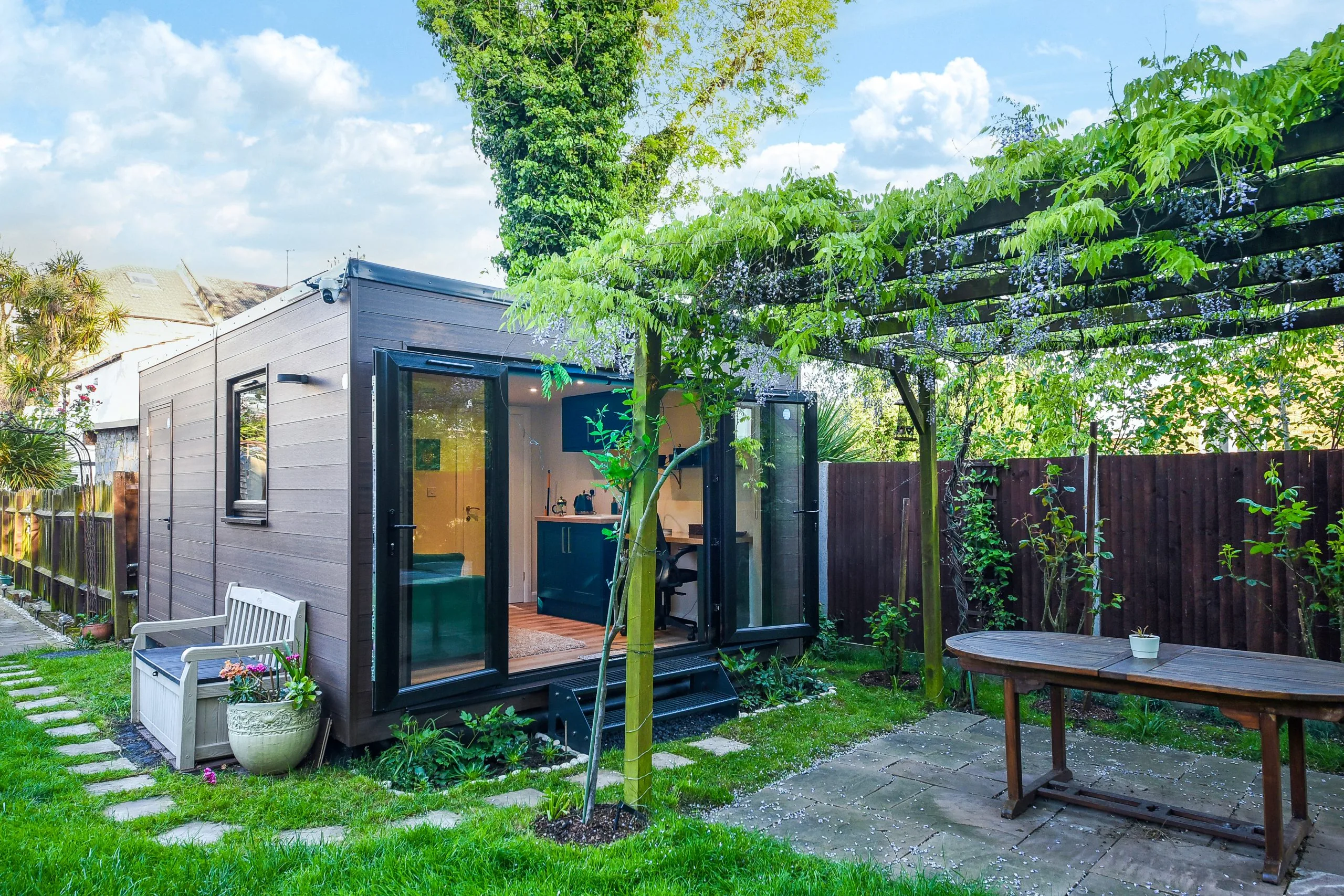
A proper writing retreat is not simply a desk in a nicely finished outbuilding. It is a space where the atmosphere does some of the work for you: quiet enough to hold a thought, comfortable enough for long drafting sessions, and separate enough from the house that your mind recognises it as a place for deep focus.
For authors, researchers, academics, scriptwriters, journalists, editors and anyone undertaking sustained creative or analytical work, a bespoke garden room can become a highly personal writing environment. It can be pared back and minimal, warm and library-like, filled with natural light, or deliberately cocooned for concentration. The advantage of a Hawksbeck garden building is that it is designed around how you actually work, rather than forcing your routine into a standard garden office layout.
Writing is one of the few types of work where interruption can be genuinely expensive. A phone call, a delivery, a conversation in the kitchen or a washing machine finishing its cycle can break the thread of an argument, a chapter or a scene. A garden writing room creates a small but important distance from domestic life, while still keeping you close to home.
Unlike a spare bedroom or corner of the dining room, a dedicated garden retreat can be planned around deep-focus work from the beginning. The position of the desk, the amount of glazing, the view from the chair, the insulation, the acoustics, the lighting and the storage can all be considered together. That is what turns a garden building into a retreat rather than just another room.
If you are comparing possible uses for a garden building, our wider garden room ideas guide explores many other ways a bespoke space can support work, leisure and home life.
A novelist drafting for six hours has different needs from an academic working with books and papers, or a consultant who needs a quiet place to write reports between calls. The best writing retreats are built around practical working habits, not abstract style alone.
Creative writing often benefits from a room that feels intentionally separate from everyday tasks. You may want a generous desk, a comfortable reading chair, a wall for notes or plotting, a small library area and a window positioned to give you a restful view without making the room feel exposed. Some writers prefer bright, open spaces; others work better in a more enclosed, den-like setting with soft lighting and fewer visual distractions.
Research work usually requires storage, surfaces and organisation. A bespoke garden room can include fitted shelving, document storage, cabinets, a large worktable, space for multiple screens and high-quality connectivity for online databases, video calls and digital archives. If you work with printed material, the room can be designed to reduce clutter by giving every item a considered place.
If your writing retreat is also your main workplace, you may need a more formal layout with reliable broadband, strong task lighting, acoustic control, secure storage and a background suitable for video calls. You might also want a small meeting area or a separate reading corner, depending on how you work with clients, collaborators or interview material.
Many garden rooms look impressive in photographs, but a writing retreat has to perform quietly for long periods. Comfort, light and layout matter more than gimmicks. The details below are worth considering early, because they can make the difference between a room you admire and a room you genuinely use.
The desk should be placed with intention. Facing directly into the garden can be beautiful, but it is not always the best option if movement outside will distract you. Facing a side wall with a view angled to one side can give you natural light and greenery without constantly pulling your attention away. Some clients prefer a central writing table rather than a conventional desk, especially if they review manuscripts, drawings, notes or reference books.
Large glazing can make a garden room feel uplifting, but writers often need controlled light. Too much direct sun can cause screen glare and make the room uncomfortable. A bespoke design allows you to consider the orientation of the garden, the time of day you write, and whether rooflights, clerestory windows, shaded glazing or carefully positioned doors would give the right balance.
A writing retreat should feel calm when the door closes. Insulation, wall build-up, glazing specification, internal finishes and even floor coverings can influence how peaceful the room feels. If you record audio, dictate notes, run interviews or need video calls to sound professional, acoustics become even more important.
Deep work is hard in a stuffy room. A year-round writing studio should be warm in winter, comfortable in summer and easy to ventilate. Depending on the design, this may include efficient electric heating, air conditioning, opening windows, trickle ventilation or other comfort-led features. The aim is simple: the room should disappear into the background so you can focus on the work.
Books, notebooks, archive boxes, journals, printers and stationery can quickly overwhelm a small writing space. Built-in storage helps keep the room calm. Bespoke shelving can be designed for paperbacks, reference books, display items or concealed files, while cupboards can hide printers, routers and office equipment when not in use.
The right layout depends on the type of work you do and how much space your garden can comfortably accommodate. Below are several starting points that often work well for writing retreats.
| Writing retreat style | Best suited to | Useful features |
|---|---|---|
| Minimal focus studio | Writers who need clean space and few distractions | Large desk, concealed storage, soft lighting, simple finishes |
| Library retreat | Authors, academics and researchers with books or archives | Fitted shelving, reading chair, task lighting, archive cupboards |
| Writing and research room | People working with documents, screens and references | Large work surface, dual-screen setup, printer storage, strong connectivity |
| Retreat with kitchenette | Long writing days away from the house | Coffee point, small fridge, sink, storage and comfortable seating |
| Multi-use creative studio | Writers who also teach, record, consult or make content | Flexible furniture, acoustic consideration, presentation wall, camera-friendly background |
A writing retreat does not need to be vast. In fact, many writers prefer a compact room because it feels contained and purposeful. A smaller bespoke garden room can still include a proper desk, storage, an armchair and good lighting. For someone who wants a place purely to write, read and think, that may be ideal.
A larger building becomes valuable when the retreat needs to do more. You may want a separate reading area, a library wall, a kitchenette, a WC, a meeting table or space for yoga, meditation or exercise between writing sessions. If the building may also become a guest annexe, office, studio or hobby room in the future, designing in that flexibility from the start can be a sensible long-term decision.
Peace is partly about sound, but it is also about visual order, temperature, privacy and the transition from the house to the room. The approach to the building matters. A short garden path, soft planting, exterior lighting and a well-positioned entrance can help create a sense of arrival. That small walk to the retreat can become part of the writing ritual.
Inside, many people benefit from a restrained palette: natural materials, warm neutral tones, timber details, soft furnishings and uncluttered surfaces. Others prefer a richer space, with darker finishes, books, artwork and a more enclosed atmosphere. Because Hawksbeck garden rooms are bespoke, the interior can be shaped around the mood that helps you work best.
Although your focus may be a writing retreat, it is useful to see the breadth of what a high-quality garden room can become. A well-designed building can support work, leisure, creativity, fitness, entertaining or quiet escape, and many clients ask for a room that can adapt over time.
The beauty of a bespoke writing retreat is that the practical elements do not need to look practical. They can be designed into the building so the finished space feels refined, calm and easy to live with.
Reliable electrics are essential for laptops, monitors, task lights, printers, chargers, speakers and heating. Data requirements should be discussed early, particularly if you rely on cloud storage, video calls, large file transfers or online research. Depending on the property and requirements, options may include hard-wired internet, Wi-Fi solutions and careful placement of sockets to avoid trailing cables.
If your writing room will contain laptops, manuscripts, confidential documents or recording equipment, security should be part of the specification. Secure doors, quality glazing, locks, external lighting and alarm integration can all be considered. A garden retreat should feel private and reassuring, not vulnerable.
For short writing sessions, a simple room may be enough. For full-day work, a WC or kitchenette can make the retreat far more independent. Being able to make coffee, refill water or use facilities without returning to the house helps preserve focus. These additions can affect cost, layout and installation requirements, so they are best discussed early.
Writing, reading, editing and video calls all require slightly different lighting. A single ceiling light is rarely the best answer. A more considered scheme might include low-glare downlights, wall lights, desk lighting, reading lamps and exterior lighting for safe evening use.
Your writing retreat may begin as a personal sanctuary, but life changes. A bespoke design can allow for future uses such as a home office, therapy room, studio, library, teenage study space or guest overflow. That does not mean compromising the writing environment; it simply means making intelligent choices about layout, services and specification.
Pricing depends on size, specification, ground conditions, access, glazing, internal finishes, electrics, heating, plumbing and any additional features such as a WC, kitchenette or extensive fitted furniture. Because Hawksbeck garden rooms are bespoke and premium in quality, the most useful way to think about price is by the level of building you want to create.
As a broad guide, a high-quality insulated garden writing room is likely to begin from the lower end of the Hawksbeck range for a more compact, straightforward studio, with larger or more highly specified retreats moving significantly higher. Many clients considering a dedicated writing retreat should expect a serious, year-round garden building rather than a basic shed conversion.
| Type of writing retreat | Indicative investment | What may be included |
|---|---|---|
| Compact writing studio | Often from around the lower Hawksbeck range | Insulated room, premium finish, electrics, heating and a focused desk-based layout |
| Luxury author’s retreat | Typically a mid-range bespoke project | More generous footprint, enhanced glazing, fitted storage, reading area and upgraded interior detailing |
| Writing retreat with WC or kitchenette | Usually higher due to plumbing, specification and installation complexity | Independent all-day use, additional services, cabinetry, sanitaryware or refreshment area |
| Large multi-use garden building | Can vary substantially depending on design | Writing space plus office, studio, guest, leisure or meeting areas with a more complex specification |
For current guide pricing and examples of what is available, view the Hawksbeck range page or speak to us about your garden, preferred size and intended use.
View Our Full RangeThe final cost can change considerably once the design is tailored to your site and requirements.
Many garden rooms can be built under permitted development rights, depending on the property, location, size, height, position and intended use. However, planning rules can be more complex for listed buildings, conservation areas, flats, maisonettes, properties with previous extensions, or buildings intended for sleeping accommodation.
A writing retreat used as an ancillary space to the main house is often more straightforward than a self-contained dwelling, but assumptions should never be made. The design, services and intended use all matter. Hawksbeck can discuss the practical considerations with you and help you understand what may be required for your project.
The far end of the garden is not always the best location. It may offer privacy, but it can also increase the distance for services, make access harder or place the room in shade for much of the day. A more successful position might be one that balances outlook, light, privacy, access and the relationship with the house.
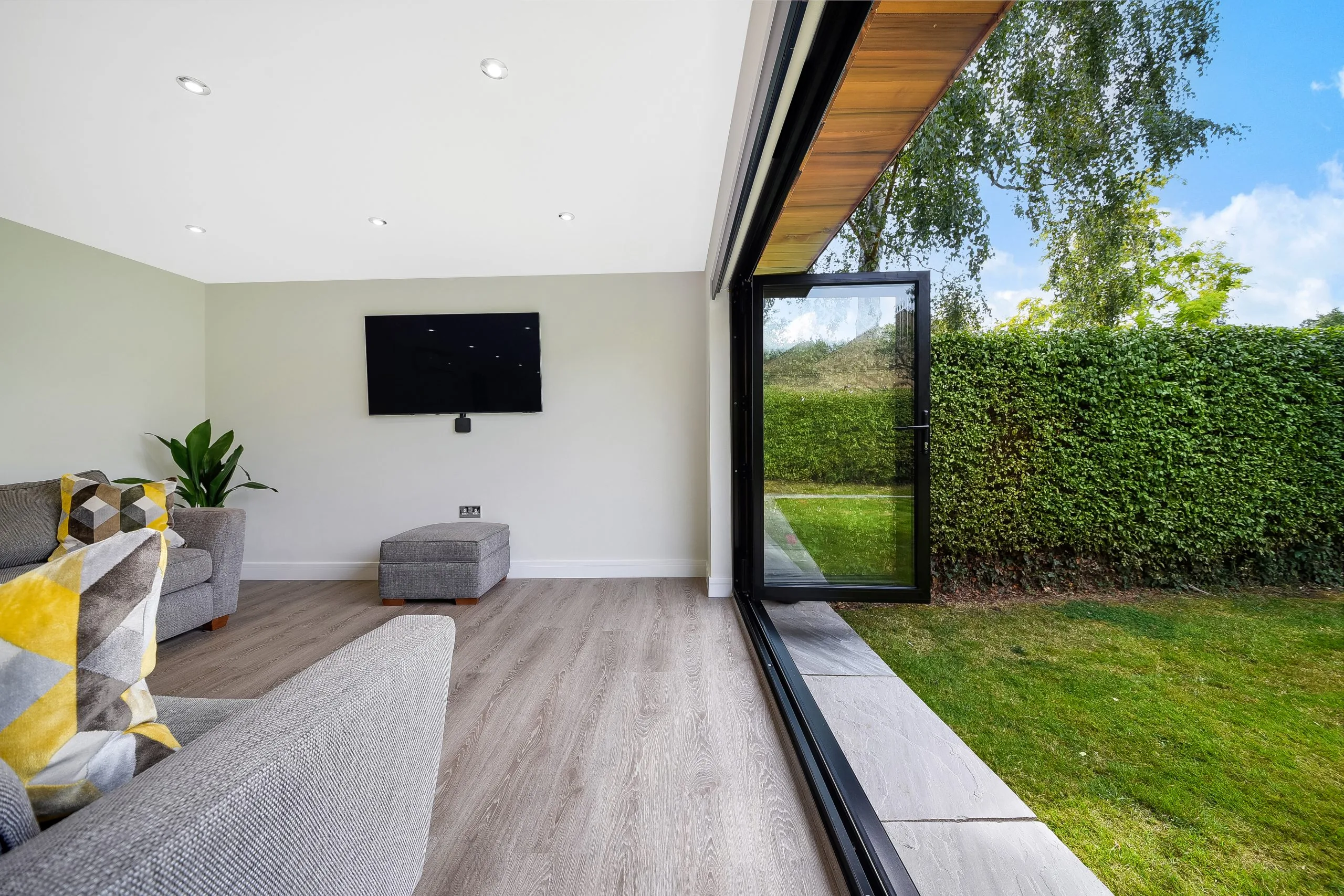
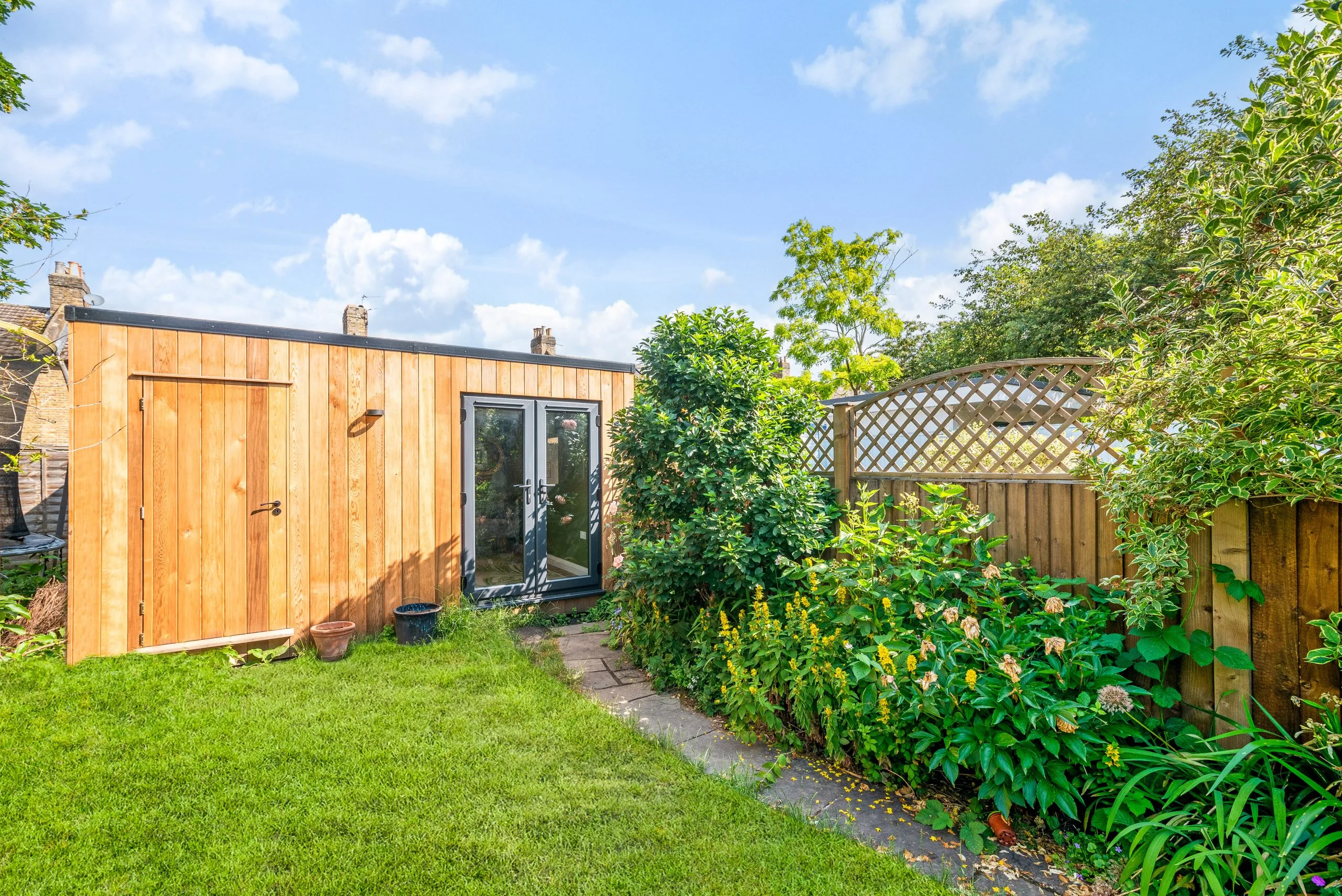
A garden writing studio should be practical, but it should also make you want to spend time there. The interior can be understated or characterful, modern or traditional, bright or atmospheric. The key is to create a setting that supports the mental state required for sustained work.
A built-in desk along one wall can keep the centre of the room open and calm. Add concealed cable routes, drawers, shelves above or beside the desk, and carefully placed sockets. This works particularly well for writers who use a computer and want a clean, uncluttered setup.
If you edit on paper, draw mind maps or work with reference material, a larger table can be more useful than a standard desk. This gives space to spread out chapters, notes or research without constantly clearing things away.
A comfortable chair, small side table and focused reading light can change how the room feels. It gives you somewhere to review work away from the screen, read source material or take a deliberate pause without leaving the retreat.
Floor-to-ceiling shelving can make a writing retreat feel substantial and personal. It can also help with acoustics by softening the room. Shelving can be open, partially concealed or integrated with cupboards for files and equipment.
For many writers, staring out of the window is part of the process. A carefully positioned window seat or chair can create a place for reflection without making the desk itself too distracting.
Luxury does not have to mean overcomplication.
In a writing retreat, luxury is often found in restraint: the door closing softly, the room holding its temperature, the desk sitting exactly where it should, the light being right at 4pm in November, the storage hiding what needs to disappear, and the building feeling as though it belongs in the garden.
Hawksbeck’s bespoke approach is particularly suited to this kind of project because small decisions have a large effect. A writing retreat may look simple, but the best versions are carefully resolved. The proportions, materials, glazing, heating, electrics and interior detailing all contribute to a space that feels settled and effortless.
Before thinking too much about dimensions, it is helpful to describe the feeling you want from the room. Do you want it to feel bright and energising, or quiet and enclosed? Do you want views, or do you need fewer distractions? Will you work there daily, seasonally, or in intense writing blocks? Do you need space for books, interviews, video calls, teaching, editing or simply one desk and silence?
Once those answers are clear, the specification becomes much easier to shape. A bespoke garden room can then be designed around your real habits, your garden and your long-term plans for the space.
However you answer, that is where your writing retreat begins. Send us a few words about the room you have in mind and we will take it from there.
These completed projects show the versatility, finish and design quality that can be adapted for a peaceful writing retreat, private study or multi-use garden building.
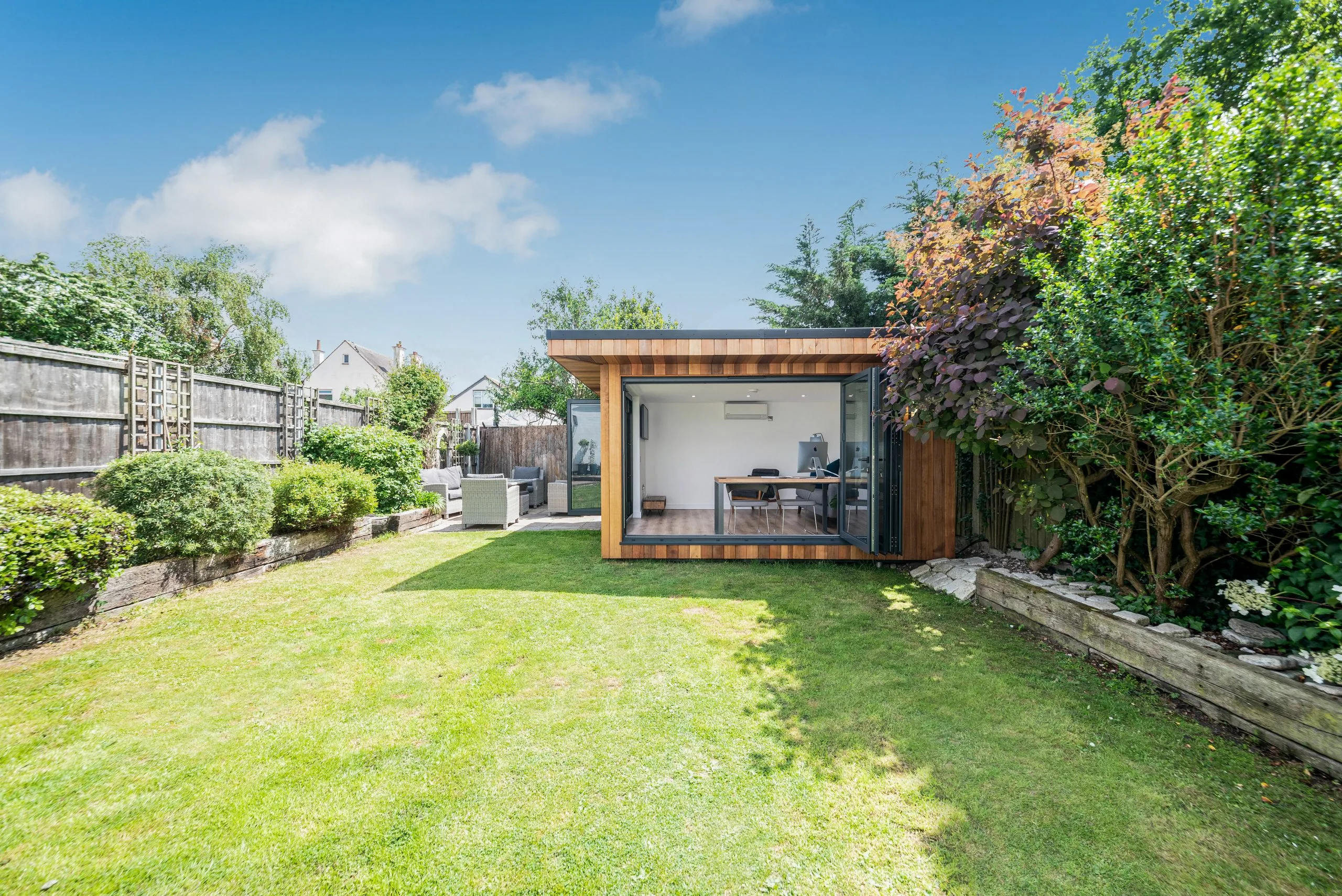
A refined office retreat showing how a bespoke garden building can create a calm, professional and beautifully finished space away from the distractions of the main house.
View project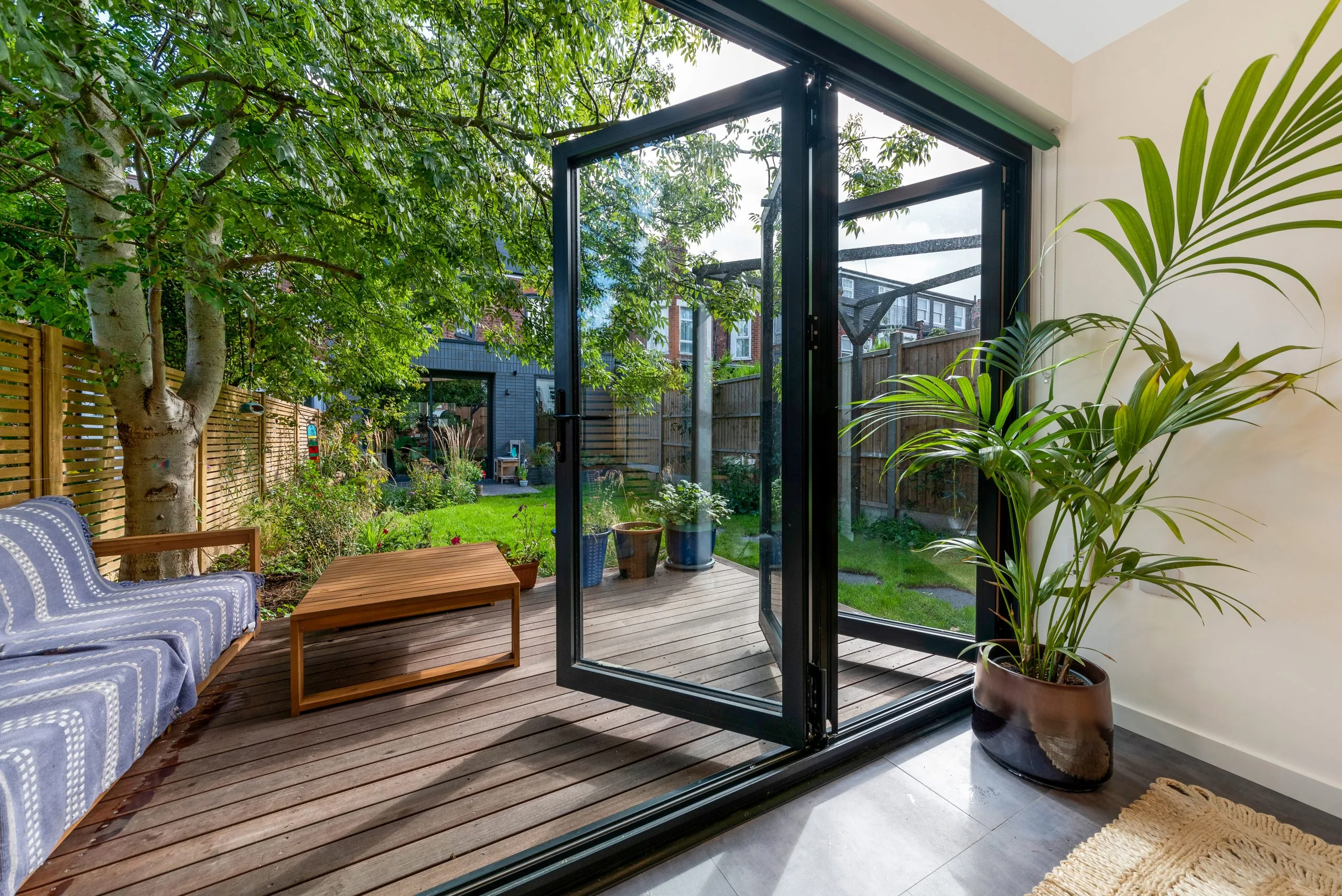
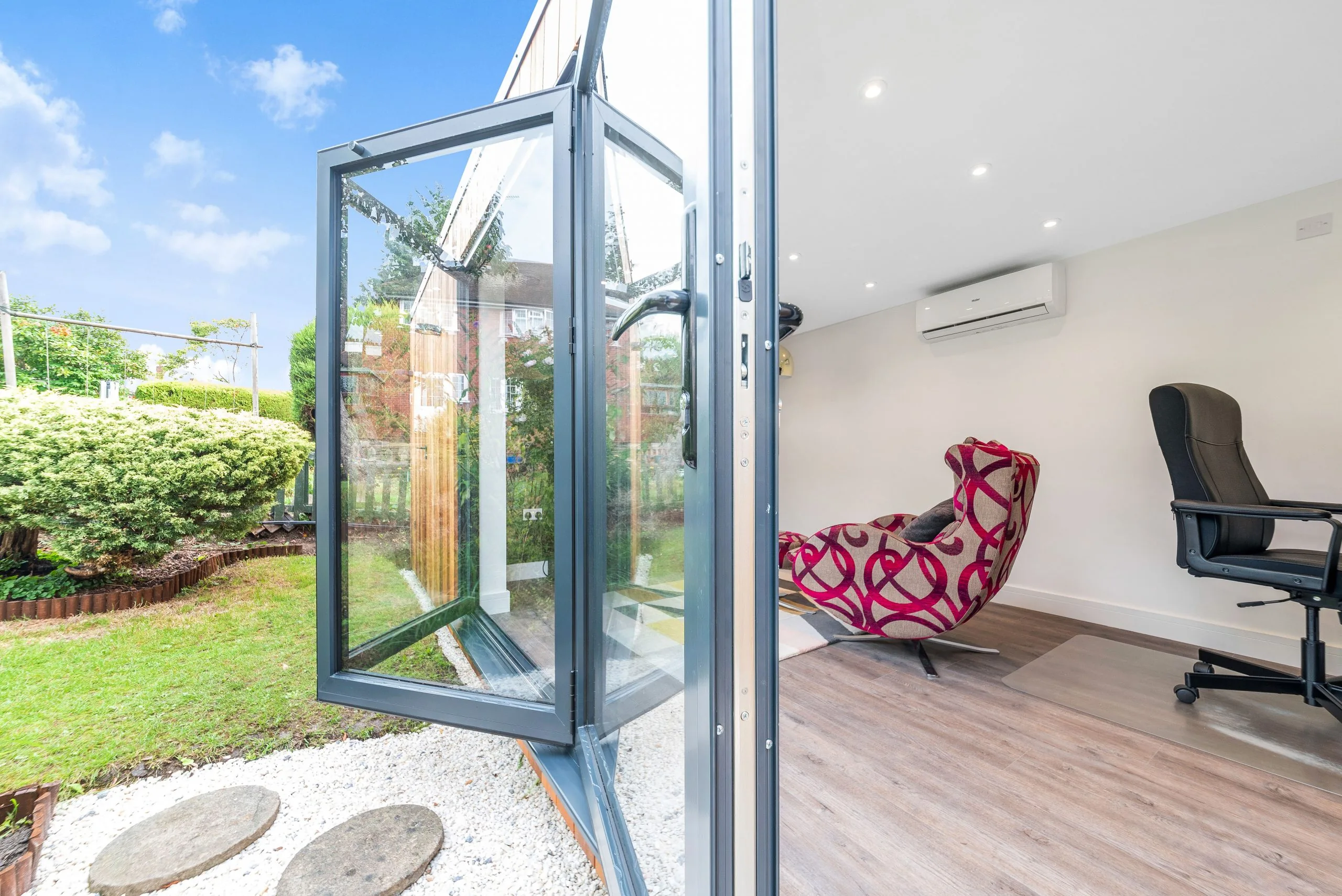
This garden retreat demonstrates how considered design, high-quality materials and a tailored layout can create a private space for quiet work, relaxation and year-round use.
View project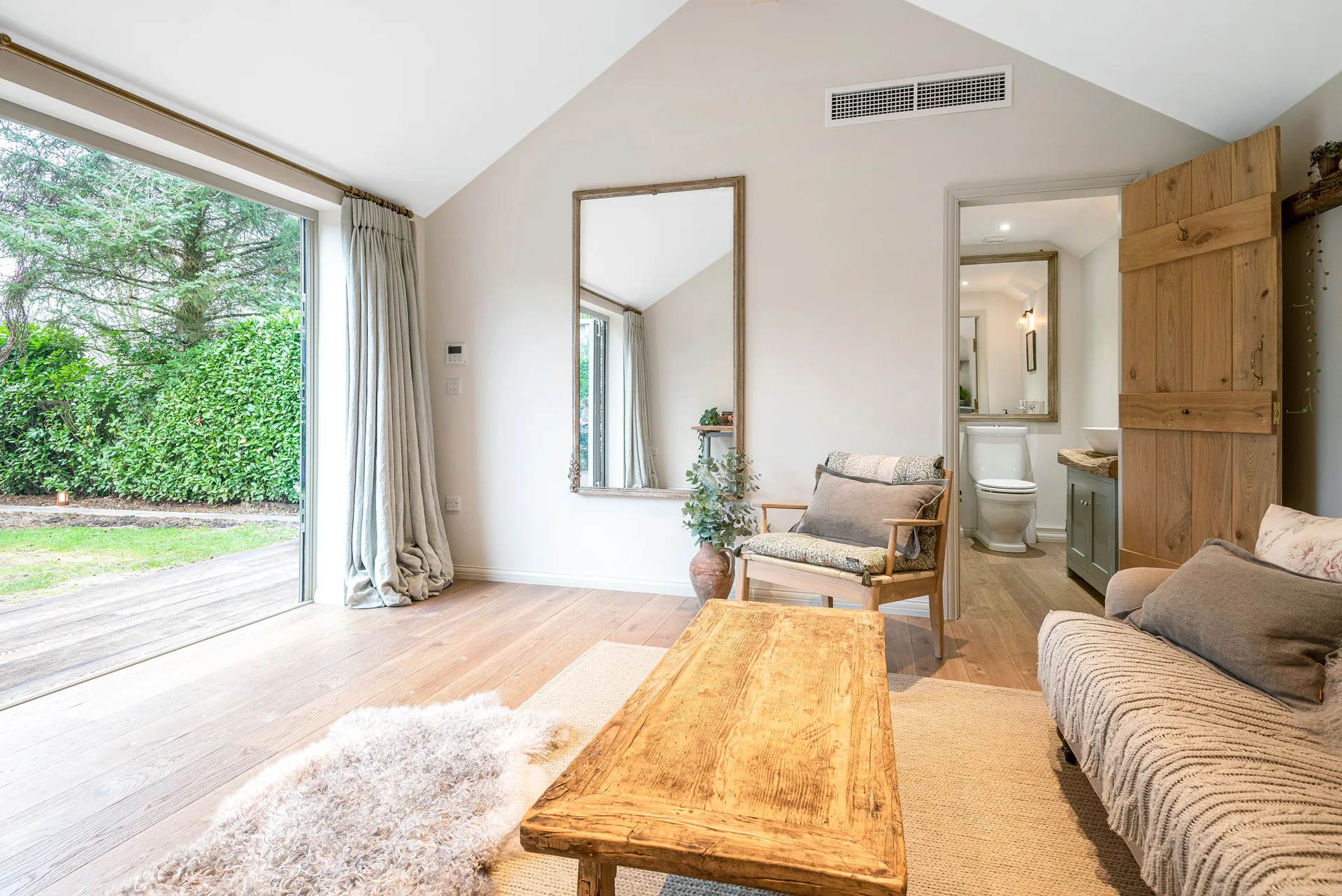
A premium retreat project highlighting the comfort, privacy and flexibility that make a bespoke garden room such a strong choice for writers, researchers and focused home working.
View project