When planning a garden room, one of the key design decisions you’ll face is choosing the roof style. The roof isn’t just a functional element, it defines the look, feel, and character of your garden room, and can also influence planning requirements, interior height, and overall aesthetic. Hawksbeck Garden Rooms offers both pitched and flat roof options, each with its own advantages. Understanding the differences will help you decide which roof suits your vision, lifestyle, and garden space best.
What Is a Flat Roof?
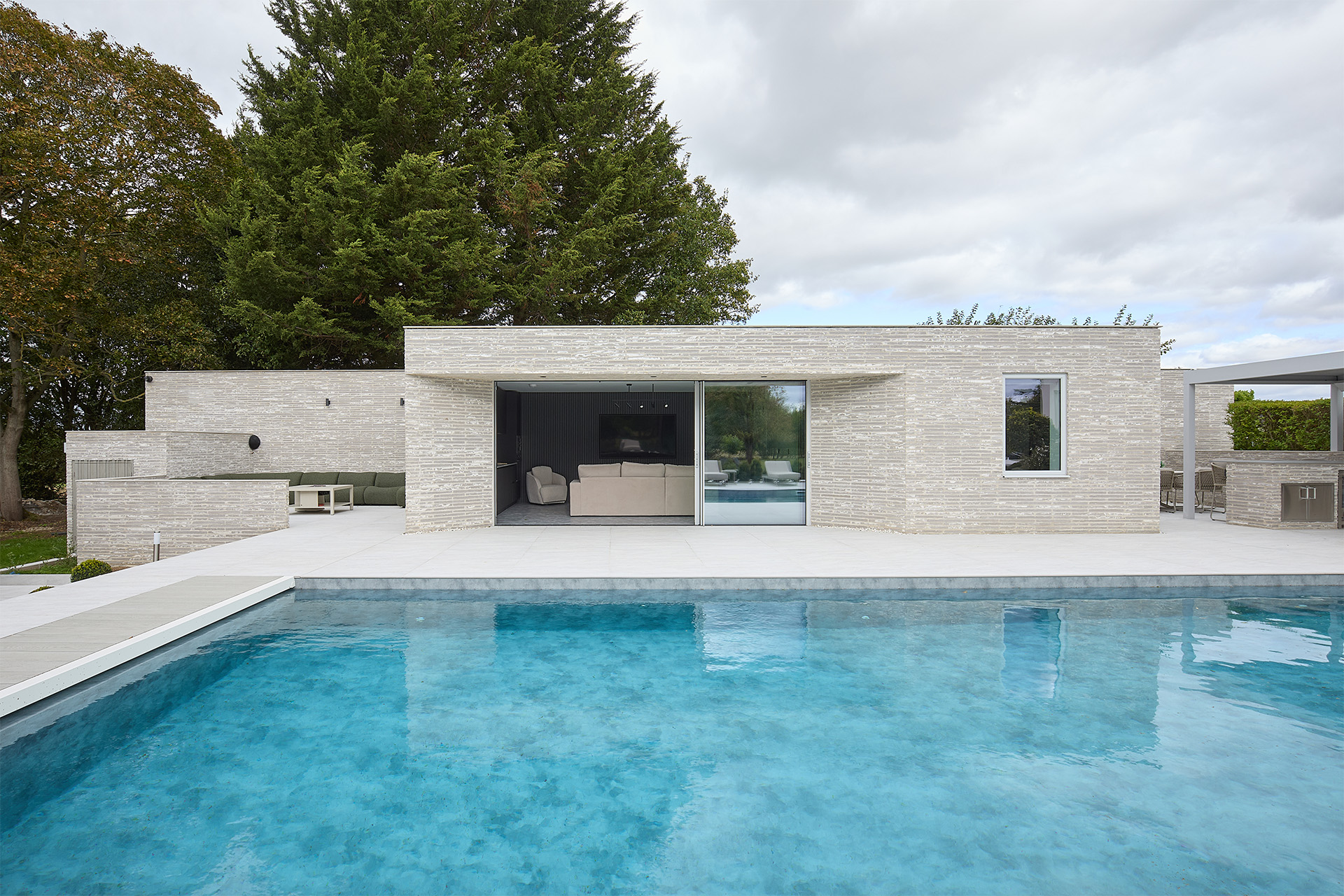
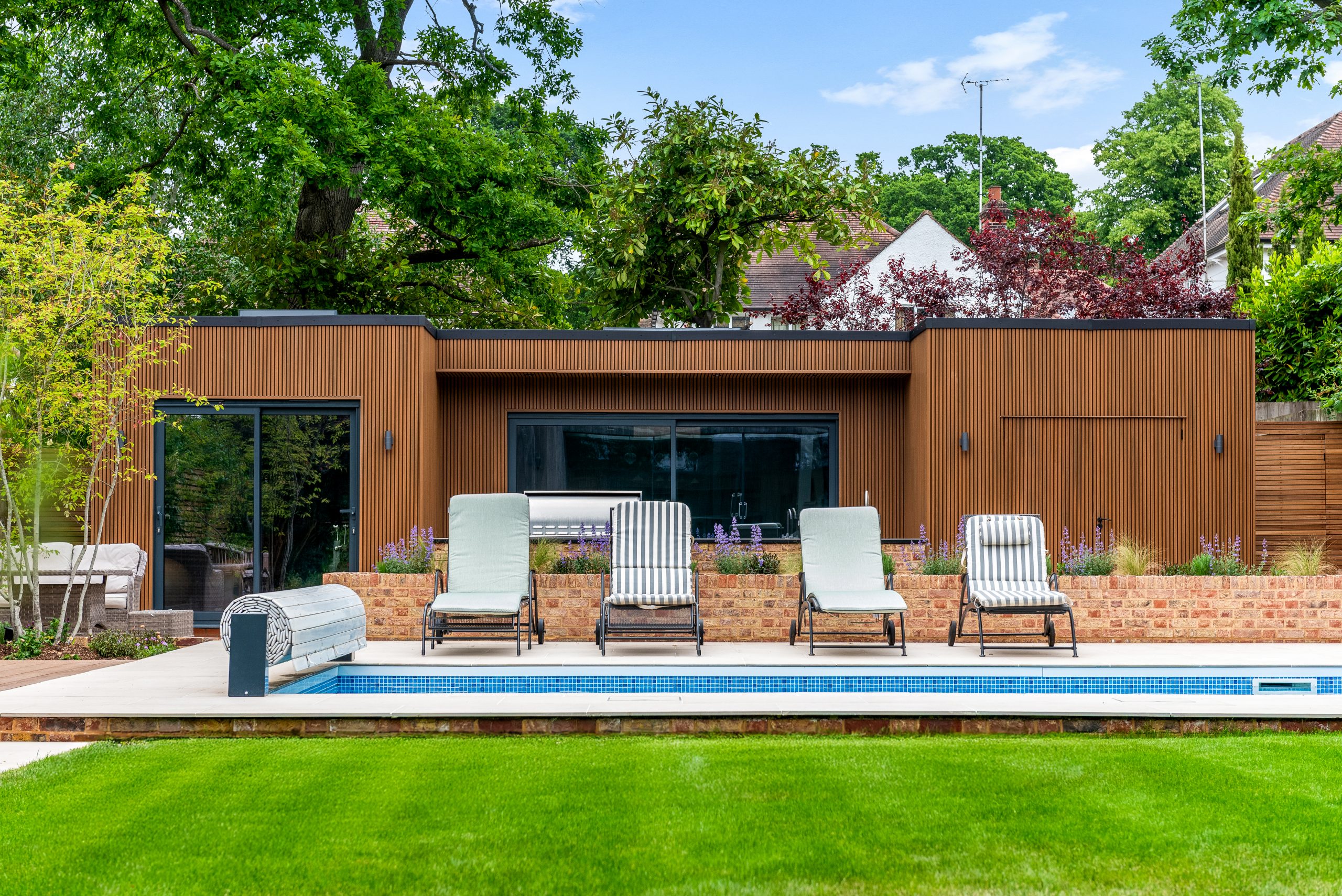
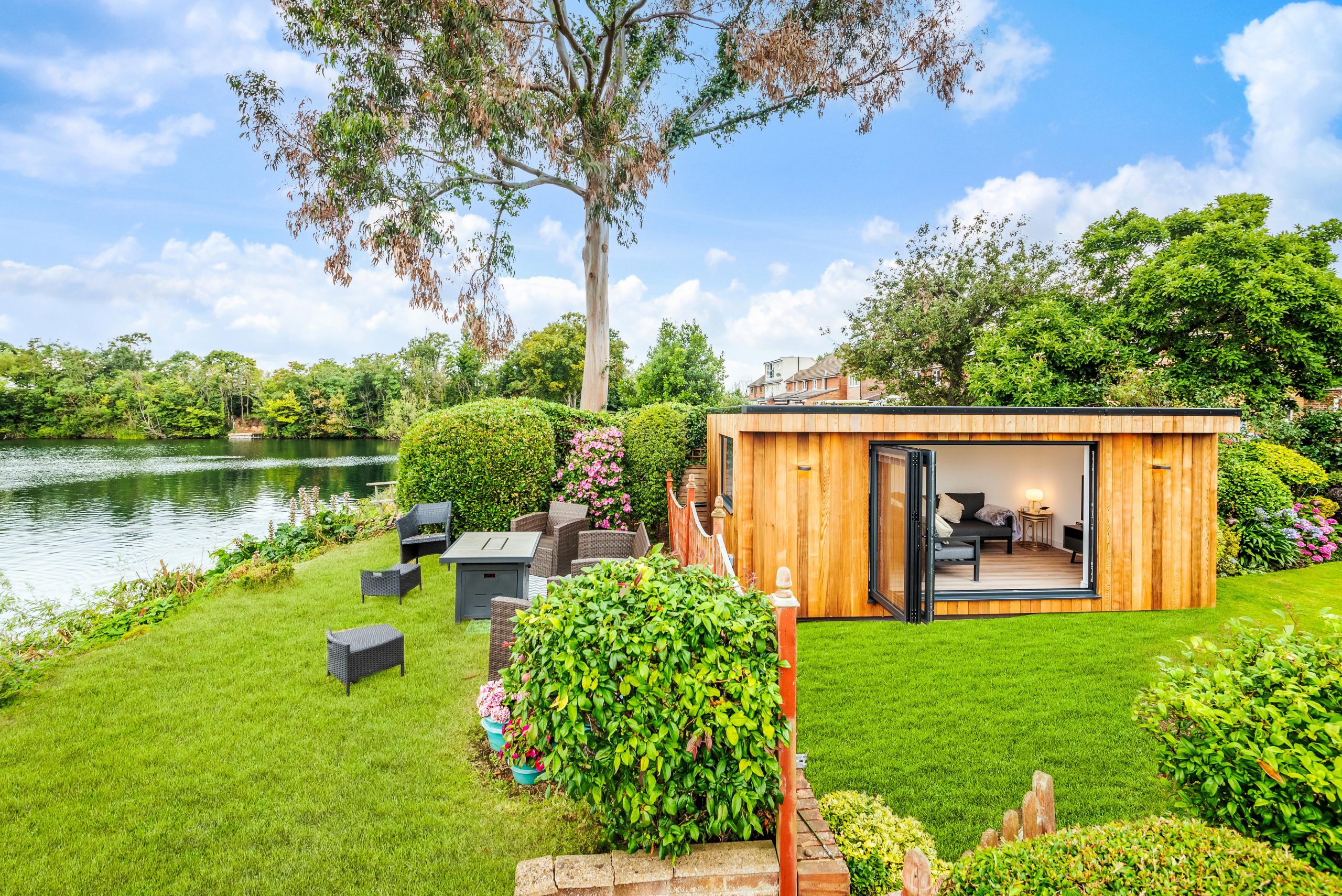
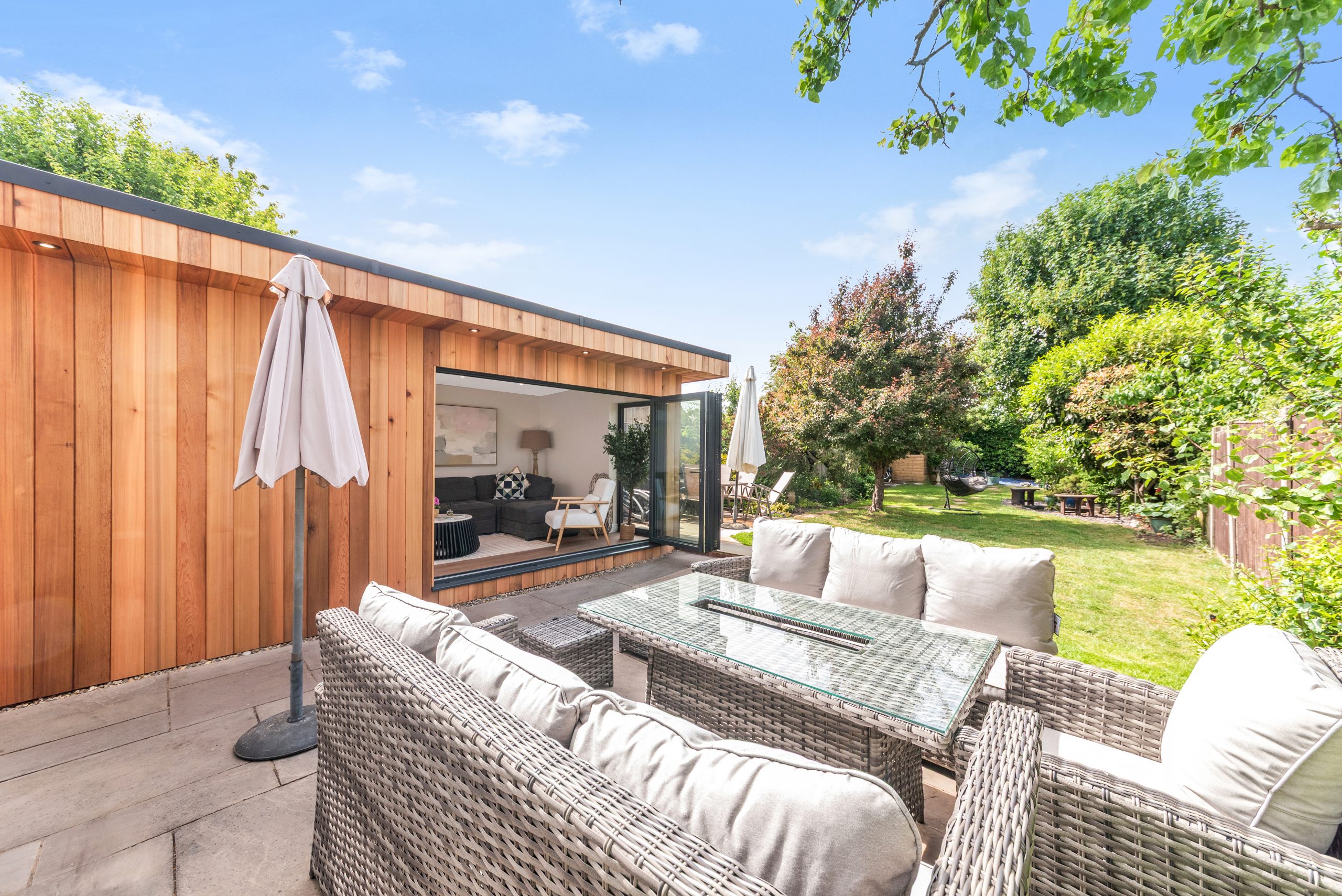
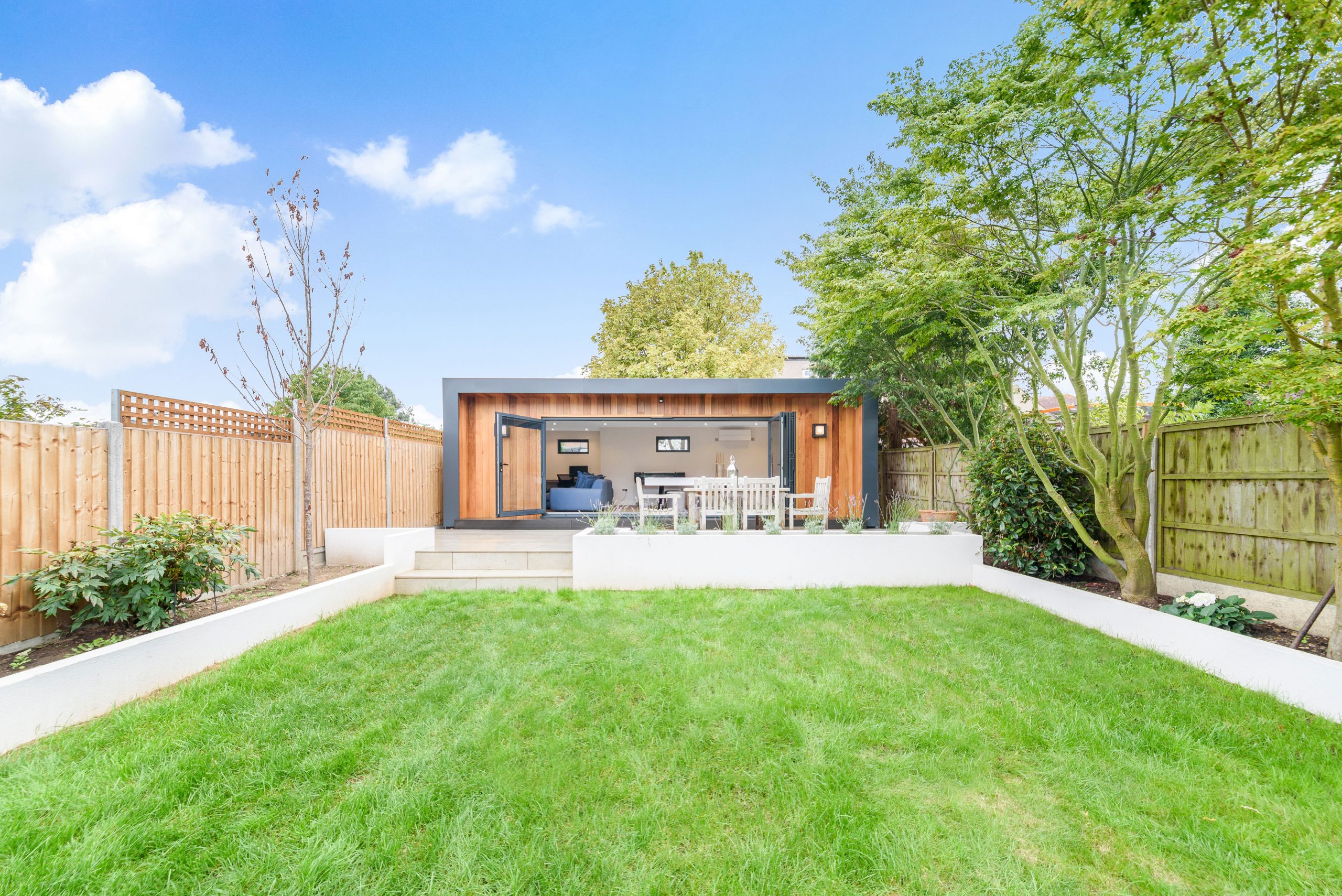
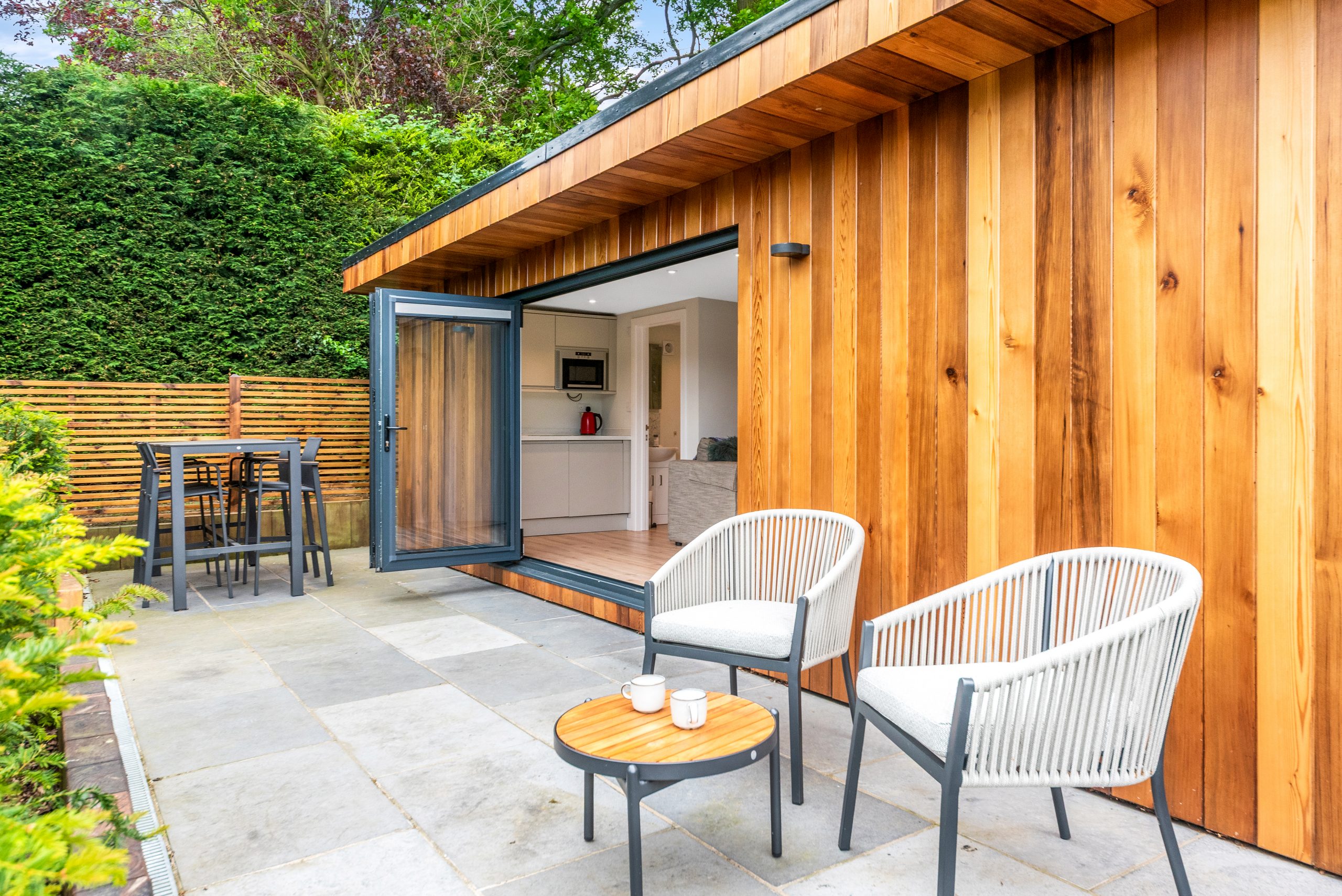
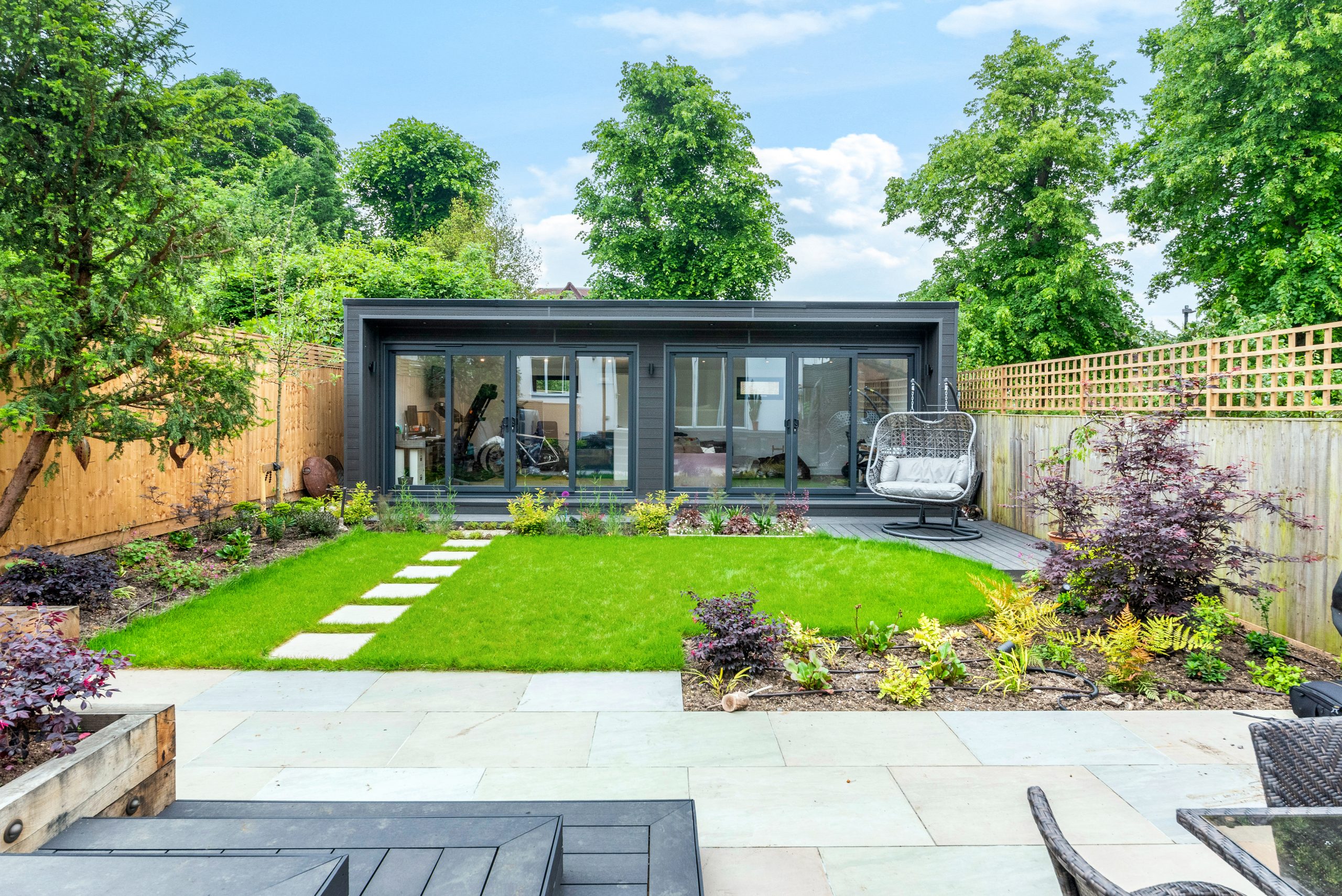
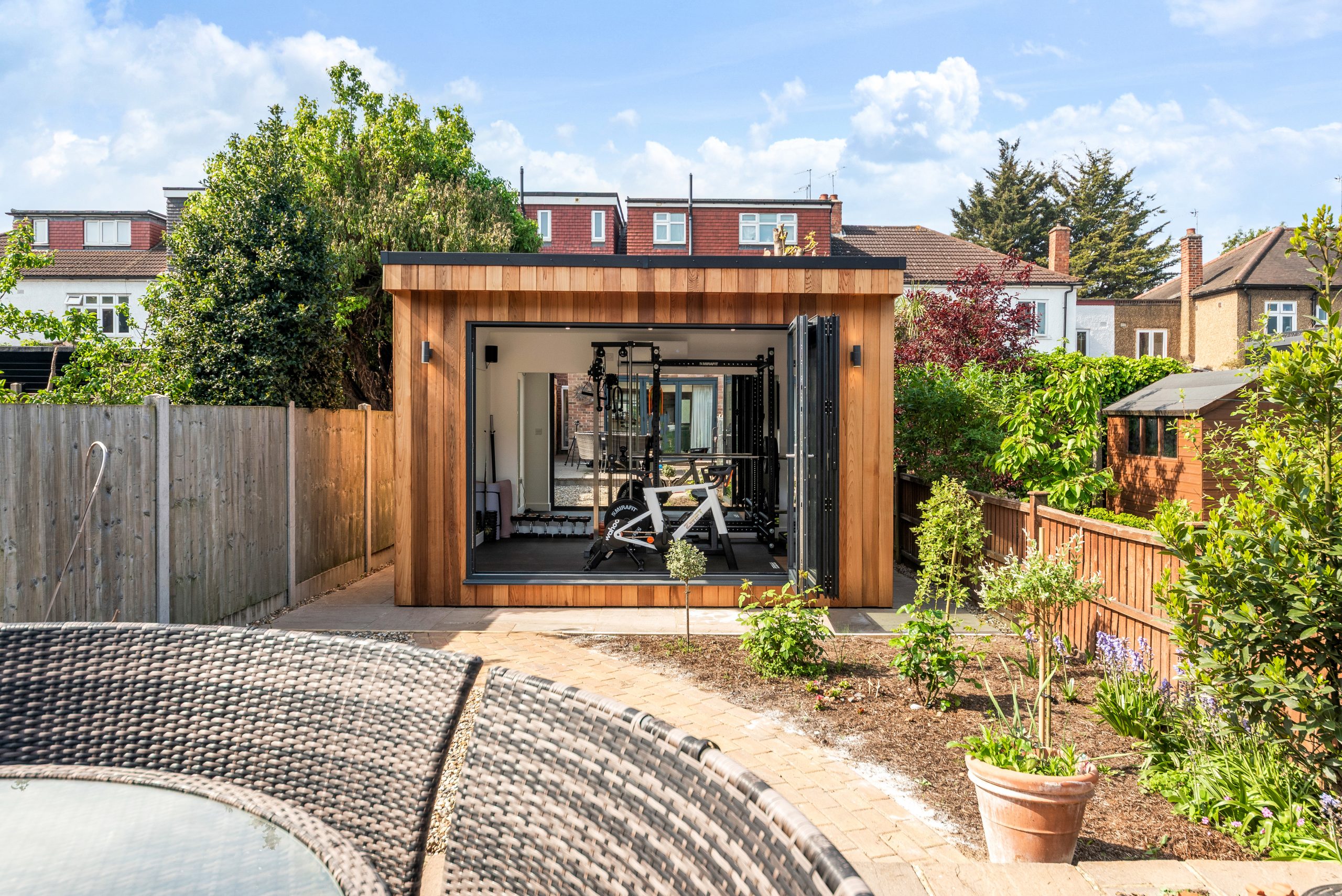
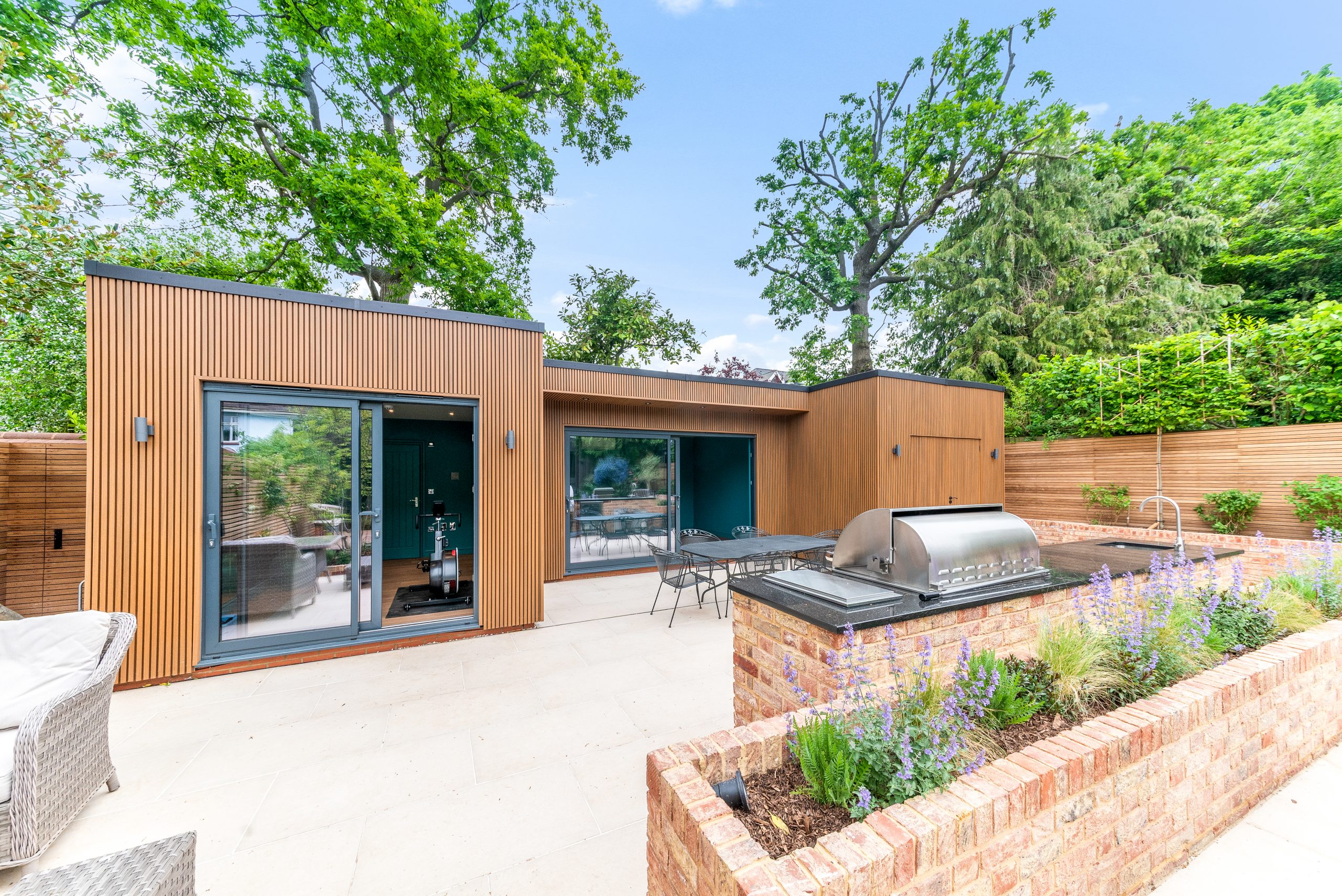
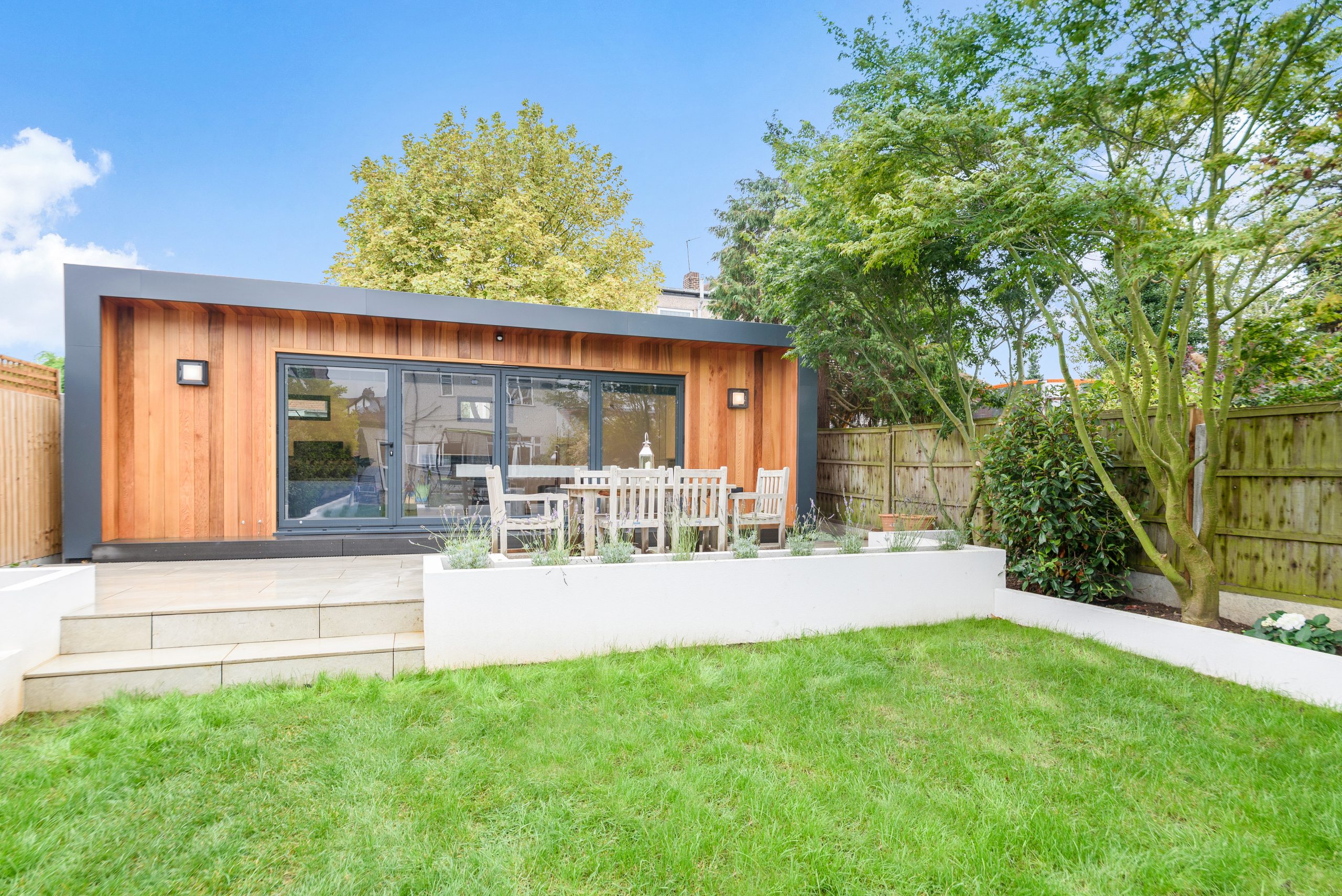
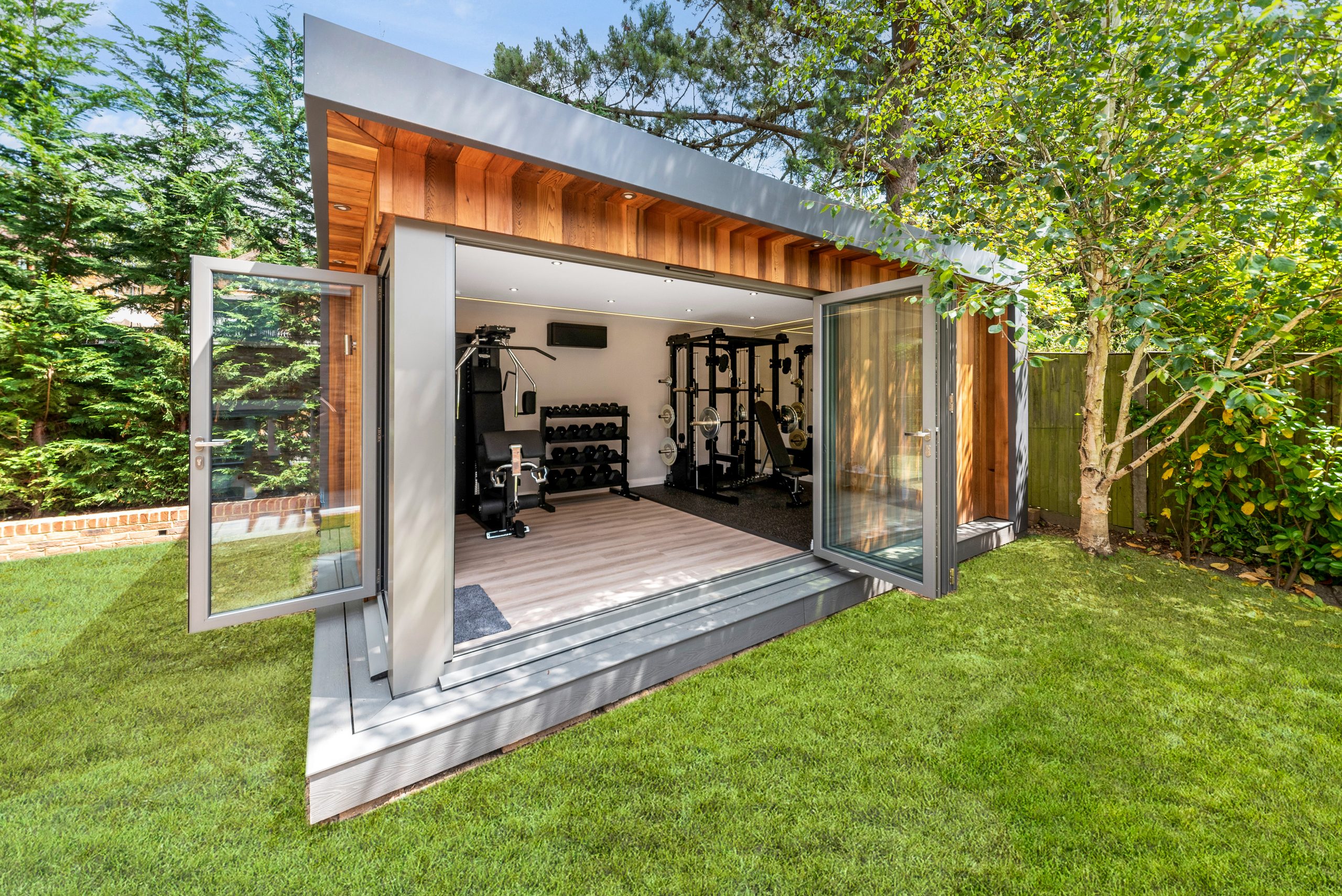
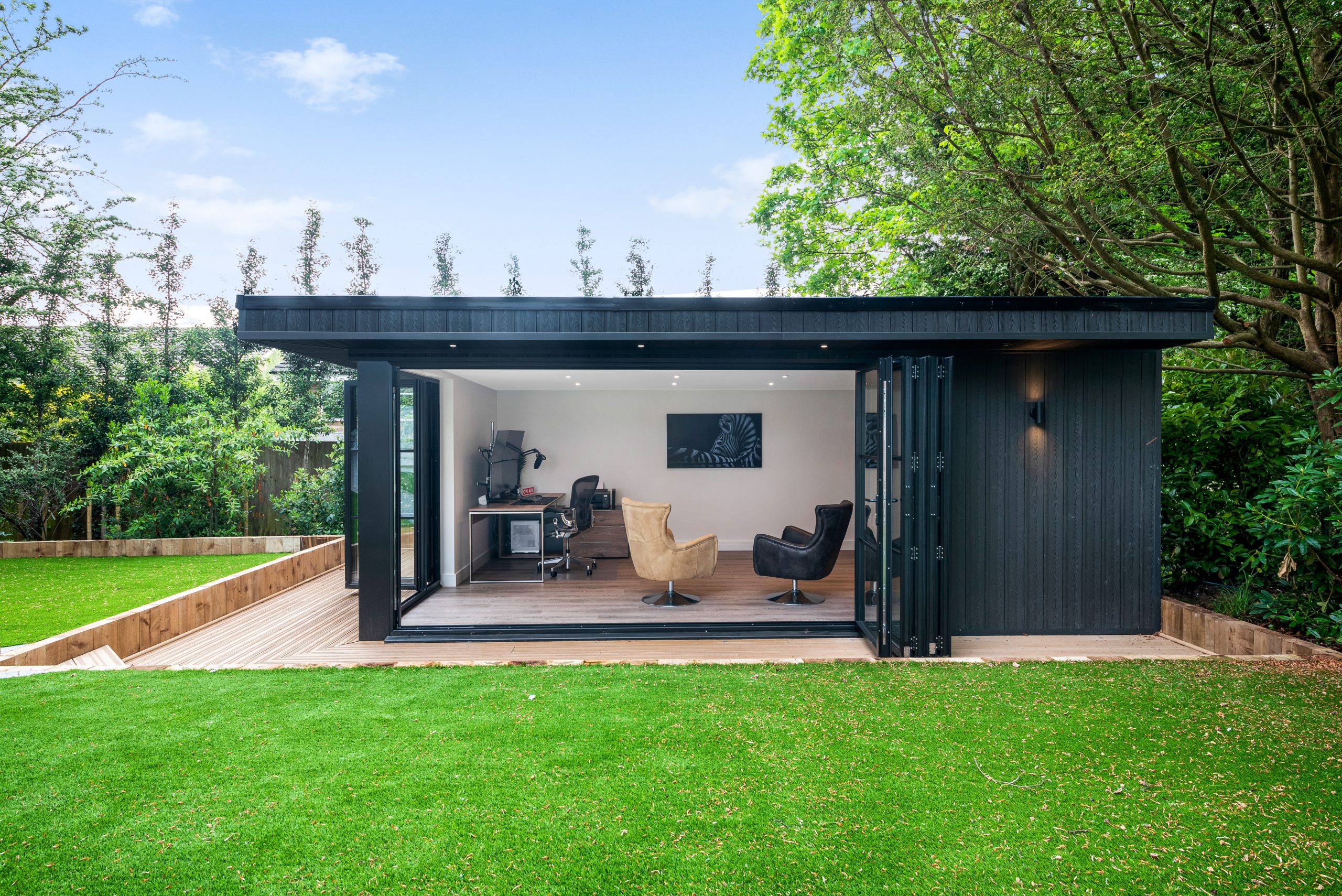
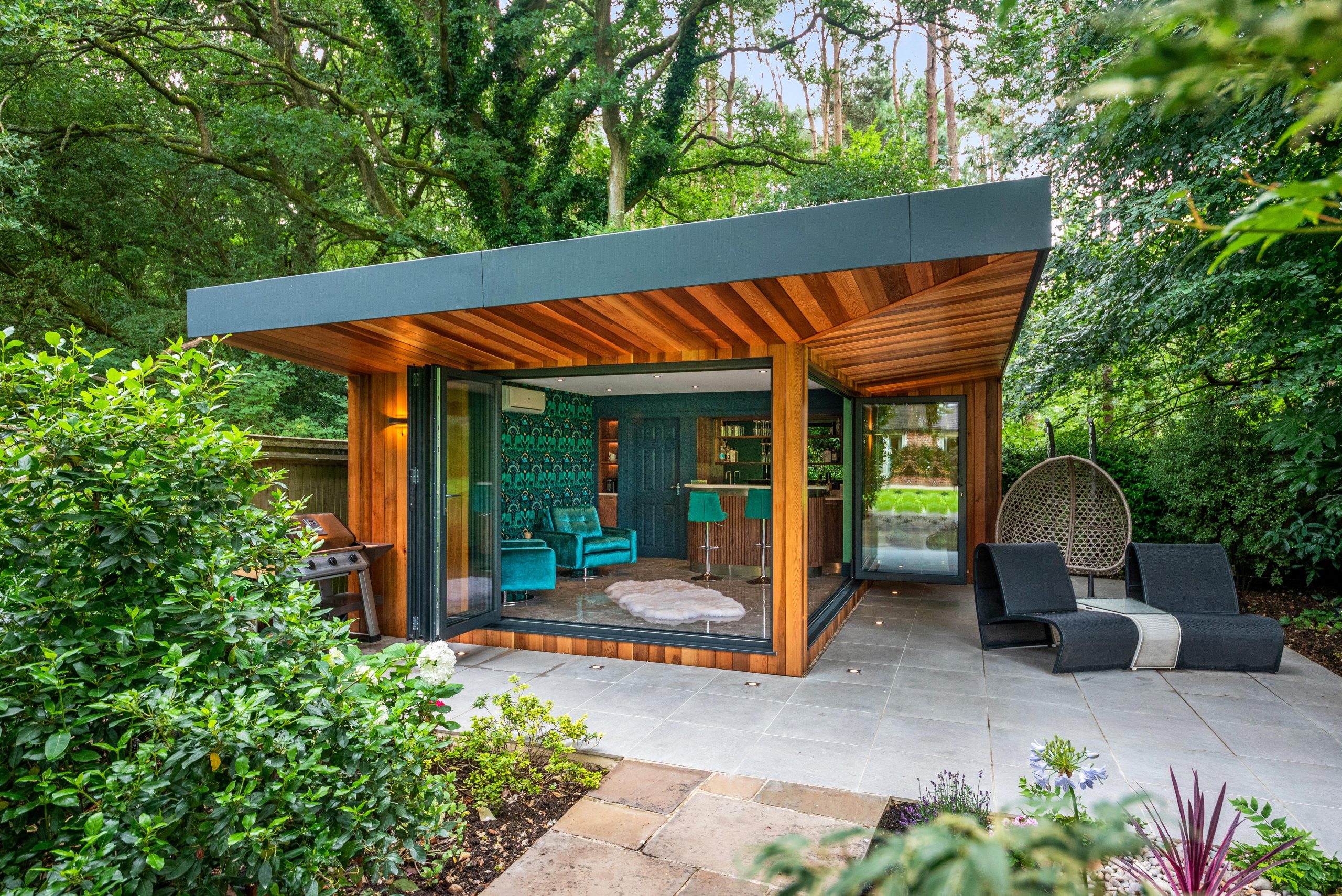
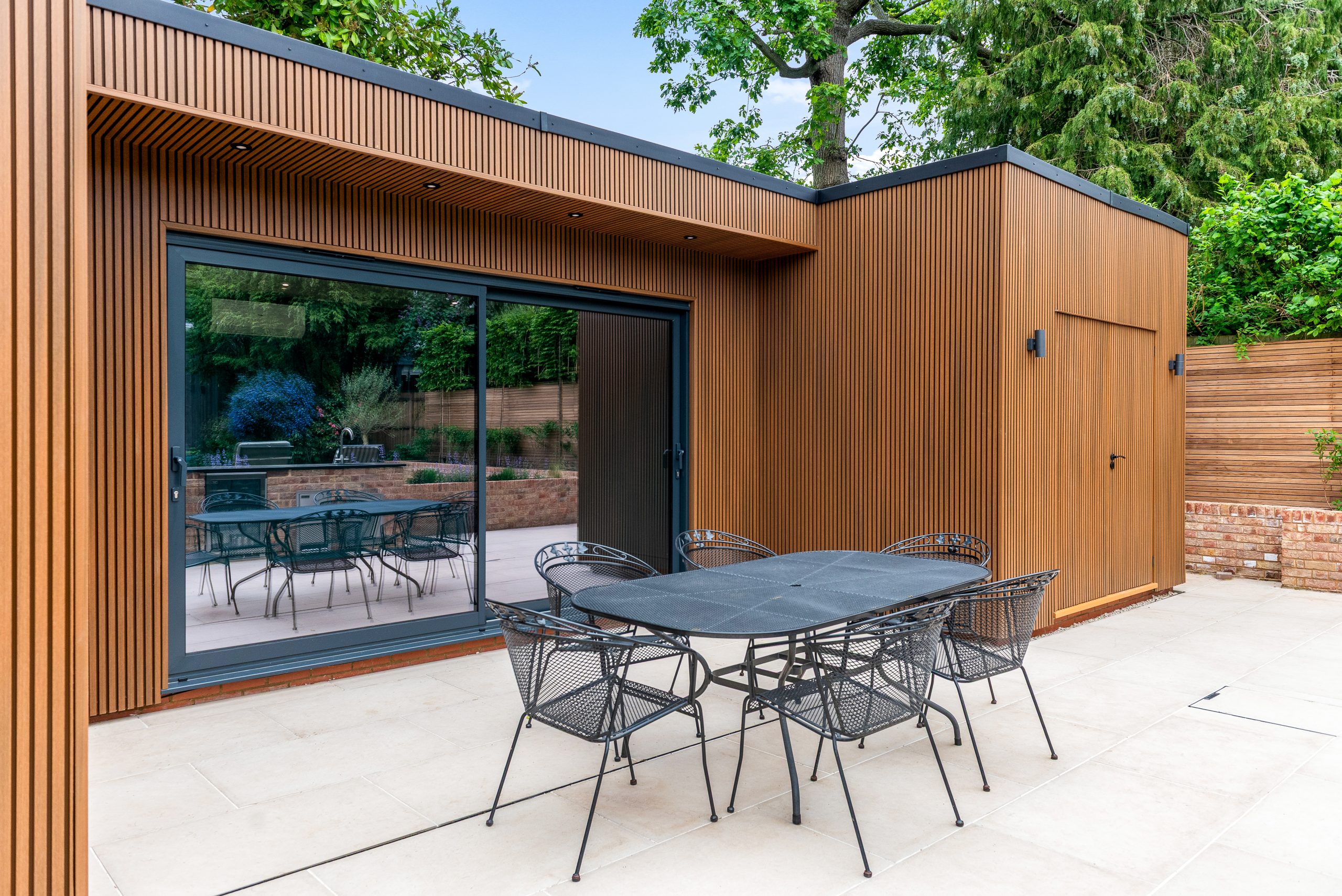
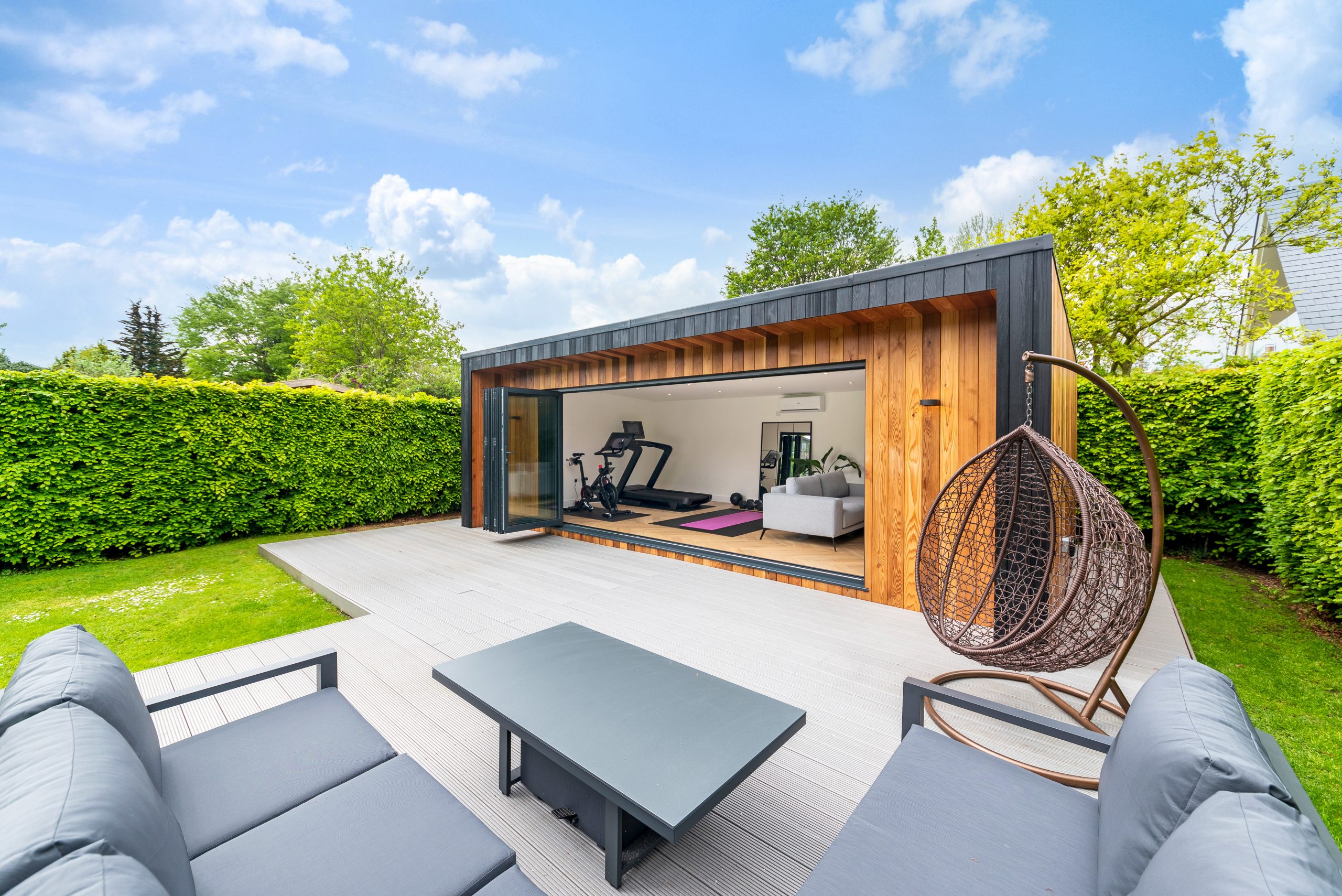
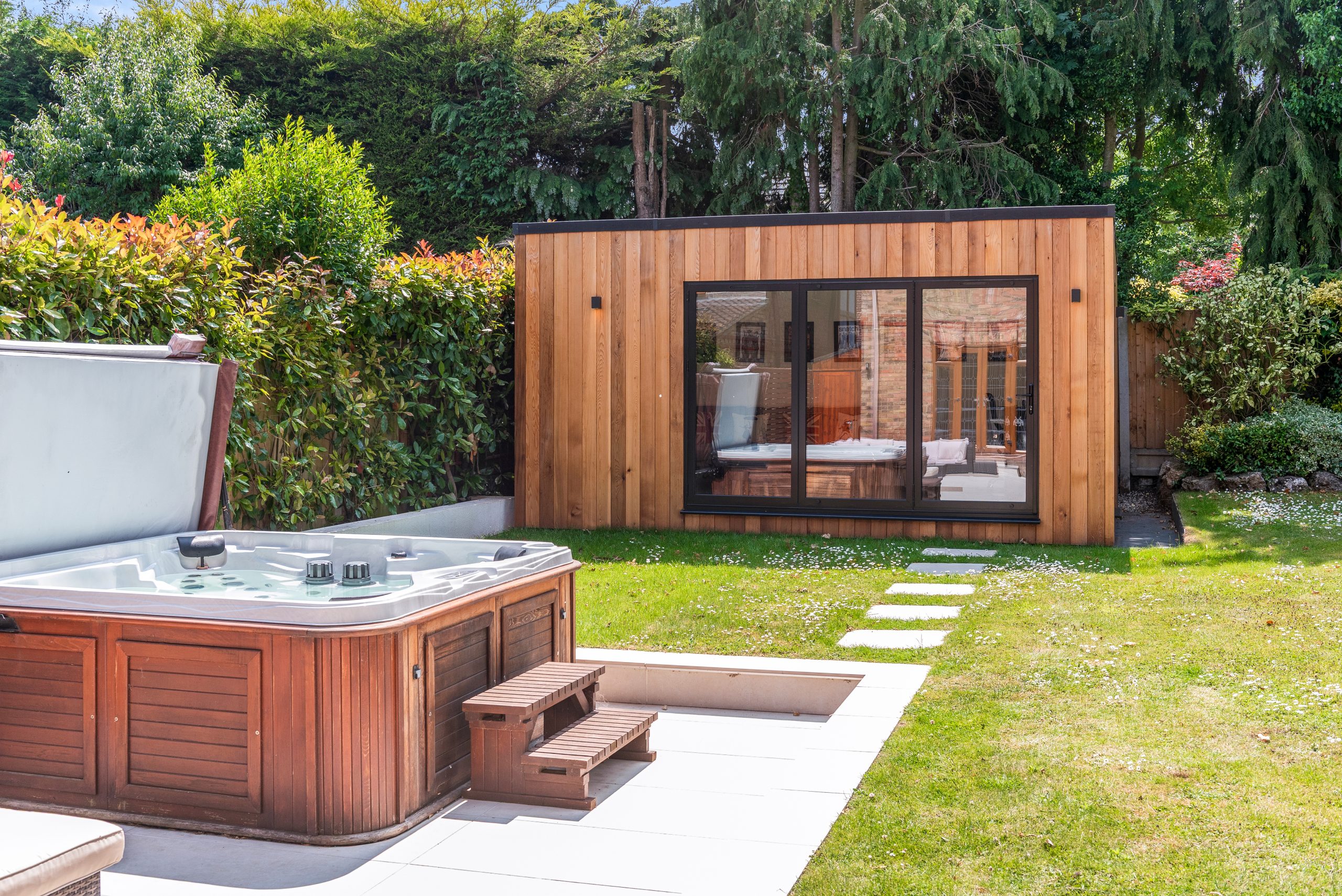
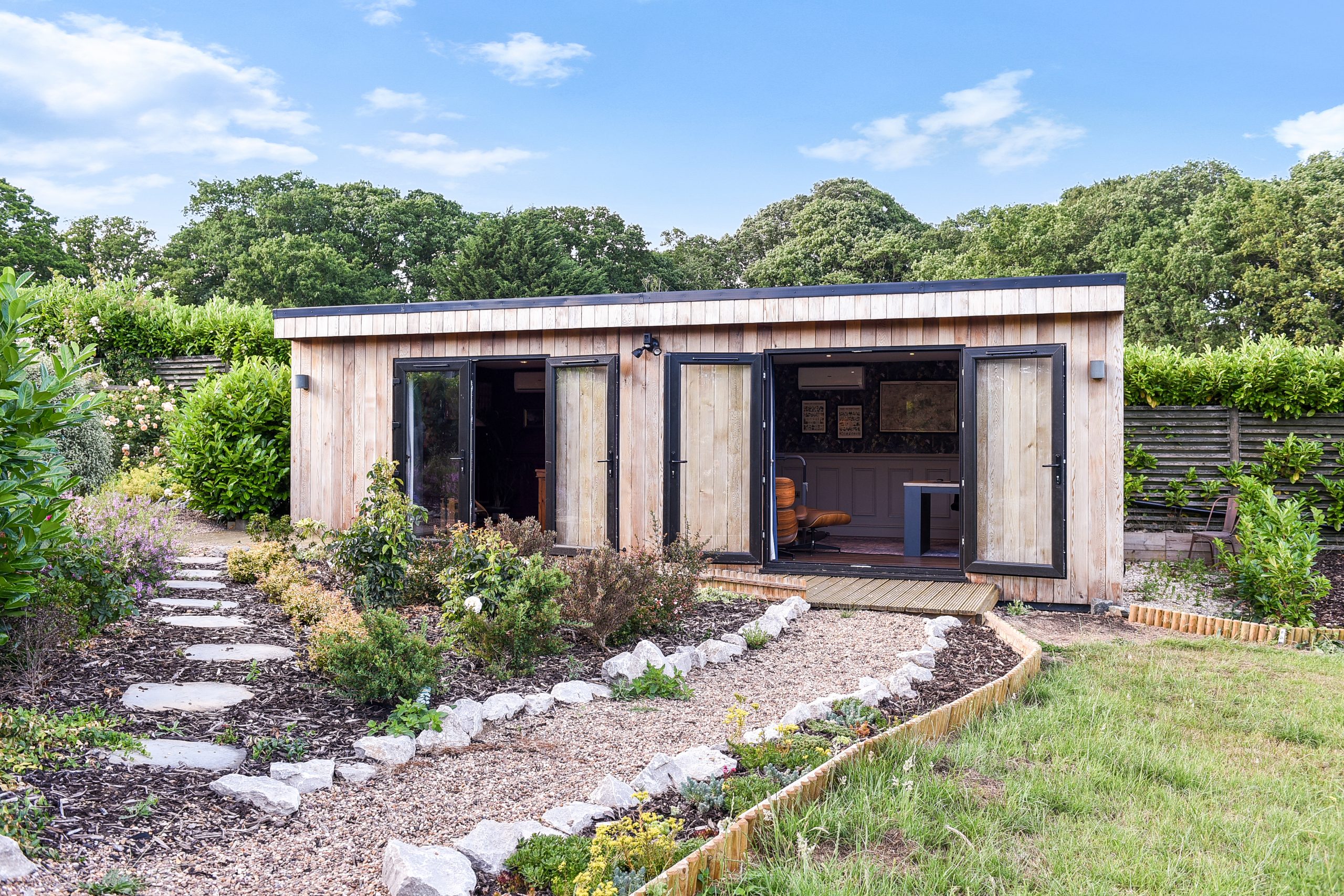
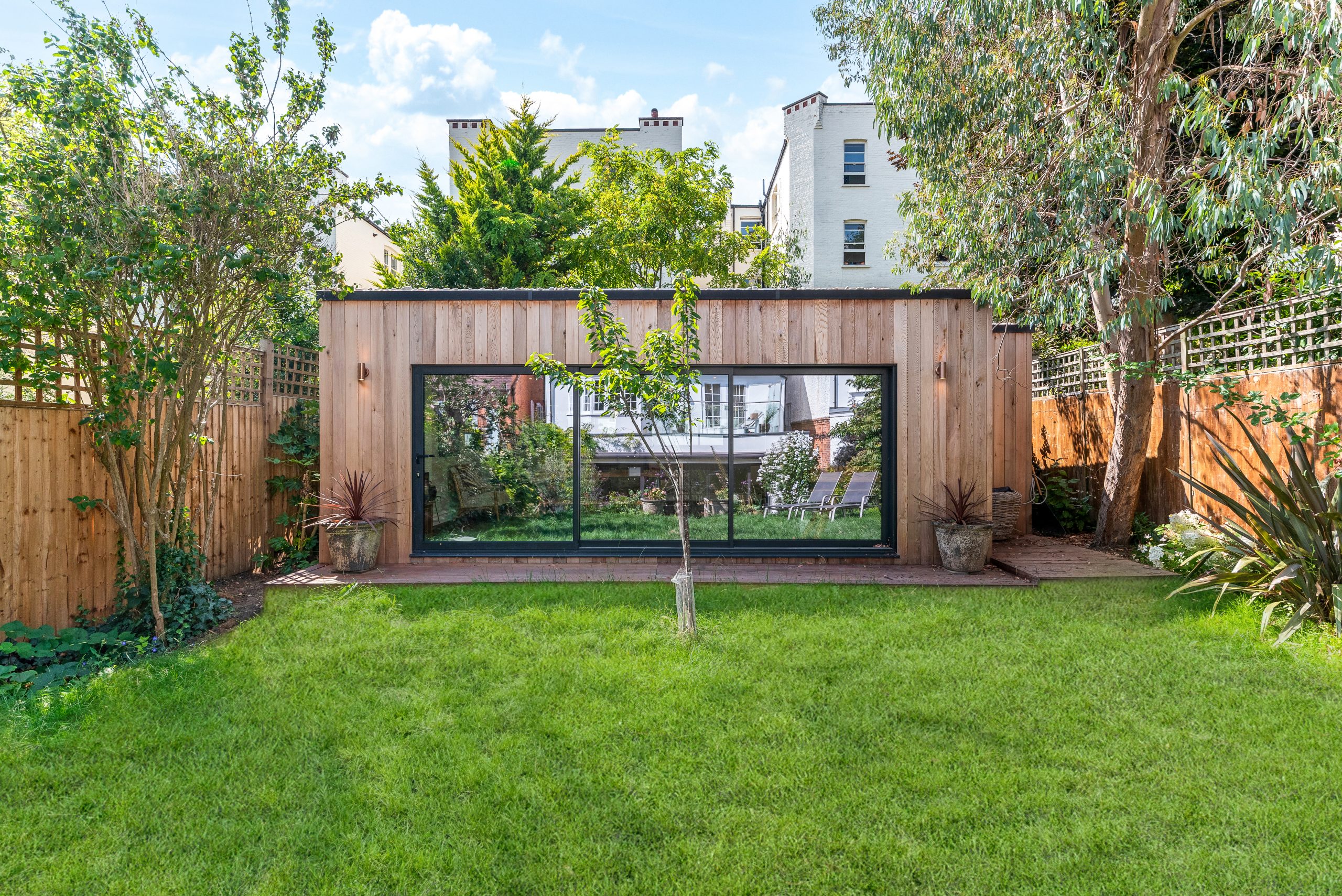
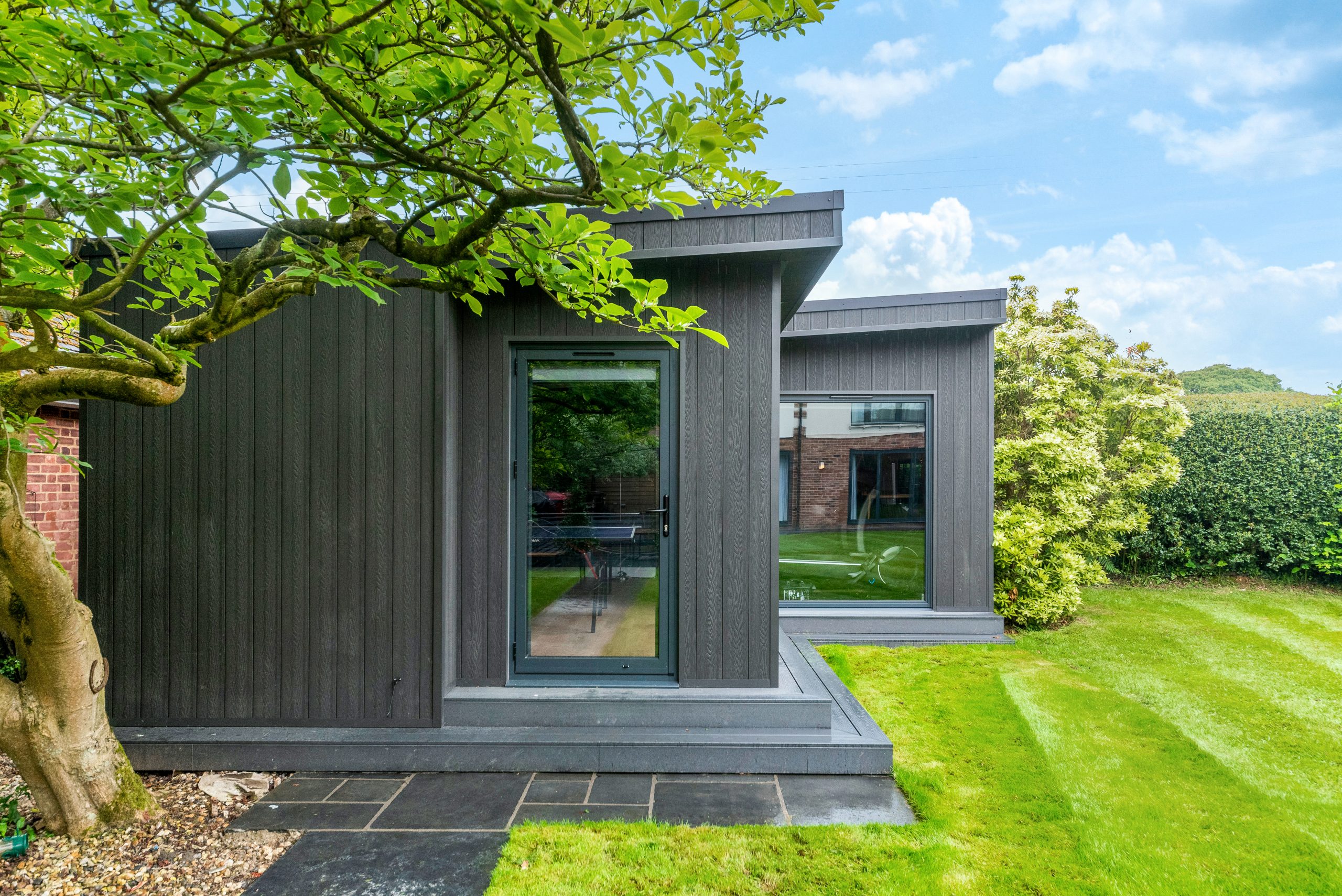
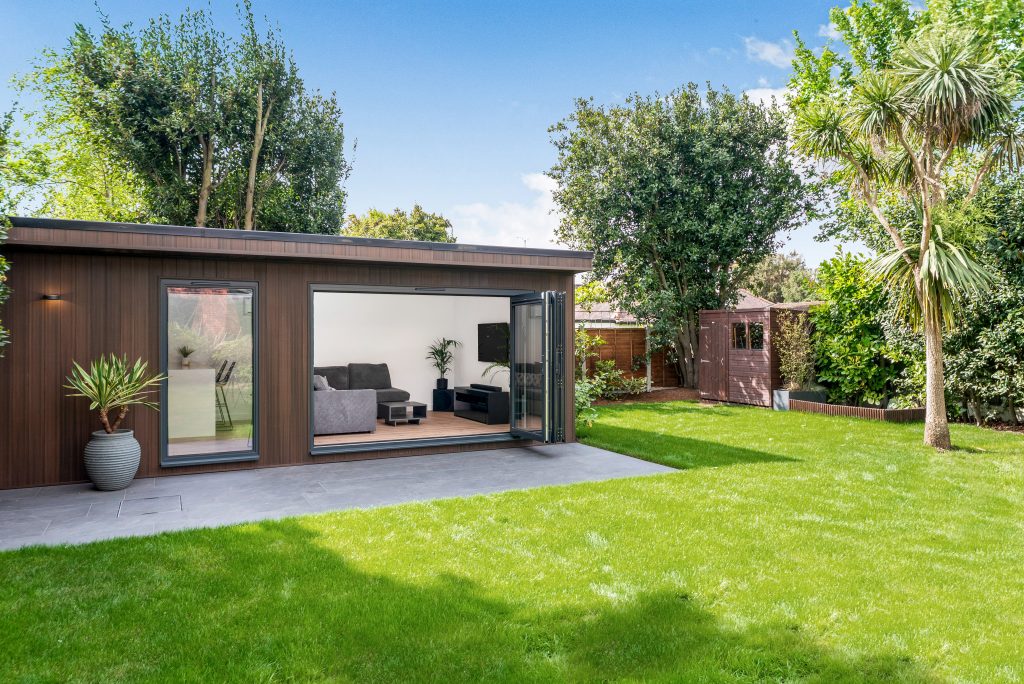
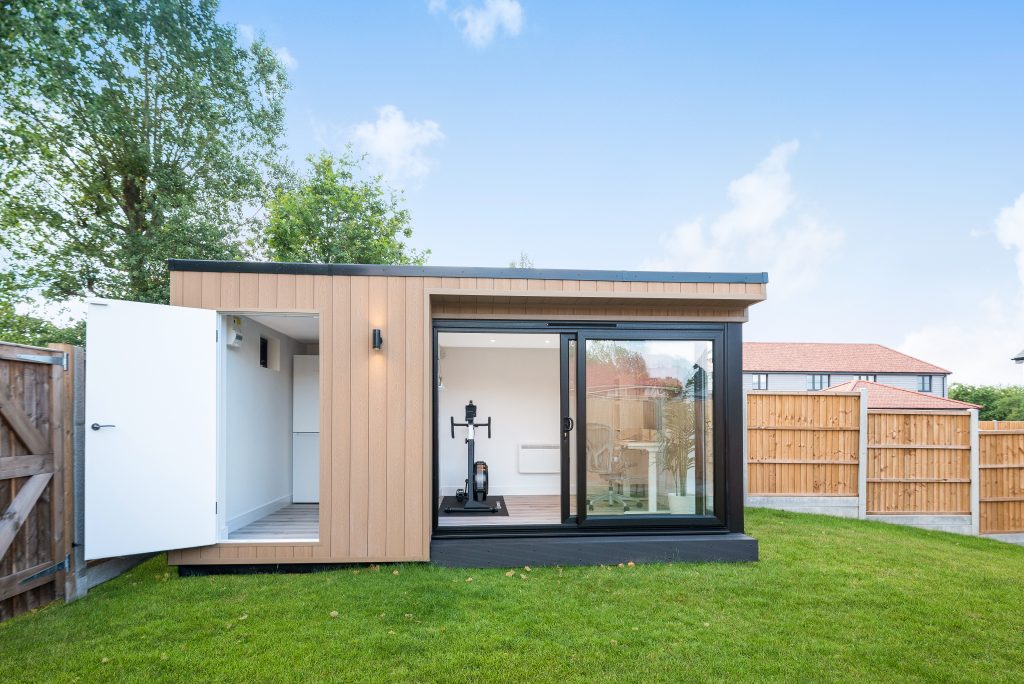
A flat roof is exactly what it sounds like, a roof with a minimal slope that gives your garden room a clean, contemporary look. It’s a popular choice for modern builds and suits gardens with sleek landscaping or architectural styles.
Flat roofs offer several benefits:
- Contemporary aesthetic: Their straight lines and minimalist look can enhance the style of modern homes.
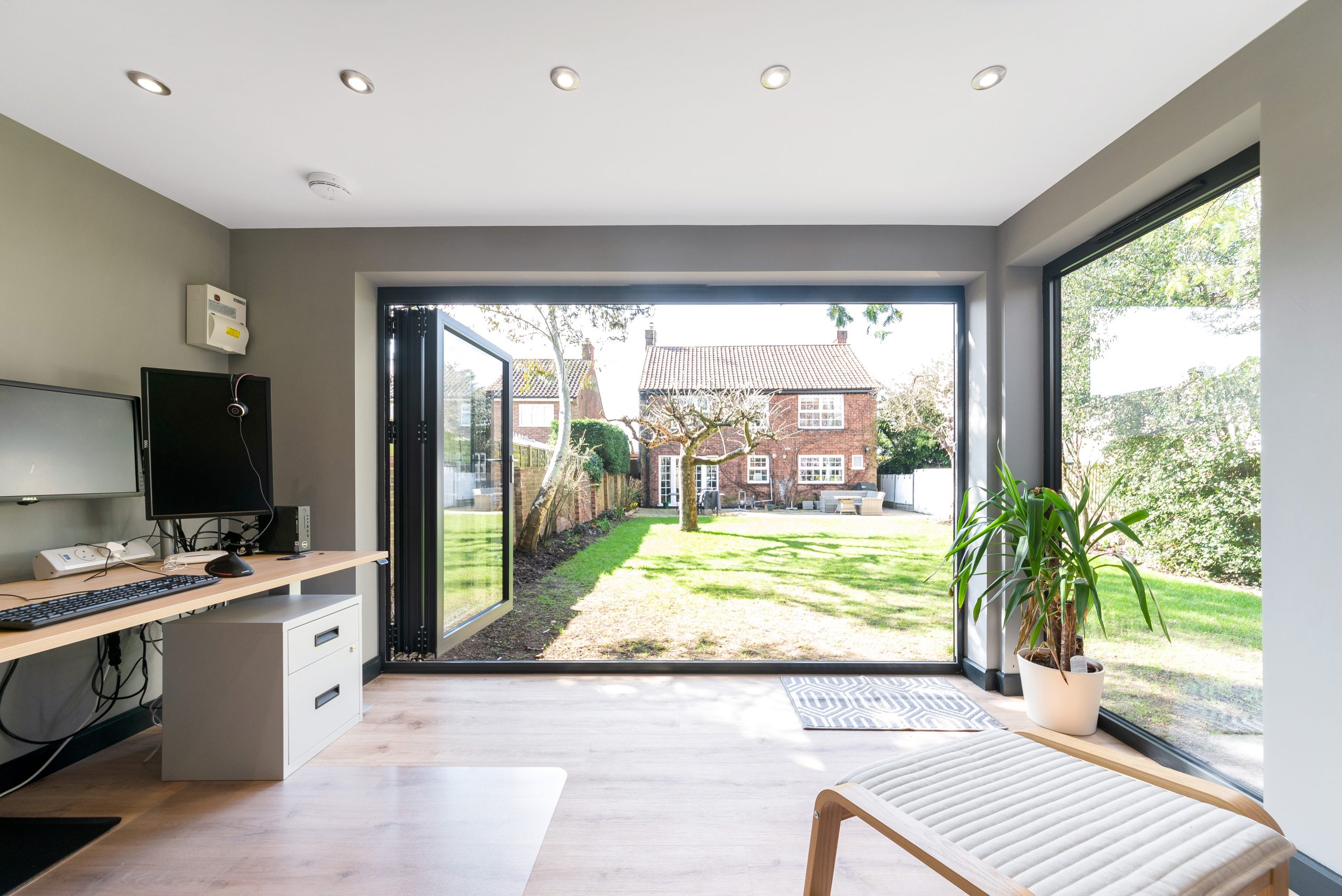
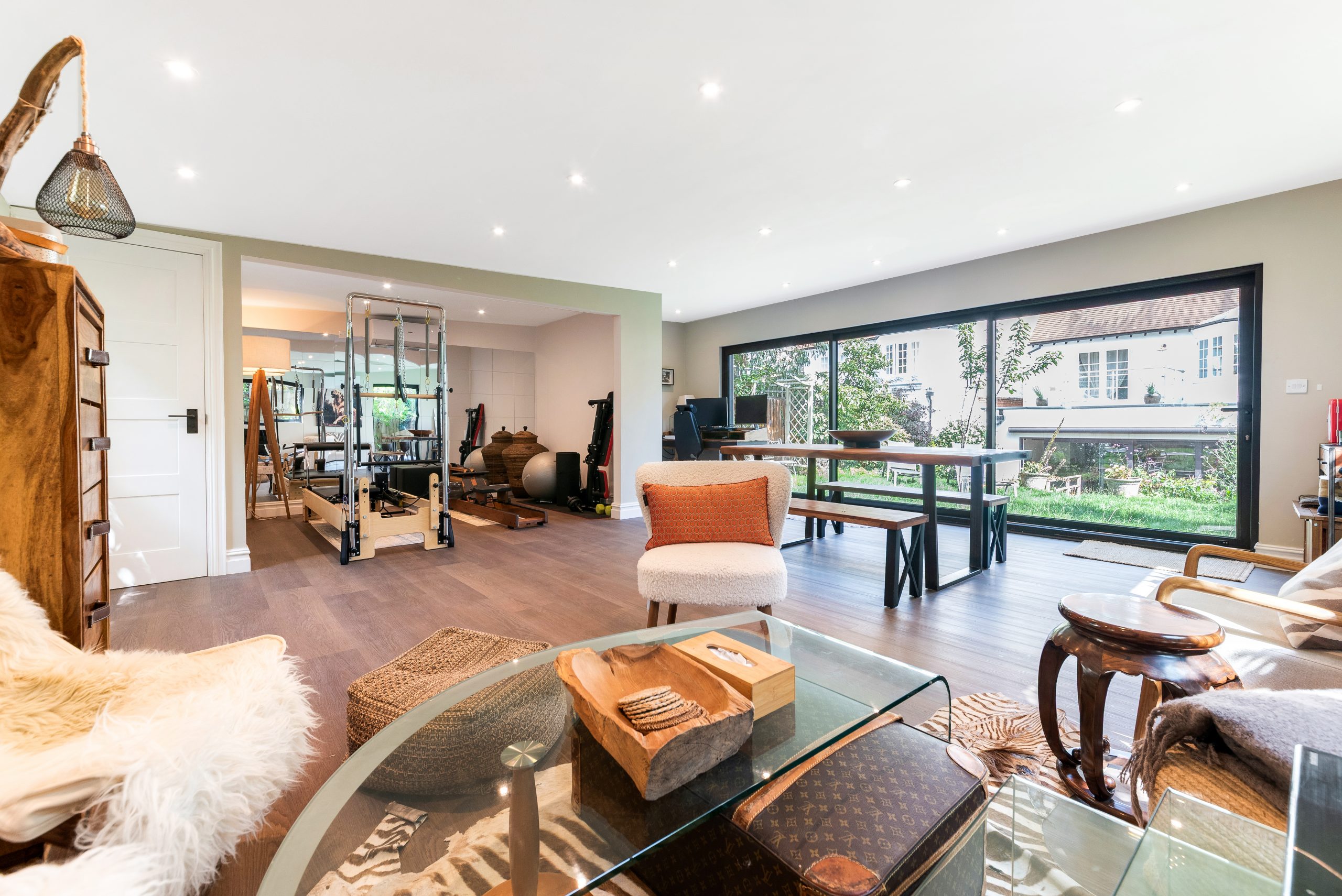
- Maximised interior space: Because the roof doesn’t slope inward, you get consistent ceiling height throughout the room, making the space feel larger.
- Easier installation: Flat roof structures are often simpler to design and build, which can streamline the installation process.
Flat roofs can be finished with high‑performance waterproofing membranes and insulation to ensure excellent weather resistance and thermal performance throughout the year. This makes them suitable for all seasons and climates, delivering comfort and durability alongside modern style.
What Is a Pitched Roof?
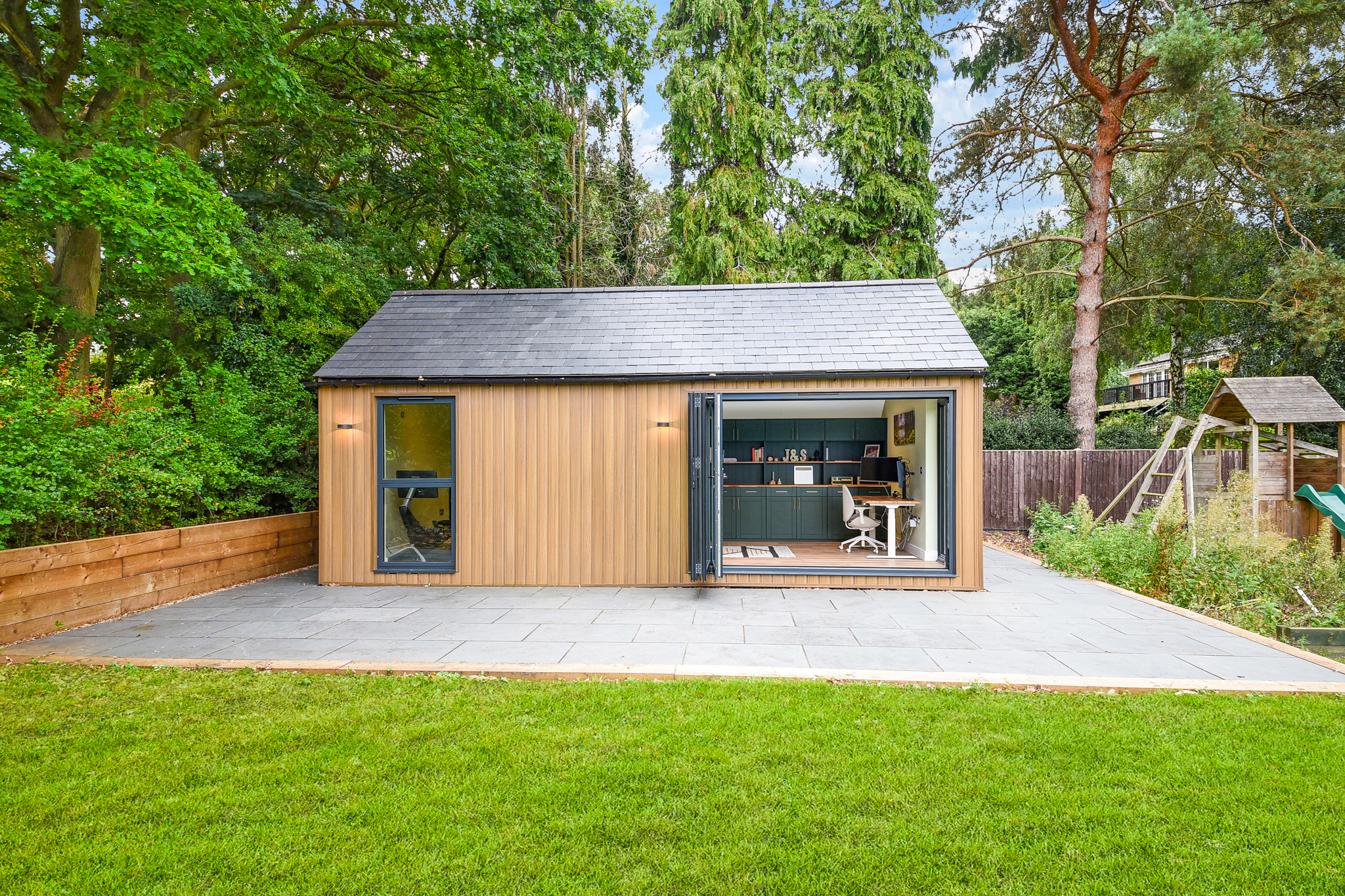
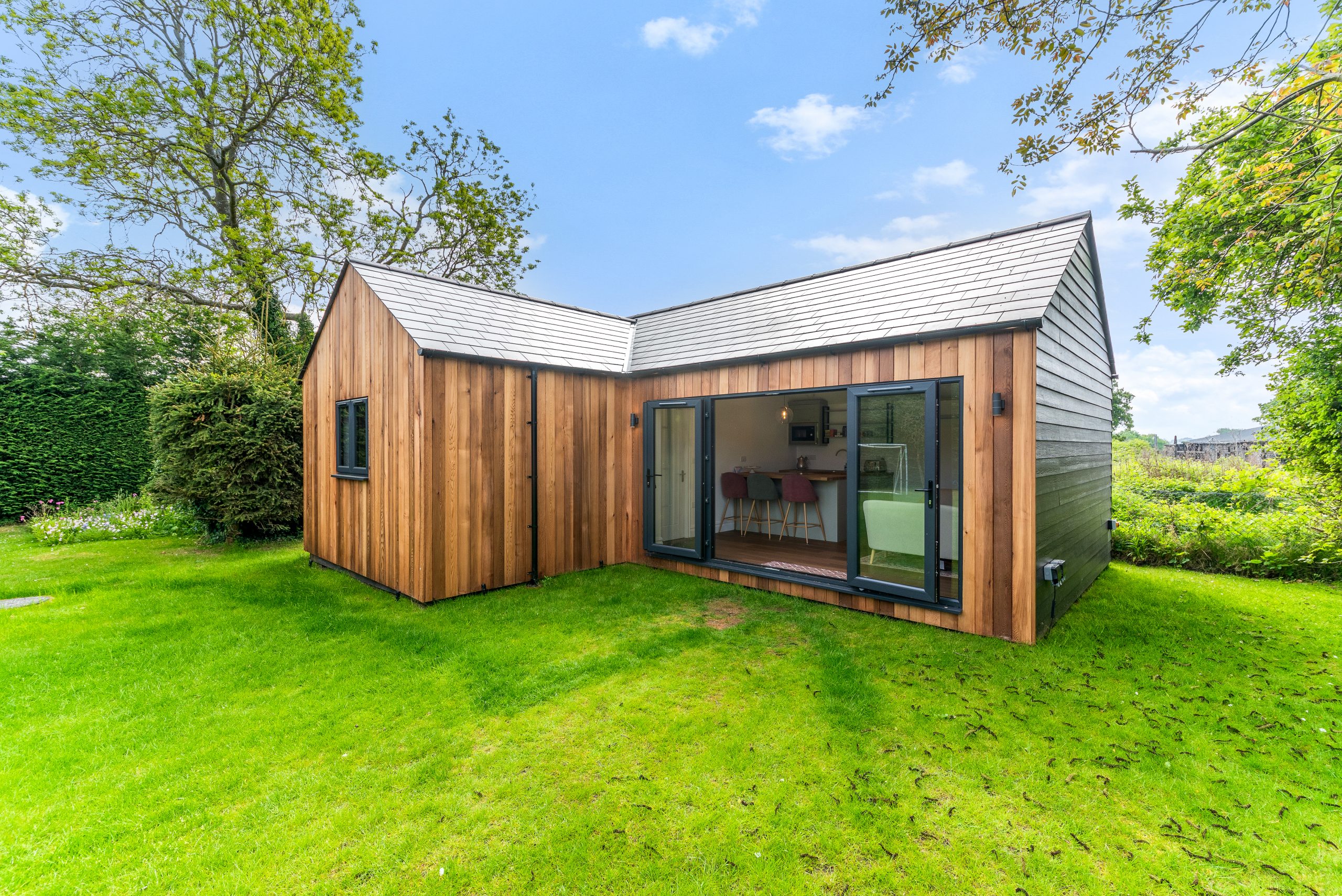
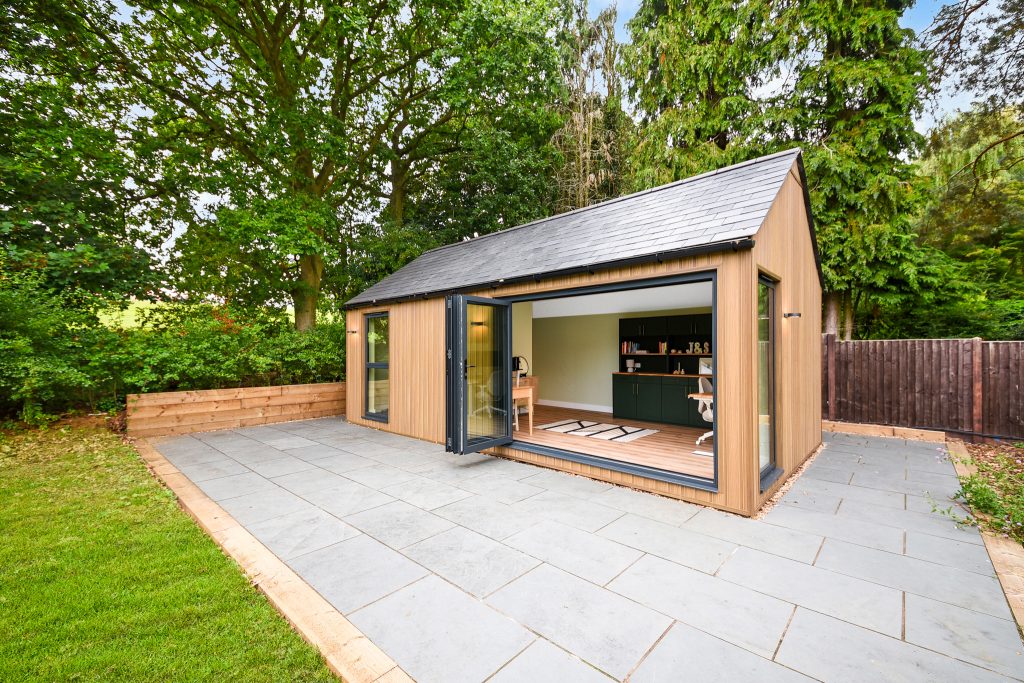
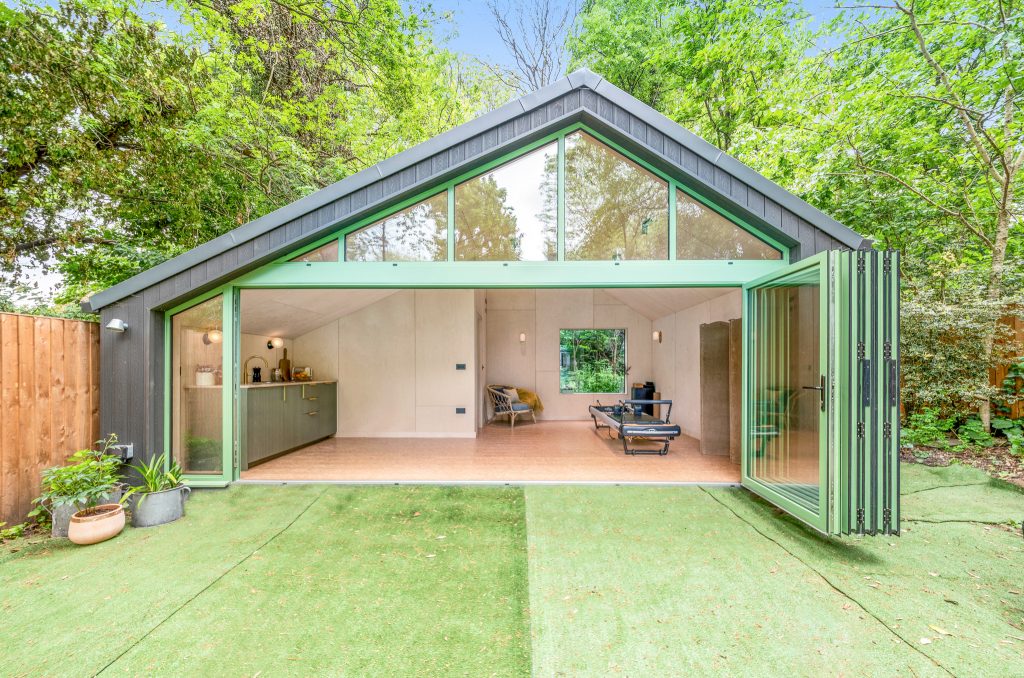
A pitched roof slopes from a central ridge to the walls, creating a more traditional look. Pitched roofs are often associated with classic architectural styles and can give a garden room a distinctive, characterful presence in the landscape.
Key advantages of pitched roofs include:
- Architectural charm: Their shape complements traditional homes and gardens with cottage or period features.
- Improved drainage: The slope allows rainwater to run off more easily, which can be beneficial in wetter climates.
- Loft potential: In some designs, a pitched roof can offer additional height or storage capability, perfect for multi‑purpose rooms.
A pitched roof can also be a design focal point, creating interest and making your garden room feel like a thoughtful extension of your property rather than an afterthought.
Which Roof Style Suits Your Space?
Choosing between pitched and flat often comes down to three things: aesthetic preference, garden layout, and practical use.
- If your home and outdoor areas feature modern lines and minimalistic design, a flat roof can enhance that aesthetic seamlessly.
- If you’re inspired by traditional architecture or want a garden room with classic proportions, a pitched roof might be the right fit.
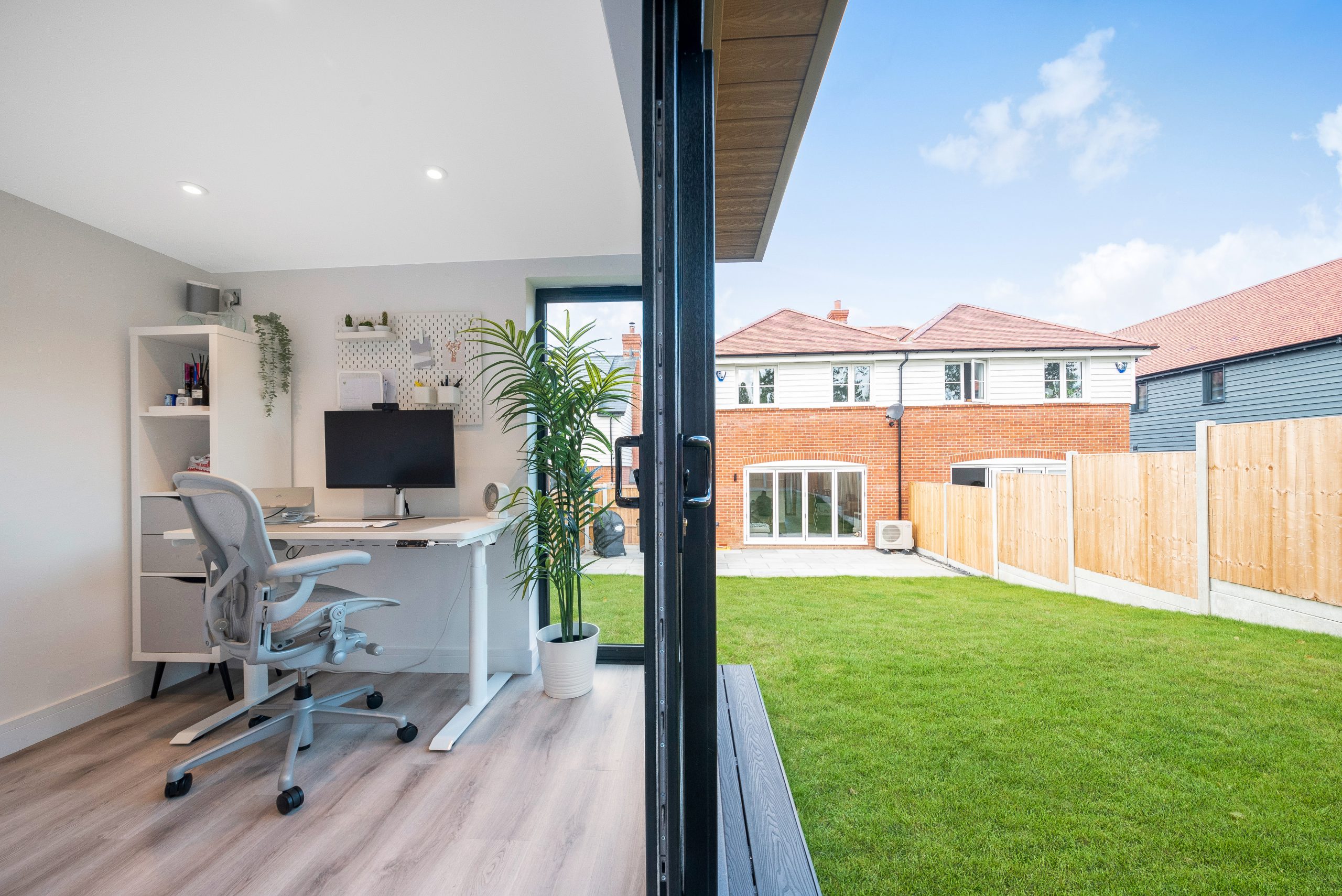
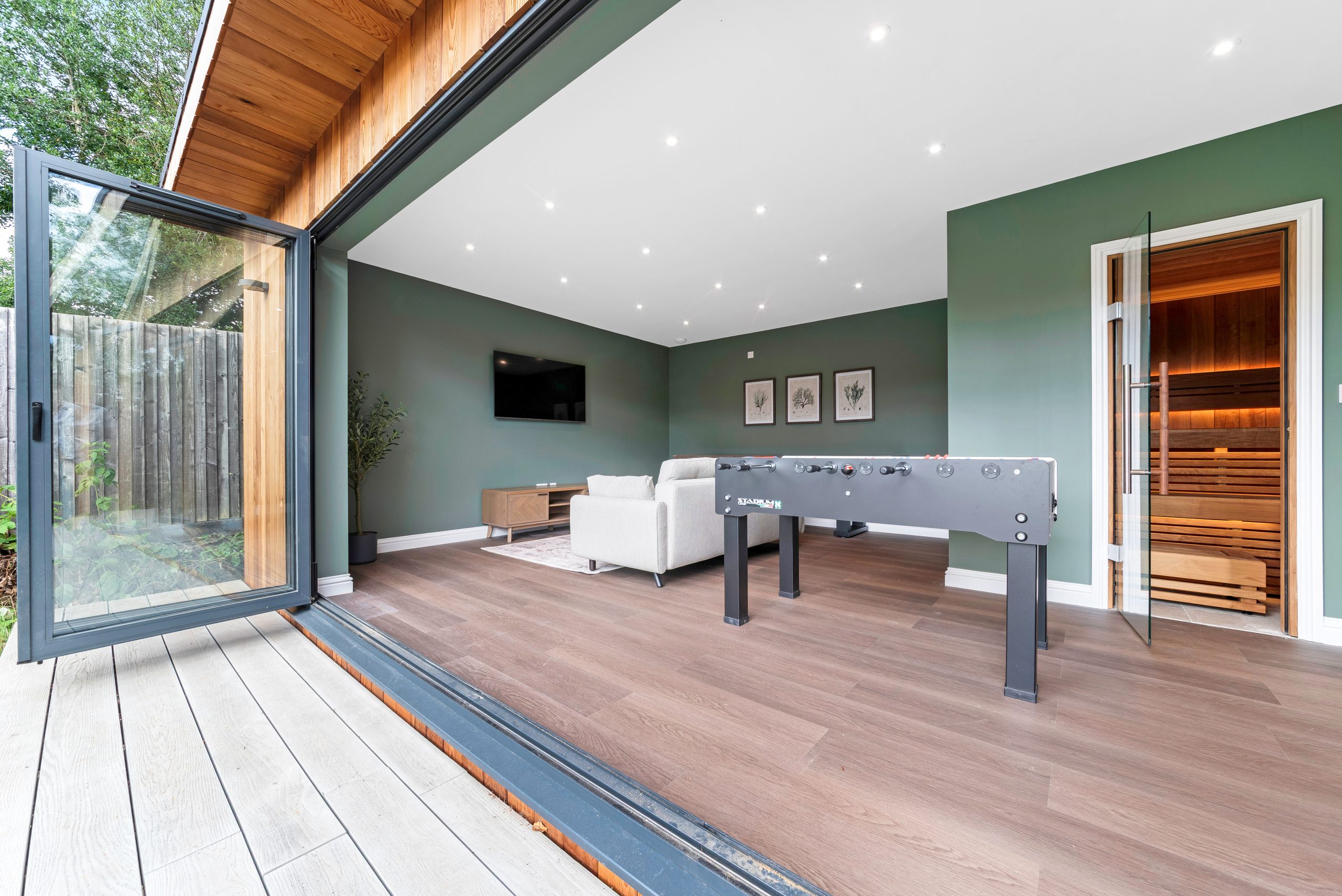
- Consider views too: large glazing works beautifully with both roof types, but a pitched roof can offer a more dynamic interior feel when paired with tall windows.
Hawksbeck designers work with homeowners to find the balance between form and function, ensuring every roof choice complements the overall design of the room and the home itself.
Planning and Practical Considerations
In many cases, flat roofs fall under permitted development, meaning they may not require planning permission, but this depends on height and location. Pitched roofs can sometimes change the overall profile and may need additional consideration. Hawksbeck’s team can guide you through planning criteria and advise on the best choice for your site.
Create a Garden Room That Works All Year Round
Choosing between a pitched and flat roof is an exciting part of designing your garden room. Both options are fully weather‑proofed, insulated, and built to the high standards Hawksbeck is known for. Whether you’re after the sleek sophistication of a flat roof or the timeless appeal of a pitched design, the right roof will elevate your space making it stylish, comfortable, and ready to be enjoyed year‑round.